
Reviewed · AUSCHWITZ TOURS
Auschwitz-Birkenau: Guided Tour with Fast Track Ticket
Auschwitz-Birkenau is not a quick sightseeing stop. It is a place where the scale of Nazi crimes becomes hard to grasp until you walk through both camp sites, see the remaining prison blocks, and stand beside the railway ramp at Birkenau. This tour gives you pre-booked fast-track entry and a guide at each camp, which matters at a busy memorial with strict admission rules.
I like two things here: the tour covers both Auschwitz I and Auschwitz II-Birkenau, and it takes care of the guide arrangements in several languages. I also like the choice of Krakow transport or an independent arrival. The main drawback is that the meeting point can be confusing, and the museum may change your start time the day before, so you need to keep your whole day open.
Key points to know before booking
- Both camp sites are included: You visit Auschwitz I and the much larger Auschwitz II-Birkenau, not just the better-known red-brick camp.
- Fast-track means prepared entry, not instant entry: Waiting can still reach 15 minutes, even with a pre-booked ticket.
- A guide leads each section: English, Polish, German, Spanish, French, and Italian tours are available, though English may replace a language with too few bookings.
- Krakow transport is optional: If you arrive by car, you must arrange parking and transport between the two camp sites yourself.
- Names must match your ID: Every participant supplies full contact details, and entry can be refused if the booking name differs from the identification document.
- Plan for an emotionally demanding day: The visit lasts about three to seven hours, includes a short 10-minute break, and is not suitable for children under 13 or wheelchair users.
Why visiting both Auschwitz sites matters
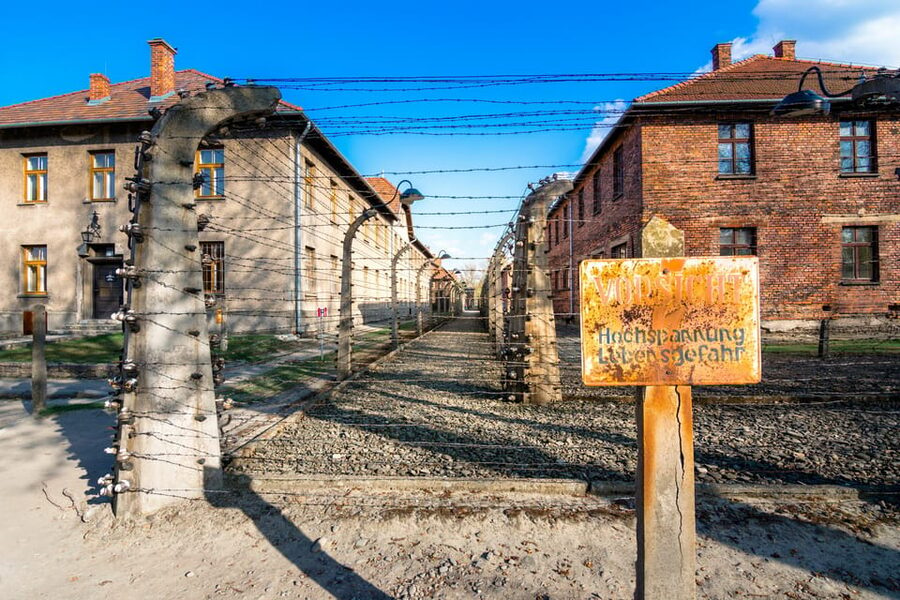
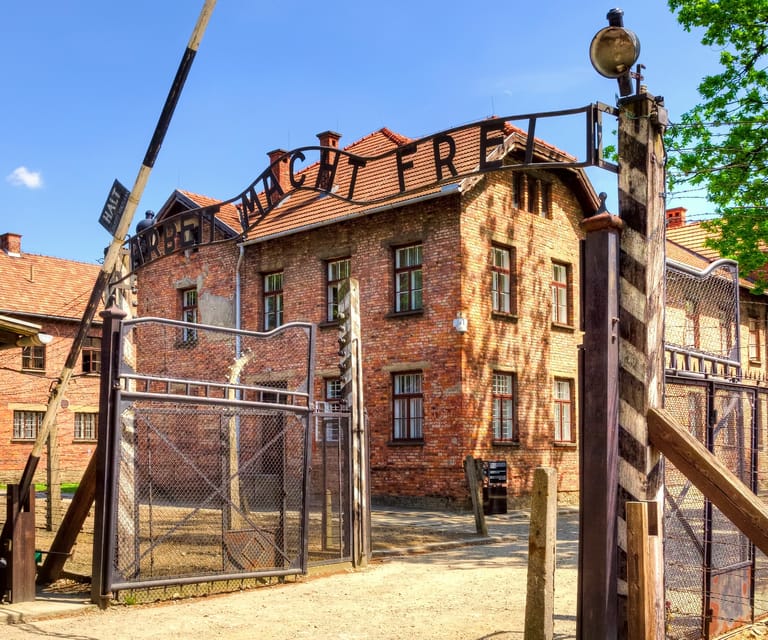
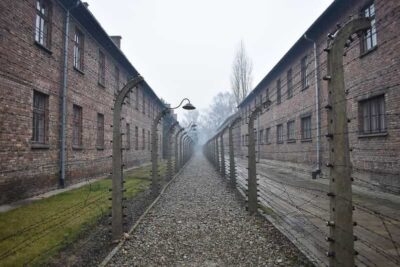
Auschwitz I is the original camp complex and the more enclosed part of the visit. You walk among former prison blocks and preserved buildings, with exhibitions that explain the camp system and the people imprisoned there.
The site is also where you see the remaining gas chamber and crematorium structures. These are not abstract historical points. The buildings, rooms, and surviving objects make the crimes more immediate, which is why a guide is so useful here. The setting can feel orderly and almost deceptively quiet, while the information explains what happened inside it.
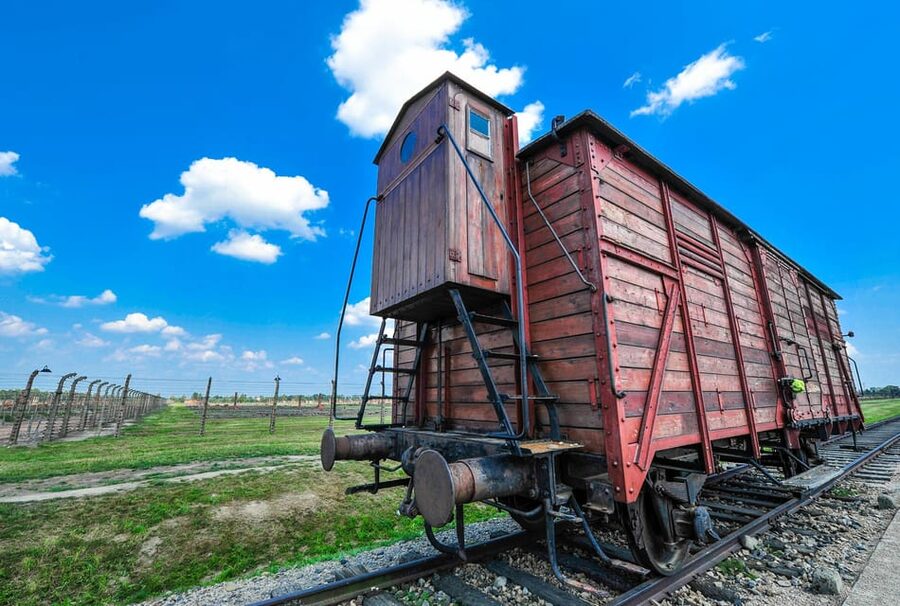
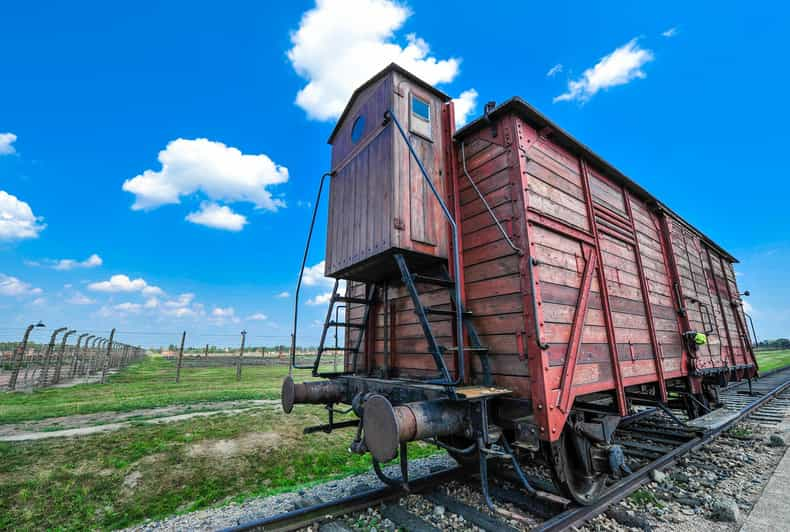
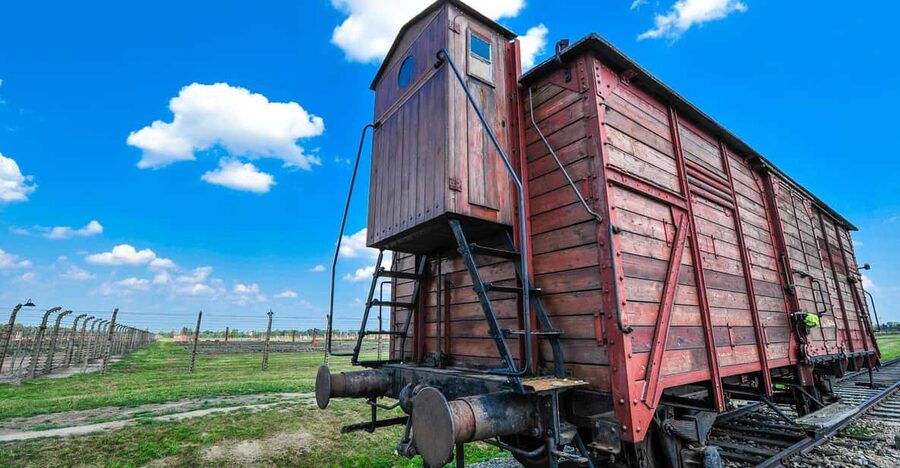
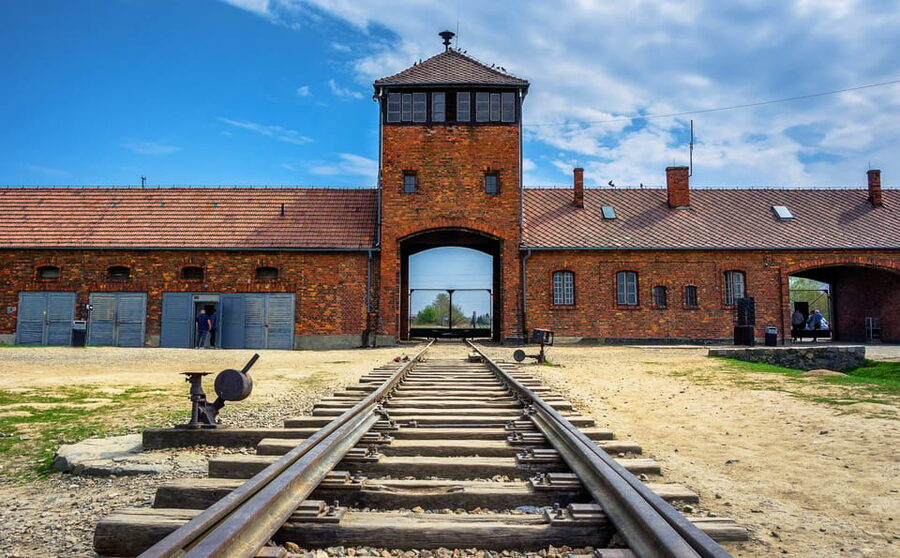
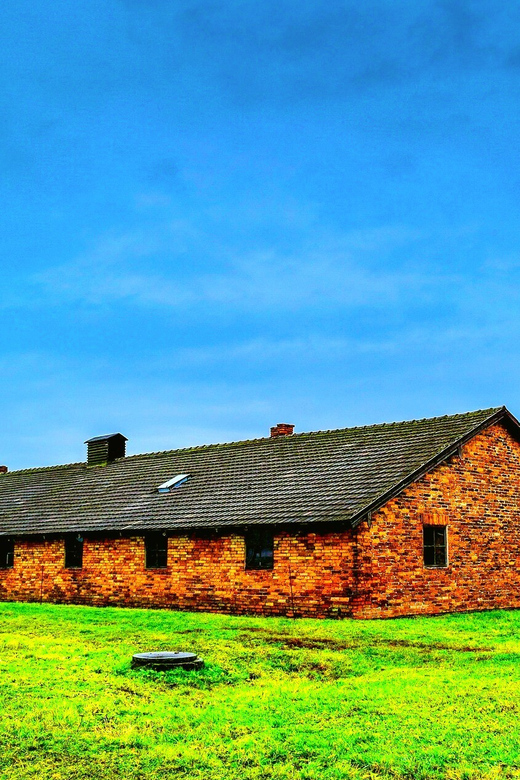
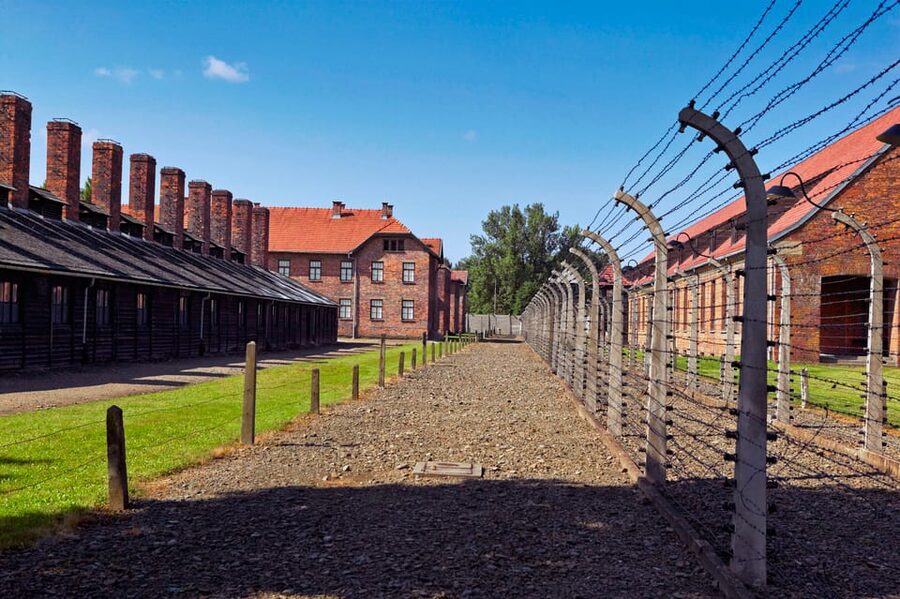
Auschwitz II-Birkenau gives you a different sense of scale. The area is far larger, with the familiar railway tracks and ramp at the center of the camp’s story. This is where prisoners were transported by train and processed upon arrival. The remaining barracks, watchtowers, tracks, and crematoria ruins help you understand the size of the killing center in a way that Auschwitz I alone cannot.
I would not choose a short visit that covers only one site. Auschwitz I provides the preserved buildings and museum displays. Birkenau provides the scale, distance, and stark open space. Together, they create a fuller picture of Nazi crimes against Jews, Poles, Roma, and other persecuted groups.
A few more Auschwitz half-days worth comparing
- From Krakow: Auschwitz-Birkenau Guided Tour & Hotel Pickup
★ 4.5 · 33,358 reviews - From Krakow: Auschwitz-Birkenau Guided Tour & Hotel Pickup
★ 4.5 · 29,340 reviews - Krakow: Auschwitz Guided Tour with Optional Hotel Pickup
★ 4.5 · 15,280 reviews
How the guided visit is organized
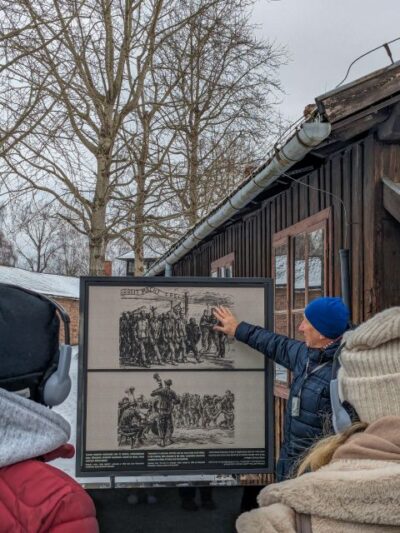
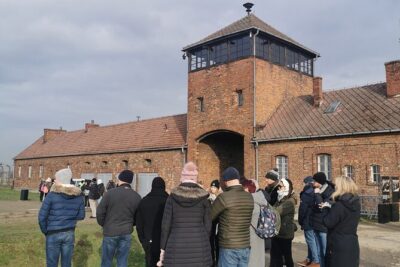
At the meeting point, an English-speaking host provides your tickets. After you enter the museum, a local guide leads the visit in the language assigned to your booking. The arrangement is slightly different from a normal city walking tour, where you simply meet one guide and follow along from the street.
You should expect a guide at each camp. The memorial’s own visitor service controls the pace and length of the visit, not the booking company. That means the stated three to seven hours is a useful range rather than a promise of an exact finish time.
Some departures have included a guide named Martin, whose approach combined historical detail with occasional humor. That may suit you if you prefer a guide who keeps a group engaged during a long and difficult visit, but your assigned guide will depend on the departure and language available.
The guide’s role is especially important at Birkenau. The site is wide and its remains can be difficult to read without context. A guide can connect the railway ramp, barracks, crematoria remains, and camp layout so you are not simply walking past structures without understanding their purpose.
The Auschwitz I section
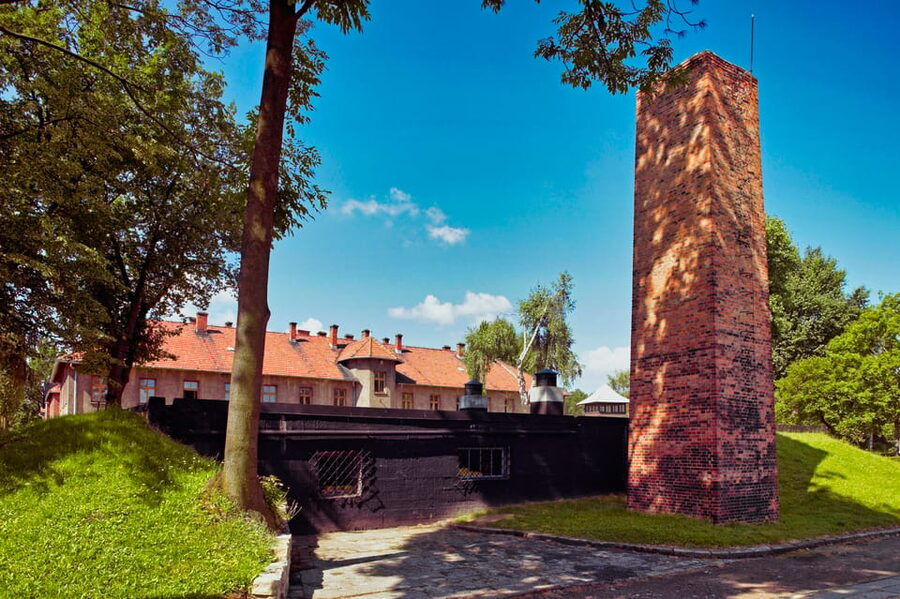
The first camp usually gives you the most structured introduction. Former prison blocks now contain museum displays, while the guide explains the camp’s role in the wider concentration camp system.
You will see preserved blocks, the remaining gas chambers, and crematoria buildings. The material is distressing, and the memorial asks for appropriate clothing and respectful behavior. This is not a place for casual sightseeing or loud conversation.
I value the guided format here because the exhibits can raise difficult questions. The guide can place individual objects and buildings in context, helping you understand the difference between a prison block, an execution site, a gas chamber, and a crematorium. The aim is not simply to show you old buildings. It is to explain how the camp operated and who was targeted.
The site can be crowded, even with a small group. Other guided groups move through the same blocks, and the pace may feel firm. You will have less freedom to linger wherever you wish, but that structure helps the visit stay focused and allows the group to complete both camps.
The Birkenau section and railway ramp
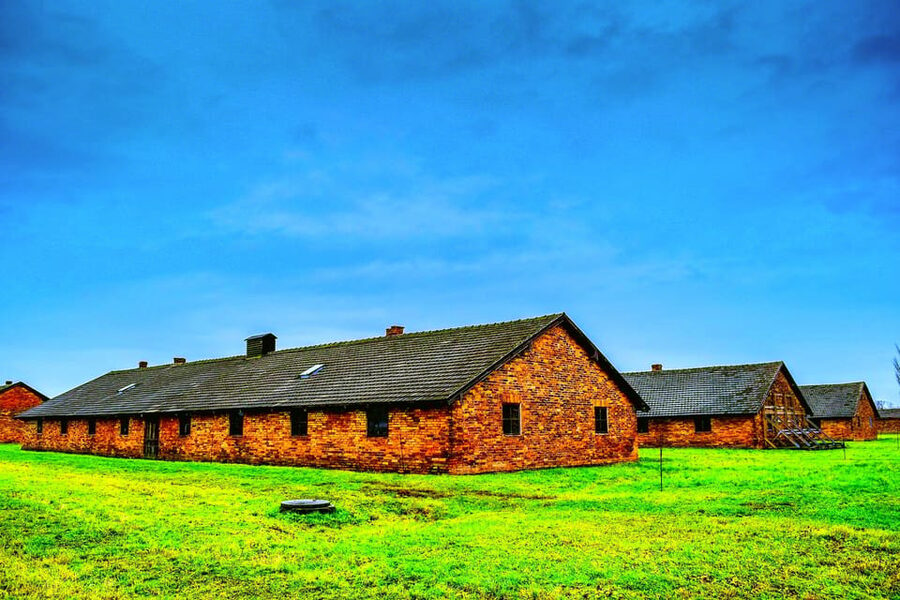
Birkenau is physically different from Auschwitz I. The grounds are much more open and spread out, and the railway ramp immediately explains why this part of the memorial is so important.
You see where prisoners arrived by train and were processed at the camp. The tracks and ramp are among the clearest visual reminders that deportation was organized on a vast scale. From there, the remaining structures and ruins show how far the camp extended.
This section can be especially demanding in bad weather. Bring clothing suited to the conditions, since you may spend time outside between preserved buildings and ruins. The tour information specifically advises weather-appropriate clothing, and that advice is worth taking seriously.
If you arrive independently, pay close attention to the arrangements between the two camps. Transport from Krakow is included only with the transport option. The independent option does not include transport between Auschwitz I and Birkenau, so you need to account for that yourself.
Same city, a completely different kind of day:
- Krakow: Auschwitz-Birkenau Guided Tour with Pickup & Lunch
★ 4.5 · 9,800 reviews - Krakow: Auschwitz-Birkenau Guided Tour Pickup/Lunch Options
★ 4.5 · 9,057 reviews - Krakow: Auschwitz-Birkenau and Salt Mine Guided Tour
★ 4.7 · 9,020 reviews - Krakow to Auschwitz Birkenau Guided Tour with Transfer and Ticket
★ 5.0 · 8,197 reviews
Fast-track entry and what it really saves
The main practical benefit is having a pre-booked museum ticket rather than trying to arrange admission on the day. You still may wait up to 15 minutes, but this is a short delay compared with arriving without a confirmed place during a busy period.
Do not treat fast-track entry as a guarantee that you can arrive whenever you like. Your ticket is tied to the name and identification details supplied during booking. Bring your passport or ID card, and bring a student card if you are using one for the booking.
The strict name policy deserves attention. Every person must provide a full name and contact details, and the name on the booking must match the identification document shown at entry. A spelling mistake can become a serious problem at the gate.
Large luggage is not permitted. Bags larger than 30 by 20 by 10 centimeters cannot enter the museum, so arrive with only what you need. Do not assume that a large suitcase or travel backpack will be accepted.
Choosing Krakow transport or arriving alone
The transport option is the easier choice if you are staying in Krakow and want one company to handle the road journey and the museum visit. It also removes the need to find parking and arrange the transfer between the two camp sites.
The independent option can work well if you already have a car or are staying nearby. It may also give you more control over how you reach the memorial. But the savings are not as simple as removing the bus cost. You must consider parking fees and the transfer between Auschwitz I and Birkenau.
Parking charges have been reported as 20 złoty at Auschwitz I and 40 złoty at Auschwitz II-Birkenau. These fees are not included in the independent option. Meeting points and parking areas can also be confusing, with more than one parking site in use.
If you drive, arrive early enough to locate the correct meeting point. Some people have needed help finding the guide, and one independent group received a lift to Birkenau after parking far from the first site. That kind of assistance may happen, but I would not plan on it.
Timing, meeting points, and the small risks
The tour is advertised as lasting three to seven hours. The shorter end reflects a focused museum visit, while the longer end allows for the travel arrangement, entry process, both camp sites, and the memorial’s own scheduling.
The start time can change the day before, based on guide availability at the museum. You receive confirmation by email, so check your messages before the visit and save the full day. Do not schedule a tightly timed evening train, flight, or dinner reservation.
Finding the group can be the weakest part of the organization. You may see several buses and tour groups in the same area, and the operator’s guide may not carry an obvious sign. Some guides wear a small badge or shirt marking a local Krakow guide company rather than the same name shown on your booking.
Keep your phone charged and have the meeting details ready. If you cannot locate the host, call the number supplied with your booking, though phone response may not always be immediate. A few minutes of preparation here can prevent a stressful start.
There is a 10-minute break during the tour. It is short, so use it for water, a restroom visit, and a quiet pause. The day is emotionally heavy, and that small interval can matter.
Languages and group experience
Tours are available in English, German, Spanish, French, Polish, and Italian. If too few people book a particular language, the provider may run the tour in English instead. Check your confirmation carefully if language is important to you.
The group is described as small, which should make it easier to hear the guide and stay together. Still, Auschwitz is a major memorial with many organized groups moving through the same spaces. You should expect a shared public experience, not a private, silent walk.
The strongest part of the service is the guiding. Several departures have been especially well organized, with guides who explained difficult material clearly and kept the visit moving. One guide, Martin, has been singled out for combining strong historical detail with a light touch when appropriate.
Transport quality can vary by departure. A driver may be polite and punctual, but safe, professional driving is still important. If you choose transport, pay attention to the road experience as well as the museum arrangements.
Is $69 good value?
At $69 per person, the tour is not simply a ticket purchase. You are paying for pre-booked admission, guide arrangements at both camp sites, and, if selected, transport from Krakow.
That can be good value if you want a straightforward day without piecing together museum entry, language arrangements, transport, and the transfer between camps. The guide is the most important part of the price because the memorial is large, serious, and not easy to understand from signs alone.
The value is less clear if you already have transport, can secure your own museum ticket, and prefer to explore at your own pace. In that case, the organized schedule may feel restrictive, especially since the start time can change and the memorial controls the visit length.
I would pay for this format if you are coming from Krakow and want the simplest practical arrangement. I would compare independent costs carefully if you are driving, since parking and the connection between the camps add extra work and expense.
Who should book this experience
This tour suits adults and teenagers aged 13 or older who want a guided, historically focused visit. It is particularly useful if you are visiting Poland for a short time and want to make sure you see both Auschwitz I and Birkenau.
It also suits you if you prefer having a guide explain the site rather than reading every display alone. The multilingual choice is helpful, though you should accept that English may be substituted if a language group is too small.
It is not suitable for children under 13, wheelchair users, or people with mobility impairments. The tour involves walking through a large memorial complex, and the provider specifically excludes those categories.
You should also think about your own readiness. This is a painful place, and the visit can bring strong emotions. The value is not entertainment. It is education, remembrance, and a clearer understanding of how the camp system worked.
My booking advice
I would book this tour if you want both camp sites, a guide, and the convenience of pre-arranged entry. The strongest reasons are the complete route, the language options, and the practical help with a memorial where tickets and timing can be difficult.
I would not book it casually or squeeze it between other plans. Save the whole day, bring identification, wear suitable clothing, carry only a small bag, and confirm the meeting point the day before.
Choose the Krakow transport option for simplicity. Choose independent arrival only if you are comfortable handling parking and the transfer between Auschwitz I and Birkenau. Either way, expect a serious, demanding visit. The organization is useful, but the place itself is what matters most.
FAQ
How long does the Auschwitz-Birkenau tour last?
The activity lasts between three and seven hours. The exact pace and duration are set by the memorial’s visitor service, so you should keep the whole day free.
Does the tour visit both Auschwitz I and Auschwitz II-Birkenau?
Yes. The itinerary includes both camp sites, including prison blocks, gas chambers, crematoria remains, and the railway ramp at Birkenau.
Is transport from Krakow included?
Transport from Krakow is included only if you select the transport option. If you arrive independently, parking and transport between the two camps are not included.
Which languages are available?
Guided visits are available in English, German, Spanish, French, Polish, and Italian. If a language group does not reach the required minimum, the tour may be provided in English.
Do I need to bring identification?
Yes. Bring a passport or ID card. The name on your booking must exactly match the name on your identification, or entrance may be refused.
Can I bring a large suitcase or backpack?
No. Luggage larger than 30 by 20 by 10 centimeters is not permitted inside the museum. Bring only a small bag with essential items.
Is the tour suitable for children or wheelchair users?
The activity is not suitable for children under 13, people with mobility impairments, or wheelchair users.
Just added around Auschwitz
- Guided Private Tour to Auschwitz Birkenau & Krakow from Wroclaw★ 5.0 · 4 reviews
- Auschwitz-Birkenau Day Tour from Wroclaw★ 5.0 · 40 reviews
- Krakow & Auschwitz day tour from Warsaw by private car with Lunch★ 5.0 · 16 reviews
- One day tour to Auschwitz-Birkenau & Salt Mine from Warsaw with private driver★ 5.0 · 4 reviews
- One Day Tour to Auschwitz-Birkenau from Warsaw by Car★ 5.0 · 81 reviews
- Krakow and Auschwitz – Full Day Tour from Warsaw by private car★ 5.0 · 9 reviews
- From Warsaw: Auschwitz-Birkenau Tour with Premium Train Transportation★ 4.0 · 7 reviews
- Full-Day Tour From Warsaw to Auschwitz (guided) and Krakow by car★ 5.0 · 24 reviews
Auschwitz Tours, compared.
Auschwitz-Birkenau Guided Tour & Hotel Pickup
Read our review →
Auschwitz Guided Tour with Optional Hotel Pickup
Read our review →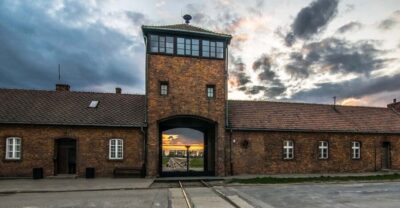
Auschwitz-Birkenau Guided Tour with Pickup & Lunch
Read our review →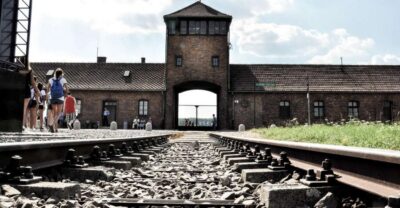
Auschwitz-Birkenau Guided Tour Pickup/Lunch Options
Read our review →
Krakow to Auschwitz Birkenau Guided Tour with Transfer and Ticket
Read our review →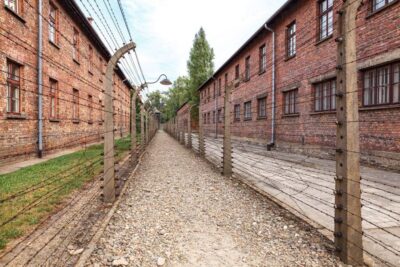
Browse the lists this tour appears in