
Reviewed · WAWEL CASTLE TOURS
Krakow: Wawel Castle & Cathedral Guided Tour
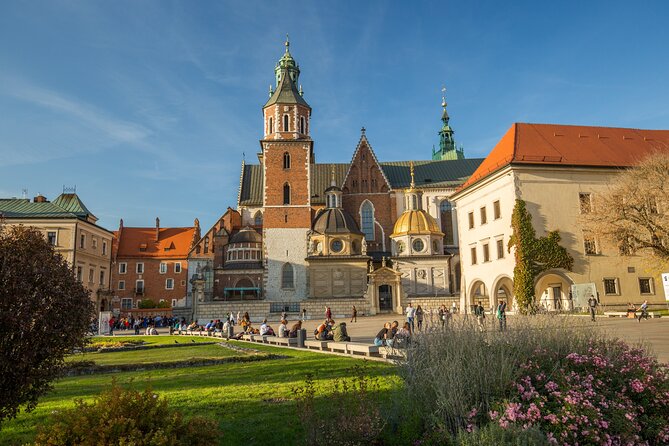
Wawel Castle and Cathedral give you Krakow’s grandest history in one compact visit. You move from royal apartments and priceless art to the cathedral’s chapels, crypts, and famous Sigismund Bell, with a guide tying Polish rulers, faith, and politics together.
I like the included admission, which saves you from dealing with museum ticket lines. I also like the small-group format, capped at 30 people, though that is still large enough for a quiet guide or fast speech to become a problem.
The tour lasts about two hours and costs $59.26 per person. That is fair if you want context and a clear route, but less attractive if you prefer to study every room at your own pace or need plenty of time for questions.
Key points to know before booking
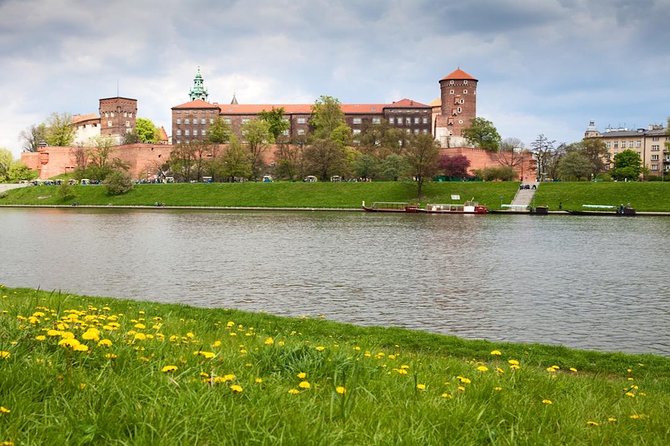
- Royal rooms and art: See Renaissance and Baroque interiors, royal furniture, paintings, sculpture, porcelain, military objects, and Flemish wall hangings.
- A remarkable Ottoman collection: Wawel holds the largest set of Ottoman tents in Europe, a striking change from the usual European palace displays.
- A cathedral built around Polish power: The cathedral hosted royal coronations, weddings, and funerals, then became the resting place of monarchs, poets, and national heroes.
- The meeting point is below Wawel Hill: Do not walk directly to the castle entrance. Go first to the Piotr Skarga Monument at Plac Świętej Marii Magdaleny.
- Guiding quality matters: Guides such as Ana and Helena have been praised for lively, personal presentations, while some participants found fast speech or quiet delivery hard to follow.
- Dress for worship: Shorts and sleeveless tops are not allowed. You need to cover your knees and shoulders.
Why Wawel works best with a guide
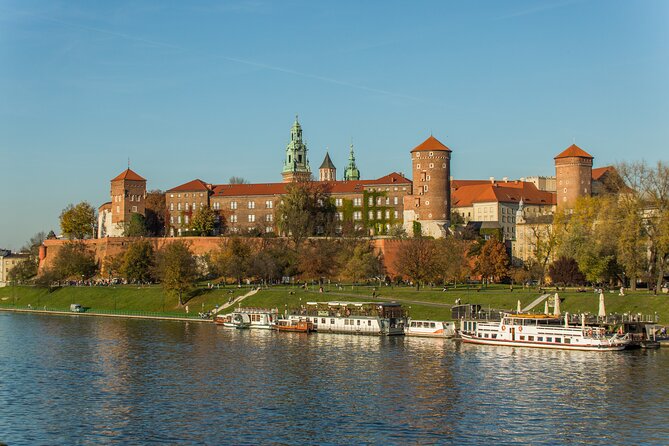
Wawel is not just one building. It is a royal residence, a museum complex, a cathedral, a burial place, and a symbol of Poland. Without help, you can admire the rooms and objects but miss the links between them.
A good guide gives the castle a human shape. Instead of seeing one king after another as a blur of names, you can follow how rulers used art, ceremony, marriage, religion, and military power to strengthen the Polish state.
That context is the main reason to book this experience. The guide is expected to cover a lot in two hours, so the visit moves at a steady pace. Some guides have been praised for making difficult Polish history easy to follow, including Ana, who kept the group engaged without making the tour feel rushed. Helena has also been praised for her academic background and clear sense of the country’s political past.
There is some risk in a group tour. A few participants found that a guide spoke too quickly or too softly, and one person felt there were too many dates and royal names. If hearing clearly is important to you, ask questions early and stay close to the guide. The information can come fast.
More Wawel Castle tickets and tours:
- Krakow: Wawel Castle & Cathedral Guided Tour
★ 4.7 · 2,111 reviews - Old Town Krakow & Wawel Castle Walking Tour
★ 5.0 · 1,508 reviews - Krakow: Wawel Royal Hill with Optional Castle and Cathedral
★ 4.2 · 1,220 reviews
Meeting at Plac Świętej Marii Magdaleny
The tour begins at the Piotr Skarga Monument at Plac Świętej Marii Magdaleny, not on Wawel Hill. This detail matters. If you head straight to the castle, you can miss the group and lose the admission fee.
Arrive at least 10 minutes early. Once the group has left, latecomers cannot join, and the booking is not refundable for that missed start. The meeting point is near public transportation, and the tour ends at Wawel Cathedral.
Starting below the hill is actually sensible. The group can gather on level ground before walking up together, rather than trying to find one another among castle entrances and museum buildings. Still, read your voucher carefully and allow time to locate the monument.
The tour is offered in English. Each group uses one language, and the maximum size is 30 people, based on museum limits. That is smaller than a large sightseeing bus group, but not an intimate private tour. Your experience will depend partly on where you stand and how well the guide projects.
Inside Wawel Royal Castle
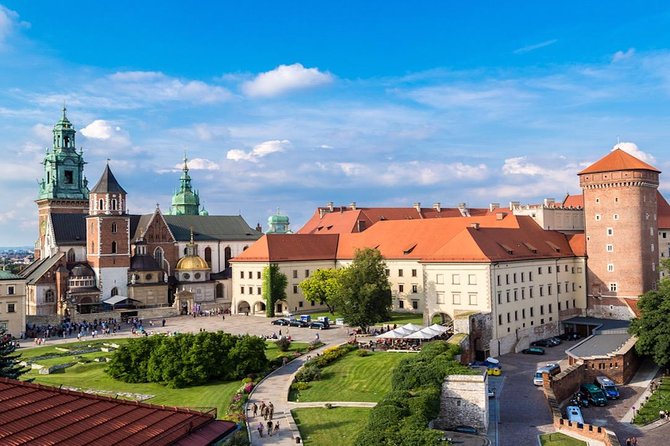
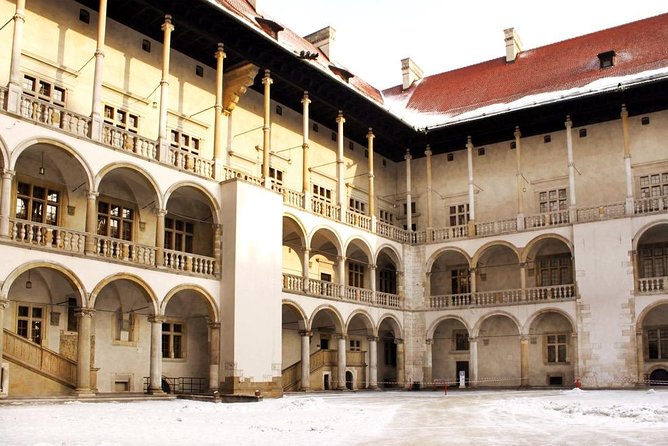
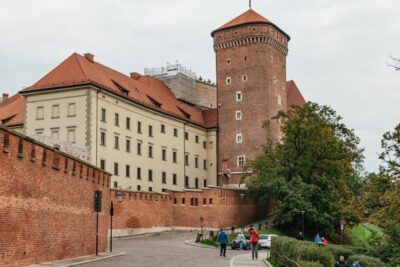
The first hour takes you through the former residence of Polish kings. The castle became one of Poland’s major museums in 1930, and its rooms now hold an impressive mix of decorative art, royal objects, and military pieces.
Expect grand Renaissance and Baroque interiors rather than a bare medieval fortress. The rooms show how monarchy worked as theater. Walls, furniture, paintings, and ceremonial objects were designed to communicate wealth and authority to every ambassador and court visitor who entered.
The Flemish wall hangings commissioned by King Sigismund II Augustus are among the most memorable sights. These large works are not simply decoration. They helped make cold stone chambers more comfortable while also displaying the king’s reach and taste.
You will also see Italian Renaissance works from the Lanckoroński collection. The tour brings together paintings, sculpture, porcelain, weapons, and other objects, so the appeal is broad. I would especially recommend this visit if you enjoy seeing how art and politics share the same room.
Wawel’s Eastern art collection adds a welcome surprise. The museum holds the largest set of Ottoman tents in Europe, an unusual collection that gives the castle a wider view of diplomatic and military exchange. It breaks up the succession of European royal rooms and gives the guide another way to explain Poland’s position between different powers.
The drawback is time. One hour is enough for a guided introduction, but not for lingering over every painting or reading every label. If you are an art specialist, you may leave wanting another visit. For a first look, the pace gives you a useful outline without letting the castle consume your entire day.
The rooms can also feel dense with information. Dates, royal marriages, battles, collections, and architectural changes arrive one after another. I would listen for the main story first and treat minor names as optional details. You can always return independently if a particular object catches your attention.
Wawel Cathedral, royal ceremonies, and the crypts
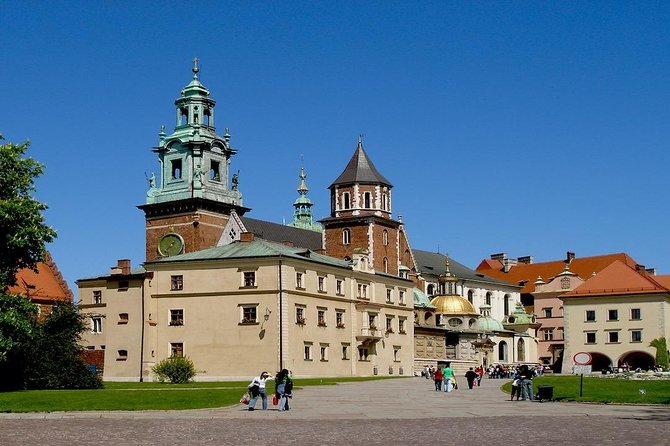
The second hour shifts from court life to sacred and national memory. Wawel Cathedral is a Gothic church where Polish monarchs were crowned, married, and buried. Its chapels and altars show how closely political authority and religious life were joined.
The cathedral is the emotional center of the experience for many people. The castle explains how rulers lived and displayed power. The cathedral shows how that power was presented as part of a longer spiritual and national story.
Your guide takes you through the chapels and altars before leading you to the crypts. Kings and queens rest there alongside poets and national heroes, so the space is more than a royal burial chamber. It connects political leaders with the people who shaped Polish culture and public memory.
The crypt visit is especially useful if you know little about Poland. Names that may seem unfamiliar become easier to place when your guide explains their role in the country’s long, often troubled past. The strongest presentations do not simply list who is buried where. They explain why each person still matters.
You also see the Sigismund Bell in the tower. Local tradition says touching it brings good luck. Reaching the bell involves a climb, and one participant described the stairway as awkward but enjoyable. If you do not like tight or difficult climbs, consider this before booking.
There is an important practical point here. The advertised route describes the bell tower and cathedral admission as part of the visit, but one participant said the group ended outside the cathedral and a separate payment was needed to go back in for the tower. Because access arrangements can vary, confirm with the guide before leaving the cathedral if the tower is important to you. Do not assume you can simply re-enter on the same ticket.
The cathedral is an active place of worship, so dress modestly. Shorts and sleeveless tops are not allowed, and both men and women must cover their knees and shoulders. This is not a minor detail: inappropriate clothing can interfere with entry even when you have paid for the tour.
A few more Krakow half-days worth comparing
- Kraków: Evening or Night River Cruise
★ 4.0 · 7,386 reviews - Krakow: Oskar Schindler’s Factory Entry Ticket & Guided Tour
★ 4.2 · 3,793 reviews - Krakow: City Sightseeing Tour by Electric Golf Cart
★ 4.5 · 3,264 reviews - Krakow: Schindler’s Factory Tour with Entrance Ticket
★ 4.5 · 3,182 reviews
The guide can make or break the two hours
This experience depends heavily on the person leading it. A strong guide turns a large collection into a story. Ana has been praised for a well-judged pace, personal warmth, and an ability to keep the group interested without rushing through the exhibits. Helena has been praised for bringing academic knowledge and a personal connection to Polish history.
Other experiences have been less smooth. Some guides have spoken too fast, used English that was difficult to follow, or delivered commentary too quietly for people at the back. Another participant felt the presentation wandered and left the group behind, although the company says guides must keep to a fixed schedule.
I would treat the two-hour length as both a benefit and a limit. It keeps the visit manageable, especially on a busy sightseeing day, but it leaves little room for a long question-and-answer session. Stay near the guide, speak up if you cannot hear, and do not be shy about asking for a name or date to be repeated.
The best way to approach this tour is as a guided introduction rather than a private seminar. You will get a strong framework for Wawel, then you can decide if a later independent visit deserves more time.
Is $59.26 a fair price?
At $59.26 per person, the price is not the cheapest way to enter Wawel. You are paying for the guide, group organization, and included admission as well as the buildings themselves.
That price makes sense if you want someone to explain the objects and put the castle and cathedral into Polish history. The admission included in the booking can also save time at ticket counters, which matters on a short Krakow stay.
The value is weaker if you are happy to read labels, move slowly, and set your own route. The tour covers a great deal in two hours, but you may not have time to pause wherever you wish. Art lovers who want close study should consider this a first visit, not a complete museum day.
The strongest value comes when you want both sites in one outing. Buying separate admission and arranging your own route may take more effort, while this tour gives you a direct connection between royal rooms, sacred spaces, and royal burials.
Who should book this Wawel tour?
I would recommend it to a first-time visitor to Krakow who wants the main Wawel sights without spending half a day working out the museum system. It suits anyone interested in royal history, religious art, architecture, military objects, or the people buried in the cathedral crypts.
It is also a good fit if Polish history is new to you. The tour gives you a useful starting point, and a passionate guide can make the subject far less intimidating than a room full of unfamiliar names.
Families and mixed-interest groups may also find the two-hour format useful. The castle offers art and objects, while the cathedral adds ceremonies, legends, the bell, and the crypts. The climb to the bell may be enjoyable for some and uncomfortable for others.
I would be more cautious if you have trouble hearing in a group, dislike fixed schedules, or want long periods of quiet looking. The group can include up to 30 people, and guide volume and pace are not guaranteed to suit everyone.
The cancellation rule is strict close to departure. You can receive a full refund if you cancel at least 24 hours ahead, but cancellations or changes inside that window are not accepted. A missed start due to arriving late is also non-refundable.
Should you book it?
Book this tour if you want a well-organized introduction to Krakow’s most important royal and religious site, with admission handled and a guide to explain the story. The rare Ottoman tents, royal wall hangings, Renaissance art, crypts, and Sigismund Bell give the two hours plenty of variety.
I would book it with three conditions in mind: arrive early at the meeting point below the hill, dress properly for the cathedral, and stay close enough to hear the guide. If the bell tower matters to you, confirm the re-entry and ticket details before the tour ends.
For most first visits, the price is reasonable because the guide supplies the context that makes Wawel more than a set of beautiful rooms. If you already know Polish history or prefer to explore at your own pace, spend the money on independent admission instead and give yourself more time.
FAQ
How long does the Wawel Castle and Cathedral tour last?
The tour lasts approximately two hours, with about one hour at Wawel Royal Castle and one hour at Wawel Cathedral.
Where does the tour begin?
It begins at the Piotr Skarga Monument at Plac Świętej Marii Magdaleny, 31-044 Kraków. The meeting point is below Wawel Hill, not at the castle itself.
Where does the tour end?
The tour ends at Wawel Cathedral, Wawel, 31-001 Kraków.
Is admission included?
Yes. Admission to both Wawel Royal Castle and Wawel Cathedral is included in the tour price. If you want to climb the bell tower, confirm the access details with the guide before leaving the cathedral.
What should I wear?
You must cover your knees and shoulders. Shorts and sleeveless tops are not allowed because the cathedral is a place of worship and a dress code applies.
What happens if I arrive late?
You should arrive 10 minutes before the scheduled start. Once the group has departed, latecomers cannot join, and the tickets are non-refundable.
Just added around Krakow
- stag dog chase Krakow prank★ 5.0 · 4 reviews
- Divine Mercy Sanctuary – Private Tour from Krakow★ 5.0 · 4 reviews
- ZALIPIE – painted village, unique PRIVATE tour from Krakow★ 5.0 · 20 reviews
- ZALIPIE – painted village, unique small group tour from Krakow★ 5.0 · 7 reviews
- Zalipie Private Tour from Krakow The Painted Village★ 5.0 · 4 reviews
- Wooden Churches Unesco List Private Tour from Krakow★ 5.0 · 14 reviews
- Guided tour to Salt Mine & Schindler Factory with Pick-Up Options★ 4.0 · 58 reviews
- Wawel Castle, Cathedral, & Rynek Underground Tour with Lunch★ 5.0 · 4 reviews
Wawel Castle Tours, compared.
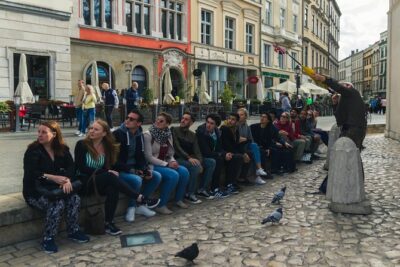
Wawel Royal Hill with Optional Castle and Cathedral
Read our review →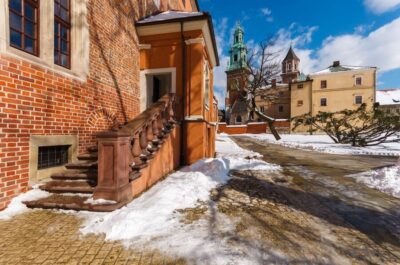
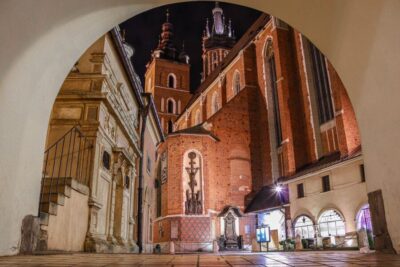
Old Town & Wawel Castle Walking Tour in English
Read our review →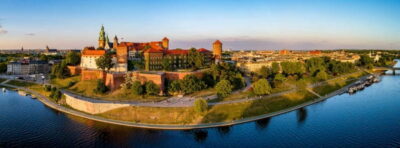
Krakow’s Essential Tour of the Old Town and Wawel Castle
Read our review →Browse the lists this tour appears in