
Reviewed · AUSCHWITZ TOURS
From Krakow: Auschwitz-Birkenau Memorial Private Tour
Auschwitz-Birkenau is not a sightseeing stop you breeze through. It is a place of evidence, silence, and painful detail. This tour gives you a practical way to reach both camps from Krakow, with hotel pickup, private transport, and entry arranged before you arrive.
I like two things here. First, the driver handles the long road journey and the return, which matters after several hours on foot. Second, you see both Auschwitz I and Birkenau, including the preserved barracks, prisoner belongings, railway tracks, and crematoria remains. The main consideration is that this is not a fully private guided tour. Your vehicle and booking are private, but the museum visit follows its rules, with a live guide in a group of 5 to 20.
Key points at a glance
- Two camps in one visit: See Auschwitz I and the much larger Auschwitz II-Birkenau site.
- A long but manageable day: The advertised duration is 390 minutes, with about 2 hours at Auschwitz I and 75 minutes at Birkenau.
- Private vehicle from Krakow: Pickup and drop-off at your hotel remove the hassle of arranging buses or taxis.
- Museum-led touring: The driver is not your private memorial guide. The museum provides the live guide in English, French, Russian, German, or Polish.
- A solemn walking visit: Wear comfortable shoes, bring identification, and expect a serious experience rather than a casual day trip.
- Helpful driver service: Patrick and Adam are specifically praised for punctual communication, practical help, and useful Krakow suggestions.
Why Auschwitz requires more than a quick day trip
The Auschwitz-Birkenau Memorial marks the site of the largest Nazi concentration and extermination camp complex. More than one million people were murdered there. The scale can be hard to grasp from a book or photograph, but the two sites together make the system easier to understand.
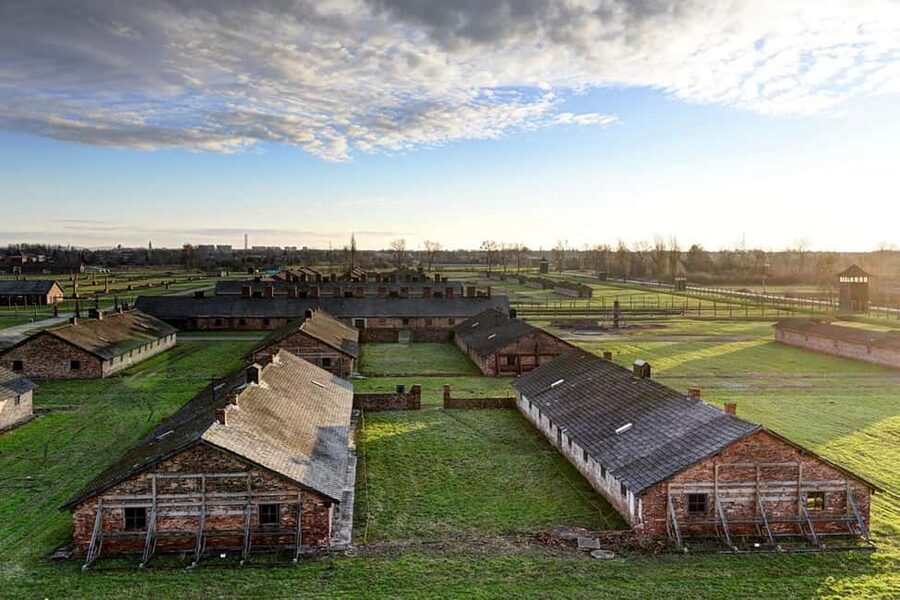
At Auschwitz I, you encounter the original camp buildings and museum exhibitions. At Birkenau, the size of the grounds and the railway entrance show how industrial and organized the killing became. The contrast between the two locations is one reason I consider it important to visit both rather than choosing only one.
This is also a place where your mood matters. The buildings, belongings, and photographs are not presented as entertainment. You will need to listen, walk quietly, and give yourself room to think. The tour is not recommended for children under 12, and that feels sensible given the subject matter and the material on display.
A few more Auschwitz half-days worth comparing
- From Krakow: Auschwitz-Birkenau Guided Tour & Hotel Pickup
★ 4.5 · 33,358 reviews - From Krakow: Auschwitz-Birkenau Guided Tour & Hotel Pickup
★ 4.5 · 29,340 reviews - Krakow: Auschwitz Guided Tour with Optional Hotel Pickup
★ 4.5 · 15,280 reviews
Leaving Krakow in a private vehicle
The day begins with pickup in Krakow. You do not need to find a bus station or work out a separate connection to Oswiecim, the town where the memorial is located. A private vehicle and English-speaking driver take you to the site, with the drive listed at about 80 minutes.
The original journey description allows about 1.5 hours on the road, so I would plan for traffic and small timing changes rather than treating the travel time as exact. The full activity is advertised at 390 minutes, or six and a half hours, though the listed driving, touring, and lunch segments add up to roughly seven hours. That difference is not a reason to avoid the tour, but you should keep a generous part of the day free.
The private car is especially useful if you are staying outside central Krakow or have limited time in the city. It also gives your group a quieter journey than a large coach. You can use the drive to prepare for the visit, but do not expect it to replace the museum guide’s detailed interpretation once you arrive.
Two drivers receive special praise for service. Patrick arranged the museum entry, helped avoid a separate bus ride, and even dropped one group at the airport after the tour. Adam was praised for being on time, explaining the next steps, and offering ideas for Krakow restaurants and sights. Those details matter because the day involves several moving parts, and clear communication keeps the experience calm.
Auschwitz I: preserved barracks and personal belongings
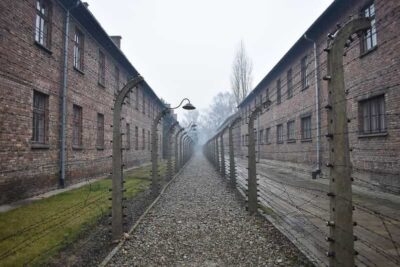
Your first guided visit is Auschwitz I, scheduled for about two hours. This is the smaller and more built-up part of the memorial, with rows of brick barracks and preserved buildings that now house exhibitions.
Inside, you can expect displays about prisoners, Nazi policy, camp conditions, and the machinery of persecution. Personal belongings are among the most difficult things to see. They turn an enormous historical crime into something immediate and human, reminding you that the people sent here arrived with ordinary objects and ordinary hopes.
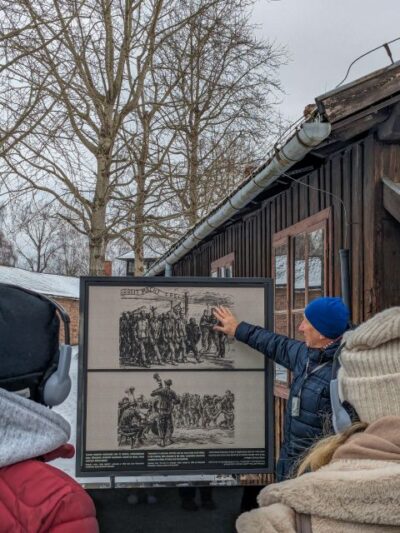
The guide’s role is important in this section. Without context, a barrack or corridor can look like an old building. With explanation, the site reveals how imprisonment, forced labor, starvation, violence, and mass murder were organized. The tour description also promises stories of individual victims, which can help you connect the broad historical facts with personal lives.
The preserved grounds make Auschwitz I a concentrated experience. You walk from one exhibition to another, often moving through enclosed spaces and stopping to listen. Two hours is enough for a substantial visit, but it will not cover every detail in the museum. If you prefer to read every panel slowly, the schedule may feel tight.
You should also expect a serious pace. This is not the kind of guided visit where you stop for photos at every corner. Photography is allowed, but flash photography is forbidden inside the buildings. A respectful attitude is not just good manners here. It is part of understanding where you are.
Birkenau: railway tracks, open space, and the scale of murder
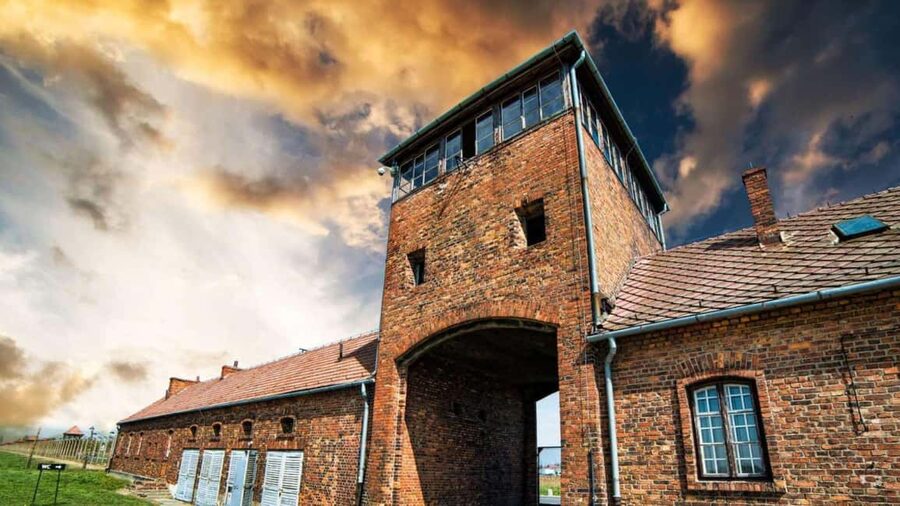
The tour then continues to Auschwitz II-Birkenau for about 75 minutes. Birkenau is the larger camp, and its physical scale changes the way you understand the history.
The railway tracks lead into the camp and are among the site’s most recognizable features. They also carry a grim meaning: countless deportees arrived by train and were selected there for forced labor or immediate death. Seeing the tracks in their setting helps show how transport was tied directly to the system of murder.
You will also see the remains of gas chambers and crematoria. The ruins cannot show every detail of what happened, but they point to the destruction carried out here and to the Nazis’ attempts to erase evidence. The wide grounds, rows of barracks, and long distances between areas can make the number of prisoners feel less abstract.
Birkenau is more exposed than Auschwitz I, so the walking conditions may be harder. The grounds are extensive, and the tour involves a significant amount of walking. Comfortable shoes are essential. You should also prepare for uneven or open areas, though the supplied information does not provide a detailed route or accessibility assessment.
The 75-minute visit gives you the main setting and key features, but it is not a leisurely exploration of every section. If your main interest is the full history of the camp, you may wish you had more time. If you want a focused first visit that covers the essential areas, the schedule is practical.
Same city, a completely different kind of day:
- Krakow: Auschwitz-Birkenau Guided Tour with Pickup & Lunch
★ 4.5 · 9,800 reviews - Krakow: Auschwitz-Birkenau Guided Tour Pickup/Lunch Options
★ 4.5 · 9,057 reviews - Krakow: Auschwitz-Birkenau and Salt Mine Guided Tour
★ 4.7 · 9,020 reviews - Krakow to Auschwitz Birkenau Guided Tour with Transfer and Ticket
★ 5.0 · 8,197 reviews
Lunch in Oswiecim and the road back
After the two memorial visits, the schedule allows one hour for lunch in Oswiecim. Food and drinks are not included, so budget separately for this stop.
A meal break is useful after such an intense morning. It gives you a chance to sit quietly, drink water, and process what you have seen before returning to Krakow. Do not think of lunch as part of the memorial visit itself. It is a practical pause between the museum and the drive home.
The return journey is listed at about 75 minutes. This is another point where a private vehicle pays off. You do not have to locate a bus, wait for a departure, or make your way back to the original drop-off point. Your driver takes you to your Krakow hotel or agreed drop-off location.
If your schedule is tight, confirm your return timing before booking. One group used the flexibility of the private car to continue directly to the airport. That was an especially useful arrangement, but airport drop-off is not listed as a standard inclusion, so you should not assume it is automatically available.
What private really means on this tour
The word private needs careful explanation. Your booking includes private transportation, an English-speaking driver, and hotel pickup and drop-off. You are not placed in a shared vehicle for the journey from Krakow.
The museum visit itself follows memorial rules. The information provided says there is no private guide, and the tour takes place in museum groups of 5 to 20 people. The live guide may speak English, French, Russian, German, or Polish.
That arrangement has both good and less-good sides. You avoid arranging your own entry and can go straight into the scheduled museum visit, which one passenger found particularly helpful. You also benefit from a trained memorial guide rather than relying only on your driver.
On the other hand, you do not control every pause or discussion. The museum sets the format, timing, and group size. If you want a fully private historian who adapts every explanation to your interests, this is not that product. If you want private door-to-door transport combined with an official guided memorial visit, the arrangement makes sense.
Is $295 per person fair value?
At $295 per person, this is not the cheapest way to reach Auschwitz from Krakow. The price needs to be judged against what it removes from your day.
You are paying for hotel pickup and drop-off, a private vehicle, an English-speaking driver, entry to the memorial, and a live museum guide. You also avoid arranging transport to Oswiecim and dealing with the return independently. For a couple or small group that values comfort and a simpler schedule, those services can make the premium worthwhile.
The strongest value comes from convenience, not luxury. The vehicle gets you there and back, but the heart of the experience remains the memorial visit. Do not book this expecting a high-end sightseeing day with entertainment between stops. Book it because you want the practical service of a private car and an organized way to visit both camps.
Food and drinks are extra. You also need to bring your passport or ID card, and full names for every participant must be included in the reservation because of museum requirements. Large bags and backpacks are not allowed inside the memorial, so pack lightly.
Free cancellation up to 24 hours in advance and the option to reserve now and pay later add useful flexibility. Those terms are helpful when your Krakow plans may change, but they do not alter the main question: are private transfers worth the higher price for you?
Who will appreciate this organized visit
I would choose this tour if you want door-to-door transport, dislike complicated connections, or are fitting Auschwitz into a short Krakow stay. It also suits people who want both Auschwitz I and Birkenau without arranging separate tickets and transport.
It is a good match for adults and older teenagers who can handle a solemn, emotionally difficult visit. The memorial does not suit children under 12, people with heart problems, or wheelchair users according to the supplied restrictions.
You should be ready to walk for much of the day. Comfortable shoes are required in practical terms, not just as a nice suggestion. Wear clothing that respects the memorial’s rules, including no short skirts or sleeveless shirts.
I would think twice if you want a relaxed excursion or a private guide who stays only with your group. The museum group may include up to 20 people, and the fixed schedule leaves limited time for lingering. The subject itself is also demanding. It is possible to find the day worthwhile and still need quiet time afterward.
Should you book this Auschwitz tour?
Book it if you want the simplest route from Krakow to both Auschwitz sites, value a private car, and prefer having entry and museum guiding organized in advance. The personal service from drivers such as Patrick and Adam is a genuine advantage, especially if you need help with timing, return transport, or onward travel.
Skip it if $295 feels too high for transportation and you want to organize the journey yourself. Also skip it if you need a wheelchair-accessible experience, have a heart condition that makes extensive walking unsuitable, or are traveling with a child under 12.
For most suitable visitors, this is a practical and carefully structured way to reach a difficult but important place. The private vehicle makes the logistics easier. The memorial’s official guide provides the historical context. Your job is to arrive prepared, listen closely, walk respectfully, and leave enough quiet time afterward to think about what you have seen.
FAQ
How long does the Auschwitz-Birkenau tour from Krakow last?
The activity is advertised as 390 minutes, or about six and a half hours. The schedule includes transport from Krakow, a two-hour visit at Auschwitz I, a 75-minute visit at Auschwitz II-Birkenau, a one-hour lunch in Oswiecim, and the return journey.
Does the tour include hotel pickup and drop-off?
Yes. Hotel pickup and drop-off in Krakow are included, along with private transportation.
Is the museum visit completely private?
No. The transportation and booking are private, but the memorial visit follows museum rules and takes place in groups of 5 to 20 people. A private guide is not provided.
Who leads the guided visit?
The memorial provides a live tour guide. Guided visits are available in English, French, Russian, German, and Polish. The included driver provides transportation but is not the private memorial guide.
What should I bring?
Bring your passport or ID card and comfortable shoes. You should also travel with minimal luggage because large bags and backpacks are not allowed inside the memorial.
Can I take photographs?
Photography is allowed, but flash photography is not permitted inside the buildings. You should also follow all memorial instructions about where and when photography is appropriate.
Is lunch included in the price?
No. The schedule includes one hour for lunch in Oswiecim, but food and drinks are not included.
Can children join the tour?
The tour is not recommended for children under 12. It is also listed as unsuitable for people with heart problems and wheelchair users.
Just added around Auschwitz
- Guided Private Tour to Auschwitz Birkenau & Krakow from Wroclaw★ 5.0 · 4 reviews
- Auschwitz-Birkenau Day Tour from Wroclaw★ 5.0 · 40 reviews
- Krakow & Auschwitz day tour from Warsaw by private car with Lunch★ 5.0 · 16 reviews
- One day tour to Auschwitz-Birkenau & Salt Mine from Warsaw with private driver★ 5.0 · 4 reviews
- One Day Tour to Auschwitz-Birkenau from Warsaw by Car★ 5.0 · 81 reviews
- Krakow and Auschwitz – Full Day Tour from Warsaw by private car★ 5.0 · 9 reviews
- Full-Day Tour From Warsaw to Auschwitz (guided) and Krakow by car★ 5.0 · 24 reviews
- From Warsaw: Auschwitz-Birkenau Tour with Premium Train Transportation★ 4.0 · 7 reviews
Auschwitz Tours, compared.
Auschwitz-Birkenau Guided Tour & Hotel Pickup
Read our review →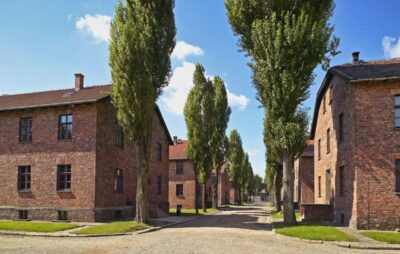
Auschwitz Guided Tour with Optional Hotel Pickup
Read our review →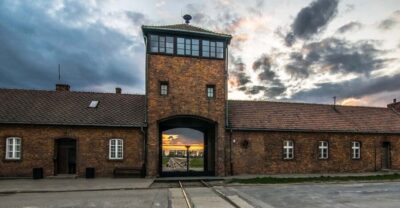
Auschwitz-Birkenau Guided Tour with Pickup & Lunch
Read our review →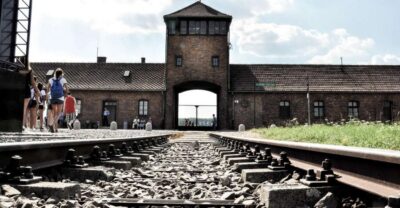
Auschwitz-Birkenau Guided Tour Pickup/Lunch Options
Read our review →
Krakow to Auschwitz Birkenau Guided Tour with Transfer and Ticket
Read our review →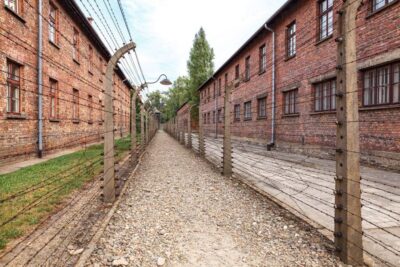
Browse the lists this tour appears in