
Reviewed · COMMUNIST HISTORY TOURS
Private Tour: Warsaw’s Communist History by Retro Fiat
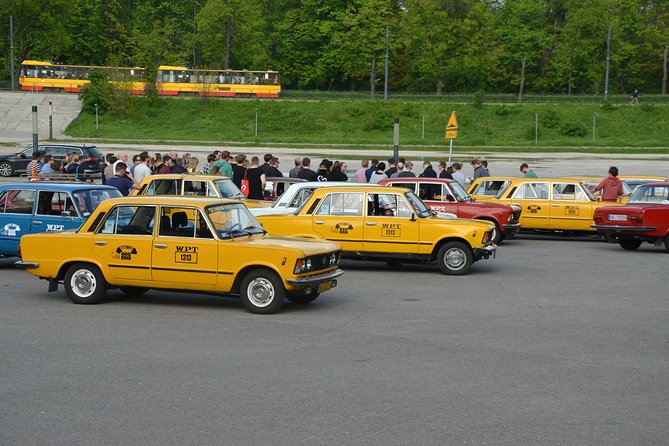
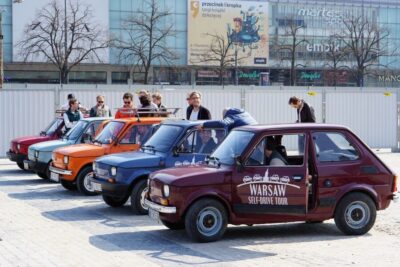
The most memorable part of this Warsaw tour is the vehicle itself: a Polish Fiat 125p, the sort of boxy Communist-era car that turns an ordinary city ride into a small time machine. You’ll visit Stalin-era housing, party buildings, a former black market, and neighborhoods that reveal how daily life changed after the war.
I like the private format, which gives you room to ask direct questions and adjust the emphasis. I also like the mix of driving and short walks, especially in Praga and around Mariensztat. The main thing to consider is that the tour’s quality depends heavily on your guide, and one poor experience reported that the Communist theme was not followed closely enough.
- Ride in a Polish Fiat 125p, a fun and fitting vehicle for this subject.
- See Stalin-era Warsaw beyond the Palace of Culture, including Constitution Square and the former party district.
- Cross to Praga Północ, one of the city’s less-destroyed areas after World War II.
- Hear personal stories, with guides such as Olga and Jacob adding memories of life before and after the political change.
- Enjoy hotel pickup and drop-off, with only your own group in the car.
- Allow four hours, and remember that food, drinks, museum admission, and any promised extras may not be included.
Why the Fiat 125p changes the whole mood
Warsaw has plenty of grand sights, but Communist history can feel abstract if you only look at dates and monuments. The Fiat 125p gives the subject a physical shape. You are not simply hearing about state factories, controlled movement, and official slogans. You are being carried through the city in a car closely tied to that period.
The vehicle also makes a practical difference. You cover more ground than you would on foot, moving from central Warsaw to Praga and back without spending the entire morning on public transport. The tour remains intimate because it is private, and the guide can talk with you rather than deliver a fixed speech to a large crowd.
The car is also a conversation starter. The tour description notes that people smile when they see it, which adds a light touch to a serious subject. That balance works well. Warsaw’s Communist period included hardship, censorship, political pressure, and shortages, but it also shaped ordinary homes, workplaces, cars, and family memories.
Your guide may be Jacob, Karol, Konrad, Max, Martin, Marcin, Olga, Pawel, or another member of the local team. The strongest accounts describe guides who answered unusual questions, adjusted the route to personal interests, and connected public history with family experience. Olga, for example, was praised for sharing stories about what her family endured. Jacob was noted for discussing the continuing effect of past political decisions on people in Warsaw.
Palace of Culture: Stalin’s gift with strings attached
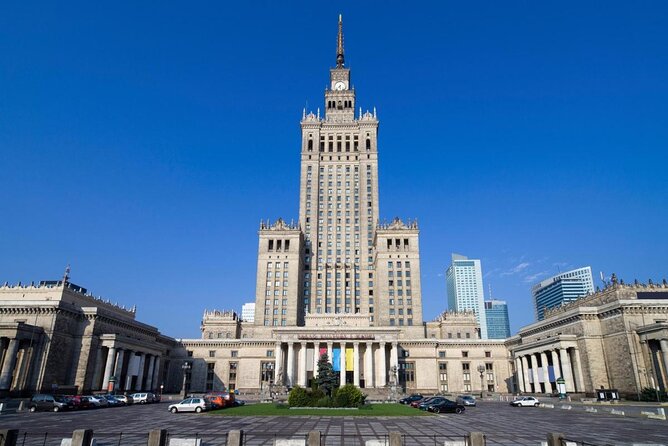
The Palace of Culture and Science is the natural starting point. At 237 metres, it remains Poland’s highest building and is the most recognizable example of Socialist Realist architecture in the city. Its scale is hard to miss. The tower rises over the central skyline with a mixture of grand entrances, ornament, and Soviet-style confidence.
You spend about 30 minutes here, with the guide explaining why the building was created and how Poles viewed it. The Palace was presented as a gift from the Soviet Union, but that phrase hides the political pressure behind it. For many people, the building remains tied to Soviet dominance rather than simple generosity.
Today, the Palace contains theatres, museums, a cinema, pubs, and other public spaces. That makes it a useful symbol of Warsaw itself: a building with an imposed past that has been given new uses. Admission to the building is not included, so expect to see it from outside unless your guide arranges otherwise.
This stop is more about context than entry. If you want to go inside or visit one of its attractions, ask before booking or confirm with the guide. The four-hour schedule already includes several parts of the city, so an interior visit may affect the rest of the route.
More Communist History Tours in Warsaw
- Warsaw: Communism Tour in an Original Socialist Van
★ 4.9 · 75 reviews - Warsaw: Cold War Museum Entry Ticket
★ 4.6 · 55 reviews - Warsaw: Communist History Self-Driving Tour
★ 4.8 · 52 reviews
Constitution Square and the Socialist Realist city
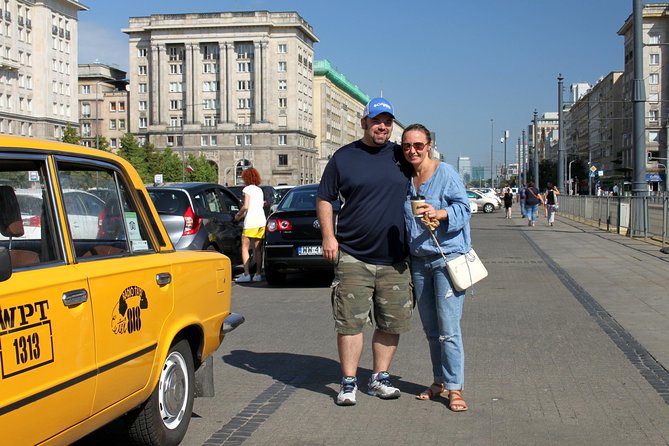
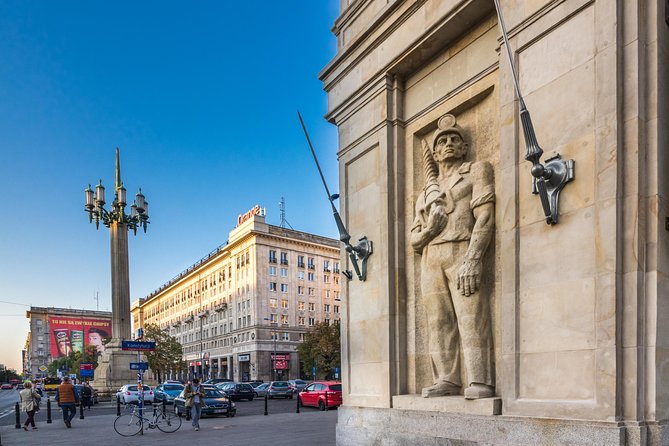
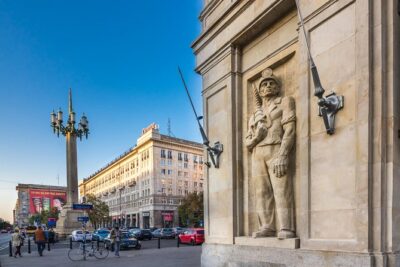
Plac Konstytucji, or Constitution Square, shows how Communist planners wanted public life to look. The square is surrounded by monumental apartment blocks and broad architectural forms meant to project order, strength, and collective purpose.
You get about 30 minutes here. Look beyond the scale of the buildings and notice their practical role. This was not only a ceremonial space. It was part of a planned housing district, built to provide homes while also displaying the power of the new system.
The details matter. Decorative elements and monumental proportions turn ordinary housing into political theater. The architecture tells you what the state wanted to appear strong, modern, and permanent. Your guide can help separate the official message from the experience of the people who lived there.
The tour also passes through the former Communist ministerial district, built in the Socialist Realist style. This adds an important layer to Constitution Square. The housing district showed how the state wanted citizens to live, while the ministerial quarter showed how it wanted government to look.
You may find this section more rewarding if you are willing to study buildings rather than wait for a single dramatic monument. The history is embedded in façades, street plans, and the contrast between official design and private life.
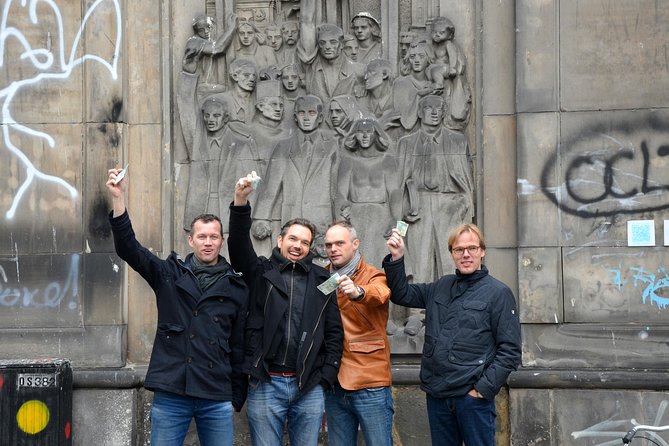
Censorship at the Monument of the Free Word
The Monument of the Free Word receives only about five minutes, but the subject is large. It points toward one of the defining features of Communist Poland: censorship.
Under the Communist system, printed material, public speech, books, newspapers, and cultural work were subject to state control. The monument gives your guide a chance to explain how censorship worked in daily life, not just in formal government offices.
This is a quick stop, so do not expect a museum-style explanation with displays or documents. Its value comes from the discussion around it. Ask how censorship affected writers, publishers, journalists, or ordinary people who wanted to share information outside official channels.
The short timing is also a reminder that the tour is primarily a moving city tour, not a series of long site visits. You will see many places, but your understanding will come from the guide’s explanation and your questions.
The former party headquarters and Charles de Gaulle
The statue of Charles de Gaulle marks another useful stop. Nearby is the former Communist Party House, sometimes described as Poland’s White House because of its importance to the ruling leadership.
You spend about 15 minutes here. The stop helps connect architecture with power. The Communist period was not only about apartment blocks and public slogans. It was also about the buildings where decisions were made, leaders gathered, and the state directed public life.
The title of Poland’s White House is a handy comparison, but the comparison should not make the building seem like a standard tourist sight. Its importance comes from what happened inside and from the political figures linked to it. Your guide can explain the leading personalities and the way the party operated.
The statue itself is not a major Communist monument, but it provides a clear point from which to discuss the former headquarters. This is one place where a good guide matters. A well-prepared explanation turns a brief stop into a lesson about political control. A less focused guide could make it feel like a quick photo pause.
More Historical Tours in Warsaw
- Warsaw: POLIN Museum of the History of Polish Jews Ticket
★ 4.7 · 1,142 reviews - Warsaw: Chopin Concert at Historical Venue in Old Town
★ 4.7 · 445 reviews - Small-Group Historical Guided Tour of Warsaw with pick up/drop off. Public Tour.
★ 4.5 · 343 reviews - Warsaw: Jewish History Guided Walking Tour in English
★ 4.7 · 324 reviews
Praga Północ: survival, repair, and a different Warsaw
Praga Północ is one of the most useful parts of the route. Much of this district escaped the destruction that damaged large portions of Warsaw during World War II. As a result, you can see older buildings and street patterns that offer a different setting from the rebuilt center.
The tour gives you about 30 minutes here. The point is not simply to admire old façades. Praga shows how the city carried on during the Communist years, and how later investment began changing parts of the district.
One especially useful aspect is the contrast between before and after. The route can show areas that are being repaired or gentrified alongside places that retain a rougher, less polished character. That contrast helps you see that Warsaw’s past is not sealed away in a museum. It is still visible in the condition and use of the buildings.
A guide who grew up before the transition to capitalism can add meaning here. Several guides have been praised for explaining how people lived through the political change, rather than treating Communism as a distant chapter. Ask about housing, shopping, work, and what changed after 1989 if those subjects interest you.
Różycki Bazaar and the practical side of Communism
Różycki Bazaar takes about 15 minutes and adds an everyday angle to the tour. During the Communist period, it was known as Warsaw’s famous black market.
That label needs careful handling. A black market was not merely a colorful place to browse. It reflected shortages, restricted supply, and the gap between what people needed and what official shops could provide. Markets such as this became important because people used informal channels to find goods unavailable through the state system.
You will not spend long here, so this is another stop where questions improve the experience. Ask what people came to buy, how informal trade worked, and how the bazaar fit into life in Praga.
The site also breaks up the grand political architecture. After seeing party buildings and planned squares, you get a place tied to the practical decisions families made each day. That makes the Communist period easier to understand as lived experience rather than a set of government policies.
Mariensztat Square and model housing
Mariensztat Square receives about 20 minutes and shows another version of postwar Communist planning. The district includes housing blocks created during the era, with a design intended to represent a new kind of urban life.
The route’s discussion of Mariensztat can include an interesting contradiction: some early apartment blocks were supposed to serve as models for future construction, but they were considered too luxurious to repeat on a broad scale. That detail says a lot about the priorities of the period. Housing was presented as a social good, but materials, space, and comfort were tightly controlled.
This is a good place to look closely at scale and layout. Notice how the buildings relate to the square and how the district differs from the huge blocks found elsewhere. Your guide can help you understand what the planners wanted residents to see and what daily life may have felt like inside.
The stop also fits the tour’s wider theme: Warsaw was rebuilt after wartime destruction, but rebuilding was never only an engineering project. It was also a political project. Streets, homes, offices, and public squares all carried a message about the new society.
What the private format adds
A private tour is valuable here because Communist history raises personal questions. You may want to ask about family memories, religion, protest, censorship, shopping, or the transition to capitalism. In a large group, those questions can be difficult to fit in. With only your own party in the car, the guide has more room to respond.
The tour is also flexible. Several guides have adapted the route to specific interests, and one particularly strong account describes a guide answering unusual questions while changing the emphasis to match the group. That flexibility can turn a standard sightseeing ride into a more useful history lesson.
Still, flexibility has a limit. One unhappy account described a guide who asked what the group wanted to see instead of presenting a clear route, then spent too much time driving through places without connecting them to Communist history. If you book, tell the guide clearly that you want the planned Communist sites and explanations, not a general Warsaw drive.
Ask at the start how the four hours will be divided. Confirm that you will visit the Palace of Culture, Constitution Square, Praga, Różycki Bazaar, Mariensztat, and the political landmarks. That simple conversation can prevent a mismatch.
Price, timing, and practical value
The listed price is $108.24 per person. For a private four-hour experience with a dedicated vehicle, hotel pickup, hotel drop-off, and an English-speaking driver-guide, that can be fair value, especially for two or more people who want a focused introduction to Warsaw’s postwar history.
The value is less clear if you mainly want a general city tour or expect several indoor attractions. Admission is not included at the Palace of Culture, and food and drinks are excluded. The route is built around exterior sites, short walks, and explanations from the car or street.
The tour is often booked about 23 days ahead, so you may want to reserve before your Warsaw visit is close. Free cancellation is available if you cancel at least 24 hours before the start time. Hotel pickup is offered, though hotels outside the regular pickup area require an arrangement with the provider.
The stated meeting point is Dworzec Centralny, but the guide can pick you up in a hotel lobby or meet you outside the building. The activity ends back at the meeting point. Since the tour is private, most people can take part, and public transport is nearby if you need to reach the starting area.
A small caution concerns extras. One booking included an expected snack, Polish vodka tasting, and souvenir photo that were not provided. The company apologized and offered a free return tour, but I would confirm in advance if those items matter to you. They are not listed among the core inclusions provided here.
Who will get the most from this tour
I would choose this tour if you want to understand how Warsaw’s Communist period shaped real streets and ordinary life. It works especially well for first-time visitors who have already seen the Old Town and want something less familiar.
You should also book it if you enjoy architecture, political history, or personal storytelling. The best guides, including Olga, Jacob, Martin, Pawel, and others praised for their English and warmth, make the subject feel immediate without turning the tour into a lecture.
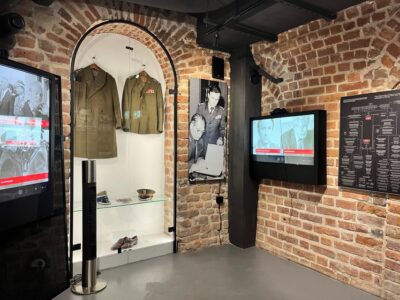
I would be more cautious if you need guaranteed museum entry, a tightly timed walking itinerary, or a purely academic account. The route is conducted by car, and the quality of interpretation can vary by guide. A small Communist museum in Warsaw can make a good companion visit, but it is not included.
The tour has a 4.9 rating from 115 ratings, with 98 percent of customers recommending it. Those numbers fit the strongest pattern here: the Fiat is fun, the private setting is useful, and the guide’s skill can make the difference between a memorable history lesson and a pleasant drive with scattered facts.
Should you book Warsaw’s Communist History by Retro Fiat?
Book it if you want a personal, four-hour look at the buildings, markets, housing districts, and political sites that shaped postwar Warsaw. The Fiat 125p is more than a novelty. It gives the trip a proper sense of place, while hotel pickup and a private guide keep the outing easy.
Before the car arrives, explain what interests you and ask for the full Communist-focused route. If you do that, this tour offers a good balance of history, local perspective, and lighthearted transport. If your main goal is a broad introduction to every major Warsaw sight, choose a general city tour instead.
FAQ
How long does the Warsaw Communist history tour last?
The tour lasts approximately four hours.
What vehicle is used?
Transport is provided in a private Fiat 125p, a Polish car associated with the Communist era.
Is the tour private?
Yes. Only your group participates, with a professional local driver-guide.
Is hotel pickup available?
Yes. The guide can pick you up in your hotel lobby or meet you outside the building. If your hotel is outside the pickup area, contact the provider to arrange another solution.
Is the tour offered in English?
Yes. The experience is offered in English.
Are admission tickets included?
Admission is not included for the Palace of Culture and Science. The other listed outdoor stops have free admission.
Can I cancel for a full refund?
Yes, if you cancel at least 24 hours before the experience start time. Changes or cancellations made less than 24 hours before the start time are not accepted for a refund.
Just added around Warsaw
- Wolfs Lair and Swieta Lipka Small Group Tour from Warsaw with Lunch★ 4.5 · 21 reviews
- Wolf’s Lair & Treblinka Tour in 1 day from Warsaw★ 5.0 · 37 reviews
- Wolfs Lair “Hitler’s Headquarters” – Full Day Tour from Warsaw by private car★ 4.5 · 4 reviews
- Tour from Warsaw: Wolf’s Lair, Hitler’s HQ Zones I and II★ 5.0 · 32 reviews
- Wolf’s Lair Private Day Trip from Warsaw★ 5.0 · 50 reviews
- Warsaw Must-See Local City Tour with Antek and Tomek★ 5.0 · 51 reviews
- Off the Beaten Track in Warsaw: Private City Tour★ 4.5 · 9 reviews
- Warsaw’s Old Town A Self-Guided Audio Tour★ 4.5 · 10 reviews
Communist History Tours, compared.
Legendary Private Nowa Huta Communism Tour with Crazy Guides
Read our review →
Nowa Huta: Steelworks Administration Buildings/Shelters Tour
Read our review →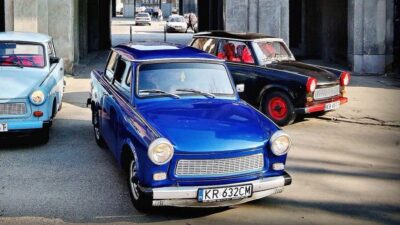
Private Nowa Huta Adventure Tour in Communist Cars
Read our review →
Browse the lists this tour appears in