
Reviewed · COMMUNIST HISTORY TOURS
From Krakow: Nowa Huta Premium Tour
Nowa Huta is Krakow’s great time capsule: a planned socialist city built around steel production, wide avenues, monumental buildings, and Cold War fears. This tour takes you beyond Krakow’s old-town postcard view and into a district shaped between 1949 and 1989, with an underground tunnel and real Soviet tanks adding a strong sense of place.
I like the direct hotel pickup and the way the tour links everyday housing, industrial power, religion, and military history. I also like that the guide brings old photographs into the story, helping you see how the district changed from its late-1940s beginnings to the present day. The main drawback is that the tour is not suitable for people with limited mobility, and language arrangements should be checked carefully if you need anything other than English.
Key points to know before you book
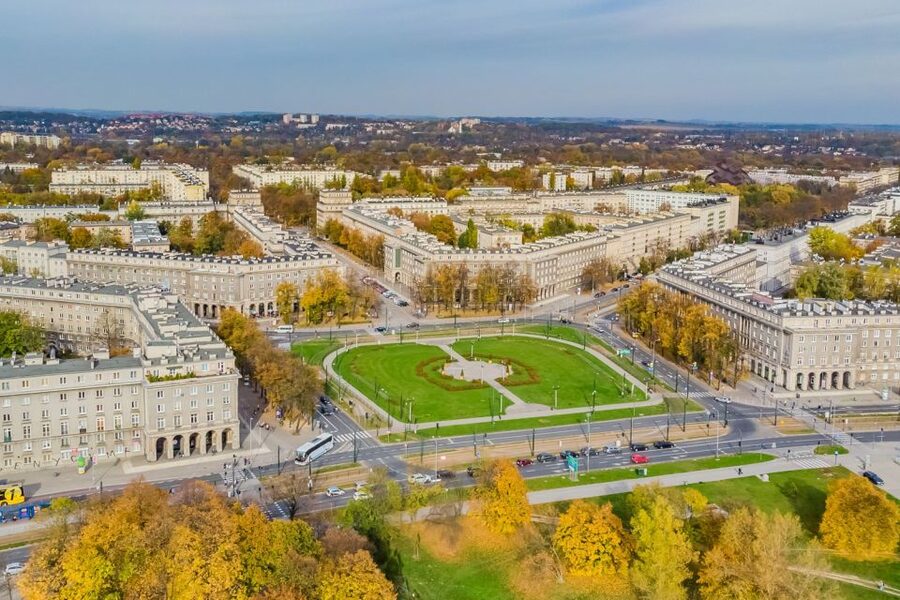
- Central Square begins the story: You get a clear introduction to Nowa Huta’s planned design and socialist ideals.
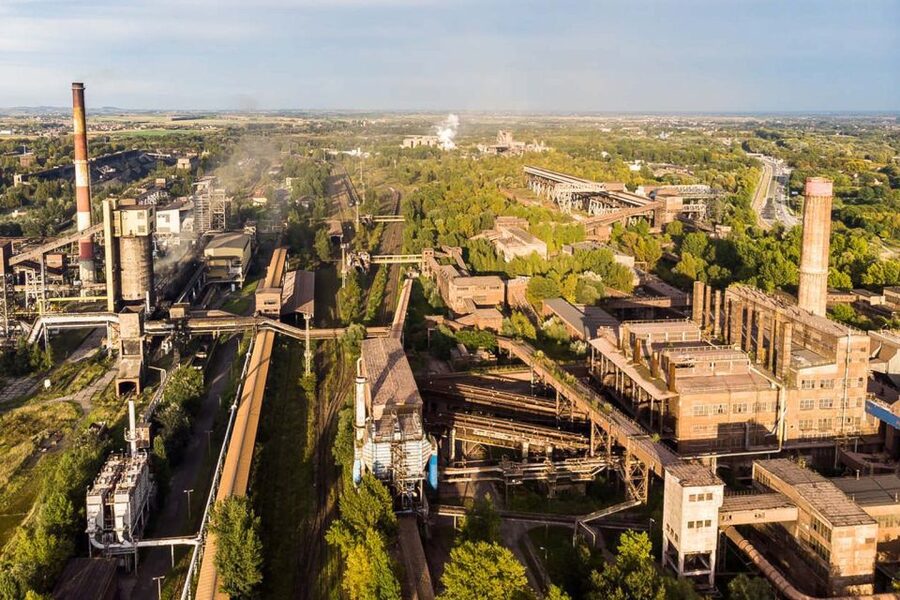
- The steelworks adds real industrial context: You visit the administration offices connected with Tadeusz Sendzimir Steelworks.
- The underground tunnel is the unusual stop: It gives the tour its Cold War edge and requires comfortable shoes.
- Lord’s Ark Church shows the district’s tension: This was the first church built in Nowa Huta, a place designed around an officially atheist system.
- Soviet IS-2 tanks provide a striking finish: They sit outside the Museum of the Armed Act.
- The price includes transport and tickets: At $111 per person, the value depends on how much you want a guided, door-to-door visit rather than arranging Nowa Huta yourself.
Why Nowa Huta changes your view of Krakow
Most first visits to Krakow focus on the medieval center, Wawel, and the old Jewish quarter. Nowa Huta gives you a very different Poland. It was built in the 1950s as a socialist ideal city, planned around a large steelworks and designed to represent a new social order.
That makes the district more than a collection of concrete buildings. Its broad streets, open spaces, housing blocks, public buildings, church, and industrial sites all connect to one political project. As you walk, you are not simply looking at old architecture. You are reading the ambitions and fears of postwar Poland.
I find this kind of visit valuable because it explains the country’s 20th-century story in physical form. You can see how a government tried to shape daily life through city planning, work, housing, and public space. You also see how residents pushed back, especially through the struggle to build a church.
The tour lasts five hours from pickup to return, with about three hours devoted to the guided visit and the rest spent driving. That is a sensible length for Nowa Huta. You get enough time to understand the district without spending an entire day away from Krakow’s main sights.
More Communist History Tours in Krakow
- Krakow: Nowa Huta Guided Tour in Vintage Car
★ 4.9 · 277 reviews - Legendary Private Nowa Huta Communism Tour with Crazy Guides
★ 5.0 · 262 reviews - Nowa Huta: Steelworks Administration Buildings/Shelters Tour
★ 4.9 · 160 reviews
Starting at Central Square
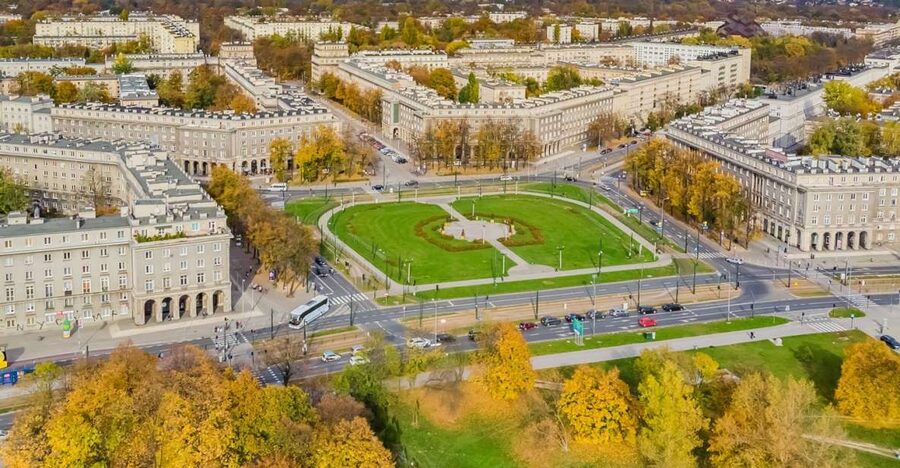
The first major stop is Plac Centralny, or Central Square, now the center of Nowa Huta. It is the right place to begin because the district makes more sense when you first understand its plan.
Your English-speaking guide explains how Nowa Huta developed from 1949 through 1989. The introduction covers the district’s socialist purpose and gives you the basic dates and ideas needed for the rest of the tour. Without this context, the broad avenues and large blocks can feel plain. With it, they become evidence of a particular period in Polish history.
Central Square also helps you notice the scale of the project. The open space and surrounding buildings were not laid out by chance. They were intended to create a new civic center for a new kind of city.
The guided portion here lasts about 30 minutes. That is enough for orientation, though you should not expect a long museum-style lecture or a full architectural survey. The value is in getting a readable framework before you move through the neighborhood.
Walking the Avenue of Roses
From Central Square, the tour continues along Aleja Roz, or the Avenue of Roses. This is where the planned-city idea becomes easier to see at street level.
Your guide points out the architecture and explains how Nowa Huta’s living areas were arranged. The district was built for workers connected with the steelworks, so housing and industry were closely tied together. As you walk, look at the width of the streets, the placement of blocks, and the way the public spaces relate to the residential areas.
The tour also uses photographs to connect the present-day view with the district’s earlier years. This is one of the strongest teaching tools on the experience. A building may look ordinary at first, but an old image can show how it functioned during the Communist period and how much the surroundings have changed.
You should wear comfortable shoes. The tour includes walking through the district and visiting an underground space, so this is not a sit-back-and-watch excursion. The walking is a central part of the experience, not a short stroll between vehicle stops.
Inside the steelworks offices
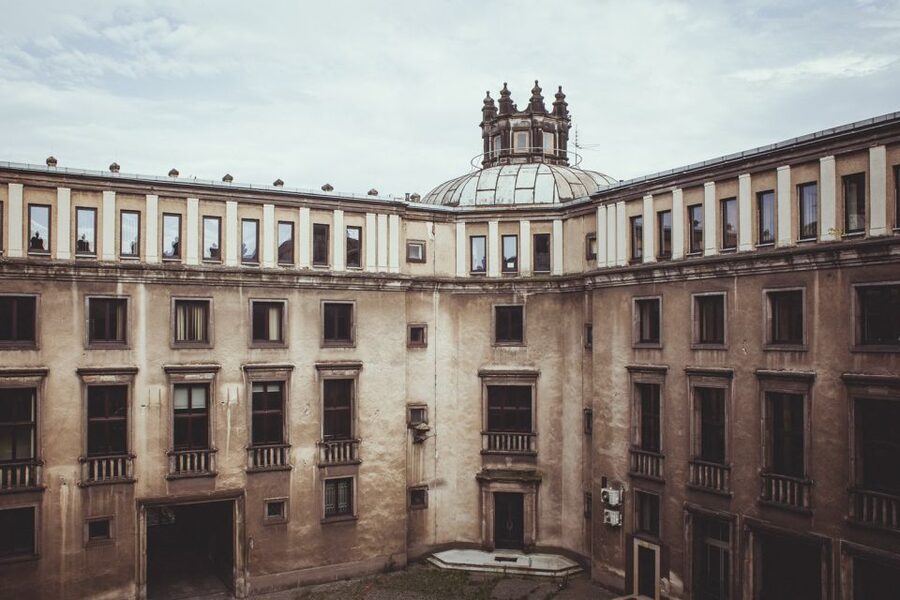
Tadeusz Sendzimir Steelworks gives the tour its industrial backbone. You spend time wandering through its offices, which links the grand political plan of Nowa Huta to the practical world of work.
The steelworks mattered because it helped define the district. Nowa Huta was not planned as a decorative suburb. It was created around heavy industry and the workers who powered it. The offices therefore add useful detail that you would miss by looking only at streets and apartment blocks.
This section is especially helpful if you want to understand how the city operated, not just how it looked. Architecture tells one part of the story. The steelworks explains why the district existed on such a large scale and why its social identity was tied to labor.
The available details do not specify the exact interior areas open during every departure, so expect access to the offices visited by the guide rather than a broad, independent exploration of the entire industrial complex. The point is interpretation and historical setting, not a full factory tour.
Same city, a completely different kind of day:
- Kraków: Evening or Night River Cruise
★ 4.0 · 7,386 reviews - Krakow: Oskar Schindler’s Factory Entry Ticket & Guided Tour
★ 4.2 · 3,793 reviews - Krakow: City Sightseeing Tour by Electric Golf Cart
★ 4.5 · 3,264 reviews - Krakow: Schindler’s Factory Tour with Entrance Ticket
★ 4.5 · 3,182 reviews
The underground tunnel and Nowa Huta’s hidden side
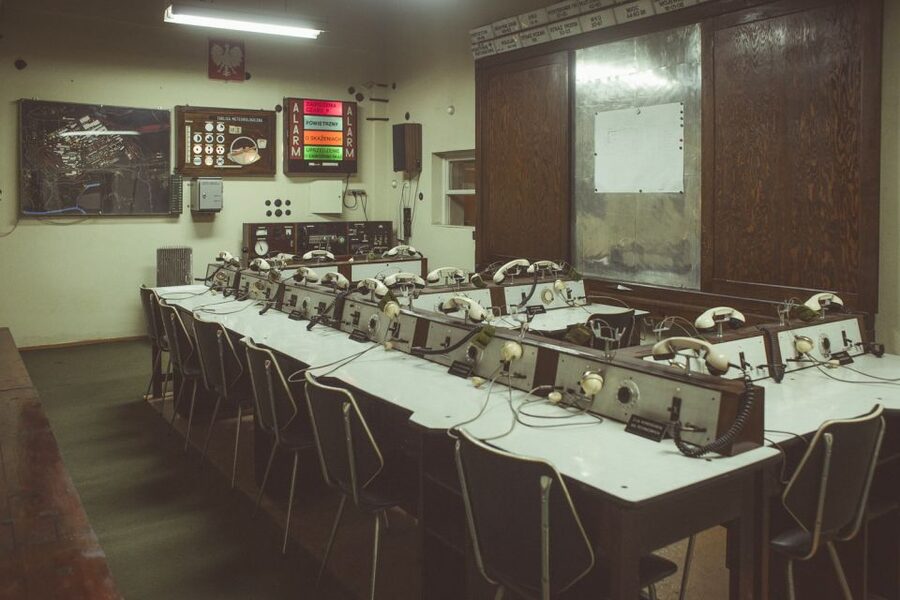
The secret underground tunnel is likely to be the most memorable part for many people. After visiting the steelworks offices, your guide takes you below ground to see one of Nowa Huta’s less visible Cold War spaces.
This stop changes the mood. Above ground, the district can feel open and monumental. Below ground, the focus shifts to protection, fear, and the possibility of conflict. The tunnel helps explain why the period was not only about public ceremonies and grand city plans. It was also shaped by military tension and the need to prepare for danger.
One account of the experience described the bunker visit as a time-machine moment, helped by the guide’s passion. That is a useful clue about what makes this stop work: the space itself matters, but the explanation gives it meaning. Ask questions if you want to connect the tunnel to the wider Communist-era story.
This is also where the mobility warning matters most. The tour is not recommended for wheelchair users, pregnant women, people with back or heart problems, or people with mobility impairments. Large bags and luggage are not allowed, and comfortable shoes are essential.
Lord’s Ark Church and the fight for a place of worship
Back above ground, you visit Arka Pana, or Lord’s Ark Church. It was the first church built in Nowa Huta, and its presence is important because the district was designed under a Communist system that promoted atheism.
The church gives you a different way to understand local life. Nowa Huta was meant to express the values of the state, but residents still wanted a religious center. The building therefore represents more than faith alone. It points to the friction between official policy and the wishes of the people who lived there.
I like this part of the tour because it prevents the story from becoming only a tale of concrete, steel, and government planning. The church brings human choice back into the picture. It shows that a planned city could not fully control the beliefs and priorities of its residents.
Your guide’s explanation is important here, since the church’s meaning comes from its place in Nowa Huta’s development. Take time to look at how different this stop feels from the monumental civic spaces and industrial offices earlier in the visit.
Soviet IS-2 tanks outside the museum
The final major stop is the display of Soviet IS-2 tanks in front of the Museum of the Armed Act. These are real military vehicles, not decorative replicas, and they are among Nowa Huta’s most recognizable landmarks.
The tanks give the tour a strong visual ending. After seeing the district’s public spaces, working offices, and underground shelter, you finish with a direct reminder of the military world that shaped the Communist era.
This stop may appeal most to visitors interested in 20th-century warfare, but you do not need a military background to understand its role. The tanks connect the local story to the wider Soviet sphere and to the armed power behind the political system.
The information provided does not say that admission to the museum itself is included, so you should think of this as an exterior visit to the tanks unless your guide confirms otherwise. All listed admission fees and tickets for the tour are included.
Transport, timing, and what the $111 price covers
The experience begins with pickup at your hotel or accommodation at the time shown in your final confirmation. The listed meeting point is Pawia 3, and the route includes about 30 minutes by van at the start, 15 minutes between Central Square and Nowa Huta, and about 30 minutes returning to Pawia 3.
A comfortable car or van makes a real difference here. Nowa Huta is outside the core sightseeing route, and door-to-door transport saves you from working out the trip on public transit or fitting several separate stops into your day.
At $111 per person, this is not a low-cost neighborhood walk. The price includes hotel pickup, an English-speaking guide, admission fees and tickets, and insurance. You are paying for transport, planning, a guide who can explain the political context, and access to places you might not easily arrange alone.
I think the price is reasonable if you want a focused half-day visit with the complicated parts already organized. It is less compelling if you only want to see Central Square and the tanks, since those sights alone would not justify the full cost. The value comes from the combination of architecture, steelworks, tunnel, church, and military history.
The current rating is 4.9 from four reviews, so treat that as a small sample rather than a guarantee. The strongest praise centers on the historical explanation, the steelworks and church, and the underground bunker. One booking involved a request for a French guide but resulted in an English-speaking guide who did his best to explain things. If French or another language is important to you, confirm the language before booking. The advertised live tour language is English.
Who will enjoy this tour most
I would choose this tour if you have already seen Krakow’s central sights and want a more modern, political, and industrial side of the city. It also suits anyone interested in Communist-era Europe, Cold War history, city planning, religious life under state socialism, or military history.
The tour works well for first-time visitors who want a guide to connect several different sites. You do not need much background knowledge, since the guide introduces the period from the start and uses photographs to explain the changes.
It is less suitable if you want a relaxed vehicle tour with very little walking. It is also a poor fit for anyone with mobility limits, back problems, heart problems, or a pregnancy, based on the stated restrictions. Pets, luggage, and large bags are not allowed.
Plan for an English-language experience, bring comfortable shoes, and keep your schedule flexible enough for the full five hours. Food is not included, so eat before you leave or plan your next meal after returning to Krakow.
Should you book the Nowa Huta tour?
Book it if you want to understand Krakow beyond its beautiful old center. The tunnel, steelworks offices, Lord’s Ark Church, and Soviet tanks give you four different views of the same period, while Central Square and the Avenue of Roses show how the planned city was meant to function.
I would especially recommend it to history-minded visitors who prefer real places and local context to a standard sightseeing loop. Skip it if you need a French-language tour without prior confirmation, cannot manage uneven or restricted-access areas, or have only a short time in Krakow and have not yet seen the city’s essential central sights.
FAQ
How long does the Nowa Huta tour last?
The full activity lasts five hours, including transportation from Krakow and the return journey. The guided visit itself lasts about three hours.
Where does pickup take place?
Pickup is included from your hotel or accommodation at the time shown on your final confirmation. Pawia 3 is listed as the pickup and return location.
What language is the tour conducted in?
The advertised live tour language is English. If you need another language, confirm availability before booking.
What sites are included?
The tour includes Central Square, the Avenue of Roses, Tadeusz Sendzimir Steelworks offices, an underground tunnel, Lord’s Ark Church, and Soviet IS-2 tanks outside the Museum of the Armed Act.
Are admission fees included?
Yes. All admission fees and tickets listed for the activity are included, along with hotel pickup, an English-speaking guide, and insurance.
Is food included?
No. Food is not included in the tour price.
What should I bring?
Bring comfortable shoes. Luggage and large bags are not allowed, and pets are not permitted.
Is the tour suitable for people with limited mobility?
No. The tour is not recommended for people with limited mobility, wheelchair users, pregnant women, or people with back or heart problems.
Just added around Krakow
- stag dog chase Krakow prank★ 5.0 · 4 reviews
- Divine Mercy Sanctuary – Private Tour from Krakow★ 5.0 · 4 reviews
- ZALIPIE – painted village, unique small group tour from Krakow★ 5.0 · 7 reviews
- ZALIPIE – painted village, unique PRIVATE tour from Krakow★ 5.0 · 20 reviews
- Zalipie Private Tour from Krakow The Painted Village★ 5.0 · 4 reviews
- Wooden Churches Unesco List Private Tour from Krakow★ 5.0 · 14 reviews
- Guided tour to Salt Mine & Schindler Factory with Pick-Up Options★ 4.0 · 58 reviews
- Wawel Castle, Cathedral, & Rynek Underground Tour with Lunch★ 5.0 · 4 reviews
Communist History Tours, compared.
Legendary Private Nowa Huta Communism Tour with Crazy Guides
Read our review →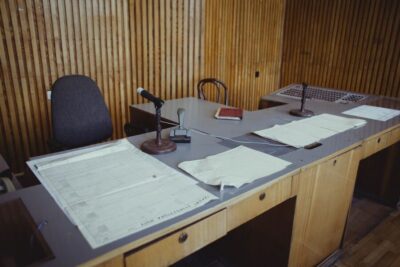
Nowa Huta: Steelworks Administration Buildings/Shelters Tour
Read our review →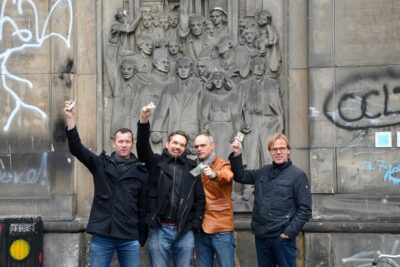
Private Tour: Warsaw’s Communist History by Retro Fiat
Read our review →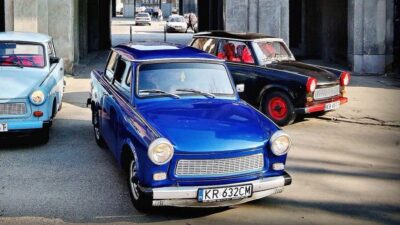
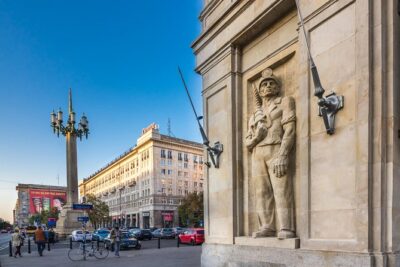
Private Nowa Huta Adventure Tour in Communist Cars
Read our review →
Browse the lists this tour appears in