
Reviewed · FOOD & DRINK
Warsaw: Polish Food Tour
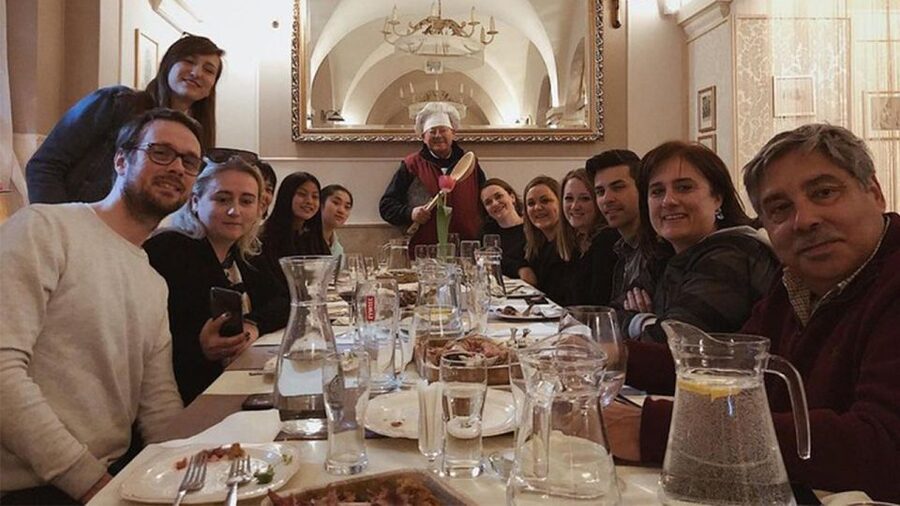
Warsaw’s Polish Food Tour is built around a serious amount of eating: 10 Polish foods at 3 to 5 local restaurants and cafes, with enough soup, dumplings, meat, sweets, and regional dishes to replace two meals. I like that the tour is also a walking introduction to the historic center, so the food comes with stories about Warsaw and Poland rather than arriving as a disconnected list of tastings.
I especially like the mix of familiar and less obvious dishes, from pierogi and bigos to pyzy and potato pancake with pork goulash. The written food guide and recipes are another useful touch. The main caution is value: at $93 per person, you are paying for a large meal, several stops, a guide, and cultural context, but the quality of individual restaurants can vary.
Key points to know before booking
- Ten foods replace two meals: Arrive very hungry, since the portions add up quickly.
- Three to five stops: Expect a moving meal through Warsaw’s historic center, not one long restaurant sitting.
- Classic Polish dishes: Tastings can include pierogi, bigos, pyzy, soups, sausages, pork dishes, cabbage rolls, and sweets.
- A food tour with city context: Guides such as Dorota, Arif, and Cezar are praised for explaining Warsaw as you walk.
- Vodka and recipes included: You receive a Polish vodka tasting, refreshments, and food notes with recipes by email.
- Best for curious eaters: Vegetarians may find the selection limited, and extra drinks cost more.
What this Warsaw food tour is really like
This is not a quick stop for a pierogi snack. The Polish Food Tour lasts 210 minutes, or three and a half hours, and is designed as a progressive meal through Warsaw’s historic center.
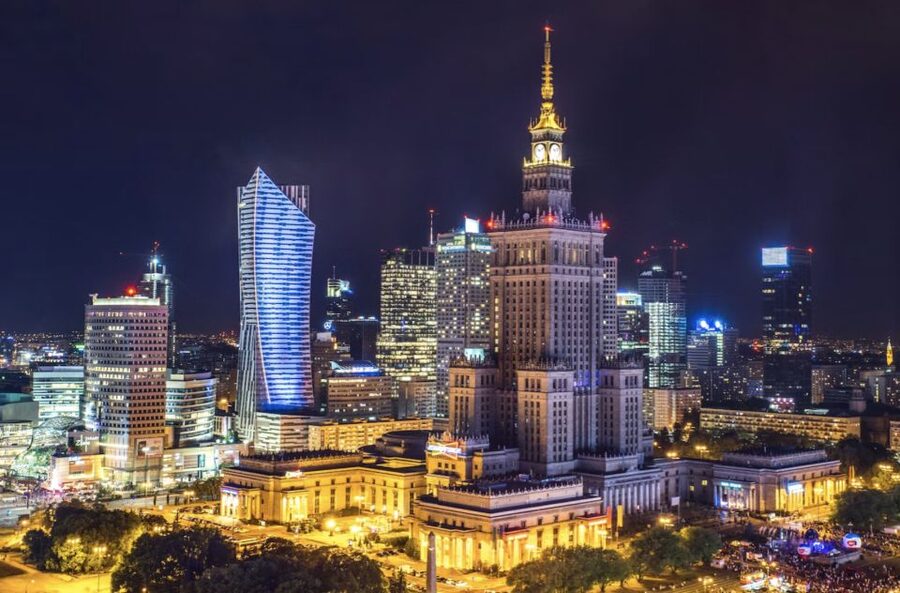
You meet at the Sigmund Column, a useful landmark in the Old Town area. The listed starting location is Kamienica Johna, and from there the route moves through local cafes and restaurants. The exact restaurant sequence can change, so think of the tour as a guided food walk rather than a fixed menu at named venues.
The format works well for a first day in Warsaw. You get a practical introduction to what Polish food actually includes, then walk between stops while your guide explains ingredients, customs, preparation, and local history. Guides have included Dorota, Arif, Cezar, Cesary, and others, with English and Spanish offered. Polish-speaking guide support is also listed.
The strongest part of the experience is the personal explanation. A good food tour tells you why a dish matters, how it is made, and when people eat it. Here, the guide may also point out important places around the Royal Road and Old Town, turning the afternoon into part meal and part city walk.
More Food Tours in Warsaw
- Warsaw: Polish Vodka Museum Tour with Tasting
★ 4.6 · 788 reviews - Warsaw’s No 1 cooking class-Polish dumplings with liqueur tasting
★ 5.0 · 576 reviews - Half-Day Polish Food Walking Tour with Guide and Dinner
★ 4.5 · 381 reviews
Starting at the Sigmund Column and Kamienica Johna
The meeting point at the Sigmund Column is central, but it is also a broad public spot where several groups may gather. Get there early and look for the guide rather than assuming the first group you see is yours.
The starting location is connected with Kamienica Johna, a historic building in the city center. From this point, the tour begins its food-and-walking rhythm. You do not simply sit down and eat everything at once. The movement between stops gives your stomach a little time and lets the guide add context along the way.
That said, the meeting arrangement deserves attention. One past participant found the meeting point too general and said the group felt slightly disorganized at the start. This is not a reason to avoid the tour, but it is a reason to confirm the meeting details and keep your phone available before the start.
The cafe stop: a first taste of regional food
The first food stop is described as a local cafe serving regional food. This is where you begin sampling the flavors that shape Polish cooking, rather than waiting for one large main course at the end.
You might find early tastings that set up the rest of the meal, such as a starter, a soup, or something based on potatoes, cabbage, mushrooms, or meat. The precise dishes are not fixed in the supplied information, but the tour promises 10 Polish foods across starters, soups, and main courses.
This balance matters. Polish food is sometimes reduced to pierogi, but that gives you only one piece of the picture. A soup can show you how Polish cooking handles sourness and comfort. A potato-based dish points to the importance of affordable, filling ingredients. Pickled or fermented flavors, where included, help explain why Polish food can taste hearty but not always heavy.
The cafe setting may also feel more relaxed than a formal restaurant. You can ask direct questions, compare unfamiliar dishes, and decide what you might order later in your trip. The guide’s explanation is valuable here, especially if you do not know the difference between the many types of dumplings and potato dishes.
Restaurant tastings: pierogi, bigos, pyzy, and more
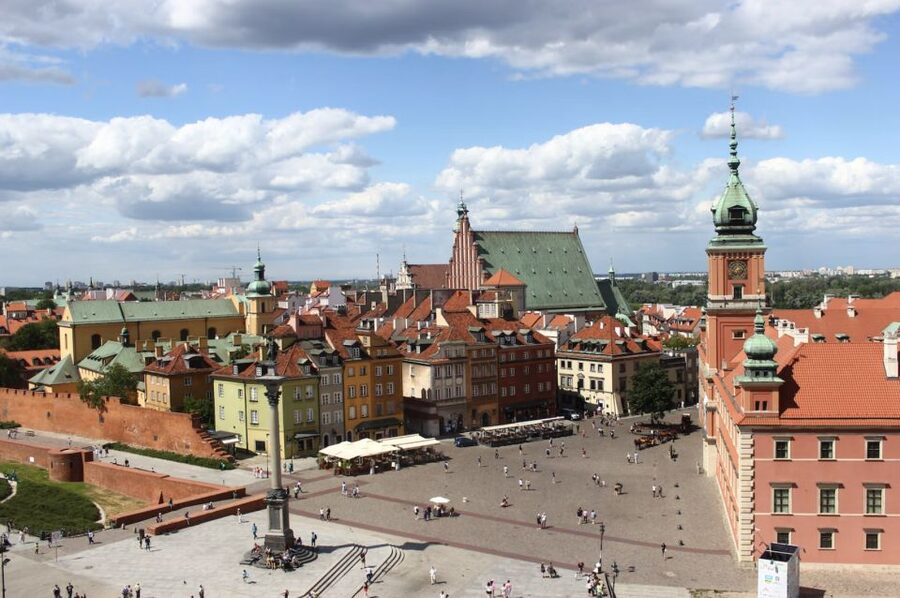
The main restaurant portion gives you a wider view of Polish cooking. The tour can visit three to five venues in total, with local restaurant stops included in the route. At each place, you receive a tasting rather than choosing a full meal from a menu.
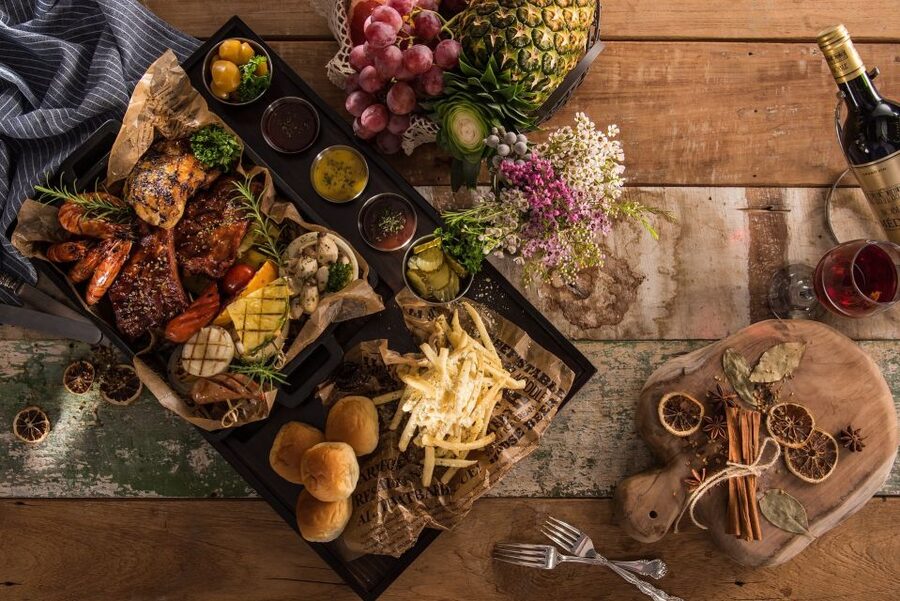
Dishes reported as part of the food selection include:
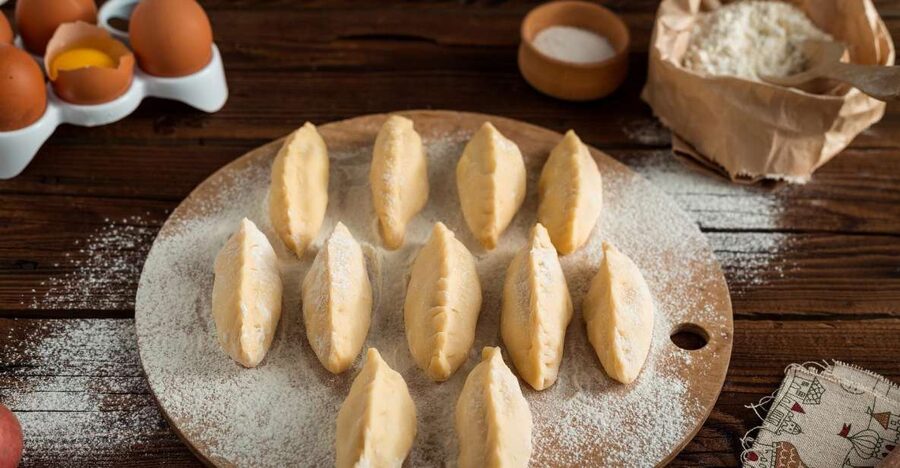
- Pierogi, including steamed or fried dumplings
- Bigos, a traditional cabbage and meat stew
- Pyzy, soft potato dumplings
- Soups and starters
- Sausages
- Potato pancake with pork goulash
- Cabbage leaves stuffed with rice and meat in tomato sauce
- Sweet dishes and Polish liqueurs
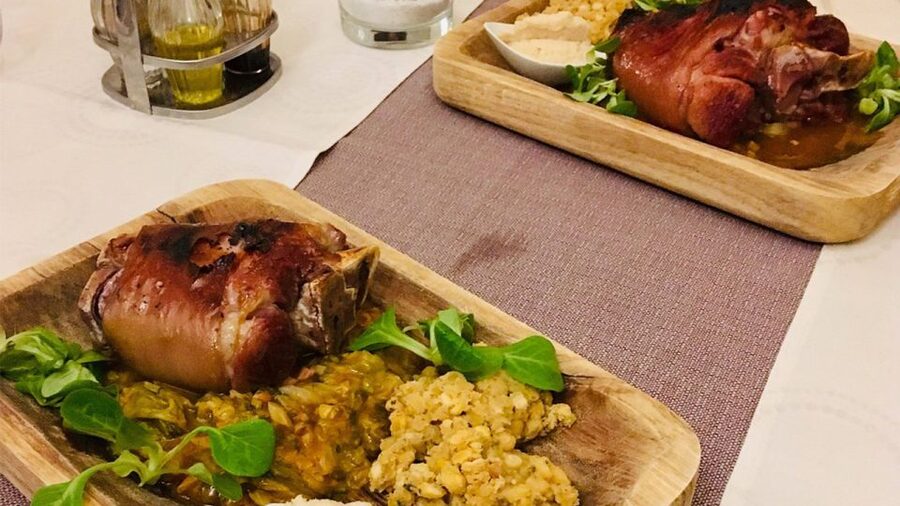
- Pork knuckle
The variety is the tour’s main selling point. You can compare dough-based dumplings with potato-based dishes, then move to cabbage, meat, soup, and sweets. If you are new to Polish food, this saves you from guessing at a restaurant menu and ordering only the most familiar item.
I particularly like the inclusion of pyzy and bigos. Pierogi are easy for visitors to find, but these other dishes give you a better sense of everyday Polish cooking. The potato pancake with pork goulash also shows how one dish can combine crisp texture, soft potato, and a rich meat sauce.
The restaurant quality may not be identical at every stop. One person found the food decent but felt the restaurants and dishes did not show Warsaw at its best. Another reported a 45-minute wait at one venue. That suggests you should judge this tour as a broad sampling experience, not a carefully staged meal at the city’s finest restaurants.
Same city, a completely different kind of day:
- Warsaw: Chopin Concert in the Old Town
★ 4.8 · 2,287 reviews - Warsaw: Traditional Galar Cruise on The Vistula River
★ 4.6 · 1,640 reviews - Warsaw: Old Town Highlights Walking Tour in English
★ 4.7 · 1,516 reviews - Warsaw Concert: Chopin – Painted by Candlelights with Wine
★ 4.8 · 1,442 reviews
Why the walking sections add real value
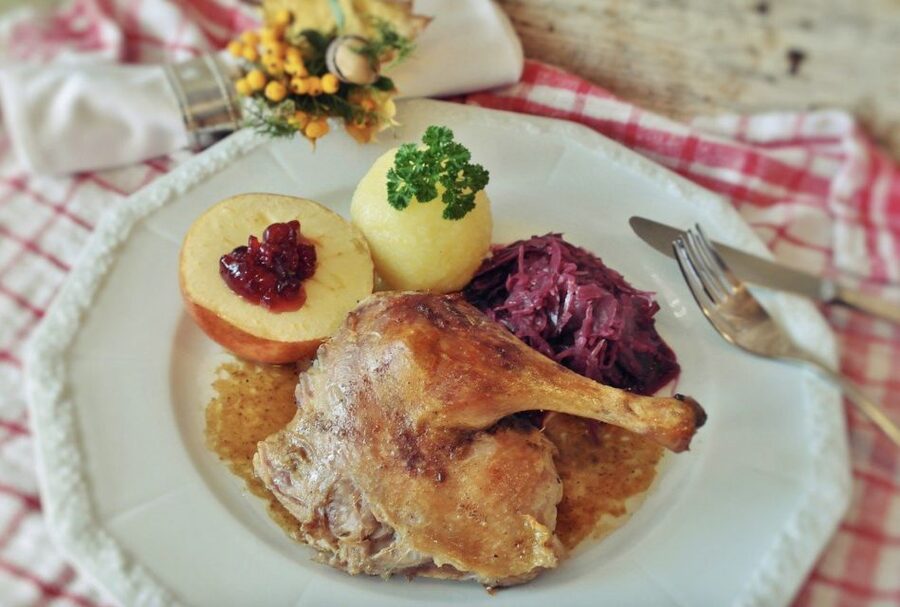
The walking is not just a way to move from plate to plate. Several guides have used the route to explain Warsaw’s buildings, landmarks, culture, and difficult past.
Cezar, Cesary, and Dorota have been singled out for adding city stories while walking. One guide was described as constantly noticing things to explain, while another made the experience feel like a shared meal and a walk with a friend. That personal approach can make three and a half hours pass quickly.
You should still expect a food tour first. The historical information supports the meal rather than replacing a dedicated Warsaw sightseeing tour. If you want a full architectural or political history lesson, book a separate city walk. If you want to understand how food fits into Polish life while seeing the center on foot, this format makes sense.
The route also gives you a useful orientation. After the tour, you will know where some central restaurants are and which dishes you might want to order again. A food tour is most useful when it helps you make better choices for the rest of your stay, and this one provides that kind of introduction.
The vodka tasting and drinks policy
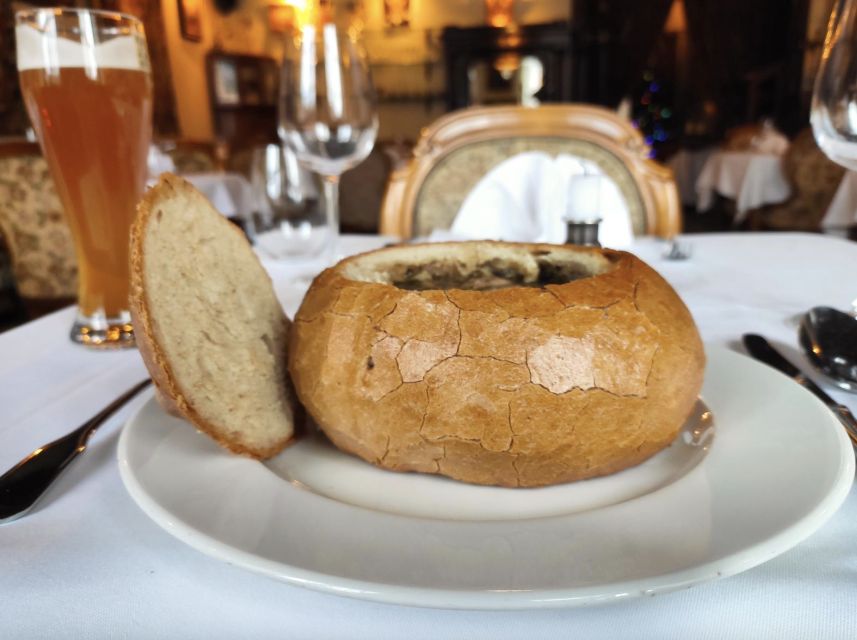
A Polish vodka tasting is included. It gives the meal a distinctly local finish and lets the guide explain how vodka fits into Polish food culture.
Water and other refreshments are also included, but additional drinks are not. That distinction matters at a $93 price point. If you add several beers, wines, or cocktails, your final cost can rise beyond the advertised tour price.
The vodka tasting should not be treated as a drinking session. The amount is not specified in the tour information, and one past participant found the serving modest. Think of it as one element of the food experience, not the main attraction.
Recipes make the experience more useful after Warsaw
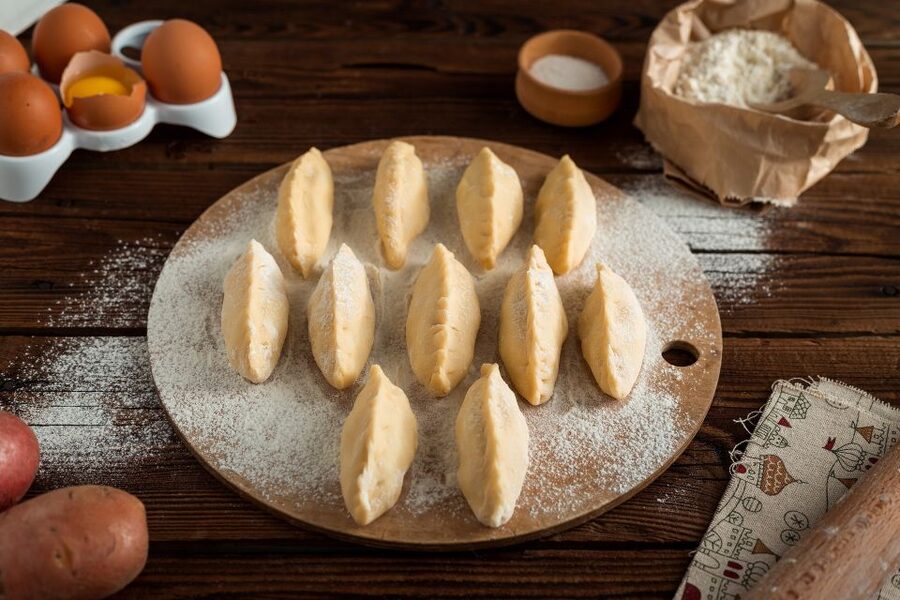
Written information about Polish food, including recipes, is sent by email. This is a small feature, but I find it more useful than another souvenir photograph.
The notes can help you remember unfamiliar names and give you a way to recreate a dish at home. They also make the tour more than a three-hour eating session. If you discover that you like bigos, cabbage rolls, or a particular kind of pierogi, you have a starting point for learning more.
The recipes are especially helpful if you are booking the tour early in your trip. You can use the dishes you taste as a guide for later meals, instead of repeatedly ordering whatever appears most familiar.
How much food should you expect?
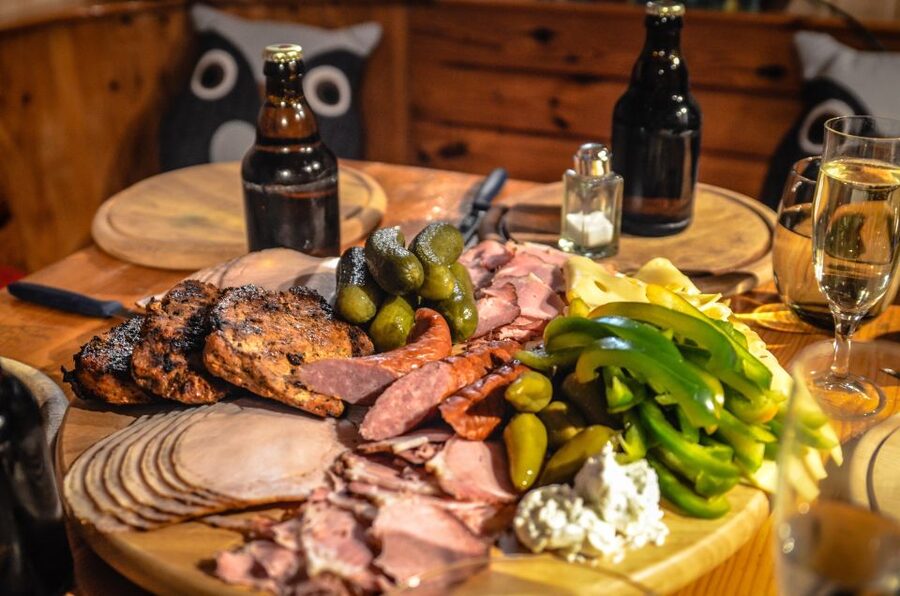
Take the warning seriously: come prepared to eat the equivalent of two meals. The tour includes 10 different foods, and several stops can feel like a substantial meal on their own.
I would schedule it in place of lunch and dinner, not between them. Wear comfortable clothing, avoid a large breakfast, and do not plan a special restaurant reservation immediately afterward. The food arrives in stages, but the total quantity remains considerable.
The menu includes meat, dairy, wheat, potatoes, cabbage, and sweets. The supplied information does not provide a full allergy or dietary menu, so anyone with serious restrictions should ask before booking. The tour is specifically described as a poor fit for vegan or vegetarian diners, and flexibility for those diets should not be assumed.
Guide quality is a major part of the value
The food is only half of this tour. The guide can determine whether the experience feels like a useful introduction to Poland or simply a series of plates.
Dorota has been praised for her enthusiasm about Warsaw and for answering questions about both food and local history. Arif is described as friendly and easy to talk with, with strong knowledge of Poland. Cezar and Cesary are repeatedly associated with clear explanations about the city, the dishes, and the places along the route.
Other guides named in past bookings include Batka, Cesar, Louis, Shumpu, Paola, Aga, Patrick, Tatiana, and Zelinka. Since the assigned guide can vary, you should not book solely around one person’s name. Still, the pattern is clear: the guide’s personality and preparation are central to the experience.
The language options listed are English and Spanish, with Polish also included among the guide languages. Check the selected departure when booking if language is important to you.
Is $93 a fair price?
At $93 per person, this is not a budget lunch. The value depends on how you use the tour.
You receive 10 foods, visits to three to five venues, a guide, a vodka tasting, water or other refreshments, and recipes by email. You also get a city walk and the convenience of having someone explain what to order and why it matters. If you would otherwise book a meal, a sightseeing walk, and several separate tastings, the combined cost can make sense.
The drawback is that restaurant quality is not guaranteed to be equal at every stop. A portion of the price pays for organization, guide time, and variety, not only the ingredients on the plate. If your main goal is a polished fine-dining meal, this is probably not the right use of $93.
I see the best value for first-time visitors who want a broad introduction and would rather taste ten things than order one large dish. Repeat visitors who already know Polish food may find the price harder to justify unless they particularly want the cultural explanations and the chance to visit several local venues.
Who should book this experience?
You should consider booking if you:
- Are visiting Warsaw for the first time
- Want help ordering Polish food later
- Enjoy trying many small portions
- Like combining food with a walking tour
- Want local explanations about ingredients and customs
- Can comfortably eat a large meal
- Prefer a guide-led introduction to unfamiliar cuisine
You may want another option if you are vegan, need a tightly controlled allergy menu, dislike walking between venues, or want a refined restaurant experience. The tour is also less suitable if you prefer to eat slowly in one place without a schedule.
The activity is wheelchair accessible, which is useful, though the exact route between venues is not described in detail. Ask for route information in advance if you need to know about surfaces, seating, or stop-by-stop access.
Cancellation and booking flexibility
You can cancel up to 24 hours before the start for a full refund. The reserve-now, pay-later option also gives you room to keep plans flexible while you settle your Warsaw schedule.
The tour lasts 210 minutes, and starting times vary by availability. Since it replaces two meals, choose a time that lets you eat lightly beforehand and leaves space afterward.
Should you book the Warsaw Polish Food Tour?
I would book it for a first visit to Warsaw, especially near the beginning of your stay. The combination of 10 Polish foods, several local venues, a city walk, vodka, and emailed recipes gives you a useful map of Polish cuisine in one afternoon.
Go in with realistic expectations. You are paying for variety and guidance, not guaranteed top-tier cooking at every stop. Come hungry, expect plenty of meat and dumplings, and allow some patience if a restaurant is busy.
If Dorota, Arif, Cezar, or another strong guide leads your group, the history and conversation can make the tour feel like much more than lunch. If you want a broad, friendly introduction to Polish food and do not mind the higher price, it is a sensible choice.
FAQ
How long does the Polish Food Tour last?
The tour lasts 210 minutes, or three and a half hours.
How many restaurants do you visit?
You visit between three and five restaurants and local cafes in Warsaw’s historic center.
How many Polish foods are included?
The tour includes 10 different Polish foods, including starters, soups, and main courses.
Which Polish dishes might I taste?
Possible dishes include pierogi, bigos, pyzy, soups, sausages, sweets, potato pancake with pork goulash, stuffed cabbage leaves, and pork knuckle.
Is vodka included?
Yes. A Polish vodka tasting is included, along with water and other listed refreshments. Additional drinks are not included.
Should I eat before the tour?
You should arrive very hungry. The tour information says the food is equal to about two meals and should replace lunch and dinner.
What languages are available?
Live guiding is available in English and Spanish. Polish-speaking guide support is also listed.
Where do I meet the guide?
The meeting point is the Sigmund Column. The listed starting location is Kamienica Johna, so check the exact meeting instructions when booking.
Is the tour wheelchair accessible?
Yes, the activity is listed as wheelchair accessible.
Can I cancel for a refund?
Yes. You can cancel up to 24 hours in advance for a full refund.
Just added around Warsaw
- Wolfs Lair and Swieta Lipka Small Group Tour from Warsaw with Lunch★ 4.5 · 21 reviews
- Wolf’s Lair & Treblinka Tour in 1 day from Warsaw★ 5.0 · 37 reviews
- Wolfs Lair “Hitler’s Headquarters” – Full Day Tour from Warsaw by private car★ 4.5 · 4 reviews
- Tour from Warsaw: Wolf’s Lair, Hitler’s HQ Zones I and II★ 5.0 · 32 reviews
- Wolf’s Lair Private Day Trip from Warsaw★ 5.0 · 50 reviews
- Warsaw Must-See Local City Tour with Antek and Tomek★ 5.0 · 51 reviews
- Off the Beaten Track in Warsaw: Private City Tour★ 4.5 · 9 reviews
- Warsaw’s Old Town A Self-Guided Audio Tour★ 4.5 · 10 reviews
Food & Drink, compared.
Zakopane, Thermal Springs, Cable Car, Local Tasting
Read our review →
Krakow to Zakopane: Funicular, Tasting and Thermal Baths Day Trip
Read our review →
Krakow Food Tasting Tour with Delicious Poland
Read our review →
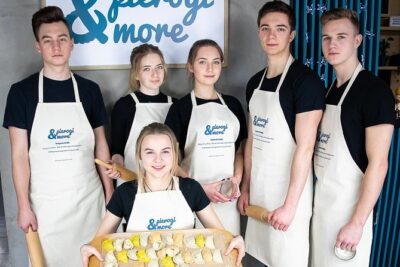
Warsaw’s No 1 cooking class-Polish dumplings with liqueur tasting
Read our review →
ZAKOPANE & THERMAL SPRINGS, Funicular, Cheese Tasting
Read our review →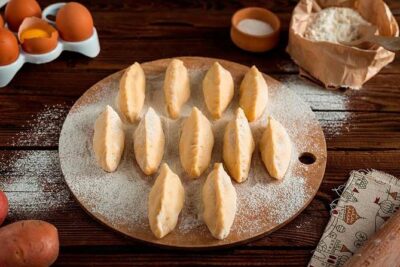
Half-Day Polish Food Walking Tour with Guide and Dinner
Read our review →
Zakopane Tour with Cable Car, Tasting & Hotel Pickup
Read our review →Browse the lists this tour appears in