
Reviewed · AUSCHWITZ TOURS
Krakow: Auschwitz-Birkenau Guided Tour Pickup/Lunch Options
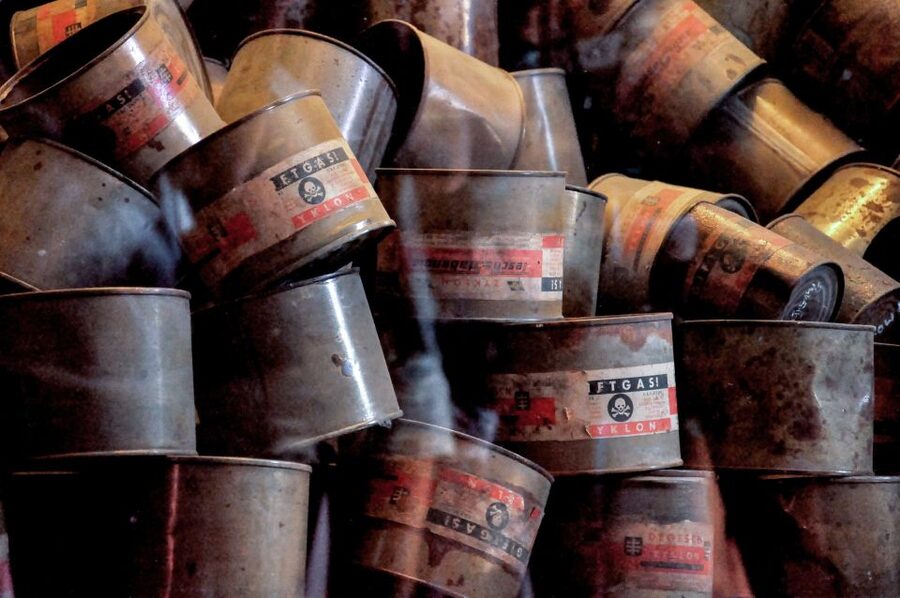
Auschwitz-Birkenau is not a sightseeing stop to race through. It is a place of evidence, memory, and painful human stories, and this eight-hour guided day trip gives you a structured way to visit both Auschwitz I and Birkenau. You will see prisoner belongings, original buildings, barracks, and the remains of the extermination facilities.
I like the licensed English-speaking museum guide, since the sites are large and the context matters. I also like the practical round-trip transport from Krakow, especially because the drive takes about three hours in total. The main drawback is the changing pickup time: a preferred start is not guaranteed, and you may be assigned a departure anywhere from 5:30 AM to 3:00 PM.
Key points to know before booking
- Two camps, one sobering visit: Spend about two to two and a half hours at Auschwitz I, then about one hour at Birkenau.
- The guide shapes the day: Guides such as Leah have been praised for clear, sensitive explanations, while the pace is set by the museum rather than by your group.
- Bring food unless you select lunch: There is no normal lunch break within the museum visit, and food and drinks are restricted inside the camps.
- Pickup takes attention: Several companies may gather at the same meeting point, so arrive early and have your confirmation ready.
- Expect a busy, emotional site: Headsets help you hear the guide, but reception can sometimes crackle, and many groups may be moving through the buildings.
- Pack lightly and dress properly: You need photo ID, comfortable shoes, weatherproof clothing, and no large luggage or sleeveless shirts.
Why Auschwitz-Birkenau belongs on a Krakow itinerary
Auschwitz-Birkenau was the largest concentration camp complex operated by Nazi Germany. Auschwitz I served as the administrative center. Auschwitz II, usually called Birkenau, became the main extermination site. Auschwitz III, or Monowitz, functioned as a labor camp, though this tour focuses on the first two sites.
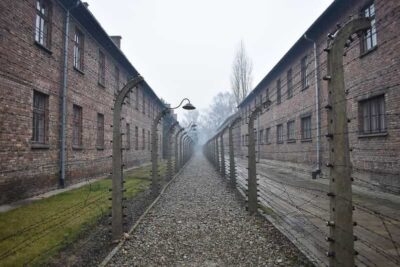
That distinction matters. Auschwitz I helps you understand the system through exhibitions, documents, prisoner belongings, and original buildings. Birkenau then shows the sheer scale of the camp, with its railway approach, barracks, ruins, and open spaces. Seeing both gives you more than a collection of displays. It shows how administration, imprisonment, forced labor, and mass murder operated as parts of one system.
The Polish government restored Auschwitz-Birkenau as a memorial and museum after liberation. Before the Soviet army arrived on January 27, 1945, the SS tried to destroy the camp, burn records, and erase evidence. What remains is incomplete, but it is still direct and difficult evidence.
I would not treat this as a casual day trip. The visit may be one of the most emotionally demanding experiences of your time in Poland. That is also why a guide can be useful. The buildings do not explain themselves, and the museum’s objects need careful context.
A few more Auschwitz half-days worth comparing
- From Krakow: Auschwitz-Birkenau Guided Tour & Hotel Pickup
★ 4.5 · 33,358 reviews - From Krakow: Auschwitz-Birkenau Guided Tour & Hotel Pickup
★ 4.5 · 29,340 reviews - Krakow: Auschwitz Guided Tour with Optional Hotel Pickup
★ 4.5 · 15,280 reviews
The Krakow pickup and three-hour road journey
Your transport leaves from a selected pickup point in Krakow or from one of the arranged meeting locations. Possible drop-offs include Kiss&Ride, ibis Krakow Stare Miasto, Art & Garden Residence, Aparthotel Lwowska 1, Hotel Galaxy, Starowiślna 65, Mercure Kraków Fabryczna City, Qubus Hotel Kraków, Premium Hostel, and Wielopole 2.
The exact pickup time is sent separately, often the day before. Treat the time you choose during booking as a preference, not a promise. The departure can shift considerably, so do not schedule a tight appointment, train, or flight afterward.
This part needs a little patience. Several tour operators may use the same meeting area, and staff may call out names rather than hold a large, obvious sign. Arrive early, keep your phone charged, and compare the name on your confirmation with the staff member’s list. One useful tip is to save the operator’s confirmation message before leaving your hotel.
The ride takes about an hour and a half each way. Vehicles range from coaches to smaller vans. Some have a screen showing a documentary on the way, which helps prepare you for the visit. Comfort is less consistent. Tall passengers may find the legroom tight in a minibus, and one account described a fast, uncomfortable ride. The driver is often a strong part of the operation, but driving style can vary.
There is a short break of about 10 to 20 minutes after arrival. Use it for the toilet and for buying anything you need before entering. You will not have a proper meal period once the museum visit begins.
Auschwitz I, exhibitions and original buildings
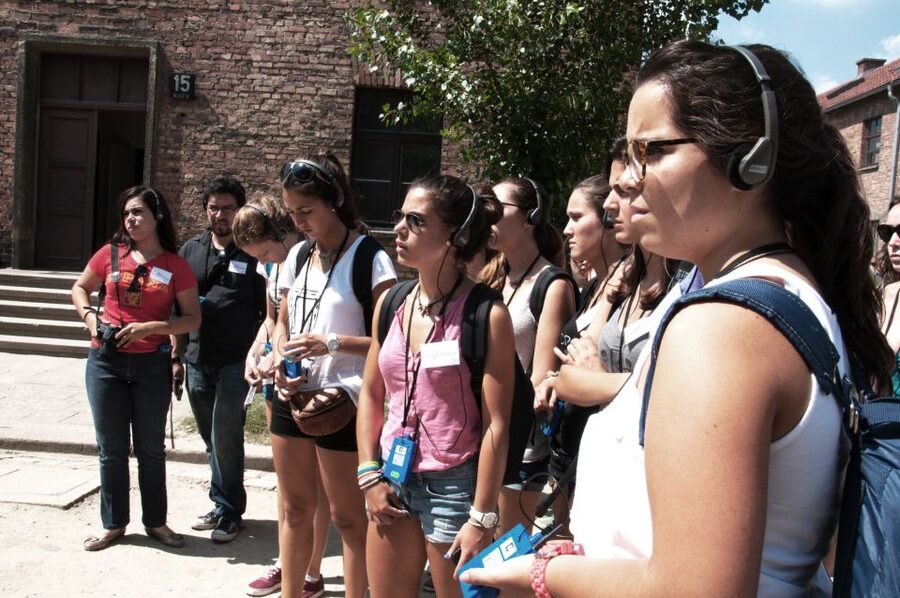
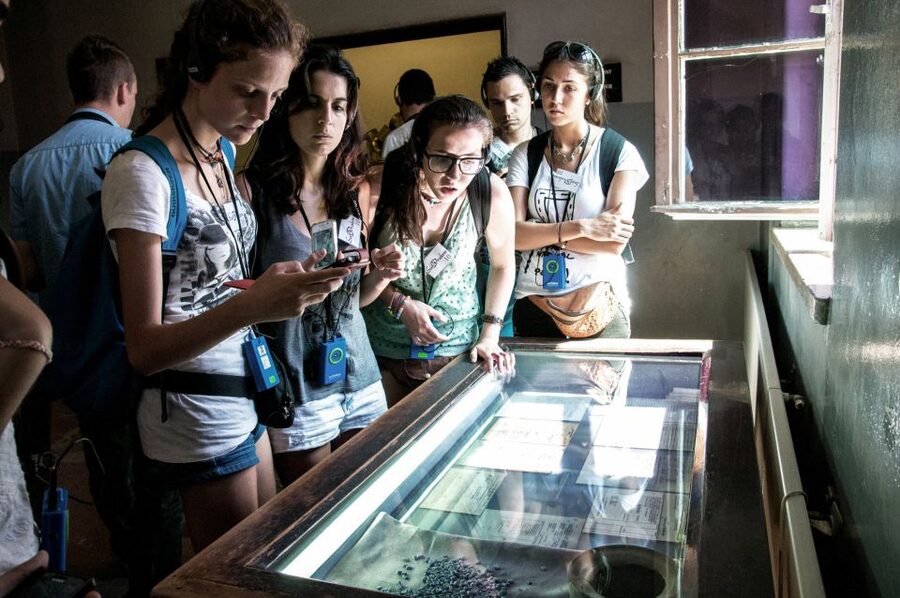
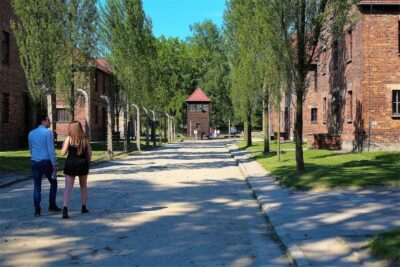
Auschwitz I is the first major part of the tour and usually lasts about two to two and a half hours. After security checks, you receive a headset so you can follow the guide without standing directly beside the group.
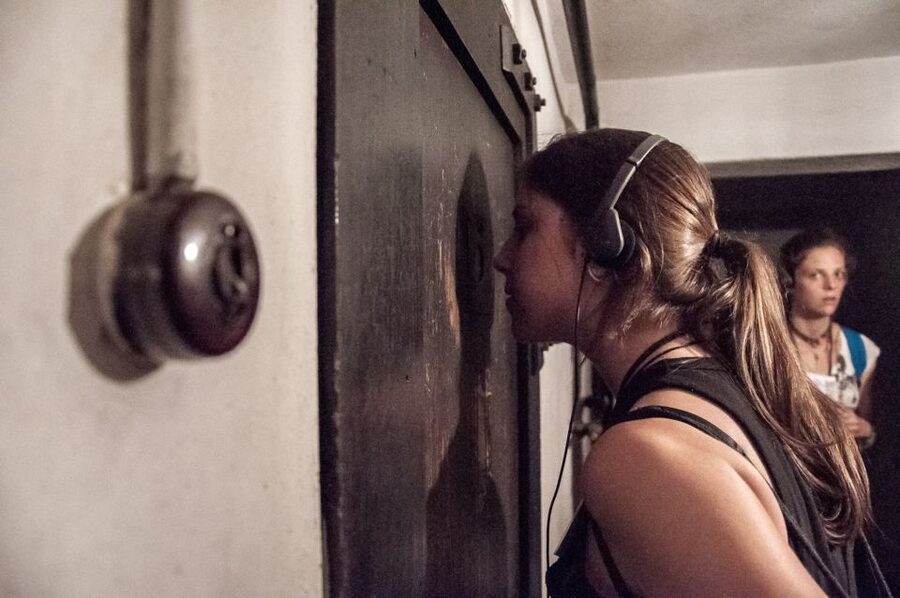
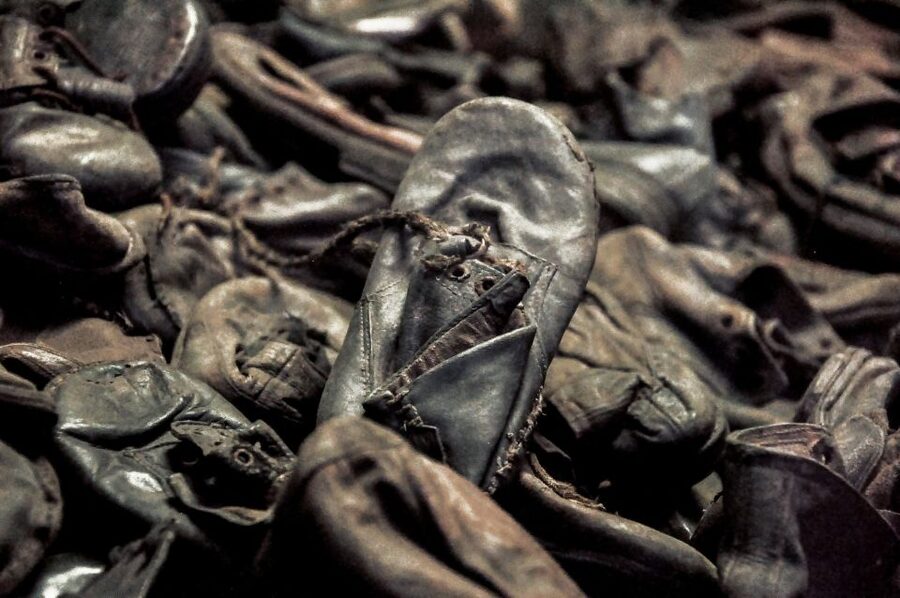
The original camp buildings now contain permanent exhibitions. You will pass through barracks and rooms that present the experiences of people imprisoned there. The displays include personal belongings, photographs, documents, and other evidence. These objects are difficult to see, but they make the history individual rather than abstract.
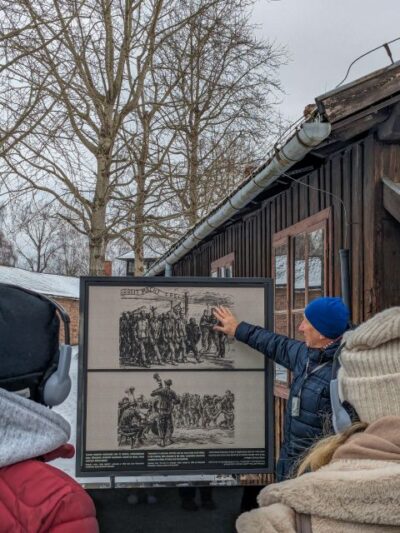
This is where the guide’s skill matters most. A good guide explains how the camp was organized, how prisoners were registered and controlled, and how the system grew. Guides Leah and other highly praised staff members have been described as calm, clear, and sensitive when discussing the subject. The best explanations do not sensationalize the site. They give you enough information to understand what you are seeing while leaving room for the weight of the place itself.
The buildings are not arranged like a normal museum, and the group must follow a set route. You may want to stop longer at certain displays, especially the photographs of prisoners. The tour’s schedule may not allow that. One section containing people’s portraits can feel especially rushed because the guide must keep the group moving.
You should also expect crowds. Many organized groups visit at the same time, and narrow interiors can feel busy. Headsets usually make it possible to hear, but reception may occasionally crackle or cut out. If you lose the signal, move closer to the guide rather than wandering off, since the group pace is fixed.
There is a short break before the group travels to Birkenau. This is a good moment to use the facilities, get water, and collect yourself. The day is not designed for a long pause, so plan your energy carefully.
Birkenau and the scale of the killing site
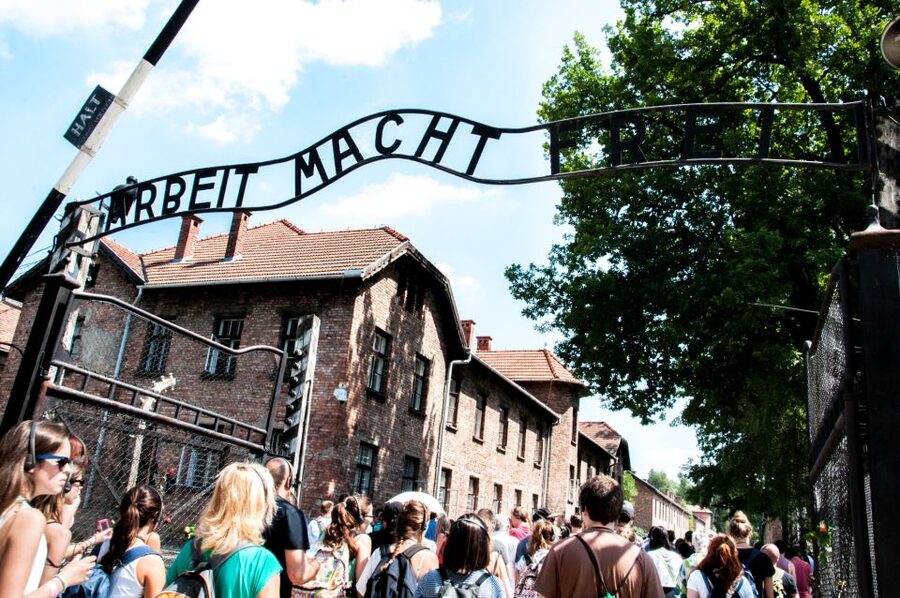
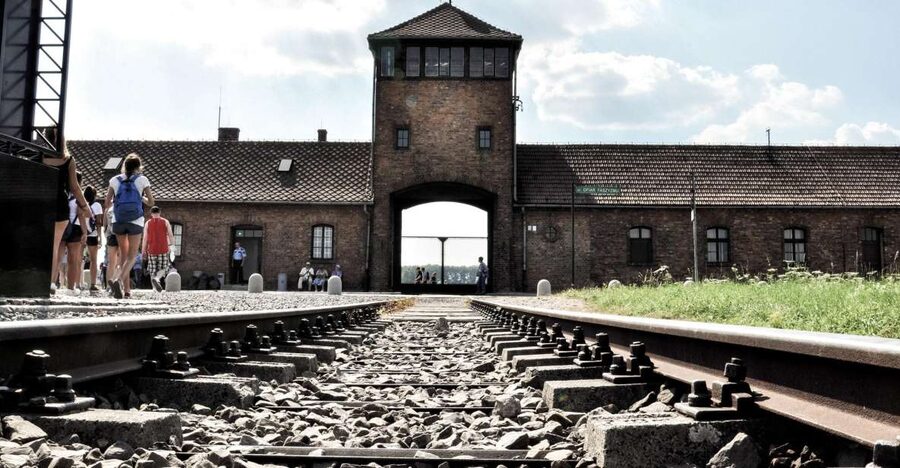
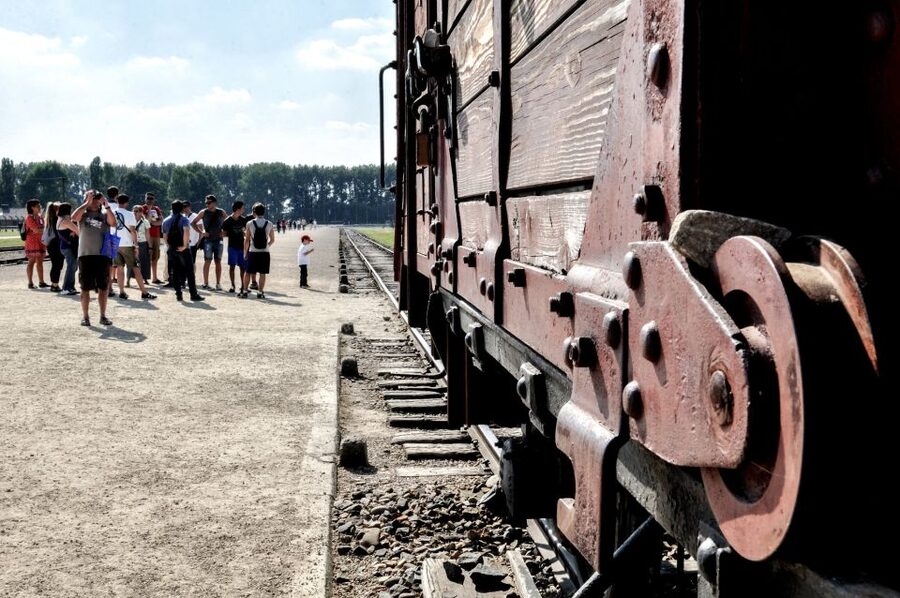
The transfer to Auschwitz II-Birkenau is short compared with the Krakow drive, but the character of the visit changes immediately. Birkenau is far larger and more open than Auschwitz I. The original camp buildings and railway area make the scale of the operation easier to grasp.
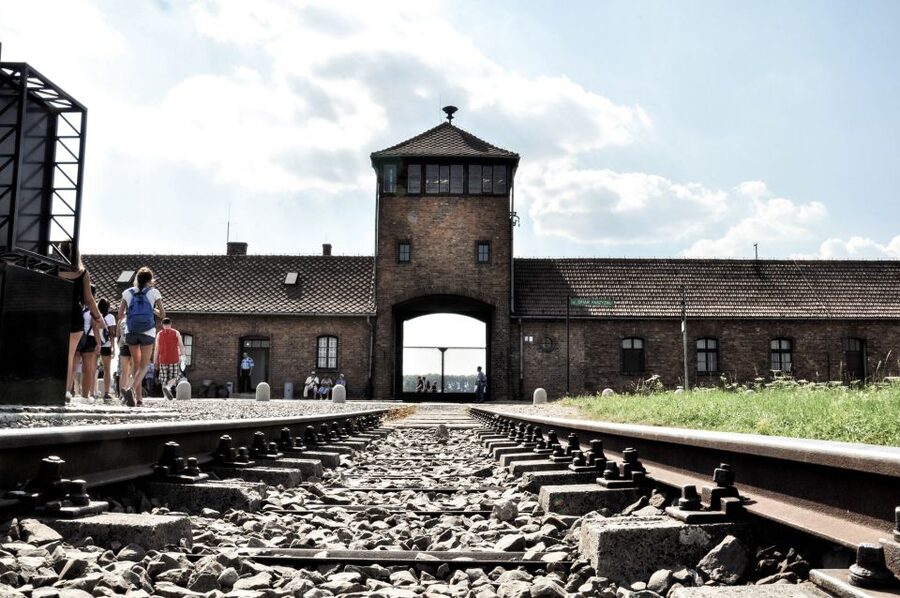
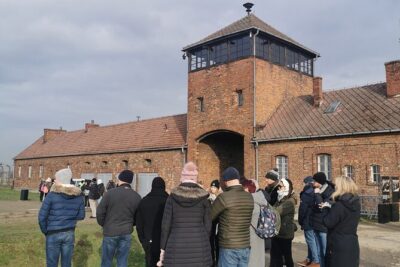
The guided visit lasts about one hour. You will see the entrance gate, the railway approach, barracks, and the remains of gas chambers and crematories. Much of the site is exposed to the weather, so wind, rain, snow, or intense sun can make the walk harder than expected.
Auschwitz I presents objects and rooms. Birkenau presents distance and scale. The two sites work together. At Birkenau, the long rows of barracks and the broad grounds show how many people were confined there and how the camp’s machinery extended far beyond the surviving buildings.
You may enter one of the surviving or partially preserved structures, depending on the route and museum rules. The exact pace and duration are controlled by the museum, not by the transport company. Keep with the group and listen for instructions, particularly near the railway and building entrances.
The final break lasts roughly 10 to 20 minutes before the return to Krakow. It is not a full lunch stop. If you select the lunchbox option, you receive food for the day, but the quality and suitability may not match everyone’s expectations. Bringing your own permitted snack is sensible, though you must follow museum restrictions and cannot eat or drink inside the camp areas.
Same city, a completely different kind of day:
- Krakow: Auschwitz-Birkenau Guided Tour with Pickup & Lunch
★ 4.5 · 9,800 reviews - Krakow: Auschwitz-Birkenau and Salt Mine Guided Tour
★ 4.7 · 9,020 reviews - Krakow to Auschwitz Birkenau Guided Tour with Transfer and Ticket
★ 5.0 · 8,197 reviews - From Krakow: Auschwitz Birkenau Tour with Transfer
★ 4.0 · 6,134 reviews
Lunch, clothing and practical comfort
The most important food fact is simple: do not count on a normal restaurant lunch during the visit. There are vending machines, but no regular meal break is included under the museum’s visiting rules. Food and drinks are not allowed inside the two camps, and some transport arrangements may also restrict eating and drinking on board.
The optional lunchbox is convenient if you want something arranged in advance. Still, I would not choose it automatically based on convenience alone. Check what the option contains and consider your own dietary needs. If you are visiting in cold weather, carry water for the permitted parts of the day and eat before entering.
Wear comfortable shoes. You will walk on uneven ground, enter and leave buildings, and use stairs. Dress for the forecast, with extra attention to cold and wet conditions. One account describes snow and temperatures around minus 10 degrees, while other days may be warm. Birkenau offers little shelter, so a waterproof outer layer is useful.
The rules are strict and appropriate to the setting. Bring a passport or ID card, and make sure the booking name matches the ID exactly. Entry can be refused if the details do not match. Pets, large bags, and luggage are not allowed. Sleeveless shirts are also prohibited.
The information is mixed on wheelchair suitability. The activity details describe wheelchair access, but the additional information says it is not suitable for wheelchair users. Because the route includes uneven ground, stairs, and old buildings, you should confirm current access arrangements before paying.
Is the $200 price fair?
At $200 per person, this is not the cheapest possible way to reach the museum. You are paying for transport from Krakow, entrance tickets, a licensed museum guide, the Auschwitz I and Birkenau visits, and an optional lunchbox if selected.
The value depends on what you need. If you want the simplest package, round-trip transport removes the need to arrange the long journey yourself. The guide also gives structure to a site where the information can feel overwhelming. Some people prefer independent visits and may feel the price is high, especially since the tour follows a fixed route and does not allow much extra reading time.
I think the guide is the strongest reason to choose this package. The most effective guides explain the evidence carefully, answer questions, and keep the tone respectful. The least effective parts can include rushed transitions, weak headset reception, or a guide who does not handle questions well. Those are real risks in a large shared group.
The tour has a rating of 4.5 from more than 9,000 ratings, and the most consistent praise is directed at the guides, drivers, organization, and educational value. The main complaints concern pickup confusion, cramped vans, fast driving, food quality, and not enough time at certain displays. That is a fair picture of a large group excursion: usually well organized, but not fully flexible.
Who should choose this guided visit?
This tour suits you if you are staying in Krakow and want an efficient, structured visit to both camps. It is also a good choice if you prefer explanations in English and do not want to plan transport, museum tickets, and entry procedures separately.
It may not suit children under 14, for whom the activity is not recommended. The subject is severe, and even adults may find the visit upsetting. Give yourself quiet time afterward rather than scheduling a busy evening.
Independent-minded visitors should consider the limits. You cannot set your own pace, linger as long as you want in every exhibition, or guarantee the starting time you first select. The museum controls the route and duration. Still, the guide can help you notice the meaning behind the buildings and objects instead of simply walking through them.
Should you book this Auschwitz-Birkenau tour?
Book it if you want transport, admission, and an English-speaking guide in one arrangement, and if you accept a changing departure time and a fixed museum pace. The combination of Auschwitz I’s exhibitions and Birkenau’s huge open site makes this a serious, worthwhile day from Krakow.
Before booking, confirm your pickup instructions, enter every name exactly as shown on each passport or ID, and prepare for the weather. Bring comfortable shoes and plan your food rather than assuming lunch will appear. If those conditions work for you, the tour offers a clear and practical way to visit one of Europe’s most important memorial sites.
FAQ
How long does the Auschwitz-Birkenau tour take?
The full activity lasts about eight hours, including roughly three hours of round-trip transport from Krakow, breaks, and the museum visits.
How much time is spent at each camp?
The Auschwitz I visit lasts about two to two and a half hours. The Auschwitz II-Birkenau visit lasts about one hour. The museum controls the exact pace and duration.
Is lunch included?
Lunch is included only if you select the lunchbox option. A normal lunch break is not part of the museum visit, and food and drinks are not allowed inside the camps. Vending machines are available on site.
What should I bring?
Bring your passport or ID card, comfortable shoes, and clothing suited to the weather. Your booking name must match the name on your identification document.
Can I choose my exact pickup time?
You can choose a preferred time, but it is not guaranteed. The actual start may be scheduled between 5:30 AM and 3:00 PM, with final details sent before the tour date.
Is the tour suitable for wheelchair users?
The activity information gives conflicting guidance. One section describes it as wheelchair accessible, while another says it is not suitable for wheelchair users. Confirm current access conditions before booking, especially because the route includes uneven ground and stairs.
Just added around Auschwitz
- Guided Private Tour to Auschwitz Birkenau & Krakow from Wroclaw★ 5.0 · 4 reviews
- Auschwitz-Birkenau Day Tour from Wroclaw★ 5.0 · 40 reviews
- Krakow & Auschwitz day tour from Warsaw by private car with Lunch★ 5.0 · 16 reviews
- One day tour to Auschwitz-Birkenau & Salt Mine from Warsaw with private driver★ 5.0 · 4 reviews
- One Day Tour to Auschwitz-Birkenau from Warsaw by Car★ 5.0 · 81 reviews
- Krakow and Auschwitz – Full Day Tour from Warsaw by private car★ 5.0 · 9 reviews
- From Warsaw: Auschwitz-Birkenau Tour with Premium Train Transportation★ 4.0 · 7 reviews
- Full-Day Tour From Warsaw to Auschwitz (guided) and Krakow by car★ 5.0 · 24 reviews
Auschwitz Tours, compared.
Auschwitz-Birkenau Guided Tour & Hotel Pickup
Read our review →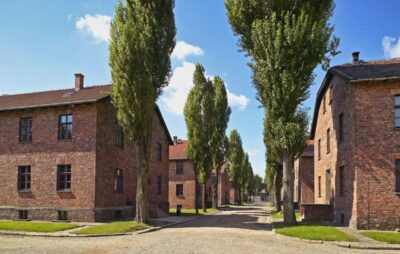
Auschwitz Guided Tour with Optional Hotel Pickup
Read our review →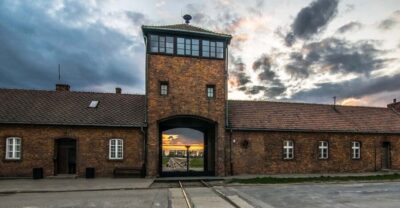
Auschwitz-Birkenau Guided Tour with Pickup & Lunch
Read our review →
Krakow to Auschwitz Birkenau Guided Tour with Transfer and Ticket
Read our review →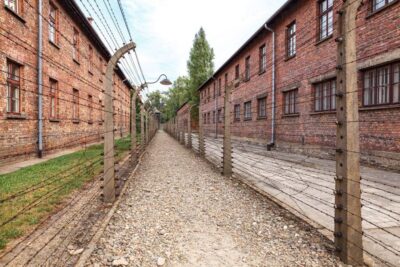
Auschwitz Birkenau Small Group Tour with Pickup
Read our review →Browse the lists this tour appears in