
Reviewed · AUSCHWITZ TOURS
Auschwitz-Birkenau: Museum Entry Ticket with Guided Tour
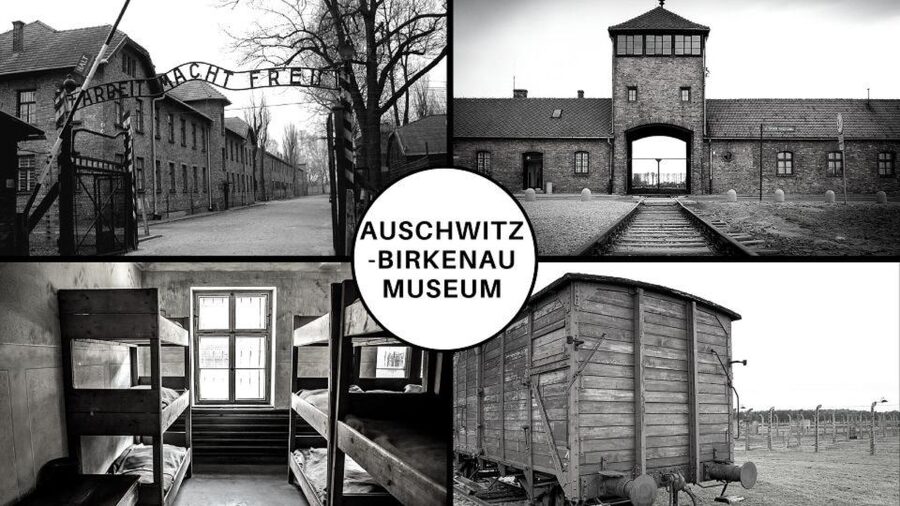
Auschwitz-Birkenau is not a sightseeing stop in the usual sense. You come here to face the remains of a Nazi concentration and extermination camp, listen to the names and stories attached to it, and leave with a clearer sense of the scale of the crime. The English-speaking guided tour keeps the visit focused and helps explain what you are seeing.
I like two practical things right away: your entry ticket is arranged in advance, and a headset lets you hear the guide even when the group spreads out through the barracks. I also like that the tour covers both Auschwitz I and Auschwitz II-Birkenau, including the railway platform and gas chamber ruins. The main drawback is that the visit can feel rushed, and the start time may change by as much as four hours.
Key points to know before you book
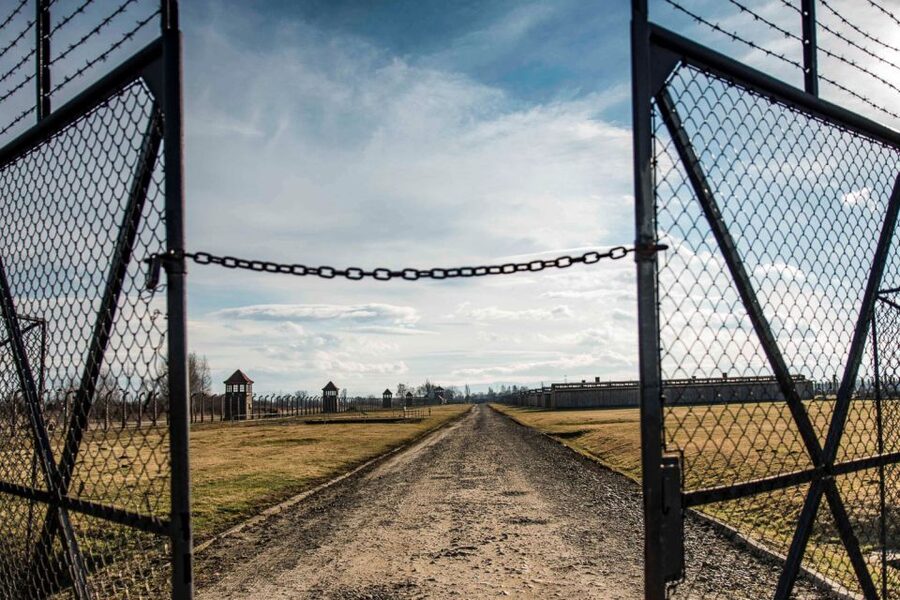
- Two camps in one visit: Tour Auschwitz I for about 105 minutes, then Auschwitz II-Birkenau for about 75 minutes.
- Meet on site: You make your own way to the Auschwitz Museum Visitor Center and parking area.
- English guide and headsets: The authorized guide speaks English, with headsets supplied for clear listening.
- The schedule can move: The museum controls the pace, duration, and final start time, which may change close to the visit.
- Strict entry rules: Bring the passport or ID used for booking, and carry only a small bag measuring no more than 30 by 20 by 10 centimeters.
- Not suitable for everyone: Children under 14 and people with mobility impairments should not book this activity.
Why this visit matters
Auschwitz-Birkenau is a place of mass murder, not simply a former military camp or museum complex. More than 1.5 million people are estimated to have died here, representing 28 nationalities. Nearly 90 percent were Jewish.
That scale can be hard to grasp from a number alone. The guided walk gives the number a physical setting: barracks, photographs, personal belongings, the railway route, and the remains of buildings built for industrial killing. You are not asked to treat the site as entertainment. You are asked to pay attention.
The museum is also a UNESCO-listed cultural and historical site, but the label does not explain the emotional weight of being there. The value of this tour is that an authorized guide places the buildings and exhibits in context, helping you understand how the two parts of the camp worked and how people were brought here.
I recommend setting aside the usual holiday mood before arriving. Wear comfortable shoes, dress respectfully, and expect a serious day. You may find the material upsetting, and that is part of the reality of the place.
More Museum Tours in Auschwitz
- Auschwitz-Birkenau Museum and Memorial Guided Tour from Krakow
★ 4.5 · 1,510 reviews - Krakow: Auschwitz Birkenau Museum Guided Tour with Pickup
★ 3.6 · 544 reviews - Krakow: Auschwitz-Birkenau Tour & Museum Expert Guide
★ 5.0 · 498 reviews
Starting at the Visitor Center
You meet at the Centrum Obsługi Odwiedzających Muzeum Auschwitz-Birkenau, the museum visitor center. Look for the information boards beside the gate leading to the parking area. This is important because the tour does not include transport from Krakow or another city.
You need to arrange your own way to Auschwitz and back. That gives you flexibility if you are already touring Lesser Poland by car, but it also puts the responsibility for reaching the meeting point on you. Allow enough time for the journey and for finding the correct entrance. A late arrival could be especially awkward because museum-controlled schedules do not leave much room for delay.
Bring the passport or identity card connected to the booking. The name on the document must match the name submitted for the ticket. If the names differ, entrance can be refused. The museum also requires full names and contact details for every participant during booking.
The bag rule is strict. Your purse, backpack, or other luggage must be no larger than 30 by 20 by 10 centimeters. Do not arrive with a large suitcase or daypack and expect to carry it inside. Weapons and sharp objects are forbidden, as are sleeveless shirts and shorts.
Auschwitz I: barracks, exhibits, and the camp gate
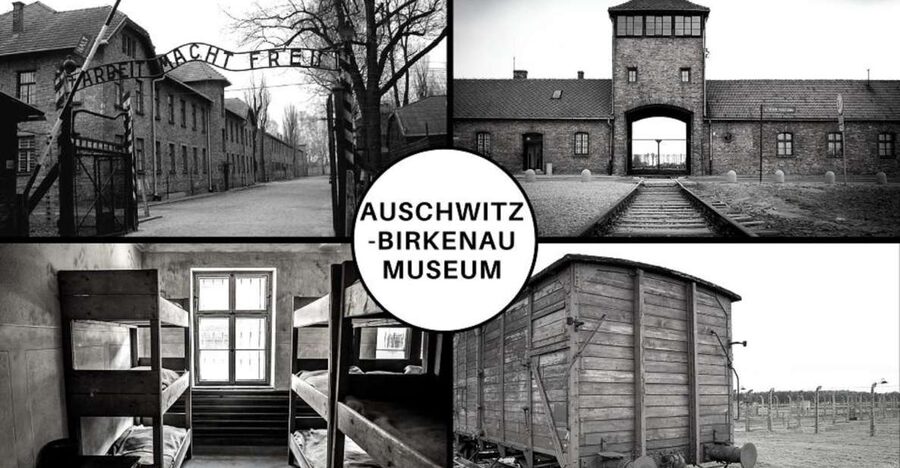
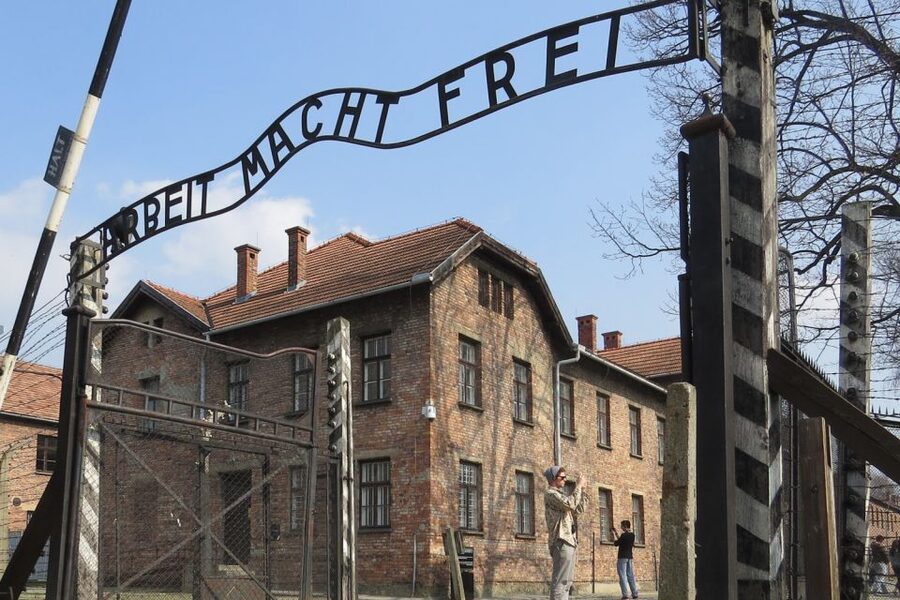
The first part takes about 105 minutes at Auschwitz I. This is the older section of the camp, built in 1940 on the outskirts of Oswiecim. The infamous entrance gate is one of the first sights, but the visit quickly moves beyond the familiar image.
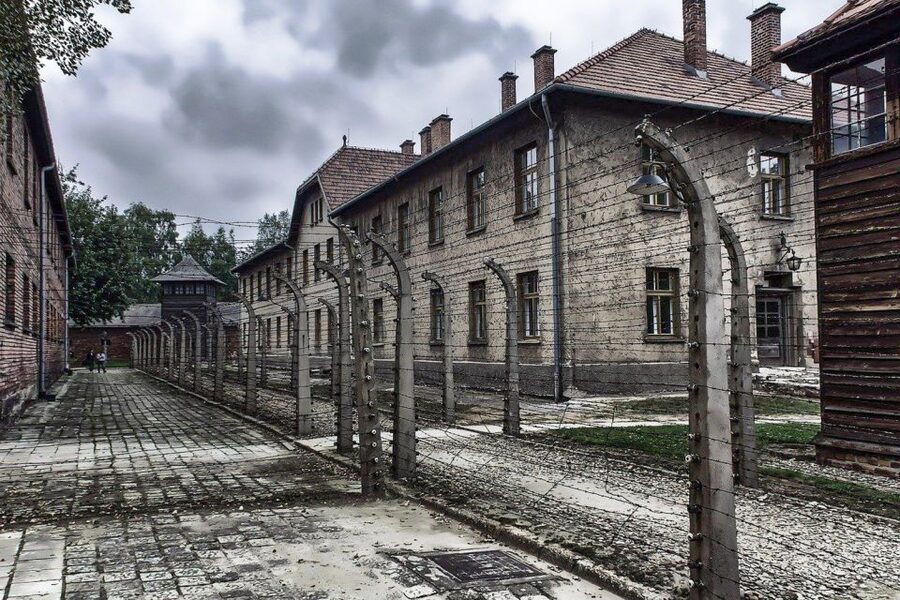
You walk through the former camp grounds and enter barracks that now hold museum displays. These exhibitions help show how people were imprisoned, stripped of their belongings, and treated as numbers rather than human beings. The buildings are not empty scenery. They are part of the evidence.
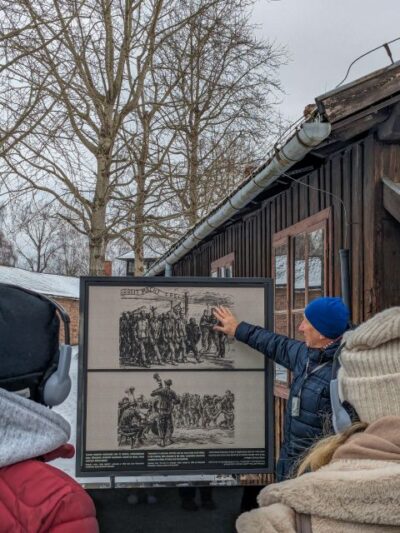
The guide’s role is especially useful here. Without explanation, a row of barracks can blur into another row of barracks. With the guide, the buildings, photographs, and objects connect to the lives of the people held there. The headset is a small but important feature. It means you can hear the English commentary while standing at the edge of a room or moving with a large group.
The tour is conducted in English, so you should book only if you can follow spoken English comfortably. One recent booking involved a group of Dutch speakers who found the English difficult to understand. That is a fair warning: the headset makes the guide audible, but it does not translate the language.
The pace can be firm. One visitor found the tour emotional but somewhat rushed, and that is a reasonable expectation for a museum visit controlled by a fixed schedule. You will have time to see the main exhibitions, but this is not the setting for lingering over every display.
A guide may bring a personal connection to the period, as one English-speaking guide did during a recent tour. That can make the presentation feel more direct and human. Still, the quality of any guided visit depends partly on the individual assigned that day, and no guide name is provided in advance.
The 30-minute break between the two sites
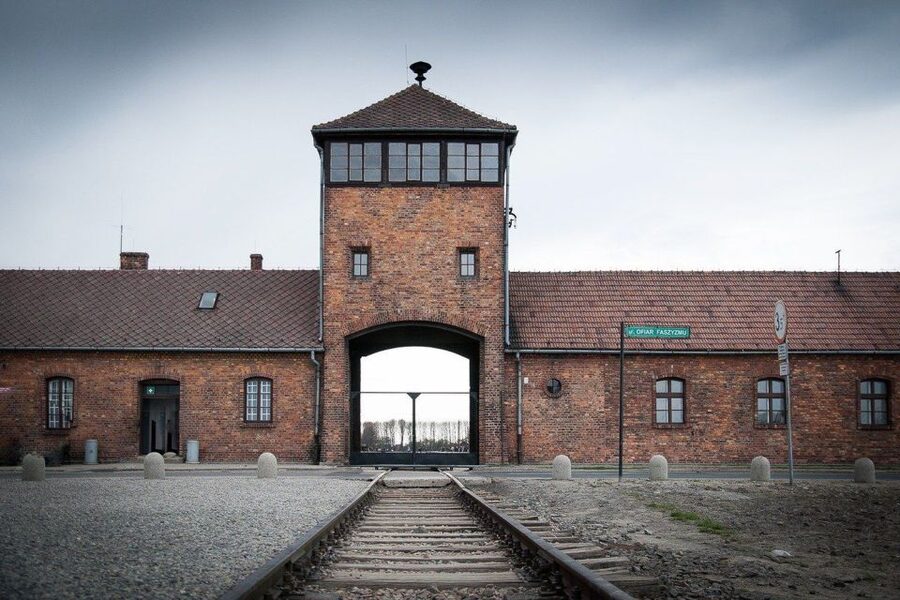
After Auschwitz I, you get about 30 minutes of free time before continuing to Auschwitz II-Birkenau. Treat this as a practical pause, not as a long rest period. You may need it to collect yourself, use facilities, or prepare for the second part.
The break also helps separate the two settings. Auschwitz I feels more enclosed, with museum exhibitions inside former barracks. Birkenau is much larger and more open, and its scale can be harder to process. Moving from one site to the other gives you a moment to reset before the guided walk continues.
The total activity lasts about 210 minutes, including the break. The museum service determines the exact pace and duration, so the stated times are best treated as an outline rather than a promise down to the minute.
Same city, a completely different kind of day:
- From Krakow: Auschwitz-Birkenau Guided Tour & Hotel Pickup
★ 4.5 · 33,358 reviews - From Krakow: Auschwitz-Birkenau Guided Tour & Hotel Pickup
★ 4.5 · 29,340 reviews - Krakow: Auschwitz Guided Tour with Optional Hotel Pickup
★ 4.5 · 15,280 reviews - Krakow: Auschwitz-Birkenau Guided Tour with Pickup & Lunch
★ 4.5 · 9,800 reviews
Auschwitz II-Birkenau: the railway and camp remains
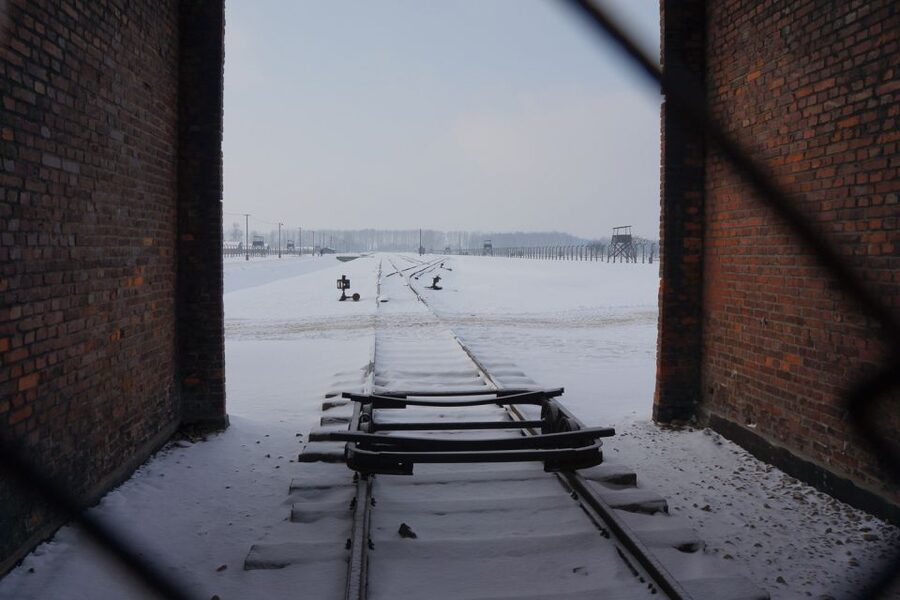
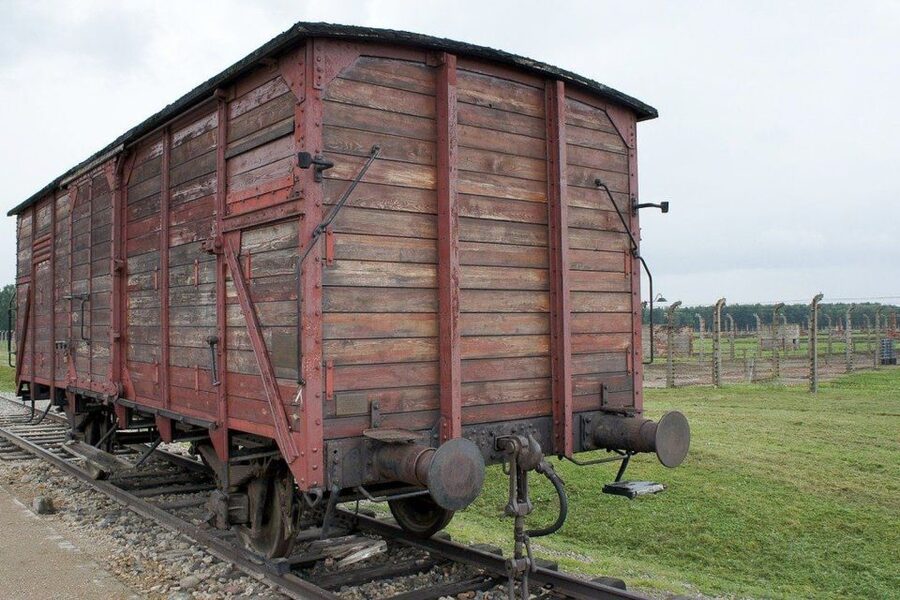
The second guided section lasts about 75 minutes at Auschwitz II-Birkenau. Here you walk along the railway route that brought deported people into the camp. The railway platform is one of the most important places in the visit because it makes the transport process visible. Trains did not simply arrive at a station. They delivered people into a system designed to sort, imprison, exploit, and kill them.
You also see the ruins of the gas chambers. The remains are stark, and the guide explains their place in the camp’s operation. The word ruins can sound distant, but these are the remains of buildings where people were murdered on a mass scale.
Birkenau’s size is part of what makes it so difficult to take in. The open grounds, long railway line, and rows of barracks show that the killing system required a vast physical site. The visit does not reduce the subject to one building or one story. It shows how transport, selection, imprisonment, forced labor, and murder were linked.
Comfortable shoes matter more here. The tour includes walking at both sites, and the museum sets the pace. People with mobility impairments are advised not to book this activity. Children under 14 are also not permitted.
How the guided format affects the visit
A self-guided visit might let you move at your own speed, but this tour gives you a clear route through two large sites. For a first visit, that structure can be helpful. You do not have to work out which barracks or sections to prioritize, and the guide provides context while you are standing in the actual spaces connected to it.
The headset is worth noting. A group can spread out, especially inside barracks or along the railway, and it is easy to miss spoken details without one. Here, you can keep looking at the site while listening to the guide.
The tradeoff is less freedom. You cannot simply stop for twenty minutes at one exhibit if the group is moving on. The museum visitor service controls the pace and duration, and the guide must keep the group together. If you prefer complete independence, this may feel restrictive.
I think the guided format suits most first-time visitors because the site can be confusing and emotionally heavy. It also helps prevent a visit from becoming a quick walk around famous photo locations. You are given an explanation of what happened and why the places matter.
Price and value at $52
At $52 per person, this is not the cheapest way to visit Auschwitz-Birkenau, especially because transport is not included. You still need to arrange your own journey to the museum and back.
The price does include the guided group tour, museum admission, skip-the-line entry, and the headset. Those parts matter because museum entry must be booked in advance, and demand can make an unplanned visit difficult. Since March 2020, advance booking has been the reliable way to secure a visit.
I see the value mainly in the organization. You receive a reserved place, meet an authorized guide, and visit both Auschwitz I and Birkenau in one structured session. If you are already arranging transport, the $52 covers the parts that are hardest to organize on your own.
The value is weaker if you need a flexible schedule. The start time is approximate and may change by up to four hours. That can disrupt a carefully planned day, particularly if you have a train, hotel check-in, or another tour afterward. Contact the local provider if you need to clarify the date or time, and leave room in your schedule.
The activity is non-refundable, so check names, dates, and practical plans before paying. The museum may allow date and time changes after purchase, but you should contact the provider rather than assume a change is automatic.
Who should book this tour
I would choose this tour if you want a guided first visit, need guaranteed entry, and can arrange your own transport. It is especially suitable if you want to see both sections rather than spend your time in Auschwitz I alone.
It is also a good fit if spoken English is comfortable for you. The tour is offered in English, and the headset helps with volume, not language comprehension. If your group needs another language, this particular option is not the right match.
You should think carefully before booking if you dislike fixed schedules or want to examine every exhibit at length. You may feel hurried, especially because the subject is so demanding and the museum controls the pace.
This is not a family activity for young children. The minimum age is 14, and the walking, emotional content, and strict rules make it better suited to mature visitors. People with mobility impairments should choose another arrangement.
Practical preparation for a respectful visit
Wear comfortable shoes and clothing that follows the museum rules. Shorts and sleeveless shirts are not allowed. Bring a passport or ID card, but keep your other belongings to a minimum.
Do not plan the rest of your day too tightly. The stated duration is three and a half hours, but the starting time can change by up to four hours, and the museum may alter the pace. A little spare time will make the day less stressful.
Prepare yourself for difficult material. The visit covers mass death, imprisonment, deportation, and the ruins of gas chambers. You do not need special knowledge before arriving, but you should come ready to listen and to treat the site with care.
Should you book the Auschwitz-Birkenau guided tour?
Book it if you want an organized English-language visit to both Auschwitz I and Birkenau, with admission and a headset already arranged. The guide, clear route, and advance entry are useful, and the tour gives you access to the railway platform, barracks, exhibitions, and gas chamber ruins in one visit.
Skip it if you need a precise start time, cannot follow English comfortably, want a private pace, or have mobility needs that make extensive walking difficult. At $52, it is fair value for entry and a guided visit, but only if you accept the transport responsibility, strict bag rules, possible schedule changes, and serious tone.
FAQ
How long does the Auschwitz-Birkenau tour last?
The full activity lasts about 210 minutes, or three and a half hours. This includes the guided visits and the 30-minute free-time break.
Where do I meet the guide?
Meet at the Auschwitz-Birkenau Museum Visitor Center. Look for the information boards beside the gate leading to the parking area.
Is transport to Auschwitz included?
No. You must use your own transport to reach the museum and return afterward.
What language is the tour in?
The live guided tour is in English. Headsets are provided so you can hear the guide clearly.
Are museum tickets included?
Yes. The activity includes Auschwitz-Birkenau Memorial and Museum admission, skip-the-line entry, and a guided group tour.
What identification should I bring?
Bring the passport or identity card used for the booking. Your name must match the name submitted for the ticket, or entrance might be refused.
Can I bring a large backpack or suitcase?
No. The maximum permitted entrance bag size is 30 by 20 by 10 centimeters. Large luggage and bags are not allowed.
Are children allowed on the tour?
Children under 14 are not permitted to take part in this activity.
Can the tour start time change?
Yes. The given time is approximate and may change by up to four hours. The museum visitor service also determines the pace and duration of the visit.
Just added around Auschwitz
- Guided Private Tour to Auschwitz Birkenau & Krakow from Wroclaw★ 5.0 · 4 reviews
- Auschwitz-Birkenau Day Tour from Wroclaw★ 5.0 · 40 reviews
- Krakow & Auschwitz day tour from Warsaw by private car with Lunch★ 5.0 · 16 reviews
- One day tour to Auschwitz-Birkenau & Salt Mine from Warsaw with private driver★ 5.0 · 4 reviews
- One Day Tour to Auschwitz-Birkenau from Warsaw by Car★ 5.0 · 81 reviews
- Krakow and Auschwitz – Full Day Tour from Warsaw by private car★ 5.0 · 9 reviews
- From Warsaw: Auschwitz-Birkenau Tour with Premium Train Transportation★ 4.0 · 7 reviews
- Full-Day Tour From Warsaw to Auschwitz (guided) and Krakow by car★ 5.0 · 24 reviews
Auschwitz Tours, compared.
Auschwitz-Birkenau Guided Tour & Hotel Pickup
Read our review →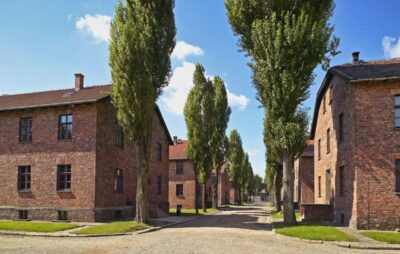
Auschwitz Guided Tour with Optional Hotel Pickup
Read our review →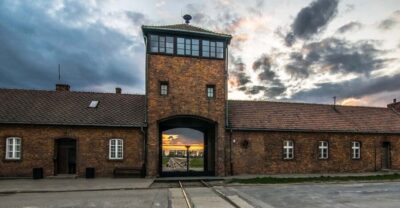
Auschwitz-Birkenau Guided Tour with Pickup & Lunch
Read our review →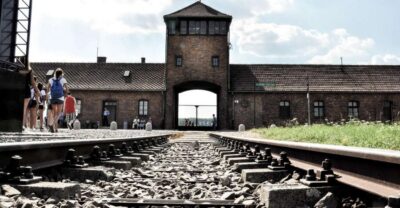
Auschwitz-Birkenau Guided Tour Pickup/Lunch Options
Read our review →
Krakow to Auschwitz Birkenau Guided Tour with Transfer and Ticket
Read our review →
Browse the lists this tour appears in