
Reviewed · POZNAN TOURS
From Golden Age to Fall and Rebirth of Poland
Poznań’s story makes the most sense when you walk it as a rise, collapse, and comeback. This private three-hour tour links the Old Market Square, royal hill, churches, Imperial Castle, and modern financial district, showing how the city changed from a wealthy Renaissance center into a place shaped by war, partition, and renewal. The route covers a lot of ground without leaving central Poznań.
I like the mix of architecture, from Gothic and Renaissance details to Baroque churches and 19th-century grand buildings. I also like the practical side: your guide can point out good St. Martin’s Croissants, local food, free sights, and useful city tips. The main consideration is pace. You cover several major areas in three hours, so this suits you if you want a strong overview rather than long interior visits at every stop.
Key points at a glance
- Follow Poznań’s rise and fall: The walk connects the city’s 15th- and 16th-century Golden Age with later wars, disasters, and the loss of Polish independence.
- See four major architectural styles: Gothic, Renaissance, Baroque, and Classical buildings appear along the route.
- Visit the Imperial Castle: Admission is included, and the tour skips the ticket line.
- Book privately for flexibility: The guide can respond to your questions and adjust the walk to your interests.
- Get useful local advice: Expect suggestions for St. Martin’s Croissants, Polish food, free attractions, cafés, and onward sightseeing.
- Finish near Stary Browar: You end by Poznań’s modern financial center, with restaurants, cafés, shops, and the Old Brewery shopping center nearby.
Why this history walk works after Cathedral Island
This tour is best as a follow-up, not your first and only look at Poznań. If you have already seen Cathedral Island and the Roots of Poznań area, this walk fills in the next chapters of the city’s story.
The focus shifts toward the Old Town, royal power, 19th-century political struggle, and the Imperial District. That gives you a useful second layer. Instead of repeating the city’s earliest origins, you see what happened after Poznań became an important political and commercial center.
A private format matters here. The history of Poznań crosses Polish royal rule, foreign control, independence movements, architecture, and modern urban life. You can stop your guide when a date or building needs explaining, rather than simply following a fixed speech.
One guide named Mateusz has been praised for explaining Polish history, culture, and art history clearly, even when the booking was made at very short notice. Another strong point is his willingness to answer questions in detail. If your guide is Mateusz, you can expect a history-heavy walk with room for conversation rather than a quick list of dates.
A few more Poznan half-days worth comparing
- Poznań Experience 2-Hours Guided Walking Tour
★ 5.0 · 155 reviews - Undercover City Games: Poznan
★ 5.0 · 88 reviews - Old Town Poznan: Guided Walking Tour in English
★ 4.6 · 78 reviews
Town Hall and the Old Market Square
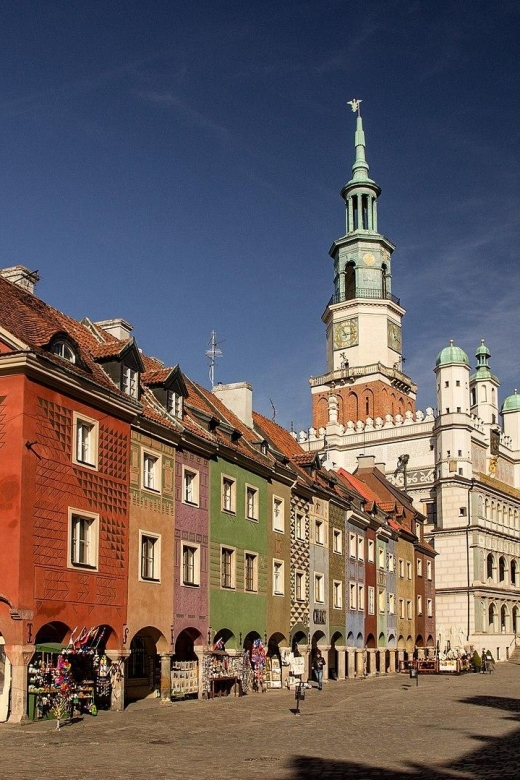
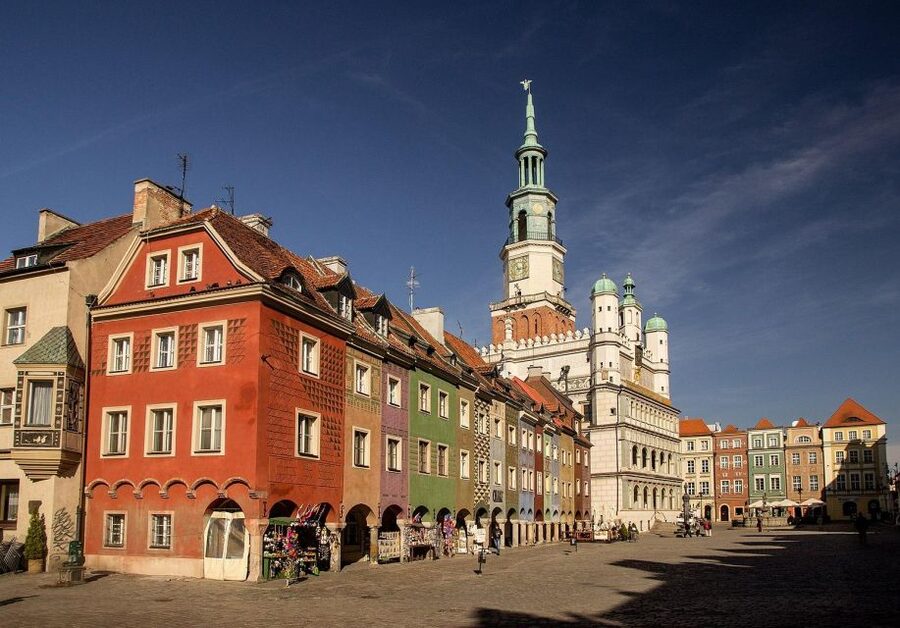
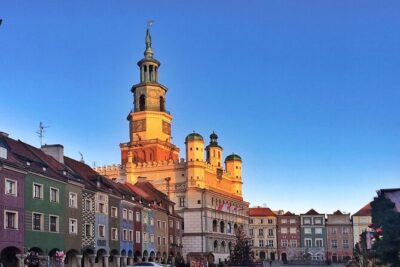
Meet in front of Poznań Town Hall, the tallest building on the Old Market Square. This is an easy meeting point because the Renaissance façade and high tower are hard to miss.
Allow about 20 minutes here. The square gives you the best opening scene for the tour: a compact historic center framed by colorful townhouses, civic buildings, and old commercial spaces. Your guide sets up the larger story by explaining why this building became a symbol of city pride and prosperity.
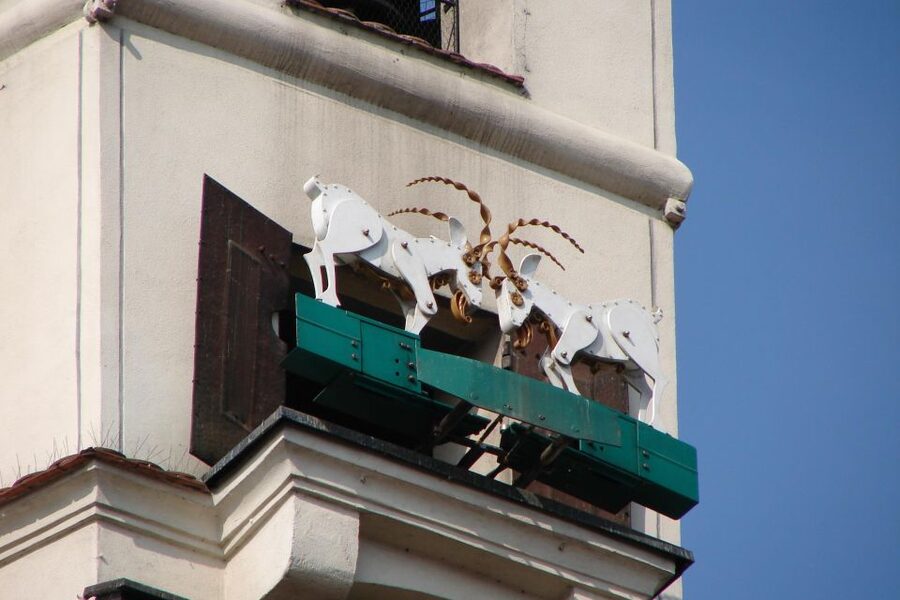
The Town Hall clock tower is also linked to Poznań’s famous goat legend. That small story helps keep the history human. You are not just looking at a grand façade. You are learning how civic identity grows around a building that once represented the wealth and confidence of the city.
The square is a good place for photographs, but do not treat it only as a backdrop. Look up at the Renaissance details and compare the formal public architecture with the narrower buildings around the square. The guide’s context is valuable because the details can be easy to miss on your own.
The Royal Castle on Przemysł Hill
The next stop is the Royal Castle, with about 15 minutes for sightseeing. Its position on Przemysł Hill introduces another kind of power: royal authority rather than city government.
Your guide explains the castle’s royal connections and forgotten battles. The stop is fairly short, so expect an outside-focused look and historical explanation rather than an extended museum visit. That brevity is useful for a three-hour route, but you should not book this expecting a long exploration of every castle room.
The castle adds a different mood to the walk. The Town Hall tells the story of a prosperous city; the Royal Castle brings in rulers, conflicts, and changing political control. Together, the two stops help explain why Poznań mattered beyond its market square.
This is also where a private guide can help most. The castle’s significance is not always obvious from its present appearance. Ask questions if you want to understand its role in Polish royal history or how war affected the city.
St. Stanislaus Church and Poznań’s Baroque side
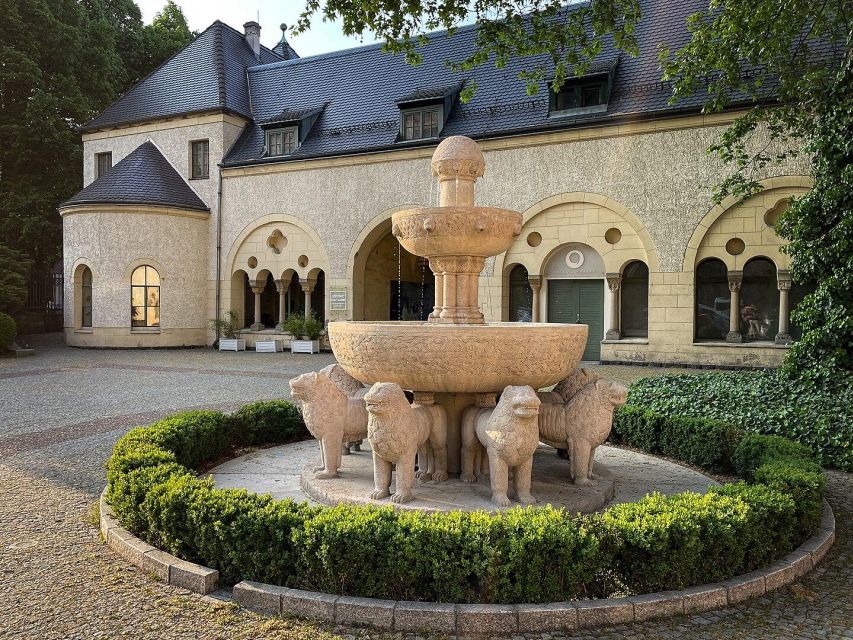
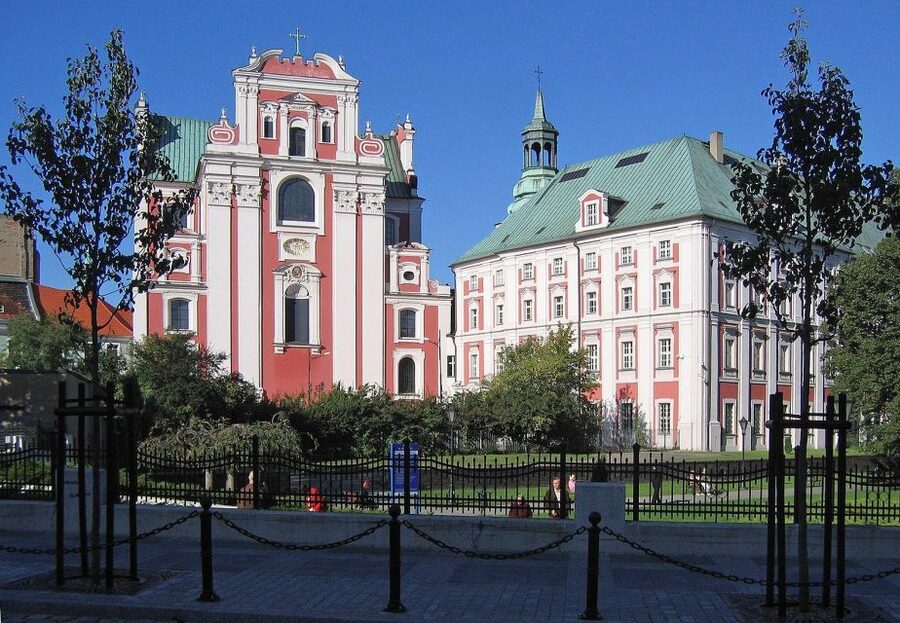
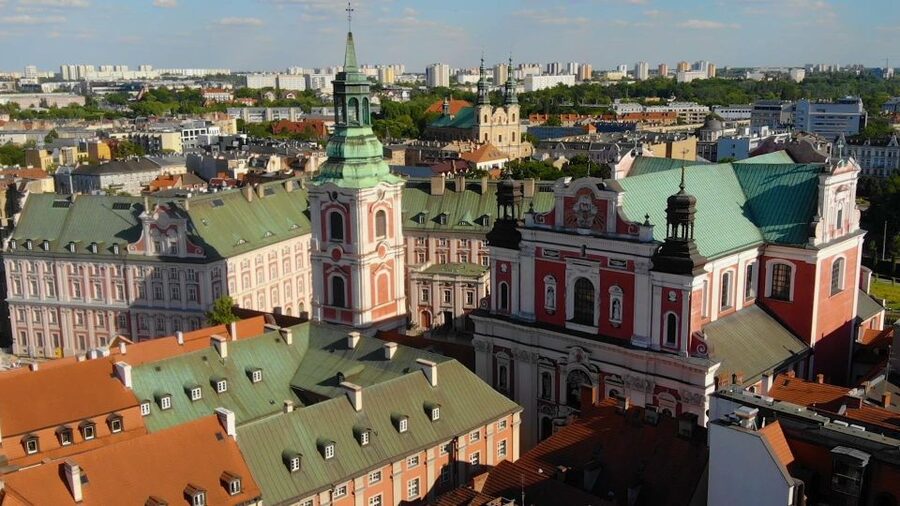
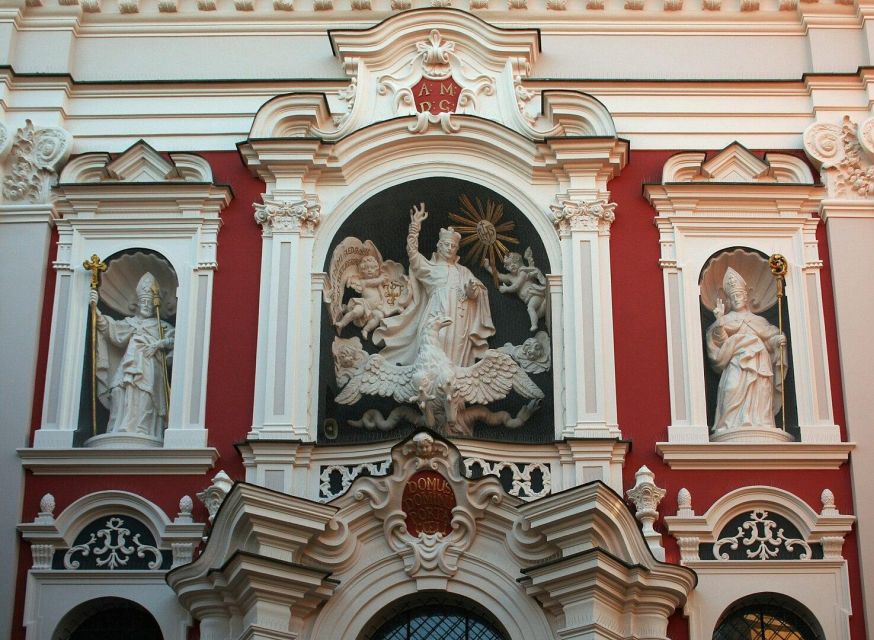
The walk continues to St. Stanislaus Church, also called the Baroque Parish Church, for around 15 minutes. This is one of the route’s strongest changes in tone.
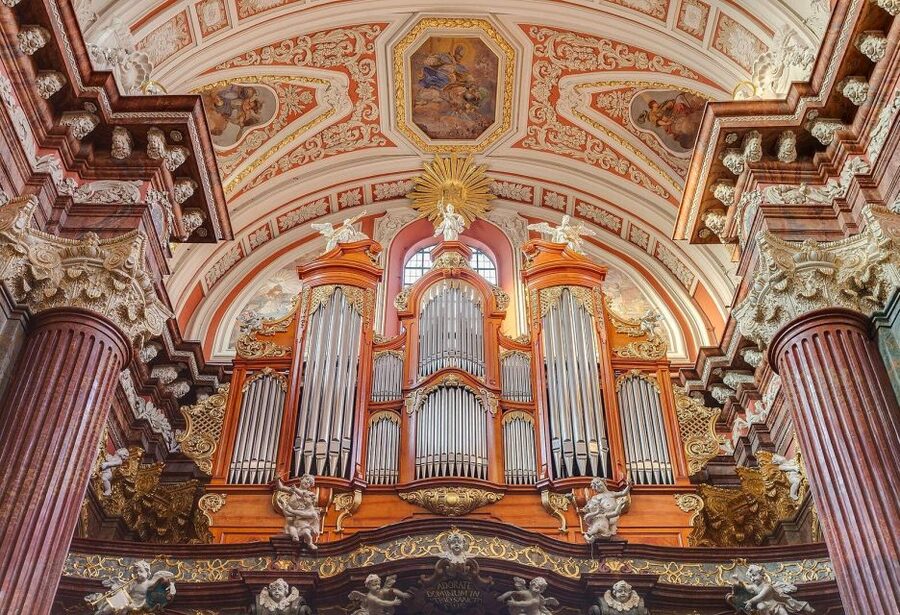
After the civic and royal buildings, the church brings in religious power and theatrical Baroque design. The tour promises a look at Gothic, Renaissance, Baroque, and Classical architecture, and this stop is central to the Baroque part of that mix.
Take time to look at the scale and decoration. Baroque churches are designed to catch your eye, and the contrast with the cleaner lines of Classical buildings later in the tour helps you understand how architectural taste changed.
The schedule gives you a short visit, so the guide’s explanations do much of the work. If you care about church art, ask for extra detail. The guide’s art history background, particularly noted in connection with Mateusz, can make this stop more than a quick photograph.
Same city, a completely different kind of day:
- Poznań: Private or Public Highlights Tour with a local guide
★ 5.0 · 66 reviews - Poznan Private City Walking Tour from Cathedral Island
★ 4.5 · 24 reviews - Poznan Old Town and Top Attractions Private Walking Tour
★ 4.8 · 24 reviews - Private Icons of Poznań
★ 5.0 · 17 reviews
Liberty Square and the struggle for independence
At Wolności Square, you spend about 15 minutes learning about the 19th- and 20th-century struggle for dominance and independence. This is the political bridge between old Poznań and the Imperial District.
The square helps show that the city’s story did not end with its medieval and Renaissance prosperity. Poznań later faced outside control, political pressure, war, and the loss of Polish independence. Your guide connects the buildings and public space with those larger struggles.
This part can be especially useful if you know little about Poland’s partitioned history. Dates and rulers can become a blur in a museum, but a city square gives those events a physical setting. You can see how power was expressed through public architecture and urban planning.
The tour also points out famous people connected with Poznań. The supplied details do not name them in advance, so this is a good moment to ask your guide which figures matter most and why. That flexibility is one of the better reasons to choose a private group.
The Imperial Castle and the architecture gallery
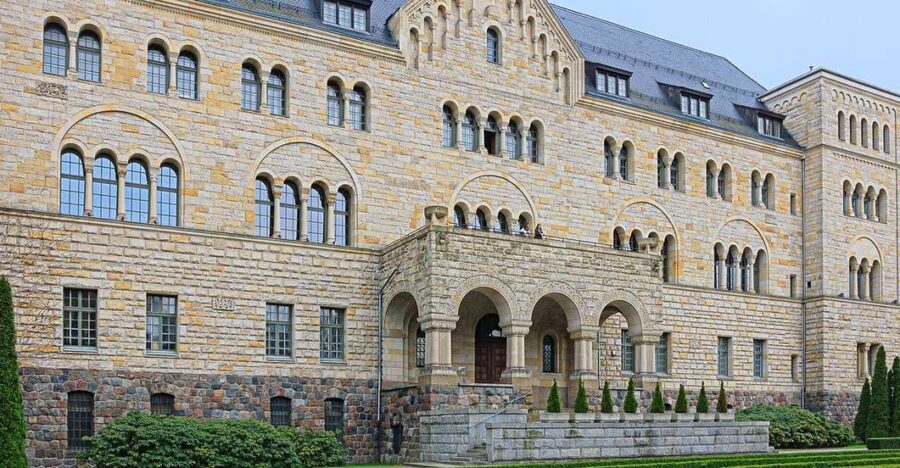
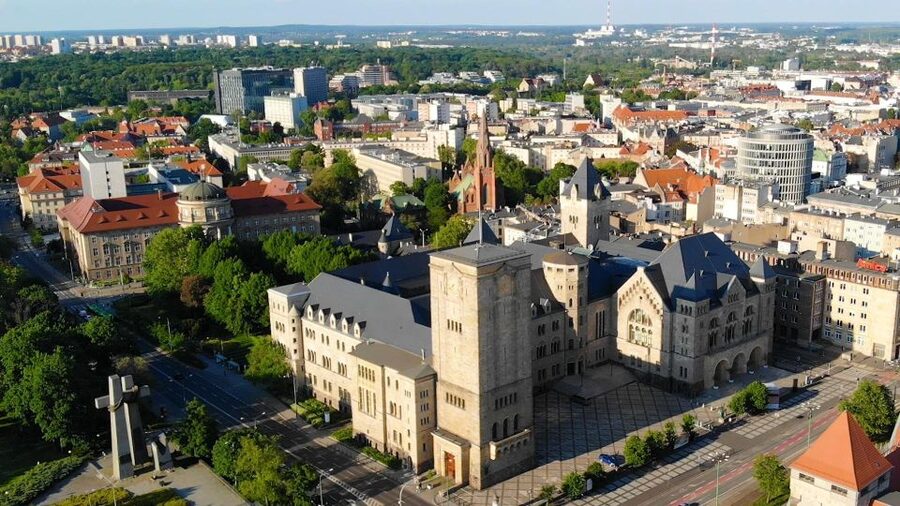
The Imperial Castle is the longest stop, at roughly 30 minutes, and admission is included. The tour also includes skip-the-line access, which helps you use the short schedule efficiently.
The Imperial District was designed as a display of architecture. Around Mickiewicz Park, you can compare Romanesque, Gothic, Renaissance, Baroque, and Classical influences in one broad urban setting. It is less about one isolated monument and more about how different styles and political periods share the same part of the city.
The castle itself gives the tour a major architectural anchor. You are not only looking at an impressive building; you are considering the political message behind monumental construction. The guide connects the district to the city’s later history and to the struggle over who controlled Poznań.
This stop deserves careful attention if architecture interests you. The route’s appeal is not limited to church interiors or medieval façades. You get a lesson in how a city can be planned as a public display of authority.
Rain can affect this section and the overall route. On one heavily rainy day, the walk had to be changed, but the guide adapted well and kept the historical and cultural explanations strong. That tells you something practical: bring weather protection, but also expect a private guide to adjust the order or length of outdoor stops when needed.
Anders Square and Stary Browar
The tour ends at Anders Square, near Poznań’s modern financial center. This finish gives the experience a clear final chapter: from royal power and old civic wealth to present-day offices, high-rise buildings, cafés, and shopping.
Poznań’s tallest modern buildings are found in this area. The contrast with the Old Market Square is the point. You begin with Renaissance civic pride and finish among contemporary commercial buildings.
Stary Browar, or the Old Brewery shopping center, is nearby. It is a practical ending because you can continue with a meal, coffee, or shopping without arranging another transfer. The tour does not include food, but your guide can offer local dining suggestions along the way.
I like this ending because it avoids pretending that history stops at the old town. You see a city still changing. If you have only one short visit, the route gives you both historic center and modern Poznań in a single afternoon.
How much history fits into three hours
Three hours is enough for a useful city overview, but it is not enough for long visits inside every building. The planned sightseeing times are short at the Town Hall, Royal Castle, St. Stanislaus Church, and Liberty Square, with more time given to the Imperial Castle.
That balance works if you want orientation. You will learn what to return to later, where to eat, which free attractions deserve attention, and how the city’s districts connect. It is less suitable if you prefer to sit quietly in each church or read every museum panel.
The private format improves the pace. You can ask for more detail at a favorite stop or move on when a building is not your priority. The program is described as flexible, so you can suggest changes rather than treating every minute as fixed.
The tour is offered in English or Polish. It is not suitable for children under three or people over 95. Those limits are worth noting when booking for a mixed-age group.
Is $58 a good value?
At $58 per person, the price makes the most sense for a single tourist or a small private group. You are paying for three hours of focused guiding, Imperial Castle admission, skip-the-line access, and the ability to ask for a route that fits your interests.
For one person, a private tour often costs more than joining a large group, but you gain attention and flexibility. For a small group, the price can compare well with several separate tickets and a general group walk, especially if you value detailed answers.
The best value comes from using the guide for more than facts. Ask about free attractions, good Polish restaurants, St. Martin’s Croissants, and what to see after the tour. Those practical tips can save time during the rest of your stay.
The price does not include a meal or a broad set of admissions beyond the Imperial Castle ticket. If your main goal is a long castle visit, a food tour, or a deep study of one architectural period, another experience may suit you better.
What the strong feedback tells you
The consistent praise focuses on the guide’s explanations, historical detail, friendliness, and ability to answer questions. Mateusz is mentioned by name several times, including for arranging a last-minute tour and making the city understandable in just three hours.
A bonus drone video was also provided on one tour. It should be treated as a possible extra, not a guaranteed part of every booking, since it is not listed among the standard inclusions.
The clearest strength is teaching. You get more than a route between monuments. The guide connects city history with Polish politics, culture, and art. That suits you if you like asking why a building exists, who built it, and what changed around it.
The main weakness is not poor service. It is the natural limit of a compact walking tour. You will see many important places, but some stops receive only 15 minutes. Bad weather can also force a revised route, though the guide has shown an ability to adapt.
Who should book this Poznań walk?
I would choose this tour if you are visiting Poznań for a short time and want a clear story rather than a random collection of sights. It is especially useful after Cathedral Island and the Roots of Poznań Tour, when you are ready to explore later periods.
It also suits solo visitors and small groups who want direct contact with the guide. History fans, architecture lovers, and people who enjoy local food advice will get the most from it.
You may want something else if you need a wheelchair-specific route, a tour designed for toddlers, or a slow museum visit. The available details do not describe a fully accessible route, and the age information rules out children under three.
Booking is flexible, with free cancellation up to 24 hours before the start and a reserve-now, pay-later option. Check the available start times when you book, since the tour lasts three hours.
Should you book it?
Book it if you want one private walk that links old Poznań, royal history, political struggle, monumental architecture, and the modern city. The Imperial Castle admission adds value, and the guide’s clear explanations appear to be the central strength.
Skip it if you prefer to explore at a very slow pace or spend most of your time inside museums. For everyone else, especially first-time visitors who have already seen the city’s earliest origins, this is a practical way to understand how Poznań fell, changed, and came back to life.
FAQ
Where does the tour begin?
The tour begins in front of the main entrance of Poznań Town Hall, the highest building on the Old Market Square.
Where does the tour end?
It ends at Anders Square, near Stary Browar and Poznań’s modern financial center.
How long does the tour last?
The tour lasts three hours.
What languages are available?
The live guide is available in English or Polish.
Is this a private tour?
Yes. The experience is for a private group.
Is Imperial Castle admission included?
Yes. Imperial Castle tickets are included, and the activity provides skip-the-line access.
Does the tour include the Old Market Square?
Yes. The route includes about 20 minutes of sightseeing at Old Market Square.
Is the Royal Castle included?
Yes. The route includes about 15 minutes of sightseeing at the Royal Castle in Poznań.
Can I cancel for a full refund?
Yes. You can cancel up to 24 hours in advance for a full refund.
Can I reserve now and pay later?
Yes. You can reserve your place and pay nothing at the time of booking.
Is the tour suitable for young children?
It is not suitable for children under three years old.
Is this tour suitable after Cathedral Island?
Yes. It is designed for people who have already seen Cathedral Island and the Roots of Poznań Tour and want to follow later chapters of Poznań’s story.
Just added around Poznan
- Private walking city tour in Poznan★ 4.0 · 9 reviews
- The Best of Poznan 4 Hour Guided Private Walking Tour★ 5.0 · 7 reviews
- Palace, Castle and Ancient Oaks – Rogalin and Kórnik guided tour from Poznan★ 5.0 · 4 reviews
- Private 3-hour Poznan Old Town Tour★ 5.0 · 5 reviews
- Poznan private tailor made tour with a local guide-driver★ 5.0 · 6 reviews
- Discover Poznan: Walk, Take a tram and have a traditional snack★ 5.0 · 4 reviews
- Poznan Private Vodka Tasting Tour★ 5.0 · 3 reviews
- Poznan Old Town and Croissant Museum Private Walking Tour★ 5.0 · 3 reviews
Poznan Tours, compared.

Private or Public Highlights Tour with a local guide
Read our review →
Poznan Old Town and Top Attractions Private Walking Tour
Read our review →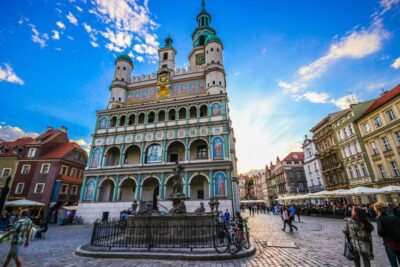
Poznan Private City Walking Tour from Cathedral Island
Read our review →
Browse the lists this tour appears in