
Reviewed · MUSEUMS
Krakow: Digital Museum Pass with 35 Museums and Attractions
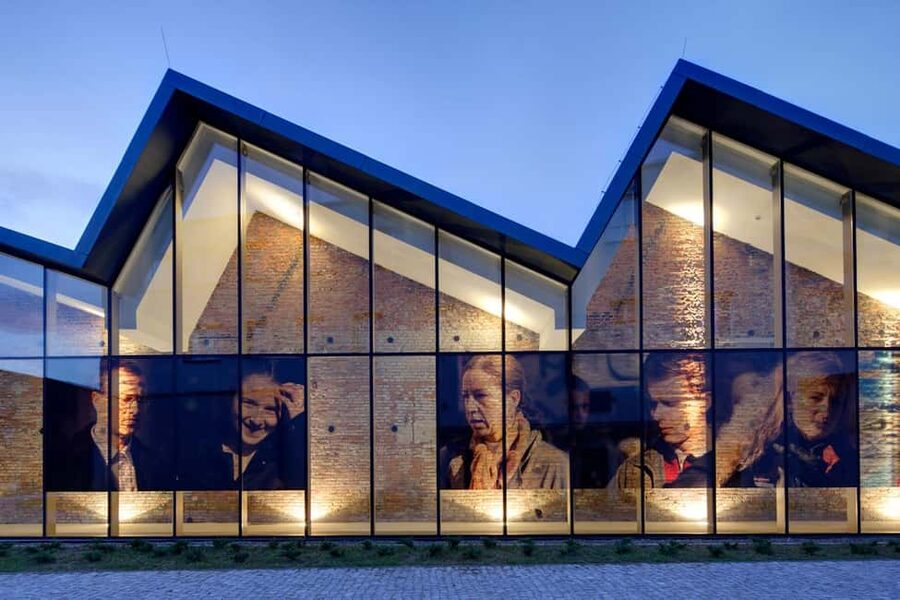
Krakow’s Museum Pass is at its best when you want more than the Old Town’s churches and market square. For three days, one card can take you from Schindler’s Factory and the Eagle Pharmacy to Leonardo da Vinci’s Lady with an Ermine, giving you a useful route through Krakow’s wartime, Jewish, artistic, and royal stories.
I like the freedom to build your own days, and I like that the pass reaches well beyond the usual headline sights. The main drawback is planning: the card is counted by calendar days, not by 72 hours, and Schindler’s Factory is not a simple walk-in benefit.
The attraction count is described as both 35 and 38 in the available information, so check the current attached list when you collect the card. The $27 price can be excellent value, but only if you plan to visit several included sites.
Key points to know before you buy
- Three calendar days: Your pass is valid for three days, not a rolling 72-hour period.
- Schindler’s Factory needs advance planning: The pass does not give you a skip-the-line entry there, and you must reserve your museum entry ahead of time.
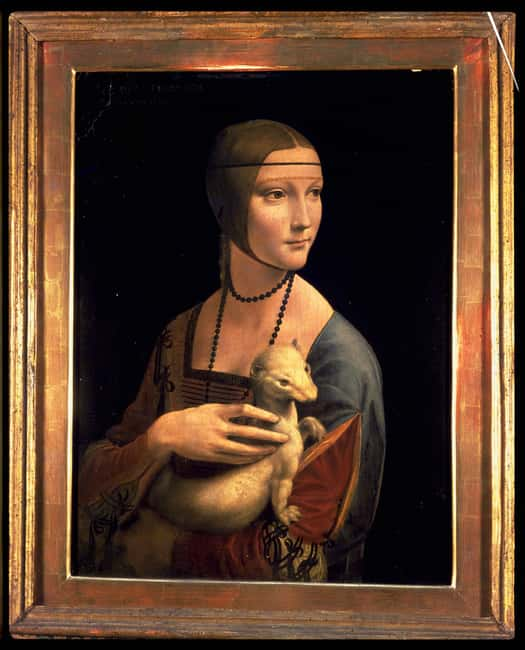
- Leonardo’s Lady with an Ermine is included: The Czartoryski Museum is one of the strongest reasons to consider the card.
- The attraction list reaches beyond the center: You can visit museums in Podgórze, Nowa Huta, Zwierzyniec, and other parts of Krakow.
- Transport may be an option: Some pass versions include unlimited public transport, but transport is not part of every listed inclusion.
- Permanent displays only: Temporary exhibitions and Wawel Cathedral buildings require extra payment.
What the Krakow Museum Pass really gives you
This is not a guided sightseeing tour. You do not follow a guide from one museum to the next, and there is no fixed route. Instead, you collect a physical city card at one of several Krakow locations, then use it to enter the participating sites during its valid period.
That freedom is the main appeal. You can spend a morning in the Old Town, cross the river for a museum in Podgórze, and return to the center for an evening exhibition. You set the pace, choose the subjects that interest you, and skip anything that feels less appealing.
The pass is advertised as covering 35 museums and attractions, while the included information also refers to 38. Treat the exact number as something to verify when you receive the card. The attached list is the practical authority, especially since opening hours and participation can change.
At $27 per person, the pass is priced around the cost of roughly two individual museum admissions, according to the information provided. That makes the calculation fairly simple. If you visit only the Czartoryski Museum and Schindler’s Factory, the value may be limited. If you add the National Museum, the Old Synagogue, the Eagle Pharmacy, the city defenses, and one or two smaller museums, the numbers begin to work in your favor.
More Museum Tours in Krakow
- Krakow: Rynek Underground Museum Guided Tour
★ 4.6 · 1,122 reviews - Krakow Schindler’s Factory Museum Guided Tour in English
★ 4.5 · 650 reviews - Museum of illusions Entry Ticket
★ 4.5 · 521 reviews
Day one: begin with Krakow’s major Old Town museums
The Old Town is the easiest place to use the pass because several included sites are close together. Start with the Czartoryski Museum, home to Leonardo da Vinci’s Lady with an Ermine. This small painting is the star attraction, but the museum also gives you a broader look at European art and collecting.
Do not rush through the painting simply because it is famous. The work is intimate rather than enormous, and the room can feel very different from the grand galleries elsewhere in Europe. Allow time for the surrounding collection instead of treating the visit as a single-artwork photo stop.
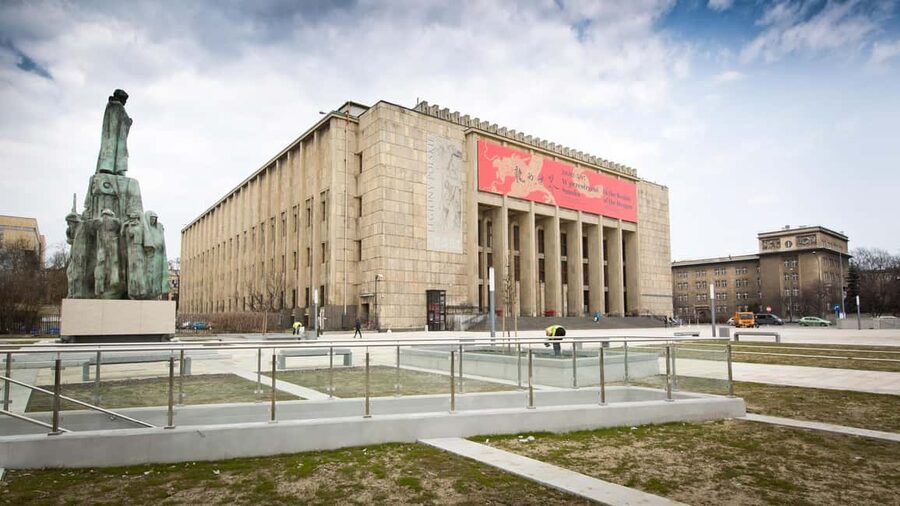
The Main Building of the National Museum offers a larger survey of Polish art. The Gallery of 19th-Century Polish Art in the Sukiennice, located in the Cloth Hall on the Main Market Square, is another useful stop if you want to understand Poland through painting and sculpture. These museums suit different moods: the Czartoryski is focused and selective, while the National Museum and Sukiennice give you more room to browse.
The Jan Matejko House, the Stanisław Wyspiański Museum, the Szołayski House, and the Hipolit House add a more personal side to Krakow’s art. They are based around artists, homes, and domestic settings rather than one giant collection. I would choose one or two instead of forcing all of them into one afternoon.
For a short architectural visit, use the pass at the Town Hall Tower, the Barbican, and the city defense walls. These sites help you read Krakow as a medieval fortified city. They are not full-day attractions, which makes them useful between larger museums.
The underground attraction beneath the Church of Saint Adalbert belongs to the Archaeological Museum group. It can be a smart stop when you are already near the Main Market Square. The Archaeological Museum’s main building and its Nowa Huta Branice branch offer different settings, so check the location before assuming they are close together.
Day two: Schindler’s Factory and the Podgórze story
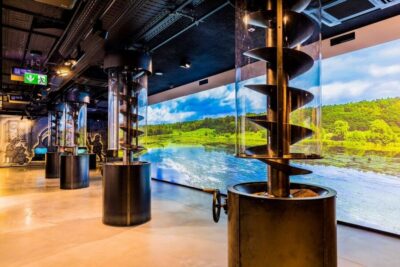
Schindler’s Factory is the visit that needs the most care. The museum presents Krakow under Nazi occupation, with strong attention to the city’s Jewish population, wartime persecution, and the story connected with Oskar Schindler. It is one of the most important sites on the pass, but your card does not automatically solve the entry problem.
You must book the entry ticket in advance. The pass is not a skip-the-line ticket for Schindler’s Factory, and the museum is closed every Monday and on the first Tuesday of each month. Check the official opening information before arranging your day.
The Eagle Pharmacy is another key stop in the same broad historical area. Its story connects to the Jewish ghetto and to the people who lived through Krakow’s occupation. It is smaller than Schindler’s Factory, but that is part of its value. You get a more concentrated look at daily life, medicine, and survival during a brutal period.
The Podgórze Museum gives you another way to understand this district. I would not treat the three sites as interchangeable. Schindler’s Factory provides the large museum presentation, the Eagle Pharmacy focuses on a specific place and story, and the Podgórze Museum adds local context.
The route can also include MOCAK, Krakow’s modern art museum, located near Schindler’s Factory. That contrast is useful. You can spend part of the day with wartime Krakow and then move into more recent Polish and international art without crossing the city.
The Museum of the Home Army dedicated to General Emil Fieldorf Nil takes you into Poland’s wartime resistance. It is a good choice if military history interests you, though you should allow enough time to read rather than simply count it as another quick entry.
Pomorska Street adds another difficult chapter of occupation history. It is the sort of place where the pass can help you connect several smaller museums into a meaningful district visit. I would choose fewer sites and give them proper attention rather than racing to collect admissions.
Day three: Jewish heritage, Polish identity, and farther-out stops
The Old Synagogue is one of the most important included sites for understanding Krakow’s Jewish heritage. Located in Kazimierz, it works well alongside the Galicja Jewish Museum. The two offer different experiences, so visiting both can make sense if this subject matters to you.
The Old Synagogue focuses on religious and cultural history in a historic setting. The Galicja Jewish Museum uses a more modern presentation. Together, they help you look at Jewish life in Krakow before the Second World War, the damage caused by the Holocaust, and the way memory is handled today.
The pass also includes the Seweryn Udziela Ethnographic Museum and its Esterka’s House location. These museums can be useful if you want to see customs, folk art, clothing, and everyday traditions rather than only famous paintings and major political events.
For a different view of Krakow, visit Kościuszko Mound. This is not a conventional museum stop. It gives you an important place connected with Tadeusz Kościuszko and a chance to get away from dense streets and indoor galleries. Because it is farther from the central cluster, it makes more sense when combined with other plans in that direction.
The Zwierzyniec House broadens the pass’s reach into one of Krakow’s residential areas. The Arsenal, the Bishop Erazm Ciołek Palace, the Emeryk Hutten-Czapski Museum, and the Krzysztofory Palace each offer smaller, more focused visits. These are useful fillers when you have a free hour, but I would check opening times before making a special trip.
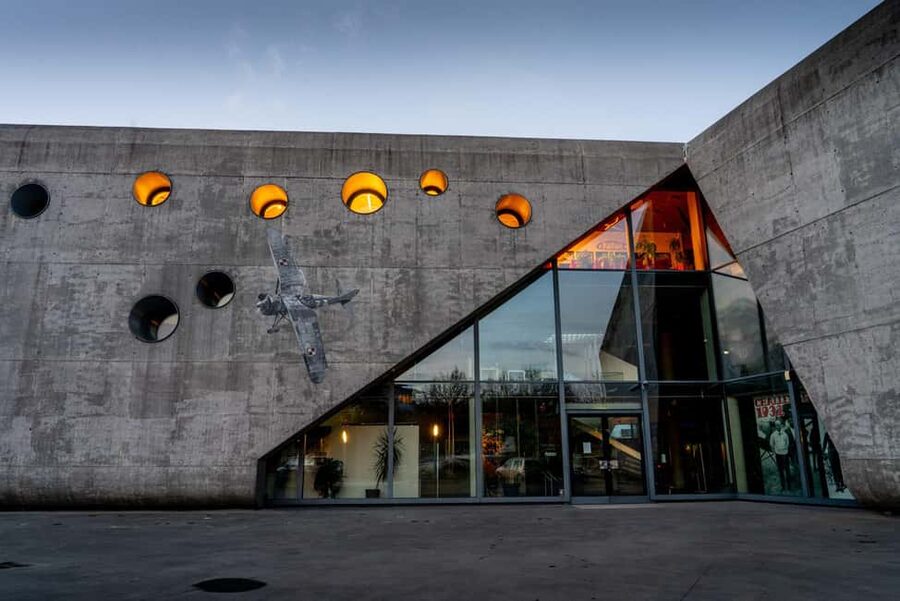
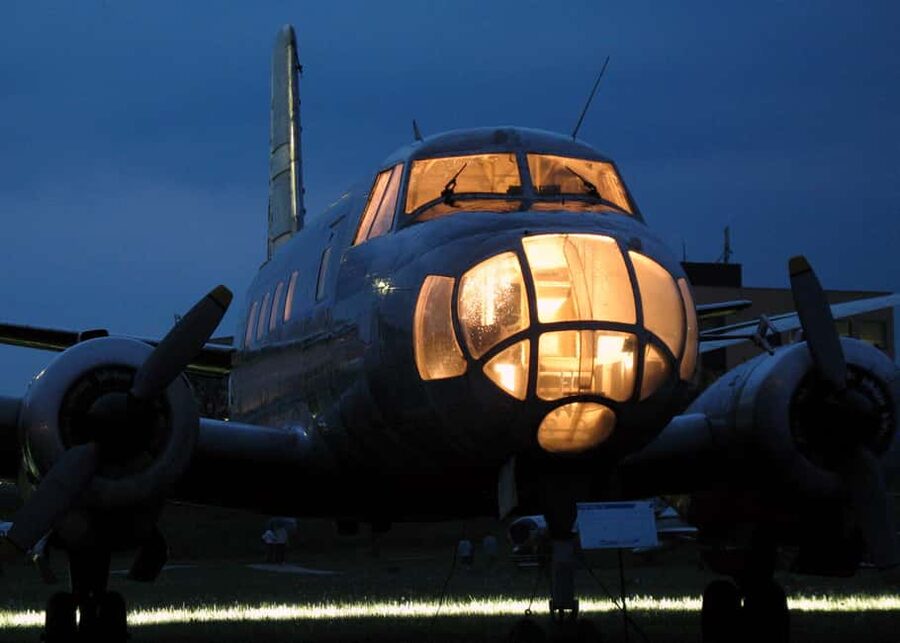
The Polish Aviation Museum is a stronger half-day choice for anyone interested in aircraft, engineering, or military technology. It is not a quick Old Town stop, so place it on a day when you are willing to travel farther. The pass may include a public transport option, but transport is not included in the standard information for every version, so confirm what you are buying.
If you want to see postwar Krakow and planned industrial development, the Nowa Huta branch of the Archaeological Museum can add a different side of the city. It is not as convenient as the central museums, but the pass is useful precisely because it lets you include sites you might otherwise skip due to separate admission costs.
Same city, a completely different kind of day:
- Kraków: Evening or Night River Cruise
★ 4.0 · 7,386 reviews - Krakow: Oskar Schindler’s Factory Entry Ticket & Guided Tour
★ 4.2 · 3,793 reviews - Krakow: City Sightseeing Tour by Electric Golf Cart
★ 4.5 · 3,264 reviews - Krakow: Schindler’s Factory Tour with Entrance Ticket
★ 4.5 · 3,182 reviews
The smaller museums are where the pass earns its keep
The headline attractions draw attention, but the smaller places may determine the pass’s value. The pass includes the Centre for Documentation of the Art of Tadeusz Kantor, Cricoteka, the Jan Matejko House, the Józef Mehoffer House, the Stanisław Wyspiański Museum, and the Krzysztofory Palace.
You may not want every one of them. That is fine. The point is that you can choose according to your interests without paying another full admission fee each time.
I would use the first day for major central museums, reserve the second for Schindler’s Factory and the Podgórze area, then use the third day for Kazimierz, a smaller art museum, or a farther-out site. This keeps the pass from turning into a museum-counting contest.
Last admission is usually about 90 minutes before closing. That detail matters. A museum that closes at 5 p.m. is not necessarily available until 5 p.m., especially if you need time to see the permanent exhibition. Check the official hours for every place you plan to visit.
Some museums close on Mondays, and Schindler’s Factory has additional closure information noted above. A pass day lost to closures can damage the value quickly, so look at the weekly schedule before choosing the activation date.
Price, transport, and the fine print
The $27 cost is reasonable for an active museum schedule. I would want at least three substantial visits, plus several smaller attractions, before buying it. If your plans center on outdoor sightseeing, cafés, churches, and only one museum, individual tickets may be simpler.
The transport question needs careful attention. The information says you can choose a version with unlimited Krakow public transport, day and night, but transport is also listed as not included. That suggests different pass options may be available. Confirm whether your selected card covers buses and trams before relying on it.
Wawel Cathedral buildings are not included. The pass also covers permanent exhibitions only, so temporary shows may cost extra. These exclusions are normal for a museum card, but they matter if you expect one ticket to cover every cultural stop in Krakow.
Children up to age three have free access to all museums and public transport. The card is wheelchair accessible, though the practical suitability of each individual historic building can vary, so checking with the organizer before setting a route is sensible.
You can cancel up to 24 hours in advance for a full refund, and the reserve-now, pay-later option gives you some flexibility while plans are still changing. Those policies are helpful, but they do not remove the need to choose the activation date carefully.
Who will get the most from this three-day card
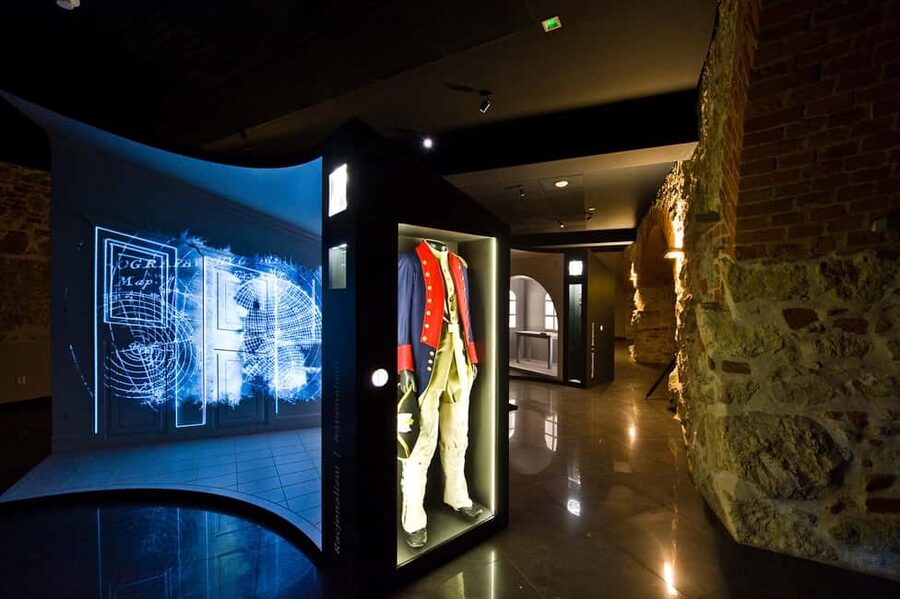
I would recommend the pass most strongly to first-time visitors who enjoy museums and want a broad introduction to Krakow. It also suits repeat visitors who have already seen the Main Market Square and want to explore Kazimierz, Podgórze, Nowa Huta, and smaller art collections.
Families can benefit if adults plan a mix of short and long visits. The card makes it easier to leave a museum when children lose interest without feeling that a separate ticket has been wasted. Still, three museum-heavy days may be too much for very young children.
Art lovers will find plenty to choose from, especially at the Czartoryski Museum, the National Museum, MOCAK, and the smaller artist houses. People focused on wartime and Jewish history can build a strong route around Schindler’s Factory, the Eagle Pharmacy, the Old Synagogue, Pomorska Street, the Galicja Jewish Museum, and Podgórze Museum.
I would be less enthusiastic for anyone with only one full day in Krakow. You will spend part of that time collecting the card and checking hours, while many of the included places sit outside the central sightseeing loop.
Should you book the Krakow Museum Pass?
Book it if you can name at least four or five included museums you genuinely want to visit, and if you are willing to plan around closures and advance entry at Schindler’s Factory. The pass gives you useful freedom, but it rewards preparation rather than spontaneous wandering.
Skip it if you mainly want Krakow’s outdoor sights or expect to visit only one or two museums. Before paying, verify the current attraction count, transport option, pickup point, and opening hours. Used thoughtfully, this is a practical way to connect Krakow’s art, wartime memory, Jewish heritage, and local neighborhoods without buying a separate ticket at every door.
FAQ
How long is the Krakow Museum Pass valid?
The pass is valid for three days. Its validity is counted in calendar days, not in a rolling 72-hour period.
How many museums and attractions are included?
The information describes the pass as covering 35 museums and attractions, while the included details also refer to 38. Check the full current list attached to your City Pass when you collect it.
Is Schindler’s Factory included?
Yes, Schindler’s Factory is included among the participating attractions. You must book your entry ticket in advance, and the pass does not provide skip-the-line admission there.
Is Schindler’s Factory open every day?
No. It is closed every Monday and on the first Tuesday of each month. Check the official opening information before planning your visit.
Does the pass include public transport?
A version with unlimited public transport may be available, covering travel day and night during the card’s validity. Transport is also listed as not included, so confirm the exact option you purchase.
Does the pass include Wawel Cathedral?
No. Entry to Wawel Cathedral buildings requires an additional fee.
Are temporary exhibitions included?
No. The card is valid for permanent exhibitions only. Temporary exhibitions may require a separate ticket.
Where do I collect the card?
You must pick up the physical Museum City Pass at one of several locations in Krakow. The exact meeting or pickup point can vary according to the option booked.
Just added around Krakow
- stag dog chase Krakow prank★ 5.0 · 4 reviews
- Divine Mercy Sanctuary – Private Tour from Krakow★ 5.0 · 4 reviews
- ZALIPIE – painted village, unique small group tour from Krakow★ 5.0 · 7 reviews
- ZALIPIE – painted village, unique PRIVATE tour from Krakow★ 5.0 · 20 reviews
- Zalipie Private Tour from Krakow The Painted Village★ 5.0 · 4 reviews
- Wooden Churches Unesco List Private Tour from Krakow★ 5.0 · 14 reviews
- Guided tour to Salt Mine & Schindler Factory with Pick-Up Options★ 4.0 · 58 reviews
- Wawel Castle, Cathedral, & Rynek Underground Tour with Lunch★ 5.0 · 4 reviews
Museums, compared.
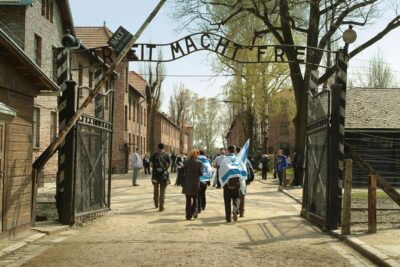
Birkenau Museum and Memorial Guided Tour from Krakow
Read our review →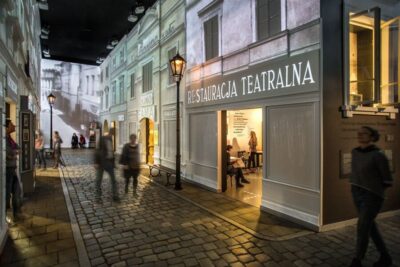
POLIN Museum of the History of Polish Jews Ticket
Read our review →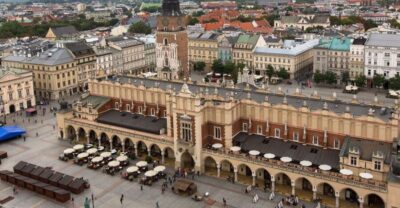

Krakow Schindler’s Factory Museum Guided Tour in English
Read our review →
Auschwitz Birkenau Museum Guided Tour with Pickup
Read our review →
Browse the lists this tour appears in