
Reviewed · MUSEUMS
Kraków: Guided Tour of the Torture Museum
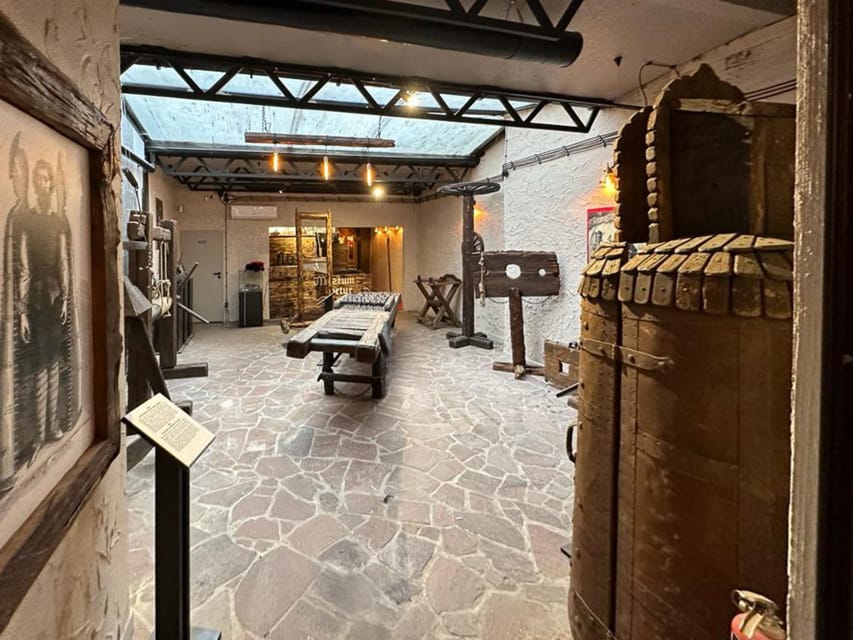
Krakow’s Torture Museum takes you straight into the grim side of human justice, with reconstructed devices from medieval times through the modern era. You’ll meet an executioner and his aides, hear how punishment changed over time, and see the infamous guillotine associated with the French Revolution.
I like the small group of up to 10 people, which should make it easier to hear the guide and ask questions. I also like the lively delivery. Kamil, one of the named guides, uses sarcasm and audience involvement to keep the material from becoming a dry display of metal machinery.
The main drawback is the short running time. The experience is valid for one hour from first activation, so this is a compact attraction rather than a long museum visit. The subject is also graphic and macabre, which will not suit everyone.
Key points before you book
- Medieval to modern devices: Follow the changes in punishment through several periods, including the French Revolution.
- Kamil’s lively approach: Expect humor, questions, and explanations rather than a silent walk past exhibits.
- One-hour format: The short visit fits easily into a day of sightseeing in central Krakow.
- Small group setting: Numbers are limited to 10 participants, keeping the tour more personal.
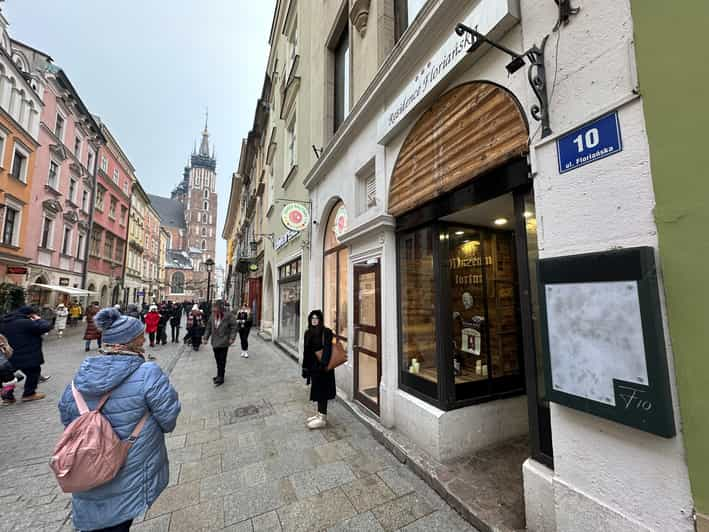
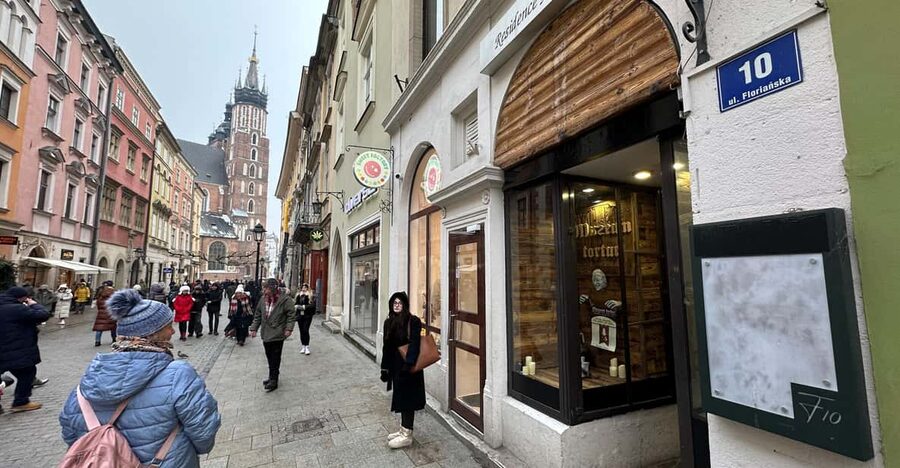
- Central Florianska 10 location: The museum sits on one of Krakow’s well-known central streets.
- Low entry price: At $9 per person, it is an inexpensive way to add an unusual stop to your Krakow plans.
What the Torture Museum actually offers
This is not a broad Krakow museum with rooms on art, religion, or royal life. It has one clear subject: the ways people were punished, questioned, and executed from the medieval period into more recent times.
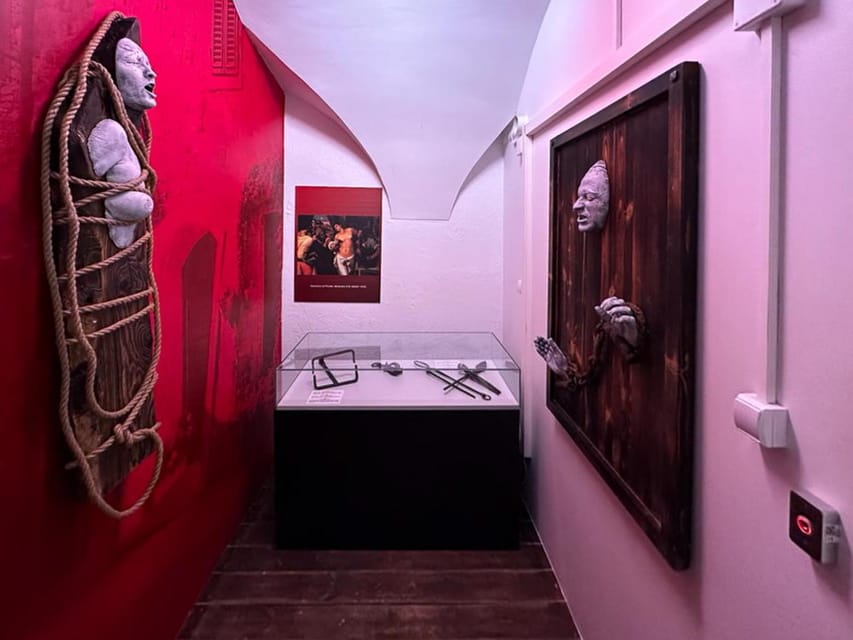
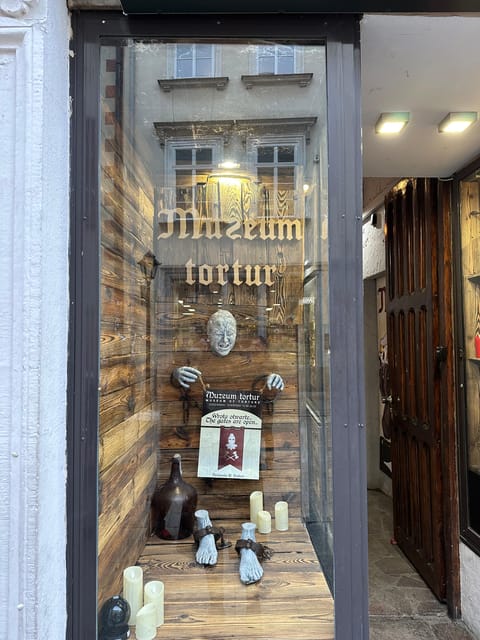
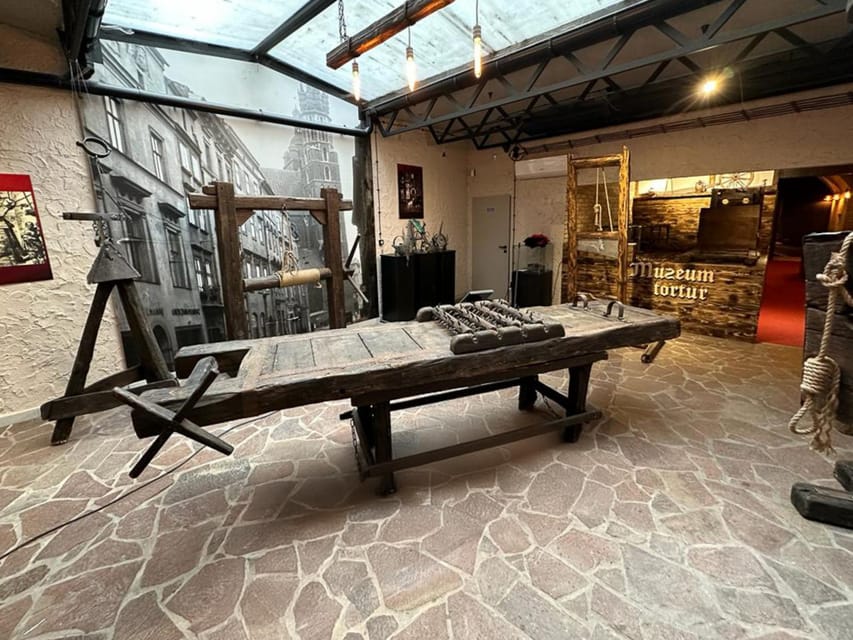
The collection uses detailed reconstructions of torture devices to tell that story. You can expect iron restraints, execution equipment, and other machines designed to cause pain or fear. The presentation also includes the famous iron maiden and a guillotine associated with the French Revolution.
The value is less about seeing old objects in isolation and more about understanding what they were intended to do. A guide can explain the purpose of each device, the kind of punishment it represented, and how methods changed over time. That context matters here. Without it, a room full of grim machinery can become repetitive very quickly.
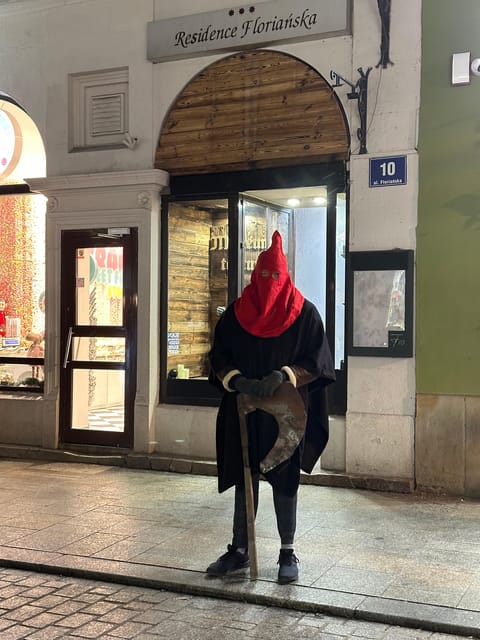
The museum presents the subject with theatrical flair. An executioner and his assistants guard the attraction, giving the visit a dark, staged atmosphere. That may appeal to you if you like unusual attractions with a touch of black comedy. If you prefer a quiet, strictly academic museum, the performance style may feel too playful.
More Museum Tours in Krakow
- Krakow: Rynek Underground Museum Guided Tour
★ 4.6 · 1,122 reviews - Krakow Schindler’s Factory Museum Guided Tour in English
★ 4.5 · 650 reviews - Museum of illusions Entry Ticket
★ 4.5 · 521 reviews
Entering at Florianska 10
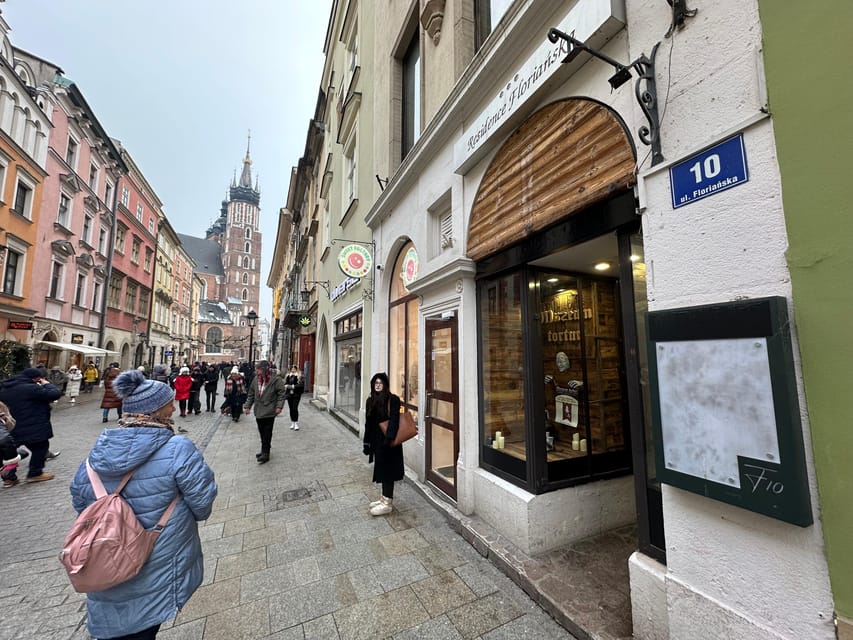
The museum is at Florianska 10, on Floriańska Street in Krakow. Its central address makes it easy to add before or after other sightseeing in the city center, though the supplied information does not specify walking times from particular landmarks.
The entrance sets the tone for the visit. You are not arriving at a neutral exhibition hall. The attraction presents itself as a place of grim secrets, guarded by an executioner and his aides. That theatrical welcome is part of the experience, not just decoration.
I would think of this as a short stop rather than a destination that fills half a day. The one-hour format makes it useful when you want something different between larger Krakow sights. You can see the main material without giving up a large block of your schedule.
The museum is wheelchair accessible, which is an important practical point when you are comparing smaller city attractions. The available details do not describe the exact layout of every room or the accessibility of individual displays, so anyone who needs specific access information should confirm those points before booking.
The first stage: medieval punishment
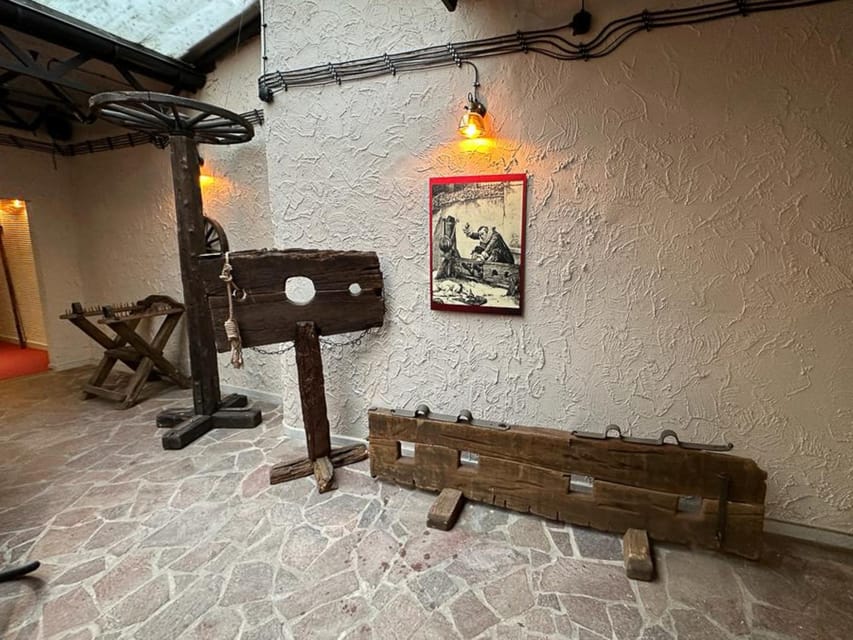
The medieval section provides the basic setting for the tour. This is where you begin to see how punishment was made public, physical, and intimidating.
Your guide explains the devices as part of a wider story about cruelty and control. The aim is not simply to show that people suffered. It is to show how punishment was designed to frighten the accused, the crowd, or anyone who might challenge authority.
Expect reconstructed devices rather than a collection presented as a standard art museum. The displays are meant to help you picture how each method worked. Some of the objects are immediately recognizable. Others need the guide’s explanation to make sense.
This is one reason the live tour matters. A sarcastic host can point out the absurdity and cruelty built into these methods, while also explaining their intended use. The humor does not remove the grim subject. It gives you a way to process material that could otherwise feel relentlessly bleak.
The subject is not softened for children or for people who dislike graphic themes. The supplied description promises gruesome tales and intense emotions. If you are booking for a mixed-age group, consider the group’s comfort with macabre displays before paying.
From medieval devices to modern punishment
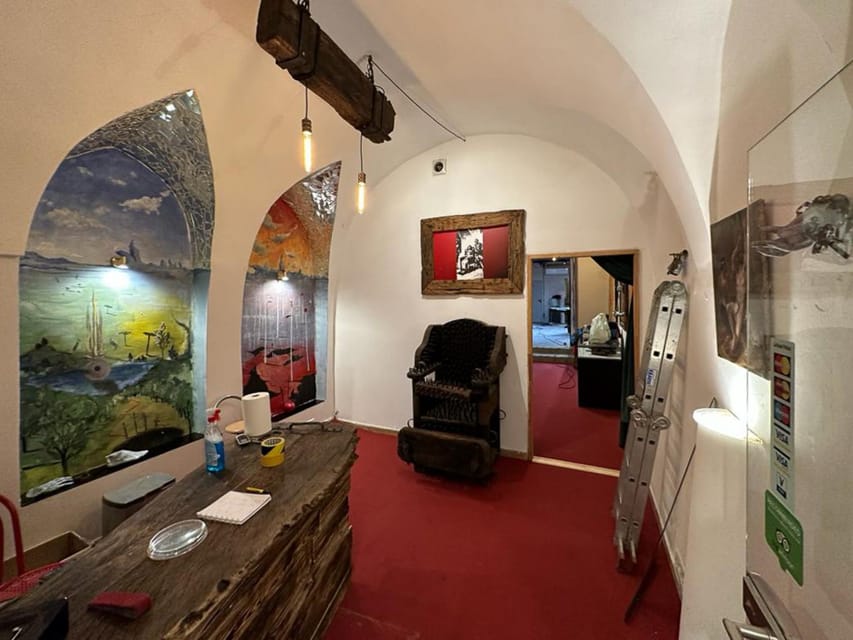
The central idea of the experience is change over time. You are not shown only medieval instruments and then sent on your way. The tour follows punishment into modern times, showing that the urge to control and hurt people did not end with the Middle Ages.
That contrast gives the visit more meaning. It is easy to place torture in a distant past and imagine that modern society left it behind. The museum’s timeline challenges that comfortable assumption by including modern examples and by placing old methods beside later forms of punishment.
The guillotine is a major part of that story. Its association with the French Revolution gives the device strong historical weight, but the museum’s appeal is also visual. The machine’s cold efficiency creates a sharp contrast with the more elaborate medieval devices.
You do not need specialist knowledge to follow this section. The tour is designed around clear explanations and visual examples. The guide’s role is to connect each item to the larger evolution of punishment, so you can follow the sequence even if you know little about European history.
Same city, a completely different kind of day:
- Kraków: Evening or Night River Cruise
★ 4.0 · 7,386 reviews - Krakow: Oskar Schindler’s Factory Entry Ticket & Guided Tour
★ 4.2 · 3,793 reviews - Krakow: City Sightseeing Tour by Electric Golf Cart
★ 4.5 · 3,264 reviews - Krakow: Schindler’s Factory Tour with Entrance Ticket
★ 4.5 · 3,182 reviews
How Kamil’s guiding style shapes the visit
Kamil is specifically associated with the tour, and his style is a key part of the experience. He uses humor, sarcasm, and questions to involve the group. That matters in a small museum where the displays alone might not hold your attention for a full hour.
You should expect more than a recorded audio track. The guide explains the different types of torture, brings the objects to life, and encourages the group to take part. The supplied feedback praises Kamil for making the visit memorable and for involving people in the explanations.
I like this approach for a subject that can otherwise become a grim checklist. A dry account of one device after another would quickly lose its force. A quick joke or direct question can keep you alert, while the guide still gives the displays a historical frame.
The humor may not work for everyone. Black comedy is part of the presentation, and the subject itself is severe. If you want a solemn memorial-style visit, this is probably not the right choice. If you enjoy theatrical attractions and can handle sarcastic treatment of dark material, the tone should make the hour pass quickly.
What you will see in one hour
The precise stop-by-stop order is not provided, so you should not expect a fixed list of named rooms. The overall flow is clear, though.
You begin by entering the dark world of punishment and hearing the museum’s gruesome stories. The guide then leads you through devices from the medieval era, explaining what they were intended to do and how they fit into the period’s methods of control.
The tour continues toward more modern forms of punishment. The guillotine gives the visit a recognizable historical centerpiece, while the wider collection shows that there was no single standard way to inflict pain or fear.
Throughout the hour, the executioner theme and the guide’s performance add a sense of theater. You are not simply reading labels. You are being led through a macabre story, with the guide acting as interpreter and host.
The one-hour limit is useful here. You get a focused introduction without the material stretching into an exhausting museum session. The tradeoff is that you may not have time for a slow, private look at every reconstruction. If you want to examine each object at length, the guided format may feel brisk.
Is $9 good value?
At $9 per person, this is one of the easier Krakow attractions to fit into a modest sightseeing budget. You receive a guided English-language visit, not just entry to a room of exhibits. The guide’s explanations and audience involvement are central to the price.
The value is strongest if you want something unusual. Krakow has many major cultural sights, but this attraction offers a very different mood. It gives you a short, memorable break from churches, castles, and conventional museums.
The price also lowers the risk of trying something outside your usual travel style. If you find the subject too theatrical or disturbing, you have committed only an hour and a small amount of money. If the theme interests you, the guide-led format adds enough explanation to make the admission feel worthwhile.
You should not book it expecting a large national museum or a detailed scholarly survey. The collection is focused, and the experience is designed to create an emotional reaction. For $9, that narrow purpose is reasonable, especially when you value a good guide.
Group size, language, and timing
The tour is conducted in English, and the group is limited to 10 participants. That is a useful combination. With a small English-speaking group, you should have a better chance of following the explanations and hearing the guide’s jokes and questions.
The activity is valid for one hour from first activation. Treat that as the full window for the visit. If you are building a tight Krakow schedule, leave enough time to reach Floriańska 10 and get settled before the hour begins.
There is no transport included or described. You will need to make your own way to the museum. Since the address is on Floriańska Street, the stop is best paired with other central Krakow sightseeing rather than planned as a separate out-of-town trip.
The small group can also affect availability. A limit of 10 keeps the experience intimate, but it means popular times may fill sooner than a large walk-in attraction. Booking ahead gives you more control over when the hour fits into your day.
Who will enjoy this most
I would recommend the museum to adults and older children who enjoy unusual history, theatrical presentations, and dark humor. It is especially suitable if you have already seen some of Krakow’s standard sights and want a different angle on European history.
It also fits travelers who like short attractions. You can spend one focused hour here and then return to the rest of your plans. The low price makes it an easy addition to a longer day.
You may want to skip it if you are sensitive to graphic descriptions, torture themes, or execution displays. The attraction is built around gruesome material, not a passing reference to it. The sarcastic style may also feel wrong if you want a quiet or respectful treatment of suffering.
Families should make an individual judgment. The information confirms wheelchair access, but it does not give an age recommendation. Because the subject is intense, think about the children in your group rather than assuming the short duration makes it suitable for everyone.
Booking flexibility and practical value
You can cancel up to 24 hours in advance for a full refund. You can also reserve now and pay later, which is useful when your Krakow plans are still changing.
Those policies do not change the character of the attraction, but they make it easier to place the museum into a flexible itinerary. Since the visit is short and inexpensive, you can reserve a time without giving up much space in your day.
The provider is Araneus Sebastian Wadycki. The advertised format is a live English tour with a small group, rather than a self-guided visit.
Should you book the Krakow Torture Museum?
Book it if you want a compact, unusual Krakow experience with a live guide, a clear historical theme, and a bit of dark theater. The strongest reasons are the low $9 price, the small group, the medieval-to-modern timeline, and Kamil’s involving style.
Skip it if you dislike graphic subjects or prefer museums that treat painful history in a solemn, non-theatrical way. The one-hour limit also means this is an entertaining introduction, not a full study of punishment through the ages.
For the right audience, I think it is a sensible add-on to a day in central Krakow. You get a memorable change of pace, useful context from the guide, and a focused visit that will not consume your schedule.
FAQ
Where is the Torture Museum in Krakow?
The museum is located at Florianska 10 in Krakow, in Lesser Poland, Poland.
How long does the experience last?
The experience is valid for one hour from first activation.
What is included in the ticket?
The ticket includes a guided tour of the torture exhibits, explanations from a live host, and access to the collection of reconstructed devices.
Is the tour conducted in English?
Yes. The live tour guide and activity language are English.
How many people can join the group?
The activity is offered as a small group with a maximum of 10 participants.
Is the museum wheelchair accessible?
Yes, the activity is listed as wheelchair accessible.
How much does admission cost?
The listed price is $9 per person.
Can I cancel for a refund?
Yes. You can cancel up to 24 hours in advance for a full refund.
Can I reserve now and pay later?
Yes. The activity allows you to reserve your place and pay later.
Which torture devices will I see?
The collection includes medieval and modern torture devices, including an iron maiden and a guillotine associated with the French Revolution.
Just added around Krakow
- stag dog chase Krakow prank★ 5.0 · 4 reviews
- Divine Mercy Sanctuary – Private Tour from Krakow★ 5.0 · 4 reviews
- ZALIPIE – painted village, unique small group tour from Krakow★ 5.0 · 7 reviews
- ZALIPIE – painted village, unique PRIVATE tour from Krakow★ 5.0 · 20 reviews
- Zalipie Private Tour from Krakow The Painted Village★ 5.0 · 4 reviews
- Wooden Churches Unesco List Private Tour from Krakow★ 5.0 · 14 reviews
- Guided tour to Salt Mine & Schindler Factory with Pick-Up Options★ 4.0 · 58 reviews
- Wawel Castle, Cathedral, & Rynek Underground Tour with Lunch★ 5.0 · 4 reviews
Museums, compared.
Birkenau Museum and Memorial Guided Tour from Krakow
Read our review →
POLIN Museum of the History of Polish Jews Ticket
Read our review →

Krakow Schindler’s Factory Museum Guided Tour in English
Read our review →
Auschwitz Birkenau Museum Guided Tour with Pickup
Read our review →
Browse the lists this tour appears in