
Reviewed · AUSCHWITZ TOURS
Auschwitz-Birkenau: Entrance Ticket and Live Tour Guide
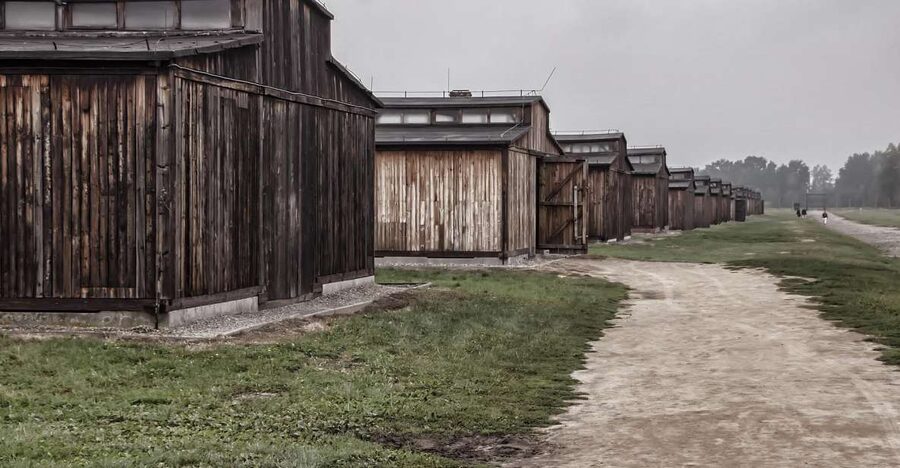
Auschwitz-Birkenau is not a sightseeing stop in the usual sense. It is a place of evidence: barracks, watchtowers, crematorium remains, gas chambers, and the railway line that carried prisoners into the camp system. A licensed English-speaking guide helps explain what you are seeing and connects the buildings to the lives of the people imprisoned there.
I like two things here. First, you visit both Auschwitz I and Birkenau, rather than stopping at the better-known first camp. Second, your entrance ticket, guide, and headphones are included, which makes arrival simple once you reach Oświęcim. The main concern is strict booking and timing: the museum requires your full name and ID, and the exact start time may only be confirmed the day before.
Key points to know before booking
- Both camps are included: Auschwitz I offers the main indoor exhibitions and barracks, while Birkenau shows the vast rail entrance, open grounds, and remains of the killing facilities.
- The tour lasts about 3.5 hours: The exact pace and break times are controlled by the memorial’s visitor service.
- You spend much of the visit outdoors: Up to 70 percent of the time may be outside, especially at Birkenau.
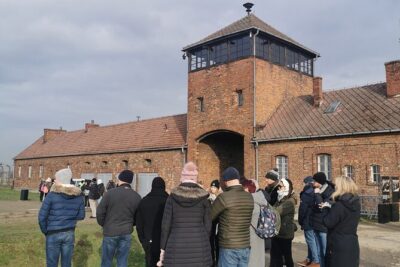
- Meet in front of the restaurant at Auschwitz I: Look for the GR8 WAY representative holding a Gr8way Meeting Point sign.
- Bring matching identification: The name on your booking must match the passport or ID you show at entry.
- Krakow transport is not automatic: Check the option carefully, since the basic activity does not include transport to or from Krakow.
Why Auschwitz requires a guided visit
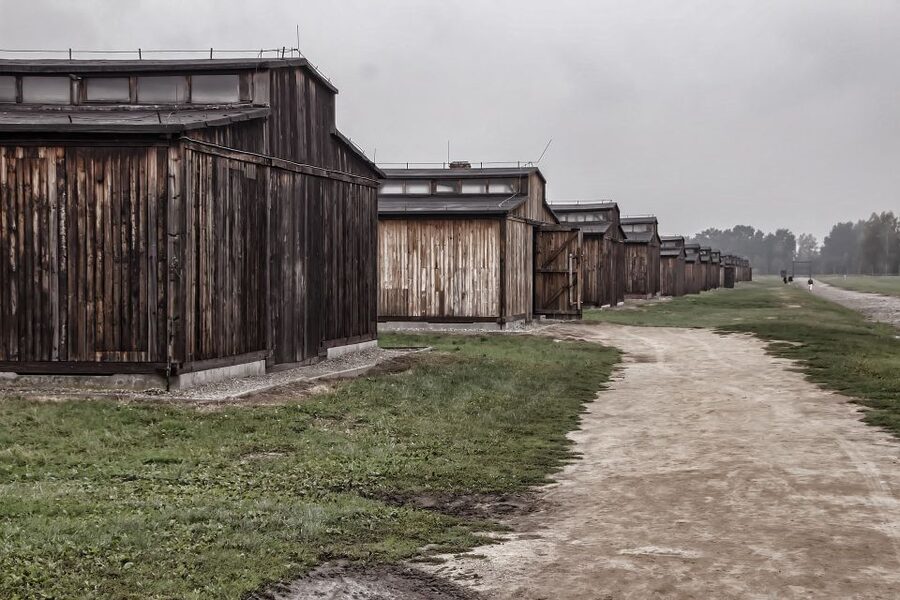
The power of Auschwitz comes from its physical remains, but the site is not always easy to understand on your own. A barracks block, a watchtower, or a strip of railway can look starkly simple until you learn what happened there and how the camp operated.
This tour gives you a licensed guide who explains the camp’s buildings, the conditions prisoners faced, and the evidence of Nazi crimes. That context matters. Without it, you may see a room or ruined structure but miss why it is important.
The subject is painful, and the visit is deliberately serious. This is not an attraction built for entertainment, quick photographs, or casual browsing. You should allow yourself time to listen, look closely, and respect the memorial setting.
The guide uses headphones, an especially useful feature when a group is moving between buildings or standing outdoors. Audio equipment can be imperfect, so keep the volume at a comfortable level and stay close enough to follow the guide if the sound cuts out.
A few more Auschwitz half-days worth comparing
- From Krakow: Auschwitz-Birkenau Guided Tour & Hotel Pickup
★ 4.5 · 33,358 reviews - From Krakow: Auschwitz-Birkenau Guided Tour & Hotel Pickup
★ 4.5 · 29,340 reviews - Krakow: Auschwitz Guided Tour with Optional Hotel Pickup
★ 4.5 · 15,280 reviews
Starting at Auschwitz I in Oświęcim
Your visit begins at the entrance to Auschwitz I, at Więźniów Oświęcimia 20 in Oświęcim, Poland. The local representative should be in front of the restaurant with a sign showing Gr8way Meeting Point.
A practical detail matters here: the listed starting time is approximate because the museum can be very busy. The exact time is confirmed the day before. Keep your schedule flexible and check your messages before setting out, particularly if you are arranging a separate train, bus, or private ride to Oświęcim.
At the entrance, you receive your museum ticket and may be asked to confirm your identity. The memorial receives visitor names in advance, so the full name on your booking must match the name on your passport or ID. Carry the same document used for the reservation.
Large bags and luggage are not allowed. Bring only what you need for the visit, along with weather-appropriate clothing. This is one place where a small day bag is much easier than a full travel case.
Auschwitz I: barracks, watchtowers, and evidence
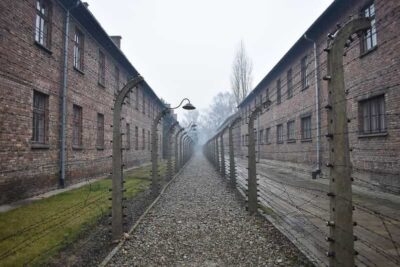
Auschwitz I is the original camp complex and the more built-up part of the visit. Here, the guide leads you through the remains of the barracks and other structures, explaining how the camp functioned and what daily life was like for prisoners.
The buildings give the first part of the tour a close, enclosed feel. You move through spaces where the evidence is concentrated, then step outside to see watchtowers and the camp layout. The contrast between ordinary-looking brick buildings and the crimes committed there is difficult, and it is one reason a guide is valuable.
You will also see evidence connected to the camp’s system of imprisonment and murder. The tour presents this material in a structured way, helping you understand the conditions prisoners faced rather than leaving you to piece together the story from isolated displays.
Expect the pace to be steady. You are not free to linger indefinitely in each area, since the memorial manages visitor movement and the guide must keep the group on schedule. The published duration is about 3.5 hours, but the service sets the precise pace and break times.
That limitation can be frustrating if one display affects you deeply or you want more time to read. It is also part of visiting a heavily attended memorial. Go in knowing that the tour is guided and timed, not a private museum visit.
The transfer to Birkenau
The second part takes place at Auschwitz II Birkenau. The supplied details describe transport between the two camps, but also list transport between Auschwitz I and Birkenau as not included. That wording is important. Confirm exactly how the transfer works for your selected option before paying, especially if you are booking the basic meeting-point version.
Birkenau is different in scale and feeling. The site is more open, with long views across the former camp grounds, rows of barracks, watchtowers, and the railway route used to bring prisoners into the camp system.
You should expect to be outdoors for much of this section. The information for the tour says that up to 70 percent of the overall visit may take place outside, particularly at Birkenau. In rain, cold, heat, or wind, the open site can feel demanding, so shoes and clothing should match the forecast.
There are fewer comforts here than you might expect from a standard museum visit. That is not a flaw in the memorial. It is a practical reality of walking across a large former camp site. Bring no large luggage, and plan for a serious walk with limited opportunity to shelter.
Same city, a completely different kind of day:
- Krakow: Auschwitz-Birkenau Guided Tour with Pickup & Lunch
★ 4.5 · 9,800 reviews - Krakow: Auschwitz-Birkenau Guided Tour Pickup/Lunch Options
★ 4.5 · 9,057 reviews - Krakow: Auschwitz-Birkenau and Salt Mine Guided Tour
★ 4.7 · 9,020 reviews - Krakow to Auschwitz Birkenau Guided Tour with Transfer and Ticket
★ 5.0 · 8,197 reviews
The railway, gas chambers, and memorial grounds
At Birkenau, the guide explains the remains of the railway used to transport prisoners. Seeing the track and arrival area helps you understand the camp as a place organized for mass deportation and murder, not simply as a collection of isolated buildings.
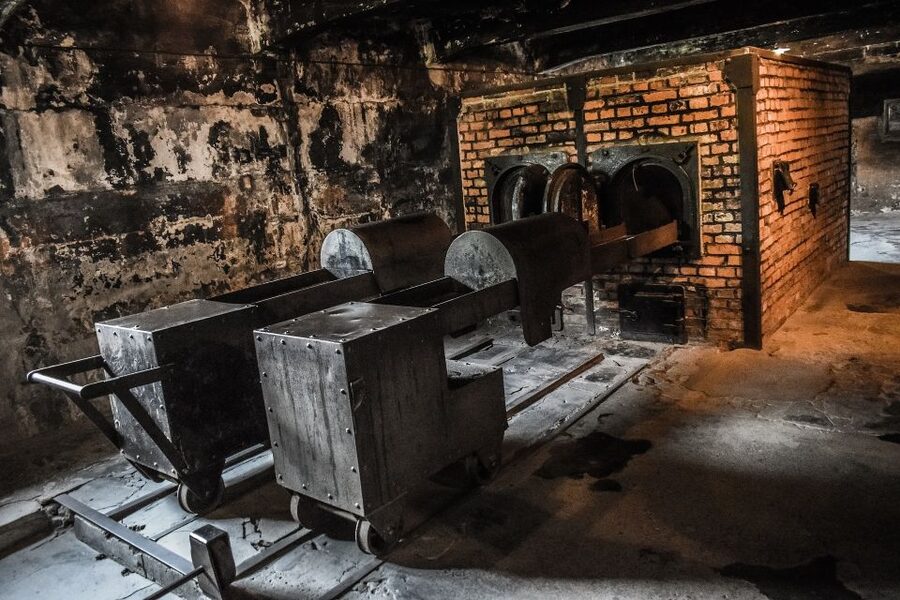
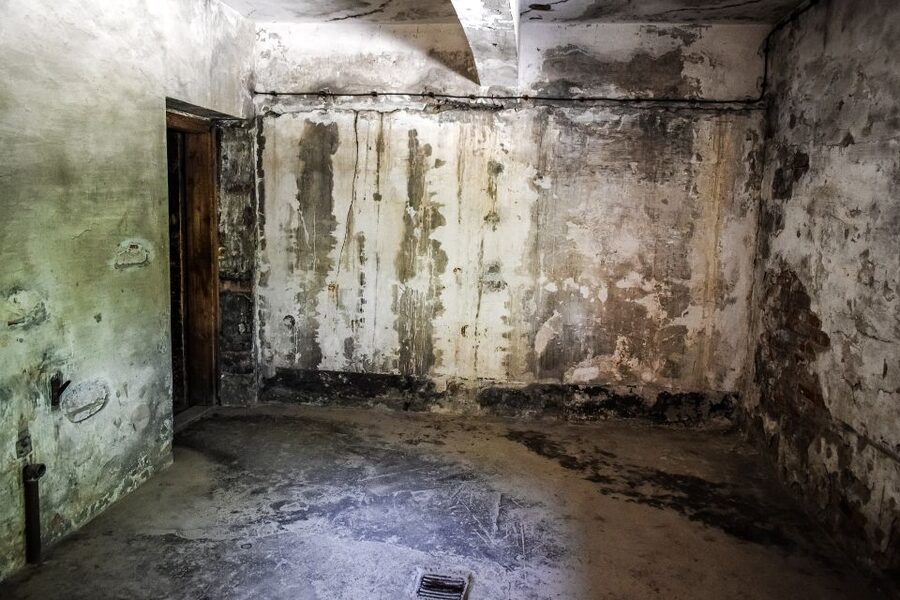
You will also see gas chamber remains and the memorial area. The ruins are physical evidence of the Nazi crimes, while the open grounds show the scale of the camp system. The combination is stark: the railway points to arrival, the barracks to imprisonment, and the ruined killing facilities to the fate awaiting many people.
This section asks more of you physically and emotionally than a quick indoor museum visit. You may be standing outside while listening through headphones, then walking to another area as the guide continues. Good weather planning is not just a comfort issue. It helps you remain attentive through the full visit.
The memorial is a place to pay respects to Holocaust victims. Keep your conduct quiet and considerate, and treat photography, conversation, and phone use with care. The supplied information does not set out a photography policy, so follow any instructions given at the site.
Guide, headphones, and group logistics
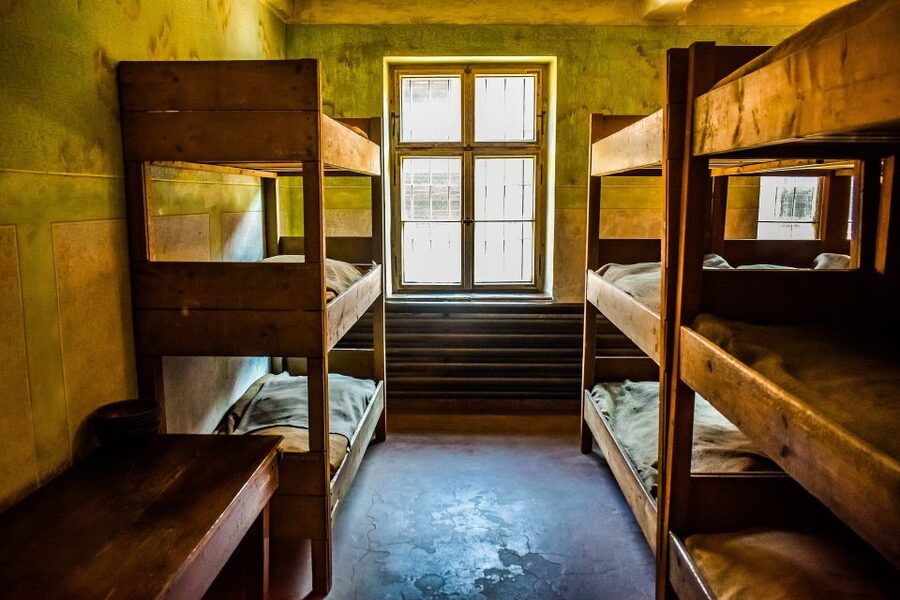
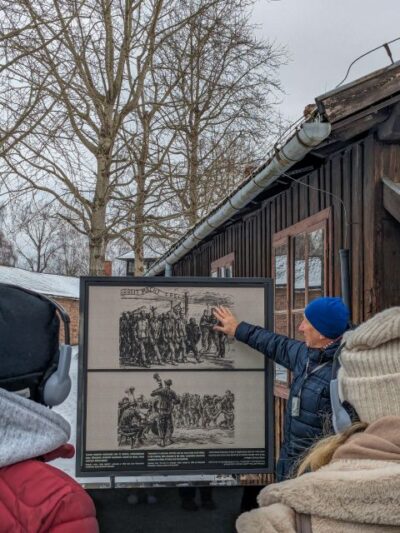
The tour includes an English-speaking guide and headphones. No guide name is provided in the booking details, so you should not expect to select a particular person. The key benefit is having live explanation at both camps rather than relying only on signs or a printed map.
Headphones help you hear while walking, but the equipment is not guaranteed to work perfectly in every spot. One account describes poor audio in several sections, with some of the explanation lost. Stay near the guide and tell the guide or representative promptly if you cannot hear.
The guide cannot control every part of the schedule. The memorial’s visitor service determines the pace, duration, and break times. That means the guide may have limited power to extend a stop or change the order of the visit.
One useful service detail is that a guide may call after you arrive and already have your tickets ready. Still, do not treat that as a reason to arrive at the last second. The meeting point can be busy, and the exact time may change the day before.
Is $47 a fair price?
At $47 per person, the price is reasonable if you want a guided visit with entry and headphones arranged in advance. You are paying for access to both camps, a live English explanation, the museum ticket, and the convenience of joining an organized group at Auschwitz I.
The value depends heavily on where you start. Transportation to and from Krakow, hotel pickup, food, and drinks are not included in the basic activity. A separate Krakow shuttle option may be available, but you need to choose that option rather than assume it is part of every booking.
There is also conflicting wording about transport between Auschwitz I and Birkenau. The visit description refers to a shuttle between the camps, while the included and excluded lists do not include that transfer. Check the exact package before booking. A low headline price becomes less useful if you discover an extra transfer problem on the day.
The non-refundable policy deserves careful attention. Museum tickets cannot be refunded, and the activity is listed as non-refundable. Since your name is sent to the museum in advance and must match your ID, check every spelling detail before completing payment.
Who will benefit most from this tour
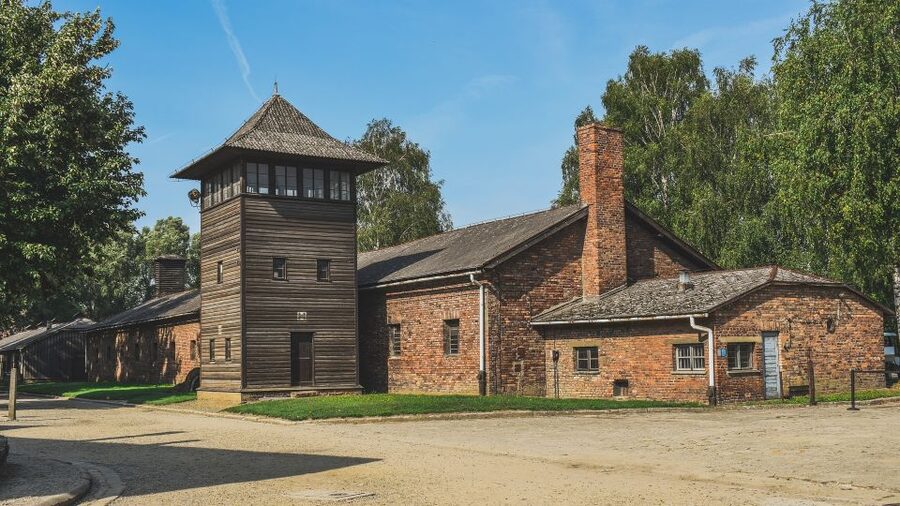
I would choose this tour if you want the basic arrangements handled and prefer an English explanation of both camp sites. It suits first-time visitors who want help understanding the buildings, prisoner conditions, and evidence of the crimes rather than walking through without context.
It is also a sensible option if you can reach Auschwitz I independently and want to keep the cost below a package that includes Krakow transport. The meeting point is clear, and the guide may have your ticket ready when you arrive.
I would be cautious if you need a fully flexible schedule. The start time is approximate, break times are not controlled by the guide, and the memorial sets the pace. I would also think twice if you need step-free access or use a wheelchair, since the activity is not suitable for people with mobility impairments or wheelchair users.
This is not a good match for someone with large luggage, a tight onward connection, or a wish to explore each building at a personal pace. The museum schedule and group movement take priority.
What to bring and how to prepare
Bring your passport or ID card, and make sure it matches the booking name exactly. Wear clothing suited to the forecast, including protection from rain, cold, sun, or wind.
Keep your belongings small. Large bags and luggage are not allowed, and the open Birkenau section can involve extended time outside. Comfortable footwear is a practical choice even though the supplied information does not specify a required shoe type.
Before the visit, check the confirmed time sent the day before. If you are coming from Krakow, allow enough time for your own transport and remember that hotel pickup is not included unless your selected option says otherwise.
Finally, set the right expectations. You are visiting a memorial and former concentration camp, not a conventional attraction. The value of the tour lies in careful explanation and direct contact with the remaining evidence, but the experience is demanding and should be approached with respect.
Should you book the Auschwitz-Birkenau tour?
Book it if you want both camps, an English-speaking guide, museum entry, and a fairly simple meeting-point arrangement at Auschwitz I. The strongest parts are the full two-camp route, the guide’s explanation of prisoner life, and the chance to see the railway, gas chamber remains, barracks, and watchtowers in one organized visit.
Before paying, confirm three things: the exact start time, how transport between the camps is handled, and whether your chosen option includes Krakow transport. Enter your full name exactly as it appears on your ID, since the ticket is non-refundable.
If you need accessibility, generous free time, or complete control over the schedule, choose another arrangement. For an English-speaking visitor who can manage the outdoor walking and wants structured context at both sites, this $47 tour offers a practical way to visit one of Europe’s most important memorials.
FAQ
Where does the tour begin?
The tour begins at Więźniów Oświęcimia 20 in Oświęcim, Poland, at the entrance to Auschwitz I. Look for the GR8 WAY representative in front of the restaurant holding a Gr8way Meeting Point sign.
How long does the tour last?
The listed duration is about 3.5 hours. The exact pace, duration, and break times are controlled by the Auschwitz-Birkenau Memorial and Museum visitor service.
Is transport from Krakow included?
Transportation to and from Krakow, including hotel pickup and drop-off, is not included in the basic activity. A round-trip Krakow shuttle option may be available, so check the option you select.
Is transport between Auschwitz I and Birkenau included?
The tour description refers to transport between the two camps, but the included and excluded details do not list that transfer as included. Confirm the transfer arrangements for your chosen option before booking.
What identification should I bring?
Bring your passport or ID card. The full name on the booking must match the name on the identification document presented at the entrance.
Can I bring luggage?
No. Large bags and luggage are not allowed. Bring only the small personal items you need for the visit.
Is the tour suitable for wheelchair users?
No. The activity is listed as unsuitable for wheelchair users and people with mobility impairments.
Just added around Auschwitz
- Guided Private Tour to Auschwitz Birkenau & Krakow from Wroclaw★ 5.0 · 4 reviews
- Auschwitz-Birkenau Day Tour from Wroclaw★ 5.0 · 40 reviews
- Krakow & Auschwitz day tour from Warsaw by private car with Lunch★ 5.0 · 16 reviews
- One day tour to Auschwitz-Birkenau & Salt Mine from Warsaw with private driver★ 5.0 · 4 reviews
- One Day Tour to Auschwitz-Birkenau from Warsaw by Car★ 5.0 · 81 reviews
- Krakow and Auschwitz – Full Day Tour from Warsaw by private car★ 5.0 · 9 reviews
- From Warsaw: Auschwitz-Birkenau Tour with Premium Train Transportation★ 4.0 · 7 reviews
- Full-Day Tour From Warsaw to Auschwitz (guided) and Krakow by car★ 5.0 · 24 reviews
Auschwitz Tours, compared.
Auschwitz-Birkenau Guided Tour & Hotel Pickup
Read our review →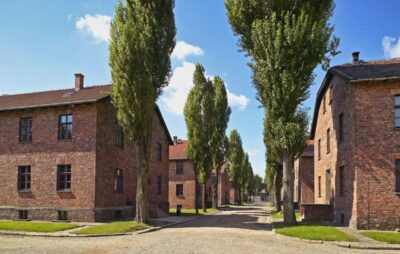
Auschwitz Guided Tour with Optional Hotel Pickup
Read our review →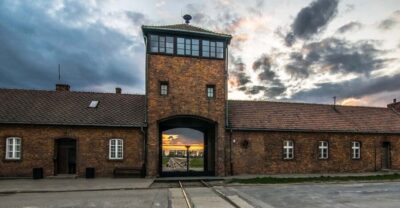
Auschwitz-Birkenau Guided Tour with Pickup & Lunch
Read our review →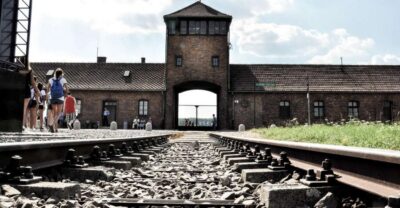
Auschwitz-Birkenau Guided Tour Pickup/Lunch Options
Read our review →
Krakow to Auschwitz Birkenau Guided Tour with Transfer and Ticket
Read our review →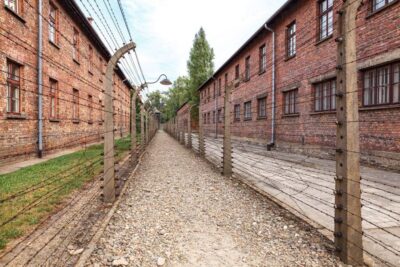
Browse the lists this tour appears in