
Reviewed · AUSCHWITZ TOURS
Auschwitz-Birkenau: Memorial Entry Ticket and Guided Tour
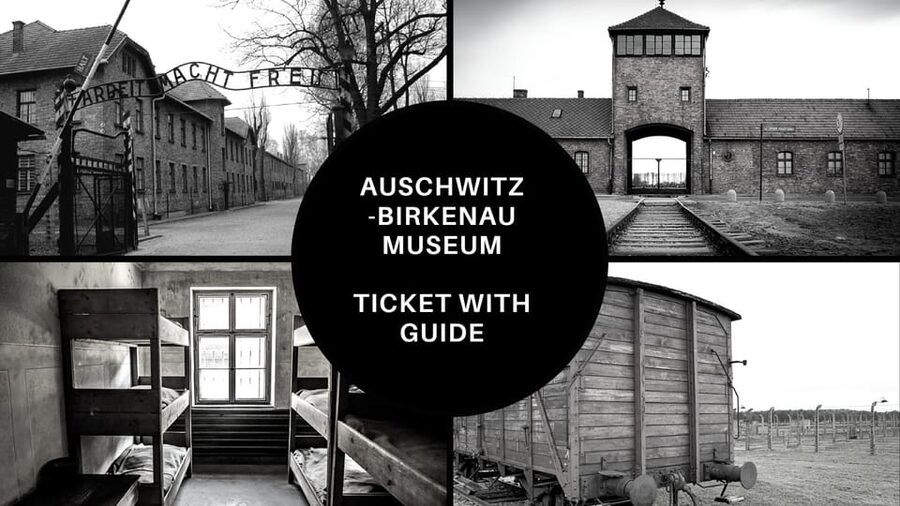
Auschwitz-Birkenau is not a sightseeing stop in the usual sense. You walk through former barracks, follow the railway route into Birkenau, and confront the machinery of mass murder in the very places where it happened. The scale is difficult to grasp until you see the grounds yourself.
I like that entry tickets, a live English-speaking guide, and a headset are included, so you do not need to manage the museum booking process alone. I also like the split visit: Auschwitz I provides exhibitions and barracks, while Auschwitz II-Birkenau shows the railway platform, open grounds, and gas chamber ruins. The main concern is timing. The start time can change by as much as two hours, and a late guide or rushed pace can seriously affect the second half.
Key points to know before booking
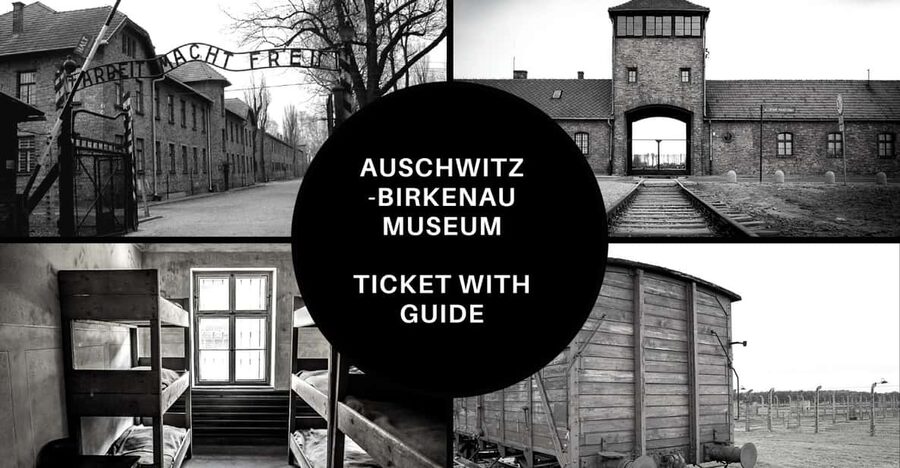
- The tour covers both Auschwitz I and Auschwitz II-Birkenau, including barracks, exhibitions, the railway platform, and gas chamber ruins.
- You arrange your own transport to the memorial and back. Hotel pickup is not included.
- A headset keeps the guide audible, but the group pace is set by the memorial’s visitor service.
- The tour lasts about 210 minutes, though the stated time and starting hour can change.
- Your passport or ID must match the booking name exactly, or entry may be refused.
- The $55 price includes admission and guiding, but not food, drinks, or transportation.
What the $55 Auschwitz tour actually gives you
At $55 per person, this is a practical package rather than a private experience. You pay for skip-the-line admission to Auschwitz-Birkenau, an authorised live guide in English, and a headset. You do not pay for a driver, hotel pickup, meals, or a private group.
I see the value in having the ticket and guide arranged together. Auschwitz-Birkenau is a major memorial with controlled entry, and you do not want to arrive without the correct ticket details. The headset also matters because the guide may be some distance ahead of you, especially inside a group.
The price makes the most sense if you are already able to reach Oswiecim on your own. If you need a full day trip from another city with transport included, this is not that product. You will need to arrange the journey to the memorial, arrive at the correct meeting point, and return under your own steam.
This is a group tour, so you trade some freedom for structure. You cannot set your own pace or linger wherever you wish. The memorial controls the pace and length of the visit, and the guide must keep the group moving through a busy, tightly managed site.
A few more Auschwitz half-days worth comparing
- From Krakow: Auschwitz-Birkenau Guided Tour & Hotel Pickup
★ 4.5 · 33,358 reviews - From Krakow: Auschwitz-Birkenau Guided Tour & Hotel Pickup
★ 4.5 · 29,340 reviews - Krakow: Auschwitz Guided Tour with Optional Hotel Pickup
★ 4.5 · 15,280 reviews
Meeting your guide at Auschwitz I
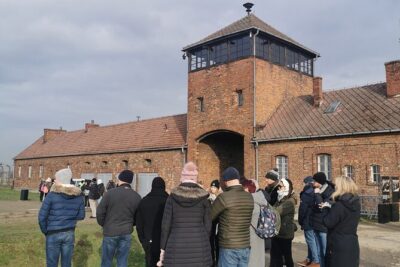
The meeting point is at Auschwitz I, by the gate leading to the parking area. Look for the information boards and arrive early enough to locate the guide without rushing.
This detail deserves more attention than it usually gets. The meeting point is not a hotel lobby or a central city square. You are meeting at a large memorial complex, and a delay at the gate can eat into the visit. One booking experienced a guide arriving late, followed by a further wait, with roughly 40 minutes lost before entry. That kind of delay matters here because missing the Birkenau section would leave out half of the experience.
The operator is Xtrip, but no individual guide name is supplied for this activity. You should expect an English-speaking guide assigned on the day. The quality can vary: some tours have been described as clear, calm, and factual, while other departures were criticized for a rushed pace or a flat delivery.
That variation is worth keeping in mind. A guide can provide facts and direction, but the emotional weight of Auschwitz comes primarily from the place itself, the documents and objects displayed there, and the story they explain. The best approach is to listen closely, stay with the group, and allow the site to speak for itself.
Walking through Auschwitz I
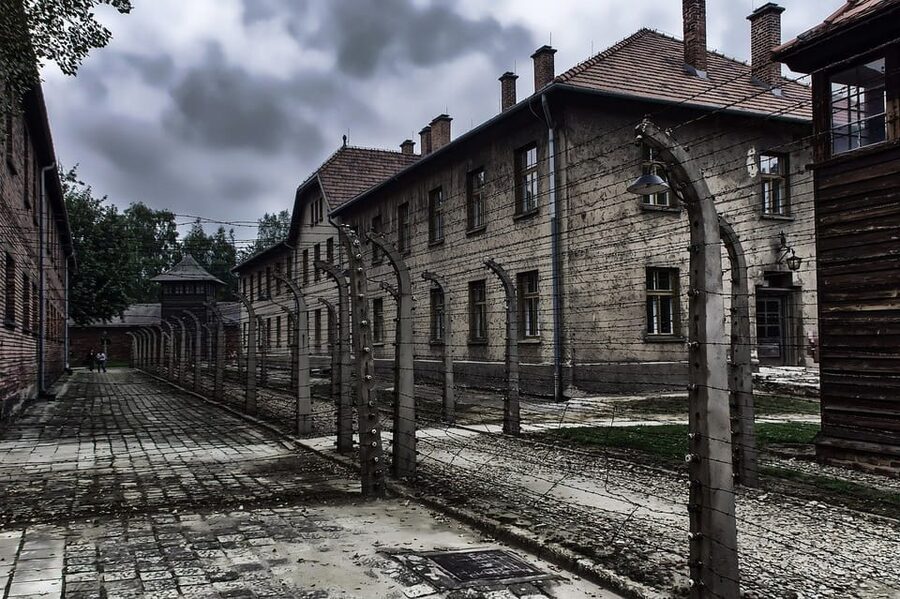
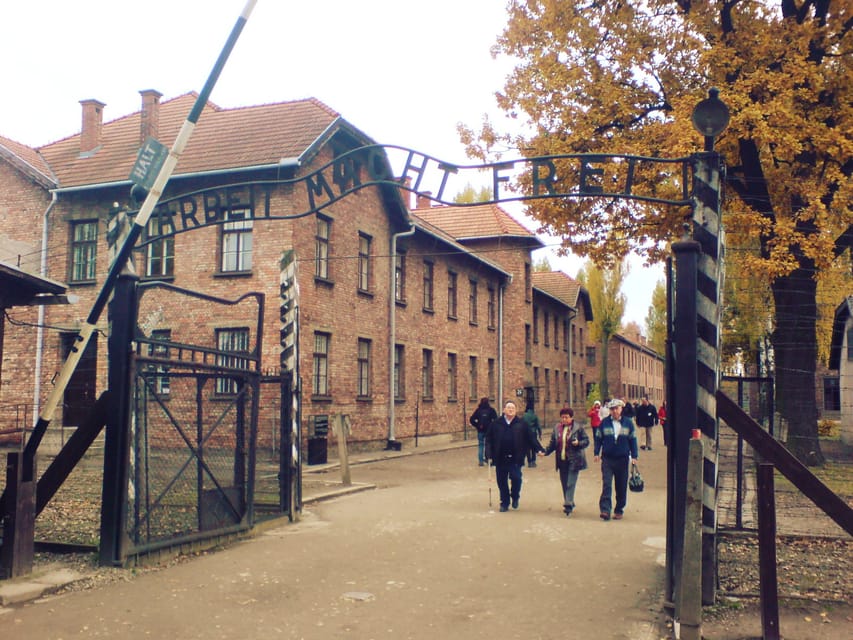
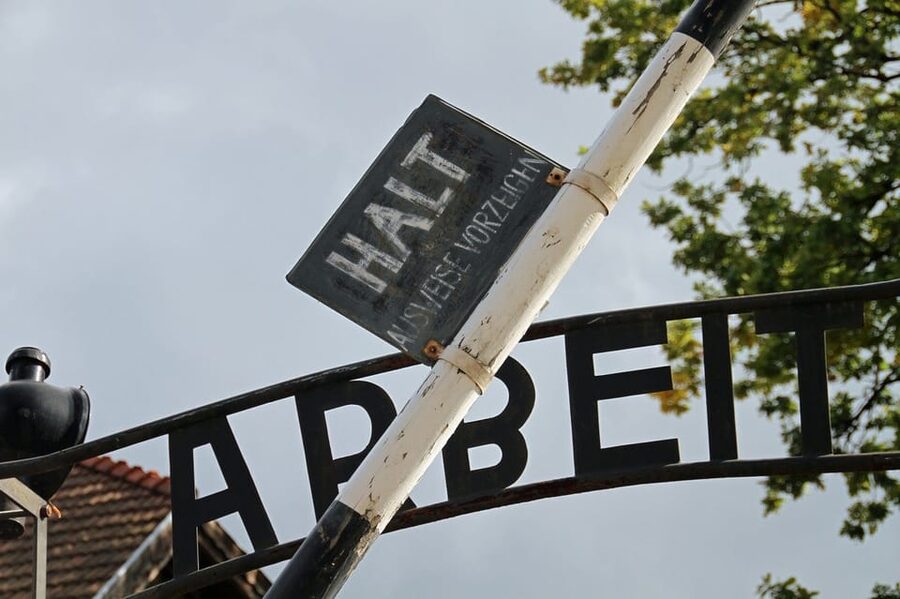
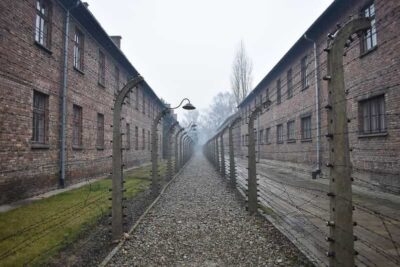
The first section takes place at Auschwitz I, the former camp built in 1940 on the outskirts of Oswiecim. You pass through the infamous entrance gate and walk among the original camp grounds and buildings.
The barracks now house exhibitions about the people imprisoned there and the system that held them. This is where the tour gives the numbers a human scale. The total death toll is estimated at more than 1.5 million people from 28 nationalities, with nearly 90 percent of those killed being Jewish.
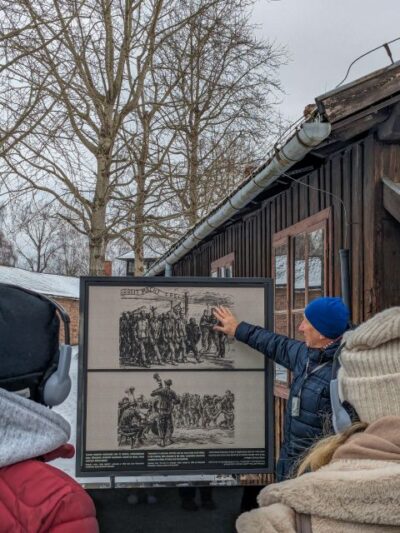
You should expect a serious, concentrated visit rather than a casual museum walk. The exhibitions are in buildings once used by prisoners, which gives the information a difficult physical setting. The guide helps connect the rooms, barracks, and grounds to the people who were forced through them.
I like this first section because it gives you context before you reach Birkenau. The buildings are more enclosed, the exhibitions are more structured, and the guide can explain how the camp functioned. It is also the part where a headset is most useful, since you may be moving through rooms with a group around you.
The drawback is pace. You may not have as much time as you want at every exhibition. The memorial’s visitor service determines the pace and duration, so you should not book a tight appointment immediately afterward.
The short transfer to Birkenau
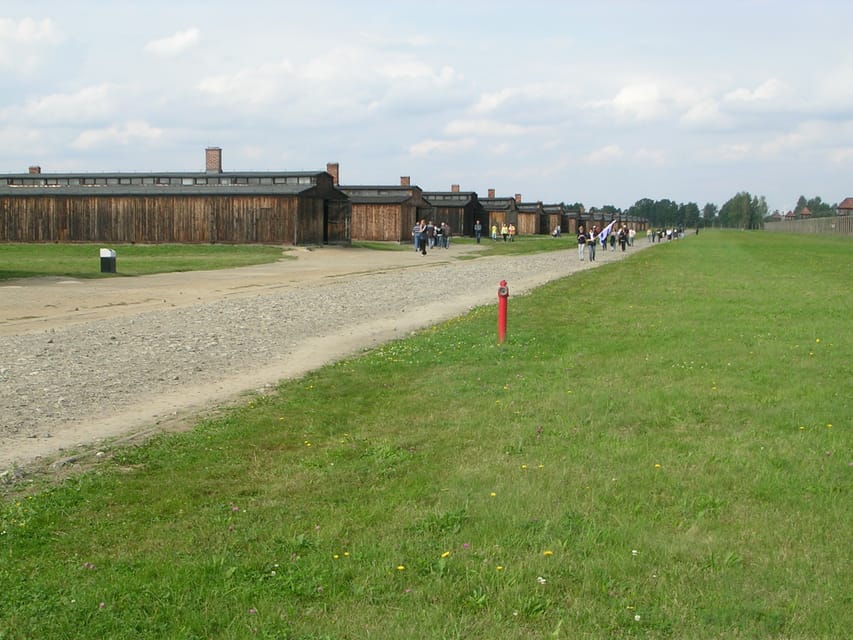
After Auschwitz I, you take a bus available on-site to Auschwitz II-Birkenau. The ride takes a few minutes, but it marks a clear change in the character of the visit.
Auschwitz I presents a series of barracks and exhibitions. Birkenau opens out across a much larger area, with the railway line running into the former camp. The short transfer helps you understand that these are two parts of one memorial complex, not two unrelated attractions.
You do not arrange a separate transfer for this part. The on-site bus is available, and the guide continues the visit at Birkenau. Even so, do not treat the transfer as extra free time. Stay with the group and listen for instructions, since the tour schedule is controlled by the memorial.
The bus connection is one reason the 210-minute estimate matters. This is not simply three hours inside one museum building. You are moving between two sites, walking on uneven grounds, and following a set route.
Same city, a completely different kind of day:
- Krakow: Auschwitz-Birkenau Guided Tour with Pickup & Lunch
★ 4.5 · 9,800 reviews - Krakow: Auschwitz-Birkenau Guided Tour Pickup/Lunch Options
★ 4.5 · 9,057 reviews - Krakow: Auschwitz-Birkenau and Salt Mine Guided Tour
★ 4.7 · 9,020 reviews - Krakow to Auschwitz Birkenau Guided Tour with Transfer and Ticket
★ 5.0 · 8,197 reviews
Following the railway into Auschwitz II-Birkenau
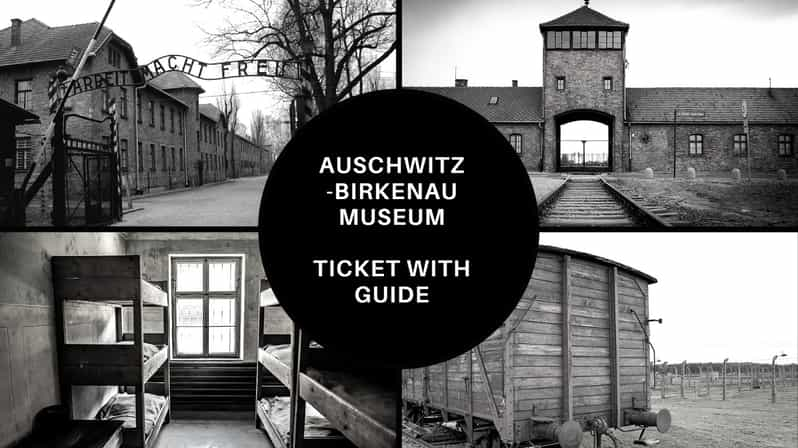
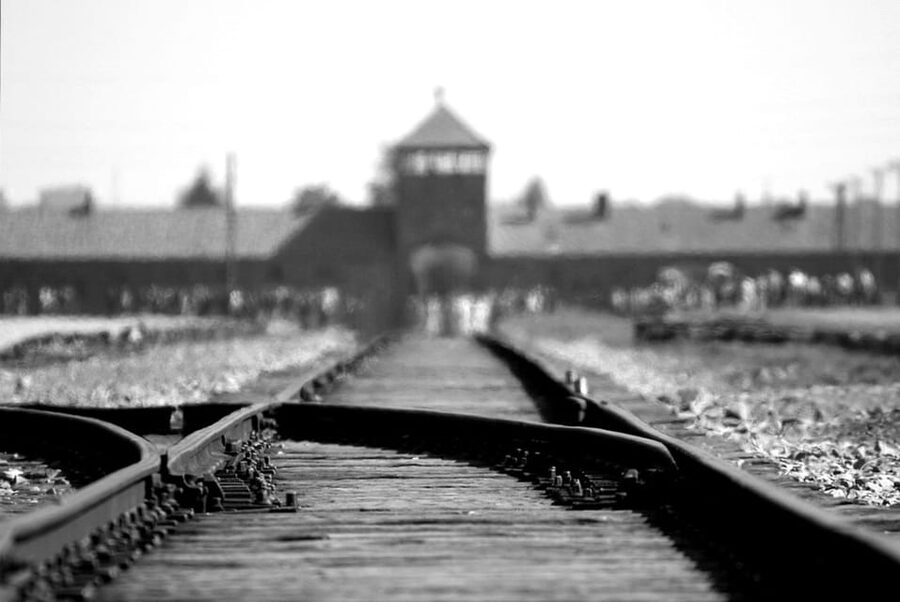
At Birkenau, you walk along the railway that brought prisoners into the camp. The platform is one of the most recognizable places in the memorial, but seeing it in person gives it a harsher meaning than a photograph can provide.
The railway was part of the transport system that delivered people to the camp. The guide explains the route and the role of the platform while you walk through the former camp grounds. This is the section where the scale of the site becomes especially clear.
You may find Birkenau less enclosed and more exposed than Auschwitz I. The larger grounds can make the distance and organization of the camp easier to grasp, but they can also make the walking more tiring. Comfortable shoes are essential, and you should be prepared to remain on your feet for much of the tour.
The route continues toward the ruins of the gas chambers. These are not restored rooms or polished museum displays. The remains point to places where people were killed on a mass scale, and the guide gives the historical context as you move through the area.
This part of the visit is quiet and sobering. You do not need dramatic presentation to understand what took place. A factual, clear guide may suit this setting better than a theatrical one, and the tour works best when you have enough time to listen and look carefully.
Why the headset matters
The included headset is a small but important part of the tour. You can hear the guide even when the group stretches along a path or gathers near an exhibition.
This does not remove every problem. One booking described having difficulty keeping up and hearing the guide, particularly when the group moved quickly. If the guide is far ahead, the headset may carry the sound, but it cannot give you more time or make a rushed route feel slower.
Stay close to the group from the beginning. If you need to stop for a moment, tell the guide or group leader rather than falling behind silently. The tour is not designed for independent wandering, and missing one explanation can make the next location harder to understand.
The headset is especially useful for a group visit because it lets the guide speak in a normal voice instead of shouting across the grounds. It also keeps the tour more orderly, which matters at a memorial where respectful behavior and controlled movement are important.
Timing problems you should plan around
The listed duration is 210 minutes, or about three and a half hours. That is a useful planning figure, but it is not a guarantee. The stated start time may change by up to two hours, and the memorial’s visitor service controls the pace and duration.
I would leave a wide gap before any train, bus, meal reservation, or later attraction. A delayed start can affect your entire day, and a late guide has already caused one booking to miss part of the second section.
You should also arrive early at the meeting point. The instructions say to meet by the gate leading to the parking area and look for information boards. Arriving at the exact start time creates needless pressure, especially if you need to identify the group or pass through entry checks.
The tour’s pace is not suitable for everyone. People who want to stop often for private reflection or read every display may feel hurried. On the other hand, the structure helps you see both camps within one visit, which is valuable if you have limited time.
Clothing, bags, and entry rules
Bring a passport or ID card. The name on your booking must be identical to the name on your passport or ID, since a mismatch can result in refused entry.
The bag rule is strict: your luggage, purse, backpack, or other bag must not exceed 30 by 20 by 10 centimeters. Large luggage is not allowed, so do not arrive with a full suitcase or an oversized daypack.
Wear comfortable shoes. You will walk across a substantial memorial site, including the Auschwitz I grounds and Birkenau. The surface and weather conditions can make a long visit harder than the simple three-and-a-half-hour figure suggests.
The clothing rules are also specific. Shorts and sleeveless shirts are not allowed, and weapons or sharp objects are prohibited. Food and drinks are not included, so plan around that rather than expecting a meal during the tour.
Children under 14 are not considered suitable for this activity, and it is not suitable for people with mobility impairments. Those limits reflect both the nature of the subject and the physical demands of moving through the memorial.
Who will get the most from this visit
I would choose this tour if you want an organised introduction to both Auschwitz sites and prefer to have the entry ticket and guide handled together. It suits you if you can arrange your own transportation and are comfortable following a group schedule.
It is also a good fit if you want historical explanation rather than simply walking through the grounds. The guide connects the barracks, exhibitions, railway, and ruins, while the headset helps you follow the information from a short distance.
You may want another option if you need hotel pickup, a private guide, flexible stopping time, or assistance with mobility. This activity does not include transport to or from Auschwitz, and its pace is not under your control.
I would also avoid booking it alongside a fixed appointment with little spare time. The possibility of a changed start hour and the memorial’s control over the route make a generous buffer essential.
Is this Auschwitz-Birkenau tour worth booking?
Book it if $55 fits your budget, you can reach Auschwitz on your own, and you want both sites with a live English guide. The included ticket, headset, and organised route remove several practical hurdles, and the itinerary covers the places most people come to understand: the Auschwitz I barracks and exhibitions, the Birkenau railway platform, and the gas chamber ruins.
Think twice if you need firm timing or a slower, more personal visit. The guide quality may vary, the pace can feel hurried, and a delayed meeting can cut into the second part. For a respectful first visit with limited planning time, though, this tour gives you a clear route through an extremely important memorial.
FAQ
How long does the Auschwitz-Birkenau tour last?
The stated duration is 210 minutes, or about three and a half hours. The exact duration and pace are determined by the memorial’s visitor service, and the start time may change by up to two hours.
Does the tour include transportation to Auschwitz?
No. You must use your own transportation to reach Auschwitz and return afterward. An on-site bus takes the group from Auschwitz I to Auschwitz II-Birkenau.
Where do I meet the guide?
Meet at Auschwitz I, by the gate leading to the parking area. Look for the information boards at the meeting point.
What does the $55 price include?
The price includes skip-the-line entrance tickets, an English-speaking live group guide, and a headset. Food, drinks, and hotel pickup and drop-off are not included.
What identification should I bring?
Bring your passport or ID card. Your name must match the name on the booking exactly, or entry may be refused.
Are there restrictions on clothing and bags?
Yes. Shorts, sleeveless shirts, weapons, sharp objects, and large bags are not allowed. Bags, purses, backpacks, and luggage must not exceed 30 by 20 by 10 centimeters. Comfortable shoes are recommended.
Just added around Auschwitz
- Guided Private Tour to Auschwitz Birkenau & Krakow from Wroclaw★ 5.0 · 4 reviews
- Auschwitz-Birkenau Day Tour from Wroclaw★ 5.0 · 40 reviews
- Krakow & Auschwitz day tour from Warsaw by private car with Lunch★ 5.0 · 16 reviews
- One day tour to Auschwitz-Birkenau & Salt Mine from Warsaw with private driver★ 5.0 · 4 reviews
- One Day Tour to Auschwitz-Birkenau from Warsaw by Car★ 5.0 · 81 reviews
- Krakow and Auschwitz – Full Day Tour from Warsaw by private car★ 5.0 · 9 reviews
- From Warsaw: Auschwitz-Birkenau Tour with Premium Train Transportation★ 4.0 · 7 reviews
- Full-Day Tour From Warsaw to Auschwitz (guided) and Krakow by car★ 5.0 · 24 reviews
Auschwitz Tours, compared.
Auschwitz-Birkenau Guided Tour & Hotel Pickup
Read our review →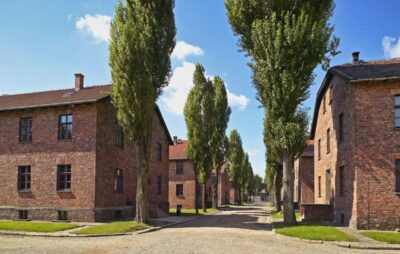
Auschwitz Guided Tour with Optional Hotel Pickup
Read our review →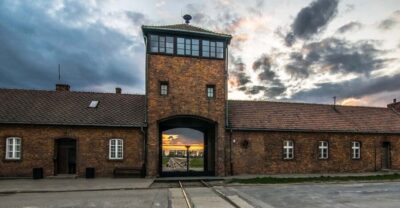
Auschwitz-Birkenau Guided Tour with Pickup & Lunch
Read our review →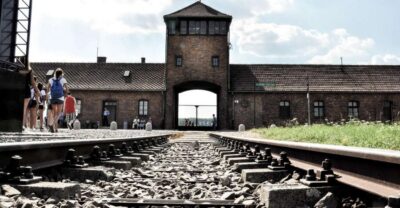
Auschwitz-Birkenau Guided Tour Pickup/Lunch Options
Read our review →
Krakow to Auschwitz Birkenau Guided Tour with Transfer and Ticket
Read our review →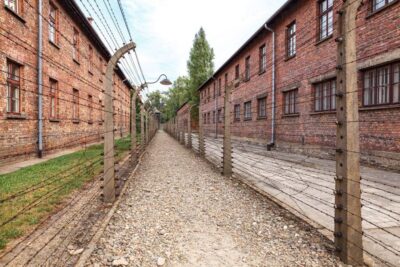
Browse the lists this tour appears in