
Reviewed · AUSCHWITZ TOURS
Auschwitz & Birkenau Small Group Live Guided Tour with Hotel Pick Up Transport
Auschwitz and Birkenau are places where the facts matter more than sightseeing polish. This tour takes you from Krakow to the former camps by air-conditioned minivan, then gives you about two hours at Auschwitz I and one hour at Birkenau. The visit is sobering, physical, and best approached with patience.
I like the included hotel pickup and drop-off and the chance to avoid arranging separate transport to a site outside Krakow. I also like the English-speaking guide and museum admission, which can save you from trying to secure a difficult-to-find entry time on your own.
The main concern is reliability. Pickup times can change from a planned morning departure to the middle of the night, and some bookings have been cancelled or rearranged with little notice. The advertised small group is also not always small in practice.
Key points to know before booking
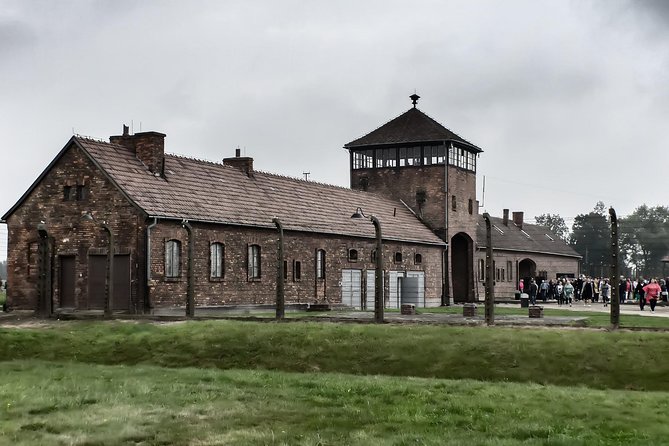
- Auschwitz I takes about two hours: Expect indoor exhibits, camp buildings, and a brisk guided route.
- Birkenau is a separate 3-kilometer stop: You travel there by minibus for about one hour, much of it outdoors.
- Pickup times are highly flexible: The final time may fall anywhere from 2:00am to 1:30pm.
- Group size needs checking: The details describe groups of up to eight and also allow as many as 22 people. Some departures have been larger still.
- Bring official identification: Every person must provide a full name before entry and carry ID on the day.
- Pack for weather, not style: You may spend up to 70 percent of the visit outdoors, especially at Birkenau.
What the day is really about
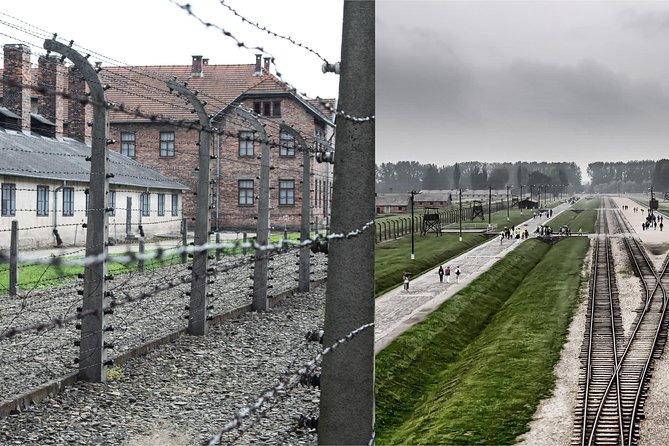
This is not a light day trip with a few historical facts added on. Auschwitz I and Birkenau require quiet attention. You will see preserved buildings, personal belongings, guard structures, barracks, railway facilities, and the remains of a killing center created by Nazi Germany in occupied Poland.
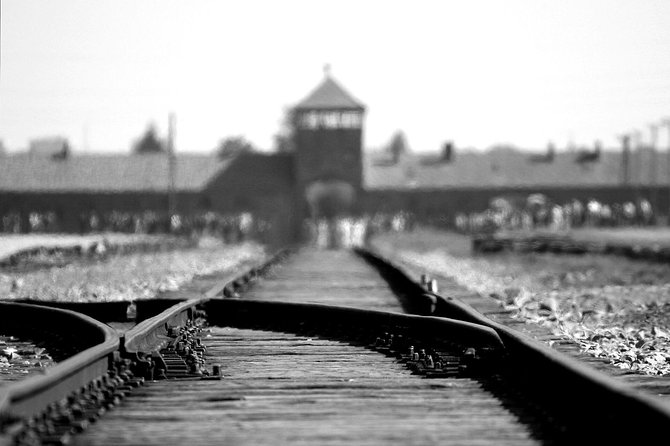
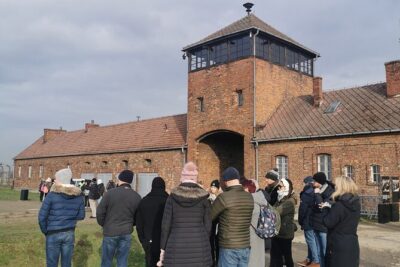
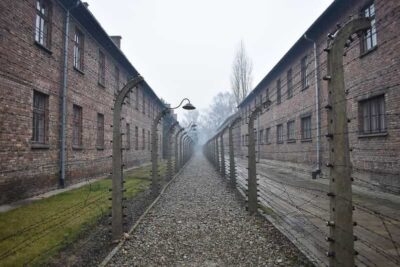
The physical setting matters. Auschwitz I is more compact, with brick buildings and indoor rooms that make the camp feel enclosed. Birkenau is much wider and more exposed. Its long railway approach, rows of barracks, watchtowers, and destroyed gas chamber ruins create a different kind of impact.
You should expect the tone to remain serious throughout. A guide can explain the dates, systems, and events, but no guide can make this an easy visit. Allow yourself time afterward to be quiet and process what you have seen.
The tour lasts about seven to eight hours from Krakow. That sounds generous, but the actual time inside the museums is limited. You get roughly two hours at Auschwitz I and one hour at Birkenau, with driving and transfers between them. If you prefer to read every display slowly or pause often, this format may feel rushed.
A few more Auschwitz half-days worth comparing
- From Krakow: Auschwitz-Birkenau Guided Tour & Hotel Pickup
★ 4.5 · 33,358 reviews - From Krakow: Auschwitz-Birkenau Guided Tour & Hotel Pickup
★ 4.5 · 29,340 reviews - Krakow: Auschwitz Guided Tour with Optional Hotel Pickup
★ 4.5 · 15,280 reviews
Getting from Krakow to the memorial
The transport is one of the strongest practical reasons to choose this package. You are collected from accommodation in central Krakow, or from the stated meeting point at Floriana Straszewskiego 14 if hotel pickup cannot be arranged. The vehicle is air-conditioned, and the price includes return transport.
The drive removes the stress of finding a train, bus, or separate museum admission. It also means you do not need to manage the 3-kilometer transfer between Auschwitz I and Birkenau yourself.
The weak point is communication. Your stated pickup time is not always your final pickup time. The operator may assign a time based on museum availability, and the confirmed time can arrive only 12 hours before departure. A tour originally sold with a morning departure has sometimes shifted to 3:15am, 6:40am, 11:30am, or another unexpected hour.
That flexibility may help the operator match available museum entry slots, but it makes your Krakow plans hard to organize. I would avoid booking this on a day when you have a flight, a train, or another fixed appointment.
Keep your phone available the day before. Check messages, email, and the booking app, and ask your accommodation staff to help if the pickup instructions are unclear. Some people have been directed to a nearby street or a park-and-ride style point rather than collected directly outside the hotel.
Auschwitz I: the compact first visit
Auschwitz I is the first major stop and includes admission. The planned visit lasts about two hours. This section is built around the original camp buildings, many of which now hold museum displays.
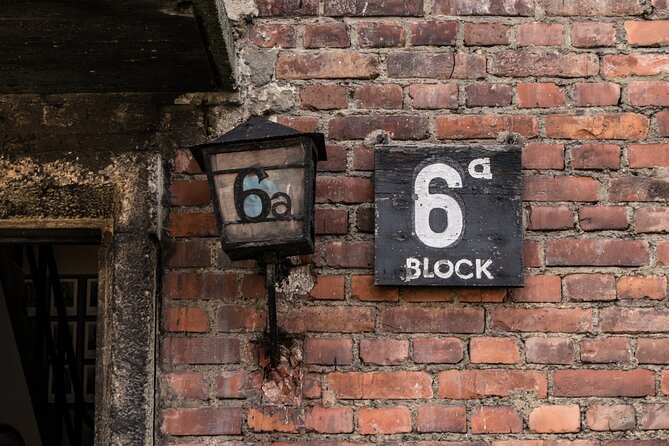
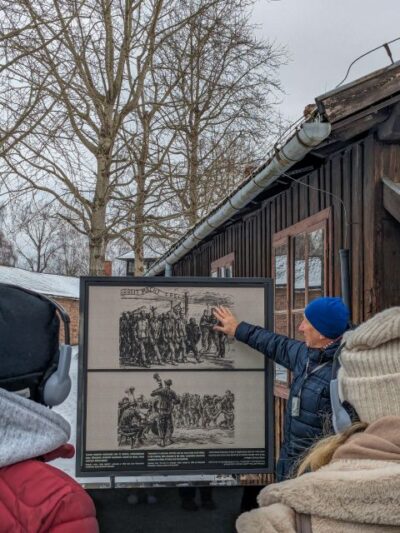
The buildings make the visit feel ordered and confined. You move through former blocks and exhibition rooms while the guide explains how the camp developed and how Nazi persecution became organized mass murder. The indoor sections are especially important because they contain evidence and personal belongings, not just empty structures.
Two hours is enough to understand the main route, but not enough to examine every display at length. You will likely move with the group from room to room. One practical complaint is that a guide may have already moved outside while some people are still trying to take in an exhibit.
I would not treat the schedule as free time. Stay close, listen for instructions, and ask questions when the guide pauses. The route involves walking and stairs, and the pace can be demanding for anyone with limited mobility.
The quality of this part depends heavily on the guide assigned to your departure. The tour is advertised with a professional English-speaking guide, but when a guide is unavailable, the arrangement may switch to a museum-organized guided visit. That can still provide a proper explanation, but it is not always the same experience promised by the original booking.
Birkenau: wider, colder, and mostly outdoors
After Auschwitz I, you travel about 3 kilometers by minibus to Auschwitz II-Birkenau. The planned visit lasts about one hour.
Birkenau is physically larger and more exposed than Auschwitz I. The railway track and unloading area show how people were brought into the camp. You can also see the scale of the site, the remains of destroyed gas chambers, watchtowers, and long rows of barracks.
This stop often leaves the strongest visual impression because there is so little shelter and so much open ground. The distance between structures helps you understand the size of the camp and the system built there. It is not a place to rush, but the schedule gives you limited time.
Bring a coat, rain protection, and shoes suited to uneven paths. The operator says up to 70 percent of the overall experience may take place outdoors, with Birkenau the clearest example. The tour runs in all weather conditions.
There are no food or drinks included. You may have a chance to buy something during the day, but you should not count on a relaxed meal break. Eat beforehand and carry only a small amount of water if permitted by the museum’s current rules.
Same city, a completely different kind of day:
- Krakow: Auschwitz-Birkenau Guided Tour with Pickup & Lunch
★ 4.5 · 9,800 reviews - Krakow: Auschwitz-Birkenau Guided Tour Pickup/Lunch Options
★ 4.5 · 9,057 reviews - Krakow: Auschwitz-Birkenau and Salt Mine Guided Tour
★ 4.7 · 9,020 reviews - Krakow to Auschwitz Birkenau Guided Tour with Transfer and Ticket
★ 5.0 · 8,197 reviews
Group size and guide quality
The small-group idea is appealing. The information describes groups of up to eight people in one place and up to 22 people in another. That conflict matters because a group of eight feels very different from a group of 22.
Some departures have reportedly included more than 30 people. In a group that large, it can be difficult to hear, enter smaller rooms together, or keep the guide’s pace. It also weakens the personal side of the experience, especially at a site where quiet explanation is more useful than a loud, crowded procession.
When the group is genuinely small, you should find it easier to hear the English guide and ask questions. You can also stay together more naturally during the transfer between the two camps.
The guide may be a museum guide rather than the person who drives you from Krakow. In some cases, the driver mainly provides transport and basic directions, while the actual explanation comes from an official Auschwitz-Birkenau guide. That arrangement is not necessarily a problem, but you should not assume your driver will give a full historical talk.
The best feedback about the experience focuses on guides who explain the events clearly, answer questions, and handle the emotional weight of the visit with care. The weakest experiences involve little information from the driver, unclear instructions, and long periods of waiting.
Timing problems you should take seriously
The variable schedule is the largest practical risk. Museum entry is controlled by availability, so the operator may change your pickup time after you book. A departure listed at 8:30am could become 2:05am. A 10:00am departure could shift several hours earlier, followed by a wait before the museum visit begins.
That can create an awkward day. You might arrive near Auschwitz long before your entry time, spend hours waiting, and then join a standard museum tour. One account describes a delay of about three hours before the visit began.
The operator is supposed to provide the final pickup time at least 12 hours before departure. That is useful, but it is not much notice if the time changes your whole day. If you need a fixed schedule, a direct museum booking or another operator with a clearly guaranteed entry slot may be safer.
There is also a serious cancellation risk. Departures have been cancelled only hours before pickup, sometimes because tickets or guides were unavailable. Refunds have been issued in some cases, but a refund does not replace the lost chance to visit, especially if Auschwitz is one of the main reasons for your Krakow stay.
Luggage, clothing, and physical effort
The museum permits only very small bags, no larger than about 30 by 20 by 10 centimeters, roughly the size of an A4 sheet. A small handbag or wallet is fine. Larger luggage can be left in the locked vehicle, where the driver is expected to watch it.
Do not arrive with a full suitcase. If you are leaving Krakow that day, arrange separate luggage storage rather than depending on the vehicle.
You need moderate physical fitness. The day includes walking, stairs, uneven paths, standing, and a brisk group pace. Birkenau is especially demanding because the site is broad and exposed, with much of the visit outdoors.
This is not a good choice if you cannot walk long distances or climb stairs repeatedly. The museum may have its own accessibility arrangements, but this package does not promise a mobility-friendly route.
Dress for rain, cold, heat, or wind according to the forecast. Even on a pleasant Krakow day, Birkenau can feel very different because of its open setting. Comfortable shoes matter more than smart clothes.
Is $108.42 a fair price?
At $108.42 per person, the cost buys convenience more than luxury. You are paying for return transport from central Krakow, air-conditioned travel, admission, and guided access to both sites.
That can be fair if you value having the route organized for you. The transport alone saves planning, and museum entry can be difficult to arrange around a Krakow visit. If your alternative is juggling public transport, separate tickets, and the transfer between sites, this package may earn its price.
The value drops quickly if hotel pickup is replaced by a meeting point, the vehicle is crowded, the driver gives little information, or the promised small group is much larger. It also feels poor value if you spend hours waiting because the entry time was not explained clearly.
The price is reasonable for a successful departure with a good guide and a genuinely small group. It is not a bargain if you need certainty, personal attention, or a tightly managed timetable.
Who should choose this experience?
I would consider this tour if you want one booking to cover transport and admission, you are staying in central Krakow, and you can keep your day flexible. It suits people who would rather follow a planned route than arrange every part independently.
It can also work well for a first visit when you want historical context as you move through the two sites. An English-speaking guide can help connect what you see with the events of World War II and Nazi-occupied Poland.
I would be cautious if you are visiting for only one or two days, have a flight or train soon afterward, or need a guaranteed morning start. I would also think twice if you want time to study displays carefully. The schedule is designed to cover both camps, not to let you linger everywhere.
Before paying, send the operator your full accommodation address and the full names of everyone in your party. Bring ID for each person. If you do not provide names, entry may be refused.
Should you book it?
Book this tour if transport convenience matters more than schedule certainty. On a good day, you receive a practical ride from Krakow, entry to both Auschwitz I and Birkenau, and an English-guided visit to one of Europe’s most important memorial sites.
I would not book it blindly. The changing pickup times, occasional cancellations, unclear meeting points, and inconsistent group sizes are substantial concerns. If you choose it, keep the day open, monitor messages closely, pack for outdoor conditions, and avoid placing it beside an important departure.
For the most dependable visit, compare options that clearly guarantee museum entry, name the actual guide arrangement, and state a firm pickup point and group limit. This tour can work, but its value depends on the operator delivering the basics as promised.
FAQ
How long does the Auschwitz and Birkenau tour take?
The full experience lasts approximately seven to eight hours, including transport from Krakow, the visit to Auschwitz I, the transfer to Birkenau, and the return journey.
How much time is spent at each camp?
The planned visit includes about two hours at Auschwitz I and one hour at Auschwitz II-Birkenau.
Is hotel pickup included?
Pickup and drop-off are offered at accommodation in central Krakow. If accommodation details are not provided, you must wait at Floriana Straszewskiego 14 in Krakow. The final pickup location may also be changed by the operator.
What time does pickup take place?
The pickup may be scheduled anywhere from 2:00am to 1:30pm, depending on museum availability. The final time should be provided at least 12 hours before pickup.
What identification and names are required?
You must provide the full names of all people in your party before the visit and bring ID for every person. Without this information, museum entry may be refused.
Can I bring a suitcase or large bag?
No. Bags at the museum must be no larger than 30 by 20 by 10 centimeters. Larger luggage can be left in the locked vehicle while you visit the museum.
Just added around Auschwitz
- Guided Private Tour to Auschwitz Birkenau & Krakow from Wroclaw★ 5.0 · 4 reviews
- Auschwitz-Birkenau Day Tour from Wroclaw★ 5.0 · 40 reviews
- Krakow & Auschwitz day tour from Warsaw by private car with Lunch★ 5.0 · 16 reviews
- One day tour to Auschwitz-Birkenau & Salt Mine from Warsaw with private driver★ 5.0 · 4 reviews
- One Day Tour to Auschwitz-Birkenau from Warsaw by Car★ 5.0 · 81 reviews
- Krakow and Auschwitz – Full Day Tour from Warsaw by private car★ 5.0 · 9 reviews
- From Warsaw: Auschwitz-Birkenau Tour with Premium Train Transportation★ 4.0 · 7 reviews
- Full-Day Tour From Warsaw to Auschwitz (guided) and Krakow by car★ 5.0 · 24 reviews
Auschwitz Tours, compared.
Auschwitz-Birkenau Guided Tour & Hotel Pickup
Read our review →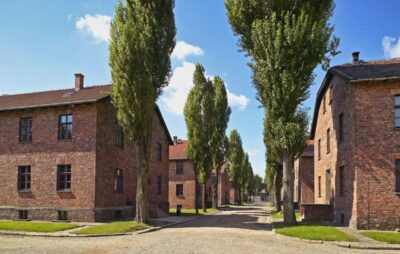
Auschwitz Guided Tour with Optional Hotel Pickup
Read our review →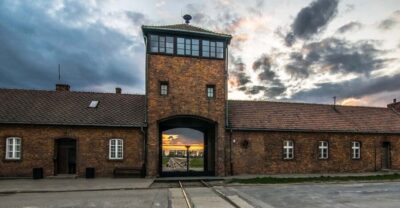
Auschwitz-Birkenau Guided Tour with Pickup & Lunch
Read our review →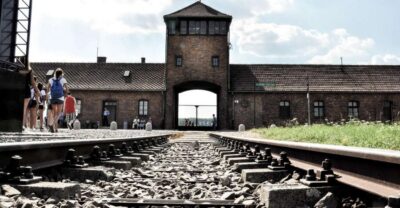
Auschwitz-Birkenau Guided Tour Pickup/Lunch Options
Read our review →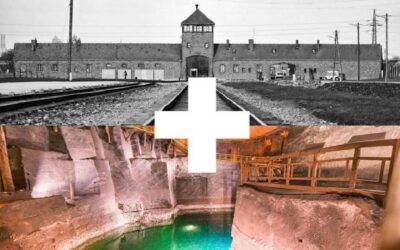
Krakow to Auschwitz Birkenau Guided Tour with Transfer and Ticket
Read our review →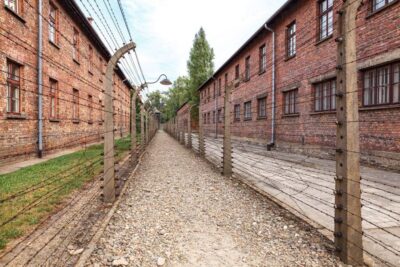
Browse the lists this tour appears in