
Reviewed · SALT MINE TOURS
From Krakow: Half-Day Salt Mine and Schindler’s Factory Tour
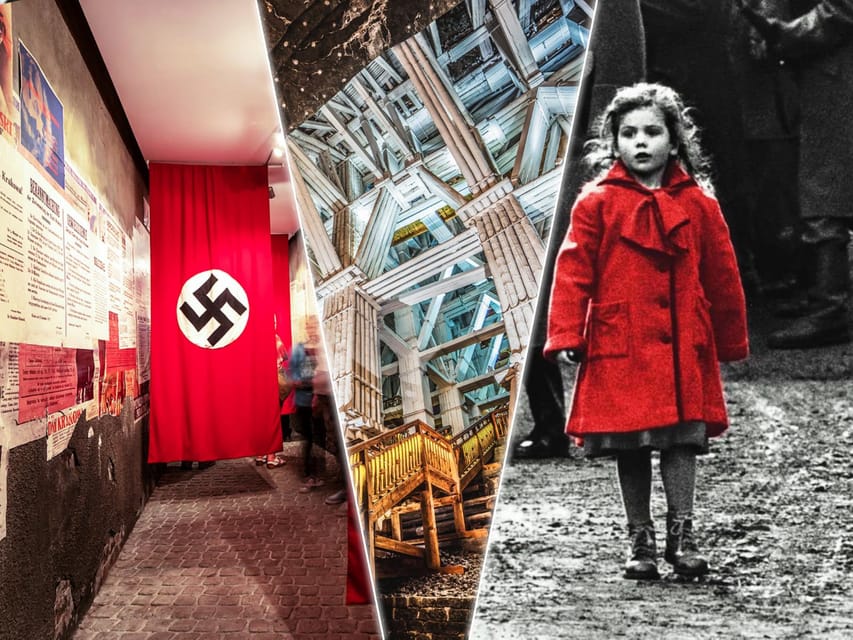
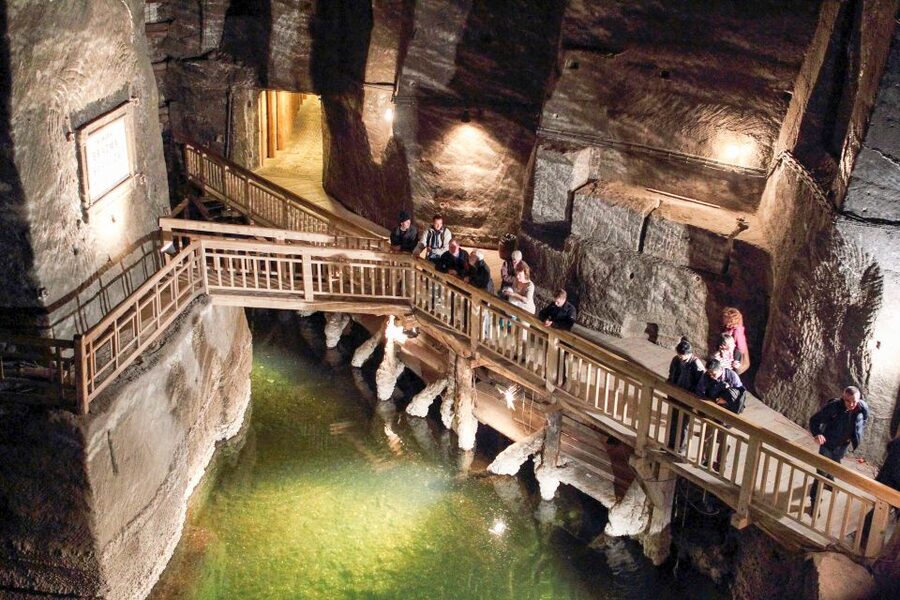
The Wieliczka Salt Mine is the star of this outing: a working mine founded around 1044, with chapels, salt lakes, and nearly 300 kilometers of tunnels spread over nine levels. I like that skip-the-line admission and transport are bundled together, and that headsets help you follow the guide underground. The scale is hard to grasp until you are far below the city.
I also like the pairing with Schindler’s Factory, which shifts the day from medieval industry to the German occupation of Krakow. The main drawback is the pace: seven hours covers a lot of ground, and both stops involve substantial walking. Crowds at the factory or mine can also make it hard to hear and see everything.
Key points to know before booking
- The mine reaches 327 meters underground, though the visitor route focuses on selected chambers rather than all 300 kilometers of passageways.
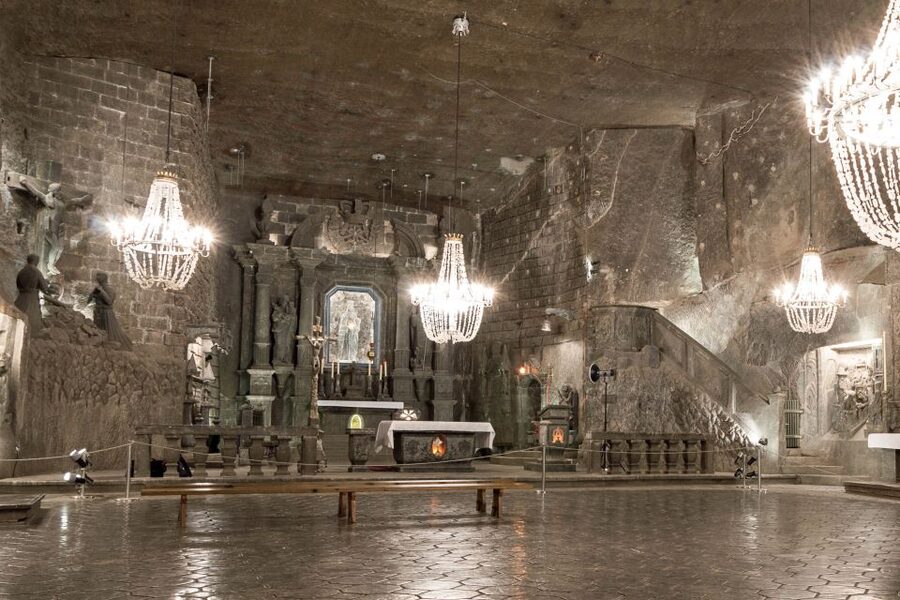
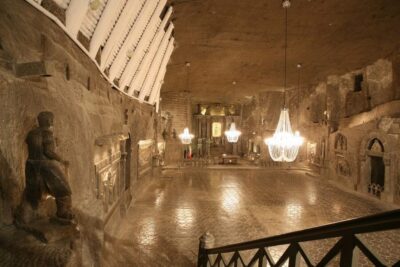
- St. Kinga’s Chapel is the visual high point, carved and decorated in salt and visited by more than one million people each year.
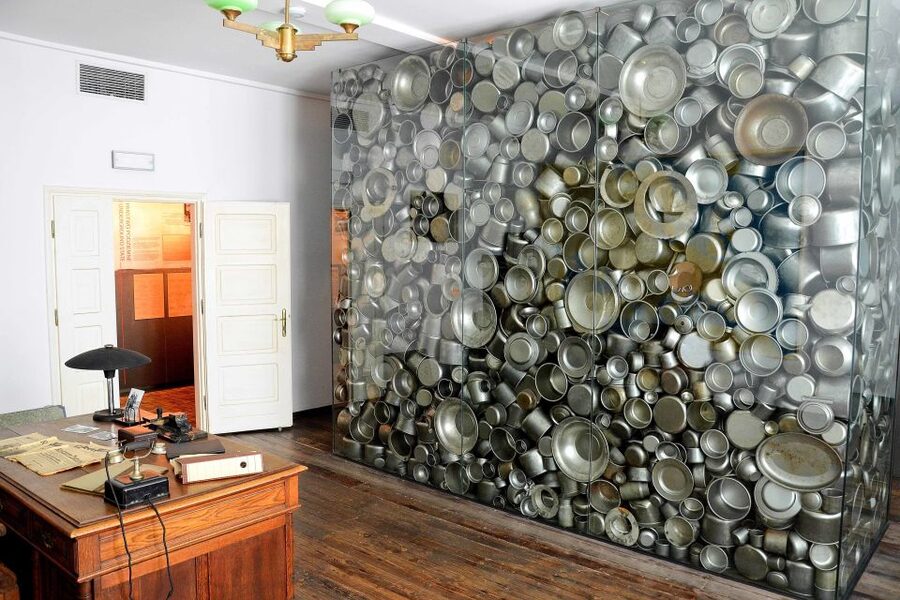
- The factory museum is mainly about wartime Krakow, not a preserved 1940s factory floor.
- A one-hour break in Podgórze gives you time for lunch, coffee, or a short rest between the two visits.
- The day ends at Schindler’s Factory, so plan a taxi back to your hotel if you are not staying nearby.
- Comfortable shoes matter, and the outing is not suitable for wheelchair users or anyone troubled by confined spaces.
Why this Krakow pairing works
Krakow offers plenty of easy city-center sightseeing, but these two places show a more complex side of the region. Wieliczka explains how salt shaped work, wealth, faith, and engineering over centuries. Schindler’s Factory shows what Krakow became during the Second World War, when daily life was controlled by Nazi occupation.
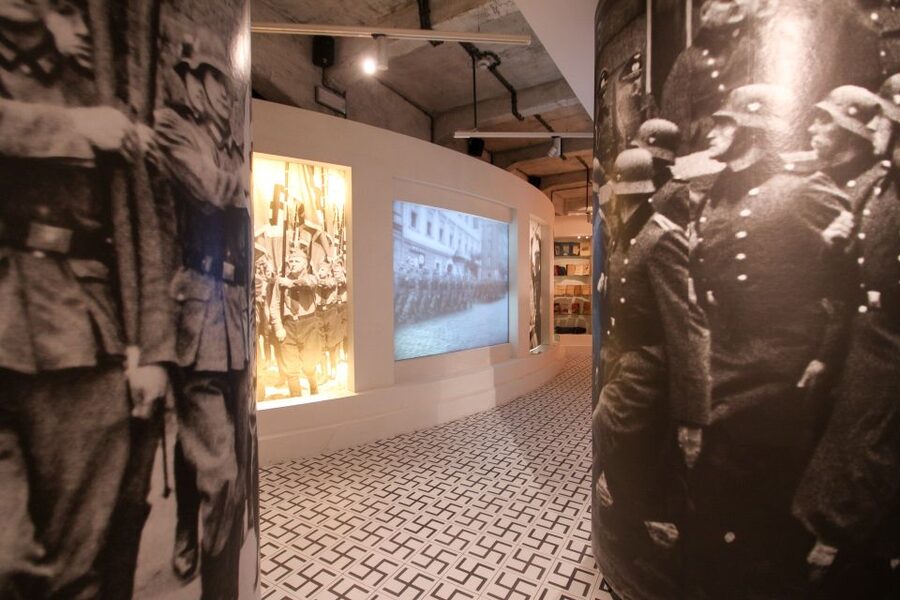
I like the contrast. In the morning, you follow a route through dark chambers cut from rock salt. In the afternoon, you walk through an indoor exhibition filled with photographs, documents, reconstructions, and stories of occupied Krakow. One stop is physical and dramatic. The other is sober and built around historical evidence.
The combination is also practical. You do not need to arrange separate buses, museum entries, or timed tickets. A tour host stays with you during the transfers, while official guides lead the visits at each site. That is useful if you have only a short stay in Krakow and want to fit both places into one day.
The tradeoff is mental and physical. The mine can feel long, especially with stairs and crowded passages. The factory requires time to read and absorb its displays. You may leave pleased that you saw both, but tired from trying to take in so much in a single outing.
More Salt Mine Tours in Krakow
- Salt Mine Guided Tour from Krakow (hotel pick up)
★ 4.5 · 495 reviews - Krakow: UNESCO Bochnia Salt Mine Tour & Boat Expedition
★ 5.0 · 284 reviews - Krakow: UNESCO Underground Boat Expedition & Salt Mine Tour
★ 4.7 · 197 reviews
Pickup, roads, and the first 40 minutes
Depending on the option you choose, pickup is available from your Krakow hotel or apartment, or you meet the group at the entrance to the Radisson Blu Hotel Krakow at the tourist bus stop. Be ready 15 minutes before the confirmed time. The operator can adjust pickup by up to an hour, with notice sent by email or WhatsApp if needed.
The drive to Wieliczka takes about 40 minutes. A modern vehicle handles the route, and an English-speaking host assists throughout the day. That removes the small but real stress of finding the mine entrance, buying tickets, and keeping track of a separate return journey.
Do not treat the pickup time as exact to the minute. Traffic and the day’s booking pattern can shift the schedule. Keep your phone available on the morning of the tour, and avoid planning a tight evening reservation.
The group may be small, but the sites themselves can be busy. That distinction matters. A small vehicle and helpful host do not guarantee a small group inside the mine or museum. The mine uses official routes, and the factory can gather several groups in a confined exhibition space.
Going underground at Wieliczka Salt Mine

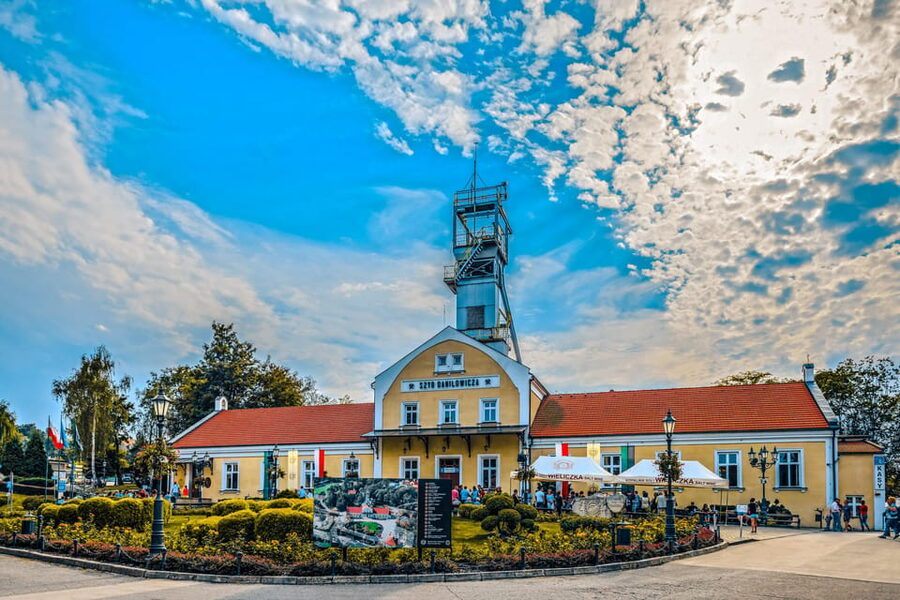
The mine was founded around 1044 and continued operating for centuries. Its network extends close to 300 kilometers over nine levels, reaching 327 meters below ground. You will not walk anything close to that full network, but the visitor route gives you a strong sense of its scale and working life.
The guided section lasts roughly two and a half hours, although the exact timing can change with crowd levels and site rules. You move through corridors and chambers while the guide explains how miners worked the salt and changed the underground spaces over time.
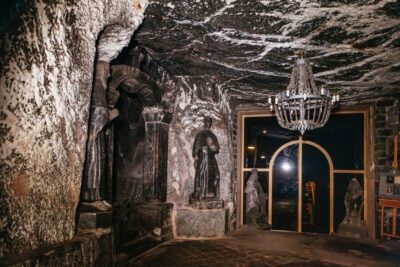
The mine is not just a sequence of bare tunnels. You can expect large chambers, salt lakes, sculptures, working displays, and chapels. The most famous stop is St. Kinga’s Chapel, an underground church shaped from salt. Its religious decoration and sheer size make it the moment many people remember most.
This is also where the headsets earn their keep. The guide’s voice can otherwise disappear in a large chamber or behind a group. Keep close enough for the receiver to work well. Past feedback has pointed to weak sound when a guide turns away or when people spread out, so do not assume the earpiece solves every problem.
The route includes stairs. One detailed account described a large descent and a small lift on the way back up, while other accounts simply emphasize the amount of walking. The exact route can vary, but you should be ready for a physically demanding visit. Bring shoes with good grip and do not pack a large bag, since luggage and large bags are not allowed.
Claustrophobia deserves serious thought here. Even though some chambers are broad and impressive, the experience begins in an underground environment with enclosed passages, crowds, and a long period below ground. If that prospect already makes you uncomfortable, choose another Krakow outing.
I like the mine best when you view it as a record of labor rather than only a photo stop. The polished chapels get the attention, but the tunnels and working areas show how generations of miners turned a natural resource into an industry. The guide’s commentary helps connect the theatrical sights with that practical story.
The break in Podgórze
After the mine, the vehicle takes about 30 minutes to Podgórze for a break of around one hour. This is the breathing space in an otherwise packed schedule. You can buy lunch, coffee, or tea, use the time to rest, and prepare for the more emotionally difficult afternoon.
Food and drinks are not included, so budget for them separately. The length of the break can change with road traffic and the amount of time spent at the mine. If you want a full sit-down meal, keep an eye on the clock rather than assuming the full hour is guaranteed.
This pause is useful because the two main visits demand different kinds of attention. After the mine’s stairs and underground route, you may need a proper rest. At the factory, rushing through the exhibits can leave you missing the details that give the museum its weight.
More ways to visit Schindler's Factory:
- Krakow: Oskar Schindler’s Factory Entry Ticket & Guided Tour
★ 4.2 · 3,793 reviews - Krakow: Schindler’s Factory Tour with Entrance Ticket
★ 4.5 · 3,182 reviews - Krakow: Schindler’s Factory Skip-the-Line Ticket
★ 4.4 · 3,105 reviews - Krakow: Schindler’s Factory Tour with Entrance Ticket
★ 4.6 · 1,737 reviews
What Schindler’s Factory really offers
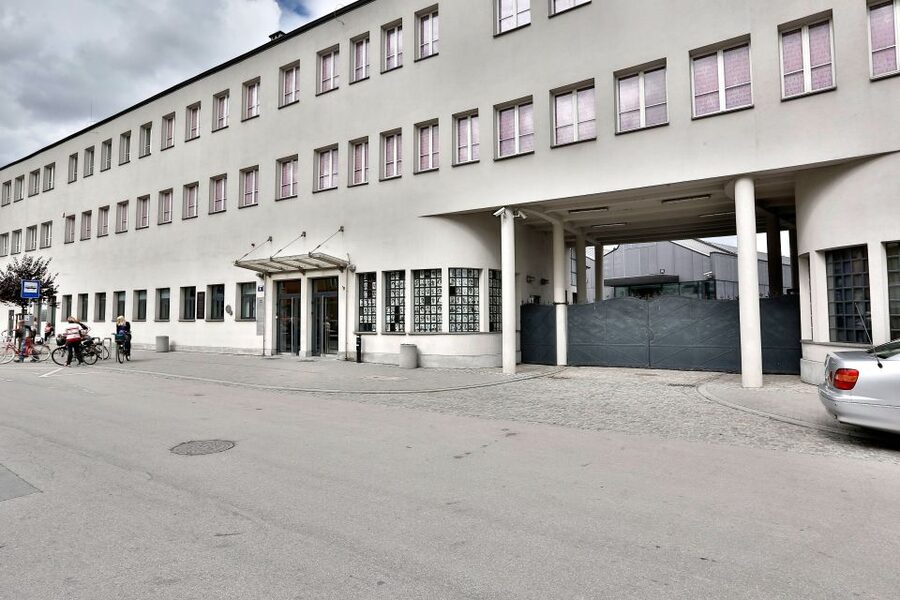
Oskar Schindler’s Factory is located in the former factory of the industrialist who helped save more than 1,000 Jewish people during the Holocaust. Its connection with the film Schindler’s List draws many people in, but the museum’s focus is broader than Schindler himself.
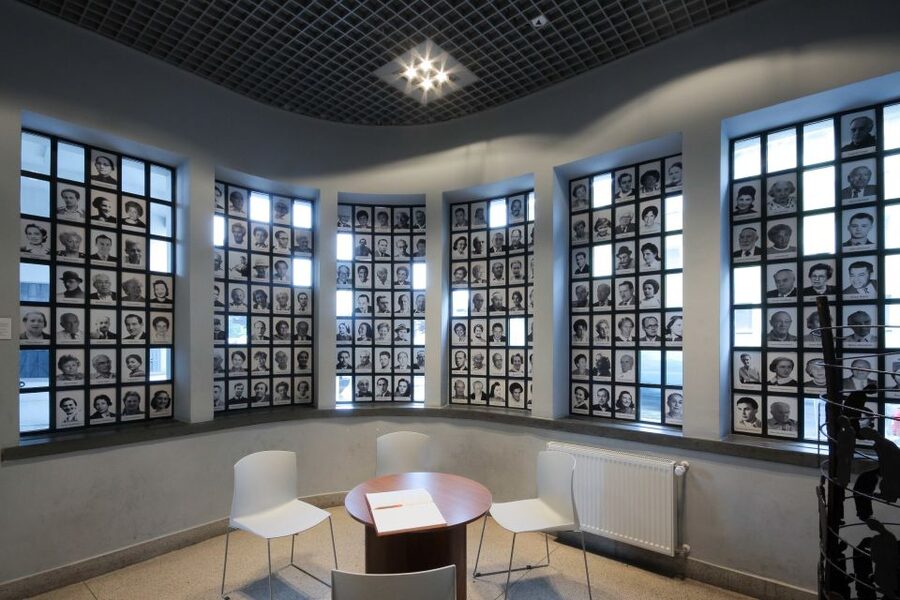
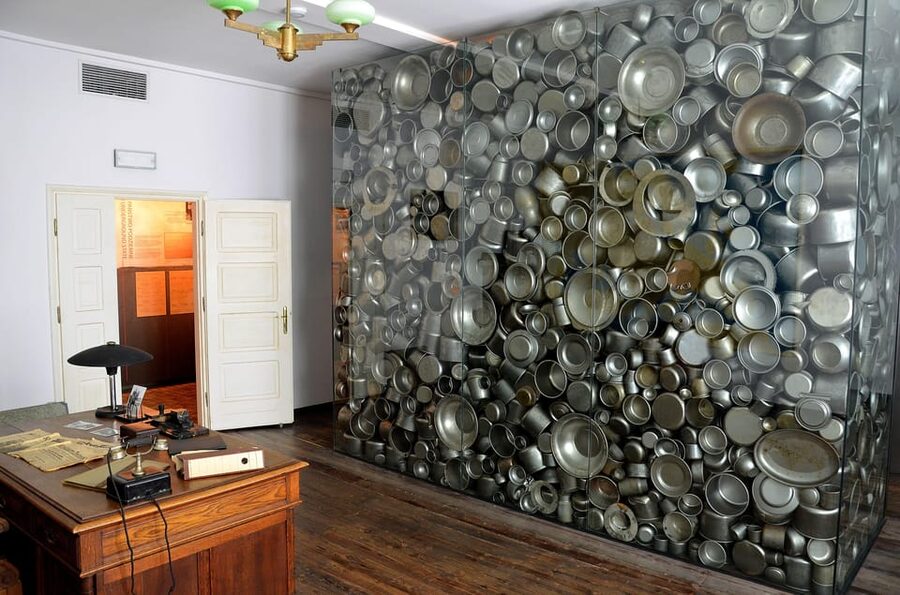
Expect an interactive exhibition about Krakow during the Second World War and the Nazi occupation. It uses photographs, documents, reconstructed settings, and other displays to explain how the city and its residents were affected. This is not a preserved factory experience where you simply walk through machinery and original production rooms.
That distinction is important. If you expect the whole museum to recreate Schindler’s factory in the 1940s, you may find the emphasis surprising. The stronger experience is the wider account of occupied Krakow, with Schindler as one important part of the story.
The planned guided visit lasts about an hour and a half. Depending on the group arrangement, you may have a guide leading you through the exhibition, or time to explore parts of it with less direct commentary. Some schedules have allowed only about an hour, which is not enough for every label and display.
Large groups are the main risk here. Narrow corridors and small spaces make it difficult to see the object being discussed if you are at the back. Stay near the guide when possible, and speak up quickly if you cannot hear. You may prefer a self-directed pace, but this combined outing is designed to keep the day moving.
I find the factory most valuable for its context. The exhibition helps you understand that wartime Krakow was not a distant backdrop to one famous individual. It was a city under occupation, with rules, fear, forced displacement, and choices that affected ordinary people.
Timing, walking, and group size
Seven hours sounds generous, but the day includes two transfers, two formal visits, a lunch break, and pickup logistics. The total duration is approximate. Traffic, museum controls, and the exact pace of the group can all change the finish time.
The mine is the more strenuous stop. You walk for hours and use stairs, with limited chances to pause for shopping or snacks. The factory is less about climbing but can still be tiring because you spend a long period standing and reading.
This is not a good choice for a wheelchair user, and it is poorly suited to anyone with limited mobility. It is also a demanding day for older people who do not enjoy sustained walking. That does not make the tour bad, but it does make the shoe advice important.
Group size affects both comfort and value. Small-group availability is offered, but the museum may combine groups or admit several parties at once. If having a quiet, slow museum visit is essential, separate bookings on different days may suit you better.
The guides are a major part of the experience. Guides such as Andrew and Jacob have received specific praise for clear English, practical help, and useful Krakow suggestions. You should still judge the guide service alongside the site conditions, since crowding and museum rules can limit even a good guide’s ability to speak to everyone.
Is the $89 price fair?
At $89 per person, the price is not the cheapest way to see either site. It becomes easier to justify when you count the mine and factory admissions, round-trip transport from Krakow, skip-the-line access, the English-speaking host, guided visits, and insurance.
The value is strongest for a first Krakow visit with limited time. You get the two major entries in one booking and avoid working out the Wieliczka transport on your own. The included headsets at the mine are another practical benefit.
The price is less attractive if you prefer to linger. The factory’s exhibition rewards slow reading, while the mine can feel rushed when several groups are moving through the official route. Paying for transport and convenience means accepting a fixed timetable.
There is also a cost in energy. You may not want another major sight after this outing. If you prefer two easy half-days, book the mine and factory separately, then give each one more breathing room.
What to bring and how to make the day easier
Bring a passport or ID card, comfortable shoes, and a camera. Do not bring large bags or luggage. Alcohol and drugs are not allowed.
Wear layers you can manage easily. The important point is comfort during a long day with underground walking, vehicle transfers, and museum time. Keep valuables compact, and avoid anything that makes stairs awkward.
Stay close to your mine guide and check that your headset is working. At the factory, stand where you can see the display being discussed, not just where you can hear a voice. If you want to read every panel, accept that the group pace may not allow it.
The final drop-off is at Schindler’s Factory. From there, you can order a taxi to your hotel for a few euros. Some arrangements may provide a hotel return, but the stated standard finish is the factory, so plan on that basis.
Who should book this tour?
I would choose this tour if you want Krakow’s two major out-of-center sights handled in one organized day. It suits first-time visitors, history-focused people, and anyone who values transport and timed entry more than an unhurried schedule.
I would think twice if you have limited mobility, dislike enclosed spaces, or want to read every museum panel. Families with older children may enjoy the variety, but very young children could find the mine’s long route and the factory’s serious subject matter tiring.
The strongest reason to book is the pairing. The mine offers spectacle and centuries of work. The factory offers a difficult but important account of wartime Krakow. The weakest reason is convenience alone, since convenience cannot prevent crowded galleries or a delayed schedule.
Book it if you can give the whole day to the experience, wear proper shoes, and accept that the route may move quickly. Skip it in favor of separate visits if personal pace and quiet museum time matter more than having both entries arranged for you.
FAQ
How long does the tour last?
The advertised duration is seven hours, including transport, the Wieliczka Salt Mine visit, the break in Podgórze, and the Schindler’s Factory visit. The exact timing can change because of traffic, site rules, and the pace of the guided visits.
Is hotel pickup available?
Pickup depends on the option selected. You may be collected from your Krakow hotel or apartment, or you may meet at the entrance of the Radisson Blu Hotel Krakow at the tourist bus stop.
Are meals included?
No. Food and drinks are not included. A break of about one hour is usually arranged in Podgórze between the two visits, giving you time to buy lunch, coffee, or tea.
Is the tour suitable for wheelchair users?
No. The tour is not recommended for wheelchair users. It also involves substantial walking and stairs, and the mine is not recommended for anyone with claustrophobia.
What language is the tour in?
The live tour is in English. An English-speaking tour host assists throughout the day, and professional guides lead the visits at both attractions.
Where does the tour finish?
The standard final drop-off is at Fabryka Emalia Oskara Schindlera, the location of Schindler’s Factory. From there, you can order a taxi back to your hotel for a few euros.
More Half-Day in Krakow
- Half-Day Krakow Food Tour in Old Town and Kazimierz
★ 5.0 · 186 reviews - Half-Day John Paul II Route Tour from Krakow
★ 5.0 · 3 reviews - Half-Day Dunajec River Rafting tour from Krakow
★ 5.0 · 3 reviews - From Krakow: Wieliczka Salt Mine Half-Day Guided Tour
★ 4.5 · 724 reviews
Just added around Krakow
- stag dog chase Krakow prank★ 5.0 · 4 reviews
- Divine Mercy Sanctuary – Private Tour from Krakow★ 5.0 · 4 reviews
- ZALIPIE – painted village, unique small group tour from Krakow★ 5.0 · 7 reviews
- ZALIPIE – painted village, unique PRIVATE tour from Krakow★ 5.0 · 20 reviews
- Zalipie Private Tour from Krakow The Painted Village★ 5.0 · 4 reviews
- Wooden Churches Unesco List Private Tour from Krakow★ 5.0 · 14 reviews
- Guided tour to Salt Mine & Schindler Factory with Pick-Up Options★ 4.0 · 58 reviews
- Wawel Castle, Cathedral, & Rynek Underground Tour with Lunch★ 5.0 · 4 reviews
Salt Mine Tours, compared.
Wieliczka Salt Mine Guided Tour with Transport
Read our review →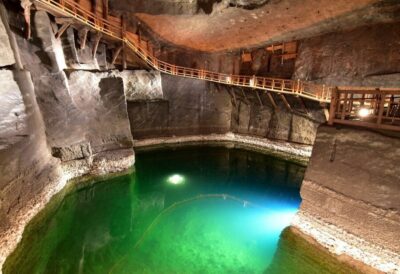
Wieliczka Salt Mine Fast-Track Ticket & Guided Tour
Read our review →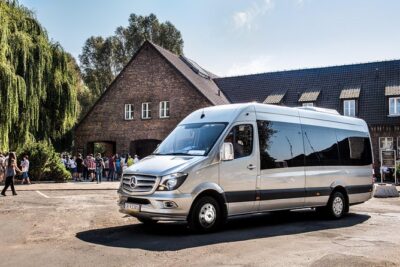
Day Trip: Auschwitz-Birkenau and Wieliczka Salt Mine from Krakow
Read our review →
Wieliczka Salt Mine Tour & Skip the Line Ticket
Read our review →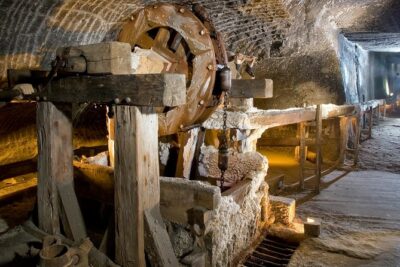
Krakow to Wieliczka: Salt Mine Guided Tour with Ticket & Transfer
Read our review →
Auschwitz-Birkenau & Salt Mine Full-Day Guided Tour
Read our review →Browse the lists this tour appears in