
Reviewed · FOOD & DRINK
Krakow: 4-Hour Polish Food Tour
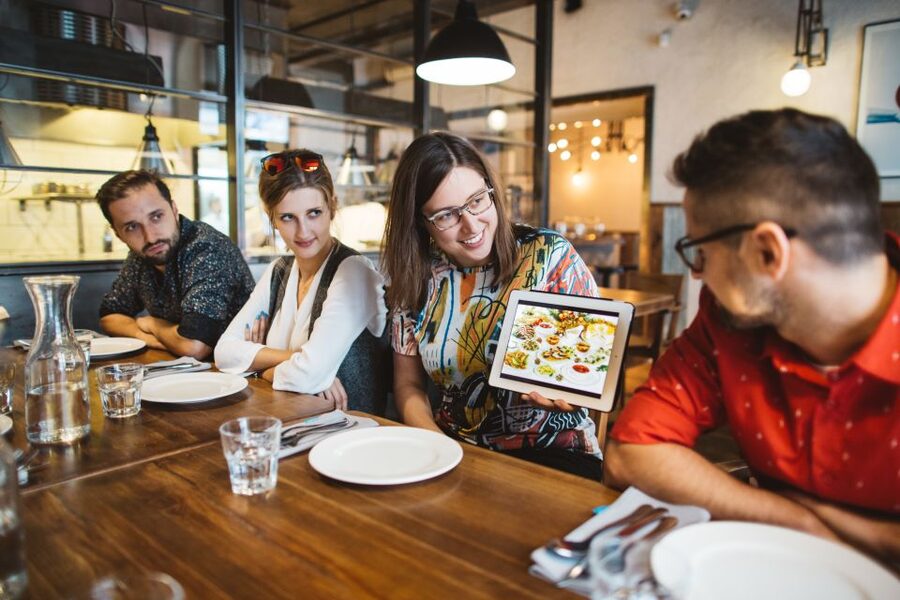
Polish food is far more than pierogi, and this four-hour walk makes that clear one generous plate at a time. From Kazimierz, you move through Krakow’s historic center for soups, cold meats, cheeses, street food, traditional main dishes, sweets, and possibly a Polish drink pairing. The portions are closer to a progressive dinner than a nibble-sized tasting menu.
I like the way guides such as Tomasz, Mateusz, and Camilla connect each dish to Polish customs and Krakow’s past. I also like the small group limit of eight, which leaves room for questions and gives the tour a relaxed, friendly feel. The main drawback is simple: this is a pork-centered food tour, so vegetarians may have limited choices, and anyone who eats a full lunch beforehand will struggle.
Key points at a glance
- Start in Kazimierz: Meet at Plac Wolnica by the statue of the three musicians, then walk through one of Krakow’s most atmospheric districts.
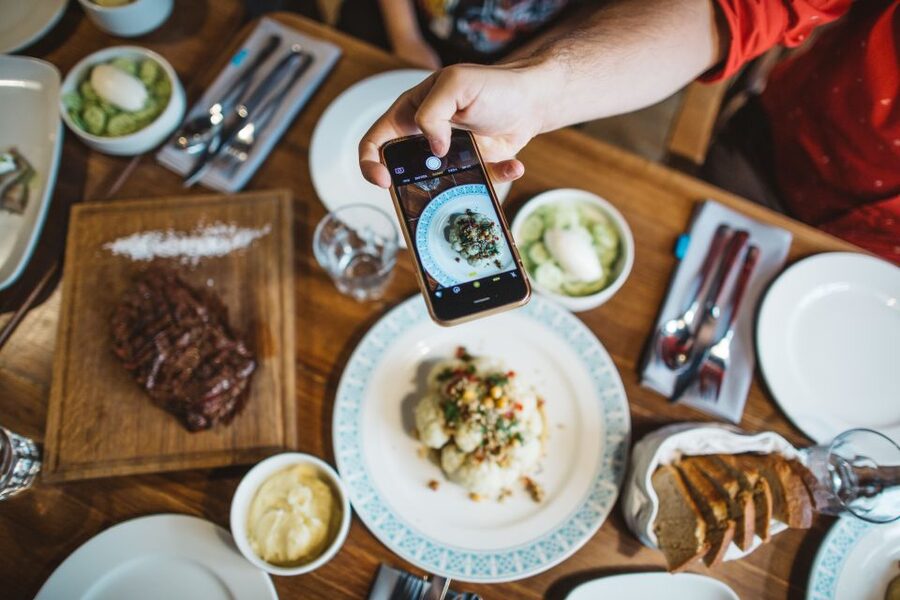
- Ten substantial tastings: Expect enough food for a full meal, including cold appetizers, soups, savory dishes, street food, and dessert.
- Food with context: Learn why fermentation is prized, why bread causes Polish complaints, and why some people miss food from the 1970s.
- A Polish and Vatican connection: The final sweet may include the cream cake associated with Pope John Paul II.
- Small-group attention: With no more than eight participants, the guide can keep the conversation informal and answer individual questions.
- Four-hour walking meal: Bring comfortable shoes, skip lunch, and allow room for the route through Kazimierz and the Old Town.
Starting at Plac Wolnica in Kazimierz
The tour begins on Plac Wolnica, in Krakow’s Kazimierz district. Look for the guide by the statue of the three musicians, past the Ethnographic Museum, which occupies the old town hall. The meeting point is in the shade of the trees and is straightforward to find, but arrive with enough time to orient yourself before the group sets off.
Kazimierz is a good place to begin a food tour because the district brings together several layers of Krakow’s story. You are not simply walking between restaurants. The route uses the streets and landmarks around you as part of the lesson, then continues toward the Old Town and its Baroque and Renaissance sights.
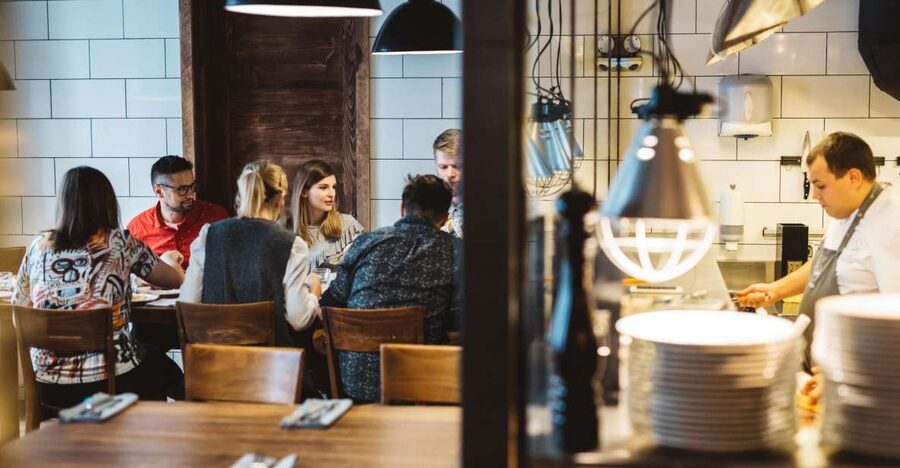
The group is limited to eight people. That matters here. A food tour involves questions about ingredients, customs, and unfamiliar dishes, and a smaller group makes it easier to hear the guide and speak up. The tone is intended to feel more like an informal walk with a well-informed local than a speech delivered to a crowd.
More Food Tours in Krakow
- Krakow Food Tasting Tour with Delicious Poland
★ 5.0 · 1,032 reviews - Krakow: Street Food Walking Tour
★ 4.8 · 285 reviews - Half-Day Krakow Food Tour in Old Town and Kazimierz
★ 5.0 · 186 reviews
Four to six stops, not ten rushed bites
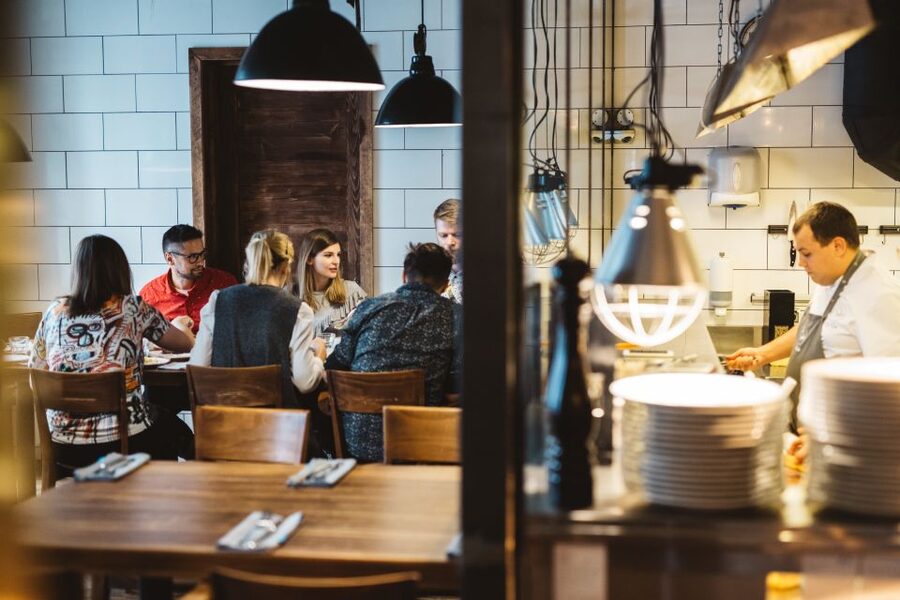
The tour visits four to six carefully selected food venues. This is important because the number of tastings does not mean ten hurried samples from one counter. The stops may include food stalls, cafes, traditional restaurants, and more modern dining rooms, giving you a useful sense of how Polish food appears in different settings.
At one stop, you might receive a traditional street-food item. Another may focus on soup, followed by a sit-down plate of meat, potatoes, groats, vegetables, or another regional preparation. The tour also includes cold meats, cheeses, spreads, bread, and a sweet course. One earlier version of the route included aged salted beef, potato purée, garlic broccoli, groats with blue cheese, soda bread, and a selection of cold foods.
The exact order and dishes can depend on the venues available that day, but the structure is clear: you will taste across the Polish table rather than sample one category repeatedly. That variety is one of the strongest reasons to book this instead of simply ordering pierogi at a restaurant.
Plan your appetite carefully. The food is described as enough for a full meal with dessert, and the Polish hosting tradition favors serving far too much rather than too little. Eat breakfast, then skip lunch. A small snack before the tour is sensible if you need one, but arriving hungry is the practical move.
Soups, fermentation, and the logic of Polish cooking
Soup is a major part of Polish food culture, and the tour gives it proper attention. You might try more than one traditional soup, with the guide explaining the ingredients and the role these dishes play in everyday meals. The point is not just to identify flavors. You learn why soups suit Poland’s climate and food traditions, and how simple ingredients can produce very different results.
Fermentation is another useful theme. Polish cooking uses fermented foods in ways that may be unfamiliar if you associate the word only with spoilage. The guide explains why fermented does not mean gone off, and how preservation shaped the food people ate through the year.
You also hear about bread, including the slightly comic Polish habit of complaining that modern bread is not as good as it used to be. Food here carries memory. Some people even long for products made in the 1970s, not because every old food was better, but because familiar tastes can bring back a particular period of life.
That social side gives the tour more weight than a standard restaurant crawl. You are not only told what is on the plate. You get a sense of how Polish people talk about food, what they value, and how history affects their expectations.
The progressive dinner through Krakow
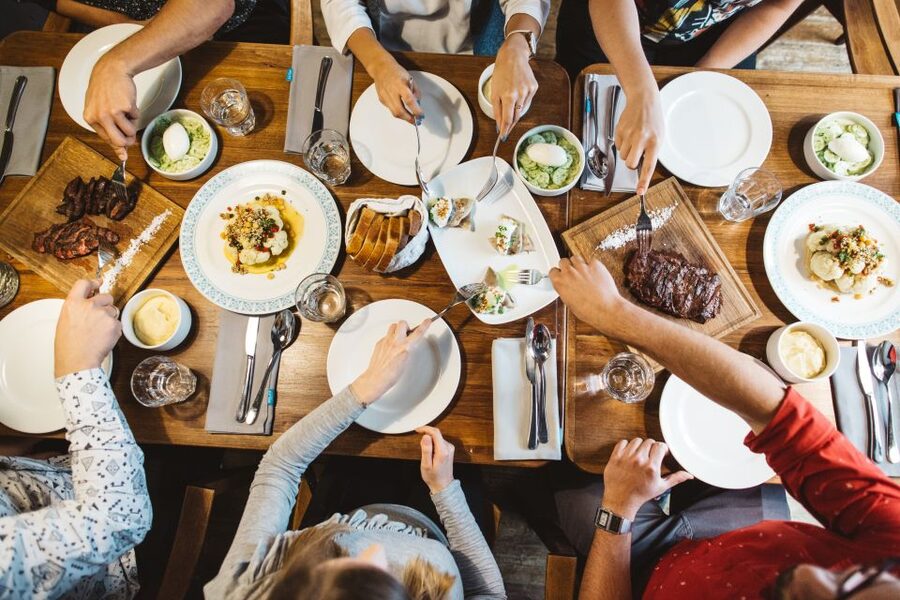
A major strength is the pace. You eat, walk, sit down again, and talk. The movement between venues helps prevent the tour from becoming four hours at one table, while the walking gives you time to digest before the next course.
The route also functions as a gentle introduction to central Krakow. From Kazimierz, you walk toward the Old Town, passing historic streets and architectural sights along the way. The tour is not primarily a city sightseeing walk, so you should not book it as a substitute for a dedicated Krakow history tour. Still, food gives the guide a natural reason to explain local customs, landmarks, and the development of the city.
I like this combination for a first or second day in Krakow. You get a meal, a lesson in Polish culture, and a rough sense of where different parts of the center fit together. You also receive advice about places to eat afterward, which can help shape the rest of your stay.
Comfortable shoes are a good idea. The walking is not presented as strenuous, but the tour covers several locations and includes enough time on city streets to make flimsy footwear annoying.
Same city, a completely different kind of day:
- Kraków: Evening or Night River Cruise
★ 4.0 · 7,386 reviews - Krakow: Oskar Schindler’s Factory Entry Ticket & Guided Tour
★ 4.2 · 3,793 reviews - Krakow: City Sightseeing Tour by Electric Golf Cart
★ 4.5 · 3,264 reviews - Krakow: Schindler’s Factory Tour with Entrance Ticket
★ 4.5 · 3,182 reviews
The dishes: from cold plates to hearty mains
The cold-food course can include meats, cheeses, spreads, and bread. It is a useful contrast to the hot dishes because it shows how Polish meals build variety through texture and preservation. Expect savory flavors and ingredients that may be more familiar in combination than on their own.
The hot dishes are where the meal becomes especially filling. Traditional Polish cooking often leans toward pork, potatoes, grains, dairy, and vegetables prepared for comfort rather than delicacy. You may encounter salted or aged meat, potato purée, groats, blue cheese, or cooked vegetables. These dishes are substantial, so pace yourself early.
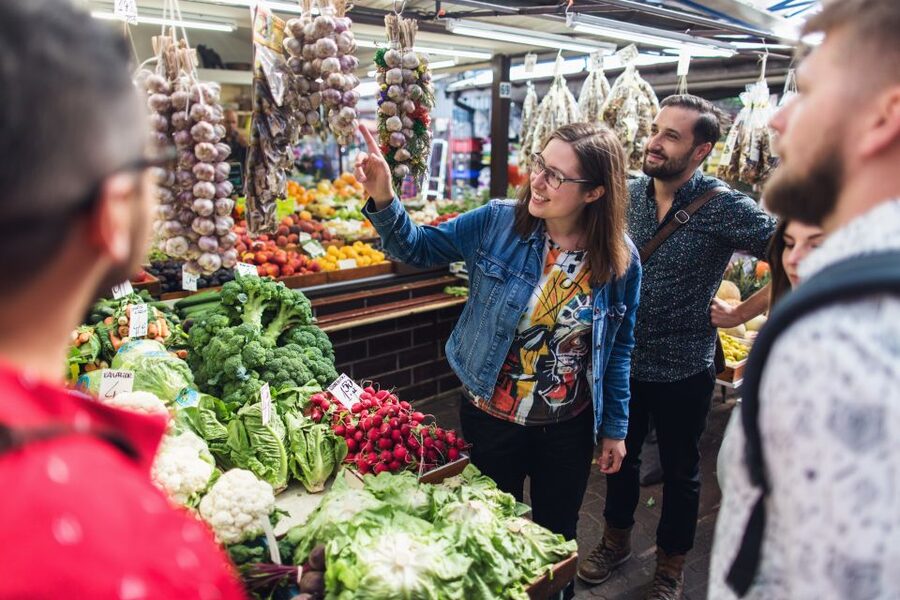
The tour description also promises regional delicacies and street food. That broad mix is valuable because food in Krakow is not confined to formal restaurants. A stall or casual counter can tell you as much about local habits as a cellar dining room.
Do not expect every plate to suit every palate. Polish food can be salty, sour, smoky, heavy, or strongly fermented. That is part of the point, but it means the experience is better for curious eaters than for anyone seeking a light, predictable meal.
Dessert with a Vatican connection
The sweet course gives the tour a memorable finish. A traditional Krakow cream cake is linked with Pope John Paul II, who was born in Poland and is closely tied to the country’s modern religious and cultural identity. The guide explains the connection between the dessert and the Vatican, adding a personal story to what might otherwise be just another pastry.
Earlier versions of the experience also included homemade ice cream. You may find a similar sweet stop, but the safest expectation is a traditional dessert tied to Polish culture rather than a fixed pastry menu.
Ending with dessert works well after the heavier savory courses. It also gives you a clear example of how food can carry national meaning without being formal or grand. A simple cake can become part of a story about a major Polish figure and the country’s place in the Catholic world.
Drink pairings and dietary limits
Water is provided at most venues. You can also select an option that includes three Polish drink pairings. Additional drinks cost extra, so check the booking choice carefully if trying local beverages is important to you.
Past descriptions of the route included a vodka shot served with cold foods, along with an explanation of the tradition behind it. The included pairings may vary, but the point is to show how drinks fit into Polish hospitality and meals, not simply to add alcohol to the day.
This is not an easy tour for vegetarians. The food is based on pork, and many of the traditional dishes will not be suitable. Tell the operator about allergies in advance so the menu can be adjusted. The supplied information does not promise a fully vegetarian route, so vegetarians should ask before booking rather than assume substitutions will cover every course.
The same advice applies to anyone with serious dietary restrictions. The tour moves through several venues, and the guide needs notice to plan changes safely. If a participant behaves in a way that interferes with the tour or creates a safety issue, the guide can ask that person to leave, with no refund on safety grounds.
Is $115 a fair price?
At $115 per person, this is not the cheapest way to eat in Krakow. You can order individual Polish dishes for much less. The value comes from the amount of food, the number of venues, the guide’s explanations, the walk through central Krakow, and the written information supplied afterward.
Ten dishes over four hours is close to a full meal with dessert, not a series of tiny samples. If you choose the drink-pairing option, the price also includes three Polish drinks. The small group limit adds practical value because you are not paying for a large, impersonal food walk.
I would compare the price with what you might spend on several meals and a separate guided experience. If you already plan to eat at good local restaurants and do not care about the cultural explanations, the cost may feel high. If you want an efficient introduction to Polish food and prefer having someone select the stops, it is easier to justify.
The written food summary and restaurant recommendations are useful extras. They give you names and ideas to use later, although one past participant had trouble receiving the follow-up email. Keep an eye out for the information after the tour and contact the provider if it does not arrive.
The guides make the difference
The strongest part of this experience is the guiding. Tomasz is repeatedly described in the supplied material as friendly, relaxed, passionate about Polish cuisine, and good at connecting food with history and tradition. Mateusz and Camilla are also named as guides who bring warmth and cultural context to the experience.
That style matters. Food tours can become a string of memorized speeches. Here, the intended approach is conversational, with time to sit, ask questions, and discuss what you are eating. One small private group even found the experience comfortable because the guide’s explanations felt like a casual conversation rather than a formal lecture.
Guide assignments can change, so you should not book solely on the promise of one particular person. Still, the repeated emphasis on relaxed, personal guiding is a strong sign of what the operator is trying to provide.
Who should book this Krakow food tour?
I would choose this tour if you want a first taste of Poland that goes beyond the familiar pierogi stereotype. It suits curious eaters, couples, solo visitors, and small groups who like learning the story behind a dish while they eat.
It is especially useful early in a Krakow stay. You will get restaurant suggestions, learn which foods to look for, and walk through Kazimierz and the Old Town with some local context already in place.
I would hesitate if you are vegetarian, need a strictly controlled diet, dislike pork, or prefer a light lunch. I would also skip it if you want a focused history tour or a short tasting session. Four hours is a serious commitment, and the portions are serious too.
Should you book it?
Book it if you want a generous, social introduction to Polish food with a guide who explains customs as well as ingredients. The ten tastings, four to six venues, small group, and Old Town walking route make this more than a simple meal.
Arrive at Plac Wolnica hungry, wear comfortable shoes, and choose the drink-pairing option if Polish beverages matter to you. If you can eat pork and enjoy hearty food, the $115 price is reasonable for a full meal plus cultural guidance. If you need vegetarian or highly controlled dietary options, ask before booking or choose another experience.
FAQ
Where does the Polish food tour meet?
Meet at Plac Wolnica in Krakow’s Kazimierz district. The guide waits by the statue of the three musicians, past the Ethnographic Museum, which is located in the former town hall.
How long does the tour last?
The tour lasts four hours. Starting times vary, so check availability when booking.
How much food is included?
The tour includes 10 food tastings across four to six venues. The portions are intended to provide a full meal with dessert, so you should eat breakfast and skip lunch beforehand.
Are drinks included?
Water is available at most venues. Three Polish drink pairings are included only with the option that specifically includes pairings. Additional drinks are not included.
Is the tour suitable for vegetarians?
Many dishes are based on pork, so vegetarians may find that several tastings are unsuitable. Tell the operator about dietary needs and allergies in advance so the menu can be adjusted where possible.
Can I cancel the booking?
You can cancel up to 24 hours before the tour for a full refund. You can also reserve now and pay later, which keeps your plans flexible.
Just added around Krakow
- stag dog chase Krakow prank★ 5.0 · 4 reviews
- Divine Mercy Sanctuary – Private Tour from Krakow★ 5.0 · 4 reviews
- ZALIPIE – painted village, unique small group tour from Krakow★ 5.0 · 7 reviews
- ZALIPIE – painted village, unique PRIVATE tour from Krakow★ 5.0 · 20 reviews
- Zalipie Private Tour from Krakow The Painted Village★ 5.0 · 4 reviews
- Wooden Churches Unesco List Private Tour from Krakow★ 5.0 · 14 reviews
- Guided tour to Salt Mine & Schindler Factory with Pick-Up Options★ 4.0 · 58 reviews
- Wawel Castle, Cathedral, & Rynek Underground Tour with Lunch★ 5.0 · 4 reviews
Food & Drink, compared.
Zakopane, Thermal Springs, Cable Car, Local Tasting
Read our review →
Krakow to Zakopane: Funicular, Tasting and Thermal Baths Day Trip
Read our review →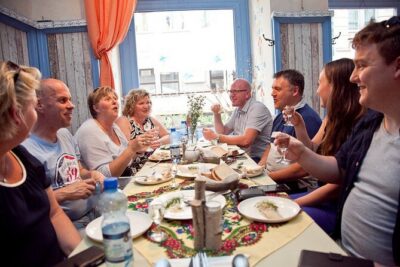
Krakow Food Tasting Tour with Delicious Poland
Read our review →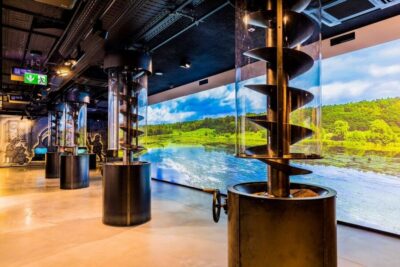
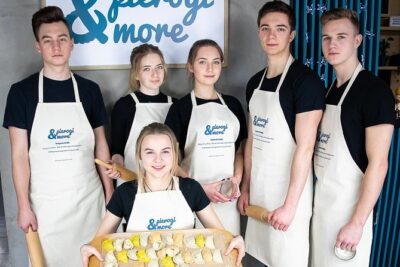
Warsaw’s No 1 cooking class-Polish dumplings with liqueur tasting
Read our review →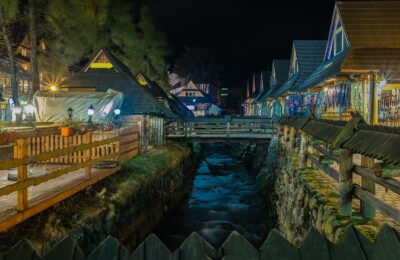
ZAKOPANE & THERMAL SPRINGS, Funicular, Cheese Tasting
Read our review →
Half-Day Polish Food Walking Tour with Guide and Dinner
Read our review →
Zakopane Tour with Cable Car, Tasting & Hotel Pickup
Read our review →Browse the lists this tour appears in