
Reviewed · AUSCHWITZ TOURS
Krakow to Auschwitz Birkenau and Salt Mine 1 Day Tour
Two UNESCO World Heritage Sites, one very long day: this tour pairs the solemn Auschwitz-Birkenau memorial with the remarkable Wieliczka Salt Mine. You move from the ruins of gas chambers and crematoria to underground chapels, salt sculptures, lakes, and old mining equipment.
I like the practical pairing of round-trip transport from Krakow and site guides who handle the details once you arrive. I also like that the day suits a short stay, when giving Auschwitz and the mine separate days may not fit your plans.
The trade-off is clear: 11 to 12 hours can become 13, especially with early pickup, queues, traffic, or museum scheduling. Add roughly 28,000 steps, 700 stairs, and two emotionally or physically demanding attractions, and this is not a light sightseeing day.
Key points before you book
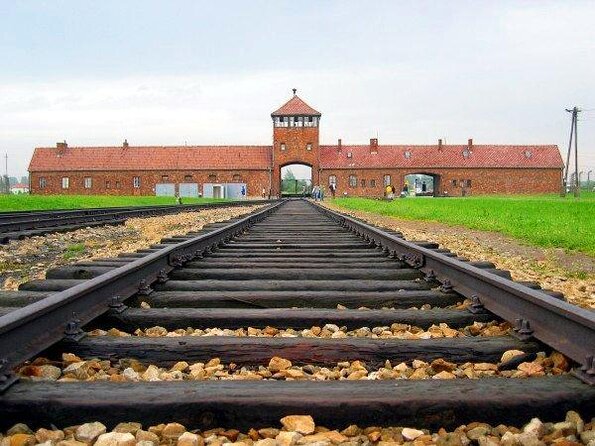
- Auschwitz and Birkenau come first: Plan for about two hours at Auschwitz I and one hour at Birkenau, with a museum guide.
- Wieliczka requires serious walking: The underground route covers about 3 km and begins with roughly 700 steps down.
- Pickup time can be very early: Your final pickup time may arrive after 5 pm the day before, and some departures begin around 3 or 4 am.
- The day is not always predictable: Museum entry slots, queues, road conditions, and transfers can change the order and length.
- Small bags only at Auschwitz: Bags are limited to about 30 by 20 by 10 centimetres, although you can leave larger items in the vehicle or luggage storage.
- The guides are a major part of the experience: Names associated with particularly strong tours include Daniel, Joanna, Charlie, Jacob, Andrew, and Justyna.
Why combine Auschwitz with the Wieliczka Salt Mine?
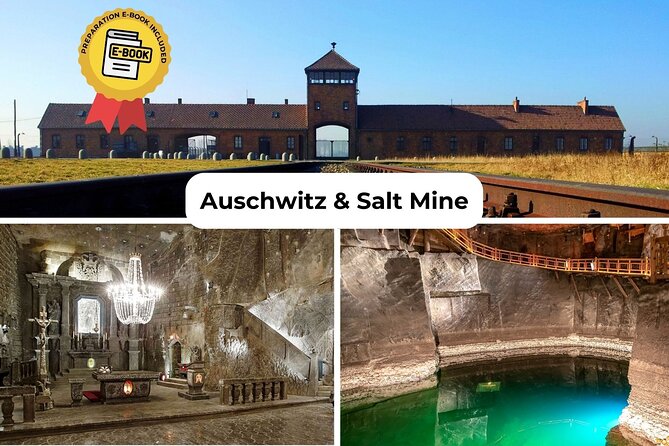
These are very different places, and that contrast gives the day its shape. Auschwitz-Birkenau asks you to confront the crimes of Nazi Germany and the suffering of the people imprisoned and murdered there. Wieliczka shifts the focus to centuries of mining, craftsmanship, religion, and underground work.
I find the combination useful if your time in Krakow is tight. You can see two of southern Poland’s most important sites without arranging separate transport, buying different transfers, or working out the connection between them yourself.
Still, convenience comes at a cost. Auschwitz deserves quiet attention, while Wieliczka involves stairs and a long walking route. By the end, you may feel that both places needed more breathing room.
If you have several days in Krakow, I would prefer one site per day. If you have only a short visit, this is an efficient way to cover both, provided you accept the demanding schedule.
More Salt Mine Tours in Auschwitz:
- Krakow: Auschwitz-Birkenau and Salt Mine Guided Tour
★ 4.7 · 9,020 reviews - Day Trip: Auschwitz-Birkenau and Wieliczka Salt Mine from Krakow
★ 4.5 · 4,282 reviews - Kraków: Auschwitz-Birkenau & Salt Mine Full-Day Guided Tour
★ 4.7 · 2,887 reviews
Entering Auschwitz I and Birkenau
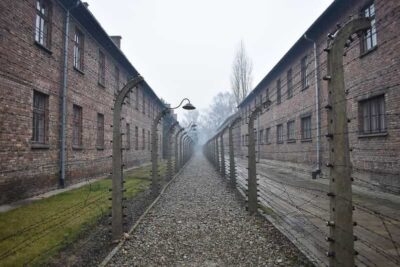
The Auschwitz section begins at the museum complex, which covers about 191 hectares. Auschwitz I includes preserved buildings, camp structures, exhibits, and remains connected with the camp system. Your English-speaking guide explains what you are seeing and places the buildings and objects within the wider history of World War II.
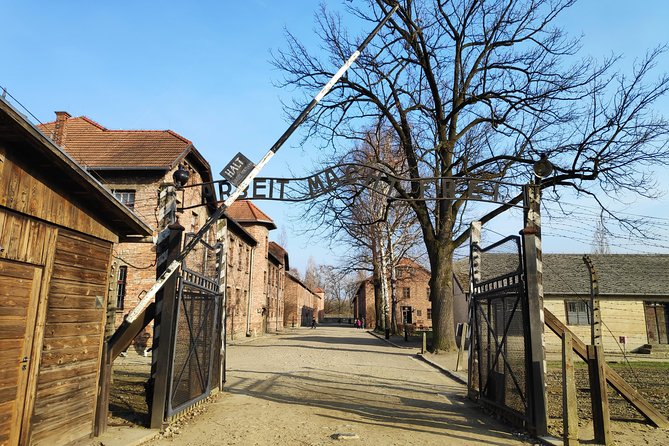
This is not a casual walk through an old military site. You may see the ruins of gas chambers and crematoria, along with other remains of the camp. The material is disturbing, and the guide’s tone matters. The strongest guides are clear, restrained, and careful with the subject.
The first part usually lasts about two hours. After that, the tour continues to Auschwitz II, Birkenau, for roughly one hour. Birkenau’s scale is different from Auschwitz I, and the open grounds make the size of the camp system easier to grasp.
The complex is connected with the deaths of around 1.2 million people. Numbers can feel abstract, but walking through the grounds, seeing the barracks and ruins, and listening to the guide gives that history a physical setting.
Guides named Joanna have received particular praise for explaining both Auschwitz and Birkenau with care. Daniel has also been singled out for keeping the day organized and explaining what would happen next. The quality of the site guide can shape your experience, but you should also expect the museum’s own rules and timing to control the visit.
Why Auschwitz requires patience and respect
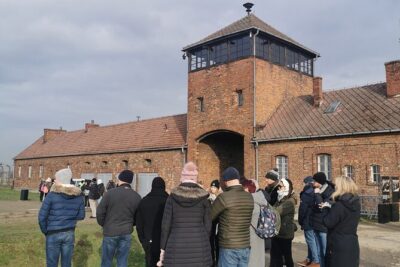
Entry is not always immediate. The museum can be crowded, and waiting before your assigned tour may be part of the day. The waiting area may not offer much shelter, so bring warm clothing, rain protection, or sun cover according to the forecast.
The museum sets the pace and duration of the visit. You cannot simply wander off for a long break or adjust the schedule whenever you wish. That structure can feel restrictive, but it helps manage a site that receives many people each day and requires respectful conduct.
Please dress suitably for a memorial site. The experience is emotional, and the setting calls for quiet behavior. Photography rules and expectations around exhibits should be taken seriously.
The bag rule is especially important. Auschwitz permits only small bags of about 30 by 20 by 10 centimetres, roughly 12 by 8 by 4 inches. You can leave larger luggage in the vehicle or use the museum’s luggage storage, but it is easier to pack lightly from the start.
The Wieliczka Salt Mine route
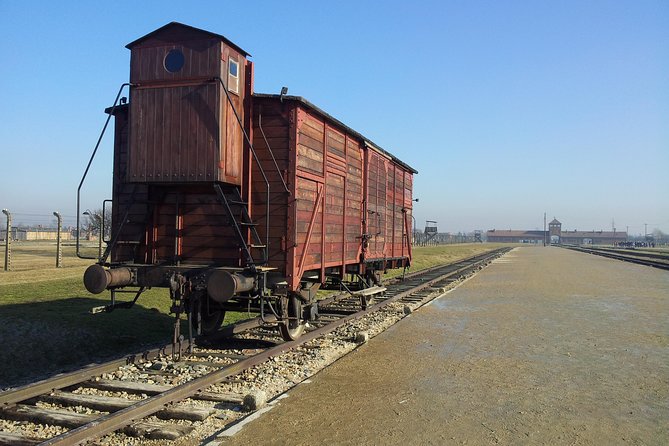
After Auschwitz and Birkenau, the day continues to Wieliczka. The salt mine began excavation in the 13th century and later had wartime connections, including use by the Nazis as an armament factory.
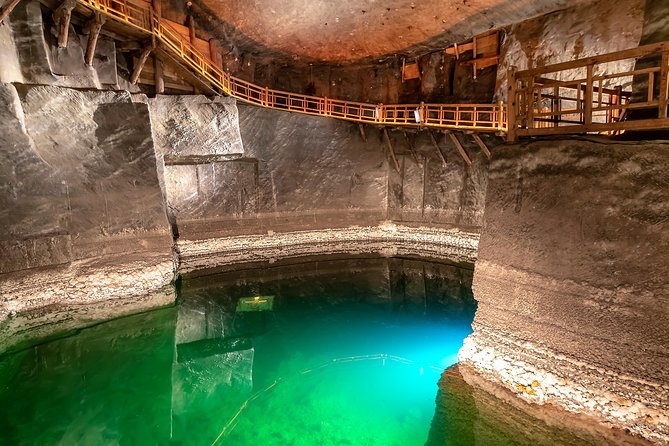
The guided underground route covers about 3 km. Along the way, you may see chambers, chapels, underground lakes, sculptures carved from rock salt, shafts, and old mining technology. The mine is impressive because the work was practical first, yet miners also created spaces with artistic and religious meaning.
A guide leads you through the route, which matters underground. There are many chambers and passages, and a guide keeps the group moving in the right direction while explaining how the mine operated.
The stairs are the main physical challenge. You descend about 700 steps at the beginning, though the exact number can vary slightly by route and description. At the end, an elevator brings you back to ground level, so you do not climb all the way out.
The mine section lasts about three hours. You will want comfortable shoes, steady footing, and enough energy left after Auschwitz. The route is not a good match for someone who struggles with extended walking or stairs.
More Day Trips in Auschwitz:
- Krakow: Auschwitz-Birkenau Day Trip with Tour Leader
★ 4.3 · 5,452 reviews - From Krakow: Auschwitz and Wieliczka Salt Mine Full-Day Trip
★ 4.7 · 1,071 reviews - From Krakow: Auschwitz and Wieliczka Salt Mine Full-Day Trip
★ 4.6 · 731 reviews - 1 Day Trip Auschwitz Birkenau and Salt Mines with Hotel Transfer
★ 4.5 · 652 reviews
Transport, group size, and the pace of the day
The tour uses an air-conditioned vehicle and includes transportation between Krakow and both sites. The maximum listed group size is 30 people, though the vehicle can vary. Some departures use a 19-seat minibus, while others may use a smaller seven-seat vehicle.
Vehicle comfort can matter on the road to Auschwitz. The drive from Krakow can take around an hour and a half, and a full minibus may feel cramped, especially if you are tall or need more personal space. Larger coaches used later in the day may feel more comfortable.
The transfer guide may keep the group informed without giving a full historical talk on the journey. At the sites, separate museum guides lead the actual visits. If you expect a continuous lecture from Krakow through every stop, adjust that expectation.
Strong tour leaders have included Daniel, Andrew, and Justyna. Justyna has been praised for helping with practical problems and making transfers easier. Charlie has also been noted for being helpful and interesting, while guides named Joanna have received warm praise at both the memorial and mine.
The exact order and pickup time are not fully fixed. You can select a preferred time, but museum ticket and guide availability decide the final schedule. The confirmed pickup time is sent after 5 pm the day before, and an early start around 3 or 4 am is possible.
That uncertainty is worth taking seriously. A scheduled 9 am pickup can change to 7 am, and road closures or missed entry slots can push the day later. The tour may still work well, but you need flexibility rather than a firm evening plan in Krakow.
Food, breaks, and what to carry
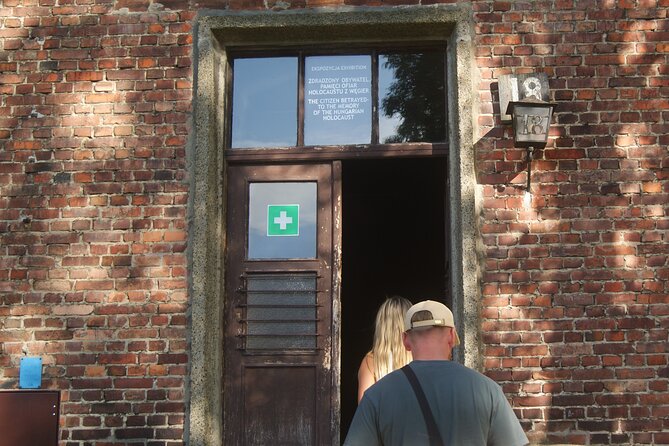
Food and drinks are not included unless you choose the lunchbox option. If you select a lunchbox, provide dietary restrictions by 5 pm the day before. Otherwise, the standard option includes ham.
Bring your own water and food if you prefer control over what you eat. There may be snack shops, but neither site should be treated as a place for a relaxed meal. A simple packed meal can help you move between stops without losing time.
Breaks are built into the day, including time before or after the site visits. Still, the schedule can leave little room for a long lunch. The best plan is to eat when you have the chance rather than waiting for a perfect restaurant stop.
Wear comfortable shoes and dress for the weather. The Auschwitz grounds include outdoor walking, and the mine involves stairs and a long underground route. Warm clothing, rain protection, or sun cover can make the waiting periods much easier.
You should also tell the operator your accommodation details at least 24 hours before the tour. This helps them assign the nearest pickup point. At the end, the activity may finish at a different location from the start, so check the drop-off details and be prepared to make your own way back to your accommodation.
Is $314.42 good value?
At $314.42 per person, this is not a cheap day trip. The price needs to cover transport, museum and mine admission, guides, and the coordination required to fit two major sites into one schedule.
I see the strongest value in the time saved. You avoid arranging separate buses or trains, buying admission on your own, and finding your way through the mine. For a short Krakow visit, that convenience can justify the price.
The value is less convincing if you have plenty of time. Two separate tours may give you more rest and more space to process Auschwitz before moving on to another attraction. You also reduce the risk that a delayed morning leaves you exhausted for the salt mine.
Lunch is an extra consideration. If you choose the lunchbox, confirm that it is included in your booking and state dietary needs early. A missed lunchbox has caused real inconvenience on some departures, although the operator has sometimes arranged a refund or replacement.
I would also compare the exact vehicle, pickup point, and cancellation terms before paying. The tour offers free cancellation up to 24 hours before the start time, but changes or cancellations inside that period are not accepted. If the minimum number is not reached, the operator offers another date or a full refund.
Who should choose this tour?
I would choose this experience if you have limited time in Krakow, want both sites, and prefer having transport and admission organized for you. It also suits people who value an English-speaking guide at both locations rather than visiting without context.
It works best for people with moderate physical fitness. You may walk for many hours, descend around 700 stairs, stand during waits, and spend much of the day outdoors or underground.
I would hesitate if you are older, tire easily, have difficulty with stairs, or need a predictable finish time. One person reported around 28,000 steps over roughly 13 hours, which gives a more useful picture than the advertised duration alone.
Families should read the ticket details carefully. Children aged 3 to 11 receive an entrance ticket without the receiver and headphones at Auschwitz. If you want a child to use a headset, book a youth ticket instead.
Youth-ticket discounts require a valid student ID on the day. Without it, you may need to pay the difference to an adult ticket.
Final verdict: book it for convenience, not comfort
This is a powerful and useful Krakow day tour, but it is not an easy one. Auschwitz-Birkenau is serious, emotional, and essential for many people who want to understand this part of European history. Wieliczka then offers a remarkable change of subject, with underground chambers and sculptures shaped by generations of miners.
I like the strong guides, included transport, and chance to see both UNESCO sites in one day. I also appreciate that guides such as Daniel, Joanna, Charlie, Jacob, Andrew, and Justyna have helped make the day clearer and more manageable.
Book it if your Krakow schedule is short and you can handle an early start, long transfers, queues, walking, and stairs. Skip the combination and split the sites across two days if you want time to reflect, eat properly, and enjoy each place without watching the clock.
FAQ
How long does the tour last?
The stated duration is about 11 to 12 hours, but the day can run closer to 13 hours because of museum scheduling, queues, traffic, or delayed transfers.
What sites does the tour visit?
The tour visits Auschwitz I, Auschwitz II Birkenau, and the Wieliczka Salt Mine.
Is transport from Krakow included?
Yes. An air-conditioned vehicle and round-trip transfers are included. Hotel pickup is included only if you select that option.
Is the tour offered in English?
Yes. The experience is offered in English, with English-speaking guides at the sites.
How early can pickup be?
Pickup may be very early, sometimes around 3 or 4 am. The final pickup time is sent after 5 pm on the day before the tour.
How much walking is involved?
Auschwitz includes walking across a large memorial complex, while the Wieliczka route covers about 3 km. One departure involved roughly 28,000 steps over the full day.
How many stairs are at Wieliczka Salt Mine?
You descend about 700 steps to reach the mine route. An elevator returns you to ground level after the visit.
Can I take a large backpack to Auschwitz?
No. Bags are limited to about 30 by 20 by 10 centimetres. Larger belongings can be left in the vehicle or at the museum luggage store.
Is lunch included?
Food is not included unless you select the lunchbox option. If you choose a lunchbox, provide dietary restrictions by 5 pm the day before.
Can I cancel for a full refund?
Yes, if you cancel at least 24 hours before the experience starts. Cancellations or changes made less than 24 hours before the start time are not accepted.
Just added around Auschwitz
- Guided Private Tour to Auschwitz Birkenau & Krakow from Wroclaw★ 5.0 · 4 reviews
- Auschwitz-Birkenau Day Tour from Wroclaw★ 5.0 · 40 reviews
- Krakow & Auschwitz day tour from Warsaw by private car with Lunch★ 5.0 · 16 reviews
- One day tour to Auschwitz-Birkenau & Salt Mine from Warsaw with private driver★ 5.0 · 4 reviews
- One Day Tour to Auschwitz-Birkenau from Warsaw by Car★ 5.0 · 81 reviews
- Krakow and Auschwitz – Full Day Tour from Warsaw by private car★ 5.0 · 9 reviews
- From Warsaw: Auschwitz-Birkenau Tour with Premium Train Transportation★ 4.0 · 7 reviews
- Full-Day Tour From Warsaw to Auschwitz (guided) and Krakow by car★ 5.0 · 24 reviews
Auschwitz Tours, compared.
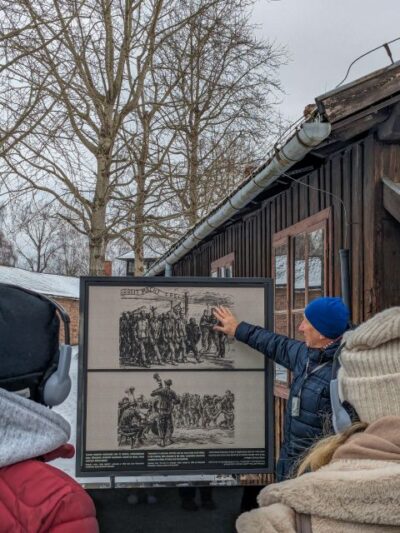
Auschwitz-Birkenau Guided Tour & Hotel Pickup
Read our review →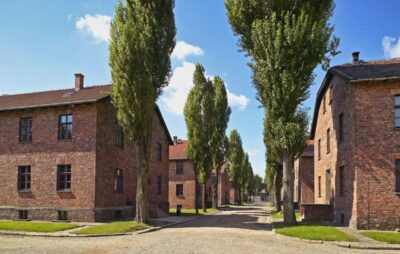
Auschwitz Guided Tour with Optional Hotel Pickup
Read our review →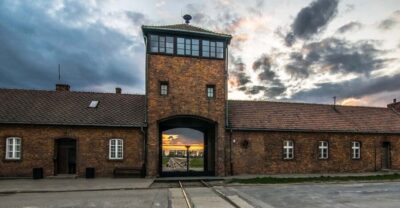
Auschwitz-Birkenau Guided Tour with Pickup & Lunch
Read our review →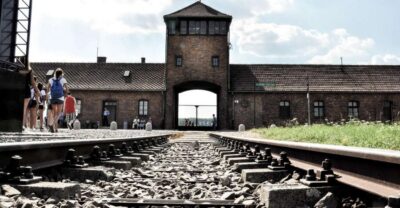
Auschwitz-Birkenau Guided Tour Pickup/Lunch Options
Read our review →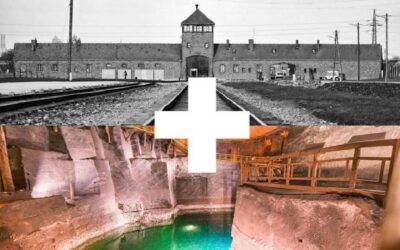
Krakow to Auschwitz Birkenau Guided Tour with Transfer and Ticket
Read our review →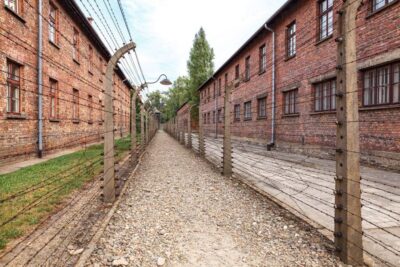
Browse the lists this tour appears in