
Reviewed · COMMUNIST HISTORY TOURS
Nowa Huta – a guided tour of a utopian socialist city
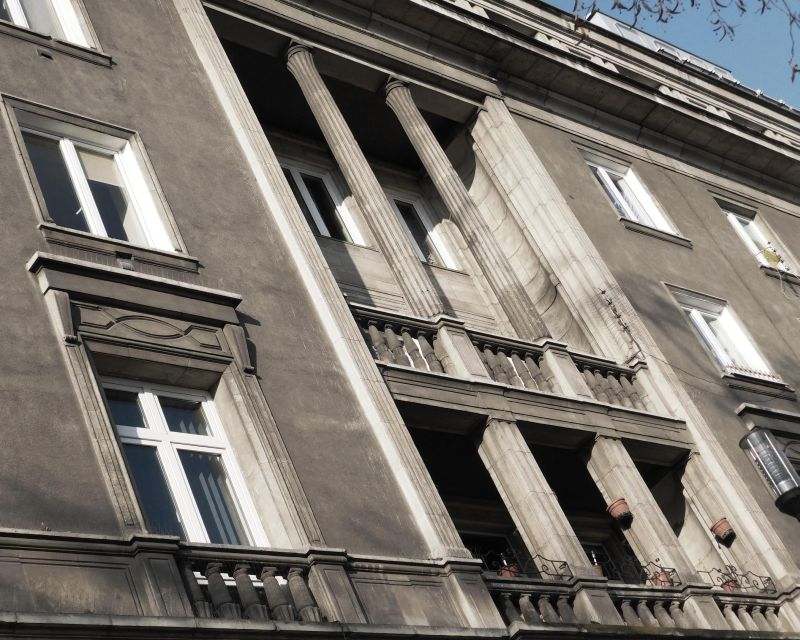
Nowa Huta was built to create a new kind of Polish citizen: a steelworker shaped by communist ideals, living in a planned city set apart from old Kraków. This two-hour walk takes you through that experiment, from the grand Central Square to the church that challenged the idea of a godless city.
I like the clear historical contrast between traditional, religious Kraków and socialist Nowa Huta. I also like the route’s mix of huge Stalinist architecture, protest sites, a tank monument, and everyday civic spaces. The main drawback is that transport from central Kraków is not included, and two hours gives you a brisk introduction rather than a full study of the district.
Key points to know before you book
- A planned city with a political purpose: Nowa Huta was built beside a giant steel mill as a model home for the communist working class.
- Central Square and Avenue of Roses: These formal public spaces show how architecture was used to express state power.
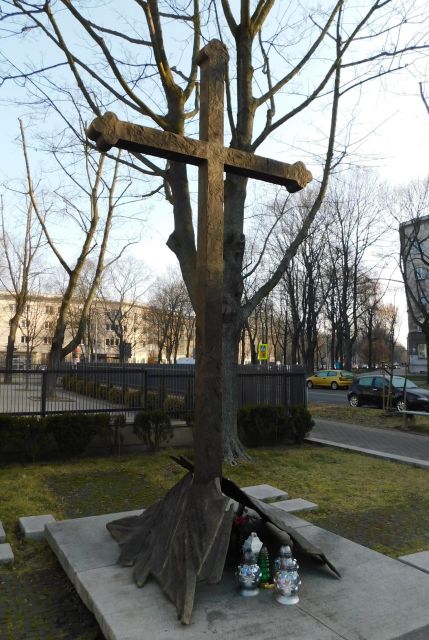
- The battle for the cross: A key stop about the struggle to build a church in a city designed to reject religion.
- Solidarity connections: The route links Nowa Huta’s streets to strikes and opposition movements.
- Private guiding in English: A licensed guide leads the walk, with the tour starting and ending near the Solidarity monument.
- Good value for history-minded visitors: At $69 per person, the price makes most sense if you want interpretation, not simply a self-guided stroll.
Why Nowa Huta matters in Kraków
Many people come to Kraków for medieval streets, royal monuments, and church interiors. Nowa Huta tells a different story. It was created after the Second World War by Poland’s communist government, centered on a massive steel mill and a new residential district for its workers.
The name Nowa Huta means new steel mill. That name tells you what the district was meant to represent. Industry came first. The worker was supposed to replace the old social order, and the planned city was supposed to show that communism could build a better future.
The district was also designed as a counterpoint to old Kraków. The historic city was associated with religion, inherited customs, and resistance to socialism. Nowa Huta was intended to be modern, secular, orderly, and loyal to the state.
That idea gives the walk its central tension. You are not just looking at apartment blocks and broad avenues. You are seeing a political argument built in concrete, stone, and public space. Then you see how residents pushed back, especially over the right to worship and the meaning of Polish identity.
More City Tours in Krakow
- Krakow: City Sightseeing Tour by Electric Golf Cart
★ 4.5 · 3,264 reviews - Krakow: City Sightseeing Tour Eco Electric Buggy Golf Cart
★ 4.7 · 3,143 reviews - Creepy Krakow: 2-Hour City Walking Tour
★ 4.7 · 1,131 reviews
Starting beside the Solidarity monument
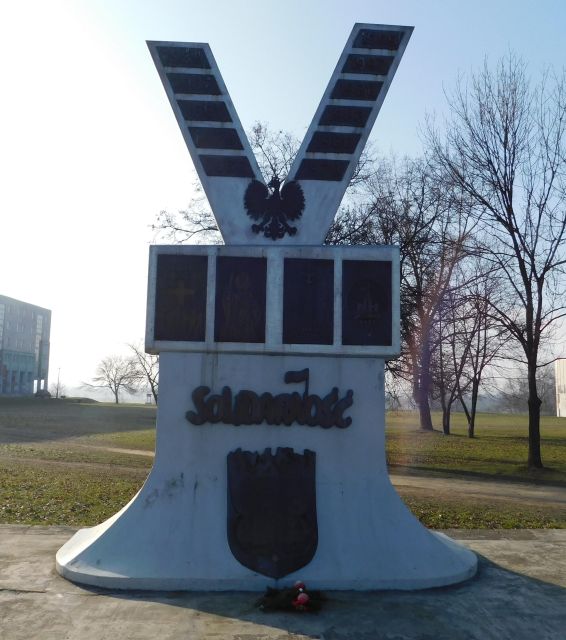
The meeting point is by the Solidarity monument, marked with the words Bądź wierny, idź, or Be faithful, go. You should look for the guide directly beside it.
This is a fitting place to begin. Solidarity is closely tied to Poland’s opposition to communist rule, and the monument places the tour in the political story of resistance from the first minutes. The walk later returns here, so the meeting point also gives the route a neat beginning and end.
You are joining a licensed private guide, not simply following a map between landmarks. That matters in Nowa Huta because the significance of the buildings is not always obvious from their appearance. The broad roads, formal blocks, and monumental civic buildings need explanation to make sense.
The guide speaks English, and the tour lasts two hours. That is long enough to connect the major sites without turning the outing into an all-day history lesson. It also means you should expect a steady pace and focused commentary.
Central Square and the old Lenin name
The first major stop is Central Square, where the guided visit lasts about 40 minutes. This is the largest block of time on the route, and rightly so.
The square once carried Lenin’s name, a reminder of the official ideology that shaped the district. Its scale and formal design were meant to project confidence and order. Here, architecture was not only practical. It was a public display of the state’s power and its vision of society.
I find this stop especially useful because it lets you read Nowa Huta as a planned project instead of a random collection of buildings. The square helps explain how the district was supposed to function as the center of a new socialist city.
You can expect the guide to focus on the construction of Nowa Huta, the role of the steel mill, and the utopian ideas behind the plan. The word utopian is important here, but it should not be taken to mean perfect. The goal was to design a city from scratch around work, collective life, and communist values.
The drawback is visual scale. A formal square can look impressive, but without context it may feel distant or severe. The guide’s interpretation is what turns the space from a photo stop into a lesson in ideology.
Avenue of Roses and the public face of socialism
The walk continues along aleja Róż, or Avenue of Roses, for about 15 minutes. This was the representative street of Nowa Huta, so it gives you another view of how the district presented itself.
Avenue of Roses is not just another road between stops. Its role was ceremonial and symbolic. Representative streets help a planned city create a public image, and here the design reflects the confidence of the early communist period.
The avenue also helps balance the visit. Central Square shows the main civic heart, while Avenue of Roses shows how the city extended that message into its wider urban plan. You get a sense of how daily movement through Nowa Huta was shaped by grand public spaces rather than by the tight medieval pattern found in old Kraków.
I like this part of the walk because it makes the contrast with Kraków easy to understand. You are still in the same city, but the visual language is different. Instead of old religious landmarks and irregular streets, you see a planned socialist setting built around order and scale.
The 15-minute timing suggests a concise explanation rather than a long stop. You will learn what makes the avenue important, then continue to the more politically charged parts of the route.
More Communist History Tours in Krakow
- Krakow: Nowa Huta Guided Tour in Vintage Car
★ 4.9 · 277 reviews - Legendary Private Nowa Huta Communism Tour with Crazy Guides
★ 5.0 · 262 reviews - Nowa Huta: Steelworks Administration Buildings/Shelters Tour
★ 4.9 · 160 reviews - Krakow: Private Nowa Huta Adventure Tour in Communist Cars
★ 4.9 · 114 reviews
The IS-2 tank and the memory of power
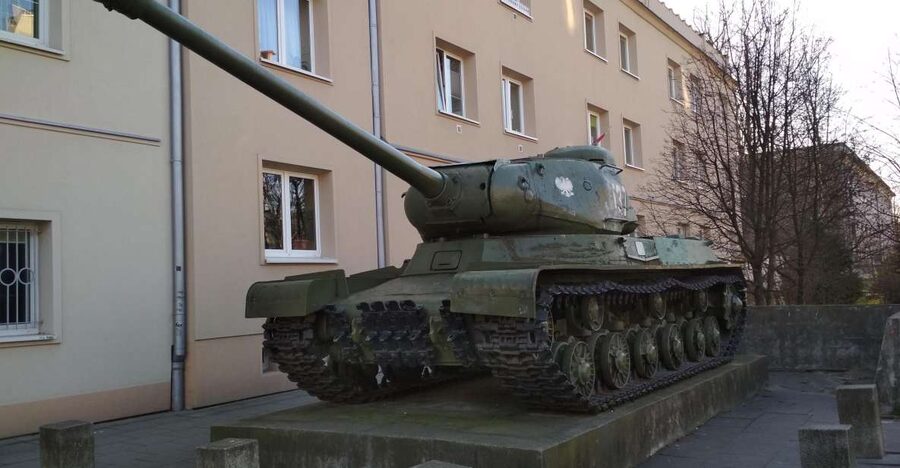
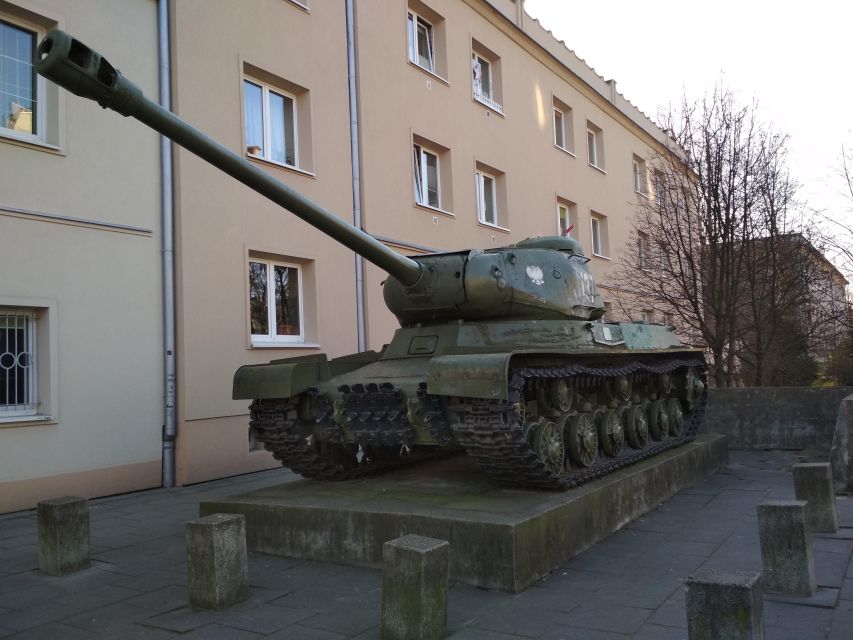
The monument of an IS-2 tank receives about 10 minutes of the tour. It is a short stop, but it adds a strongly physical symbol to the story.
A tank monument brings military power into the city’s public memory. In a place built by a communist government, such a monument can be read as part of the broader message of authority, industry, and the state’s role in shaping history.
This stop is also a useful change of pace. After the formal spaces of Central Square and Avenue of Roses, the tank gives you a single, solid object to consider. You are not only studying buildings and streets. You are looking at the symbols chosen to occupy public space.
Do not expect a long museum visit here. The tour treats the tank as one point in a larger story, so the value comes from the guide’s explanation and the connection to the surrounding district.
The first church in the godless city
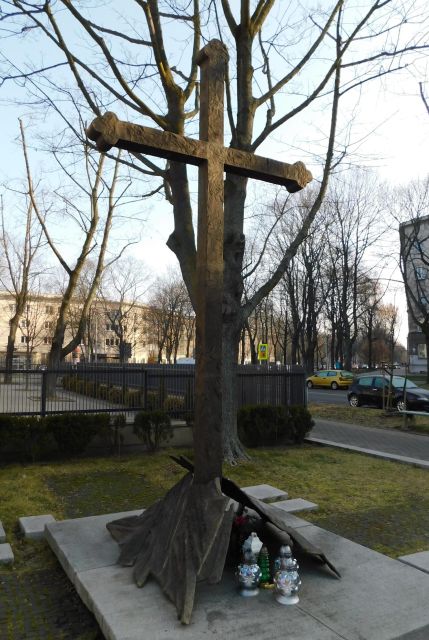
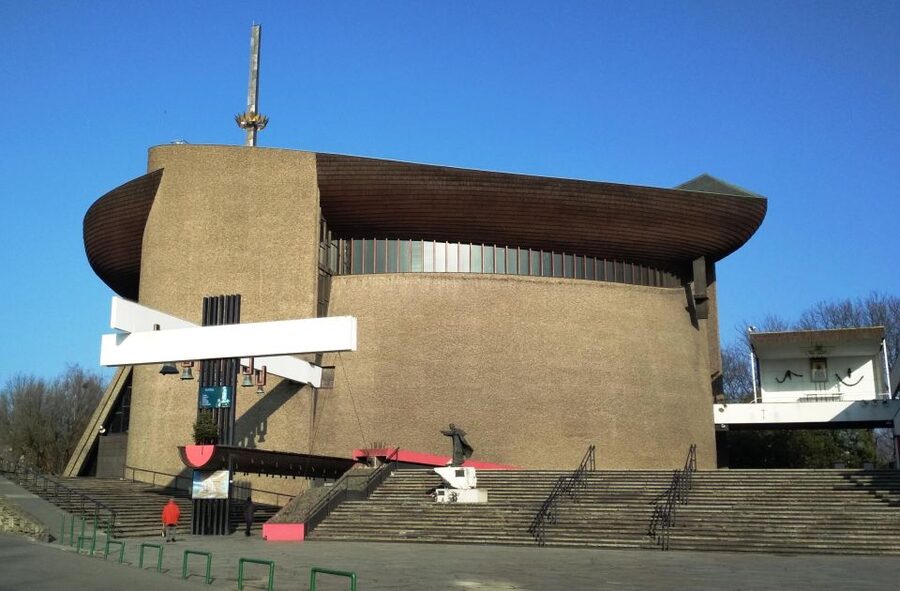
The Our Lady Queen of Poland Church is one of the most important stops, with about 20 minutes set aside for it. This is where the planned socialist ideal meets the religious identity that the government tried to push aside.
Nowa Huta was meant to be a city without God. Yet its residents fought for a church, and the story of that struggle is remembered through the site known as the battle for the cross. The cross became a powerful sign of local resistance and of the demand for a place of worship.
That conflict gives the church unusual importance. It is not simply a religious building added to a neighborhood. It represents a challenge to the assumptions built into Nowa Huta from the beginning.
I would pay close attention here, even if you are not especially interested in religious history. The stop explains why Polish opposition to communism was not only about economics or elections. Faith, public identity, and the right to gather also mattered.
The church is one of the places where the route’s main theme becomes clear: the state could plan streets and housing, but it could not fully control what residents believed or demanded. The story gives a human scale to the monumental architecture seen earlier.
Ludowy Theatre and the final stretch
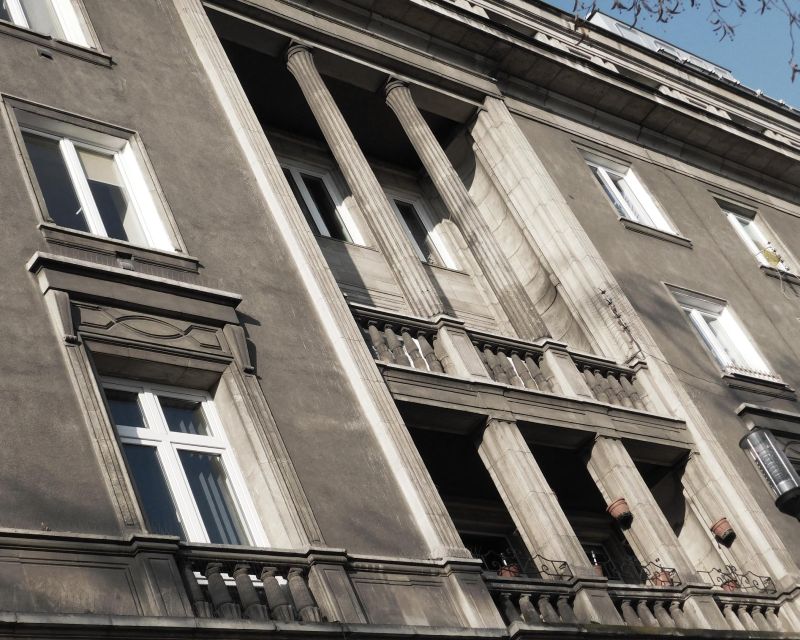
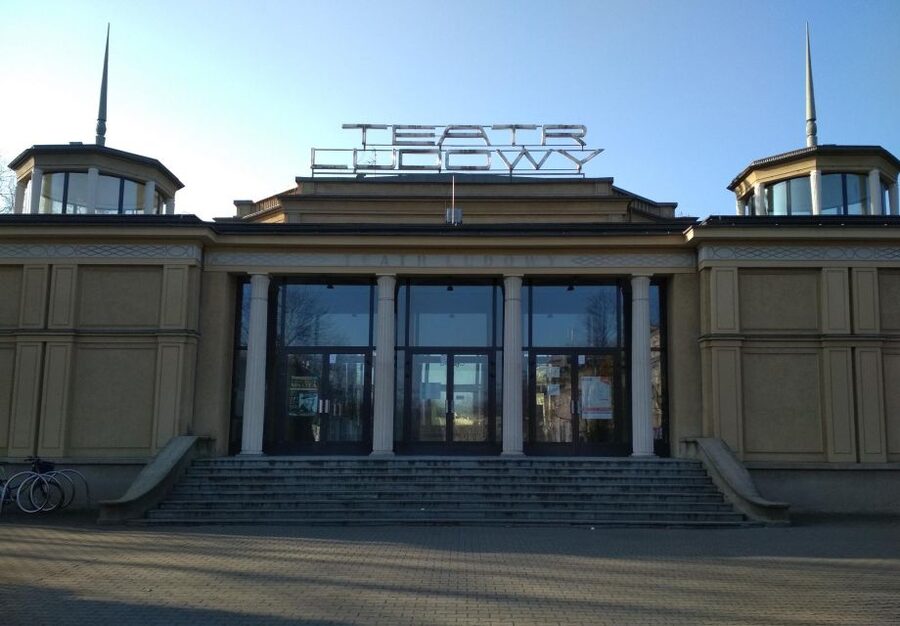
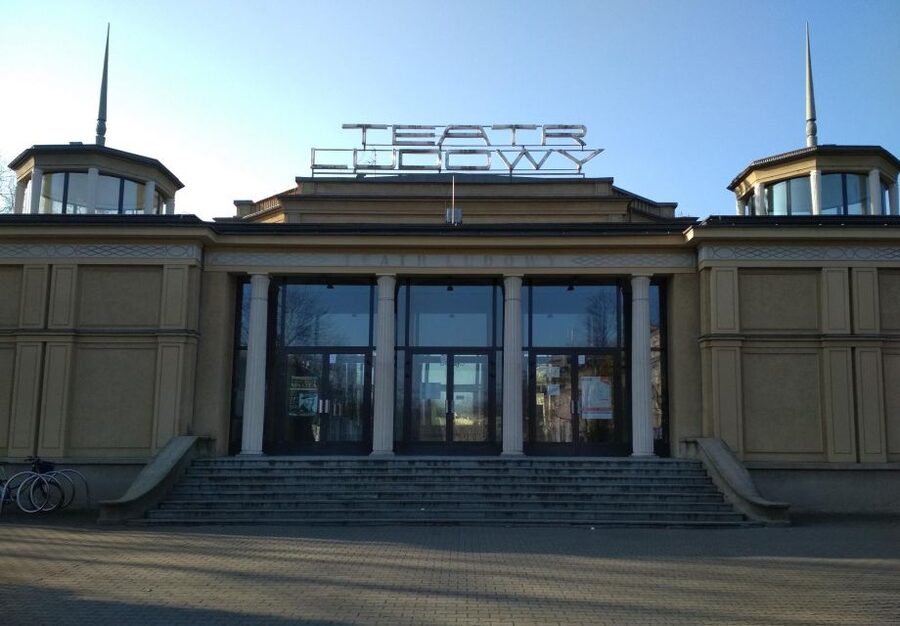
The Ludowy Theatre receives roughly 35 minutes, making it the second-longest stop after Central Square. That amount of time signals its importance to the cultural and civic story of Nowa Huta.
A theatre belongs to a different part of city life than a square, a steel mill, or a church. It shows how the socialist city was meant to provide not only housing and employment, but also culture. The state wanted to shape public life through institutions, performances, and shared civic spaces.
At the same time, a theatre can reveal the limits of official culture. It is a place where ideas are presented to an audience, and in a politically controlled society that relationship matters. The guide can connect the building to the wider question of how people lived within, adapted to, and challenged the system.
This is a good closing stop because it broadens the tour beyond architecture. You have seen state planning, military symbolism, religious resistance, and now cultural life. The walk then returns to the Solidarity monument, bringing the story back to opposition and political change.
What the two-hour format does well
Two hours is a practical length for this subject. You get the central landmarks without committing half a day to a district that may be unfamiliar to you.
The route is also varied. You are not spending the whole tour looking at similar apartment blocks. The stops include:
- A major civic square
- A representative avenue
- A tank monument
- A church tied to local resistance
- A theatre connected with public culture
- A Solidarity monument at the beginning and end
That variety keeps the walk moving. It also gives the guide several ways to explain the city, from state ideology to local faith and organized opposition.
Still, two hours has limits. You will not receive a complete architectural survey of Nowa Huta, and the tour does not include transportation from Kraków city centre. You need to arrange your own way to the meeting point. If you want a long, slow examination of the district, this outing may feel short.
Is $69 good value?
The price is $69 per person. The main question is how much you value interpretation.
If you only want to see Central Square, Avenue of Roses, and the church from the outside, you may prefer to explore independently. But Nowa Huta’s real value lies in the links between those places. The old Lenin name, the cross, the church, the theatre, and the Solidarity monument make more sense when placed in one political story.
The price includes a licensed private guide, but not transport or gratuities. Because the tour is private, you are paying for a focused walk rather than a large public group format. No guide’s name is provided, so you cannot request a particular guide in advance based on the available details.
One verified booking from David in the United Kingdom, dated June 9, 2025, describes the guide as great and the area as fascinating. That matches the tour’s strongest quality: the subject itself is unusual, and a good guide can make the district much easier to read.
I would call the price fair for a visitor who wants history explained on site. It is less compelling for someone seeking only scenic sightseeing or a casual neighborhood walk.
Who should book this walk?
I recommend it if you enjoy political history, architecture, social change, or places that show a city’s less familiar side. It is also a good choice if you have already seen Kraków’s historic center and want to understand how the wider city developed after the war.
You should also book it if you like guided walks with a clear argument. This tour is not a loose collection of landmarks. It follows the rise of a socialist city, the tension between communist planning and Polish tradition, and the resistance that took shape inside the district.
You may want to skip it if your time in Kraków is very limited and you mainly want the medieval center. You should also think twice if you dislike walking tours focused on architecture and politics. The reward here comes from understanding, not from a long list of entertainment stops.
Wear practical walking shoes and allow time to reach Nowa Huta on your own. The meeting point is by the Solidarity monument, and the route returns there after two hours.
Final verdict: book it for the story behind the streets
I would book this Nowa Huta walk if I wanted to see Kraków beyond its postcard center. The district offers a rare look at how a government tried to build a new society through urban planning, industry, public symbols, and controlled culture.
The strongest moments are likely to be Central Square, the church and battle for the cross, and the Solidarity connections. Together, they show both the confidence of the communist project and the resistance it could not erase.
At $69 per person, this is best for you if a private English-language guide can turn unfamiliar streets into a readable political story. If that sounds worthwhile, this focused two-hour visit is a practical way to meet the other Kraków.
FAQ
Where does the Nowa Huta tour start?
The tour starts beside the Solidarity monument marked Bądź wierny, idź. Look for the guide waiting by the monument.
Where does the tour finish?
The walk returns to the Solidarity monument where it began.
How long does the tour last?
The tour lasts two hours.
What language is the tour conducted in?
The tour is conducted in English.
Is the guide licensed?
Yes. The activity includes a licensed private guide.
Is transportation from Kraków city centre included?
No. Transportation from the city centre to Nowa Huta is not included.
How much does the tour cost?
The listed price is $69 per person.
What is the first major stop?
The first major stop is Central Square in Kraków, where the guided visit lasts about 40 minutes.
Which church does the tour visit?
The route visits Our Lady Queen of Poland Church, connected with the first church in the planned godless city and the battle for the cross.
Can you cancel for a full refund?
Yes. You can cancel up to 24 hours in advance for a full refund. You can also reserve now and pay later.
Just added around Krakow
- stag dog chase Krakow prank★ 5.0 · 4 reviews
- Divine Mercy Sanctuary – Private Tour from Krakow★ 5.0 · 4 reviews
- ZALIPIE – painted village, unique small group tour from Krakow★ 5.0 · 7 reviews
- ZALIPIE – painted village, unique PRIVATE tour from Krakow★ 5.0 · 20 reviews
- Zalipie Private Tour from Krakow The Painted Village★ 5.0 · 4 reviews
- Wooden Churches Unesco List Private Tour from Krakow★ 5.0 · 14 reviews
- Guided tour to Salt Mine & Schindler Factory with Pick-Up Options★ 4.0 · 58 reviews
- White Water Rafting Krakow★ 5.0 · 3 reviews
Communist History Tours, compared.
Legendary Private Nowa Huta Communism Tour with Crazy Guides
Read our review →
Nowa Huta: Steelworks Administration Buildings/Shelters Tour
Read our review →
Private Tour: Warsaw’s Communist History by Retro Fiat
Read our review →
Private Nowa Huta Adventure Tour in Communist Cars
Read our review →
Browse the lists this tour appears in