
Reviewed · AUSCHWITZ TOURS
Oswiecim: Auschwitz-Birkenau Skip-the-Line Entry Tickets
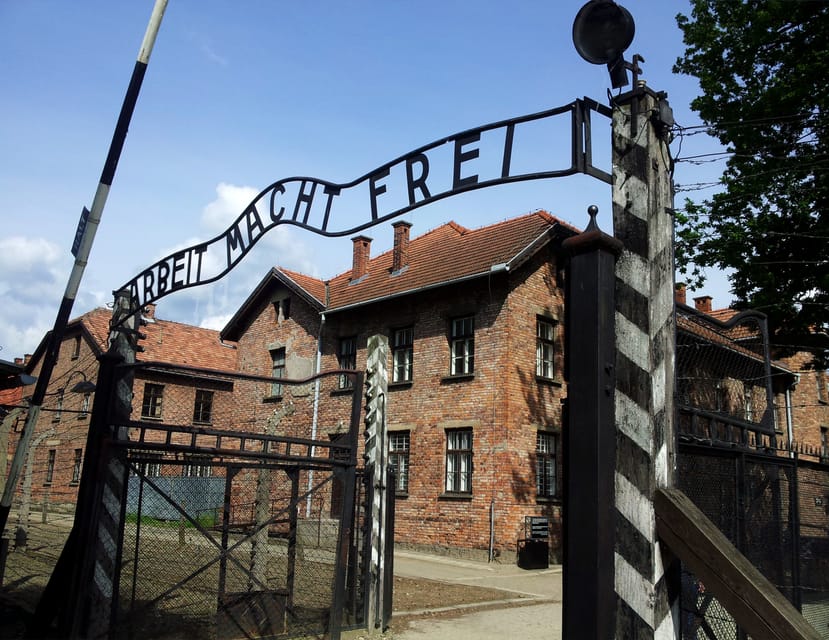
Auschwitz-Birkenau is not a sightseeing stop you rush through between cafés. It is a carefully preserved memorial to the Nazi murder of millions, and this guided visit gives you a structured way to understand both camp sites in one day. You enter Auschwitz I through the gate marked Arbeit Macht Frei, then continue to the far larger Birkenau complex, where barracks, railway tracks, and crematoria ruins make the scale of the crime painfully clear.
I like two things here: reserved entry removes one major queue worry, and the licensed guide helps you read the buildings, photographs, and objects with proper context. Headsets should also make it easier to follow the explanation in a large group. The main drawback is that the meeting point can be hard to spot in a crowded car park, and the museum may change your starting time, so you should not build a tight evening plan around this booking.
Key points to know before you book
- Two camp sites in one visit: You see Auschwitz I and Auschwitz II Birkenau, not just the better-known brick buildings at the first site.
- About 210 minutes advertised: The visit is planned as roughly two hours at Auschwitz I and one hour at Birkenau, though the museum controls the pace and timing.
- Transportation is not included: You must arrange your own way to the museum and between the two sites.
- Exact names matter: Every participant’s full name must match the passport or ID shown at entry.
- A serious, structured experience: The guide explains prisoner photographs, artifacts, barracks, gas chambers, crematoria, and the machinery of mass murder.
- Allow a full day: The booked time is tentative, and changes by the museum are not accepted as a reason for a refund.
Why this Auschwitz visit is worth taking
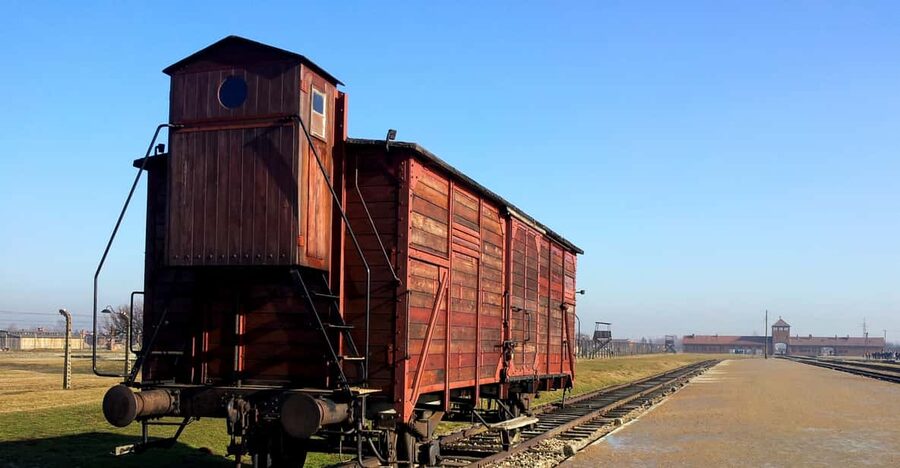
The value of this experience is not entertainment or convenience alone. Auschwitz-Birkenau is enormous, emotionally difficult, and easy to misunderstand if you walk in without context. A guide gives you a framework for what you are seeing, from the entrance gate at Auschwitz I to the railway approach at Birkenau.
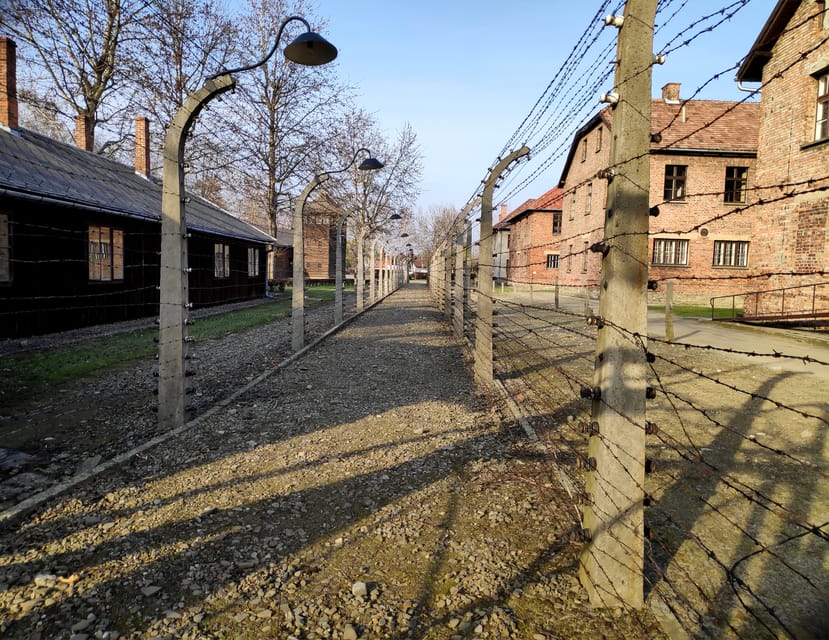
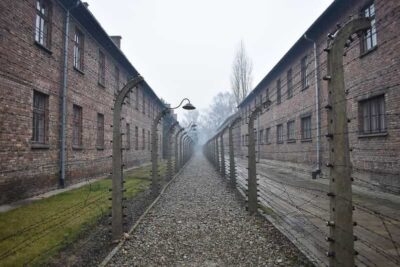
You begin at Auschwitz I, the older camp, where brick barracks now hold museum displays. Here you can see prisoner photographs, documents, personal artifacts, reconstructed rooms, and exhibits about the camp system. The buildings are solid and orderly, which makes the subject even harder to absorb. The setting shows how a system built on paperwork, rules, transport, and routine could support mass murder.
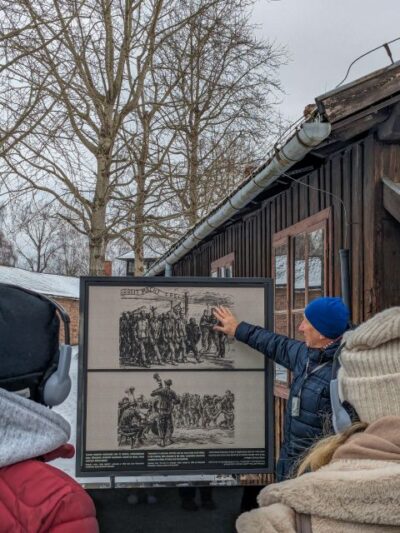
The guide is especially useful inside the exhibits. A pile of shoes, suitcases, or photographs can otherwise become a collection of objects behind glass. With explanation, each display connects to a person and to a wider process. This is where the licensed guide adds real value to the ticket price.
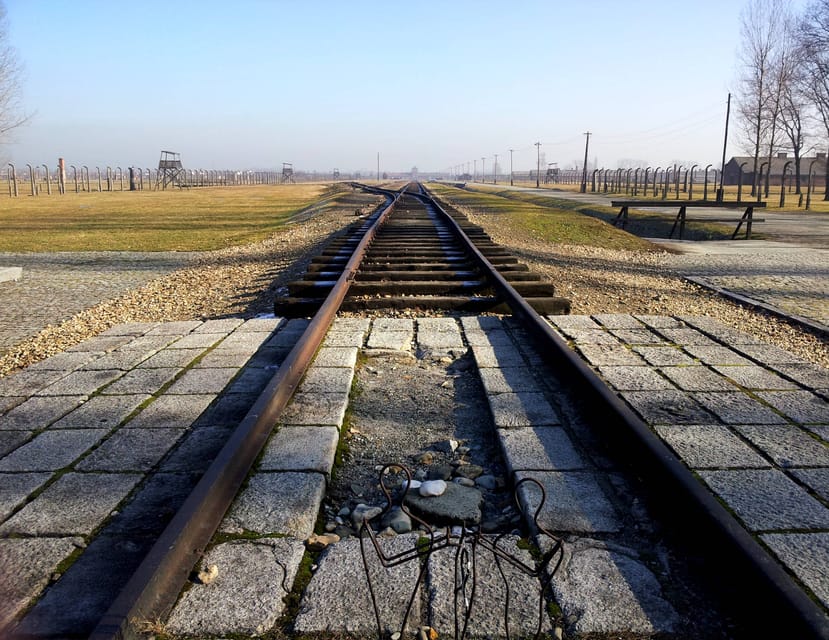
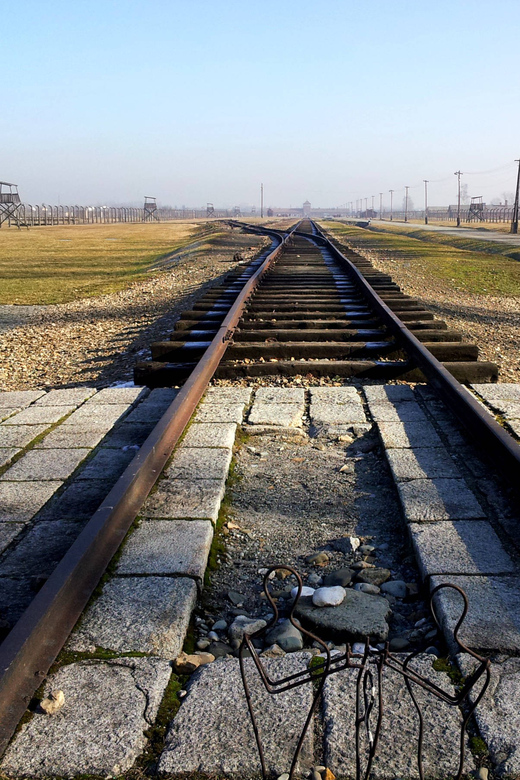
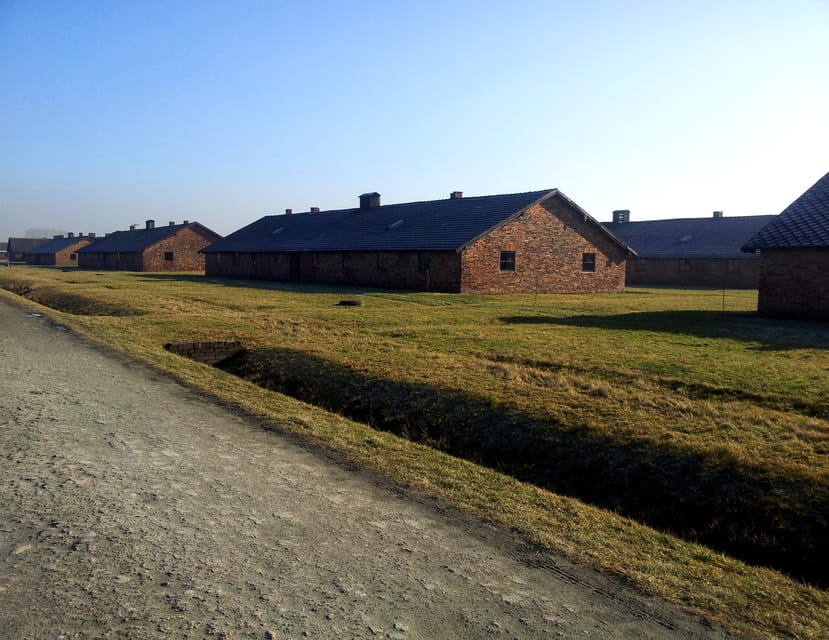
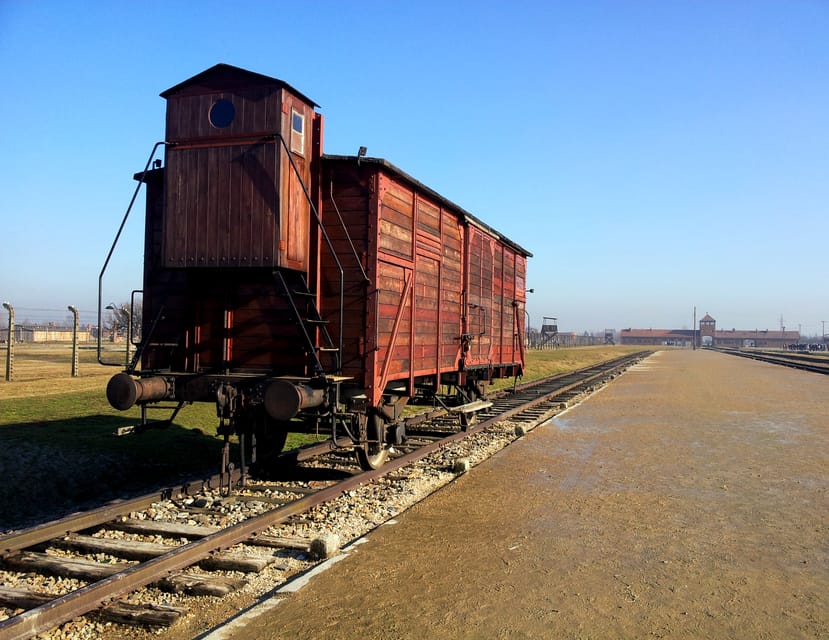
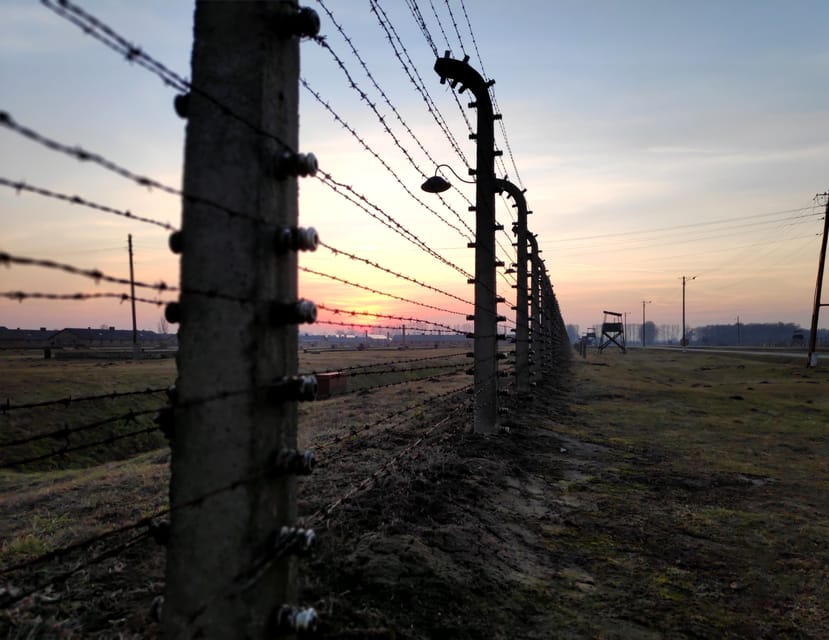
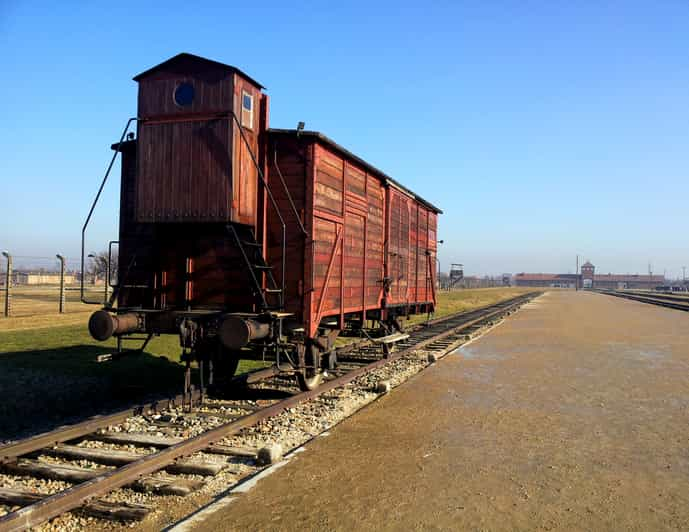
The second part takes you to Auschwitz II Birkenau. The scale changes immediately. Instead of mainly brick buildings, you see open ground, wooden barracks, the railway line, guard towers, and the remains of gas chambers and crematoria. The site is vast, and one hour provides an introduction rather than a complete visit.
That limited time is the central tradeoff. The guided program helps you cover the essential areas, but Birkenau is large enough that you may want to remain longer afterward if museum rules and your transport plans allow it. One useful practical suggestion is to use your own transport between Auschwitz I and Birkenau if possible, since this can give you more control over how long you remain at the second site.
More Skip-the-Line Tickets in Auschwitz
- Auschwitz-Birkenau Skip-the-Line Guided Tour
★ 4.3 · 3,617 reviews - Auschwitz-Birkenau: Skip-the-Line Entry Ticket & Guided Tour
★ 4.4 · 3,052 reviews - Auschwitz-Birkenau Skip-the-Line Ticket and Guided Tour
★ 4.4 · 1,241 reviews
Auschwitz I, the brick camp and museum displays
At the first meeting point, look for the area near the luggage storage beside the main entrance museum building. This detail matters because the car park and entrance area can become crowded, and a general meeting instruction may not be enough to identify your group quickly.
One account describes Daniel locating a participant in a packed car park, but the meeting felt more like luck than a clear system. Another person could not find the guide at all despite arriving on time. I would arrive early, keep your phone available, and confirm the precise meeting point before the day of the visit.
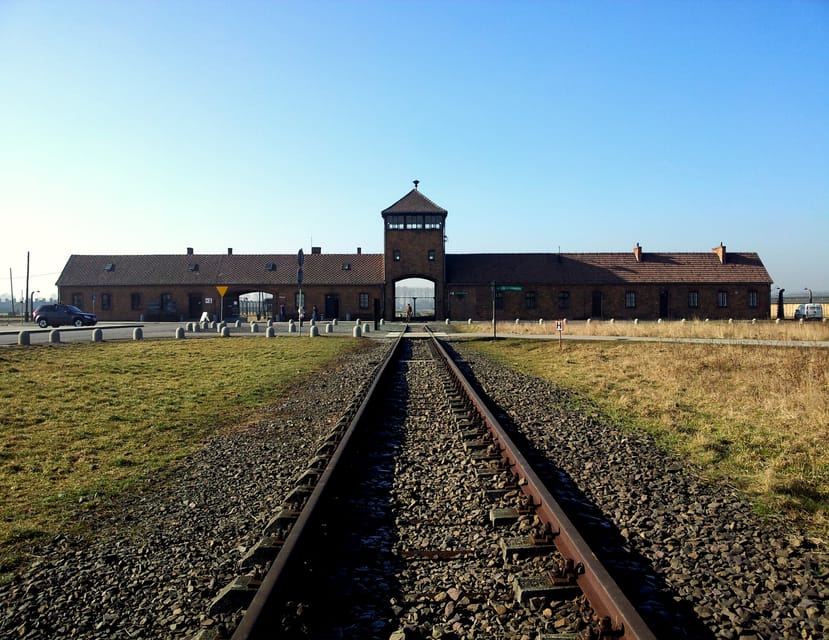
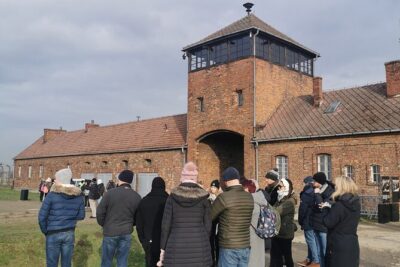
After security, you enter Auschwitz I through the famous gate with the words Arbeit Macht Frei. Airport-style checks apply, and large bags, oversized luggage, sharp objects, weapons, alcohol, drugs, and pets are not allowed. Bring only what the site permits and carry the passport or ID used for the reservation.
The brick barracks form the heart of this portion. Inside, displays include photographs of prisoners, personal artifacts, camp records, and reconstructions of the complex. You also see the only remaining gas chambers and crematoria identified in the program.
The guide’s role here is not simply to point at buildings. You need the connection between the physical site and the evidence inside. The photographs show individuals before imprisonment. The objects reveal how thoroughly people were stripped of identity and possessions. The rooms and barracks show the cramped, controlled conditions imposed on prisoners.
Expect about two hours at Auschwitz I. The pace is set by the memorial’s visitor service, not by the tour seller or by your personal preference. That can be frustrating if you want to linger at one exhibit, but it also keeps the group moving through a difficult visit that could otherwise become confusing or disorganized.
Birkenau, where size becomes part of the lesson
After Auschwitz I, the visit continues at Auschwitz II Birkenau for about one hour. This second camp is the part many people underestimate. It is not simply another cluster of buildings. Its wide open area and long rows of barracks show an industrial scale that the first site cannot convey on its own.
You enter the wooden blocks, where almost 1,000 people could be held in harsh conditions. The barracks are stark, and the remains of the gas chambers and crematoria point to the destruction carried out there. The railway and open ground also help you understand how people arrived and were processed through the camp system.
A guide can make the site easier to read. Without explanation, the distance between buildings and the size of the grounds may blur into a series of bleak views. With direction, you can connect the barracks, railway, guard structures, and ruins to the system that operated here.
Still, one hour is short. Birkenau is huge, and the program covers only part of what you might want to see. If you have your own car, independent transport from Auschwitz I to Birkenau may give you more freedom. If you rely on a return bus or another fixed pickup, you may need to leave when the group does.
That is an important choice. The included guided route is convenient and focused. A longer independent stay can offer more time with the site, but it requires you to manage transport and timing yourself. I would choose the guided format if you want structure and clear explanations. I would consider staying longer only if you have confirmed how you will return.
What the $81 price buys you
At $81 per person, this is not a bargain admission ticket. You are paying for more than entry, though. The price includes access to both memorial sites, a licensed guide in the selected language, headsets, an English-speaking tour leader, and an English e-book for each participant.
The strongest value comes from the guide and reserved entry. Auschwitz-Birkenau is not a place where I would want to spend the day guessing where to go or trying to interpret every exhibit alone. Clear explanations make the visit more meaningful, while headsets should help you hear in a group setting.
The ticket does not include transportation. That makes the total cost higher if you are coming from Krakow or another city, especially if you arrange separate transport between Auschwitz I and Birkenau. The supplied information does not promise a bus transfer, hotel pickup, or return ride, so you need to budget and plan those parts yourself.
The English e-book is a useful extra, but it should not be the main reason you book. The real question is how much you value a reserved place and a licensed guide at a site with strict entry rules and limited visitor flow.
Same city, a completely different kind of day:
- From Krakow: Auschwitz-Birkenau Guided Tour & Hotel Pickup
★ 4.5 · 33,358 reviews - From Krakow: Auschwitz-Birkenau Guided Tour & Hotel Pickup
★ 4.5 · 29,340 reviews - Krakow: Auschwitz Guided Tour with Optional Hotel Pickup
★ 4.5 · 15,280 reviews - Krakow: Auschwitz-Birkenau Guided Tour with Pickup & Lunch
★ 4.5 · 9,800 reviews
Timing problems you should take seriously
The activity is listed as 210 minutes, with approximately two hours at Auschwitz I and one hour at Birkenau. Another part of the information describes the guided tour as 3.5 hours, so treat the schedule as an estimate rather than a fixed appointment.
The museum controls visitor times and the pace of the tour. Booked hours are tentative and can change because of museum availability. If your time is moved, refunds are not accepted on that basis, so save the whole day for the visit.
This is more than a legal note. A late afternoon train, a dinner reservation, or a separate airport transfer could become a problem if your entry time shifts. I would avoid placing this experience on the same day as an important departure.
You also need to provide the full names of every participant when booking. Each name must match the identification document shown at the entrance. A mismatch can lead to refusal, which is a severe risk for a prepaid visit.
Free cancellation is available up to 24 hours in advance, and you can reserve now and pay later. Those terms provide some flexibility before the deadline, but they do not protect you from a museum time change after booking.
The guide and group experience
The English-language guide is the main human element of the visit. One account identifies the guide as Suzanna, with a note that the name may not have been exact, and describes the explanation as informed and suitably solemn. That is the tone you want here: clear, respectful, and focused on the evidence.
The group can be easier to follow because headsets are included. This matters when you are walking between buildings or standing outdoors near a large memorial site. You do not have to crowd around the guide to catch every sentence.
The group format also limits personal freedom. You follow the museum’s route and the guide’s timing, rather than pausing wherever you wish. At Birkenau in particular, you may feel that the hour passes quickly.
I would not expect a light or chatty tour. The subject demands restraint, and the best experience will be one where the guide lets the site speak while adding facts that help you understand it. Wear practical clothing and shoes, but remember that the most important preparation is emotional rather than physical.
Practical advice for a respectful visit
Bring your passport or ID card, and make sure it matches the booking information. Arrive early enough to find the meeting area near luggage storage by the main entrance, pass security, and locate the group without rushing.
Do not bring large bags or oversized luggage. Weapons, sharp objects, alcohol, drugs, and pets are prohibited. The security process is similar to an airport check, so packing light will make the entrance easier.
Transportation requires special attention. The activity does not include it, and the two camp sites are separate. If you arrange your own transport, keep the museum-controlled schedule in mind. If you arrange a return pickup, allow room for changes and do not assume the tour will finish at exactly the advertised minute.
The supplied information does not specify accessibility arrangements, group size, restroom details, or food options. If any of those points matter to you, confirm them directly before booking rather than guessing.
Most of all, give the memorial your full attention. This is not a stop for casual photographs or quick sightseeing. The visit is at its best when you read the displays, listen to the guide, and accept that some parts may be difficult.
Who should book this experience
I would recommend this tour to a first-time visitor who wants a clear introduction to both Auschwitz sites without handling museum entry alone. It suits you if you value a licensed English-speaking guide, reserved admission, and a set route through the major areas.
It is also a good fit if you are uneasy about navigating a complex memorial on your own. The guide provides structure, and the headsets help you follow along without standing shoulder to shoulder with the group.
I would hesitate if you need a guaranteed start time or a precise finish time. The museum can change the schedule, and the activity asks you to keep the whole day free. I would also think twice if you want several hours to explore Birkenau independently, since the guided portion there lasts about one hour.
At $81, the experience makes sense when the guide and reserved entry are important to you. It is less attractive if you already have a confirmed museum ticket, your own guide, and reliable transport between the sites.
Should you book it?
Book this experience if you want a serious, organized introduction to Auschwitz I and Auschwitz II Birkenau, and if you can accept uncertain timing and arrange transport yourself. The licensed guide, headsets, and reserved entry add practical value at a place where confusion can distract from the visit.
Skip it or choose a more flexible arrangement if you want to spend much longer at Birkenau, control every departure time, or travel on a tight schedule. If you do book, enter every name exactly as shown on the ID, arrive early at the luggage-storage meeting area, and leave the rest of your day open.
FAQ
What does the Auschwitz-Birkenau experience include?
It includes entrance tickets to Auschwitz I and Auschwitz II Birkenau, a licensed guide in the chosen language, headsets, an English-speaking tour leader, and an English e-book for each participant.
How long does the visit last?
The activity is advertised as 210 minutes. The planned visit is about two hours at Auschwitz I and one hour at Birkenau, while another description gives a total guided duration of 3.5 hours. The museum controls the pace and final duration.
Is transportation included?
No. Transportation is not included, so you must arrange your own way to the museum and between Auschwitz I and Auschwitz II Birkenau.
Where is the meeting point?
The meeting point is near the luggage storage area on the side of the main entrance museum building at Auschwitz I.
What identification should I bring?
Bring a passport or ID card. Every participant’s full name must be entered during booking and must match the identification document shown at the entrance.
Can the museum change the booked start time?
Yes. The booked time is tentative and can change because of museum availability. You should save the whole day for the visit, and refunds are not accepted because of a time change.
What items are not allowed?
Pets, weapons, sharp objects, oversized luggage, large bags, alcohol, and drugs are not allowed. All visitors must pass through airport-style security.
Can I cancel for a full refund?
Yes. You can cancel up to 24 hours in advance for a full refund. The booking also offers a reserve-now-and-pay-later option.
Just added around Auschwitz
- Guided Private Tour to Auschwitz Birkenau & Krakow from Wroclaw★ 5.0 · 4 reviews
- Auschwitz-Birkenau Day Tour from Wroclaw★ 5.0 · 40 reviews
- Krakow & Auschwitz day tour from Warsaw by private car with Lunch★ 5.0 · 16 reviews
- One day tour to Auschwitz-Birkenau & Salt Mine from Warsaw with private driver★ 5.0 · 4 reviews
- One Day Tour to Auschwitz-Birkenau from Warsaw by Car★ 5.0 · 81 reviews
- Krakow and Auschwitz – Full Day Tour from Warsaw by private car★ 5.0 · 9 reviews
- From Warsaw: Auschwitz-Birkenau Tour with Premium Train Transportation★ 4.0 · 7 reviews
- Full-Day Tour From Warsaw to Auschwitz (guided) and Krakow by car★ 5.0 · 24 reviews
Auschwitz Tours, compared.
Auschwitz-Birkenau Guided Tour & Hotel Pickup
Read our review →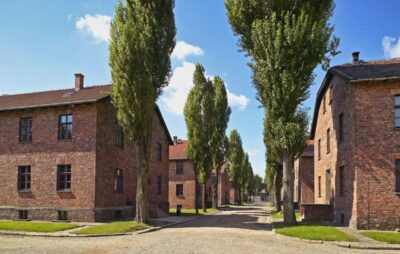
Auschwitz Guided Tour with Optional Hotel Pickup
Read our review →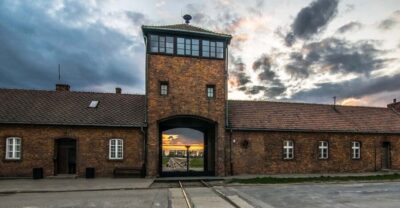
Auschwitz-Birkenau Guided Tour with Pickup & Lunch
Read our review →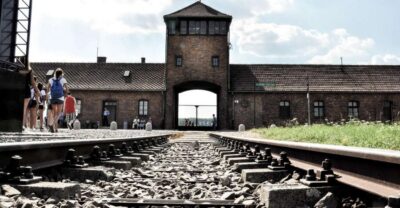
Auschwitz-Birkenau Guided Tour Pickup/Lunch Options
Read our review →
Krakow to Auschwitz Birkenau Guided Tour with Transfer and Ticket
Read our review →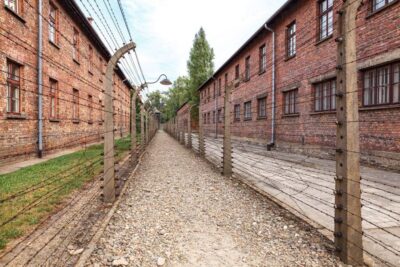
Browse the lists this tour appears in