
Reviewed · FOOD & DRINK
Warsaw: 4-Hour Polish Food Tour
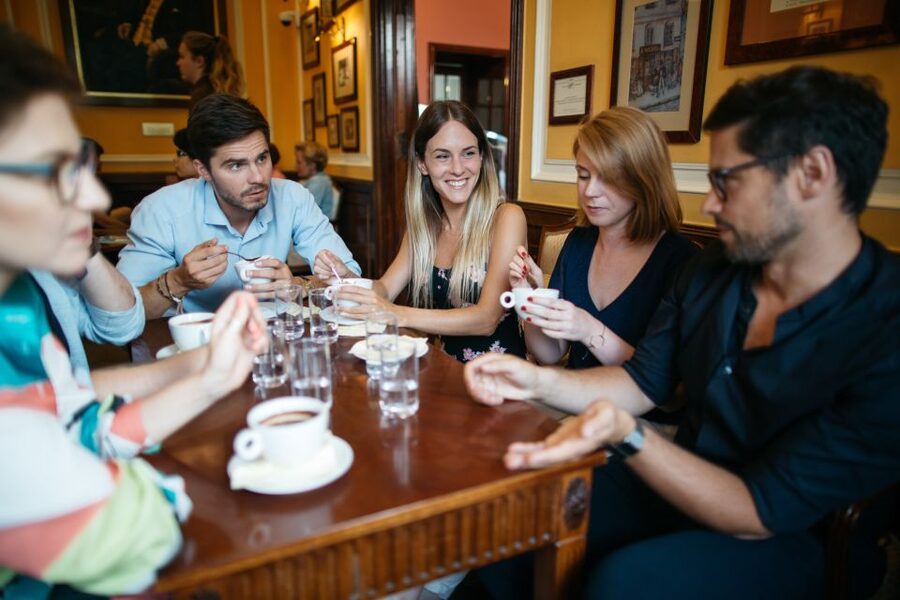
Warsaw’s Polish food tour is less about ticking off pierogi and more about understanding the meal behind the famous dumpling. Over four hours, you visit 4 to 6 food stops, eat roughly a full Polish dinner, and hear why bread, coffee, and even food from the 1970s still matter.
I like the small group of up to eight, which gives you room to ask questions, and I like the mix of sit-down places and street food. The main caution is the price, $115 per person, which is high for a food walk in Poland, though the amount of food and three optional drink pairings help explain the cost.
Key points to know before booking
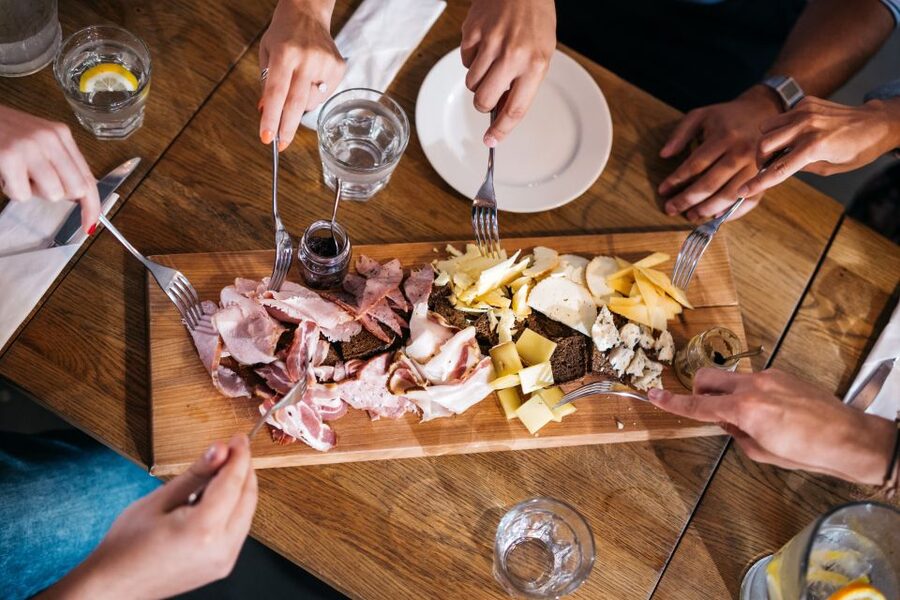
- Ten tastings make this a full meal: Expect starters, appetizers, soup, main courses, Polish cheese, and dessert.
- The food goes beyond pierogi: You learn about gołąbki, schabowy, traditional dinners, and regional eating habits.
- Guides add cultural context: Michal, Anna, Michael, Agata, and Michas have been praised for clear explanations, humor, and city knowledge.
- The route mixes food settings: You may eat in both sit-down restaurants and street-food spots.
- The meeting point is easy to identify: Find the large palm tree at Charles de Gaulle roundabout, then look for the nearby monument of a woman holding a wounded soldier.
- Come hungry and wear good shoes: The tour includes plenty of food and enough walking to make comfortable footwear worthwhile.
What the four hours are really about
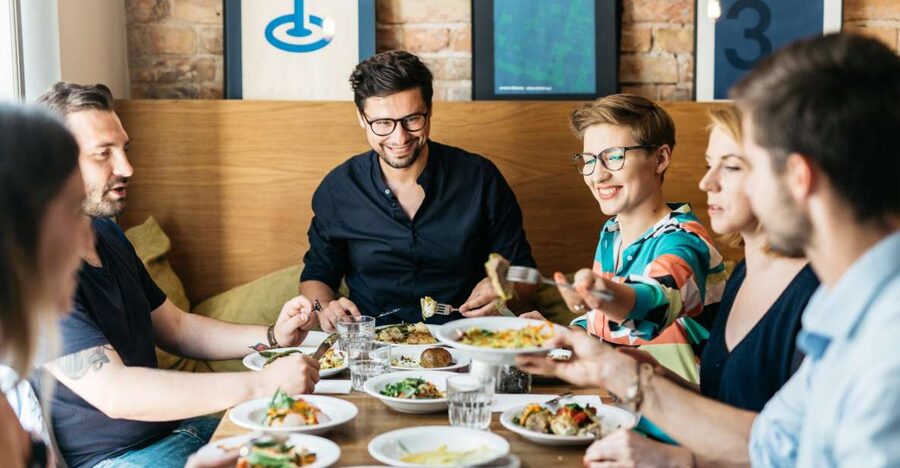
Many visitors arrive in Poland knowing only one dish: pierogi. That is a fine place to start, but it is not the whole story. This tour uses familiar foods as a doorway into Polish habits, family meals, old shortages, and the rules of hospitality.
You visit several carefully selected establishments rather than sit in one restaurant for four hours. That change of setting matters. You get a sense of how Polish food works in different places, while the walking gives you time to clear a little room for the next plate.
The group is limited to eight people. That is small enough for the guide to keep the meal moving and still answer personal questions. It also suits mixed-age groups. One family brought two older parents and a teenager and found the pace manageable, with enough sitting down to balance the walking.
The exact food order can vary, but you should expect about ten tasting plates. These cover the parts of a Polish meal that matter most: small starters, appetizers, soup, main courses, cheese, and dessert. This is not a light sampling tour where you leave looking for dinner. Plan on eating breakfast and skipping lunch.
More Food Tours in Warsaw
- Warsaw: Polish Vodka Museum Tour with Tasting
★ 4.6 · 788 reviews - Warsaw’s No 1 cooking class-Polish dumplings with liqueur tasting
★ 5.0 · 576 reviews - Half-Day Polish Food Walking Tour with Guide and Dinner
★ 4.5 · 381 reviews
Starting at Warsaw’s palm-tree roundabout
The meeting point is Charles de Gaulle roundabout, the one with the large palm tree in the middle. Your guide waits near the monument of a woman holding a wounded soldier on her lap, in the green square at the corner of Nowy Świat, Smolna, and Al. Jerozolimskie.
This is a practical meeting place, but give yourself time to find the correct statue. The palm tree is the obvious landmark, while the monument sits just off the roundabout rather than directly in the traffic circle.
The tour begins at 1:00 PM, though you should check the available date for the exact starting time. Since hotel pickup is not included, you make your own way there. After the meeting, expect to walk between food stops, so comfortable shoes are more important than smart ones.
Your guide may be Michal, Michael, Anna, Agata, or Michas, depending on the departure. The strongest part of the guide service is the explanation around the food. You are not simply told what is on a plate. You learn how it fits into Polish meals and everyday customs.
Pierogi are only the opening act
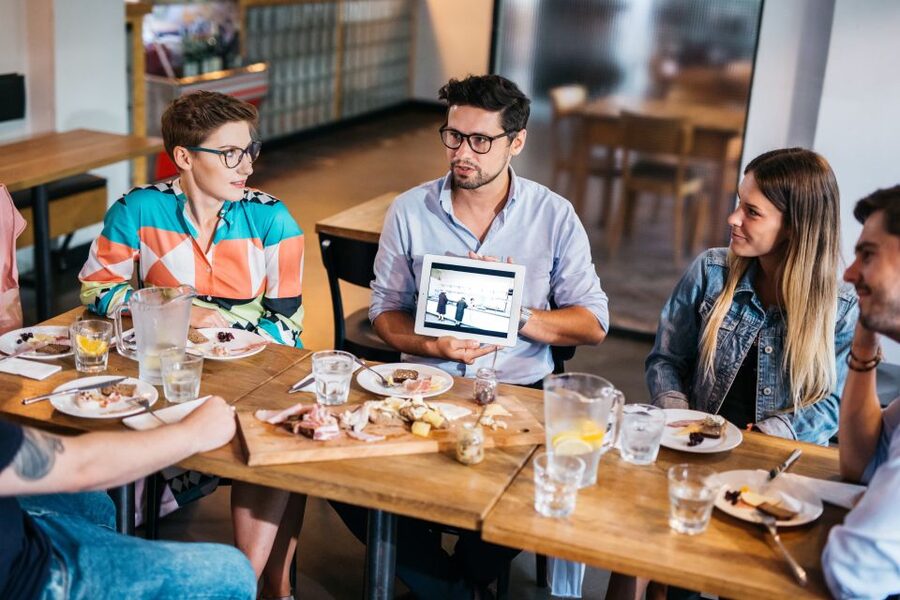
Pierogi deserve their fame, but English-speaking restaurants have made them the default Polish dish abroad. This tour gives you a wider frame.
You may learn what gołąbki are, how schabowy fits into a Polish dinner, and why a traditional meal is built from more than one large main course. The food is pork-heavy, so this is not an easy menu for vegetarians. If you avoid meat, you should contact the provider before booking and ask what can be changed.
The tour is especially useful if you can recognize the names of dishes but do not know what they mean in practice. A guide can explain the difference between a starter and a main course, how soup fits into dinner, and why a generous table matters so much in Poland.
The portions are tasting portions, but there are many of them. You get the equivalent of a full meal rather than one bite at each stop. That makes the tour good value for someone who wants a proper introduction to Polish food, but it can be too much if you prefer to sample lightly.
The first plates: bread, cheese, and Polish habits
Polish bread gets its own part of the story. The tour explains why Polish people can complain about bread quality, even though bread is a basic part of the national table. That detail may sound small, but it shows how food standards are shaped by memory and expectation.
You also try a variety of Polish cheeses. Cheese is a useful early tasting because it gives you something familiar while showing how local food traditions differ from what you may know at home.
Expect starters and appetizers before the heavier dishes. The meal is designed to build, so do not fill up at the first stop just because the opening plates look generous. You need some appetite left for soup, main courses, and dessert.
The food discussion also reaches back to the 1970s. Polish people sometimes long for products associated with that period, even when the food was shaped by limited choice and shortages. The point is not that everything was better then. It is that taste is tied to childhood, routine, and memory.
That kind of explanation is where the tour earns its place above a restaurant meal. You can order Polish food on your own, but you may not understand why certain products or habits matter without someone to explain the background.
Same city, a completely different kind of day:
- Warsaw: Chopin Concert in the Old Town
★ 4.8 · 2,287 reviews - Warsaw: Traditional Galar Cruise on The Vistula River
★ 4.6 · 1,640 reviews - Warsaw: Old Town Highlights Walking Tour in English
★ 4.7 · 1,516 reviews - Warsaw Concert: Chopin – Painted by Candlelights with Wine
★ 4.8 · 1,442 reviews
Soup and the shape of a traditional dinner
Soup is one of the important middle steps in the tasting sequence. You should think of it as part of a traditional Polish dinner rather than a separate light meal.
The guide helps connect the soup to the rest of the table. You are not just eating one famous item after another. You are learning how the dishes work together, and why Polish hospitality often means serving more than anyone could sensibly finish.
The traditional dinner section is useful for first-time visitors. It gives you a simple way to approach menus later in your trip. After the tour, you will have a better idea of what to order, what a dish might contain, and how much food to expect.
If you have a sensitive appetite, pace yourself. There is no prize for finishing every plate quickly. Eat slowly, ask questions, and remember that the next course may be larger than the last.
Main courses: gołąbki, schabowy, and the pork question
The main dishes introduce the food most closely tied to ordinary Polish home cooking. Gołąbki and schabowy are important names to know, particularly if you plan to eat independently after the tour.
Pork is central to much of Polish cuisine, and this tour reflects that. If you eat meat, you get a useful look at classic Polish cooking. If you are vegetarian, many of the standard dishes will not suit you, so advance notice is essential. The menu can be adjusted for allergies, but the information provided does not promise a fully vegetarian version of every course.
One plate may feel less distinctive than the rest. Schabowy is similar to a schnitzel-style dish found in other countries, and some diners would prefer that space to go to something more uniquely Polish. That is a fair criticism. The dish still belongs in a discussion of Polish home cooking, but it may not be the most surprising bite of the afternoon.
The upside is that the tour is not trying to serve only rare or unusual dishes. It shows you food you are likely to meet in a Polish restaurant or home-style kitchen. Authentic does not always mean unfamiliar.
Street food and sit-down stops
The mix of venues helps keep the afternoon from feeling like one long restaurant sitting. You may eat at sit-down restaurants and street-food locations, giving you two different views of how Polish food is served.
The restaurants offer a more relaxed setting for conversation and explanation. Street food adds a quicker, more casual rhythm. Since the exact establishments can vary, you should not expect a fixed list of named restaurants or a guaranteed dish at every stop.
The walking between places is part of the design. You get a short break after each round of eating, and you see more of central Warsaw along the way. The walking is not presented as a major sightseeing tour, so book this for food and local context rather than for a full city orientation.
The pace has worked well for people who want a moderate amount of walking. Still, four hours on your feet with repeated meals can be tiring. Comfortable shoes and a light breakfast are sensible preparation.
Drinks, dessert, and the bridge connection
Three Polish drink pairings are available if you select the option that includes them. Water is provided at most venues. Additional drinks are not included, so check the booking choice carefully if the pairings matter to you.
A non-alcoholic option is available, and minors can join. If you do not drink alcohol, you can still take part in the food experience, but confirm that you choose the correct option when booking.
Dessert arrives after the savory courses, as it should. One of the tour’s more unusual stories links a traditional Warsaw dessert to a bridge. The connection gives you a memorable way to place the dessert in the city rather than treating it as a random sweet ending.
The dessert is also a practical reminder of the tour’s generous structure. You are not finishing with a token taste after a few small samples. You are likely to leave full, and perhaps too full if you ignored the advice to skip lunch.
The coffee invitation you should not take too literally
Polish hospitality has its own language, and the tour explains why an invitation for a cup of coffee may mean more than coffee. In many homes, offering something to eat is part of being a good host.
That helps explain the tour’s portions. The generous serving style is not just a way to provide value. It reflects a social expectation that a guest should be fed properly.
This is one of the best reasons to take the tour early in your Warsaw stay. It gives you cultural clues that make later meals easier to understand. You may begin to recognize when a small invitation is likely to turn into a full table of food.
The guide’s personality matters here. Michas is described as energetic, while Michal, Anna, and Michael have been praised for patience, humor, and clear explanations. Guide assignments vary, but the format depends on someone who can connect food with history and daily life without turning the meal into a lecture.
Is $115 good value?
At $115 per person, this is not the cheapest way to eat in Warsaw. You can certainly find individual Polish dishes for much less.
The value comes from what is included: about ten tastings, four hours, 4 to 6 establishments, a bilingual English-speaking guide, water at most stops, a written summary, and three Polish drink pairings if you choose that option. You are also paying for planning, food selection, explanations, and the chance to try a full range of dishes without guessing from a menu.
I would consider it good value if you want a structured introduction and would otherwise spend time researching where to eat. It is less attractive if you already know Polish cuisine, prefer to order independently, or are looking for a cheap lunch.
The written summary and restaurant tips add value beyond the afternoon itself. You can use the suggestions for later meals, when you are ready to return to a dish you liked or try something the tour could not include.
Who should book this Warsaw food tour?
I would recommend it to first-time visitors who want a clear introduction to Polish food without spending days working through menus. It also suits families and mixed-age groups, since the route combines sitting, walking, explanation, and tasting.
It is a strong choice for curious eaters who want more than pierogi. You will learn the names of familiar Polish dishes, taste cheeses and traditional courses, and gain enough background to order with more confidence later.
You should think twice if you are vegetarian, have major dietary limits, or dislike large meals. Allergies can be discussed in advance, but pork is a basic part of the cuisine presented here.
The tour also may not suit you if $115 feels too high for an afternoon of food. One dish may seem familiar rather than uniquely Polish, and the route is more about eating and cultural context than landmark sightseeing.
Booking details worth knowing
You can cancel up to 24 hours before the tour for a full refund, and a reserve-now, pay-later option is available. Hotel pickup and drop-off are not included.
The tour is offered in English, with a live guide. Since the group is limited to eight people, booking early is sensible if your Warsaw dates are fixed.
The guide may refuse participation or ask someone to leave if that person is drunk, aggressive, or behaving in a way that makes the tour difficult to continue. That decision does not qualify for a refund. It is a basic group-tour rule, but worth knowing before you book.
Should you book it?
Book this tour if you want a large, varied meal with explanations, not just a quick pierogi stop. The strongest reasons are the small group, the range of dishes, the mix of venues, and the guides’ focus on food customs as well as recipes.
Skip it if you want the lowest-cost meal in Warsaw, need a fully vegetarian menu, or already feel confident ordering Polish food on your own.
For most first-time visitors, I think the tour is worth considering, especially at the beginning of a Warsaw stay. Come hungry, wear comfortable shoes, choose the drink option that suits you, and leave room for dessert.
FAQ
How long is the Warsaw Polish food tour?
The tour lasts four hours.
How many food stops are included?
You visit 4 to 6 carefully selected establishments.
How much food will I receive?
The tour includes approximately ten tasting plates, covering starters, appetizers, soup, main courses, and dessert. The total is intended to equal a full meal.
Does the tour include pierogi?
Pierogi are discussed as part of Polish cuisine, but the provided information does not guarantee a specific pierogi tasting.
Which Polish dishes will I learn about?
The tour explains pierogi, gołąbki, and schabowy, along with traditional Polish dinners, cheeses, starters, soup, main courses, and dessert.
Are drinks included?
Water is provided at most venues. Three Polish drink pairings are included only with the option that includes pairings. Additional drinks are not included.
Is there a non-alcoholic option?
Yes. A non-alcoholic option is available, and minors are welcome.
Can vegetarians join?
Vegetarians can ask about adjustments, but Polish cuisine on this tour is based on pork, so many dishes may not be suitable. Contact the provider about your needs before booking.
Where does the tour meet?
Meet at 1:00 PM at Charles de Gaulle roundabout, beside the monument of a woman holding a wounded soldier. The monument is in the green square near the corner of Nowy Świat, Smolna, and Al. Jerozolimskie.
Is hotel pickup included?
No. You must make your own way to the meeting point, and hotel pickup and drop-off are not included.
Just added around Warsaw
- Wolfs Lair and Swieta Lipka Small Group Tour from Warsaw with Lunch★ 4.5 · 21 reviews
- Wolf’s Lair & Treblinka Tour in 1 day from Warsaw★ 5.0 · 37 reviews
- Wolfs Lair “Hitler’s Headquarters” – Full Day Tour from Warsaw by private car★ 4.5 · 4 reviews
- Tour from Warsaw: Wolf’s Lair, Hitler’s HQ Zones I and II★ 5.0 · 32 reviews
- Wolf’s Lair Private Day Trip from Warsaw★ 5.0 · 50 reviews
- Warsaw Must-See Local City Tour with Antek and Tomek★ 5.0 · 51 reviews
- Off the Beaten Track in Warsaw: Private City Tour★ 4.5 · 9 reviews
- Warsaw’s Old Town A Self-Guided Audio Tour★ 4.5 · 10 reviews
Food & Drink, compared.
Zakopane, Thermal Springs, Cable Car, Local Tasting
Read our review →
Krakow to Zakopane: Funicular, Tasting and Thermal Baths Day Trip
Read our review →
Krakow Food Tasting Tour with Delicious Poland
Read our review →

Warsaw’s No 1 cooking class-Polish dumplings with liqueur tasting
Read our review →
ZAKOPANE & THERMAL SPRINGS, Funicular, Cheese Tasting
Read our review →
Half-Day Polish Food Walking Tour with Guide and Dinner
Read our review →
Zakopane Tour with Cable Car, Tasting & Hotel Pickup
Read our review →Browse the lists this tour appears in