
Reviewed · WARSAW TOURS
Warsaw Old Town Guided Tour with Antek & Friends | small groups
Warsaw’s story is written in layers: royal power, wartime destruction, Jewish life, and postwar rebuilding. This walk links those layers in about two hours, ending at the Warsaw Uprising Monument, where the city’s modern identity comes into sharper focus.
I like the hidden-in-plain-sight stop at the Royal Castle Gardens, with its view toward the castle façade. I also like the way the route includes both the pretty Old Town square and harder history at the ghetto markers and Uprising Monument. The main drawback is the booking language: the tour is described as pay what you wish, yet the $13.25 charge already covers the reservation and guide payment, which can cause confusion.
Key points to know before booking
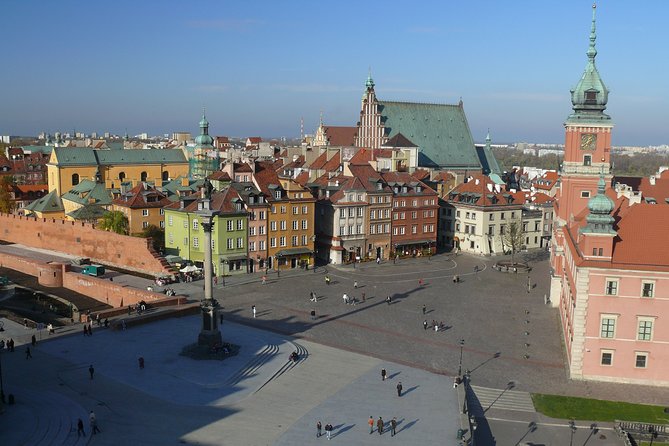
- Warsaw’s royal story begins at Castle Square, beside Sigismund’s Column.
- The Royal Castle Gardens offer a less-visited viewpoint toward the castle and river.
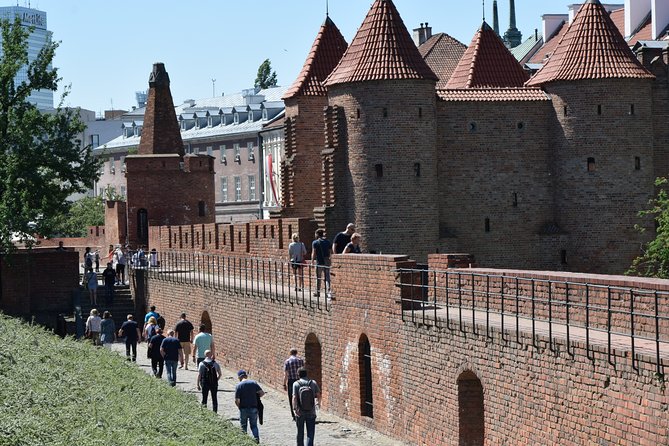
- The Old Town was rebuilt after World War II, making its beauty part of the historical lesson.
- The route includes Jewish heritage and Holocaust history, not just postcard sights.
- You finish at the Warsaw Uprising Monument, about five minutes from the Old Town.
- The group can include up to 20 people, so this is small compared with a large city tour, but not a private walk.
Why this two-hour route works for Warsaw
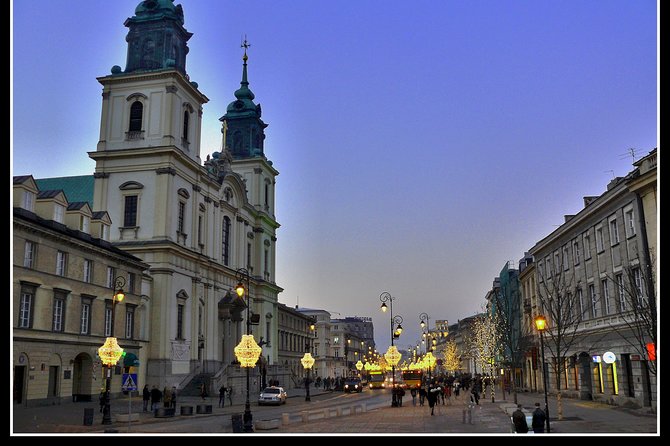
This is a useful first walk because it does not treat Warsaw as a collection of attractive façades. You see the Royal Route, the Old Town, Marie Curie’s birthplace, the former ghetto boundary, and the 1944 Uprising Monument in one connected route.
That sequence matters. Warsaw was Poland’s capital and royal seat, then a city marked by occupation, the Holocaust, the Warsaw Uprising, and near-total wartime destruction. The Old Town you see today is beautiful, but much of it was reconstructed after World War II. A guide can explain that difference far better than a quick photograph and a paragraph in a guidebook.
The walk is conducted in English by Antek & Friends, with local commentary on history, architecture, current affairs, and city lore. You are not simply being led from one attraction to another. The value lies in having someone explain why these places matter together.
At $13.25 per person, the cost is modest for a guided city walk. The important detail is that this is not an entirely free activity in the ordinary sense. The operator describes it as a general pay-what-you-wish tour, but says the amount paid at booking covers the reservation fee and the guide’s payment. If you are comparing this with a walk advertised as free, read that wording carefully.
A few more Warsaw half-days worth comparing
- Warsaw: Chopin Concert in the Old Town
★ 4.8 · 2,287 reviews - Warsaw: Traditional Galar Cruise on The Vistula River
★ 4.6 · 1,640 reviews - Warsaw: Old Town Highlights Walking Tour in English
★ 4.7 · 1,516 reviews
Starting beside Sigismund’s Column
The meeting point is Sigismund’s Column at Castle Square, or Plac Zamkowy. It is an easy place to identify, and the tour begins with a short historical introduction of about 15 minutes.
Here you learn how Warsaw became Poland’s capital and hear about the two main storylines that shape the city’s identity. That opening is more useful than it may sound. Before you walk through the Old Town, you need a basic sense of Warsaw as a royal capital and as a city repeatedly forced to rebuild itself.
Sigismund’s Column is a natural starting point because it connects the square to the monarchy and to Warsaw’s political importance. From here, the group moves toward the Royal Castle, so the first section feels like a walk through the city’s seat of power rather than a random collection of monuments.
The guide’s opening also gives you a chance to settle into the pace. Since the tour lasts about two hours and includes several stops, expect a steady walking route with short explanations rather than long periods inside museums.
The Royal Castle and its riverside gardens
The Royal Castle receives about 20 minutes of attention. Poland’s kings ruled here, and the kingdom’s parliament once met inside. The tour does not include an admission ticket, so you should understand this as an exterior-focused visit rather than a full castle interior tour.
That is not necessarily a weakness. The castle’s position beside Castle Square makes it one of Warsaw’s clearest symbols of restored royal authority. Your guide can point out the building’s role while you remain on the walking route, without spending a large part of the morning inside one attraction.
The next stop is the Royal Castle Gardens, also allotted about 20 minutes. These gardens were revitalized in 2020 and are a particularly good reason to choose this route over a quick self-guided circuit of the square.
From the gardens, you can admire the castle’s main royal façade and enjoy a riverside view. The stop adds breathing room to the tour, too. After the history of kings and parliament, you get a more open setting and a better chance to take in the relationship between the castle and the river.
Many visitors rush through Castle Square, photograph the column, and head straight into the Old Town. This garden stop encourages you to look back at the castle from another angle. If you enjoy architecture and city views, it may be one of the best parts of the walk.
The reconstructed Old Town at Rynek Starego Miasta
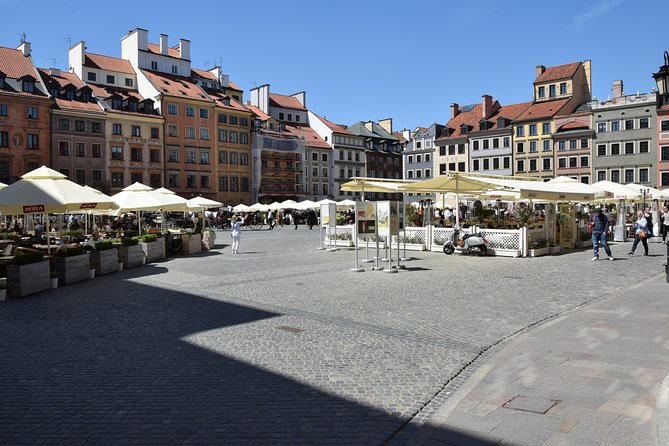
The Old Town Market Square, or Rynek Starego Miasta, receives around 20 minutes. This is the most immediately picturesque part of the tour, with colorful townhouses, cafés, and Warsaw’s famous Mermaid statue.
The key fact is that the square was rebuilt after World War II. That gives the scene a second meaning. You are looking at a carefully reconstructed historic center, not an untouched medieval quarter. The guide’s explanation can help you appreciate both the architectural detail and the enormous work required to restore the area.
The square is also a practical orientation point. You can see how the Old Town functions as a public gathering place, not just a monument zone. Cafés and pedestrian streets make it a pleasant place to pause, but the tour’s time here is limited. If you want to sit with a coffee or photograph every side street, plan to return after the walk.
I would pay attention to the contrast between the polished appearance of the square and the destruction that preceded it. That contrast is one of Warsaw’s central lessons. Beauty here is closely tied to memory and rebuilding.
Same city, a completely different kind of day:
- Warsaw Concert: Chopin – Painted by Candlelights with Wine
★ 4.8 · 1,442 reviews - Warsaw: City Sightseeing Hop-On Hop-Off Bus Tour
★ 3.6 · 1,415 reviews - Warsaw: POLIN Museum of the History of Polish Jews Ticket
★ 4.7 · 1,142 reviews - #1 Pub Crawl Warsaw with Optional Premium 1 Hour Open Bar
★ 5.0 · 790 reviews
Marie Curie’s birthplace in the Old Town
The stop at the Muzeum Marii Sklodowskiej-Curie lasts about 10 minutes. You visit the birthplace of Marie Sklodowska-Curie, the Polish-born scientist who later became famous for her work in France.
The tour does not include admission, and the stop is brief. Think of it as a chance to place her life within Warsaw’s streets rather than a museum visit. If you want to explore the museum’s full exhibits, you would need separate time and an entrance ticket.
This is a good change of pace after the market square. Warsaw’s identity is not only royal and military. The Curie stop points to the city’s intellectual and scientific side, while the surrounding Old Town keeps the story tied to a real neighborhood rather than an abstract biography.
For families and curious adults, the stop can be especially useful because it gives a human face to a major historical figure. For anyone focused only on medieval architecture, it may feel like a short interruption. The guide’s explanation will determine how well it fits into the larger story.
Jewish heritage and the ghetto boundary markers
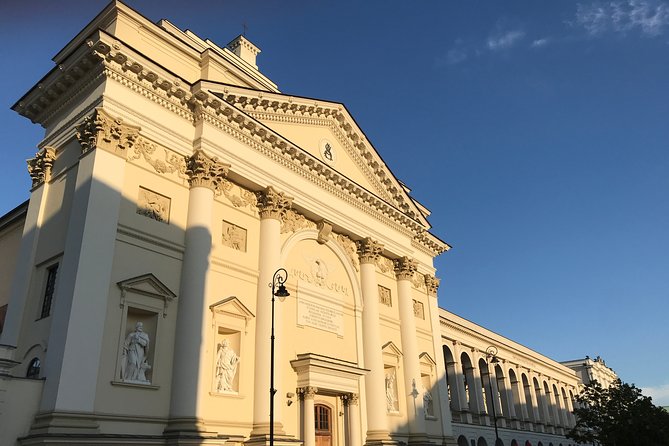
The tour then turns toward Warsaw’s Jewish heritage, the Holocaust, the ghetto, and the present situation. At the ghetto boundary markers, the allotted time is about 10 minutes.
This is a serious part of the walk, and it should be approached with attention rather than treated as another quick photo stop. Physical markers help you understand that the ghetto was not an idea on a map. It had boundaries within the city, affecting streets, homes, families, and daily movement.
Ten minutes is enough for an introduction, but not enough for a full study of Jewish Warsaw or Holocaust history. If this subject is a main reason for your visit, use the tour as a starting point and set aside additional time for the city’s Jewish history museums and memorial sites. Those are not included in this walk.
The benefit here is continuity. You first see a reconstructed royal center, then learn about a community and a wartime system that shaped another part of Warsaw. The route makes it harder to leave the Old Town thinking the city’s story is only about kings and colorful façades.
Ending at the Warsaw Uprising Monument
The final stop is the Warsaw Uprising Monument at Plac Krasińskich, with about 20 minutes for the guide’s explanation. This is an essential stop because the 1944 Warsaw Uprising helps explain the city’s mood, memory, and postwar identity.
The monument commemorates the uprising against German occupation. The subject is difficult, but the stop gives the tour a clear ending. Warsaw’s destruction and rebuilding are not side notes here. They are central to understanding why the city looks the way it does and why remembrance is so visible in public spaces.
The tour ends at the monument rather than returning to Castle Square. That is convenient if you plan to continue toward the northern part of the Old Town or nearby historical sites. The end point is about eight minutes from the starting area and about five minutes from the Old Town, so you are not left far from the center.
The final 20 minutes are also a useful length. You get enough time for context without turning the entire walk into a lecture. Still, this is a subject where you may want to continue on your own afterward. The guide can provide the framework, but the monument is only one part of the 1944 story.
Group size, pace, and practical comfort
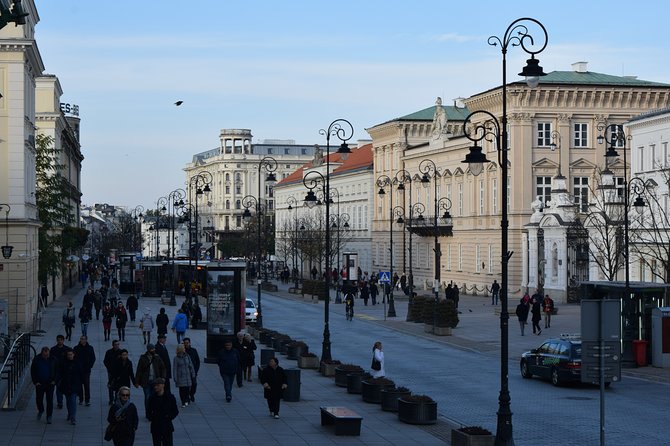
The maximum group size is 20 people. That is smaller than a mass sightseeing group, but it is not the same as a private tour or a tiny walk with three or four people. Your experience may depend on how easy it is to hear the guide in open squares and along busy streets.
The tour lasts approximately two hours. The listed stop times add up to close to that length, so expect the walk to keep moving. Wear comfortable shoes, particularly if you plan to continue sightseeing afterward.
The route begins near public transportation, and most people can participate. No special accessibility details are provided, so if you need specific support, contact the operator before booking rather than assuming every part of the route will suit you.
The ticket is mobile, which keeps the arrival simple. Confirmation is provided at booking. Because the tour averages booking 28 days ahead, I would reserve in advance if your Warsaw schedule is tight, even though the walk itself is short.
One practical warning deserves attention. A booking problem was reported in which a guest arrived with information for a different tour and felt confused about the payment and meeting arrangements. The operator’s response was that the guest had joined the wrong tour. The lesson is simple: check the exact tour name, meeting point, and start time before you go, and show your booking confirmation at Sigismund’s Column.
Who should choose this Warsaw walking tour
I would choose this walk if you want a compact first look at Warsaw and prefer a guide to connect the city’s difficult history with its attractive center. It suits first-time visitors, people with only a short stay, and anyone who wants a clear route through the Old Town without paying for several separate attractions.
It also suits you if you want more than architecture. The Jewish heritage stop and the Warsaw Uprising Monument give the route emotional and historical weight. The Castle Gardens add a quieter visual break, while the Curie birthplace brings in science and personal history.
You may want another option if you prefer a private guide, a very small group, or extensive time inside museums. The maximum of 20 people can feel less personal, and admission to the Royal Castle and Marie Curie Museum is not included.
The route is also not designed as a dedicated Jewish Warsaw tour, Holocaust tour, or Warsaw Uprising tour. It introduces each subject, but it cannot cover any one of them in full within two hours.
Should you book it?
Book this tour if you want a well-priced introduction to Warsaw that combines royal history, reconstructed architecture, Jewish heritage, and the 1944 Uprising. The strongest elements are the Royal Castle Gardens, the Old Town rebuilding story, and the final stop at the Warsaw Uprising Monument.
At $13.25, it offers solid value because the fee includes the reservation and guide payment, with no separate attraction admissions built into the route. Just be clear that it is not a completely free walk, confirm that you have selected the correct tour, and keep your expectations realistic about group size and museum access.
FAQ
How long does the Warsaw Old Town tour last?
The tour lasts approximately two hours.
Where does the tour begin?
It begins at Sigismund’s Column in Castle Square, Plac Zamkowy, Warsaw.
Where does the tour end?
The tour ends at the Warsaw Uprising Monument at Plac Krasińskich. The end point is about eight minutes from the meeting point and about five minutes from the Old Town.
What language is the tour offered in?
The tour is offered in English.
What is included in the $13.25 price?
The amount paid covers the reservation fee and the guide’s payment. The tour description also refers to the walk as a general pay-what-you-wish tour.
How large can the group be?
The group can include a maximum of 20 people.
Can I cancel for a full refund?
Yes. You can cancel at least 24 hours before the experience start time for a full refund. Cancellations or changes made less than 24 hours ahead are not accepted for a refund.
Just added around Warsaw
- Wolfs Lair and Swieta Lipka Small Group Tour from Warsaw with Lunch★ 4.5 · 21 reviews
- Wolf’s Lair & Treblinka Tour in 1 day from Warsaw★ 5.0 · 37 reviews
- Wolfs Lair “Hitler’s Headquarters” – Full Day Tour from Warsaw by private car★ 4.5 · 4 reviews
- Tour from Warsaw: Wolf’s Lair, Hitler’s HQ Zones I and II★ 5.0 · 32 reviews
- Wolf’s Lair Private Day Trip from Warsaw★ 5.0 · 50 reviews
- Warsaw Must-See Local City Tour with Antek and Tomek★ 5.0 · 51 reviews
- Off the Beaten Track in Warsaw: Private City Tour★ 4.5 · 9 reviews
- Warsaw’s Old Town A Self-Guided Audio Tour★ 4.5 · 10 reviews
Warsaw Tours, compared.
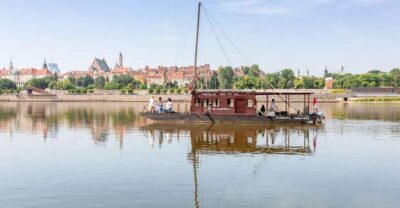
Traditional Galar Cruise on The Vistula River
Read our review →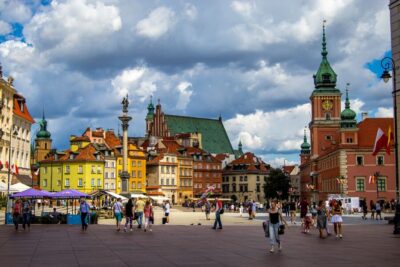
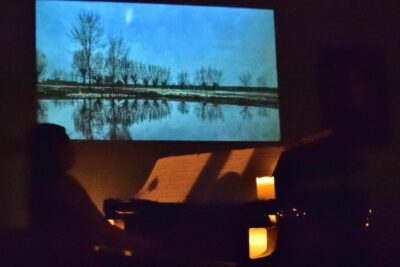
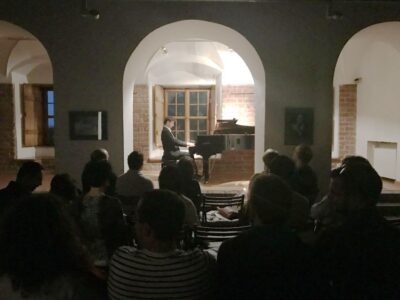
Warsaw Concert: Chopin – Painted by Candlelights with Wine
Read our review →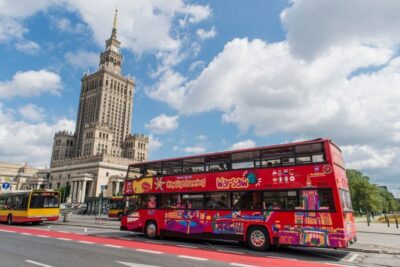
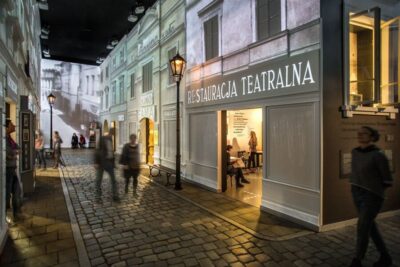
POLIN Museum of the History of Polish Jews Ticket
Read our review →
#1 Pub Crawl Warsaw with Optional Premium 1 Hour Open Bar
Read our review →
Browse the lists this tour appears in