
Reviewed · PIEROGI COOKING CLASSES
Warsaw: Polish Dumplings Cooking Class
The best part of this Warsaw cooking class is that you do not simply eat pierogi, you learn how the dough, filling, seal, and topping work together. At Pierogi & More, an English-speaking host leads you through the process, from kneading dough to shaping dumplings in several styles, then you sit down to eat what you made.
I like the hands-on format and the choice of meat, vegetarian, or vegan fillings. I also like the practical take-home value: recipes arrive by email, and you receive a link to class photos. The main thing to consider is timing. Drinks are included with the evening class, but morning participants must order drinks at their own cost, and the activity is non-refundable.
Key points at a glance
- Five ways to seal pierogi: Learn more than one edge pattern, including a tortellini-style shape.
- A full meal, not just a sample: You eat a generous plate of the dumplings you help prepare.
- Good choice for mixed diets: Meat, vegetarian, and vegan fillings are available.
- Small English-speaking group: The class is limited to 10 people, allowing for individual help.
- Useful souvenirs: Recipes arrive by email, with a link to photos taken during the class.
- Evening drinks matter: Polish liqueur tasting is included in evening sessions, while morning drinks cost extra.
Why pierogi make such a good Warsaw cooking class
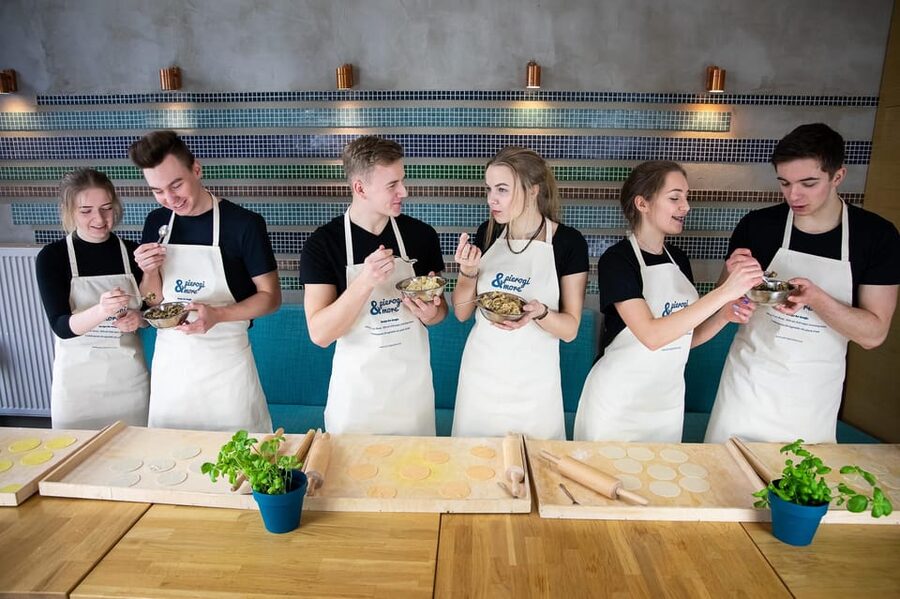
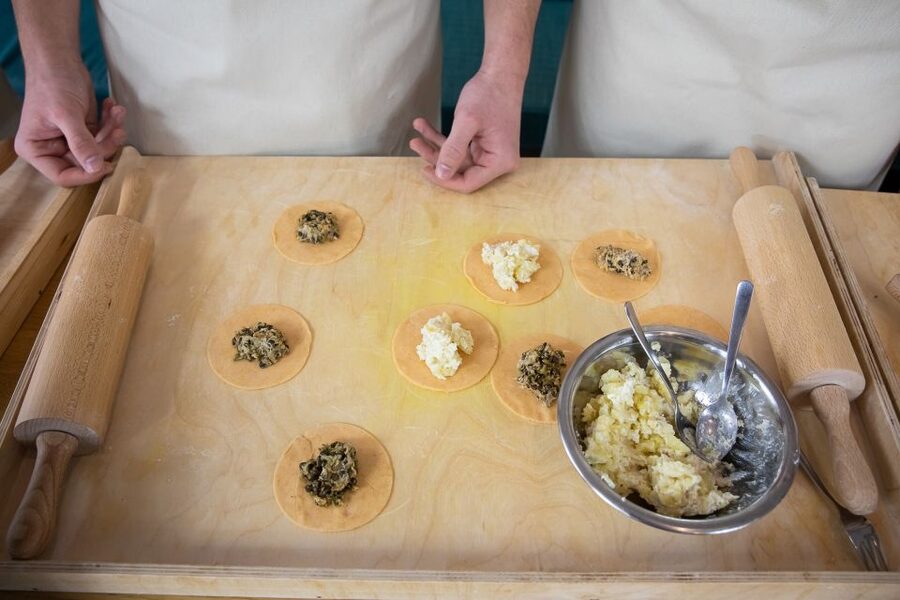
Pierogi are one of Poland’s best-known comfort foods, but their appeal is not only about eating them. The process is simple enough for a first-time cook, yet precise enough to keep your hands busy. You mix and knead dough, prepare fillings, roll the dough thin, cut rounds, add filling, and seal each dumpling.
That gives you a clear sense of how the dish comes together. You are not standing behind a chef watching a demonstration from a distance. You work at the table, make your own shapes, and see how small changes affect the final result.
The short introduction at the beginning also matters. It explains the origins of pierogi and their place in Polish food culture before the cooking starts. Arrive on time, since missing this opening means losing the cultural context that makes the meal more than a simple pasta workshop.
I especially like that the class does not treat pierogi as one fixed recipe. You can choose meat, vegetarian, or vegan fillings, and the class may include several different types. One detailed account described four fillings, including two meat choices, one vegetarian option, and one vegan option. That variety is useful if you are traveling with people who eat differently.
More pierogi cooking classes in Warsaw:
- Warsaw’s No 1 cooking class-Polish dumplings with liqueur tasting
★ 5.0 · 576 reviews - Pierogi Class and Liquor Tasting with View on Warsaw
★ 5.0 · 71 reviews - Pierogi Cooking Class with Market Shopping and Local Snacks
★ 5.0 · 343 reviews
Arriving at Pierogi & More on Stawki Street
The meeting point is Pierogi & More, at 3 Stawki Street, 00-193 Warsaw. Enter from the street and look for the large Pierogi & More sign. This is a particularly useful detail in a city you may not yet know well, so give yourself enough time to locate the entrance.
The class lasts between two and two and a half hours. The listed duration is 150 minutes, so this is not a quick stop to squeeze between two tightly scheduled sights. Plan it as a proper part of your day, especially if you book an evening session and expect to eat a full meal afterward.
The group limit is 10 participants. That is small enough for the host to watch your technique and step in when a seal is loose or a dough round is too thick. Individual help comes up often in the class, and several hosts have been praised for keeping everyone moving at the same pace.
The class is taught in English. Hosts named in past sessions include Maria, Mária, Daria, Ben, Marysia, Nina, and Patrycja. The exact instructor depends on the date, but the pattern is consistent: clear instruction, help at the table, and a friendly approach suited to beginners.
Mixing, kneading, and rolling the dough
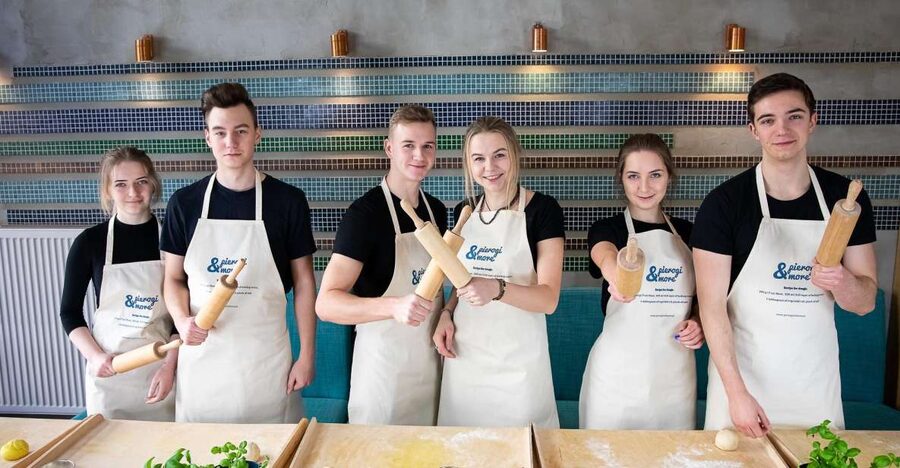
The first practical stage is dough preparation. You mix the ingredients, knead the dough, and learn how to bring it to a workable texture. This is where the class gives you something a restaurant meal cannot: a feel for the dough under your hands.
You then roll it out and prepare rounds for filling. The basic work is approachable, but the results depend on small details. Dough that is too thick can make heavy dumplings. Dough that is too thin may tear when you add the filling. The instructor shows you how to handle it, and you can ask for help as you go.
I like this part because it sets up the rest of the class. Instead of receiving ready-made wrappers, you understand the foundation of the dish. The recipe booklet and emailed recipes are more useful once you have handled the dough yourself and know what the right texture should feel like.
Do not expect to master the technique in one attempt. The class is designed to give you a strong start, not turn you into a professional pierogi maker in an afternoon. That is part of the fun. Your early dumplings may look less tidy than your later ones, and the meal gives you an excellent reason to keep practicing.
Choosing meat, vegetarian, or vegan fillings
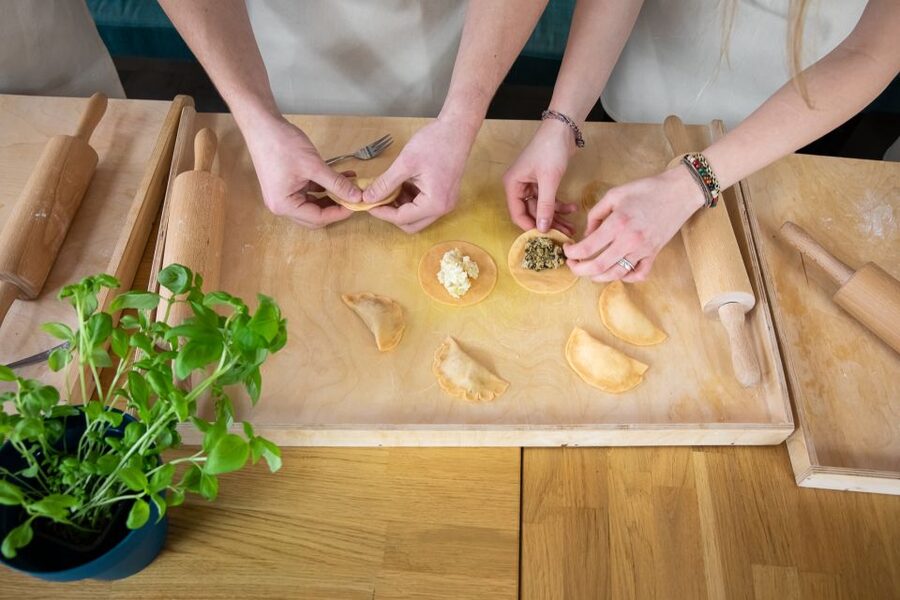
Once the dough is ready, you prepare the fillings and decide which options suit you. Meat eaters can choose a meat filling, while vegetarian and vegan participants have alternatives. This makes the class easier to book for couples, families, and small groups with different diets.
Several filling types may be prepared during the session. One class included four varieties, with two meat fillings plus vegetarian and vegan choices. The precise menu can vary, so do not assume you will receive a particular flavor unless the provider confirms it.
The filling choices also show how flexible pierogi can be. The same dough becomes a different dish depending on what goes inside and what you add on top. The instructor also shares ways to make the dumplings more flavorful, including advice on fillings, toppings, and finishing touches.
An onion oil topping has been part of the meal in at least one session. It is a small detail, but it helps explain why the finished dumplings taste fuller than plain boiled dough with filling. You may also learn how to experiment at home, including the possibility of fruit-filled pierogi, though that specific option is not promised in the class.
More cooking classes in Warsaw:
- Flavours of Polish Christmas: 4 course dinner + cooking class
★ 5.0 · 22 reviews - Krakow Pierogi Cooking Class with Market Visit & Home-Cooked Meal
★ 5.0 · 212 reviews - Pierogi Cooking Class: Mastering the Art of Polish Dumplings
★ 5.0 · 129 reviews - Krakow: Pierogi Home Cooking Class
★ 5.0 · 23 reviews
Learning five folding styles
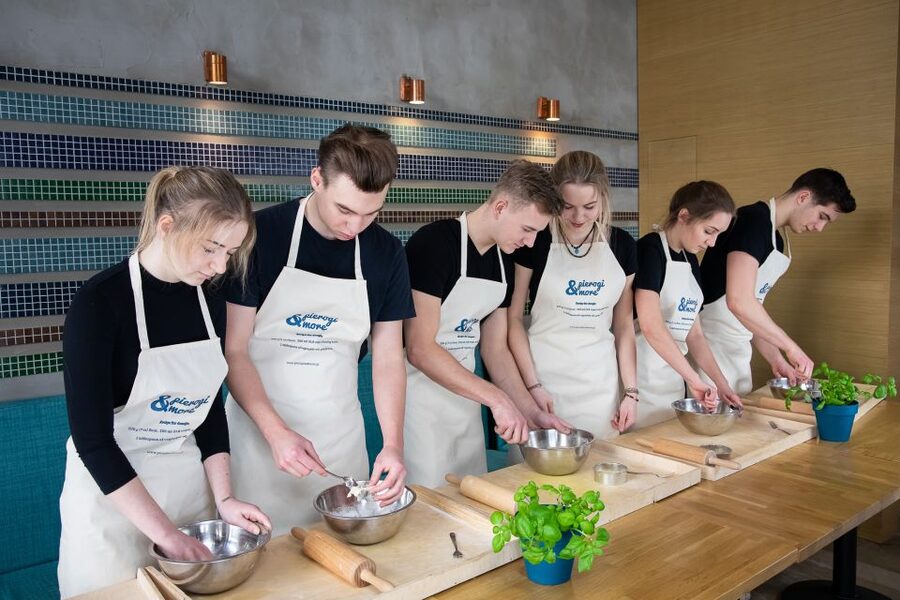
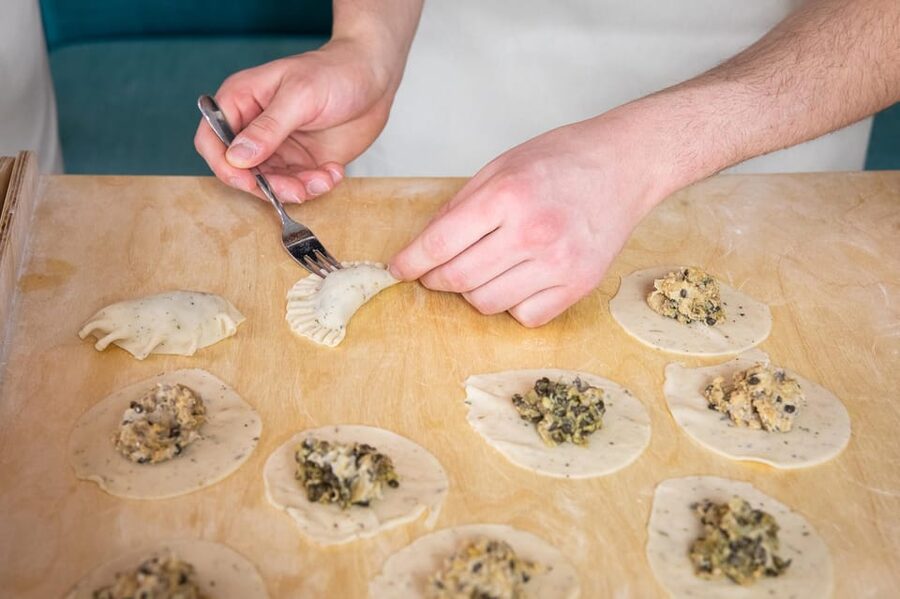
The folding lesson is one of the most memorable parts of the experience. You learn several ways to seal the edges, with five techniques mentioned in one class. The shapes can include a tortellini-style fold, along with other decorative edges.
This is not just decoration. A well-sealed dumpling keeps the filling inside during cooking. The fold also gives your homemade pierogi a personal look, which makes the photo link and recipe instructions more useful when you try the dish again at home.
Some shapes are easier than others. The tortellini form may take practice, so do not worry if your first attempt looks more like a folded parcel than a neat restaurant dumpling. The instructor can demonstrate the motion and help you correct the seal.
I like that the class leaves room for creativity without losing the traditional base. You learn the classic method, then get practical ideas for different designs, fillings, and toppings. It is a good balance for beginners who want clear guidance and confident home cooks who want a few new tricks.
Sitting down to a generous pierogi meal
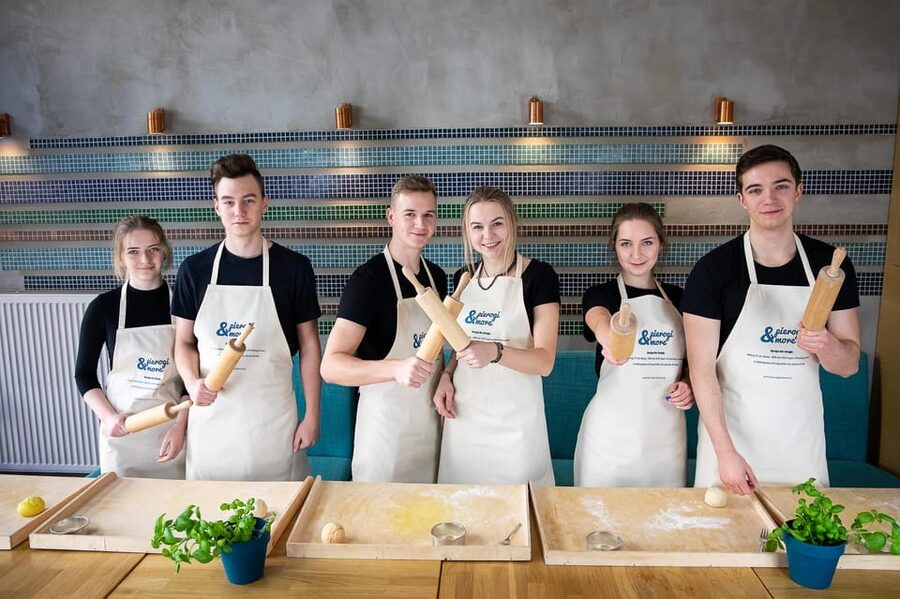
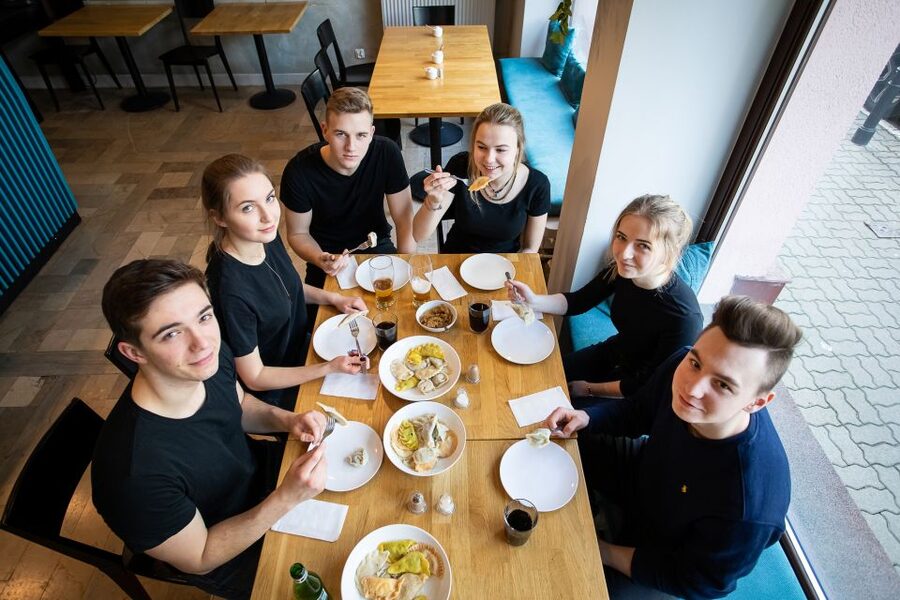
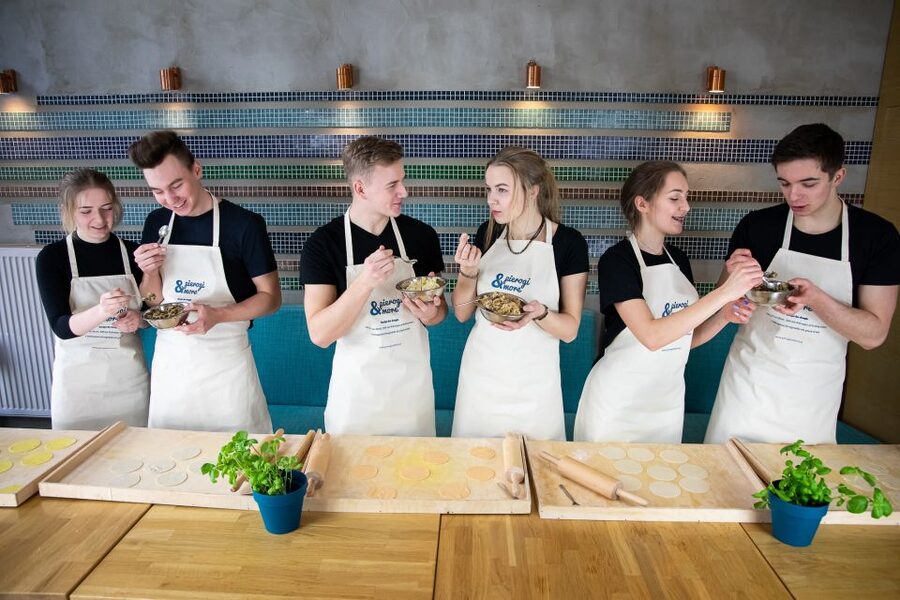
After the preparation comes the reward: you eat the pierogi you helped make. The meal is described as substantial, with the dumplings served family style or on a full plate. Several sessions have left participants feeling well fed, so do not plan this as a light snack before dinner.
This shared meal changes the mood of the class. You have been working alongside other people, and then everyone gets to compare the shapes and fillings at the table. It is an easy setting for conversation without requiring you to make small talk from the moment you arrive.
The food is the strongest value point in the $75 price. You are paying for instruction, ingredients, a full meal, recipes, photographs, and, for evening sessions, a Polish liqueur tasting. If you only want to taste pierogi, a restaurant will cost less. If you want to learn the method and leave with something you can repeat at home, the price is easier to justify.
The class also suits solo participants. You do not need to bring a large group, and the small format gives you a structured activity with built-in company. Couples, families, and groups of friends can also work well, especially when people have different dietary needs.
Finishing with Polish liqueur
Evening classes finish with a tasting of Polish liqueurs. This is a pleasant cultural add-on rather than the main reason to book, and it gives the meal a clear ending. A cherry liqueur has been a favorite in at least one session.
Pay close attention to the timing of your booking. Drinks are included in the price of the evening class only. If you book a morning class, you may order drinks at your own cost. The activity information also says alcoholic beverages are not included, so check the exact session details when you reserve. The safest reading is that the advertised tasting applies to evening classes, while morning drinks are extra.
If you do not drink alcohol, the class still includes the cooking lesson, meal, water, recipes, and photo link. You should not book solely for the liqueur tasting, since that part depends on the session you choose.
What you take home after 150 minutes
The recipes sent by email are the most useful souvenir. Unlike a small gift that gets forgotten in your luggage, the instructions give you a way to repeat the experience after returning home. You can also use the techniques as a starting point for your own fillings and shapes.
The host also provides a link to photographs taken during the class. That gives you a record of the activity without requiring you to photograph every step yourself. It is especially handy for remembering the folding patterns.
The class is also a good cultural souvenir because it connects a familiar Polish dish with your own effort. You leave knowing how pierogi are formed, how different fillings work, and why sealing matters. You may not produce perfect dumplings on the first try at home, but you should have enough guidance to make a solid attempt.
Who should book this class
I would recommend this experience to anyone who wants a practical food activity in Warsaw rather than another sightseeing stop. It suits first-time cooks because the steps are demonstrated and help is available. It also suits people who already enjoy cooking and want to learn several traditional folding styles.
Families can book it with children aged 8 and over. A 12-year-old with an interest in cooking has taken part successfully, and the class can work well for teenagers when they are willing to take part rather than simply wait for the meal.
It is a good option for solo visitors, couples, and mixed-diet groups. The vegetarian and vegan choices are a real advantage, though you should communicate dietary needs clearly when booking if you require a specific arrangement.
The class is wheelchair accessible, which adds practical flexibility. Children under 8 are not suitable for the activity. Since the session is non-refundable, confirm your schedule, age requirements, and preferred time before paying.
Is $75 good value?
At $75 per person, the class is not the cheapest way to eat pierogi in Warsaw. A restaurant meal will usually be simpler and less expensive. But the comparison changes when you count the 150-minute lesson, ingredients, full meal, recipe instructions, photo link, and evening liqueur tasting.
The small group helps support the price. With a maximum of 10 people, you have a better chance of receiving individual help than in a large demonstration class. The instruction is also in English, which removes a major barrier for international visitors.
I would consider the price fair if you value participation and want a skill to take home. I would skip it if your only goal is to sample Polish food quickly, or if your schedule cannot spare two to two and a half hours.
Should you book the Warsaw pierogi class?
Book it if you want to understand pierogi by making them yourself. The strongest parts are the hands-on dough work, several folding methods, flexible filling choices, and the substantial meal at the end. The emailed recipes and class photos add lasting value.
Choose an evening session if the Polish liqueur tasting appeals to you. Choose a morning session if you prefer an earlier activity, but budget for drinks ordered separately. Arrive on time for the short introduction, and allow enough time to find the street entrance at Pierogi & More.
I would make this a strong pick for couples, families with older children, solo visitors, and anyone who plans trips around food. It is friendly, practical, and filling. Just remember that it is non-refundable, and book only when you are confident about your date and time.
FAQ
Where is the pierogi cooking class held?
The class meets at Pierogi & More, 3 Stawki Street, 00-193 Warsaw. Enter from the street and look for the large Pierogi & More sign.
How long does the class last?
The activity lasts between two hours and 150 minutes, depending on the listed session details.
What language is the class taught in?
The class is taught in English.
How many people can join?
It is a small-group activity limited to 10 participants.
What types of pierogi can I make?
You can choose meat, vegetarian, or vegan fillings. The exact selection may vary by session.
Is a meal included?
Yes. The class includes a substantial pierogi meal with vegetarian and vegan options.
Are drinks included?
Water is included. Polish liqueur tasting is included with the evening class. If you book a morning class, you may order drinks at your own cost.
Are recipes provided after the class?
Yes. Recipes are sent by email, and you also receive a link to photographs taken during the class.
Can children join the activity?
Children under 8 are not suitable for the class. The activity is wheelchair accessible.
More Workshops in Warsaw
- First class Warsaw Airport Transfer (WAW)
★ 5.0 · 10 reviews - Warsaw: Pottery Decorating Ceramic Workshop
★ 3.7 · 4 reviews - PIEROGI classes with Masterchef
★ 4.0 · 10 reviews - Gdansk: Jewelry Making Workshop with Amber
★ 5.0 · 5 reviews
Just added around Warsaw
- Wolfs Lair and Swieta Lipka Small Group Tour from Warsaw with Lunch★ 4.5 · 21 reviews
- Wolf’s Lair & Treblinka Tour in 1 day from Warsaw★ 5.0 · 37 reviews
- Tour from Warsaw: Wolf’s Lair, Hitler’s HQ Zones I and II★ 5.0 · 32 reviews
- Wolf’s Lair Private Day Trip from Warsaw★ 5.0 · 50 reviews
- Wolfs Lair “Hitler’s Headquarters” – Full Day Tour from Warsaw by private car★ 4.5 · 4 reviews
- Warsaw Must-See Local City Tour with Antek and Tomek★ 5.0 · 51 reviews
- Off the Beaten Track in Warsaw: Private City Tour★ 4.5 · 9 reviews
- Warsaw’s Old Town A Self-Guided Audio Tour★ 4.5 · 10 reviews
Pierogi Cooking Classes, compared.

Warsaw’s No 1 cooking class-Polish dumplings with liqueur tasting
Read our review →
Pierogi Cooking Class with Market Shopping and Local Snacks
Read our review →
Krakow Pierogi Cooking Class with Market Visit & Home-Cooked Meal
Read our review →
Food Tour of 10 Tastings with Pierogi, Vodka & More
Read our review →
Pierogi Cooking Class: Mastering the Art of Polish Dumplings
Read our review →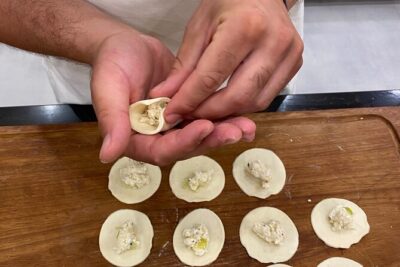
Pierogi Class and Liquor Tasting with View on Warsaw
Read our review →

Browse the lists this tour appears in