
Reviewed · COMMUNIST HISTORY TOURS
Krakow: Nowa Huta Guided Tour in Vintage Car
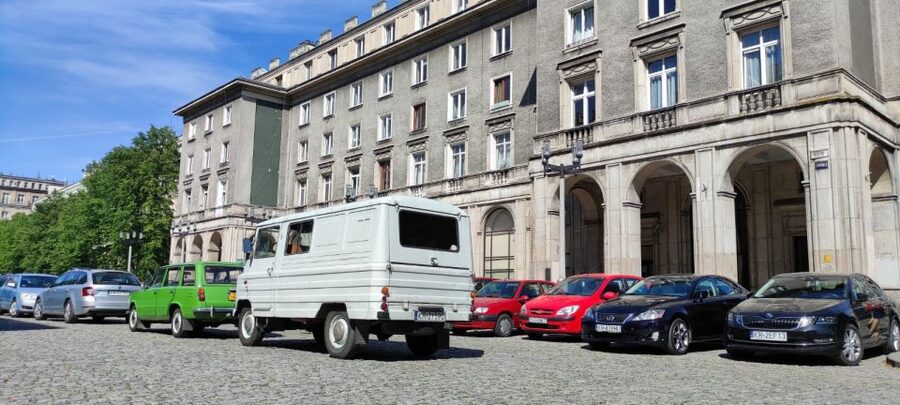
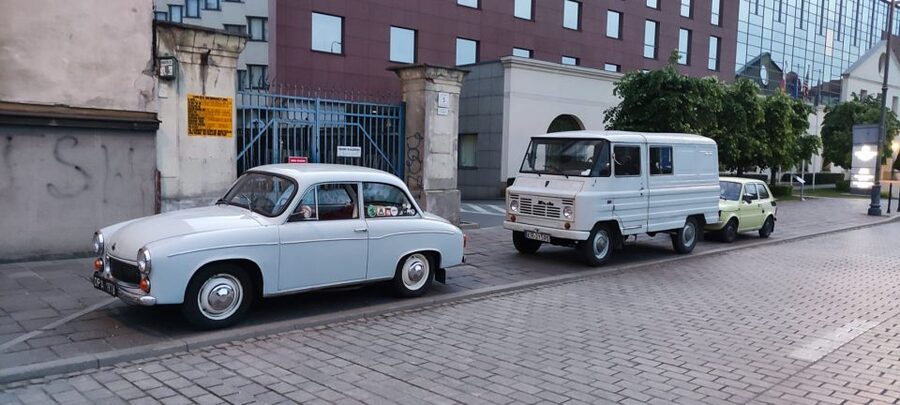
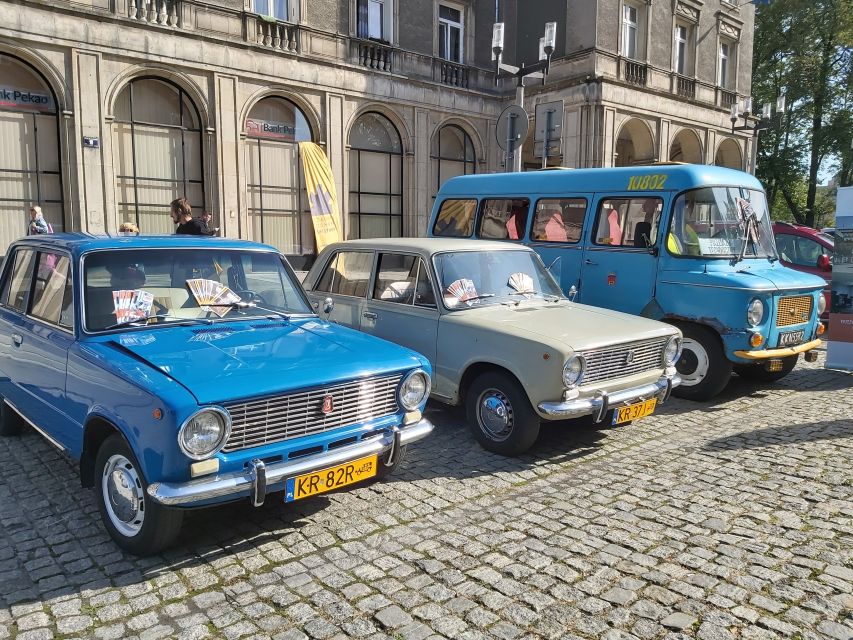
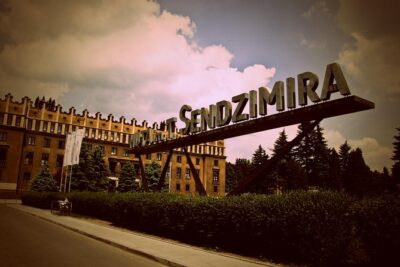
Nowa Huta is the part of Krakow that most clearly shows how communist Poland tried to build a new society from scratch. You ride through its broad avenues in a Polski Fiat or old Lada, then walk around Central Square, Roses Avenue, the steelworks area, and a Cold War shelter.
I especially like the local angle. Guides such as Mateusz, who grew up in the area, connect grand political plans with ordinary homes, shops, churches, and family life. I also like the extended option, which adds the steelworks offices or underground shelter. The main drawback is comfort: some vintage cars are tight, old, and may not have working seatbelts, so this is style and history over modern convenience.
Key points to know before booking
- Nowa Huta was built around a giant steelworks, not added gradually like old Krakow.
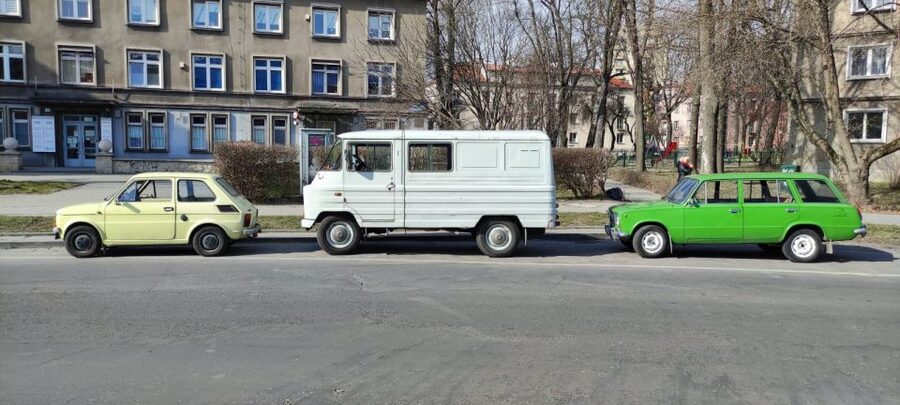
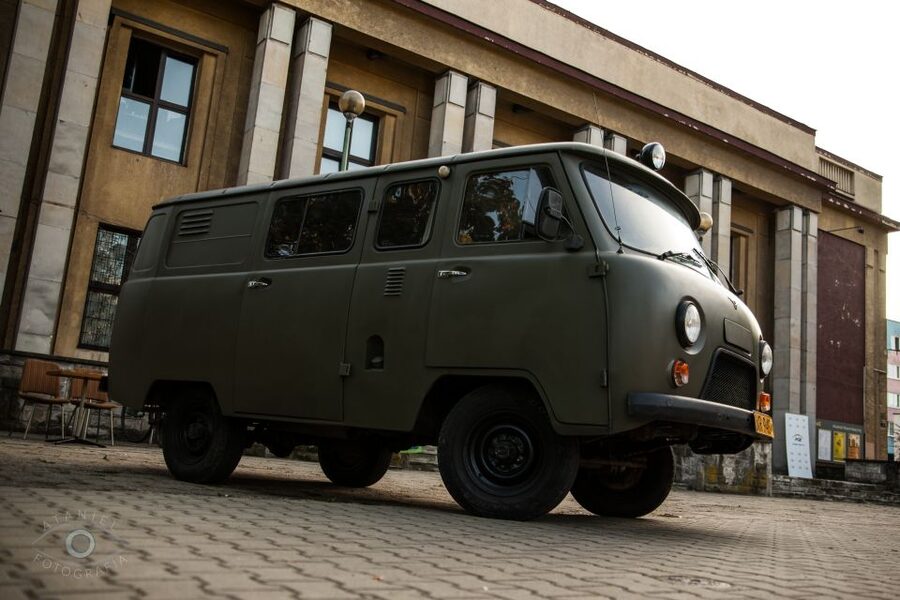
- The vintage car is part of the lesson, from a tiny Fiat 126 to a Lada, Nysa, Żuk, Syrena, or Soviet UAZ van.
- Central Square and Roses Avenue reveal the district’s Socialist Realist plan, including the former site of Krakow’s huge Lenin statue.
- The longer tour is the better buy for history fans, with a Cold War bomb shelter or steelworks director’s offices.
- Local guides bring the district to life, especially Mateusz, who is known for clear English, humor, and detailed knowledge of Nowa Huta.
- Pickup is available in much of Krakow, but cars cannot normally enter the historic center itself.
Why Nowa Huta deserves time beyond Krakow’s Old Town
Krakow’s Old Town gives you medieval churches, royal streets, and polished market squares. Nowa Huta tells a much newer story, one shaped by postwar Poland, Soviet influence, industrial ambition, and resistance to communist control.
The district was founded because of its enormous steelworks project. The plan was to build a modern industrial city for workers and their families. Streets, apartment blocks, public squares, green areas, schools, shops, and cultural spaces were arranged as parts of one deliberate urban scheme.
That plan was meant to look ideal on paper. The reality was more complicated. Nowa Huta became a place where official communist ideas met ordinary Polish life. The result is a district of broad avenues, formal buildings, practical apartments, religious landmarks, and memories that do not fit neatly into propaganda.
I find this hard to understand from a guidebook alone. The scale is too large, and the symbols are spread across a wide area. The vintage-car tour solves that problem by linking the sites together while giving you a guide who can explain what you are seeing.
More Communist History Tours in Krakow
- Legendary Private Nowa Huta Communism Tour with Crazy Guides
★ 5.0 · 262 reviews - Nowa Huta: Steelworks Administration Buildings/Shelters Tour
★ 4.9 · 160 reviews - Krakow: Private Nowa Huta Adventure Tour in Communist Cars
★ 4.9 · 114 reviews
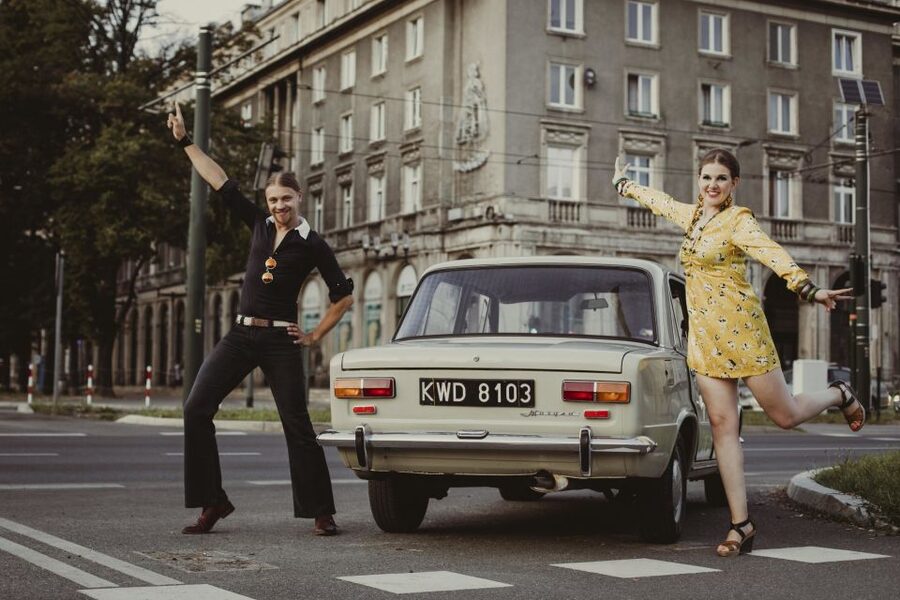
The vintage car is more than a photo prop
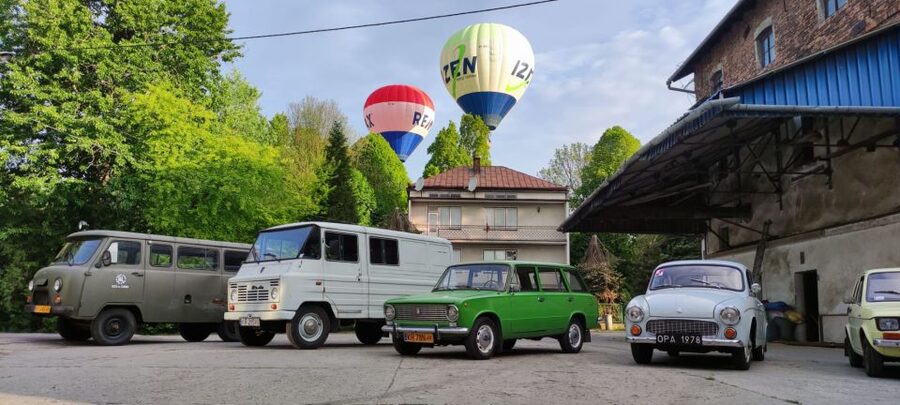
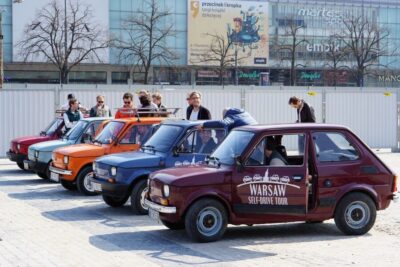
The tour may use a Polski Fiat 126, Lada 2101, Syrena, Nysa, Żuk, or UAZ 452. You do not select the exact car with certainty, but the provider can tell you which one is being used through WhatsApp after booking.
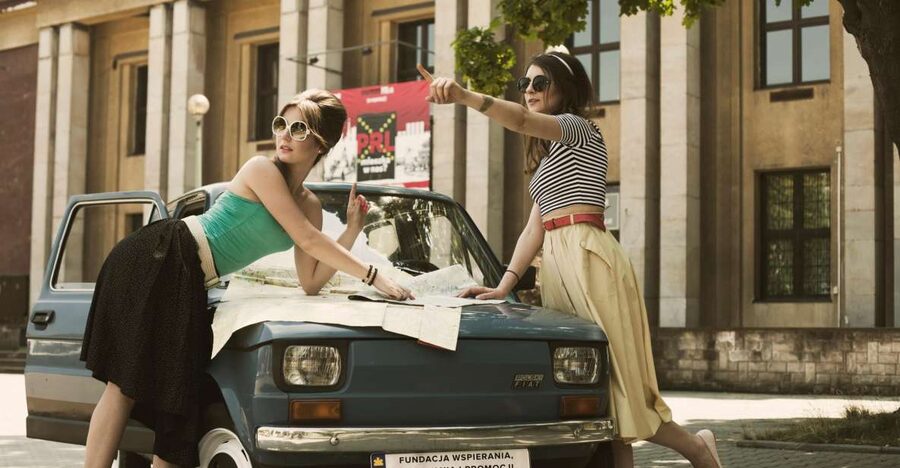
The little Fiat 126, often called the Maluch, is the most compact option. It has a strong connection with everyday life in communist Poland and makes the trip feel like a period experience rather than a standard city transfer. A Lada offers a roomier ride and has the right Soviet-era look. The larger Nysa, Żuk, or UAZ may suit a group better.
The cars attract attention on Krakow’s streets, which adds a playful touch. Yet the real value is the setting. You are moving between sites in a vehicle from the period being discussed, hearing about housing, work, transport, shortages, political symbols, and changing attitudes toward communism.
Do not expect modern-car comfort. One account noted that a vintage Lada had no working seatbelts. That may not apply to every vehicle, but it is sensible to ask about the car if this matters to you. Seating can also be snug, particularly in a tiny Fiat 126.
Central Square shows the city’s grand plan
Your first major stop is Plac Centralny, or Central Square. This is the heart of Nowa Huta’s formal design and a useful place to learn how the district was meant to function.
The square is broad and imposing. From here, the avenues and buildings reveal the careful geometry of the city. The scale was intended to express order, strength, and confidence. Your guide can point out how the buildings frame the space and how the layout fits the larger plan.
You will usually walk here for about 20 minutes. That is enough to get your bearings and examine the architecture without turning the visit into a lecture on building styles. Bring your attention to the proportions, entrances, facades, and open space. Nowa Huta’s design makes more sense when you see the whole composition from the square.
This is also one of the best places to ask questions. You can connect the official image of a planned workers’ city with the more personal subjects of apartment size, household needs, and who was assigned housing.
Roses Avenue and the missing Lenin statue
From Central Square, the tour continues toward Aleja Róż, or Roses Avenue. The name refers to the roses that once gave the avenue a softer appearance, though the most famous feature was the huge statue of Lenin that dominated the area.
The statue was a powerful symbol of communist authority, but it was deeply disliked by many local people. It was eventually removed after being attacked and damaged. Your guide may use old photographs to show how different the avenue looked when Lenin towered over it.
That before-and-after comparison is useful. Without it, you might walk past the site and see only an ordinary city street. With the old images, the empty space becomes part of the story. It shows how public symbols can disappear while the buildings and street plan remain.
The Lenin statue itself is gone, but it has not vanished from the story. Its later fate is an unusual detail connected with Sweden, where it was bought and placed at High Chaparral, a western-themed park. The point is not the odd destination alone. It also shows how communist symbols have been rejected, preserved, mocked, or repurposed in different places.
More retro car tours around Krakow:
- 1.5h Crazy Guides’ Communism Tour of Nowa Huta in Classic Car
★ 5.0 · 22 reviews - Discover the Dark Side of Warsaw in Praga District by Retro Bus
★ 5.0 · 327 reviews - Warsaw: 2.5-Hour Dark Side – Praga District by a Retro Bus
★ 4.5 · 248 reviews - Warsaw City Sightseeing in a Retro Bus
★ 5.0 · 196 reviews
The steelworks explains why the city exists
The huge steelworks project is the reason Nowa Huta was built. Seeing the surrounding district without understanding that connection would leave out the central piece of the story.
The tour takes you toward the former industrial complex at Ujastek. Depending on the option selected, you may visit the old steelworks director’s offices. This extended visit is especially worthwhile for anyone interested in twentieth-century politics, industry, architecture, or daily life under state socialism.
Inside, you can see rooms connected with the management of the works, including the director’s office. The appeal is not luxury. It is the preserved atmosphere of an institution that once represented the power and ambition of the industrial state. Offices, furnishings, and equipment help you picture how authority operated behind the public slogans.
The steelworks section can take around an hour and a half in the longer program. That makes the extended tour feel substantially different from a quick drive around the district. You have time to look closely, ask questions, and understand how the factory affected the city’s workers and families.
The industrial site is not presented as a polished museum attraction. That is part of its appeal. Some areas feel old, quiet, and atmospheric. If you prefer only bright, restored sights, this section may feel rough around the edges. If you like places where the past remains visible in rooms and equipment, it is one of the strongest parts of the day.
Underground shelters and the fear of World War III
The extended tour can also include a Cold War bomb shelter. These underground spaces were built in case of nuclear war, and they show a different side of communist planning.
Above ground, Nowa Huta was presented as a confident modern city. Below ground, the shelters reveal fear and preparation for destruction. Corridors, emergency rooms, and old technical equipment create a much more unsettling picture than the formal streets and squares.
Some electrical systems and equipment remain in surprisingly good condition, which makes the shelter feel less like an abstract historical display. You can see the practical side of civil defense and think about the people who would have been expected to use the space during a crisis.
The shelter is atmospheric, but it may not be comfortable for everyone. If enclosed underground places are not your thing, ask about the exact option before booking. If you are interested in Cold War history, I would choose the shelter when possible. It adds a human scale to the political story.
The Museum of the Armed Act and the Soviet tank
The route includes a stop at the Museum of the Armed Act, with time for a visit or photo stop. A Soviet tank from World War II is displayed nearby, giving you a tangible link to the military history connected with the period.
The tank is a quick but effective stop. You can get close, take photographs, and see the physical scale of the equipment. It breaks up the architectural focus of the tour and reminds you that Nowa Huta’s story sits within the larger history of war, occupation, Soviet influence, and postwar reconstruction.
Do not expect a long museum visit to be included as part of the standard package. Entrance tickets to other museums are not included, so check the exact plan if you want more time inside. The tank stop works best as part of the wider route rather than as a stand-alone attraction.
The first church in Nowa Huta
The tour also visits Our Lady Queen of Poland Church, often called the first church built in Nowa Huta. This stop is important because religion was not a minor subject in communist Poland.
The planned city was designed around official secular ideals, yet residents wanted a church. The eventual presence of a major Catholic church reflects the tension between state policy and popular religious life. Your guide can explain how the church fits into the story of local identity and resistance.
I like this stop because it prevents the tour from becoming a simple display of communist architecture. Nowa Huta was not only about steel, government planning, and Lenin. It was also about the people who lived there, worshipped there, raised families there, and pushed back against the limits placed on public life.
You have about 20 minutes for the church visit and explanation. Dress and behave respectfully, since this remains a religious place rather than just a historical object.
What the guide adds to the experience
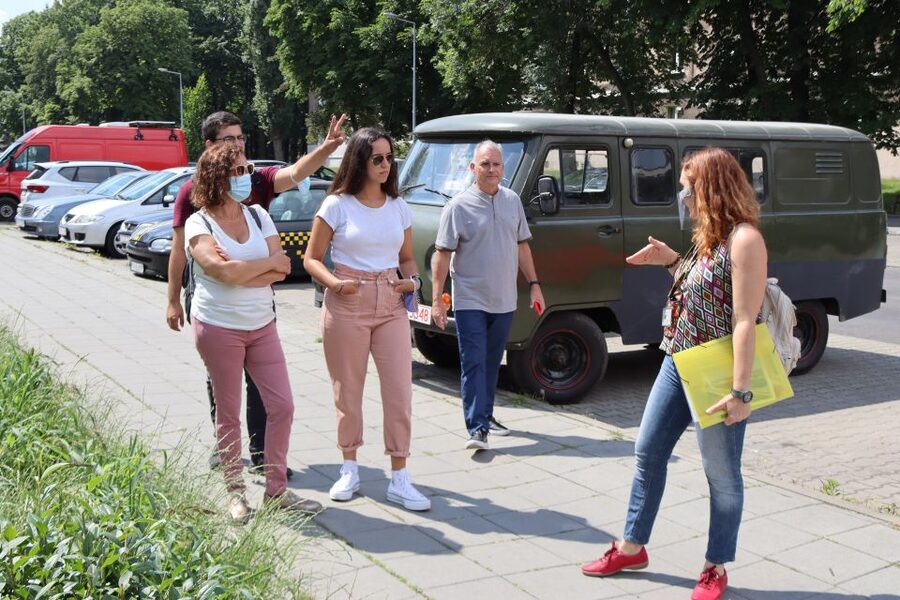
The guide is the key reason to choose this tour over exploring Nowa Huta alone. Mateusz, also referred to as Matthew, is frequently praised for his fluent English, enthusiasm, humor, and ability to answer detailed questions. He grew up in the area and has worked with the local eNHa foundation, which focuses on positive promotion and preservation of Nowa Huta.
That local connection matters. The guide can explain not only what a building was designed to mean, but how the district functioned for residents. Topics include the size of apartments, how housing was allocated to individuals and families, the role of the steelworks, and how local people viewed communist symbols.
You may also see old photographs used to compare the district before and after political change. This is especially helpful at Roses Avenue, where the removed Lenin statue would otherwise be hard to imagine.
The tone is usually informal and conversational. You can ask questions during the drive and walking stops, rather than waiting for a fixed script to end. That makes the tour suitable for people with very different levels of background knowledge.
The 150-minute tour or the longer option?
The listed duration ranges from 150 to 270 minutes, depending on the version you book. Some extended visits last close to four hours in practice, especially when the group spends time at the steelworks offices or shelter.
The shorter option gives you the main Nowa Huta story: the vintage car ride, Central Square, Roses Avenue, the steelworks area, the military display, and the church. It works well if your Krakow schedule is tight or if you mainly want to see the architecture and hear the basic history.
I would choose the longer option if you can spare the time. The director’s offices and the shelter are not minor add-ons. They show how the system operated and what anxieties shaped daily life. The extra time also gives the guide room to explain details instead of rushing between photo stops.
A lunch option may be available. One version includes mixed pierogi at a restaurant popular with local residents, and some tours stop at a traditional milk bar. Food is not included unless you select that option, so check your booking details before assuming lunch is part of the day.
Price, pickup, and practical value
At about $75 per person, this is not the cheapest way to see a Krakow neighborhood. You are paying for a private or small-group style experience, a vintage vehicle, a local guide, transport across a spread-out district, and, on the extended version, admission to the selected steelworks office or bomb shelter.
The price makes more sense if you value interpretation. You can visit Central Square and Roses Avenue independently, but you will miss much of the political context and the small details that connect the streets to the steelworks and local life. Public transport may cost less, but it will not provide the same route or access.
Hotel pickup and drop-off are available with the private option. The historic center has restrictions, so the car may meet you at a nearby point such as Plac Matejki, Mikołaja Zyblikiewicza, or Pawia 3. Pickup in Kazimierz may be arranged from Dajwór Street. Confirm your location through WhatsApp, since the exact meeting point depends on where you stay.
Look for an unusual retro car. The provider can tell you which model to expect, and you should have no trouble spotting it on the street.
Free cancellation is available up to 24 hours before the start, and you can reserve now and pay later. English is standard, while Polish or Russian can be arranged at least 48 hours ahead if available.
Who will enjoy this tour most?
I would recommend it to you if you like modern European history, industrial sites, old cars, architecture, Cold War subjects, or local stories that sit outside the usual Krakow route.
It is also a good choice for repeat visitors. If you have already seen Wawel, the Old Town, and Kazimierz, Nowa Huta offers a very different side of the city.
Families with older children and teenagers may enjoy the tank, vintage car, shelter, and clear visual story. The tour is also a strong fit for couples or small groups who want a guide focused on their questions.
I would be more cautious if you want a polished, fast-moving sightseeing trip or if you dislike old vehicles, underground spaces, or long explanations. The tour is built around conversation and context. It is not simply a drive-by photo circuit.
Should you book the Nowa Huta vintage-car tour?
Book it if you want to understand Krakow’s communist-era story rather than just look at its buildings. The vintage car is memorable, but the guide, steelworks connection, church, former Lenin site, and Cold War shelter provide the real value.
Choose the longer option if possible, and ask in advance whether your vehicle has working seatbelts and which extra site is included. If your interest is only in old cars, a shorter tour may be enough. If you want a clear, personal introduction to Nowa Huta, this is one of the most useful ways to see it.
FAQ
How long does the Nowa Huta vintage-car tour last?
The tour lasts between 150 and 270 minutes, depending on the selected option. The extended version can take about three and a half hours, and some outings last close to four hours.
What vintage cars may be used?
The tour may use a Polski Fiat 126 Maluch, Lada 2101, Syrena, Nysa, Żuk, or Soviet UAZ 452 van. The exact vehicle depends on availability.
Is hotel pickup included?
Pickup and drop-off are included if you choose the private option. The historic center has vehicle restrictions, but nearby meeting points can be arranged.
Can I be picked up in Kazimierz?
Pickup from Dajwór Street may be arranged for visitors staying in Kazimierz. Contact the provider with your accommodation details to confirm the closest point.
What languages are available?
The standard tour is in English. Polish and Russian can be arranged if requested at least 48 hours in advance, subject to availability.
Is the tour private?
A private group is available. The exact group arrangement depends on the option you book.
Does the tour include the steelworks director’s offices?
The director’s offices are included only if you select that extended option. The ticket is included with that choice.
Does the tour include a Cold War bomb shelter?
The bomb shelter is included only with the option that lists the Cold War headquarters shelter. The entrance ticket is included in that option.
Is food included?
Food and drinks are not included unless you select a lunch option. A lunch version may include mixed pierogi or a meal at a traditional local restaurant.
Can I cancel the booking?
You can cancel up to 24 hours before the tour for a full refund. A reserve-now, pay-later option is also available.
Just added around Krakow
- stag dog chase Krakow prank★ 5.0 · 4 reviews
- Divine Mercy Sanctuary – Private Tour from Krakow★ 5.0 · 4 reviews
- ZALIPIE – painted village, unique small group tour from Krakow★ 5.0 · 7 reviews
- ZALIPIE – painted village, unique PRIVATE tour from Krakow★ 5.0 · 20 reviews
- Zalipie Private Tour from Krakow The Painted Village★ 5.0 · 4 reviews
- Wooden Churches Unesco List Private Tour from Krakow★ 5.0 · 14 reviews
- Guided tour to Salt Mine & Schindler Factory with Pick-Up Options★ 4.0 · 58 reviews
- Wawel Castle, Cathedral, & Rynek Underground Tour with Lunch★ 5.0 · 4 reviews
Communist History Tours, compared.
Legendary Private Nowa Huta Communism Tour with Crazy Guides
Read our review →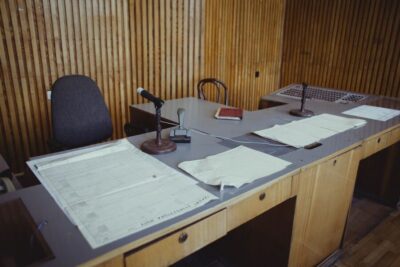
Nowa Huta: Steelworks Administration Buildings/Shelters Tour
Read our review →
Private Tour: Warsaw’s Communist History by Retro Fiat
Read our review →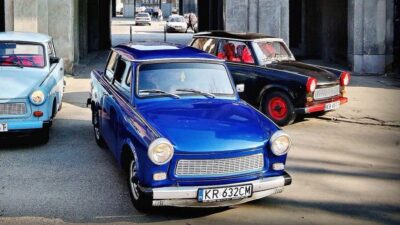
Private Nowa Huta Adventure Tour in Communist Cars
Read our review →
Browse the lists this tour appears in