
Reviewed · SCHINDLER FACTORY TOURS
Krakow: Schindler’s Factory Guided Tour
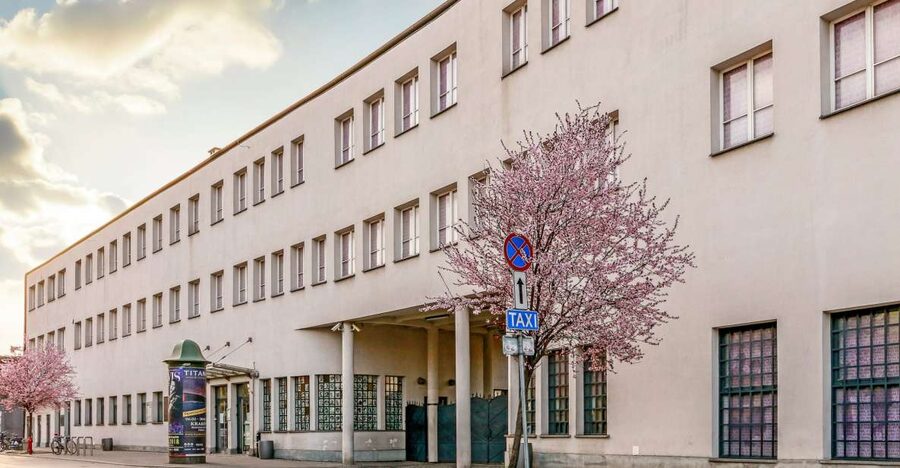
Oskar Schindler’s former enamel factory is one of Krakow’s most affecting museums because it connects the Nazi occupation to ordinary choices, fear, work, family life, and survival. The building once housed the administration of Schindler’s factory, and you can still see the desk associated with his office.
I like the way a guided visit gives the museum’s displays a clear thread, and I like the headsets, which help you hear the guide in a busy building. Guides such as Barb have been praised for bringing warmth and personal detail to a painful subject.
The main caution is pace. A large group can make it hard to stop at every exhibit, and some people have found a two-hour booking ended early. If you want long, quiet reading time, visiting directly may suit you better.
Key points at a glance
- Schindler’s former workplace: Visit the building that once housed the administration of Deutsche Emailwarenfabrik.
- Krakow under occupation: Follow the city’s wartime story from the German invasion in 1939 through 1945.
- Schindler’s office and desk: See an authentic desk linked to Schindler’s office.
- Strong guiding: Guides including Barb have been praised for clear explanations, energy, and a personal approach.
- Two-hour format: Good for a focused visit, though a crowded group may leave too little time for exhibits.
- Practical limits: Bring a physical passport or photo ID, and do not bring large luggage, pets, or recording equipment.
What the Schindler Factory visit is really about
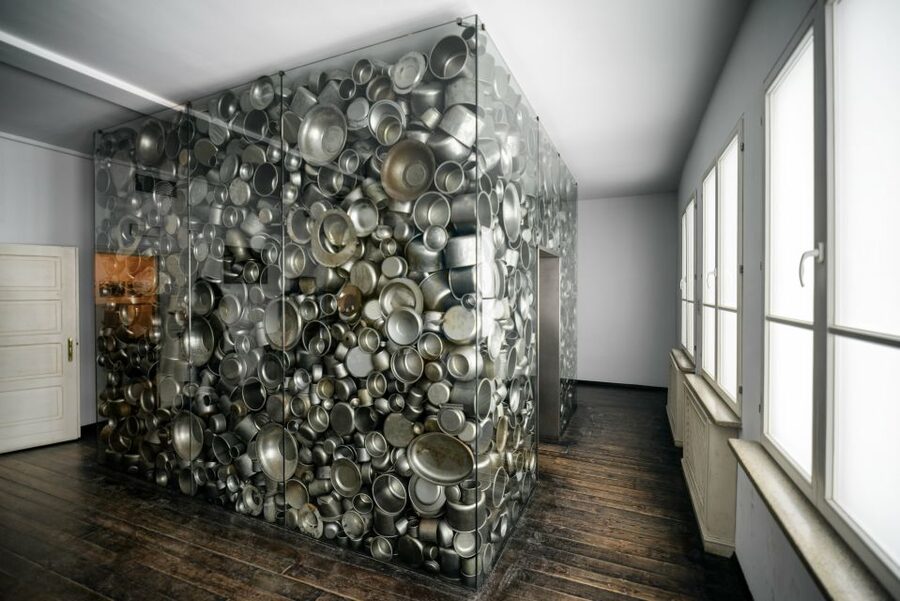
This is not simply a museum about one industrialist. The main subject is daily life in Krakow during Nazi occupation from 1939 to 1945.
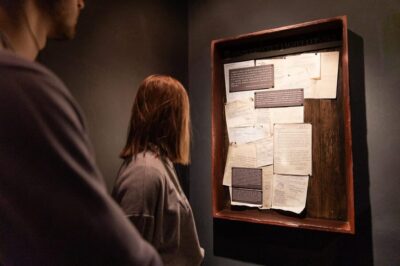
The museum places individual lives inside the larger machinery of the Nazi regime. You learn how work, housing, identity, family, and access to food were shaped by occupation. The strongest part of the experience is the link between public events and private decisions. A date in a textbook becomes a question of where a person lived, who could employ them, and how quickly danger could reach a household.
The factory matters because Oskar Schindler employed more than 1,000 Jewish people from the Krakow ghetto. His efforts helped save more than 1,200 Jewish people. The museum does not treat that fact as a stand-alone heroic tale. Instead, it places Schindler’s actions within the wider story of persecution, forced labor, and survival.
That distinction matters. You will learn about Schindler, but you should not expect every room to be a factory exhibit or a film-themed attraction. Much of the visit is focused on Krakow and its people during the occupation.
More ways to visit Schindler's Factory:
- Krakow: Oskar Schindler’s Factory Entry Ticket & Guided Tour
★ 4.2 · 3,793 reviews - Krakow: Schindler’s Factory Tour with Entrance Ticket
★ 4.5 · 3,182 reviews - Krakow: Schindler’s Factory Skip-the-Line Ticket
★ 4.4 · 3,105 reviews
From enamel works to wartime museum
The original enamel factory dates to 1937, before the German invasion of Poland. After Nazi Germany invaded on September 1, 1939, Schindler, a Sudeten German, arrived in Krakow around September 6, when German troops entered the city.
He soon took control of the factory. Its workforce included more than a thousand Jewish people from the Krakow ghetto. Employment could provide a measure of protection in a time when work permits, official status, and the decisions of powerful individuals had life-or-death consequences.
The building you visit was once part of the factory’s administration. That gives the subject a physical anchor. You are not only hearing about a distant wartime story. You are walking through a place tied to the decisions and paperwork that shaped the fate of workers.
The factory connection is also where expectations need to be clear. If you are hoping for a detailed tour of machinery, production methods, or the full industrial history of enamel manufacturing, this may feel limited. One section of the visit focuses on the factory and Schindler, but the wider museum tells a much larger story about occupied Krakow.
Entering the museum and meeting your guide
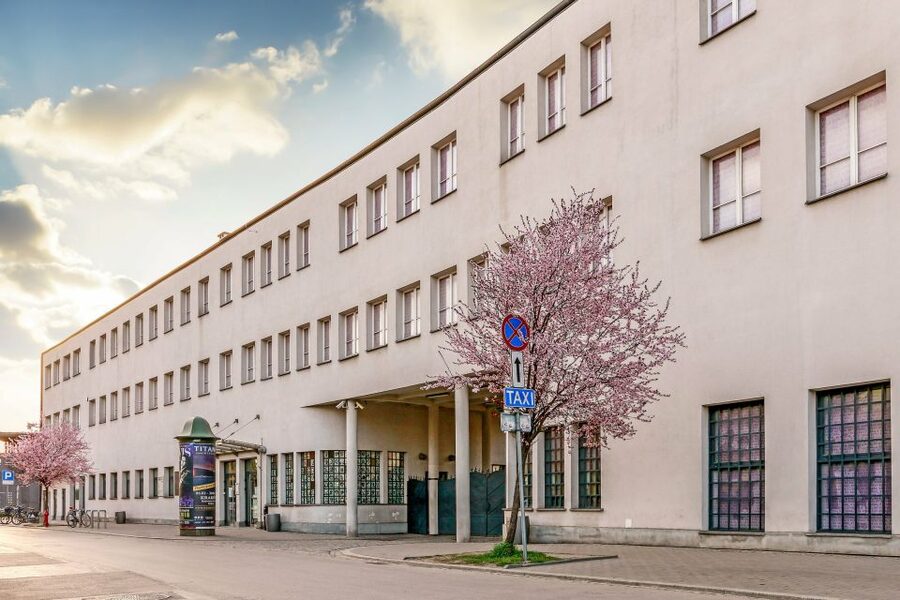
The meeting point is directly in front of the entrance to Oskar Schindler’s Enamel Factory museum. Look for a greeter carrying a GetYourGuide banner. This is useful because the entrance area can serve several groups, and you do not want to wander around looking for the right person.
The tour lasts about two hours, with starting times varying by availability. It includes an entrance ticket, so you do not need to arrange a separate museum admission for the guided visit.
You should bring a physical passport or photo ID with a picture for every person in your group. A digital copy may not be accepted. Without the required identification, you may be refused entry.
The tour is offered in English or Spanish. Headsets have been used on the tour, which makes a real difference if the group is spread through several rooms. They also help when other groups are nearby.
Following Krakow from 1939 to 1945
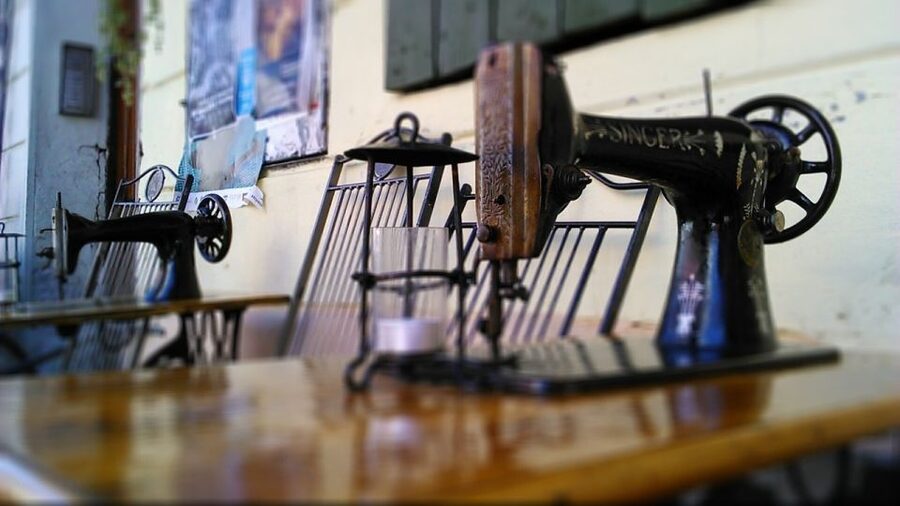
The central section explains how occupation changed everyday life in Krakow. Expect the guide to connect broad wartime events with personal stories and individual victims.
This approach is valuable because the museum is not only about battles or political leaders. It shows how the Nazi regime affected citizens through rules, separation, fear, forced work, and restrictions. The guide helps you understand how those parts fit together, rather than leaving you to assemble the story from labels alone.
A strong guide can make this section much easier to follow. Barb has received especially warm praise for her explanations and for keeping the two-hour visit interesting. Other guides have also been described as passionate and clear, with one guide connecting the subject to family experiences from the Second World War.
The personal approach works well here, but it depends on the guide. One account raised concern about broad and dismissive comments concerning Austrian and German suffering after the war. That is worth bearing in mind when choosing a guided tour on a subject this sensitive. A good guide should keep the focus on Nazi crimes while also treating civilian suffering and postwar trauma with care.
A few more Krakow half-days worth comparing
- Kraków: Evening or Night River Cruise
★ 4.0 · 7,386 reviews - Krakow: City Sightseeing Tour by Electric Golf Cart
★ 4.5 · 3,264 reviews - Krakow: City Sightseeing Tour Eco Electric Buggy Golf Cart
★ 4.7 · 3,143 reviews - Krakow: Chopin Piano Recital at Chopin Concert Hall
★ 4.7 · 2,330 reviews
Schindler’s office and the famous desk
One of the most specific highlights is the chance to see the authentic desk still associated with Schindler’s office. For many people, this is the moment when the story becomes most tangible.
The desk is not important because it is grand. Its value comes from the decisions connected with the office around it. Schindler’s position gave him access to factory employment and influence that could help protect Jewish workers. Seeing the office setting gives you a physical point of reference for that story.
Do not expect the desk alone to explain Schindler’s entire life. The guide’s explanation is what gives it meaning. Without context, it is simply furniture. With context, it becomes part of the story of employment, protection, and moral choices under occupation.
The museum also connects Schindler’s actions to the people who worked in the factory. This helps prevent the visit from becoming only a celebration of one man. The larger focus remains the lives of Krakow’s Jewish population and the many people caught in the occupation.
Why a guided tour helps, and where it can frustrate
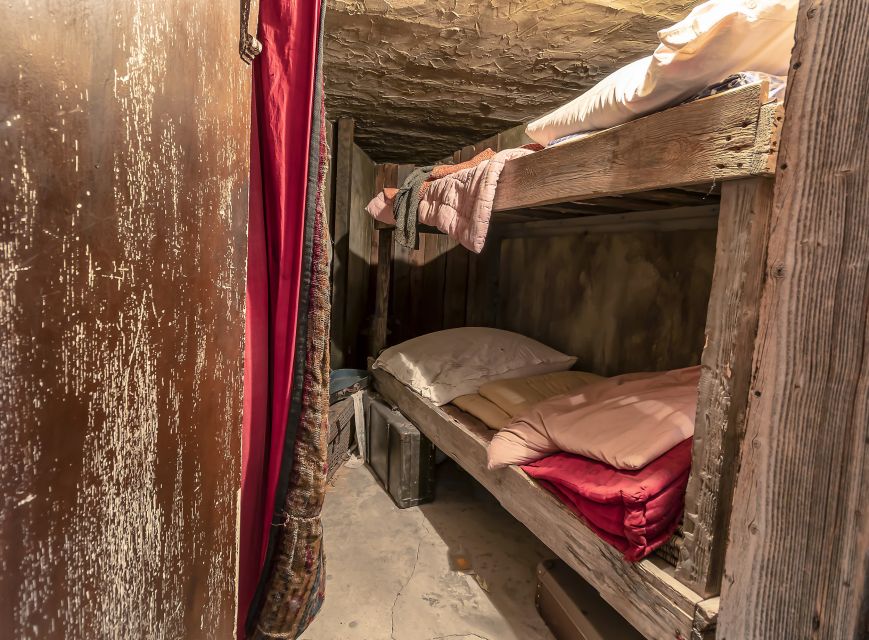
I like the guided format for a first visit because the subject is large and emotionally heavy. You receive a clear route through the museum, and the guide can explain why particular people, rooms, or objects matter.
The best guides add human scale. Instead of giving you a string of dates, they explain how occupation shaped choices and relationships. That personal touch has been one of the strongest features of the experience, especially when the guide speaks with care about victims and families.
The tradeoff is flexibility. A guide has to keep a group moving, and the museum contains more material than you can absorb in a short visit. Several rooms may invite closer reading, but you may have only a few minutes before the group continues.
Group size is important. A smaller group makes it easier to hear, see displays, and ask questions. A large group can feel crowded, particularly when several tours are moving through the same museum. One person found there was not enough time to read the exhibits and felt that some of the guiding could have taken place outside the museum.
If you want to study every panel, ask about family connections, or spend extra time in the rooms, consider booking directly with the museum instead. With this external tour, you may not be allowed to re-enter or remain inside after the guided portion ends.
What to bring and what to leave behind
Pack lightly. Large bags and luggage are not permitted inside the museum, and there is no animal shelter for pets. Animals are not allowed.
You also need to follow the museum’s strict rules about photography and recording:
- No flash photography
- No video recording
- No smoking
- No alcohol or drugs
- No weapons or sharp objects
- No pets
These restrictions are easy to manage if you know them before arriving. Bring your physical photo ID, wear comfortable clothing, and avoid arriving with a suitcase.
The experience is wheelchair accessible. It is not considered suitable for children under 14, which makes sense given the subject matter and the serious tone.
Is $42 a fair price?
At $42 per person, this is not the cheapest way to enter the museum. You are paying for the admission ticket, a professional guide, your chosen language, and the convenience of a planned two-hour visit.
The value depends on how you use the tour. If you want someone to organize the story, explain the objects, and help you understand the links between Schindler, the factory, the ghetto, and occupied Krakow, the price can be reasonable. A good guide saves you from walking through a difficult museum without knowing which details deserve your attention.
The value drops if you mainly want to read at your own speed. The guided format may move you along before you have finished with a display, and an external booking may not let you stay for the remaining time after the guide leaves.
I would choose this option if you have only a short time in Krakow or if you prefer a structured visit in English or Spanish. I would look at a direct museum ticket if you are a careful reader, have a strong family connection to the period, or want to spend extra time with individual exhibits.
Who should book this Krakow experience?
This tour suits adults and older teenagers who want a serious introduction to Krakow during the Second World War. It is especially useful if you have seen Schindler’s List and want to understand the real historical setting behind the film, though the museum is about much more than cinema.
You will get the most from it if you:
- Want a guided explanation rather than a self-led museum visit
- Prefer English or Spanish
- Have about two hours available
- Want to see the former factory administration building and Schindler’s desk
- Are comfortable with difficult material about occupation and persecution
- Can keep your belongings to a minimum
It may not suit you if you want a relaxed, unhurried museum visit. It is also not designed for children under 14, and the subject can be distressing even for adults.
Should you book the Schindler Factory guided tour?
Book it if you want a focused introduction to Krakow under Nazi occupation and value a guide who can explain the human stories behind the displays. The strongest part is the way the visit links Schindler’s factory with the wider experience of people living under Nazi rule.
Choose your timing carefully, arrive with physical identification, and expect a serious two-hour visit rather than a leisurely afternoon in the museum. If possible, seek a smaller group or book directly when reading time matters most.
For many people, the guide will make the $42 worthwhile. Just keep your expectations clear: this is mainly a museum about Krakow’s wartime society, not a narrow factory tour.
FAQ
How long does the Schindler’s Factory guided tour last?
The scheduled duration is two hours. Starting times vary, so you should check availability when booking.
What languages are available?
The tour is offered in English and Spanish.
Is museum admission included?
Yes. The tour includes a skip-the-line entrance ticket and a professional guide.
Do I need to bring identification?
Yes. Every participant must bring a physical passport or photo ID. Without it, you may not be allowed to enter the museum.
Can I bring luggage or a pet?
No. Large luggage and pets are not permitted inside the museum. The museum does not provide animal shelters.
Can I take photographs or record video?
Flash photography and video recording are not allowed inside the museum.
Just added around Krakow
- stag dog chase Krakow prank★ 5.0 · 4 reviews
- Divine Mercy Sanctuary – Private Tour from Krakow★ 5.0 · 4 reviews
- ZALIPIE – painted village, unique small group tour from Krakow★ 5.0 · 7 reviews
- ZALIPIE – painted village, unique PRIVATE tour from Krakow★ 5.0 · 20 reviews
- Zalipie Private Tour from Krakow The Painted Village★ 5.0 · 4 reviews
- Wooden Churches Unesco List Private Tour from Krakow★ 5.0 · 14 reviews
- Guided tour to Salt Mine & Schindler Factory with Pick-Up Options★ 4.0 · 58 reviews
- Wawel Castle, Cathedral, & Rynek Underground Tour with Lunch★ 5.0 · 4 reviews
Schindler Factory Tours, compared.
Oskar Schindler’s Factory Entry Ticket & Guided Tour
Read our review →
Schindler’s Factory Tour with Entrance Ticket
Read our review →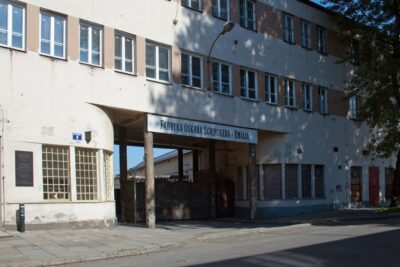
Schindler’s Factory Tour with Entrance Ticket
Read our review →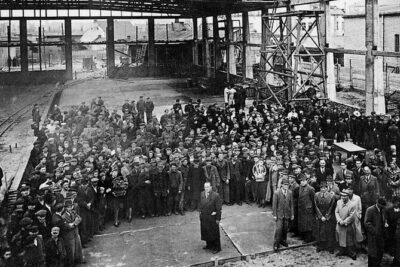
Schindler’s Factory in Krakow: Guided Tour & Skip the Line Ticket
Read our review →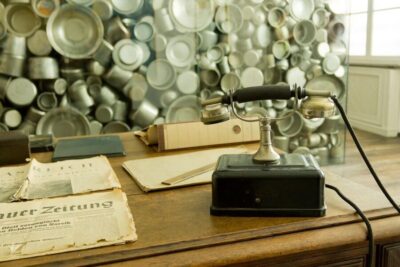
Schindler’s Factory Ticket with Guided Tour Option
Read our review →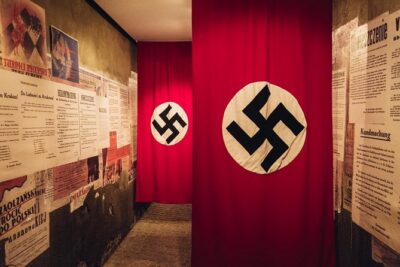
Krakow Schindler’s Factory Guided Tour with Admission Ticket
Read our review →Browse the lists this tour appears in