
Reviewed · SCHINDLER FACTORY TOURS
Schindler’s Factory in Krakow: Guided Tour & Skip the Line Ticket
Oskar Schindler’s former factory is now a museum about Krakow under Nazi occupation, not simply a shrine to the man portrayed in Schindler’s List. You’ll see his office and some factory-made enamelware, but most of the visit follows the city’s wartime suffering through photographs, documents, recordings, and carefully staged rooms.
I like the timed entry, which can spare you a frustrating wait for one of Krakow’s most popular museums. I also like having a guide to explain how the exhibits fit together, especially when guides such as Marta, Natalia, Elizabeth, and Barbara are clear, warm, and well prepared. The main caution is that quality varies, and a group of up to 25 can make a small museum feel rushed.
I would choose this experience if you want a reserved entry time and a human voice to connect the displays. If you want to read every panel, study every photograph, and set your own pace, the self-guided option may serve you better, provided you can secure a ticket.
Key points to know before you book
- The museum is mainly about wartime Krakow: Schindler is important, but the exhibition covers the city’s experience before, during, and after World War II.
- Timed entry is the biggest practical benefit: Your ticket gives you a scheduled way into a museum where ordinary admission can be difficult to arrange.
- The guided tour lasts about 90 minutes: Some descriptions refer to roughly two hours, but you should expect a fairly brisk visit.
- Guide quality matters: Marta, Natalia, Elizabeth, and Barbara have received especially warm praise, while other visits have suffered from rushed commentary or poor organization.
- You may see Schindler’s office and factory goods: Pots, pans, tins, and other enamelware help explain how the factory operated.
- Bring the exact ID used for booking: Tickets are issued in individual names, and museum staff may ask for a passport or identity card.
What the Schindler Factory Museum actually tells you
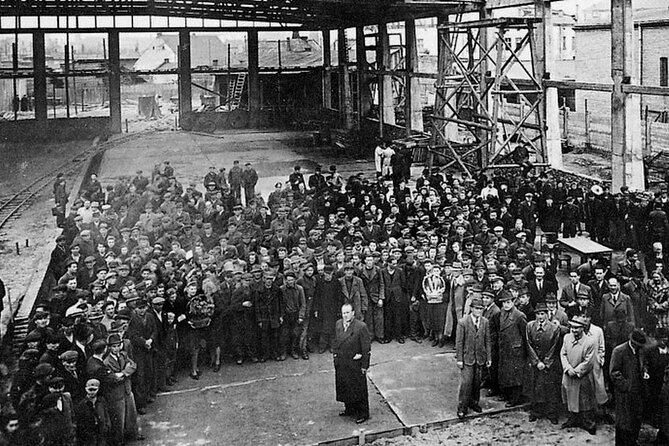
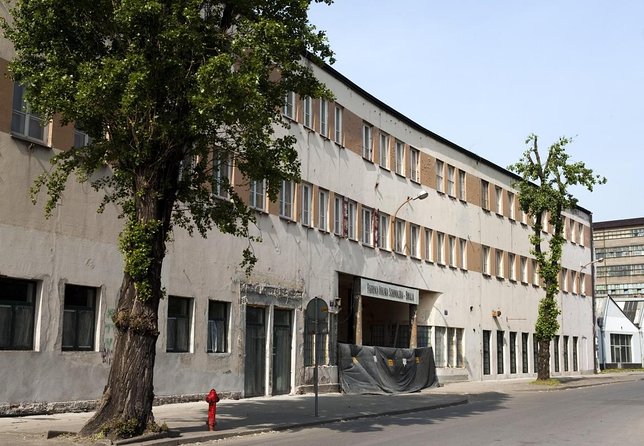
The museum occupies the former Oskar Schindler enamelware factory at Lipowa 4 in Krakow. Schindler employed Jewish workers there during World War II, and the factory made pots, pans, tins, and other enamel goods for the German army.
That basic story is central, but it is not the whole exhibition. The museum uses Schindler’s factory as an entry point into the wider story of Krakow during Nazi occupation. You’ll follow the city from the years before the war through invasion, terror, resistance, imprisonment, forced labor, and the later Soviet period.
This distinction matters. If you arrive expecting a museum devoted almost entirely to Schindler, you may feel shortchanged. His office, his employees, the enamelware, and the fate of the people he protected are present, but the exhibition gives equal, and often greater, space to the city around them.
I see that as a strength if you want context. Schindler’s actions make more sense when you understand the danger faced by Jewish residents and the machinery of occupation around them. It is a limitation if your main goal is to see film memorabilia or learn every detail of Schindler’s private life.
More Skip-the-Line Tickets in Krakow
- Krakow: Schindler’s Factory Skip-the-Line Ticket
★ 4.4 · 3,105 reviews - Krakow: Oskar Schindler’s Factory Skip-The-Line Ticket
★ 4.3 · 689 reviews - Skip-the-Line Wawel Castle Chambers Private Tour
★ 4.7 · 262 reviews
Meeting your guide at Lipowa 4
You make your own way to the museum in central Krakow. The meeting point is outside the Oskar Schindler Enamel Factory, at Lipowa 4, 30-702 Kraków.
The start can feel a little untidy. Guides may be handling several groups, and some visitors have found it difficult to identify the right person. A few guides use umbrellas or official shirts, but that is not guaranteed. I would arrive early, stay near the stated meeting point, and have your booking information open on your phone.
The tour is offered in English. The maximum group size is listed as 25, though smaller groups have also been used. A group of 14 or so is far easier to manage in the museum’s narrow rooms than a full group. If your guide moves ahead or speaks while part of the group is still entering a room, you can miss useful information.
This is one place where practical preparation helps. Arrive on time, keep your party together, and do not assume the guide will notice if someone steps away briefly. One poorly managed visit became confused when two people went to the bathroom and the guide continued upstairs without realizing they were missing.
The short introduction to Oskar Schindler
A guided visit begins with an introduction to Schindler and the public story made famous by Steven Spielberg’s 1993 film Schindler’s List. The film brought Schindler’s rescue of Jewish workers to a worldwide audience, but the museum allows you to move beyond the movie version.
Schindler was a German industrialist who employed Jewish workers in his factory. Their work on army enamelware helped keep them from being sent to concentration camps. The exhibition follows the lives of the roughly 1,200 people known as Schindlerjuden, or Schindler’s Jews.
The most useful guides make this introduction concise, then connect it to what you are about to see. Natalia, for example, has been praised for presenting a clear overview of Krakow before and during the war without overloading the group. Elizabeth has been described as engaging and full of facts, while Marta has received praise for explaining the displays without rushing.
A weaker guide can flatten this important story into a list of dates. Since the tour is short, you need someone who can identify what deserves your attention and what can be read later.
Inside the exhibition: photographs, streets, and fear
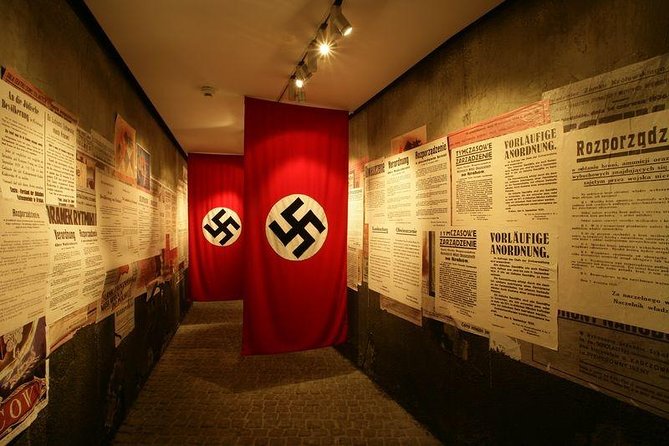
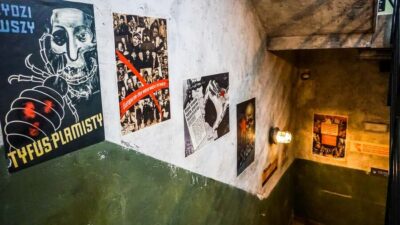
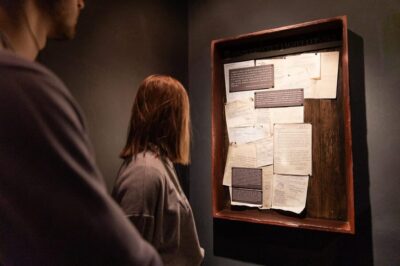
Once inside, you move through rooms using photographs, documents, artifacts, film, and radio recordings. The museum recreates the feeling of wartime Krakow through images of cobbled streets, resistance hideaways, prisons, and occupied public spaces.
The original recordings are especially useful because they add sound to displays that might otherwise feel distant. You get a sense of the fear and pressure surrounding everyday life, rather than seeing the occupation as a sequence of military events.
The exhibition also follows the city beyond the narrow story of the factory. You learn about the effect of Nazi rule on Krakow’s residents, the treatment of Jewish people, and the role of resistance and repression. Later displays address the Soviet-occupied period, giving the museum a wider 20th-century frame.
I would pay attention to how the rooms are arranged. Each section represents a change in Krakow’s wartime experience, and the displays are designed to lead you from one stage to the next. A good guide explains why that transition matters instead of simply pointing at photographs.
The drawback is pace. A 90-minute guided visit does not leave much time to stop and read every panel. One experienced guide was praised for allowing enough time, but other groups were moved along quickly. If you tend to study museum text closely, expect to choose between listening to the guide and reading the room.
More ways to visit Schindler's Factory:
- Krakow: Oskar Schindler’s Factory Entry Ticket & Guided Tour
★ 4.2 · 3,793 reviews - Krakow: Schindler’s Factory Tour with Entrance Ticket
★ 4.5 · 3,182 reviews - Krakow: Schindler’s Factory Tour with Entrance Ticket
★ 4.6 · 1,737 reviews - Krakow: Schindler’s Factory & Ghetto Guided Tour
★ 4.7 · 1,694 reviews
Schindler’s office and the factory’s enamelware
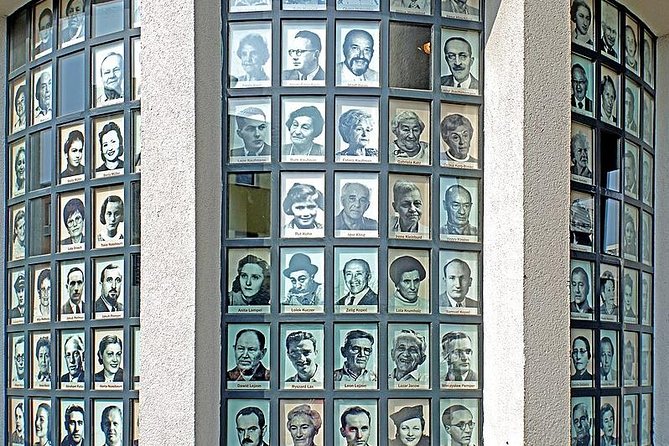
The most direct connection to Schindler comes when you see his office and examples of the products made in the factory. Pots, pans, tins, and other enamelware show the practical side of the operation. These objects are modest, but that is part of their value. They connect the human story to the work that gave Schindler’s employees a reason to remain outside the concentration-camp system.
The office gives you a physical point of reference. It is one of the few parts of the visit centered directly on Schindler himself. You can then consider the contrast between the factory’s ordinary industrial work and the extreme danger surrounding its Jewish workforce.
Do not expect a large collection of personal possessions or a room-by-room account of the film. This is not a movie museum. The factory setting is important, but the exhibition’s greater purpose is to explain Krakow’s wartime reality.
That is why I would recommend learning a little about Schindler before you arrive, especially if the film is your main reason for booking. A short introduction will help you recognize what the office and employee stories mean within the wider exhibition.
Why the guided option can be worth the extra cost
The price is about $35.70 per person. That is not a low-cost museum ticket, especially when the regular admission itself is only one part of the purchase. The value comes from combining entry with a scheduled time and, when the service works properly, an English-speaking guide.
For someone with limited time in Krakow, that combination can be sensible. You avoid the uncertainty of trying to find a standalone ticket, and a good guide can explain the purpose of rooms that might otherwise seem disconnected. Barbara, Natalia, Marta, Elizabeth, and other strong guides have been praised for giving useful context and answering questions clearly.
The value drops sharply if the guide only hands over tickets. A few badly handled visits involved confusion at the meeting point, missing guides, or a supposed guided tour that became self-guided entry. There have also been complaints about guides speaking too quickly or failing to wait for the whole group.
At this price, I would book the guided option only if you place a high value on context and a reserved entry time. If you mainly want access, compare the cost with a direct museum ticket if one is available for your date. The skip-the-line element is useful, but it does not by itself justify paying for a guide who does not actually lead the tour.
Allow enough time for a museum built for slow looking
The scheduled experience lasts about 1 hour and 30 minutes. Another description allows closer to two hours, so I would keep your schedule flexible rather than arranging a tight connection immediately afterward.
The guided route is useful for orientation, but it is not designed for a full, slow reading of the museum. Several careful visitors have felt that three to four hours would be better for absorbing the scale of the occupation and understanding what Schindler accomplished.
You do not have to spend that long to get value from the visit. Ninety minutes can give you a strong outline of Krakow’s wartime experience and the factory’s role. But if you want to examine documents, photographs, and written accounts in detail, the guided pace may leave you wanting more.
The tour ends outside the museum at the original meeting point. From there, you can continue exploring Krakow independently. The guide may provide directions back to the city center or your hotel.
Group size, sound, and mobility

A maximum of 25 people is manageable on paper but can feel crowded in narrow rooms. A smaller group makes it easier to hear, ask questions, and stay close to the guide. Some groups have had headphones, while others have not. Do not count on audio equipment being provided.
This is important because the guide may move ahead while speaking. If you are not close enough, you can miss the explanation even when the guide is good. Position yourself near the front, especially in a larger group, and tell the guide if you cannot hear.
Most people can take part, and the museum is near public transportation. Lifts are available, though the layout may still be challenging for some people with limited mobility. Food and drinks are not included, but the visit is short enough that this is unlikely to affect your plans.
The ticket is issued in each participant’s name. Enter every person’s full name when booking and bring a valid passport or identity card in case museum staff request it.
The best guides and the risk of inconsistency
The strongest part of this experience is the guide. Marta has been praised for moving a group through a busy museum without rushing and for explaining the material clearly. Natalia has been noted for concise, well-paced commentary. Elizabeth is described as friendly and engaging, while Barbara has earned praise for making the historical setting easier to understand.
Wojtek has also received both strong and poor feedback, which illustrates the larger point: the individual guide can shape the visit. One well-prepared guide may make the museum far more meaningful. Another may seem abrupt, stressed, or disorganized.
I would not book this tour expecting a guaranteed personal style. The operator is Discover Cracow, but guide assignments can vary. Keep your expectations focused on the museum, the reserved entry, and the possibility of helpful commentary rather than assuming a particular guide will lead every departure.
The start is also where the biggest problems have occurred. Make sure you know where to stand, arrive early, and contact the operator promptly if no one appears. The experience is non-refundable and cannot be changed after booking, so double-check the date, time, participant names, and meeting instructions before paying.
Is the Schindler Factory tour right for you?
Book it if you want to see one of Krakow’s important wartime museums without gambling on same-day admission. It is especially useful for a first visit to Krakow, for anyone who wants the city’s occupation explained in plain language, and for visitors who prefer a guide to connect photographs, documents, and artifacts.
I would also recommend it if you have seen Schindler’s List and want to understand the real setting behind the film. Just adjust your expectations: the museum is mainly a story of Krakow during World War II, with Schindler’s factory and Jewish workforce at its center.
Think twice if you dislike guided pacing or need time to read every display. A self-guided visit may be better if you can obtain a suitable ticket. And if you choose the guided option, arrive early, stay close to the guide, and confirm that you are joining a genuine tour rather than receiving only an entry ticket.
At $35.70, the experience is fair value when the guide is organized, clear, and engaging. The timed entry is useful, the subject is important, and the museum offers much more than a film tie-in. But the service is not perfectly consistent, so the booking makes the most sense for access and orientation, not for a guaranteed polished performance.
FAQ
Where does the Schindler Factory tour begin?
The tour begins outside the Oskar Schindler Enamel Factory at Lipowa 4, 30-702 Kraków, Poland. You make your own way to the meeting point.
How long does the experience last?
The advertised duration is approximately 1 hour and 30 minutes. Some tour information refers to closer to two hours, so allow extra time in your schedule.
Is the tour offered in English?
Yes. The guided experience is offered in English.
Is admission to the museum included?
Yes. An entrance ticket is included with the experience.
Can I choose between a guided and self-guided visit?
Yes. The experience offers a choice between a self-guided visit and a guided option, depending on the selection made when booking.
What does the museum focus on?
The museum focuses mainly on Krakow during World War II, including Nazi occupation, the city’s suffering, resistance, prisons, and the experiences of Jewish residents. It also covers Schindler, his office, his employees, and the factory’s enamelware production.
Do I need identification?
Yes. Tickets are issued in individual names, so provide the full names of all participants and bring a valid passport or identity card. Museum staff may request it.
How many people can join the tour?
The activity can include up to 25 people. Smaller groups may be easier to hear and follow inside the museum.
Are food and drinks included?
No. Food and drinks are not included.
Just added around Krakow
- stag dog chase Krakow prank★ 5.0 · 4 reviews
- Divine Mercy Sanctuary – Private Tour from Krakow★ 5.0 · 4 reviews
- ZALIPIE – painted village, unique small group tour from Krakow★ 5.0 · 7 reviews
- ZALIPIE – painted village, unique PRIVATE tour from Krakow★ 5.0 · 20 reviews
- Zalipie Private Tour from Krakow The Painted Village★ 5.0 · 4 reviews
- Wooden Churches Unesco List Private Tour from Krakow★ 5.0 · 14 reviews
- Guided tour to Salt Mine & Schindler Factory with Pick-Up Options★ 4.0 · 58 reviews
- Wawel Castle, Cathedral, & Rynek Underground Tour with Lunch★ 5.0 · 4 reviews
Schindler Factory Tours, compared.
Oskar Schindler’s Factory Entry Ticket & Guided Tour
Read our review →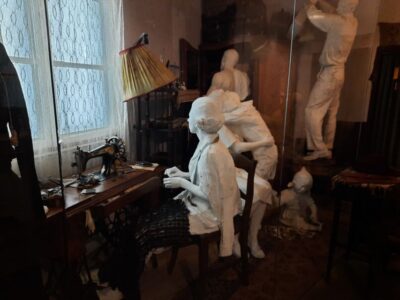
Schindler’s Factory Tour with Entrance Ticket
Read our review →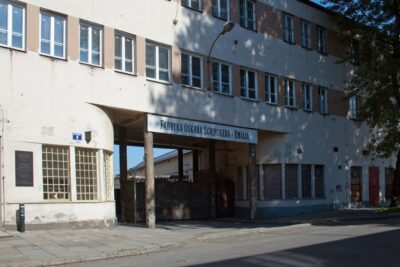
Schindler’s Factory Tour with Entrance Ticket
Read our review →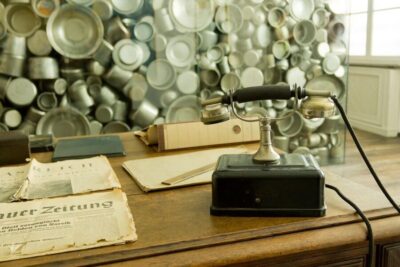
Schindler’s Factory Ticket with Guided Tour Option
Read our review →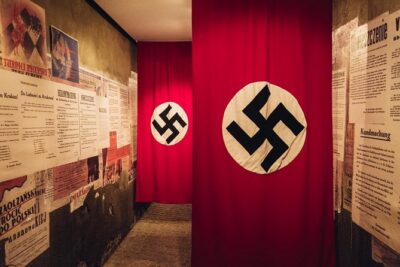
Krakow Schindler’s Factory Guided Tour with Admission Ticket
Read our review →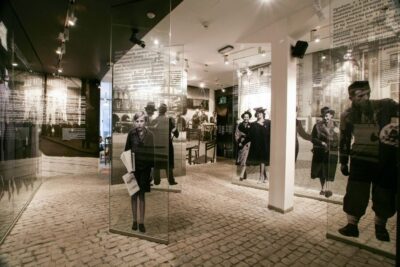
Schindler’s Factory Guided Tour with Entry Ticket
Read our review →Browse the lists this tour appears in