
Reviewed · SCHINDLER FACTORY TOURS
Krakow: Schindler’s Factory Tour with Entrance Ticket
Schindler’s Factory is less a shrine to one famous man than a forceful account of Kraków under Nazi occupation. The former factory now holds a carefully staged museum about the city, its Jewish population, the German takeover, and the daily pressure of war. Oskar Schindler’s story is here, but it is part of a much larger picture.
I like two things right away: skip-the-line entry saves precious time, and a live guide helps you read the museum’s symbolic rooms instead of simply walking past them. Guides such as Anna, Helena, Kinga, and Joanna have been praised for clear English, personal stories, and strong storytelling.
The main drawback is that the museum can feel crowded, especially with the maximum group size of 25. The narrow rooms make it hard to linger, and the tour may move faster than you would like at photographs and written displays.
Key points to know before booking
- This is mainly a Kraków wartime museum: Expect much more about occupation, the ghetto, and local life than about Schindler himself.
- Your guide shapes the visit: The best guides explain the meaning of the museum’s cramped rooms, displays, and unusual floor surfaces.
- The original factory machinery is gone: You visit the historic building, but not a working factory floor.
- Skip-the-line entry matters: Queues can be long, while this tour takes you in at your booked time slot.
- Groups can reach 25 people: Headsets are supplied for groups of 15 or more, but small rooms may still feel tight.
- Bring matching identification: Personalized tickets require each visitor’s name to match an ID document.
What the 90-minute visit is really about
The name Schindler’s Factory creates a clear expectation. You may picture a museum centered on Oskar Schindler, his wartime business, and the people he protected. You will see those subjects, including his office, but the museum’s main story is broader.
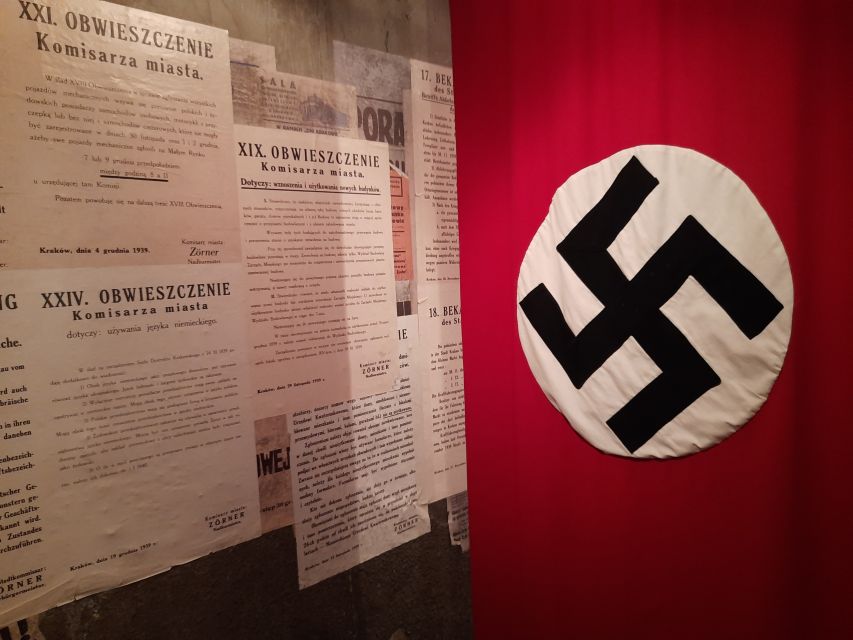
The exhibition is called Kraków under Nazi Occupation 1939 to 1945. It follows the city before and during the war, showing how German rule changed work, family life, religion, movement, and personal safety. Schindler’s role appears within this setting, not apart from it.
That difference matters. If you want a short biography of Schindler, this may not be the right museum by itself. If you want to understand what his actions meant within the destruction of Kraków’s Jewish community, the wider focus makes the visit more useful.
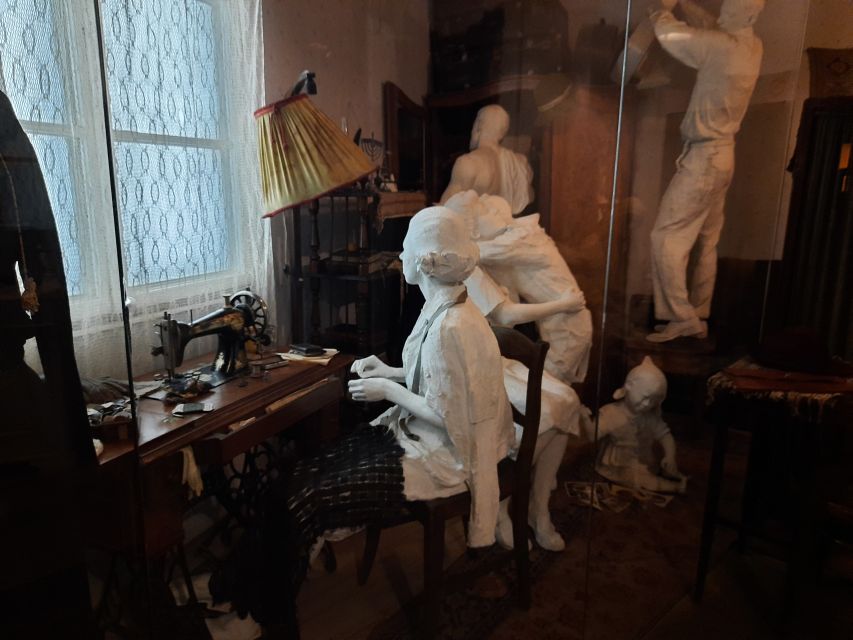
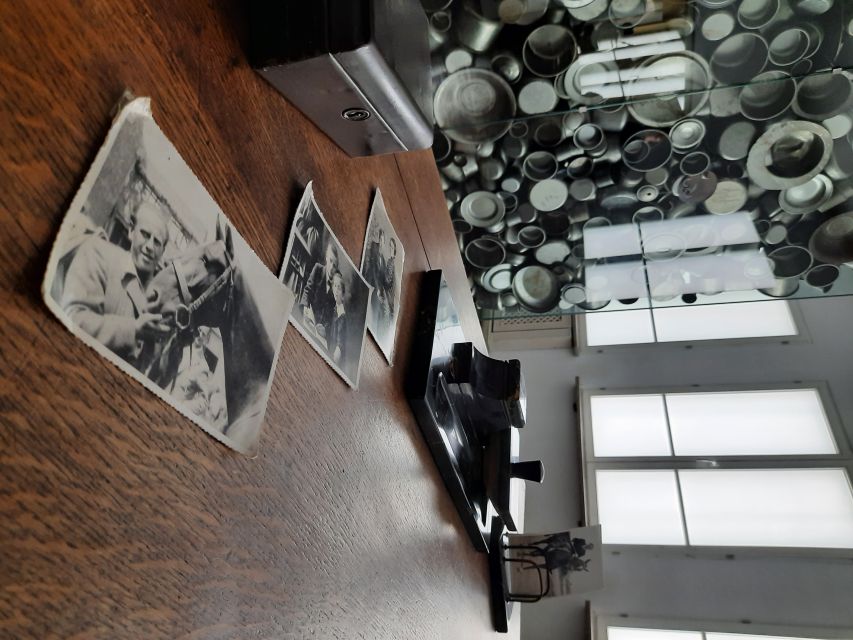
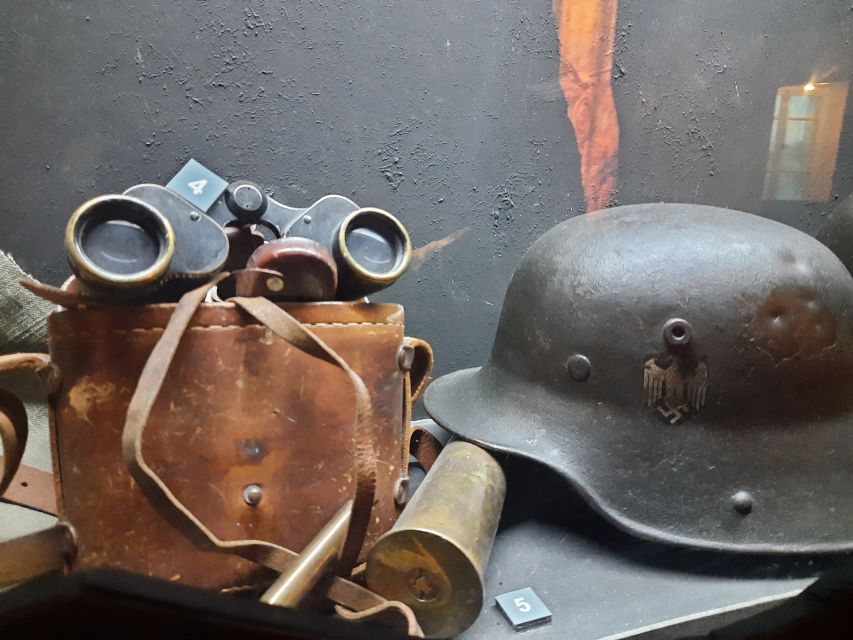
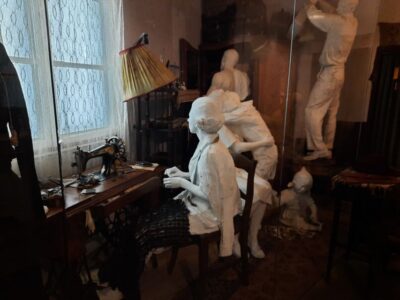
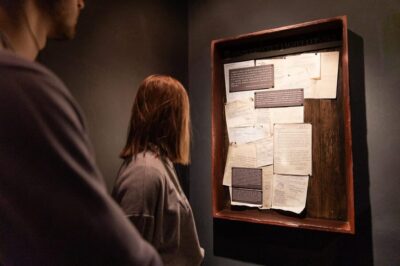
You move through rooms filled with original objects, photographs, reconstructions, and written displays. The museum does not treat the war as a distant military story. It keeps returning to ordinary people and the choices forced upon them.
More ways to visit Schindler's Factory:
- Krakow: Oskar Schindler’s Factory Entry Ticket & Guided Tour
★ 4.2 · 3,793 reviews - Krakow: Schindler’s Factory Skip-the-Line Ticket
★ 4.4 · 3,105 reviews - Krakow: Schindler’s Factory Tour with Entrance Ticket
★ 4.6 · 1,737 reviews
Entering the former enamel factory
The building once housed Oskar Schindler’s enamel factory. Today, it is a museum, and you should not expect original production machinery or a preserved industrial work floor. The significance comes from the place and the exhibition built inside it.
Your guide meets you according to the option and meeting point selected when booking. Meeting details can vary, so check them carefully rather than assuming every group gathers at the main entrance.
Arrive at least 10 minutes early. This is not a suggestion to ignore. Once the group has gone inside, latecomers may not be admitted, and the ticket is not refundable.
The guide should be easy to identify, often holding a laminated card with the tour operator’s name. That small detail is useful outside a busy museum entrance, particularly if several groups are gathering at once.
Your ticket is personalized. The name and surname on it must match your identity document, and museum staff may ask to see your ID. Bring the document used for the booking, or you risk being turned away even after paying.
The opening galleries and Kraków before the war
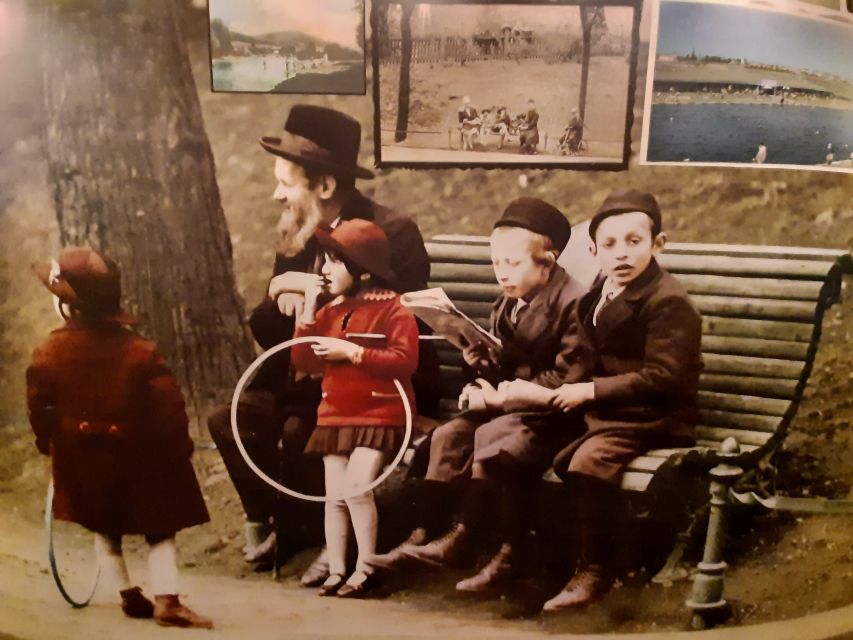
The first part of the exhibition helps set the city’s social and political scene before the German invasion. This is important because the museum is not simply a sequence of wartime horrors. It shows the city as a lived-in place with established Jewish and non-Jewish communities, work, customs, and routines.
A guide can connect the objects and photographs to the people who used them. Without that help, some displays may feel like a fast stream of names, dates, and images. With a good explanation, you begin to see why the occupation disrupted every layer of city life.
This is where guides such as Kinga have been especially useful, explaining at the beginning that only part of the museum is devoted directly to Schindler. That warning helps you adjust your expectations before the tour gets moving.
You may also hear personal accounts connected to the guide’s own family. Several guides have brought family experience into their explanations, while one guide, Helena, was praised for making the subject feel personal without losing sight of the larger facts. Those moments can make the history easier to grasp, but the quality and amount of personal material depend on the guide assigned that day.
Occupation, persecution, and the ghetto
The central part of the visit follows the German occupation and its effects on Kraków’s Jewish population. The displays address persecution, deportations, forced separation, and the destruction of the city’s Jewish community.
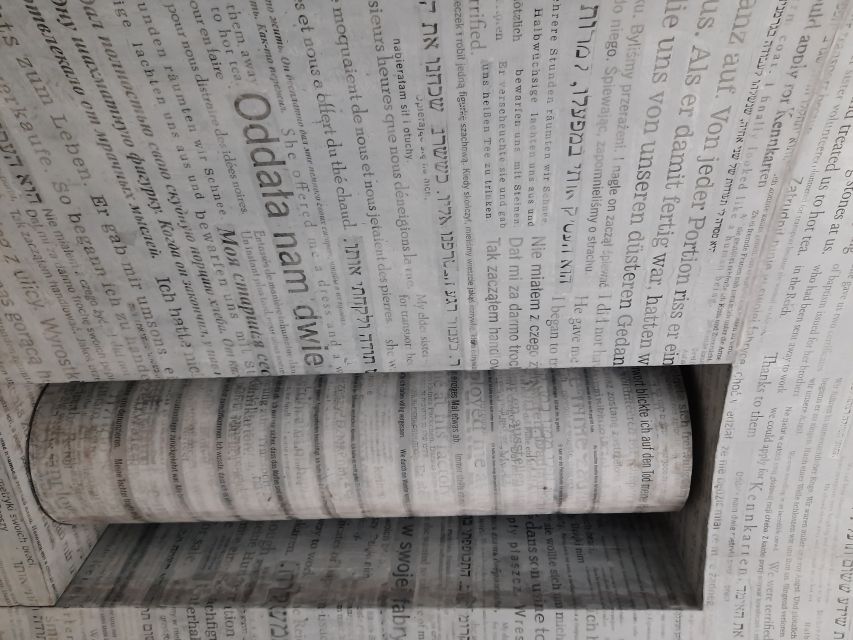
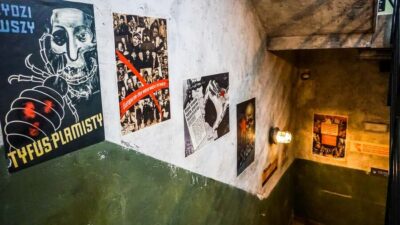
The exhibition’s power comes partly from its physical design. Some rooms are narrow and dim. The museum uses confined passages and unusual surfaces, including a floor visitors have described as soft or uneven, to suggest fear, instability, and pressure.
This approach will not suit everyone. The design is deliberate rather than neutral, and it asks you to feel some of the restriction that shaped wartime life. For many people, it makes the story immediate. For others, the symbolism may feel heavy-handed.
The photographs and original objects can be disturbing. You should allow yourself time afterward to process what you have seen. This is not a cheerful sightseeing stop to fit between cafés and shopping streets, though it is an important part of understanding Kraków.
A guide is particularly valuable here. The museum’s rooms are small, and you may not have enough quiet time to read every panel. The guide points out the main evidence, explains the setting, and helps separate the story of Kraków from the broader outline of Nazi rule.
A few more Krakow half-days worth comparing
- Kraków: Evening or Night River Cruise
★ 4.0 · 7,386 reviews - Krakow: City Sightseeing Tour by Electric Golf Cart
★ 4.5 · 3,264 reviews - Krakow: City Sightseeing Tour Eco Electric Buggy Golf Cart
★ 4.7 · 3,143 reviews - Krakow: Chopin Piano Recital at Chopin Concert Hall
★ 4.7 · 2,330 reviews
Schindler’s role within the larger story
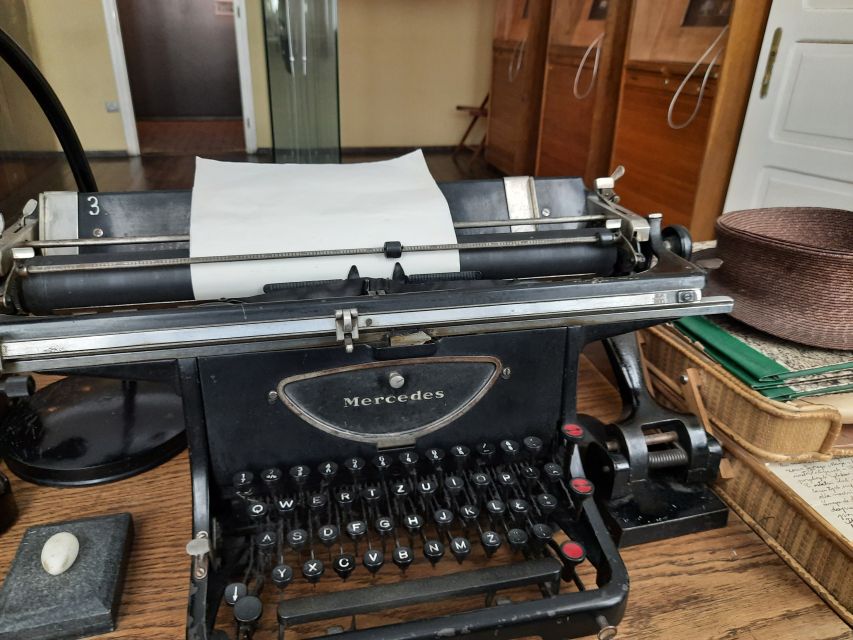
Oskar Schindler appears as one person operating inside a brutal system. His factory provided refuge to more than a thousand Jewish workers, and the tour explains how his business became linked to their survival.
You will also see his office. It is one of the most direct physical connections to Schindler himself, but it is not the whole point of the museum. The visit places his actions beside persecution, deportation, and the collapse of Jewish life in Kraków.
That framing is one of the tour’s strengths. It avoids turning Schindler into a lone movie hero floating free from the period around him. You get a sense of both the scale of the crime and the difference an individual could make.
At the same time, you should not book this expecting a long, detailed study of every stage of Schindler’s life. The focus is on the factory, his rescue effort, and the city’s wartime experience. One of the most useful things your guide can do is explain how much attention to give each part.
Guides such as Joanna and Anna have been praised for telling the story with warmth and precision. A strong guide can connect Schindler’s office to the surrounding displays so that you understand why the office matters, rather than treating it as a stand-alone photo stop.
Why the guide makes such a difference
I would choose the guided option over visiting alone, especially if this is your first serious look at wartime Kraków. The museum contains plenty to see, but the information is packed into a busy layout and the route can be hard to interpret on your own.
The guides speak English, Italian, Spanish, French, or German, but each group tour operates in only one language. Select carefully when booking. The live commentary is the heart of the experience, so a language mismatch would undermine the whole visit.
Past guides have included Anna, Helena, Kinga, Joanna, Dominique, Ivana, Agnieszka, and others, though the assigned guide is not guaranteed. The strongest accounts describe guides who spoke clearly, added context, and used personal or family stories with care.
A 90-minute tour gives you a firm outline rather than unlimited museum time. That is useful if your Kraków schedule is tight, but it also means you may want to return to certain displays afterward if the rules and opening conditions allow. The guided route can feel fast when the museum is busy.
For groups of 15 or more, headsets are included. They help you hear the guide in crowded rooms, though they cannot solve every problem caused by people stopping in narrow passages.
Crowds, group size, and the pace inside
The official maximum is 25 participants. That is a reasonable limit for many museums, but this particular building has tight spaces, and 25 people can feel like a lot when everyone gathers around one display.
A smaller group is easier to manage. You can stand closer to the guide, ask questions, and move through the rooms with less blocking. Occasionally, a tour may be much smaller than expected, even a one-person visit, which can feel like a private tour if it goes ahead.
The trade-off is that you cannot count on that lucky arrangement. Plan for a full group and treat a small one as good fortune.
The museum’s popularity is another reason to reserve ahead. The price is about $49 per person, which is not a small admission fee in Kraków. Still, that cost includes entry, a 90-minute licensed guide, and the convenience of bypassing the public ticket line.
If the queue is long, the time saved can make the price easier to justify. One visitor found the outside line long enough that booking felt essential. You are paying not only for the ticket, but also for a planned entry and someone to explain a dense museum in a limited time.
Who will get the most from this tour
This visit suits you if you want serious wartime history, clear explanation, and a direct connection to Kraków’s Jewish past. It also works well for families with older teenagers, who may gain more from a spoken account than from reading every museum panel alone.
History-minded visitors will appreciate the wider focus. You are not limited to Schindler’s personal story, so the tour gives you a better sense of the occupation and its effect on the city.
It is less suitable if you want a relaxed attraction, a factory tour with machinery, or a long period to browse independently. The material is painful, the atmosphere is intentionally oppressive, and the guide controls the pace.
You should also think about how you respond to disturbing photographs and accounts of persecution. The museum does not soften the subject. That is part of its value, but it is also the main emotional demand of the visit.
Practical details that can save your visit
Book your preferred language and time, but understand that museum scheduling can affect the exact start. Listed times are approximate, and the final time is not guaranteed.
Check the meeting point for your specific booking because it may vary. Arrive 10 minutes early, look for the guide’s identification card, and keep your ID with you.
Free cancellation is available up to 24 hours before the tour for a full refund. You can also reserve now and pay later, which helps if your Kraków plans are still shifting.
The activity lasts 90 minutes. That is enough for a guided outline of the museum, not enough to inspect every label at leisure. Wear comfortable shoes and be ready to stand and move through narrow rooms, though no special equipment is listed beyond the headsets supplied to larger groups.
Is Schindler’s Factory worth $49?
For a simple entrance ticket, $49 would feel high. For skip-the-line admission plus a licensed guide who can explain a difficult museum in 90 minutes, the price is easier to defend.
The value depends heavily on your expectations. If you want Schindler and the factory alone, you may leave feeling that the museum gave too much time to the occupation of Kraków and not enough to its famous namesake. If you want the wider wartime story, that same focus is the reason to go.
I would book this tour if you want structure, context, and a guide who can bring meaning to the museum’s cramped design and personal stories. I would skip it only if you prefer to read at your own pace, dislike emotionally heavy exhibitions, or want an industrial museum with original machinery.
For most first visits to Kraków, this is a worthwhile and sobering stop. Book early, arrive early, bring matching ID, and expect a museum about a city under Nazi rule, with Schindler’s story placed where it belongs, inside that larger human tragedy.
FAQ
How long is the Schindler’s Factory tour?
The guided visit lasts 90 minutes, or 1.5 hours.
What does the tour focus on?
It focuses mainly on Kraków under Nazi occupation from 1939 to 1945, including the experiences of Jewish and non-Jewish residents, persecution, deportations, and the destruction of Kraków’s Jewish community.
Is the museum only about Oskar Schindler?
No. Schindler and his factory are important parts of the visit, but the exhibition covers the wider wartime history of Kraków. You will also see his office and learn how the factory helped protect more than a thousand Jewish workers.
Does the building still contain Schindler’s original factory machinery?
No. The building once housed the factory, but it is now a museum without the original machinery.
Which languages are available?
Guided tours are available in English, Italian, Spanish, French, and German. Each group tour operates in only one language, so select your preferred language when booking.
How large can the group be?
Each tour is limited to a maximum of 25 participants. Headsets are provided for groups of 15 or more.
Do I need to arrive early?
Yes. Arrive 10 minutes before the scheduled start. Latecomers cannot join after the group has left, and their tickets cannot be refunded.
Do I need to bring identification?
Yes. Tickets are personalized, and the name on your ticket must match your identity document. Museum staff may check your ID before entry.
Can I cancel the tour?
You can cancel up to 24 hours in advance for a full refund. Reserve now and pay later is also available.
Just added around Krakow
- stag dog chase Krakow prank★ 5.0 · 4 reviews
- Divine Mercy Sanctuary – Private Tour from Krakow★ 5.0 · 4 reviews
- ZALIPIE – painted village, unique small group tour from Krakow★ 5.0 · 7 reviews
- ZALIPIE – painted village, unique PRIVATE tour from Krakow★ 5.0 · 20 reviews
- Zalipie Private Tour from Krakow The Painted Village★ 5.0 · 4 reviews
- Wooden Churches Unesco List Private Tour from Krakow★ 5.0 · 14 reviews
- Guided tour to Salt Mine & Schindler Factory with Pick-Up Options★ 4.0 · 58 reviews
- Wawel Castle, Cathedral, & Rynek Underground Tour with Lunch★ 5.0 · 4 reviews
Schindler Factory Tours, compared.
Oskar Schindler’s Factory Entry Ticket & Guided Tour
Read our review →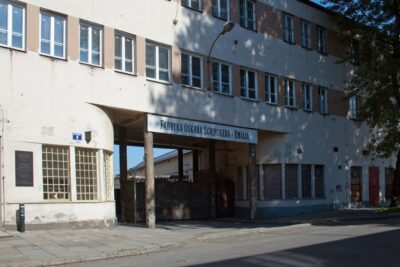
Schindler’s Factory Tour with Entrance Ticket
Read our review →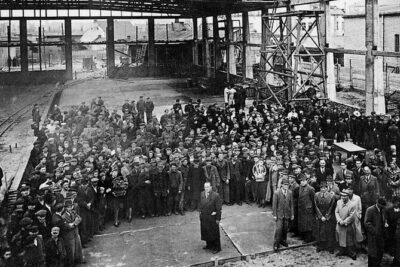
Schindler’s Factory in Krakow: Guided Tour & Skip the Line Ticket
Read our review →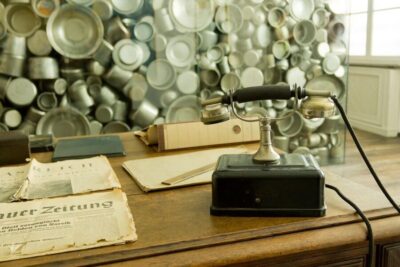
Schindler’s Factory Ticket with Guided Tour Option
Read our review →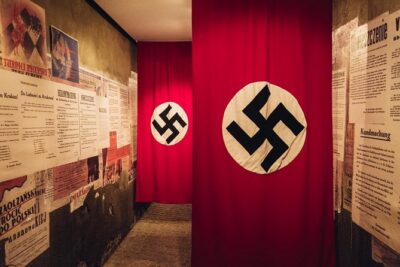
Krakow Schindler’s Factory Guided Tour with Admission Ticket
Read our review →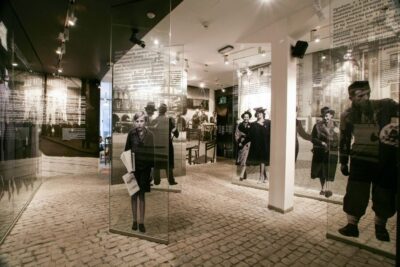
Schindler’s Factory Guided Tour with Entry Ticket
Read our review →Browse the lists this tour appears in