
Reviewed · 1-DAY TOURS
Highlights of Gdańsk, Gdynia and Sopot 1-day Private Tour
The smart idea here is fitting Gdańsk, Sopot and Gdynia into one private day without wrestling with trains, parking or three separate sightseeing plans. You get a car, pickup at your hotel or port, and a licensed guide who can explain why these neighboring cities feel so different.
I like the 20-minute organ concert at Oliwa Archcathedral and the freedom to shape the day around your interests. I also like the range: medieval streets, World War II history, a seaside resort, and Poland’s naval past all appear before dinner. The main caution is time. Nine hours sounds generous, but traffic, church schedules and three cities can make the day feel tight. One guest received only about seven hours and missed the concert while trying to cover all three cities, so confirm the timing at pickup.
Key points to know before booking
- Three cities in one private car: Cover Gdańsk, Sopot and Gdynia without changing transport.
- A strong mix of sights: Expect medieval architecture, maritime history, World War II context, music and seaside views.
- Oliwa’s organ concert: The 20-minute performance is included when the schedule allows.
- Flexible planning: Your guide can adjust the day, add a seaside lunch, or substitute another attraction.
- Port-friendly pickup: Collection and return are available at accommodations and cruise ports across the Tri-City.
- Guides with strong personal praise: Elwira, Marek, Dorothea and Ewelina have been singled out for warmth, clear explanations and local insight.
Why a private Tri-City tour makes sense
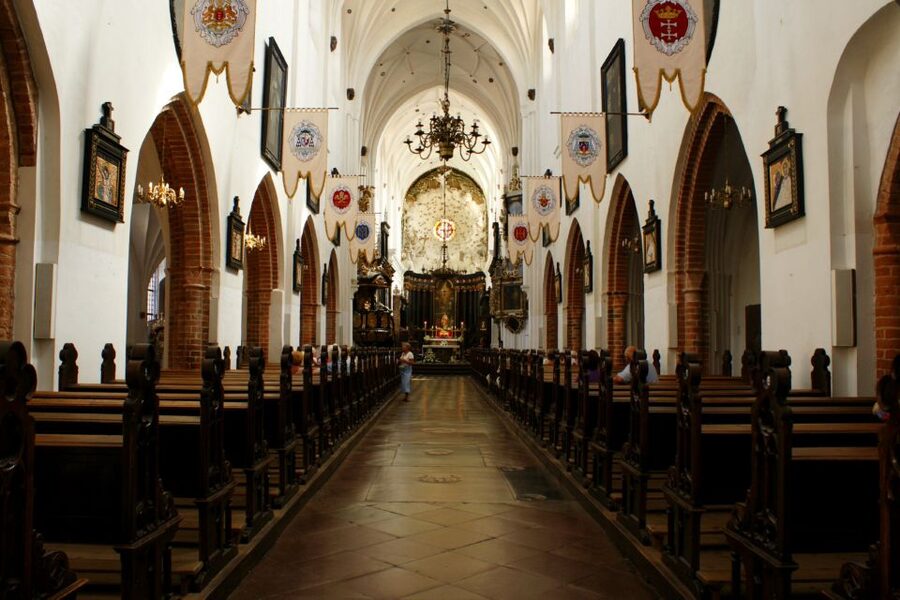
Gdańsk, Sopot and Gdynia form Poland’s famous Tri-City, but they are not simply three versions of the same place. Gdańsk gives you old streets and centuries of trade. Sopot is a resort town built around its beach and pier. Gdynia is younger, more modern and closely tied to the sea and Polish naval history.
You can connect the cities by public transport, but a private car changes the rhythm. You are not checking departure boards or walking back to a station when you would rather be hearing about the next stop. A guide can also make sensible adjustments if your cruise arrival runs late or you need to be back for a train.
The price is $397 per person, which is a serious outlay, especially for a solo visitor. For a private group, though, the cost pays for more than transport. It includes a licensed guide, a dedicated vehicle, pickup and drop-off, entry to St. Mary’s Church, and the Oliwa organ concert. The value is strongest when you are short on time, arriving by cruise ship, or traveling with family members who want different levels of walking and sightseeing.
Ask about the exact schedule before setting your return plans. The advertised duration is nine hours, but one recent booking ended around seven hours because of a fixed drop-off time. That may have been a scheduling problem rather than the normal arrangement, but it is worth making the start and finish times clear.
More Day Trips in Gdansk:
- Best of Gdańsk, Gdynia and Sopot in 1-Day Private Car Tour
★ 5.0 · 37 reviews - Krakow: Auschwitz-Birkenau Day Trip with Tour Leader
★ 4.3 · 5,452 reviews - Day Trip: Auschwitz-Birkenau and Wieliczka Salt Mine from Krakow
★ 4.5 · 4,282 reviews
Gdańsk’s old center and the Motława waterfront
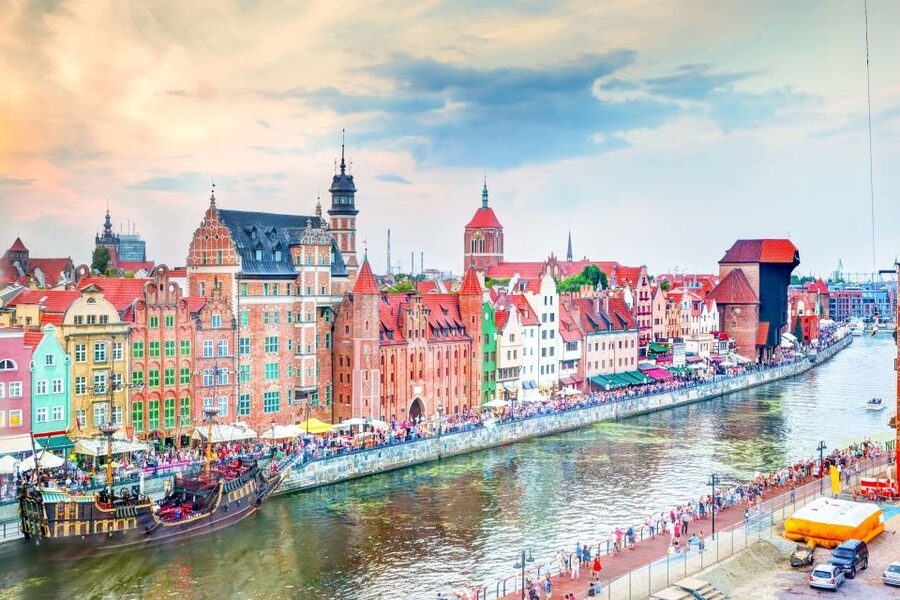
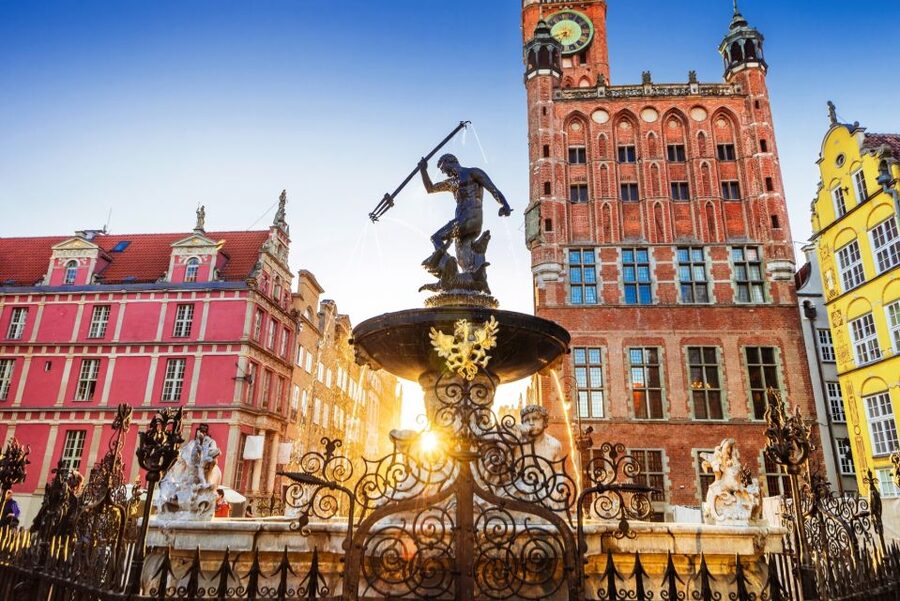
The day usually begins in Gdańsk, the most visually rewarding of the three cities. The focus is the central old town, where colorful façades line the Long Market and the streets open toward landmarks such as Neptune Fountain, the Old Town Hall and Arthur’s Court.
The appeal is not just pretty architecture. Gdańsk grew through Baltic trade, and its buildings reflect the wealth and ambitions of merchants, civic leaders and craftsmen. Your guide can connect the decorative façades with the city’s role as a port and explain how its location shaped local life.
St. Mary’s Church is one of the major stops. This enormous brick church is among the largest of its kind in the world, and the scale becomes clear as soon as you enter. The high interior is spacious and restrained, with a sense of age that photographs do not fully capture.
Entry is included, which saves you from arranging a separate ticket. Guided access inside can be limited during Mass, special events or scheduled concerts. If that happens, your guide will explain the building from outside, but you should not assume that every interior visit is guaranteed at every hour.
The Motława River embankment provides a change of pace. Here you see the historic Crane, a symbol of Gdańsk’s working waterfront and maritime identity. It is an especially useful stop for understanding that this was not merely a royal or architectural center. It was also a place where goods, ships and people moved through northern Europe.
Gdańsk also carries difficult twentieth-century stories. Your guide will discuss the city’s importance during World War II, adding context that helps the old streets feel less like a decorative set. If that part of Polish history matters to you, tell your guide early. Elwira has been praised for her grasp of World War II, and guides such as Marek and Ewelina have also received strong marks for answering questions and explaining local events.
Oliwa Archcathedral and its short musical pause
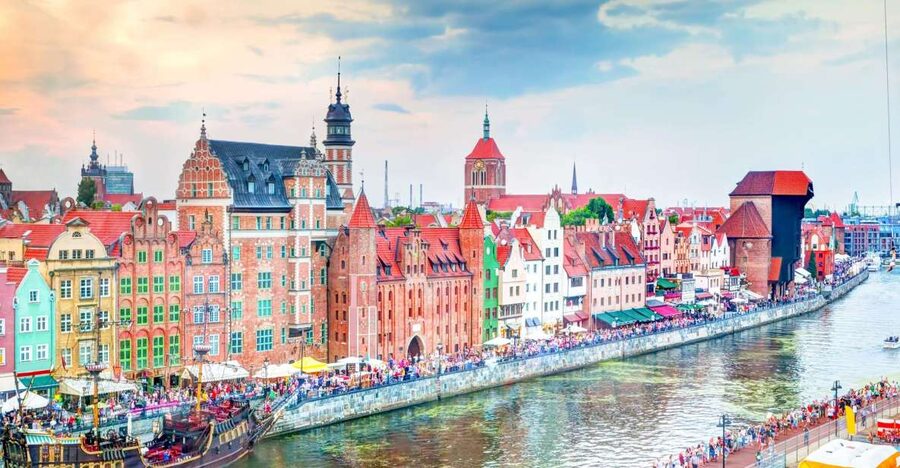
The stop at Oliwa changes the mood. Instead of busy streets and waterfront activity, you visit Oliwa Archcathedral and spend time in Oliwa Park.
The included 20-minute organ concert is one of the day’s most distinctive features. It gives you a chance to sit, listen and absorb the setting rather than moving from one sight to the next. Concert times vary by season, and performances take place one to five times daily. They do not run on public holidays, so the timing needs to be checked before you count on it.
This is also the part of the day most vulnerable to a tight schedule. If the concert does not fit, an alternative may be arranged, such as the cable car to Kamienna Góra viewpoint in Gdynia or another attraction. That flexibility is useful, but it means the exact order can change.
After the cathedral, Oliwa Park offers a calmer walk. You are not given a long nature excursion, but the park provides a pleasant pause between the city center and the coast. If you prefer buildings and history, keep the stroll short. If you need a breather after Gdańsk, this may be the most welcome part of the morning.
Sopot: Poland’s classic seaside resort
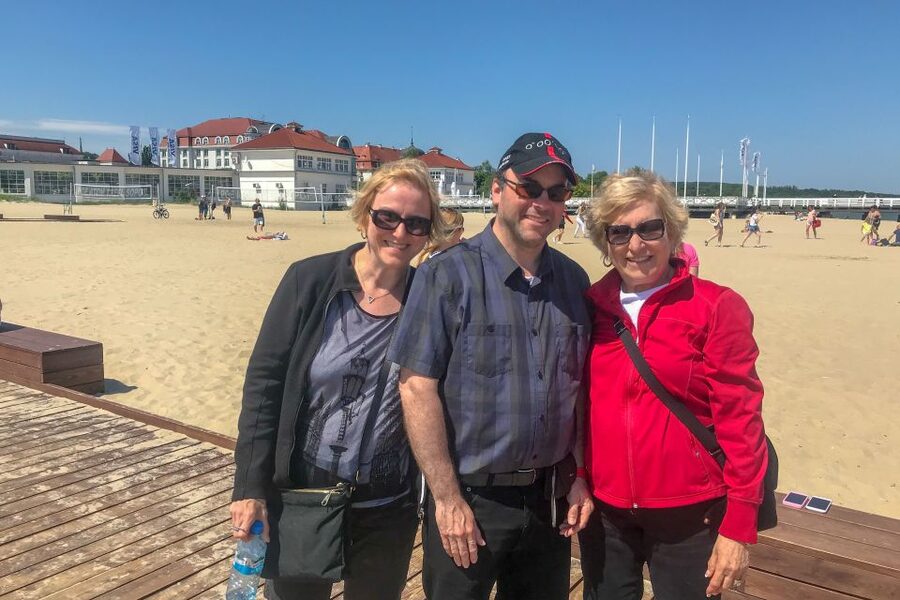
Sopot is the lightest and most relaxed stop. Its identity centers on the shore, the pier and the atmosphere of a resort town rather than on one grand historical monument.
You will see Krzywy Domek, or the Crooked House, a playful building that has become one of Poland’s most photographed modern sights. It is a quick stop, but a memorable one, especially if you enjoy unusual architecture.
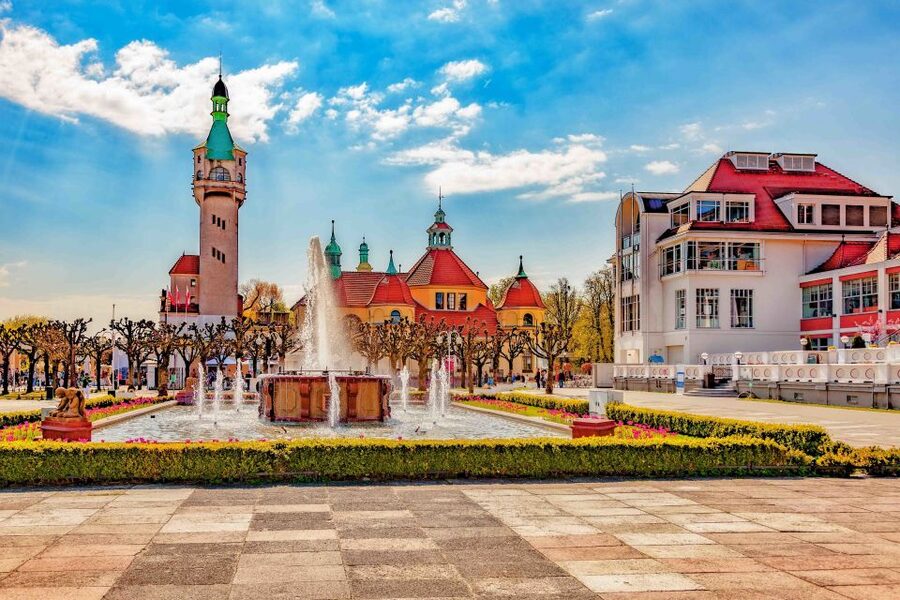
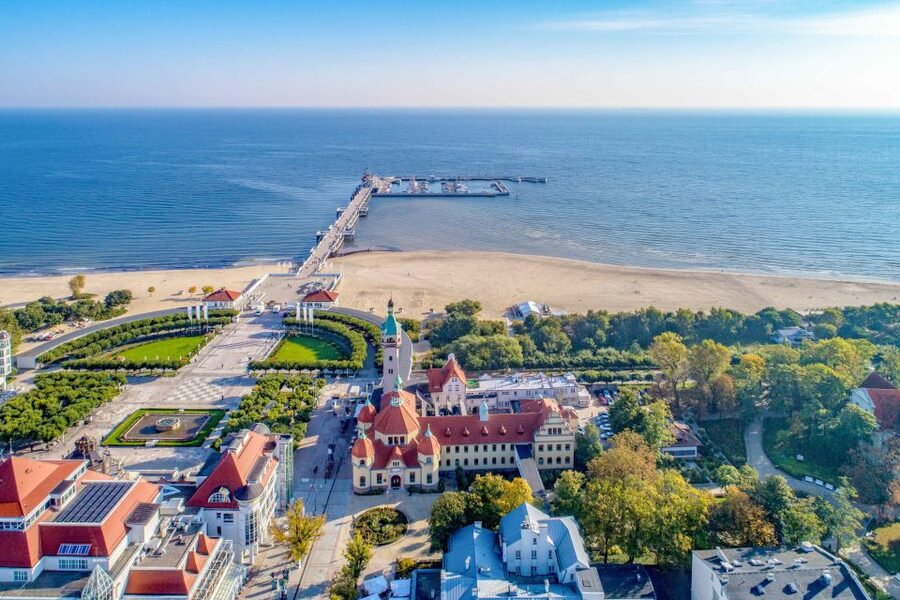
Kuracyjny Square leads toward the beach and Sopot’s famous pier. The square and waterfront give you time to slow down, take photographs and enjoy the coastal setting. A practical tip is to allow room for a drink or gelato if the schedule permits. One happy visitor specifically recommended a glass of Prosecco by the beach, which captures Sopot’s easygoing side better than another hurried landmark would.
Sopot can be the most enjoyable city for people who want some free time. It can also be the place where a tightly managed day feels most restrictive. If you want to walk the pier at a relaxed pace, sit by the water or stop for lunch, tell the guide at the start. The tour can include an optional seaside lunch, but meals and drinks are not included in the price.
A few more Gdansk half-days worth comparing
- Gdansk: City Cruise on Historical Polish Boat
★ 4.8 · 2,913 reviews - Gdańsk: Sunset Cruise on a Historic Polish Boat
★ 4.9 · 977 reviews - Gdańsk City Sights & History Guided Walking Tour in English
★ 4.8 · 876 reviews - Gdansk: Firearm Shooting Experience with Instructor
★ 4.8 · 866 reviews
Gdynia and the Polish connection to the sea
Gdynia feels different from Gdańsk and Sopot. Its story is centered on the port and Poland’s modern maritime ambitions. At Kościuszki Square, you explore the waterfront and see murals connected with notable former residents.
The historic ships Dar Pomorza and Błyskawica are important visual reminders of that story. Both are now museums, and they represent Gdynia’s naval heritage. The tour description does not include museum admission, so treat the ships mainly as exterior sights unless your guide confirms that an interior visit can fit and tickets are available.
Gdynia is a useful final stop because it broadens the day beyond medieval streets and resort scenery. You see how the coast also became part of Poland’s modern national identity. If the cable car to Kamienna Góra is substituted for the Oliwa concert, you may get an elevated view of the city, but that option depends on the day’s timing and arrangements.
What the guide adds to the day

The guide is the central reason to choose this over a self-guided Tri-City outing. The places are attractive on their own, but the connections between them are not always obvious. A good guide can explain why Gdańsk’s old center looks the way it does, why Sopot developed as a resort, and why Gdynia’s port matters to Poland.
The available languages are English, German, Polish, Russian, Spanish, French, Italian, Norwegian and Swedish. You receive a live guide rather than an audio device, so you can ask about architecture, local customs, wartime events or the practical details of the day.
Several guides have received especially warm personal praise. Elwira has been described as a local expert with strong knowledge of World War II and the surrounding area. Marek has been appreciated for answering questions and making the day enjoyable. Dorothea has been praised for her warmth and love of her homeland, while Ewelina has been recognized for making adjustments to suit the group.
Those names do not guarantee who will lead your tour. They do show the sort of experience to request when booking: a guide who explains rather than recites, and who can change the balance between history, views and free time.
Transport, walking and group size

Pickup and return are available at your hotel or any cruise port in Gdańsk, Sopot or Gdynia. You need to provide your accommodation address or cruise arrival details when booking. This is especially useful for cruise passengers, since returning to the correct port on time matters more than squeezing in one extra photograph.
Groups of one to four use a standard sedan. Groups larger than five use a larger van or minibus. The experience is wheelchair accessible, but practical arrangements still matter. Tell the provider your needs in advance so the vehicle and stops can be planned properly.
You will walk at several sights, including the old center, church areas, the waterfront and Sopot. The private vehicle reduces the distance between cities, but it does not turn the day into a seated sightseeing ride. Comfortable shoes are sensible, and a little flexibility helps if streets, traffic or church schedules alter the timing.
Lunch, timing and the cost of flexibility
Meals and drinks are optional extras. Lunch can be arranged on request, and Sopot is the natural place to consider a seaside meal. The choice is yours: a planned lunch gives the day a proper pause, while skipping it leaves more time for the three cities.
At $397 per person, the tour is not a budget way to see the Tri-City. I would not choose it if you have several days in the area and are comfortable using local transport. You can explore each city more slowly on your own.
I would consider it good value in three situations: you have only one day, you arrive at a port, or your group wants a private guide in several languages. The ability to change the plan is meaningful. You might spend more time on World War II history, keep the Sopot stop brief, or replace the organ concert with Gdynia’s viewpoint when the concert schedule does not work.
The one value concern is the actual amount of touring time. Confirm that the nine hours begins at pickup and ask when the vehicle must return. If you have a train to Warsaw or a cruise departure, build in a clear buffer rather than assuming the day will run late to cover a missed stop.
Should you book this private Tri-City tour?
Book it if you want a well-connected introduction to Gdańsk, Sopot and Gdynia in one day, especially from a cruise port. The private car, licensed guide and flexible plan save time, while the church entry and organ concert add experiences you might not arrange easily on your own.
I would recommend it most to first-time visitors, families, history fans and small groups who value explanation over the lowest price. I would hesitate if you want a slow beach day, long museum visits or complete control over every hour.
Before paying, confirm your pickup time, return time, guide language, organ concert availability and lunch plans. With those details settled, this is a strong way to get the shape of Poland’s Baltic coast in a single, busy but rewarding day.
FAQ
How long is the private Tri-City tour?
The tour is advertised as lasting nine hours. Because the day covers three cities and may depend on church and concert schedules, confirm the exact start and finish times when booking.
Where can pickup and drop-off take place?
Pickup and drop-off are available at your accommodation or at a cruise port in Gdańsk, Sopot or Gdynia. You need to provide your address or cruise arrival details.
Is transportation included?
Yes. Private transportation is included. Groups of one to four use a standard car, while groups larger than five use a van or minibus.
Is entry to St. Mary’s Church included?
Yes, entry to St. Mary’s Church in Gdańsk is included. Interior access can be limited during Mass, special events or scheduled concerts. If entry is not possible, the guide provides information outside.
Is the Oliwa Archcathedral organ concert included?
Yes, a 20-minute organ concert is included when the schedule permits. Concerts take place one to five times daily depending on the season and do not take place on public holidays. An alternative attraction may be arranged if the concert cannot fit.
Are food and drinks included?
No. Meals and drinks are not included, but lunch can be arranged on request, including an optional seaside lunch in Sopot.
Just added around Gdansk
- Gdansk and Malbork Castle Small Group Tour from Warsaw with Lunch★ 4.5 · 20 reviews
- Westerplatte private tour led by Expert-Guide (door to door)★ 5.0 · 5 reviews
- Whisky Tasting in Gdańsk★ 5.0 · 3 reviews
- Gdansk EVERYDAY Vodka Tasting Tour★ 5.0 · 6 reviews
- Westerplatte – 2h private trip by luxury car|★ 5.0 · 4 reviews
- Private WW2 Tour of Westerplatte,Gdansk and Stutthof Including Lunch★ 5.0 · 12 reviews
- Aiport Gdansk Transfer to Malbork Castle or Stutthof★ 5.0 · 3 reviews
- 5 hours Individual trip to the Stutthof Concentration Camp★ 5.0 · 5 reviews
1-Day Tours, compared.
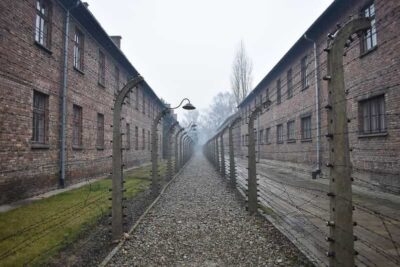
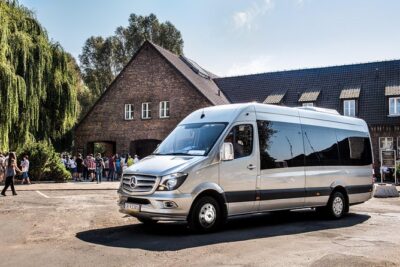
Day Trip: Auschwitz-Birkenau and Wieliczka Salt Mine from Krakow
Read our review →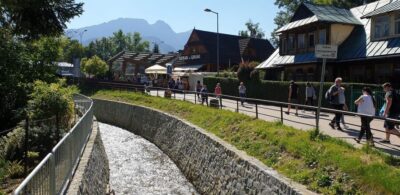
Zakopane, Funicular, Cheese, and Highland Day Trip
Read our review →
Krakow to Zakopane: Funicular, Tasting and Thermal Baths Day Trip
Read our review →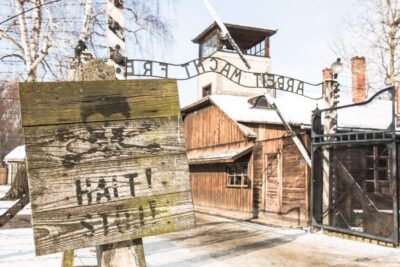
Auschwitz and Wieliczka Salt Mine Full-Day Trip
Read our review →Auschwitz and Wieliczka Salt Mine Full-Day Trip
Read our review →
1 Day Trip Auschwitz Birkenau and Salt Mines with Hotel Transfer
Read our review →
Browse the lists this tour appears in