
Reviewed · SCHINDLER FACTORY TOURS
Schindler’s Factory -Guided Tour
Schindler’s Factory is less a tour of factory machinery than a carefully arranged journey through Krakow during World War II. You’ll learn about the Nazi occupation, the destruction of the city’s Jewish community, and the difficult choices that helped some people survive.
I like two things here: the guide gives the museum a clear human story, and the included skip-the-line entry can save precious time when the museum is crowded. The main catch is that the visit often focuses more on Krakow and Poland during the war than on Oskar Schindler or the factory itself.
Key points
- The museum is about wartime Krakow first: Schindler’s factory provides the setting, but the exhibitions cover the Nazi invasion, Jewish life, persecution, and daily life under occupation.
- The 90-minute guided format keeps the visit moving: You get a clear explanation instead of reading every panel alone, though some people find the pace too quick.
- Skip-the-line entry has real value: Queues can be long, particularly when the museum is busy.
- The museum’s narrow rooms affect the experience: Groups of up to 25 can feel crowded, and weak headsets may make it hard to follow the guide.
- Schindler himself receives less attention than many expect: The tour gives useful context about his role, but it is not a full biography or a behind-the-scenes factory visit.
- The price pays for guidance and convenience: At $45.87, it costs far more than basic admission, so it suits you best if you want an expert-led visit rather than quiet time with the displays.
What Schindler’s Factory really is
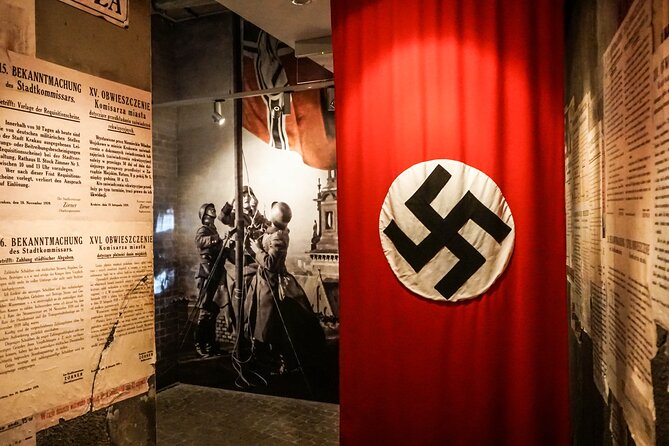
The name can create a false picture. You might expect working machinery, production rooms, and a detailed account of Schindler’s enamelware business. Instead, the former factory now houses a museum about Krakow under Nazi occupation.
That is not a weakness in itself. The museum places Schindler’s actions inside the much larger story of wartime Poland. You learn how the occupation changed daily life, how the Jewish community was treated, and how Nazi policy moved from discrimination to forced labor, deportation, and murder.
The factory matters because it connects this broad story to real people. Oskar Schindler employed Jewish workers and eventually helped save more than 1,000 of them. His motives and methods were complicated, and the tour gives you a more grounded picture than the film alone.
Still, you should set your expectations before booking. If you want every room to focus on Schindler, his business, and the people he protected, this visit may feel off target. If you want to understand the city in which those events took place, the museum offers much more.
More ways to visit Schindler's Factory:
- Krakow: Oskar Schindler’s Factory Entry Ticket & Guided Tour
★ 4.2 · 3,793 reviews - Krakow: Schindler’s Factory Tour with Entrance Ticket
★ 4.5 · 3,182 reviews - Krakow: Schindler’s Factory Skip-the-Line Ticket
★ 4.4 · 3,105 reviews
Starting at Lipowa 4 in Krakow
The meeting point is at Lipowa 4, the address of Fabryka Emalia Oskara Schindlera. The activity begins and ends there, and transportation is not included, so you need to make your own way to the museum.
The tour is offered in English, with a professional guide leading the group. A mobile ticket is provided, and confirmation arrives when you book. The group can include as many as 25 people, a number that matters inside a museum with narrow rooms and limited space.
Arrive with enough time to find the meeting point and identify the correct tour. One practical nuisance is that digital ticket instructions can be a little clumsy, with confirmation links that are not always immediately clear. Have the booking information ready on your phone rather than trying to sort it out at the last second.
The museum is near public transportation, which makes the location fairly easy to reach from other parts of Krakow. Since the activity lasts about 90 minutes and returns to the same place, it also fits neatly into a day focused on the former Jewish district and nearby wartime sites.
The first 90 minutes: Krakow under occupation
The guide’s main job is to connect the rooms into a readable story. Rather than leaving you to move from object to object without context, the tour explains how Krakow changed after the German invasion and how the occupation affected both Polish and Jewish residents.
You can expect attention to the city before and during World War II, the Nazi system, forced labor, and the treatment of Polish Jews. Several people found this wider focus to be the most valuable part of the visit because it explains the setting around Schindler’s factory.
This approach also helps correct a common misunderstanding. Schindler was not simply a heroic businessman from the beginning. He was a member of the Nazi Party and had connections to German intelligence. His conduct changed as the war continued, and he used his position and factory to protect workers from a system designed to exploit and kill them.
The guide should help you hold those conflicting facts together. The story is more interesting, and more truthful, when Schindler is not reduced to a simple movie character.
Exhibits that put daily life at the center
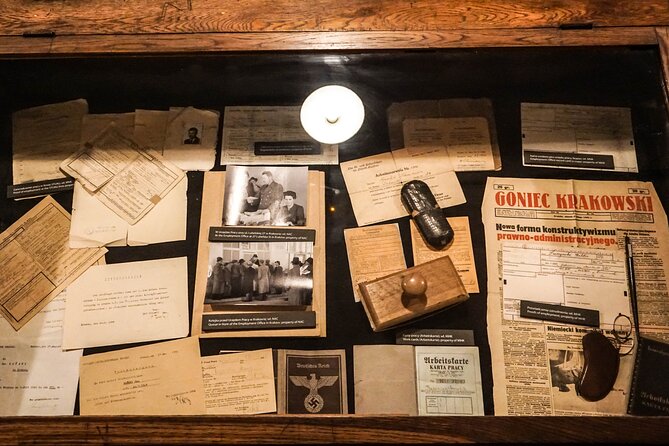
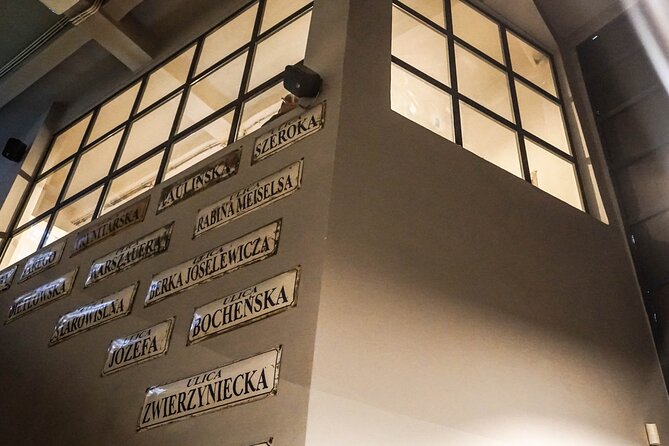
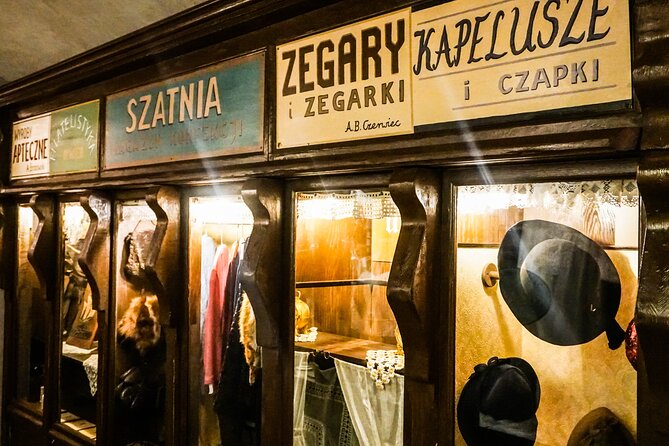
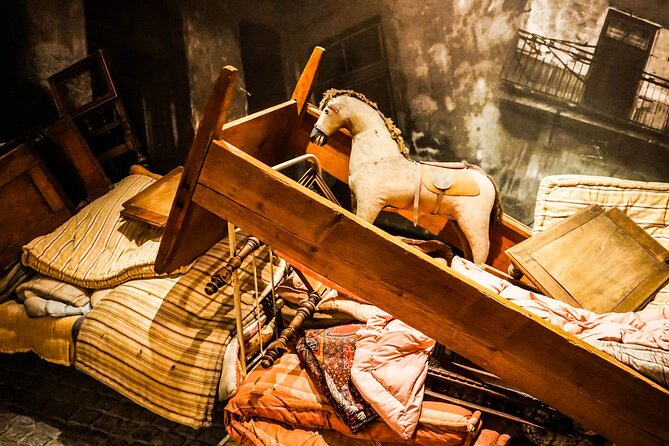
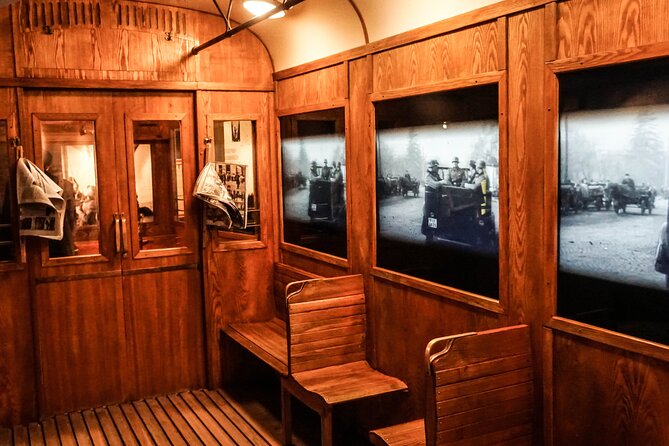
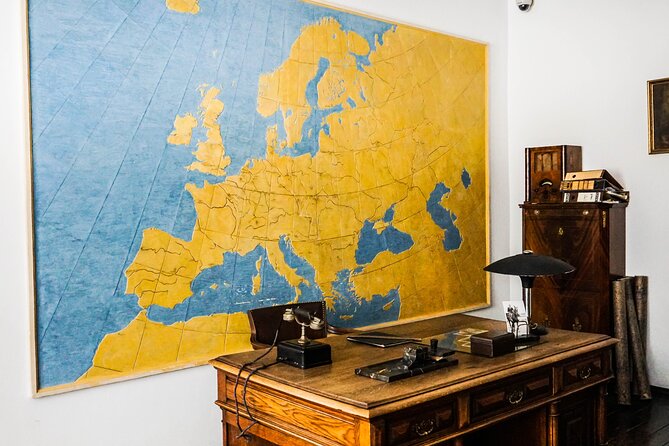
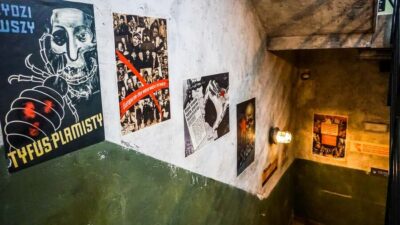
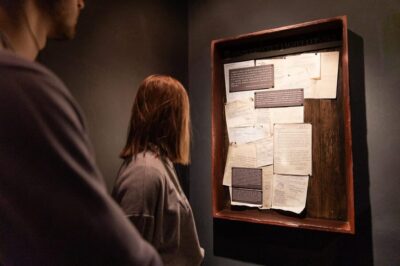
The museum uses photographs, documents, objects, recreated settings, and changing floor surfaces to make the period feel close and unsettling. The design is not just a collection of captions. It tries to show how ordinary life was disrupted and how people adapted under severe pressure.
You may find the rooms visually striking, but the layout can also feel tight. Some areas offer little room to stop, sit, or read at length. A group of 21 people, for example, can fill a room quickly, leaving people at the back with a poor view of an object or display.
This is where the guided format helps and hurts. The guide points out important details that you might otherwise miss, and the narration gives a strong outline of the story. At the same time, the group must keep moving. You may not have enough time to read every label or examine each display at your own pace.
If you like museums slowly and quietly, that tradeoff matters. You can always return to a display after the guided portion only if the visit arrangements allow it, so do not assume you will have unlimited time afterward.
A few more Krakow half-days worth comparing
- Kraków: Evening or Night River Cruise
★ 4.0 · 7,386 reviews - Krakow: City Sightseeing Tour by Electric Golf Cart
★ 4.5 · 3,264 reviews - Krakow: City Sightseeing Tour Eco Electric Buggy Golf Cart
★ 4.7 · 3,143 reviews - Krakow: Chopin Piano Recital at Chopin Concert Hall
★ 4.7 · 2,330 reviews
Schindler’s role, without the movie filter
The museum includes information about Schindler, but this is not a dedicated biography. The guide explains his business approach, his position within the Nazi system, and the way he eventually worked to save his Jewish employees.
You may also hear details that differ from the popular film. That can be useful, especially if the movie is your main point of reference. The real story was less tidy and less cinematic, with moral compromises, changing motives, and danger that affected both Schindler and the people he tried to protect.
The most important point is that Schindler’s actions are shown against the wider destruction of Krakow’s Jewish population. His rescue effort was significant, but it did not represent the experience of everyone trapped under Nazi rule. The museum keeps that larger suffering in view.
That wider treatment explains why some people leave impressed by the museum but slightly disappointed by the Schindler content. The title promises one subject, while the museum delivers a broader account of occupation and persecution.
The opening film and the museum’s visual details
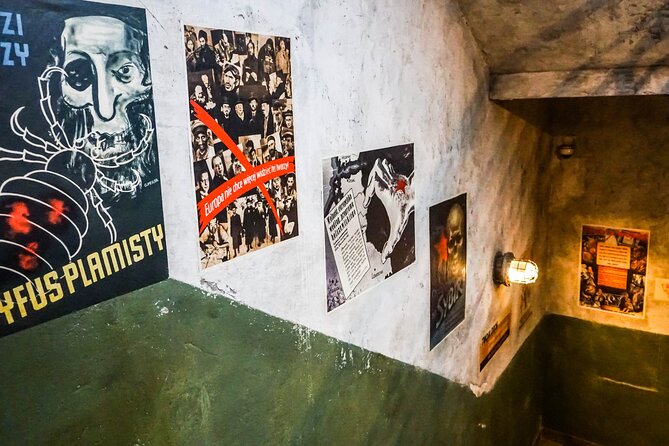
One especially useful feature is a film shown early in the visit. It helps set the scene for what follows and gives you a quick sense of Krakow before the displays become more detailed.
If the film is part of your tour, pay attention to it. It provides useful orientation without demanding that you already know the history. The cinema seats also offer a welcome chance to sit before moving through the tighter museum rooms.
The physical design rewards attention. Changing floor patterns and surfaces are easy to overlook, but they help mark shifts in mood and subject. You should also keep an eye on smaller background details, not just the main photographs and text panels.
The downside is that a guide may need to keep the group moving through these spaces. A strong guide makes the route lively and clear. A hurried guide can turn the same route into a race.
Guide quality and headset problems
The quality of the visit depends heavily on the guide. At its best, the guide is lively, well organized, and able to explain difficult subjects in clear English. A strong guide also knows when to pause so you can look carefully instead of hearing a stream of facts while walking away from the display.
At its weakest, the guide may speak too fast or lack confidence in English. That is especially frustrating in a museum where the material deserves time and careful attention.
Headsets are supplied, which is important in a group of up to 25 people. They let you hear the guide while standing away from the display, but equipment problems have affected some visits. Weak or malfunctioning headsets can make the commentary hard to follow, and some people found this particularly poor value given the price.
If your headset fails, tell the guide at once. Do not wait until the end, since the whole point of paying for a guided visit is access to the explanation.
Is $45.87 a fair price?
At $45.87 per person, this is a premium museum visit. Basic admission has been cited at about 20 Polish złoty, so the extra cost is not mainly for entry. You are paying for the guide, the organized timing, and the ability to skip the regular line.
That can be worthwhile when queues are long or when you want help making sense of a difficult subject. A good guide can show you the important connections between the exhibits and keep you from spending your limited Krakow time on less useful displays.
The value drops if you prefer reading every label, if the group feels too large, or if the headset fails. In those cases, you pay a large premium but may get less personal museum time than you would with a standard ticket.
I would think of the price this way:
- Pay the premium if you want a guided introduction and have limited time.
- Choose standard admission if you prefer a quiet, self-paced visit.
- Book early if your schedule is fixed, since this activity is often reserved about 22 days ahead.
- Avoid expecting a private tour. The group may contain up to 25 people.
Crowds, timing, and the best way to approach the visit
The full visit lasts approximately 1 hour and 30 minutes, and the tour normally starts on time. That is enough for a strong overview, but not enough to read every exhibit in detail.
The museum’s narrow rooms make crowding more noticeable than it would be in a large open gallery. You may find yourself standing behind another person, waiting for a chance to see a photograph or object. The guide’s headset helps with sound, but it does not solve the physical problem of too many people gathered around one display.
If you can choose your time, a weekday may offer a calmer visit. That advice is especially useful if you want to read the panels. The skip-the-line benefit is still valuable, but entering quickly does not mean the museum itself will feel spacious.
Give yourself time before or after the tour to reflect. This is heavy material, and the quick movement from room to room can make the visit feel packed with information.
Who should book this experience
I recommend this tour to you if you want a clear introduction to Krakow’s wartime story, especially if you do not plan to spend hours reading museum text on your own. It is also a good fit for families with older children. Young people around their early teens can follow the story, though the subject matter is serious.
You will likely appreciate it if you have seen the film and want to understand which parts reflect the historical record and which parts are shaped for cinema. The guide can provide useful context that the film cannot.
You may want a different option if your main goal is a detailed study of Schindler’s factory. The museum does not function as a preserved industrial site, and much of the visit concerns Krakow, Poland, and the Nazi occupation.
You should also think twice if you dislike group tours. The 90-minute structure keeps the visit efficient, but it limits your freedom to pause. Poor headsets or a fast-speaking guide can make that limitation more noticeable.
How it fits into Krakow’s wartime sites
This museum works well as one part of a larger memorial route. The Eagle Pharmacy Museum is about a five-minute walk away and adds another perspective on the wartime Jewish community. A Gestapo museum can complete a three-site route focused on Krakow during World War II.
You do not need to visit all three, but the combination helps explain how the city’s Jewish residents experienced the occupation from different viewpoints. Schindler’s Factory gives you the broad city story and the rescue narrative. The nearby sites can add a more focused look at community life, resistance, and repression.
Plan the route with care. The museum visit ends back at Lipowa 4, so it is easy to continue on foot rather than returning across the city before your next stop.
Booking, cancellation, and practical details
The activity includes museum admission and a professional guide in your chosen language, with English listed as the available option here. Transportation is not included, and the meeting point is also the end point.
Confirmation is issued at booking, and most people can participate. The tour is near public transportation, but the information provided does not promise a specific accessibility arrangement for every part of the museum.
Free cancellation is available up to 24 hours before the local start time. Cancellations or changes made less than 24 hours ahead are not accepted for a refund.
Should you book Schindler’s Factory Guided Tour?
Book it if you want a guided account of wartime Krakow, fast museum entry, and a clear explanation of Schindler’s place in a much larger story. The best version of this experience gives you useful context, strong historical connections, and a focused 90-minute visit.
Skip it, or choose standard admission, if you expect a full factory tour or want to study the exhibits at your own pace. The $45.87 price is reasonable only when the guide is clear, the headset works, and you value saving time in line.
My practical advice is simple: book this guided visit for the context, not the machinery. Go in expecting a museum about Krakow under occupation, with Schindler’s factory as its setting and Schindler’s rescue work as one important thread.
FAQ
Where does the Schindler’s Factory tour begin?
The tour begins at Fabryka Emalia Oskara Schindlera, Lipowa 4, 32-051 Kraków, Poland.
Where does the tour end?
The activity ends back at the meeting point at Lipowa 4.
How long does the guided visit last?
The tour lasts approximately 1 hour and 30 minutes.
Is museum admission included?
Yes. The price includes a skip-the-line entrance ticket to the museum and a professional guide.
Is transportation included?
No. You need to arrange your own transportation to and from Lipowa 4.
What language is offered?
The supplied tour information lists English as the language offered.
How many people can join the tour?
The activity can have a maximum of 25 participants.
Can I cancel for a refund?
Yes. You can cancel at least 24 hours before the local start time for a full refund. Changes or cancellations made less than 24 hours before the start are not accepted for a refund.
Just added around Krakow
- stag dog chase Krakow prank★ 5.0 · 4 reviews
- Divine Mercy Sanctuary – Private Tour from Krakow★ 5.0 · 4 reviews
- ZALIPIE – painted village, unique small group tour from Krakow★ 5.0 · 7 reviews
- ZALIPIE – painted village, unique PRIVATE tour from Krakow★ 5.0 · 20 reviews
- Zalipie Private Tour from Krakow The Painted Village★ 5.0 · 4 reviews
- Wooden Churches Unesco List Private Tour from Krakow★ 5.0 · 14 reviews
- Guided tour to Salt Mine & Schindler Factory with Pick-Up Options★ 4.0 · 58 reviews
- Wawel Castle, Cathedral, & Rynek Underground Tour with Lunch★ 5.0 · 4 reviews
Schindler Factory Tours, compared.
Oskar Schindler’s Factory Entry Ticket & Guided Tour
Read our review →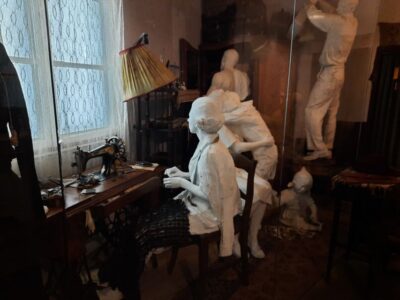
Schindler’s Factory Tour with Entrance Ticket
Read our review →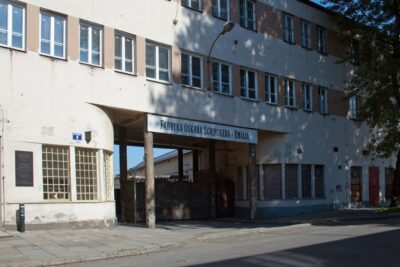
Schindler’s Factory Tour with Entrance Ticket
Read our review →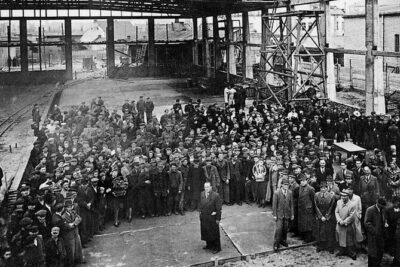
Schindler’s Factory in Krakow: Guided Tour & Skip the Line Ticket
Read our review →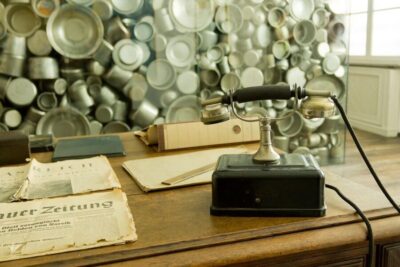
Schindler’s Factory Ticket with Guided Tour Option
Read our review →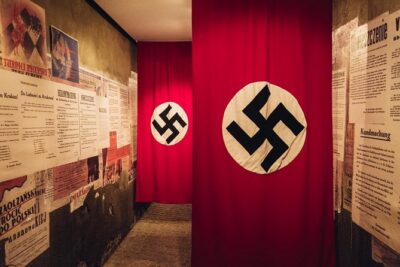
Krakow Schindler’s Factory Guided Tour with Admission Ticket
Read our review →Browse the lists this tour appears in