
Reviewed · SCHINDLER FACTORY TOURS
Schindler’s Factory Museum
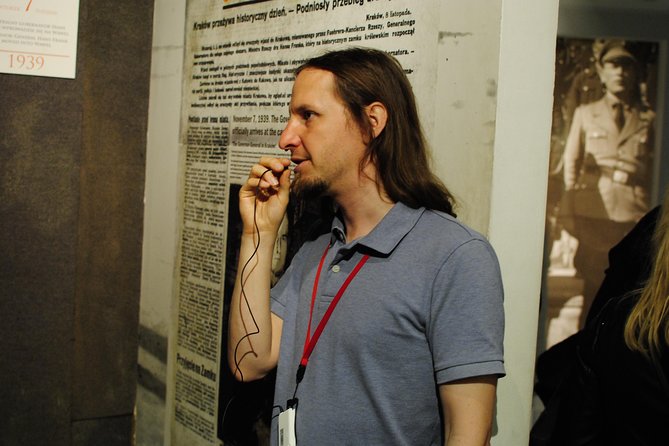
Oskar Schindler’s factory is only the doorway into this experience. Inside, the museum traces how Krakow changed under Nazi rule, showing what happened to Jewish and non-Jewish citizens through photographs, personal belongings, posters, and carefully arranged rooms. I like the way the tour places Schindler’s actions in the wider story of occupied Poland, and I like having a local Spanish-speaking guide to explain material that can feel dense on your own. The main drawback is that Schindler himself may receive less attention than you expect.
I also like the practical side: entry is included, the group is capped at 15, and the guide helps you avoid the worst of the ticket queue. Still, the museum can become crowded, and its narrow route contains a great deal to read. If you want a quiet, slow museum visit focused only on Schindler, this may feel rushed and broader than expected.
Key points to know before you go
- The story reaches beyond Schindler: You learn about Krakow before the war, Nazi occupation, Jewish persecution, Polish civilian life, and the postwar years.
- The guided visit lasts about 90 minutes: That gives you a clear route and useful context, but not time to study every display.
- The guide speaks Spanish: This is especially useful if you prefer explanations to reading large amounts of exhibition text.
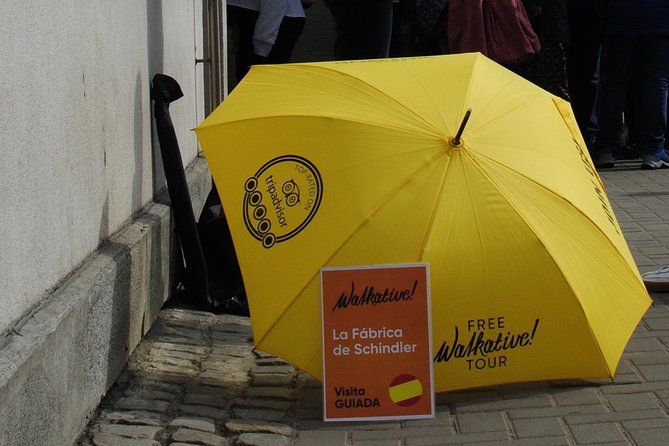
- The meeting point is easy to identify: Look for the guide with the yellow umbrella at Lipowa 4F.
- Crowds can affect the visit: Advance booking matters, especially later in the day and during busy periods.
- The $36 price buys structure as well as admission: It makes the most sense if you want help understanding the museum rather than simply entering it.
What the Schindler Factory Museum actually tells you
The name can set up the wrong expectation. You may arrive thinking this is mainly a museum about Oskar Schindler, his factory, and the people he saved. Those subjects are here, but the exhibition uses Schindler’s factory as a frame for a much wider account of Krakow during the Second World War.
That wider focus is the museum’s greatest strength. You see how the city changed after the Nazi occupation, how public life was controlled, and how Jewish and non-Jewish residents faced the war in different but connected ways. Schindler’s role becomes more meaningful when you understand the setting around him.
The story is not presented as a simple tale of one good man rescuing more than 1,000 Jews. The museum places his actions within a system of occupation, forced separation, fear, and mass murder. That makes the experience more serious and less like a film exhibit.
If you have already visited several Holocaust and wartime museums in Europe, some photographs, symbols, documents, and personal objects may feel familiar. The value here comes less from seeing completely new kinds of material and more from seeing Krakow’s experience explained in one place.
More Museum Tours in Krakow
- Krakow: Rynek Underground Museum Guided Tour
★ 4.6 · 1,122 reviews - Krakow Schindler’s Factory Museum Guided Tour in English
★ 4.5 · 650 reviews - Museum of illusions Entry Ticket
★ 4.5 · 521 reviews
Following Krakow from peace to occupation
The visit follows a timeline, so you move through the story as conditions change. You begin with Krakow before the war, then see the city under German occupation and follow the effects on daily life.
This order matters. It gives you a sense of what was lost. Krakow is not introduced only as a place of death and persecution. You first encounter a functioning city and its communities, then watch the rules of occupation narrow people’s choices.
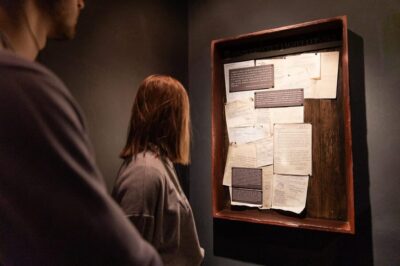
Expect plenty of reading. The museum uses photographs, posters, personal belongings, and other objects to explain political events as well as private suffering. Some displays are visually powerful, while others ask you to stop and read carefully. The exhibition is large enough that you could spend around two hours or more if you examined everything at a relaxed pace.
The guided tour, however, lasts about 90 minutes. That is long enough to create a strong narrative, but short enough that you will not absorb every label. I recommend listening closely to the guide’s main explanations and accepting that you may pass some secondary material.
The route can become crowded, particularly at busy times. Narrow sections and a one-way flow may make it difficult to stop exactly where you want. Red lighting used in parts of the exhibition can also trouble some visitors. This is not a polished, empty gallery where you can wander at your own pace.
Schindler’s role, and why expectations matter
Schindler is important, but the museum does not make him the sole subject. Some visitors leave wishing they had received more detail about his personal life, decisions, and relationship with the people he employed.
That is a fair concern. If your main reason for coming is the film Schindler’s List, you may expect a room-by-room account of Schindler’s story. Instead, you receive a broader account of the occupation, with Schindler’s factory serving as the setting and a recurring part of the narrative.
I see this as a useful correction to the film-centered version of events. The museum reminds you that the war was experienced by an entire city, not only by one industrialist and the people he protected. At the same time, anyone hoping for a full biography should consider adding a separate Schindler-focused source before or after the visit.
The final emphasis on Schindler may feel brief. You will understand why his factory mattered, but the balance remains firmly with Krakow and wartime Poland. Book this tour for the city’s wartime story first, and treat Schindler’s personal story as one important strand within it.
What a guided visit adds
The museum contains a lot of written information. You can visit independently, and the displays provide a clear route through the exhibition. Several people have found that a self-guided visit is enough, especially when arriving early and taking time with the labels.
A guide changes the pace and the emphasis. Instead of trying to decide which dates, photographs, and objects matter most, you have someone selecting the main points and explaining their connection. That is particularly useful when the exhibition moves quickly from political events to personal experiences.
The guide is local and speaks Spanish for this experience. A good guide can also add background about Krakow and Poland before the war, during the occupation, and after 1945. That broader explanation is one reason the tour feels like more than a visit to a movie location.
The group limit of 15 is another plus. It is not a private tour, but it is small enough for the guide to remain audible and for questions to be possible. A large group would be a poor match for an exhibition with narrow areas and heavy reading.
Keep your expectations realistic. The guide cannot remove every crowd or give you time to read every sign. If you want to study documents closely, you may prefer an independent visit or need to return to the museum separately. The ticket for the museum does not allow you to leave and come back, so plan your time before entering.
More ways to visit Schindler's Factory:
- Krakow: Oskar Schindler’s Factory Entry Ticket & Guided Tour
★ 4.2 · 3,793 reviews - Krakow: Schindler’s Factory Tour with Entrance Ticket
★ 4.5 · 3,182 reviews - Krakow: Schindler’s Factory Skip-the-Line Ticket
★ 4.4 · 3,105 reviews - Krakow: Schindler’s Factory Tour with Entrance Ticket
★ 4.6 · 1,737 reviews
The $36 price: what are you paying for?
At $36, this is not the cheapest way to enter the museum. You are paying for admission, a local Spanish-speaking guide, VAT, and help avoiding the regular queue. The key question is not simply the ticket price. It is how much value you place on having the material explained in your language.
For an independent visitor who is comfortable reading a large exhibition, a direct museum ticket may offer better value. You can set your own pace, pause at objects that interest you, and spend longer than 90 minutes if the crowd allows.
For you, the guided option makes more sense if you want the main story organized clearly. It can also protect you from the uncertainty of arriving without a ticket. Unplanned visits have led to long queues, confusion about where different lines begin, and limited ticket availability later in the day.
The price is easier to justify for first-time visitors to Krakow, people who have not studied the occupation, and anyone who prefers listening to long blocks of exhibition text. It is less compelling if you already know the history well and want only a short look inside the building.
The group size helps preserve some value. A 15-person group is more manageable than a large coach tour, and you are buying a focused visit rather than a rushed stop on a full-day itinerary.
Getting to Lipowa 4F
The meeting point is Lipowa 4F, 30-702 Krakow, Poland. The activity ends at the same place, and hotel pickup is not included.
You need to make your own way there. The museum is near public transportation, and it can also be reached on foot from the Old Town area. The walk from just outside the Old Town takes a little over 30 minutes, according to the practical timing reported for the route, so allow more time than the 90-minute museum visit itself.
Look for the guide holding a yellow umbrella. That detail matters because the entrance area can be busy, and the museum’s queue arrangements have caused confusion. Arrive with enough time to locate the meeting point rather than appearing at the last minute.
Transportation to the attraction is not part of the $36 price. If you are planning a full day around Krakow, allow time for the journey in both directions. The walk can work well if you want to see more of the city, while public transportation is the simpler choice when your schedule is tight.
Who will get the most from this tour?
I would choose this experience for you if you want a serious introduction to Krakow’s wartime experience and prefer a guide to reading everything alone. It suits first-time visitors, history-minded adults, and people who have seen Schindler’s List but want to understand the real setting more fully.
It can also work well for families with older teenagers. Admission is recommended for young people aged 14 and above, which reflects the difficult subject matter. The exhibition deals with persecution, death, and wartime suffering, so it is not a light attraction for younger children.
You may prefer an independent visit if you already know the history, dislike guided pacing, or want to spend several hours studying every label. The museum is large and information-heavy, and 90 minutes may not satisfy a careful reader.
You should also think about crowds. The experience loses some force when you are pressed through a narrow passage or distracted by queues. Booking ahead is the sensible choice, especially later in the day or during the busier summer period.
Practical advice for a more meaningful visit
Read a short introduction to Krakow before you arrive. You do not need a textbook. A basic sense of the city’s prewar communities and the Nazi occupation will help you connect the displays.
Wear comfortable shoes because you will be standing and walking through the exhibition. The activity itself is only about 90 minutes, but the museum contains enough material to keep you longer if you want to read it all.
Do not rush past the sections about ordinary life. The strongest part of the visit is not only the account of persecution. It is the explanation of how work, movement, family life, public space, and personal safety changed under occupation.
Listen for the guide’s local context. The best parts of this experience are likely to come from explanations that connect individual objects with Krakow’s wider story. You may hear about the city before the war, the occupation itself, and the years of Soviet communism that followed.
Give yourself emotional space afterward. This is a difficult museum, and the final sections may stay with you. Pairing it with a lighter Krakow activity later in the day is a sensible way to keep the day balanced.
Cancellation and booking details
You receive confirmation at the time of booking, and free cancellation is available up to 24 hours before the scheduled start time. Cancel at least 24 hours ahead for a full refund. Cancellations or changes made within 24 hours are not refunded or accepted.
The ticket includes museum admission, VAT, and the professional local guide in Spanish. Hotel pickup, transportation, and anything outside the museum visit are not included.
Should you book the Schindler Factory Museum tour?
Book it if you want Krakow’s wartime story explained by a guide rather than reduced to a film connection. The strongest reasons are the clear timeline, the local Spanish-language commentary, the small group size, and the included entry that helps you avoid an uncertain queue.
Do not book it expecting a full biography of Oskar Schindler or a quiet, leisurely museum visit. The exhibition is crowded at times, contains a great deal of text, and gives more attention to Krakow under Nazi occupation than to Schindler himself.
For most first-time visitors, I think the guided option is worth considering at $36, especially if you are visiting during a busy period or prefer context in Spanish. If you already have strong background knowledge and want to read at your own pace, buy a direct museum ticket instead. Either way, this is a serious and worthwhile Krakow stop, provided you arrive ready for the history rather than only the Hollywood story.
FAQ
Where does the tour begin?
The tour begins at Lipowa 4F, 30-702 Krakow, Poland. Look for the guide with the yellow umbrella.
Where does the tour end?
The activity ends back at the meeting point.
How long does the guided tour last?
The guided visit lasts approximately 1 hour and 30 minutes.
What language is the tour in?
The professional local guide conducts this tour in Spanish.
Is museum admission included?
Yes. The price includes entrance to the Schindler’s Factory Museum and VAT.
Is transportation or hotel pickup included?
No. Hotel pickup and transportation to the attraction are not included. The museum is near public transportation.
Can I cancel for a full refund?
Yes, if you cancel at least 24 hours before the experience start time. Cancellations or changes made less than 24 hours before the start time are not refunded.
Just added around Krakow
- stag dog chase Krakow prank★ 5.0 · 4 reviews
- Divine Mercy Sanctuary – Private Tour from Krakow★ 5.0 · 4 reviews
- ZALIPIE – painted village, unique PRIVATE tour from Krakow★ 5.0 · 20 reviews
- ZALIPIE – painted village, unique small group tour from Krakow★ 5.0 · 7 reviews
- Zalipie Private Tour from Krakow The Painted Village★ 5.0 · 4 reviews
- Wooden Churches Unesco List Private Tour from Krakow★ 5.0 · 14 reviews
- Guided tour to Salt Mine & Schindler Factory with Pick-Up Options★ 4.0 · 58 reviews
- Wawel Castle, Cathedral, & Rynek Underground Tour with Lunch★ 5.0 · 4 reviews
Schindler Factory Tours, compared.
Oskar Schindler’s Factory Entry Ticket & Guided Tour
Read our review →
Schindler’s Factory Tour with Entrance Ticket
Read our review →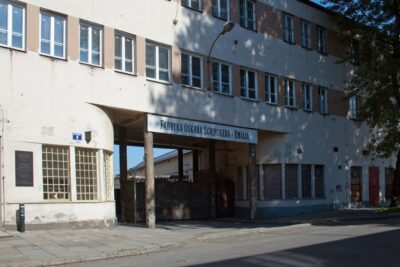
Schindler’s Factory Tour with Entrance Ticket
Read our review →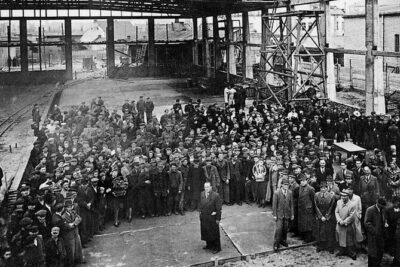
Schindler’s Factory in Krakow: Guided Tour & Skip the Line Ticket
Read our review →
Schindler’s Factory Ticket with Guided Tour Option
Read our review →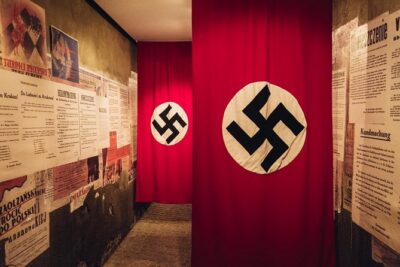
Krakow Schindler’s Factory Guided Tour with Admission Ticket
Read our review →Browse the lists this tour appears in