
Reviewed · SCHINDLER FACTORY TOURS
Schindler’s Factory Small-Group Guided Tour
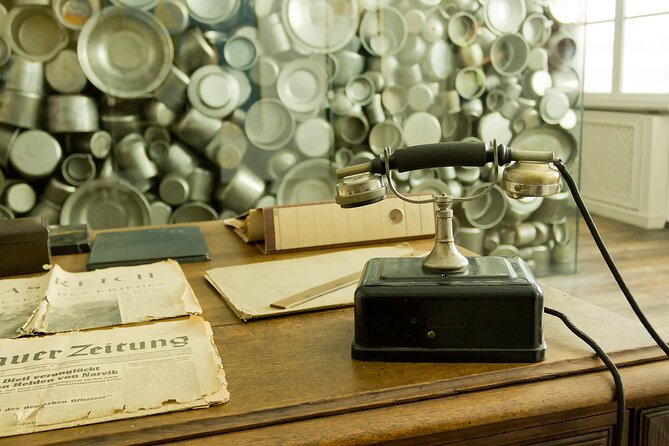
Schindler’s Factory is less a factory tour than a carefully staged walk through Krakow under Nazi occupation. Inside the former administrative building, you move through streets, shops, a tram, a ghetto apartment, and scenes tied to Płaszów, with a guide explaining how the city’s Polish and Jewish residents lived through the war.
I like two things here: the guide gives the displays a human voice, and the multimedia rooms turn a museum visit into a moving experience rather than a row of cases. The small-group format, capped at 25 people, also gives you room to ask questions.
The key thing to understand is that this is not mainly a Schindler biography. If you expect factory machines, a detailed look at his workers, or rooms preserved from the film, you may leave disappointed. The exhibition focuses on the wider wartime story of Krakow, while the original interior is limited mainly to the office area.
Key points to know before you book
- The focus is occupied Krakow: The exhibition covers Polish and Jewish life under German rule from 1939 to 1945, with Oskar Schindler as one part of that story.
- The displays are highly atmospheric: You walk through recreated streets, a hairdresser, photographer, tram, ghetto apartment, and other multimedia settings.
- The tour lasts about 90 minutes: One guide-led visit may run closer to two hours, depending on the pace and questions.
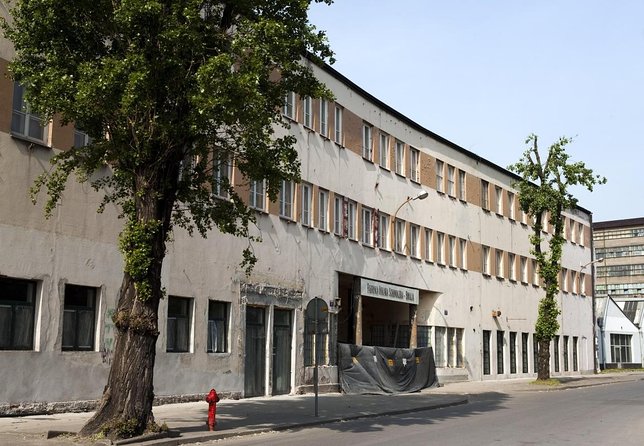
- The former factory is not preserved as a working factory: The museum is in the former administrative building, and only the office area is original internally.
- The group can reach 25 people: That is small enough for questions, though not an intimate private visit.
- The price is $45.38 per person: The value comes mainly from the included admission and guide, especially if you want help making sense of the exhibition.
The real subject inside Schindler’s former factory
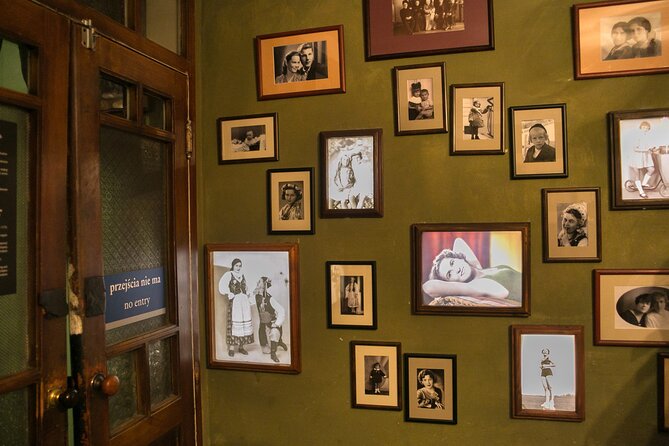
The museum occupies the former administrative building of Oskar Schindler’s Enamel Factory at Lipowa 4. Its main exhibition, Krakow under Nazi Occupation 1939 to 1945, uses the building as a doorway into the city’s wartime experience.
That distinction matters. The name Schindler’s Factory naturally makes you think of Oskar Schindler, his enamelware business, and the people he helped. Those subjects are present, but the exhibition gives you a wider picture of Krakow under German occupation. You learn about the city, its Jewish and Polish inhabitants, the occupiers, and the systems that shaped daily life.
I find this approach useful because it keeps Schindler’s actions in context. You are not simply walking through a memorial to one man. You are looking at a city under pressure, with ordinary places and routines altered by war.
The museum’s design also makes the visit more active. Rather than moving from one glass case to the next, you pass through built environments that suggest streets, shops, homes, transport, and forced movement. The presentation is emotional by design, so give yourself time to pause.
More ways to visit Schindler's Factory:
- Krakow: Oskar Schindler’s Factory Entry Ticket & Guided Tour
★ 4.2 · 3,793 reviews - Krakow: Schindler’s Factory Tour with Entrance Ticket
★ 4.5 · 3,182 reviews - Krakow: Schindler’s Factory Skip-the-Line Ticket
★ 4.4 · 3,105 reviews
A guided walk through occupied Krakow
The tour begins at Lipowa 4 and stays within the museum. A professional guide leads you through the exhibition, explaining what you are seeing and helping you connect the separate rooms into one story.
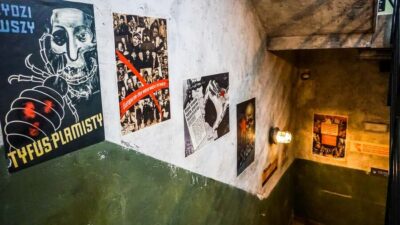
You might begin by walking along cobbled streets created inside the museum. These scenes help establish the feel of Krakow before and during the occupation. A hairdresser and a photographer provide small, familiar settings, but their purpose is not simple decoration. They show how the exhibition uses everyday places to introduce the people and routines caught up in the war.
One especially unusual feature is an authentic photoplasticon. This old viewing device adds another layer to the museum’s attempt to recreate the sights and sensations of the period. It is a small detail, but it gives the visit a physical quality that a standard wall display would not.
The guide is important here. Without explanation, some of the recreated rooms could feel like stage sets. With context, they become part of the museum’s argument: occupation affected streets, workplaces, homes, movement, and personal lives.
The tram scene and the view through the windows
The tram is one of the exhibition’s most memorable set pieces. You sit or move through a tram interior while a film plays through the windows, showing life in the city during the war.
This section gives you a change of pace after the street scenes. It also makes movement itself part of the story. A tram is an ordinary form of city transport, but under occupation, where people could go and who controlled that movement carried much greater weight.
I like this use of film because it gives you a sense of the city beyond the museum walls. You are not only looking at objects from the past. You are placed in a moving urban setting and asked to watch Krakow pass by.
The trade-off is that the multimedia approach can feel intense. If you prefer a quiet museum with plenty of time to read every label, the guided pace may feel quick. You can ask questions, and the guide helps set the rhythm, but this is not a visit built around lingering alone in each room.
The ghetto apartment and the road to Płaszów
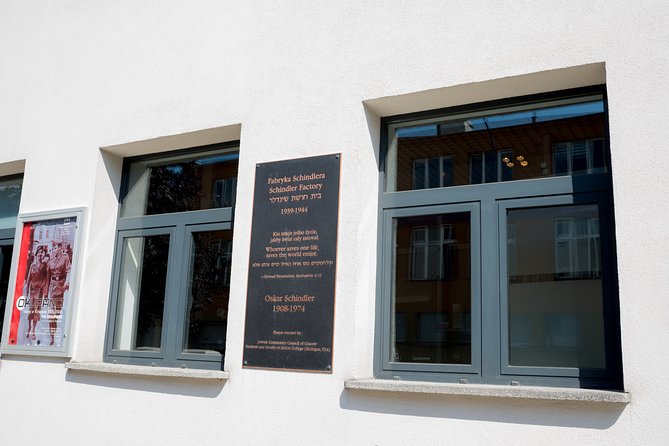
The tour then leads into a narrow labyrinth representing the ghetto, including a Jewish apartment. This is one of the most important parts of the experience because it shifts the story from public city spaces to private life.
The tight layout communicates confinement without relying only on written explanation. You see how the exhibition narrows the physical space as the story grows darker. From there, the route connects the ghetto’s inhabitants with the camp at Płaszów.
That transition is emotionally difficult, but it is also central to the exhibition’s structure. The museum is showing a process, not an isolated event. The route from city street to apartment to camp helps you follow how occupation changed people’s lives step by step.
You should expect serious subject matter here. This is not a light sightseeing stop, and the recreated scenes are meant to make the experience personal. The guide’s role is especially valuable in these rooms, where the history can otherwise feel fragmented or overwhelming.
A few more Krakow half-days worth comparing
- Kraków: Evening or Night River Cruise
★ 4.0 · 7,386 reviews - Krakow: City Sightseeing Tour by Electric Golf Cart
★ 4.5 · 3,264 reviews - Krakow: City Sightseeing Tour Eco Electric Buggy Golf Cart
★ 4.7 · 3,143 reviews - Krakow: Chopin Piano Recital at Chopin Concert Hall
★ 4.7 · 2,330 reviews
What you will and will not see about Oskar Schindler
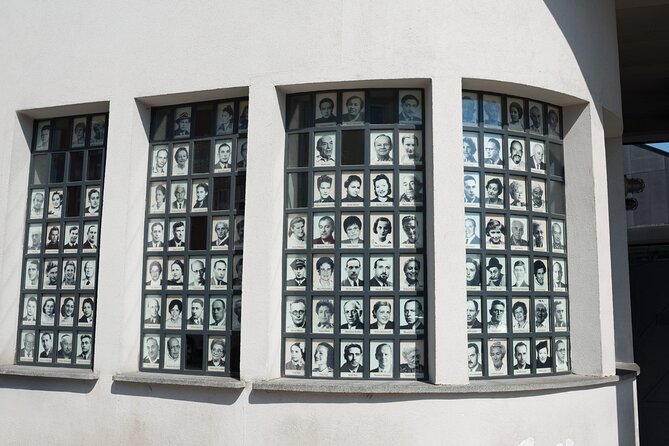
Oskar Schindler is part of the museum’s story, but this is not a dedicated biographical museum. The exhibition explains his place as a factory owner during the occupation, and his story is linked to the wider fate of Krakow’s Jewish population.
If your interest comes from Steven Spielberg’s 1993 film, the visit may correct some expectations. You will not spend the entire 90 minutes following the film’s plot, and you should not expect a factory floor filled with working machines. The museum is not primarily a behind-the-scenes look at Schindler’s business.
The former administrative building is the main setting. The exterior is original, and the only original interior office area is limited. Much of what you see is a designed museum exhibition, with recreated streets and multimedia installations.
That is not a weakness by itself. It simply tells you what kind of experience to book. Come for a guided account of Krakow during the war, with Schindler included. Do not book it expecting a traditional industrial museum.
Why the guide matters more than usual
A guide adds real value here because the exhibition moves between objects, recreated spaces, films, and symbolic settings. You need someone to explain how the pieces fit together and to answer questions when a display raises more questions than it resolves.
The strongest parts of the experience depend on that explanation. A tram, photoplasticon, hairdresser, or apartment can look interesting on its own, but the guide connects each place to the wider experience of occupation. The guided format also lets you ask about Schindler, the ghetto, Płaszów, and the role of the factory.
The group maximum is 25 people. That is not a private tour, but it is still more manageable than a large crowd moving through a museum without help. You should have opportunities to ask questions and take photographs, as long as the guide and museum rules allow it.
No guide name is supplied for this experience, so I would not book it expecting a particular individual. The important point is that a professional guide is included, along with admission.
Timing, meeting point, and practical value
The tour begins at Lipowa 4, 32-051 Krakow, and ends back at the same meeting point. The location is near public transportation, which makes it practical to combine with other time in the area.
The stated duration is about 1 hour 30 minutes. One account places the visit closer to two hours, so I would avoid scheduling another fixed activity immediately afterward. Museum pacing, questions, and the guide’s presentation can all affect the finish time.
At $45.38 per person, this is not the cheapest way to enter a Krakow museum. The price includes admission and a professional guided visit, which makes it easier to judge than a simple ticket price. If you would otherwise wander through the exhibition quickly and miss the connections between rooms, the guide may justify the extra cost.
The value is strongest for first-time visitors to Schindler’s Factory, people who want historical explanation in clear English, and anyone who prefers a planned visit. If you already know the exhibition well and enjoy reading at your own pace, you may find the premium less useful.
This experience is booked, on average, 29 days ahead. That does not guarantee that every date sells out, but it is a good reason to reserve early if your Krakow schedule is fixed.
How the experience may feel for different visitors
I would recommend this tour to you if you:
- Want the broader story of Krakow during World War II
- Have seen the film and want more context around Schindler’s role
- Prefer a guide to explain multimedia displays and recreated rooms
- Value a structured visit with admission arranged
- Are comfortable with serious material about Nazi occupation, the ghetto, and Płaszów
I would be more cautious if you:
- Mainly want to see factory machinery or production rooms
- Expect a full biography of Oskar Schindler
- Prefer to explore museums alone and read every display at your own speed
- Have limited time and need a visit that ends exactly after 90 minutes
The exhibition works best when you approach it as a museum about a city under occupation. The Schindler connection gives the site its name and emotional pull, but the content reaches well beyond him.
Booking, cancellation, and group details
Confirmation is provided when you book. Children must be accompanied by an adult, and most people can participate.
The group size is limited to 25 people. That makes this a small-group tour by ordinary sightseeing standards, though you should not expect the quiet or flexibility of a private visit.
You can cancel for a full refund up to 24 hours before the local start time. Cancellations made within 24 hours are not refunded, and changes inside that period are not accepted. Plan carefully if your Krakow schedule includes uncertain train times or weather-dependent activities.
Should you book Schindler’s Factory?
Book it if you want a guided, emotionally direct account of Krakow from 1939 to 1945, presented through recreated streets, film, sound, and personal spaces. The guide and included admission make the visit easier to follow, and the tram, photoplasticon, ghetto apartment, and Płaszów section give it more impact than a standard display of objects.
Skip it if your main goal is to inspect a preserved factory, see machinery, or follow Schindler’s personal story from beginning to end. The museum offers only limited original interior space, and the wider history of occupied Krakow takes center stage.
For most first-time visitors with an interest in wartime Krakow, I think the tour is worth the $45.38, provided you book it for what it is: a guided museum experience about a city and its people, not a factory tour built around the film.
FAQ
Where does the Schindler’s Factory tour begin?
The tour begins at Lipowa 4, 32-051 Krakow, Poland.
Where does the tour end?
The activity ends back at the meeting point at Lipowa 4.
How long does the tour last?
The stated duration is approximately 1 hour 30 minutes. The visit may take closer to two hours depending on the guide’s pace and questions.
Is museum admission included?
Yes, admission to Schindler’s Enamel Factory is included.
Is this a biography of Oskar Schindler?
No. The exhibition focuses on Krakow under Nazi occupation from 1939 to 1945. Oskar Schindler and his factory are part of the story, but the museum is not solely biographical.
How large is the tour group?
The tour has a maximum of 25 people.
Can I cancel for a full refund?
Yes. You can cancel at least 24 hours before the experience start time for a full refund. Cancellations or changes made within 24 hours are not accepted or refunded.
Just added around Krakow
- stag dog chase Krakow prank★ 5.0 · 4 reviews
- Divine Mercy Sanctuary – Private Tour from Krakow★ 5.0 · 4 reviews
- ZALIPIE – painted village, unique small group tour from Krakow★ 5.0 · 7 reviews
- ZALIPIE – painted village, unique PRIVATE tour from Krakow★ 5.0 · 20 reviews
- Zalipie Private Tour from Krakow The Painted Village★ 5.0 · 4 reviews
- Wooden Churches Unesco List Private Tour from Krakow★ 5.0 · 14 reviews
- Guided tour to Salt Mine & Schindler Factory with Pick-Up Options★ 4.0 · 58 reviews
- Wawel Castle, Cathedral, & Rynek Underground Tour with Lunch★ 5.0 · 4 reviews
Schindler Factory Tours, compared.
Oskar Schindler’s Factory Entry Ticket & Guided Tour
Read our review →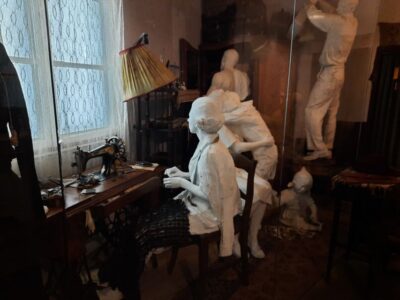
Schindler’s Factory Tour with Entrance Ticket
Read our review →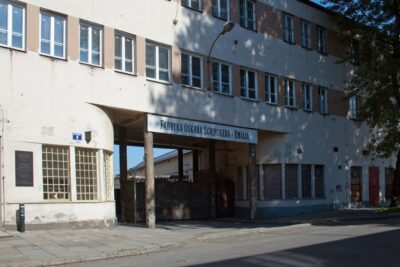
Schindler’s Factory Tour with Entrance Ticket
Read our review →
Schindler’s Factory in Krakow: Guided Tour & Skip the Line Ticket
Read our review →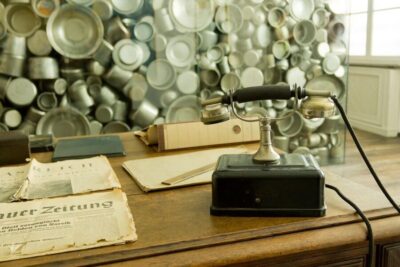
Schindler’s Factory Ticket with Guided Tour Option
Read our review →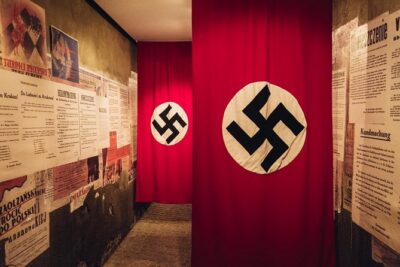
Krakow Schindler’s Factory Guided Tour with Admission Ticket
Read our review →Browse the lists this tour appears in