
Reviewed · SCHINDLER FACTORY TOURS
Schindler’s List – Oskar Schindler Factory Museum Guided Tour
Oskar Schindler’s former enamel factory is now one of Krakow’s most affecting museums. The displays recreate occupied Krakow through photographs, objects, and interactive rooms, while a guide explains how the war changed daily life and how Schindler helped save Jewish workers. I especially like the clear guided explanation and the museum’s strong visual presentation. The main catch is that the tour often focuses more on wartime Krakow and the Holocaust than on Schindler himself.
I also like that the visit lasts only about 90 minutes, making it easy to fit into a day of sightseeing. Headsets are provided, which helps in a group, and the maximum size of 26 people is manageable. Still, check your meeting time carefully: one booking time was changed from 1:20 p.m. to 11:50 a.m. by email the night before, and not everyone saw the notice.
Key points to know before you book
- The factory is in Zablocie: Meet at Lipowa 4, outside Oskar Schindler’s Enamel Factory.
- The subject is wider than Schindler: Expect substantial coverage of wartime Krakow, Nazi persecution, and Jewish life during the occupation.
- The tour lasts about 90 minutes: That is enough time for a guided overview without taking up your whole day.
- Headsets are included: They make it easier to hear the guide, though one hearing-impaired visitor reported that suitable equipment was not available.
- The group can reach 26 people: This is not a private visit, but the size should still allow you to follow the presentation.
- English is the tour language: The guide leads the visit in English and provides the historical context for the exhibits.
Entering Schindler’s former enamel factory
The visit begins at Oskar Schindler’s Enamel Factory, Lipowa 4, in Krakow’s Zablocie district. You meet the local English-speaking guide at the entrance, then spend about an hour and a half inside the museum. Transportation, food, and drinks are not included, so you make your own way there and leave from the same point afterward.
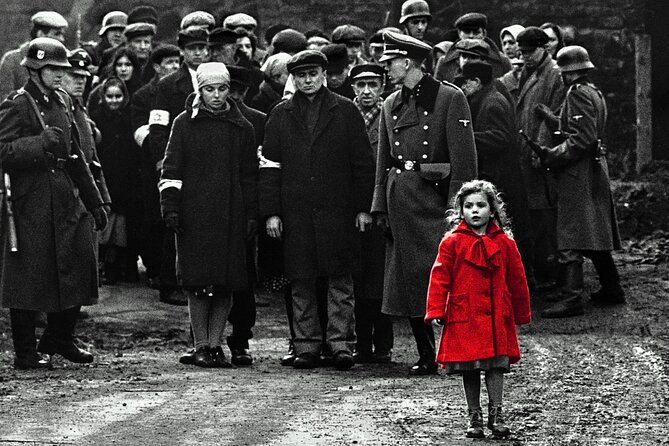
The building matters because it is the actual factory connected with Oskar Schindler and the Jewish workers he protected during World War II. Its fame grew sharply after Steven Spielberg’s 1993 film Schindler’s List, but the museum is not simply a film exhibit. It uses the factory setting to tell a much broader story about Krakow under German occupation.
That distinction is important. If you arrive expecting a room-by-room account of Schindler’s life, you may find the emphasis uneven. The tour explains Schindler and his actions, but much of the visit concerns the city, the occupation, the persecution of Jews, and the daily experience of people living through the war.
I think that wider focus makes the museum more useful, but you should know what you are booking. This is not a narrow biography of one man. It is a guided museum visit about Krakow during the war, with Schindler’s factory as its setting and his rescue efforts as one central part of the story.
More Museum Tours in Krakow
- Krakow: Rynek Underground Museum Guided Tour
★ 4.6 · 1,122 reviews - Krakow Schindler’s Factory Museum Guided Tour in English
★ 4.5 · 650 reviews - Museum of illusions Entry Ticket
★ 4.5 · 521 reviews
What the 90-minute route shows you
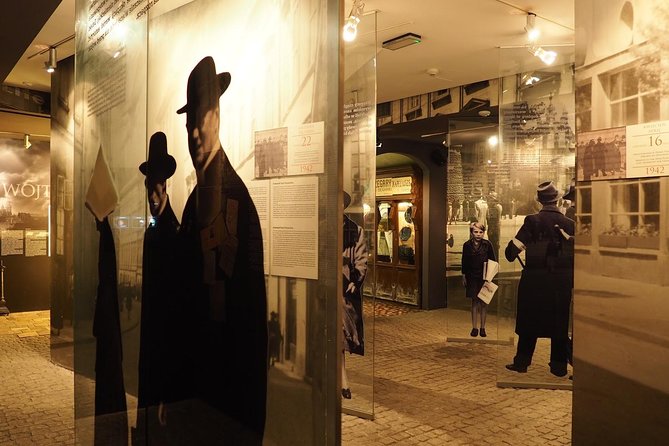
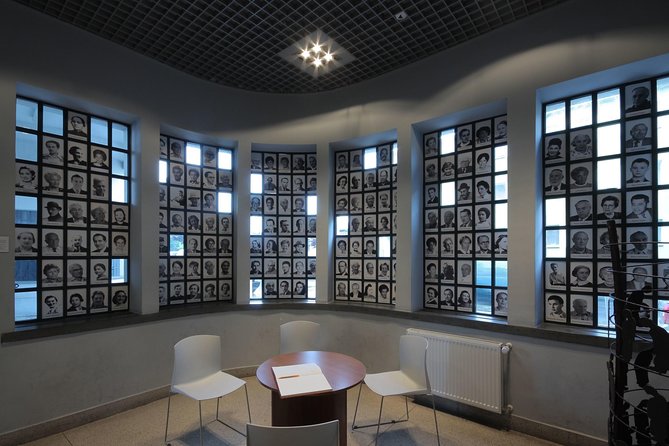
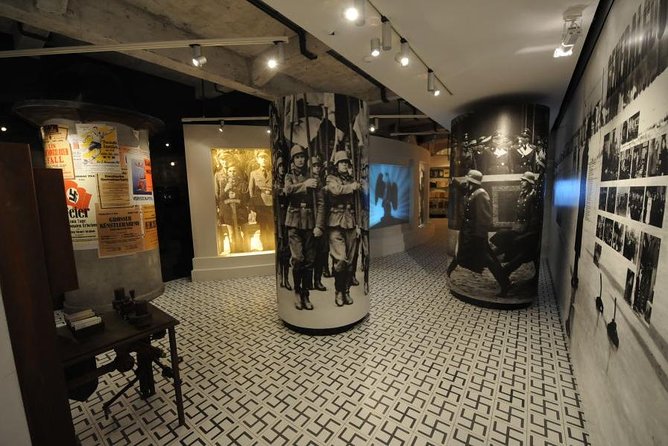
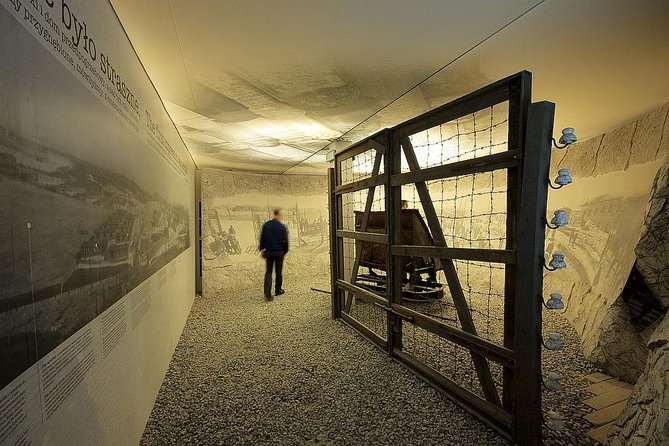
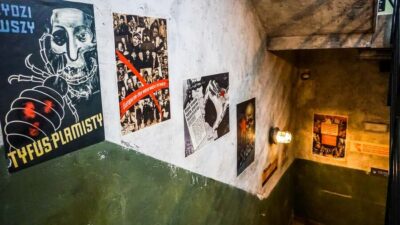
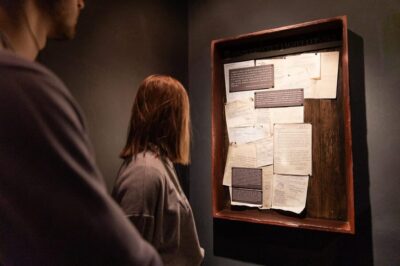
Inside, the displays use historical photographs, objects, and interactive sections to recreate the atmosphere of Krakow during the occupation. The presentation aims to make the city feel less like a distant subject in a textbook and more like a place where ordinary people faced impossible choices.
You will see material connected with the lives of Krakow’s residents, the machinery of persecution, and the conditions faced by Jewish people during the war. The museum’s arrangement helps you follow a sequence of events rather than simply wandering from one collection of objects to another.
That is where the guide earns the ticket price. A museum like this can be confusing without context, particularly when the subject shifts between political events, personal stories, and the physical changes imposed on the city. The guide explains what you are seeing and connects separate sections into a single account.
The strongest guides add detail beyond the basic captions. One guide was praised for explaining the persecutors, the persecuted, and the war in unusually clear detail. Another guide covered a large amount of history in a short time and kept the tour organized. That level of explanation is useful here because the museum asks you to absorb a lot in 90 minutes.
Still, the quality of any guided visit depends partly on the individual guide. A guide may give a carefully shaped explanation of the museum, while another may rely on a more standard presentation. English is offered, but it may not be the guide’s first language, so speech speed and style can vary.
Schindler’s story versus Krakow’s wartime story
The most important expectation to set is this: you will learn about Schindler, but the museum spends plenty of time on the wider war. The focus includes the persecution of Jews and the Holocaust, along with the experience of Krakow during occupation.
That can be a strength. Schindler’s actions make more sense when you understand the system around him, the pressure placed on Jewish families, and the danger faced by people working in and around his factory. The larger setting gives moral and historical weight to his decision to protect workers.
It can also feel like a shortcoming if Schindler is your main reason for visiting. The tour does not make every part of the museum directly about him. Some sections may feel only loosely connected to his personal story, especially if you have come hoping for extensive information about his business, private life, or every person he saved.
I would treat the museum as a Krakow World War II museum that includes an important Schindler chapter. That framing will help you enjoy the visit rather than spend the tour waiting for a film-focused exhibit that is not there.
The guide also adds a human layer to Schindler’s story. You learn about his willingness to spend money and use it for bribes and protection. The tour presents him as a complicated figure who made money but used it to save lives. That balance is more useful than a simple heroic portrait.
Why a guide is worth considering
You can look around the museum without a guide, but I would choose the guided option if you want the story to make sense as you go. The rooms contain plenty to read and examine, yet the museum’s subject is too complex for labels alone to explain every connection.
The guide helps in three practical ways. First, you get a timeline, which keeps the changing political and social conditions in order. Second, you hear details that might not be obvious from the objects and photographs. Third, you can ask questions as the tour develops.
The headsets are a real help. Groups of up to 26 people can spread out inside a museum, and a guide’s voice can quickly disappear in a crowded room. With the headset, you can stay focused on the display rather than trying to stand beside the guide at every moment.
There is one qualification. A hearing-impaired visitor reported that the tour company did not provide suitable headsets. If you depend on specific hearing equipment, confirm what is available before booking. The general headset arrangement is designed to make the guide audible, but it may not meet every visitor’s needs.
The tour’s strongest praised feature is the guide’s command of the subject. One English-speaking guide was described as able to explain difficult wartime material in detail despite English being a second language. Another guide was called especially informative and far more useful than simply walking through the museum alone.
At the same time, one visitor felt a guide was not essential because the museum itself is clearly arranged. That is a fair point. If you read quickly, enjoy examining displays at your own pace, and already know the basic history, you may prefer an independent visit. The guided tour suits you best if you want interpretation, structure, and a chance to ask questions.
More ways to visit Schindler's Factory:
- Krakow: Oskar Schindler’s Factory Entry Ticket & Guided Tour
★ 4.2 · 3,793 reviews - Krakow: Schindler’s Factory Tour with Entrance Ticket
★ 4.5 · 3,182 reviews - Krakow: Schindler’s Factory Skip-the-Line Ticket
★ 4.4 · 3,105 reviews - Krakow: Schindler’s Factory Tour with Entrance Ticket
★ 4.6 · 1,737 reviews
Timing, meeting point, and group size
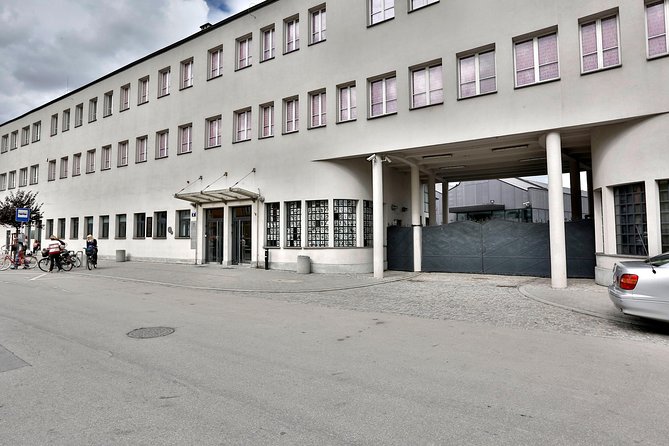
The activity begins and ends at the museum entrance at Lipowa 4. You are responsible for reaching the meeting point, and the tour does not include transportation. The location is near public transportation, which makes it practical to reach from elsewhere in Krakow.
Your booking confirmation should provide the meeting information. Read any messages about schedule changes carefully, especially if your original time is important. A last-minute change from 1:20 p.m. to 11:50 a.m. caused confusion for one visitor who did not notice the email until too late.
I would arrive early, not because the tour includes a complicated transfer, but because the meeting point can be easy to misunderstand in a busy museum setting. One group was unsure where to exchange its booking information or find the guide. The guide eventually located the group, but a clear plan saves stress.
The maximum group size is 26 people. That is larger than a private tour but not enormous. You will probably be part of a shared group, so do not expect a quiet, personal conversation throughout. The headsets make the size less of a problem, especially when the group is moving through rooms at different speeds.
The tour lasts approximately 90 minutes. That is a useful length for this subject. You get a serious introduction without committing half a day, and you can plan another Krakow activity afterward. The content is concentrated, though, so younger children may struggle to stay interested.
Is the museum suitable for children?
The material deals with war, persecution, and the Holocaust. Older children and teenagers who already have some historical background may find the visit meaningful, especially with an adult to explain difficult sections.
I would not choose this as a casual family attraction for very young children. Two children under eight reportedly found the experience difficult to enjoy, which is not surprising given the serious subject and the amount of historical explanation. The museum asks for attention and emotional maturity rather than quick entertainment.
For adults, the visit is easier to recommend. You can take time with the photographs and objects, ask the guide questions, and consider the moral choices presented by Schindler’s actions. The atmosphere is serious, so plan another activity afterward if you want to lighten the mood.
Price and overall value at $54.19
At $54.19 per person, this is not the cheapest way to see a Krakow museum. The price includes admission, the professional guide, and headsets, but not transportation, food, or drinks. The value depends on how much help you want with the history.
If you simply want entry to the factory and prefer to read independently, the guided fee may feel high. The museum has enough photographs, objects, and interactive displays to occupy you on your own, and some visitors feel they could manage without a guide.
I see better value in the ticket if you are visiting Krakow for a short stay, have limited time to research the occupation, or want a clear explanation in English. The guide’s job is to filter a difficult subject and point out connections you might otherwise miss. You are paying for interpretation and structure, not just for access to the building.
The 90-minute format also helps the calculation. It is a focused visit rather than an all-day commitment. If the guide is strong, you leave with a clearer understanding of Schindler, the factory, and wartime Krakow than you would gain from quickly reading labels alone.
The average booking lead time is about 25 days. That suggests you should not leave this until the final morning of your Krakow trip, particularly if your schedule is fixed. Free cancellation is available up to 24 hours before the start time, while cancellations or changes made within 24 hours are not refunded.
What to do before and after the visit
Before you go, decide what you want from the museum. If your main interest is Schindler himself, read a short account of his life so you can place the guided explanation in context. If your interest is the occupation of Krakow, arrive ready for a broader museum visit focused on the city and its Jewish population.
The tour does not include refreshments. There is a small cafe inside the museum, and better refreshment choices are available along the road nearby. That makes it easy to keep the museum visit focused and eat before or afterward rather than expecting a meal as part of the booking.
Give yourself enough time to reach Lipowa 4 and identify the entrance. The activity ends at the same place where it begins, so you can continue your day from Zablocie once the tour finishes.
You may also want quiet time afterward. The subject is heavy, and the museum presents more than a simple film-related story. A slow walk, a meal, or a less serious stop later in the day can help you process what you have seen.
Who should book this guided visit?
I would book it if you want a structured introduction to Krakow during World War II and prefer listening to an expert rather than doing all the research yourself. It is especially useful for first-time visitors with only a few days in the city.
It also suits you if the historical setting matters. Seeing the former factory gives the story a physical place, while the photographs and objects show how the war affected people beyond the famous figures in the film.
I would think twice if you want a detailed biography of Schindler alone, dislike fixed schedules, or prefer to read every display at your own pace. The museum’s wider focus may not match your expectations, and a 90-minute group tour leaves less freedom to linger.
The tour is best for adults and older children, not for very young children. It is also best for visitors who can follow spoken English through a headset and who are comfortable with a serious museum about persecution and wartime suffering.
Should you book the Schindler Factory tour?
Book this tour if you want the original factory setting, a well-organized 90-minute visit, and clear English commentary that places Schindler’s actions within the wider story of wartime Krakow. The strongest reason to pay for the guided option is the explanation. A good guide can add detail, order, and human meaning to displays that might otherwise feel disconnected.
Do not book it expecting a film museum devoted entirely to Oskar Schindler. Much of the visit concerns the Holocaust, Nazi persecution, and life in Krakow under occupation. That wider approach is historically valuable, but it may disappoint you if you want only Schindler’s personal story.
At $54.19, the tour is a reasonable choice for visitors who value context and have limited time. Check the meeting time carefully, read schedule updates, and allow for the serious nature of the material. For most adults interested in Krakow’s wartime past, this is a focused and worthwhile museum visit.
FAQ
Where does the tour start?
The tour starts at Oskar Schindler’s Enamel Factory, Lipowa 4, 30-702 Krakow, Poland, in the Zablocie district.
Where does the tour end?
The activity ends back at the meeting point outside the factory museum.
How long does the tour last?
The guided visit lasts approximately 1 hour and 30 minutes.
What language is offered?
The tour is offered in English.
Is museum admission included?
Yes. The entrance fee is included in the tour price.
Are headsets provided?
Yes. Headsets are provided so you can hear the guide clearly during the visit.
Is transportation included?
No. Transportation is not included. You make your own way to Lipowa 4.
How large can the group be?
The activity can have a maximum of 26 participants.
Is the tour suitable for children?
Most visitors can participate, but the serious subject and historical material may be better suited to older children and adults. Very young children may not enjoy the visit.
Can I cancel for a full refund?
Yes. You can cancel at least 24 hours before the start time for a full refund. Changes or cancellations made less than 24 hours before the experience are not accepted or refunded.
Just added around Krakow
- stag dog chase Krakow prank★ 5.0 · 4 reviews
- Divine Mercy Sanctuary – Private Tour from Krakow★ 5.0 · 4 reviews
- ZALIPIE – painted village, unique small group tour from Krakow★ 5.0 · 7 reviews
- ZALIPIE – painted village, unique PRIVATE tour from Krakow★ 5.0 · 20 reviews
- Zalipie Private Tour from Krakow The Painted Village★ 5.0 · 4 reviews
- Wooden Churches Unesco List Private Tour from Krakow★ 5.0 · 14 reviews
- Guided tour to Salt Mine & Schindler Factory with Pick-Up Options★ 4.0 · 58 reviews
- White Water Rafting Krakow★ 5.0 · 3 reviews
Schindler Factory Tours, compared.
Oskar Schindler’s Factory Entry Ticket & Guided Tour
Read our review →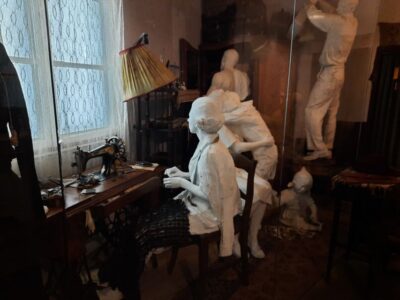
Schindler’s Factory Tour with Entrance Ticket
Read our review →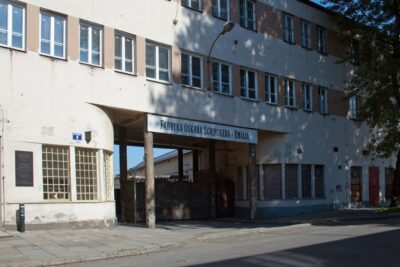
Schindler’s Factory Tour with Entrance Ticket
Read our review →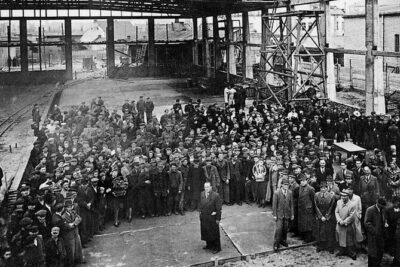
Schindler’s Factory in Krakow: Guided Tour & Skip the Line Ticket
Read our review →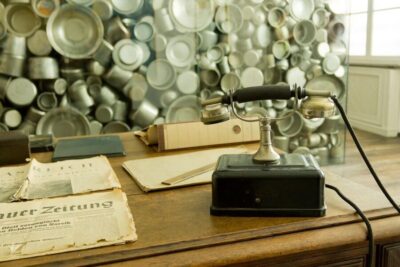
Schindler’s Factory Ticket with Guided Tour Option
Read our review →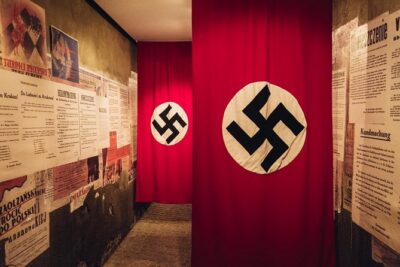
Krakow Schindler’s Factory Guided Tour with Admission Ticket
Read our review →Browse the lists this tour appears in