
Reviewed · WALKING TOURS
Multi-ethnic Warsaw – guided walk through the old town
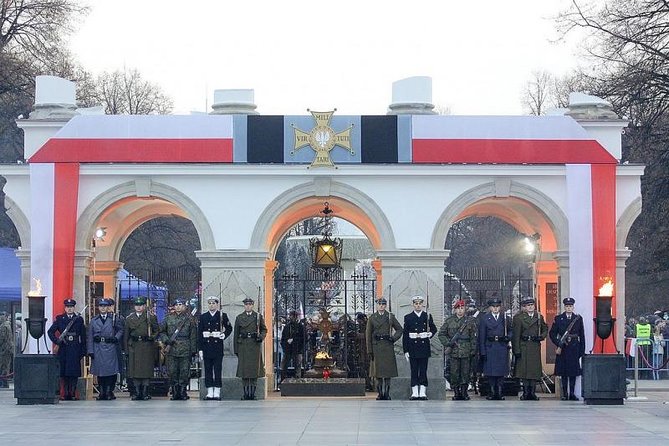
Warsaw’s Old Town is more than rebuilt façades and postcard views. This walk uses its streets to explain how German-speaking families, Polish entrepreneurs, artists, scholars, and industrialists helped shape the city. The multi-ethnic angle gives familiar sights a useful second layer.
I like the focused two-hour route and the chance to finish at the long-running E.Wedel chocolate café. I also like that guide Marzena is singled out for clear, warm explanations and detailed answers. The main drawback is that this is an outdoor walk with no museum admission, so bad weather or a desire for a longer Old Town tour may make it less suitable.
Key points to know before booking
- A German-Polish story: Learn why people from German-speaking lands settled in Warsaw and how they built new lives there.
- A compact historic route: Cover seven stops in about two hours, from Rynek Starego Miasta to the E.Wedel café on Szpitalna Street.
- Guide Marzena: Expect a guide who explains history clearly, answers questions, and brings personal warmth to the walk.
- Saxon-era Warsaw: See how construction and urban planning changed the city during the Saxon period.
- Private format: Only your own group participates, which makes questions and pacing easier.
- Chocolate at the finish: The route ends at Pijalnia Czekolady E.Wedel, a fitting stop for anyone interested in Warsaw’s old commercial names.
Why Warsaw’s German-speaking past matters
Many first-time walks through Warsaw focus on kings, war damage, and the careful rebuilding of the Old Town. Those subjects matter, but this route takes a less familiar path. It asks who helped the city grow: business owners, builders, publishers, artists, academics, and poets from different backgrounds.
The focus on German-born families is especially useful because it moves beyond a simple Polish national story. Over the centuries, people from German-speaking countries settled in Warsaw and made the city their home. They were not just names in a textbook. Their work affected trade, education, architecture, culture, and city life.
You will hear how these people fitted into Warsaw’s changing society, then connect those stories to streets, buildings, brands, and institutions still present today. That makes the walk practical for a visitor. Instead of memorizing a long list of names, you can link people to places you are actually seeing.
The route also covers the Saxon period, when Warsaw saw major construction and urban change. This gives you a useful way to read the city’s layout. Representative buildings, churches, gardens, and public institutions become clues to how Warsaw developed.
More Walking Tours in Warsaw
- Warsaw: Old Town Highlights Walking Tour in English
★ 4.7 · 1,516 reviews - Warsaw: Old Town Guided Walking Tour
★ 4.9 · 599 reviews - Half-Day Polish Food Walking Tour with Guide and Dinner
★ 4.5 · 381 reviews
Starting at Rynek Starego Miasta
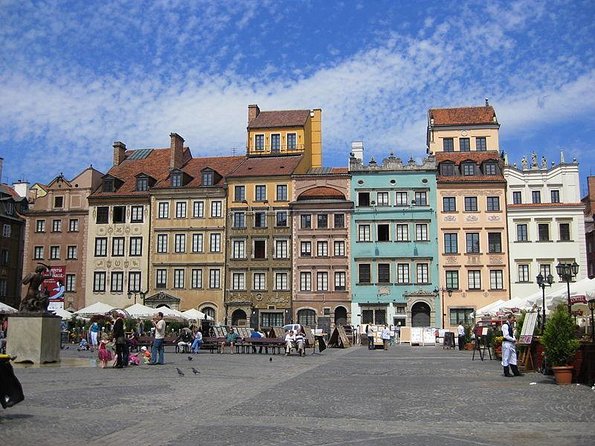
The walk begins at Rynek Starego Miasta, the Old Town Market Square. This is a sensible meeting point because it puts you in the heart of historic Warsaw from the first minute.
The opening section introduces the most famous German-born families connected with the city. You will learn why immigrants from German-speaking areas came to Warsaw and how they established themselves there. The subject works well here because the square is not only a pretty collection of façades. It is a place to think about commerce, migration, and the people who gave the city its working life.
This first stop lasts about 15 minutes. That is enough time for an introduction, but not enough for a full survey of every family or period. I would treat it as the foundation for the rest of the walk, not a stand-alone lecture.
Keep your expectations clear: admission is not charged for this stop, but the tour is an outdoor explanation of the area rather than a museum visit. You will gain context for the Old Town, then continue on foot.
The Royal Castle and the shape of Saxon Warsaw
The route continues toward the Royal Castle in Warsaw. The castle itself is one of the city’s defining buildings, but the value here lies in the wider setting. You will look at representative buildings, churches, and gardens that helped define Warsaw’s architectural character.
The Saxon period receives special attention. The tour explains the intensive building activity and urban development associated with that era. This is a good fit for visitors who want to know why Warsaw looks the way it does, rather than simply collecting photographs of individual monuments.
The scheduled stop lasts about 15 minutes. That is brief, so expect a sharp overview rather than a detailed architectural study. If you want to go inside the Royal Castle Museum, allow separate time and plan for a separate admission decision. This experience does not include museum tickets.
I like this part because it ties construction to politics and city planning. Buildings are not treated as isolated decorations. They are evidence of changing priorities and growing ambitions.
Krakowskie Przedmieście and the people who built a city
Krakowskie Przedmieście is the longest stop, at about 30 minutes. It is also where the tour’s social and economic themes come together most clearly.
Here you will hear about entrepreneurs, industrialists, architects, publishers, artists, scientists, and poets. The point is not only that famous people lived or worked in Warsaw. It is that their specialist skills helped develop the city’s economy, science, and culture.
That broad range gives the walk a welcome balance. You are not limited to royal families or military leaders. Publishers and artists tell one part of Warsaw’s story. Industrialists and entrepreneurs tell another. Architects show how ideas became buildings, while scientists and academics point toward the city’s intellectual life.
I would pay close attention to the names connected with streets and institutions. The tour helps you recognize that parts of modern Warsaw still carry the marks of these people. Some well-known brands founded in that period remain part of the city scene, linking old enterprise with present-day life.
This is also the section where Marzena’s style matters most. She is described as experienced, well prepared, warm, and able to answer questions in detail. That is important on a short walk packed with names and dates. A guide who can explain rather than simply recite makes the material easier to follow.
Same city, a completely different kind of day:
- Warsaw: Chopin Concert in the Old Town
★ 4.8 · 2,287 reviews - Warsaw: Traditional Galar Cruise on The Vistula River
★ 4.6 · 1,640 reviews - Warsaw Concert: Chopin – Painted by Candlelights with Wine
★ 4.8 · 1,442 reviews - Warsaw: City Sightseeing Hop-On Hop-Off Bus Tour
★ 3.6 · 1,415 reviews
Saxon Gardens and public urban space
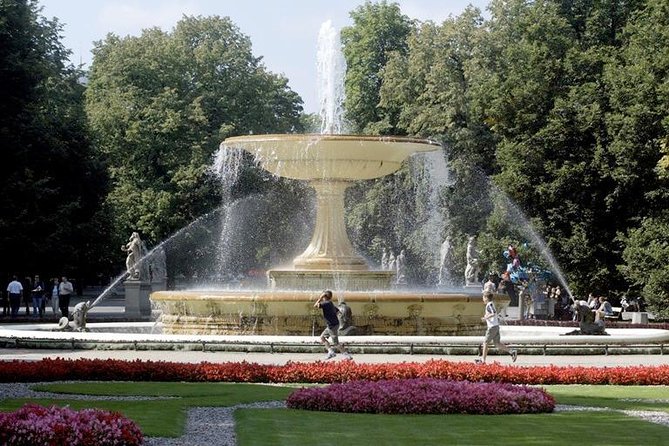
The walk then reaches Saxon Gardens, another place tied to the Saxon period and Warsaw’s urban growth. The stop lasts about 15 minutes and returns to the theme of construction and planning.
A garden can look like a pause from history, but here it helps explain how public space formed part of the city’s development. You will hear more about the building activity that changed Warsaw and the role of planned spaces in its architectural identity.
This stop may feel lighter than the parts focused on families and institutions. That is useful during a two-hour walk. You get a chance to reset while still adding another piece to the city’s story.
The route is best for someone who likes connections. One stop introduces migration, another explains building, and the garden shows how urban development affected the public face of Warsaw.
The Evangelical Augsburg Church
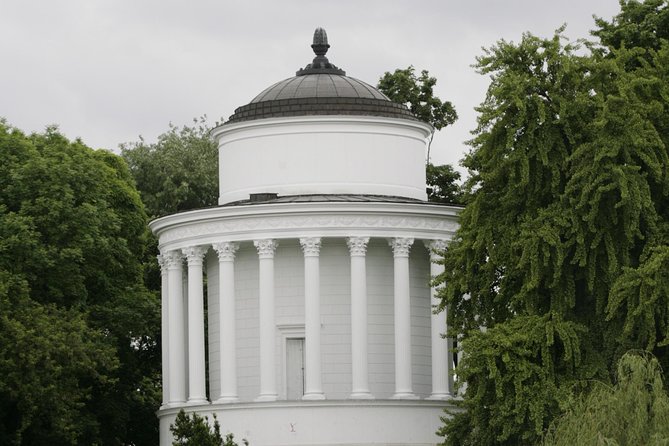
The Evangelical Augsburg Church provides one of the clearest links between the walk’s German-speaking focus and Warsaw’s religious history. You will admire the church and hear about its eventful past.
The name refers to the Lutheran tradition, making this stop more than an architectural photo opportunity. It shows how religious communities formed part of Warsaw’s multi-ethnic life. The church helps place German-speaking settlers and their descendants within the wider city, rather than treating them as an unrelated footnote.
The scheduled time is about 15 minutes. Since the experience is a guided walk, do not assume that a full interior tour or worship visit is included. The stated feature is an explanation of the church and its history from the route.
For me, this is one of the most distinctive stops. Many general Old Town walks mention churches mainly for their façades or artistic details. Here, the church supports the central question of the tour: how did different communities help make Warsaw what it became?
The University of Warsaw and the city’s cultural life
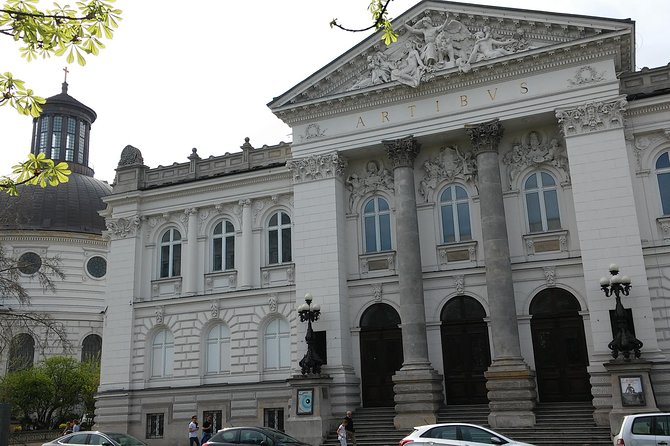
At the University of Warsaw, the focus shifts toward education, architecture, publishing, art, science, and poetry. You will see representative buildings that helped shape Warsaw’s appearance and hear about people who added their skills to the city’s cultural and intellectual life.
This stop gives the route a strong sense of continuity. The same city that welcomed business owners and industrialists also supported academics, artists, and writers. That mix helps explain why Warsaw’s identity cannot be reduced to its royal monuments or wartime story.
The tour also points out that streets and neighborhoods carry the names of notable Poles. This is handy information for the rest of your visit. Once you know that street names preserve memories of public figures, you start seeing the city’s signs as part of its historical record.
The stop lasts about 15 minutes. That is enough to explain the main connections, but anyone wanting a full University of Warsaw visit will need to return independently. No admission ticket is included, and the walk is designed around exterior sights and guided interpretation.
Ending with E.Wedel chocolate
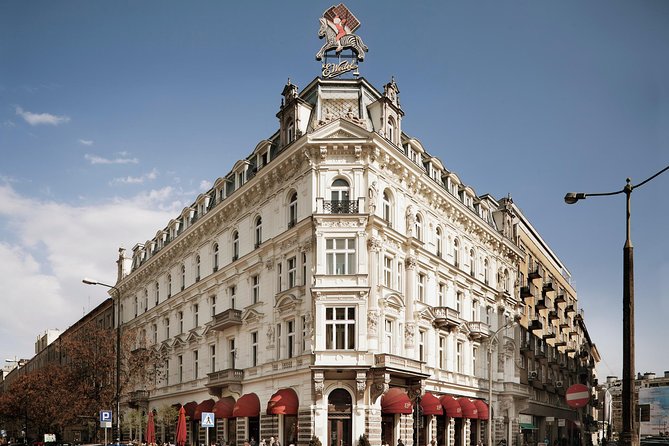
The final stop is Pijalnia Czekolady E.Wedel on Szpitalna Street. The route ends here after about 15 minutes of attention to the famous Warsaw chocolate name and its more than 150-year connection with confectionery.
This is a smart ending. After a walk focused on businesses, brands, and people who helped shape Warsaw’s economy, you finish with a company that remains part of the city’s public identity. The chocolate café also gives the experience a relaxed close instead of ending at another monument.
The route description calls for a visit to the café, but it does not state that drinks, chocolate, or food are included in the $70.01 price. Plan to pay separately for anything you order.
The end point is at Szpitalna 8, 00-031 Warszawa. That is different from the Old Town starting point, so note the route direction when planning the rest of your day. You do not need to return to the market square after the walk.
Is $70.01 a fair price?
At $70.01 per person, this is not the cheapest way to see Warsaw’s Old Town. The price makes more sense if you value a private guide and a subject-specific route rather than a general orientation walk.
The experience lasts about two hours and includes a licensed guide. You do not pay extra admission for the listed stops, but the tour does not include public transport tickets, museum entry, or café purchases. The main thing you are buying is interpretation: a connected explanation of migration, urban planning, business, religion, culture, and architecture.
The private format improves the value for families, couples, or a small association group. Only your own group participates, so you can ask questions without competing with strangers. Group discounts are offered, although the available information does not specify the group size or reduced rate.
For a solo visitor, the price may feel high for a short outdoor walk. For a group sharing the guide, it can be easier to justify. I would compare it with your priorities: if you want a broad introduction to Warsaw, many lower-cost walks may cover more standard sights. If you want this specific German-Polish and multi-ethnic angle, the focused subject is the reason to book.
Who will enjoy this walk most?
I would recommend it to you if you like city history told through people and places. It suits anyone curious about migration, business, religion, architecture, publishing, art, science, or the Saxon period.
It should also work well for German-speaking groups. Several positive assessments describe Marzena guiding German guests and explaining the material clearly. The supplied information does not specify every available tour language, so confirm language arrangements before booking if that matters to you.
The walk is also a good choice for an association, family group, or private party that wants a shared historical theme. Most people can participate, and the route is near public transport, though transport tickets are not included.
You may want another plan if you dislike outdoor walking, need a museum-heavy experience, or want a full day of Warsaw sightseeing. Two hours passes quickly, and each stop offers an overview rather than a long visit inside a building.
Practical details that affect your day
The meeting point is Rynek Starego Miasta, 00-272 Warszawa. The walk ends at Pijalnia Czekolady E.Wedel, Szpitalna 8, 00-031 Warszawa. Since the start and finish are in different parts of central Warsaw, check your onward route before setting out.
A mobile ticket is available, and confirmation normally arrives at booking. If you book within 12 hours of the start time, confirmation arrives as soon as possible and depends on availability.
The experience requires good weather. If poor weather causes cancellation, you will be offered another date or a full refund. You can cancel for a full refund up to 24 hours before the start time. Inside that 24-hour window, refunds and changes are not accepted.
Wear comfortable shoes and allow the full two hours. That is simple advice, but it matters more here than bringing a long list of extra plans. The route has seven stops, and the guide’s explanations are the main event.
Should you book Multi-ethnic Warsaw?
Book it if you want a private, compact walk that explains Warsaw through its German-speaking residents, Polish public figures, urban builders, religious communities, and long-running businesses. The strongest reason to choose it is the guide-led interpretation, especially with Marzena’s clear and friendly approach.
Skip it if you mainly want interior visits, a broad list of famous monuments, or the lowest possible price. For the right audience, the final chocolate stop and the focus on living city names make this more memorable than a standard Old Town circuit. For everyone else, it is best treated as a specialist introduction, not a complete Warsaw tour.
FAQ
How long does the Multi-ethnic Warsaw walk last?
The walk lasts approximately two hours.
Where does the tour begin?
It begins at Rynek Starego Miasta, 00-272 Warszawa, Poland.
Where does the walk end?
It ends at Pijalnia Czekolady E.Wedel, Szpitalna 8, 00-031 Warszawa, Poland.
Is this a private tour?
Yes. Only your group participates in the activity.
Who leads the tour?
The experience is led by a licensed guide. The guide identified in the supplied information is Marzena.
Are museum tickets included?
No admission tickets are listed as included. Public transport tickets are also not included.
What does the tour cost?
The listed price is $70.01 per person. Group discounts are available.
Can I cancel for a full refund?
Yes. You can cancel at least 24 hours before the experience start time for a full refund. Cancellations or changes made less than 24 hours before the start time are not accepted.
What happens if the weather is poor?
The experience requires good weather. If it is canceled because of poor weather, you will be offered a different date or a full refund.
Just added around Warsaw
- Wolfs Lair and Swieta Lipka Small Group Tour from Warsaw with Lunch★ 4.5 · 21 reviews
- Wolf’s Lair & Treblinka Tour in 1 day from Warsaw★ 5.0 · 37 reviews
- Tour from Warsaw: Wolf’s Lair, Hitler’s HQ Zones I and II★ 5.0 · 32 reviews
- Wolf’s Lair Private Day Trip from Warsaw★ 5.0 · 50 reviews
- Wolfs Lair “Hitler’s Headquarters” – Full Day Tour from Warsaw by private car★ 4.5 · 4 reviews
- Warsaw Must-See Local City Tour with Antek and Tomek★ 5.0 · 51 reviews
- Off the Beaten Track in Warsaw: Private City Tour★ 4.5 · 9 reviews
- Warsaw’s Old Town A Self-Guided Audio Tour★ 4.5 · 10 reviews
Walking Tours, compared.
Gdańsk City Sights & History Guided Walking Tour in English
Read our review →
Browse the lists this tour appears in