
Reviewed · MUSEUMS
Warsaw: POLIN Museum of the History of Polish Jews Ticket
POLIN Museum tells the story of Polish Jews as a long, complicated part of Poland’s national story, not only as a prelude to the Holocaust. I like the interactive displays and the way everyday life, religion, work, politics, and family stories share space with major events. The reconstructed synagogue ceiling is especially memorable.
I also like the excellent self-guided audio system, which can identify your place in the museum and offer the right narration. The main drawback is simple: there is a huge amount to read and hear. Two hours gives you an outline, but three to five hours lets you give the later galleries proper attention.
Key points to know before you go
- Eight galleries cover 1,000 years: You move from the first Jewish communities in Poland to life after the Second World War.
- The museum is not only about the Holocaust: Earlier galleries explain Jewish society, faith, work, politics, and contributions to Polish life.
- The audio guide is a major help: It provides clear narration in Polish or English and can guide you through the museum at your own pace.
- Plan more than the stated two hours: Three hours is a sensible target, while careful visitors may spend four to six hours inside.
- You can take a break and return: Your ticket is valid for the day, so you may leave for lunch and come back before closing.
- Expect a serious visit: The Holocaust galleries are moving and difficult, even though the museum presents the material in a measured way.
Why POLIN belongs on your Warsaw list
Warsaw has no shortage of reminders of the Second World War, but POLIN gives you something many memorial sites cannot: a broad view of Jewish life before, during, and after the catastrophe.
The museum traces roughly 1,000 years of Jewish presence in Poland. That means you first learn about communities being formed, religious and civic life taking shape, and Jewish people becoming part of towns and cities across the country. Only later does the story move toward persecution, the Holocaust, and the destruction of most of that world.
I value this order. If you visit only Holocaust memorial sites, it is easy to think of Polish Jewish history mainly through its final tragedy. POLIN corrects that narrow picture by showing people building families, businesses, schools, religious institutions, political movements, and cultural traditions over many centuries.
The experience is serious, but it is not a bleak march from one atrocity to the next. Artifacts, paintings, sound, recreated spaces, touch screens, and other installations help you picture people as individuals. That balance is one of the museum’s greatest strengths.
More Historical Tours in Warsaw
- Warsaw: Chopin Concert at Historical Venue in Old Town
★ 4.7 · 445 reviews - Small-Group Historical Guided Tour of Warsaw with pick up/drop off. Public Tour.
★ 4.5 · 343 reviews - Warsaw: Jewish History Guided Walking Tour in English
★ 4.7 · 324 reviews
Entering the eight-gallery exhibition
The permanent exhibition is arranged as a chronological journey. You do not need a guide or a fixed tour group, so you can move quickly through familiar material and slow down when something catches your attention.
The early galleries explain the arrival and settlement of Jewish communities in Poland. They introduce the setting in which Jewish life developed and show how communities organized themselves. This section contains a great deal of material, so it rewards patience, but it can also feel heavy if you are trying to finish the whole museum in one short visit.
Next, the museum turns to community life and the role of Jewish people within Polish society. The displays make room for religious practice, work, education, family life, and public affairs. You see how Jewish identity was not one single experience. Different regions, classes, professions, political ideas, and religious views shaped daily life.
The museum also introduces important Jewish figures and their contributions to Polish society. This is valuable because it moves beyond statistics and broad labels. You get a clearer sense of individual choices and the many ways Jewish people helped shape the country around them.
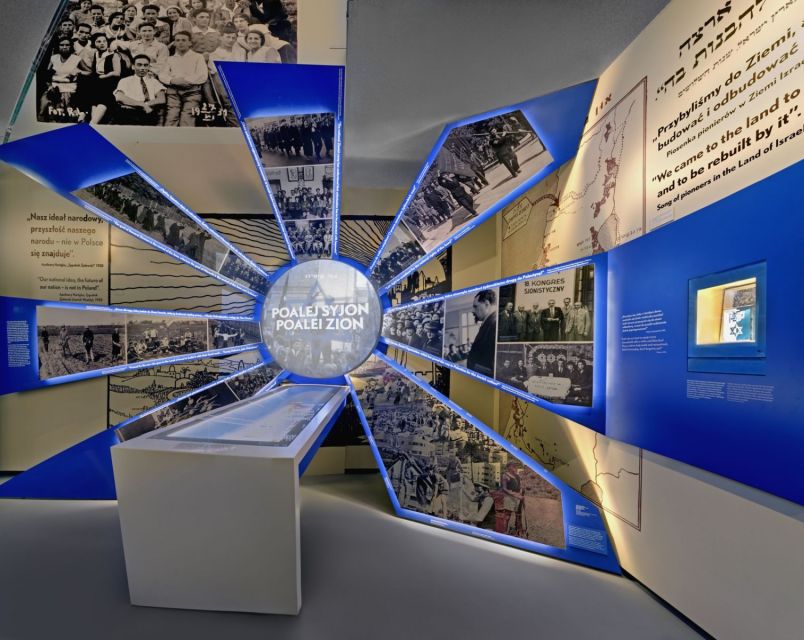
Later sections address modernization, urban life, political change, and the pressures facing Jewish communities in the nineteenth and early twentieth centuries. This part can be especially thought provoking. It shows debates about tradition, assimilation, national identity, and how to respond to a rapidly changing society.
The recreated synagogue ceiling and physical spaces
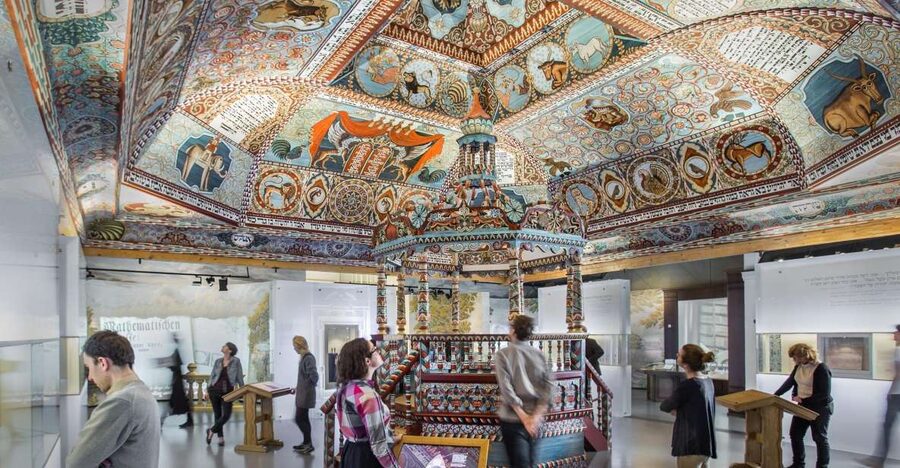
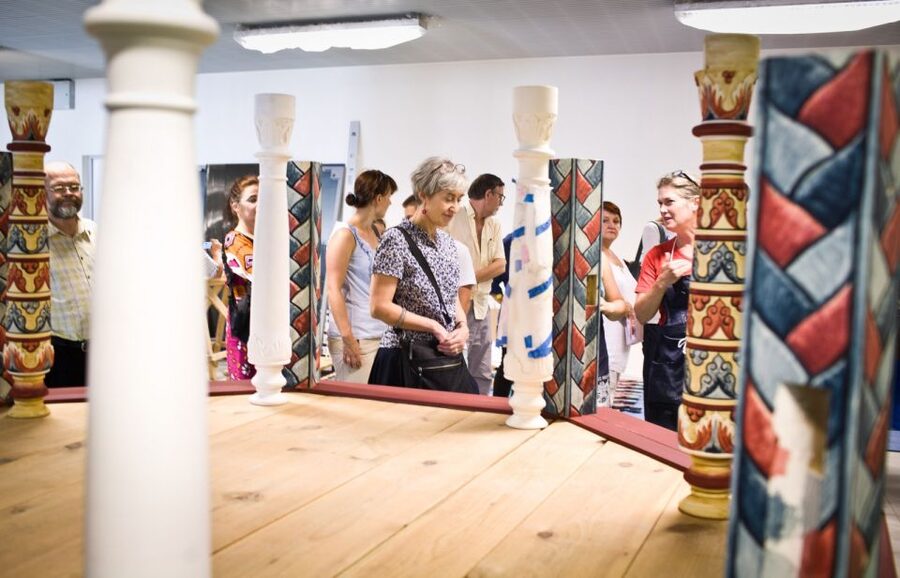
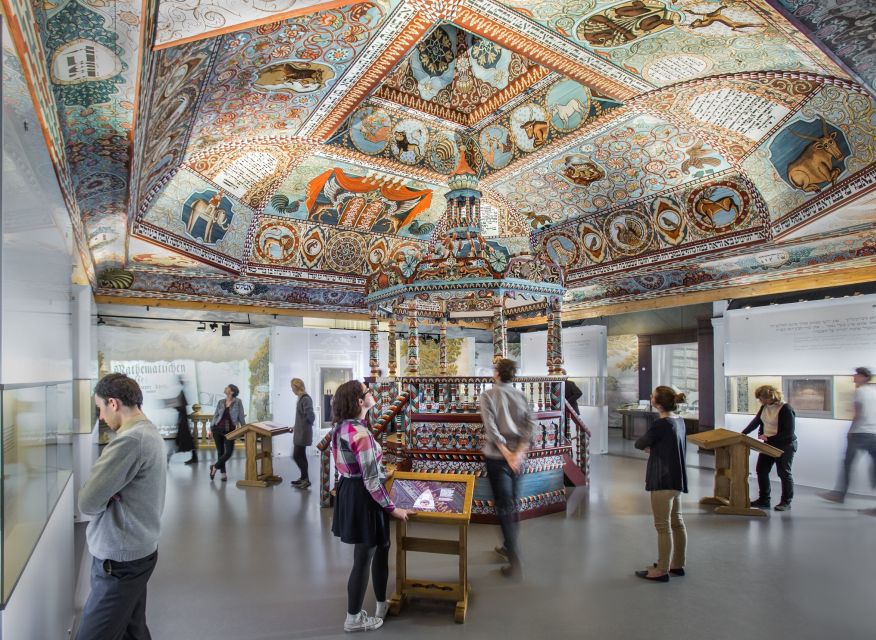
One of the most memorable displays is the reconstructed painted ceiling of a wooden synagogue. It gives the museum a strong visual center and helps you understand that religious buildings were not merely places for worship. They were important social and cultural spaces.
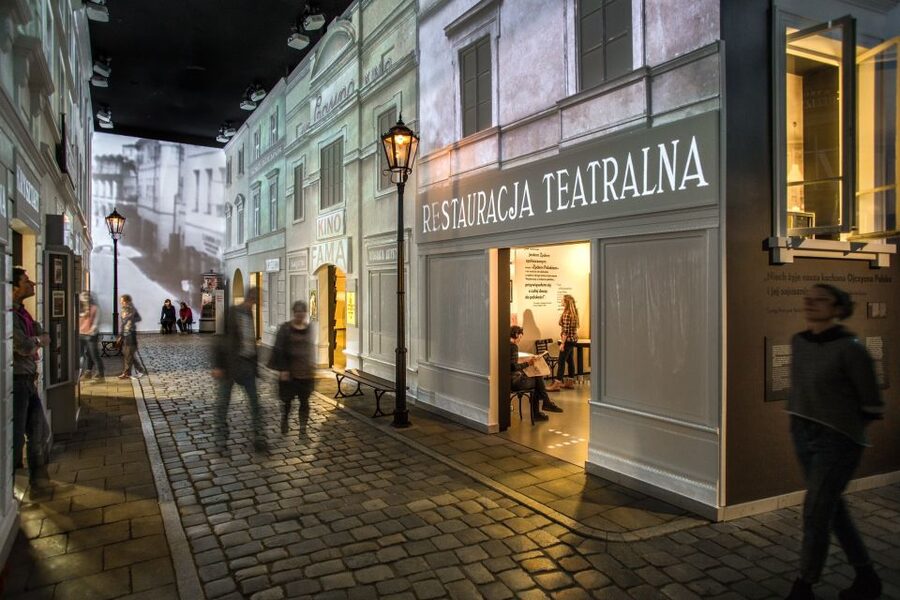
POLIN uses architecture and room design to change the mood as the story progresses. You are not simply walking past glass cases in a white room. The settings, sounds, colors, and scale of the displays help you understand the period being discussed.
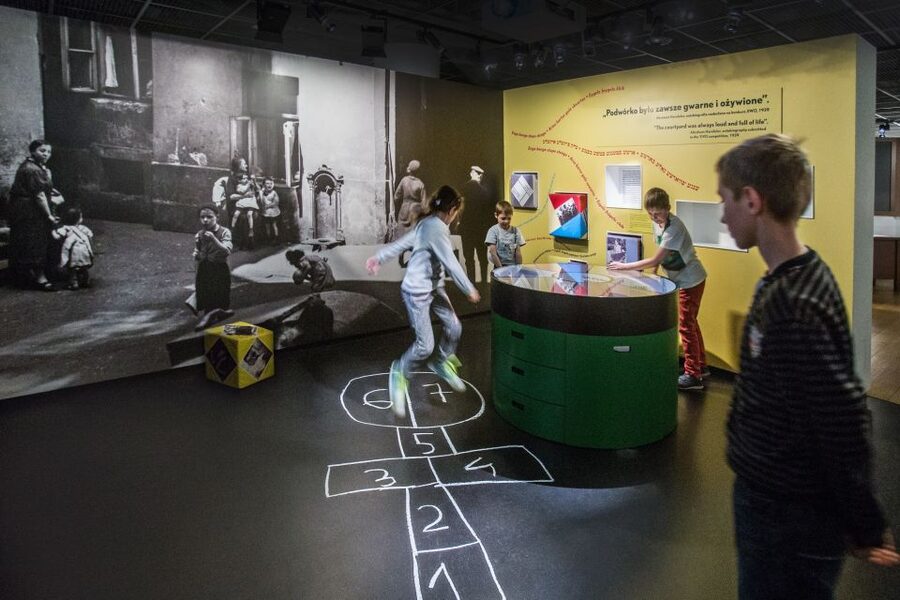
This approach keeps the visit active. You may press buttons, listen to recordings, study documents, or stand inside a recreated setting. There is enough variety to hold your attention, although some people may find the amount of material tiring.
The museum provides seating in several areas. Take advantage of it. You will read more carefully and think more clearly if you stop every so often instead of trying to cover every panel while standing.
The Holocaust galleries require time and care
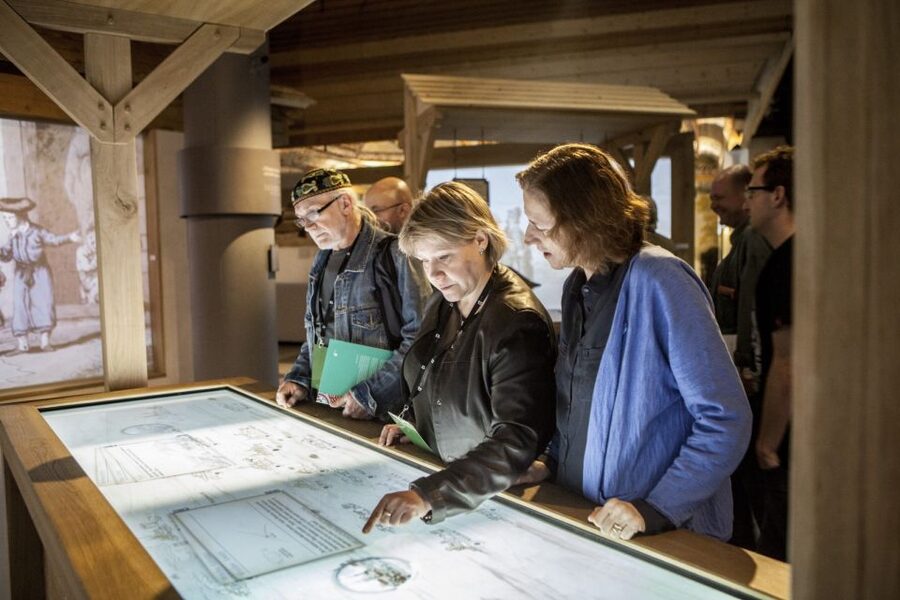
The Holocaust section is one part of the museum’s larger story, but it carries the greatest emotional weight. It explains how Jewish life in Poland was attacked and destroyed, and it places the destruction within political, social, and religious contexts.
You should not rush this section. The information is difficult, and the personal stories can stay with you long after you leave. At the same time, the presentation does not rely only on dramatic effects. The museum gives you documents, testimony, objects, and explanations that help you understand what happened rather than simply telling you how to feel.
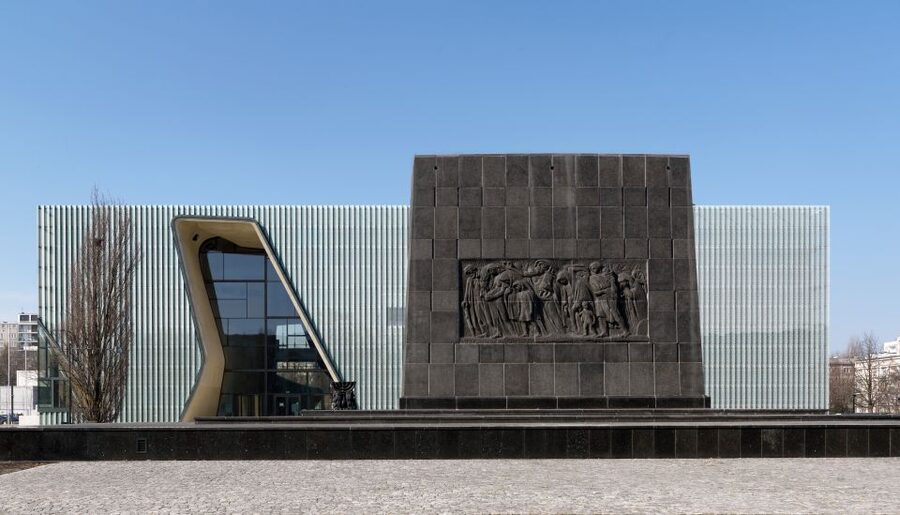
This is also where POLIN works well alongside other Warsaw sites connected with the wartime Jewish experience. A visit to the Warsaw Ghetto Uprising Monument becomes more meaningful after you have seen the centuries of life that existed before the uprising. The museum can also add background to a visit to Auschwitz-Birkenau, though it is not a replacement for that site.
One useful criticism is that the early centuries receive so much attention that you may be tired by the time you reach the nineteenth and twentieth centuries. I suggest setting your pace before you begin. If the Holocaust and modern history are your main interests, do not spend every minute reading every early label.
More Museum Tours in Warsaw
- Warsaw: Polish Vodka Museum Tour with Tasting
★ 4.6 · 788 reviews - Warsaw: Museum World of Illusion Entry Ticket
★ 3.9 · 666 reviews - Warsaw: Ghetto, Jewish Cemetery & POLIN Museum Private Tour
★ 4.8 · 132 reviews - World of Illusion Museum Skip-the-Line Ticket
★ 4.0 · 55 reviews
Postwar life and the return of Jewish culture
The final galleries look at what happened after the Second World War. This is an important part of the visit because the story does not end in 1945.
You learn how the Holocaust affected the political, social, and religious diversity of Polish Jews, and you see how Jewish culture has been revived after the war. The postwar section is not as long as the full sweep of the earlier history, but it gives you a needed sense of continuity and change.
I appreciate this ending. It avoids presenting Jewish life in Poland as something that vanished completely. The museum recognizes the scale of the loss while also showing the efforts to preserve memory, rebuild communities, and maintain cultural traditions.
Using the audio guide without missing the displays
The ticket includes an audio guide, and you should use it if you want a clear route through the museum. The English narration is easy to follow and adds context to the objects and installations.
A particularly useful feature is the system’s ability to recognize where you are and provide the relevant narration. This saves you from constantly searching for the right track. It also makes the visit comfortable for people who do not want to join a set guided tour.
There is one tradeoff. The audio guide speaks while you are often trying to read wall text or examine an object. You may find yourself choosing between listening and reading rather than doing both at once.
My approach would be selective listening. Let the guide explain the main themes, then pause it when you want to read a long panel. You do not need to hear every word to benefit from the system.
The ticket does not include a live guided tour. A host or greeter may assist in Polish or English, but your main visit is self-guided. That suits independent visitors who prefer their own pace, though anyone wanting discussion and questions should arrange a separate guided option if available.
How long should you allow?
The official estimate for the core exhibition is about two hours. Treat that as the minimum for a brisk visit, not the ideal amount of time.
I would plan at least three hours for a first visit. Four hours is better if you want to listen to much of the audio guide and read the main text. People who stop at nearly every display can spend five or six hours inside.
Your best plan depends on your purpose:
- Two hours: Follow the main route and focus on the largest installations.
- Three hours: See the full core exhibition at a steady pace.
- Four to five hours: Read more panels, use the audio guide carefully, and take regular breaks.
- Most of a day: Add any available temporary exhibition, eat at the museum, and return to sections you passed quickly.
The ticket is valid for one day, and you may leave for lunch and return the same day. That is a real advantage. You do not need to treat the museum like a race.
Admission closes two hours before the museum itself closes, so do not arrive near the end of the day expecting to start the full exhibition. Check the opening schedule before you go, especially since the museum is closed on Tuesdays.
Price, practical details, and comfort
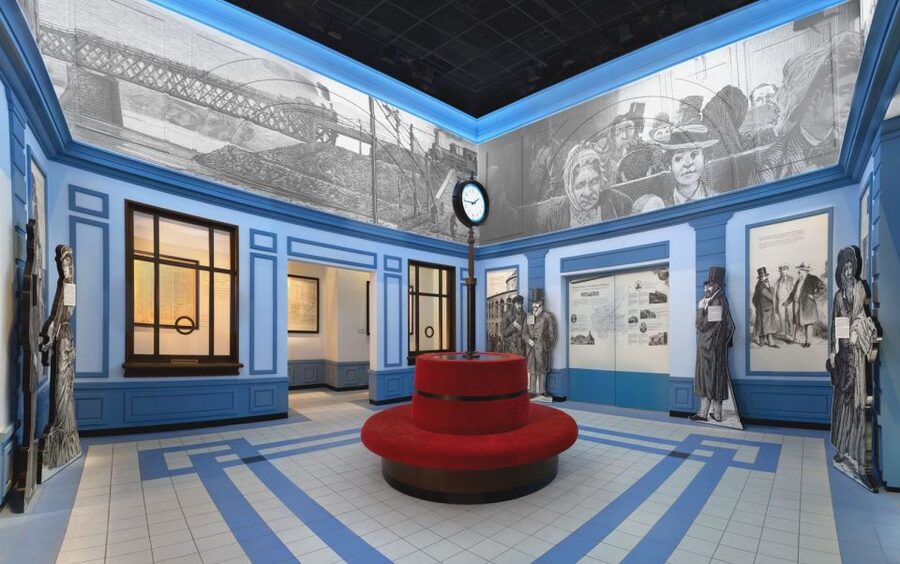
At about $12 per person, this is strong value for a major Warsaw museum. You receive access to the permanent exhibition, any temporary exhibition available with the ticket, and the audio guide. Since you can stay for several hours and leave and return during the day, the ticket offers more flexibility than a short timed attraction.
You present your voucher at POLIN Museum of the History of Polish Jews. Security scanning is required before entering the core exhibition, so allow a little extra time at the start.
Oversize luggage is not allowed. Keep your belongings manageable, and wear comfortable shoes. The museum is wheelchair accessible, and seating is available along the route.
Children aged seven or younger may enter free. Children aged twelve or younger must be supervised by an adult at all times. The subject matter is serious, so parents should decide how much of the Holocaust material is suitable for their children.
The museum has a cafeteria-style restaurant with generous portions and good-quality food. This matters because the visit often lasts much longer than expected. A meal break can keep you from rushing the final galleries.
What kind of visitor will enjoy this most?
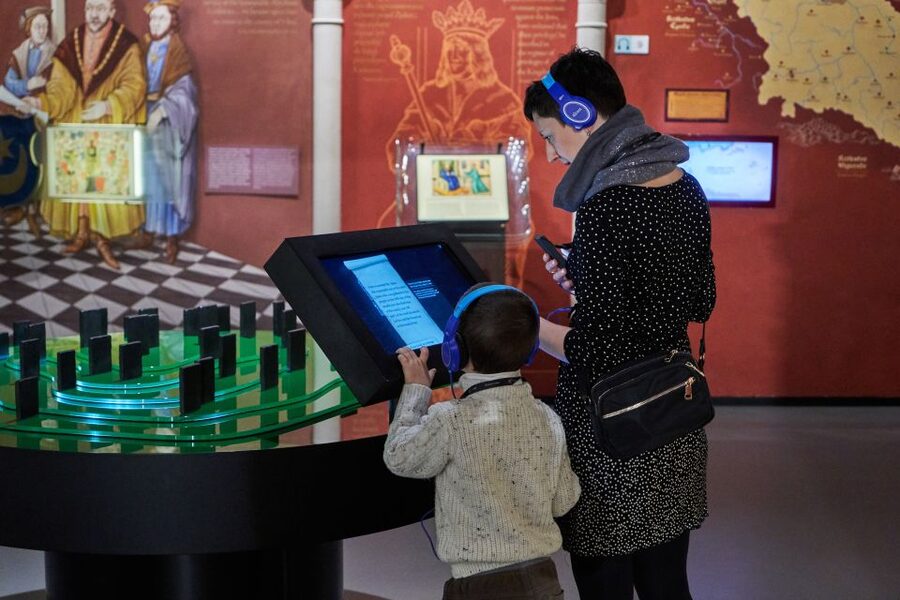
POLIN is a strong choice for anyone interested in Jewish history, Polish history, European history, religion, migration, or the Second World War. You do not need prior knowledge. The displays build the story step by step.
It also suits visitors who like museums with sound, text, objects, and hands-on features rather than rows of static cases. The interactive parts help families and younger visitors stay involved, although the subject matter remains serious.
If you dislike long museum visits, set a clear limit and choose the sections that matter most to you. You can still gain a useful overview in two hours, but you will not absorb every gallery.
I would not choose this as a quick stop between several tightly scheduled attractions. The museum needs attention. Its value comes from seeing the long story, not from checking off a few famous displays.
Should you book the POLIN Museum ticket?
Yes, if you want to understand Warsaw’s Jewish past as a living, varied story rather than only a wartime tragedy. The strongest reasons to book are the careful chronological route, the excellent audio guide, the reconstructed synagogue interior, and the museum’s effort to show Jewish life before and after the Holocaust.
Plan three hours at minimum, and longer if your interest is strong. Book ahead if your schedule matters, since advance tickets can help you avoid disappointment, but do not panic if you need flexibility. The day-valid ticket lets you take a break and return.
The main caution is the volume of material. POLIN can be tiring, and the early galleries may take more time than you expect. Go at a measured pace, use the seating, and remember that you do not have to read every word.
FAQ
Where is the POLIN Museum located?
The museum is in Warsaw, in Poland’s Mazovia Province. You present your voucher at the POLIN Museum of the History of Polish Jews.
What does the ticket include?
The ticket includes access to the permanent exhibition, access to a temporary exhibition if one is available, and an audio guide.
Is a live guided tour included?
No. A guided tour is not included. The visit is self-guided with the included audio system.
Which languages are available?
The listed languages are Polish and English. Host or greeter assistance is also listed in Polish and English.
How long does the visit take?
The estimated time for the core exhibition is two hours. Allow three hours or more if you want to read the displays and use the audio guide at a steady pace.
Can I leave and return on the same day?
Yes. You may leave the museum for lunch and return, as long as you come back on the same day.
Is the museum open every day?
No. The museum is closed on Tuesdays.
Can I enter late in the day?
Admission to the museum’s core exhibition closes two hours before the museum’s closing time. Check the available starting times before visiting.
Is POLIN Museum wheelchair accessible?
Yes. The museum is wheelchair accessible.
Can children visit for free?
Children aged seven or younger may enter free of charge. Children aged twelve or younger must be supervised by an adult at all times.
Just added around Warsaw
- Wolf’s Lair & Treblinka Tour in 1 day from Warsaw★ 5.0 · 37 reviews
- Wolfs Lair and Swieta Lipka Small Group Tour from Warsaw with Lunch★ 4.5 · 21 reviews
- Wolfs Lair “Hitler’s Headquarters” – Full Day Tour from Warsaw by private car★ 4.5 · 4 reviews
- Tour from Warsaw: Wolf’s Lair, Hitler’s HQ Zones I and II★ 5.0 · 32 reviews
- Wolf’s Lair Private Day Trip from Warsaw★ 5.0 · 50 reviews
- Warsaw Must-See Local City Tour with Antek and Tomek★ 5.0 · 51 reviews
- Off the Beaten Track in Warsaw: Private City Tour★ 4.5 · 9 reviews
- Warsaw’s Old Town A Self-Guided Audio Tour★ 4.5 · 10 reviews
Museums, compared.
Birkenau Museum and Memorial Guided Tour from Krakow
Read our review →

Krakow Schindler’s Factory Museum Guided Tour in English
Read our review →
Auschwitz Birkenau Museum Guided Tour with Pickup
Read our review →
Browse the lists this tour appears in