
Reviewed · MALBORK CASTLE TOURS
Gdansk: Malbork Castle Regular Tour
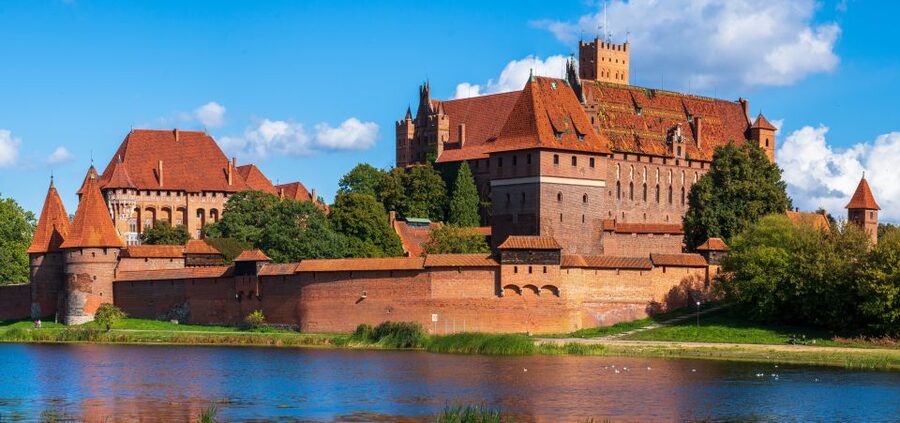
Malbork Castle is not a quick photo stop. Built from 12 to 15 million bricks, this enormous UNESCO-listed fortress was once the seat of the Teutonic Order and now holds a museum with about 40,000 objects. The scale is the first surprise, but the stories told inside the Palace of the Grand Master and St. Mary’s Church are what make the visit worthwhile.
I like the door-to-door transport from Gdansk and the chance to walk through the castle with a dedicated guide rather than puzzle out a vast complex alone. I also like the easy half-day timing: leave in the morning, return around 2:30 PM, and keep the rest of your day in Gdansk. The main drawback is pace. Two to three hours at the castle can feel tight if you want long photo stops, a snack break, and time in every exhibition.
Key points to know before you book
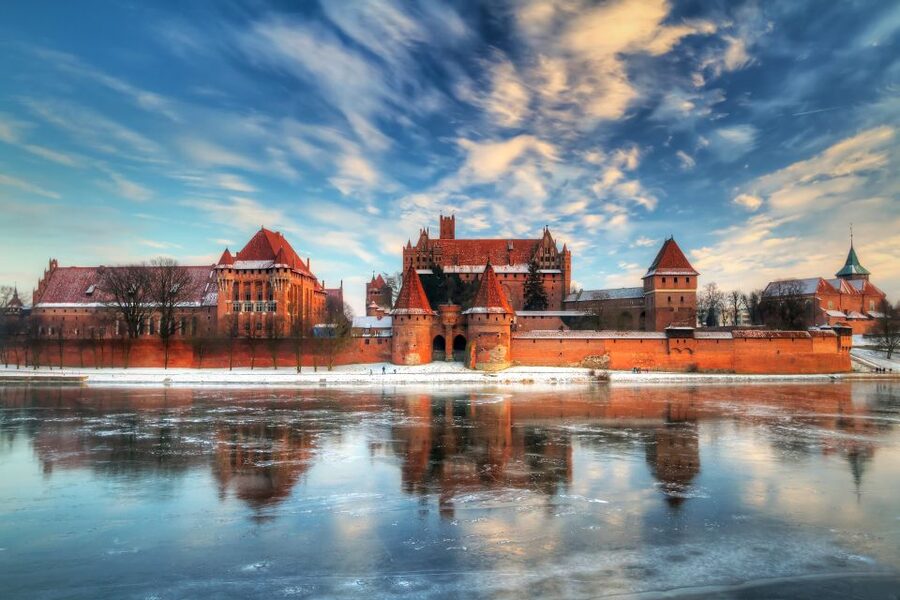
- 12 to 15 million bricks: Malbork is the world’s largest brick-built castle and is even larger than Windsor Castle.
- A proper guided visit: The guide covers the Palace of the Grand Master, St. Mary’s Church, museum rooms, military displays, and the Amber Museum.
- Simple Gdansk transport: An English-speaking driver collects you at your hotel and returns you after the visit in an air-conditioned minibus.
- Strong guide service: Guides including Alicja, Alicia, Christina, and Janina have been praised for clear explanations, lively stories, and helpful answers.
- Morning schedule: Pickup is generally between 8:00 and 9:00 AM, with a return to Gdansk around 2:30 PM.
- Bring proper clothing: Comfortable shoes matter, and an extra layer helps on cloudy or windy days around the castle grounds.
Why Malbork deserves half a day from Gdansk
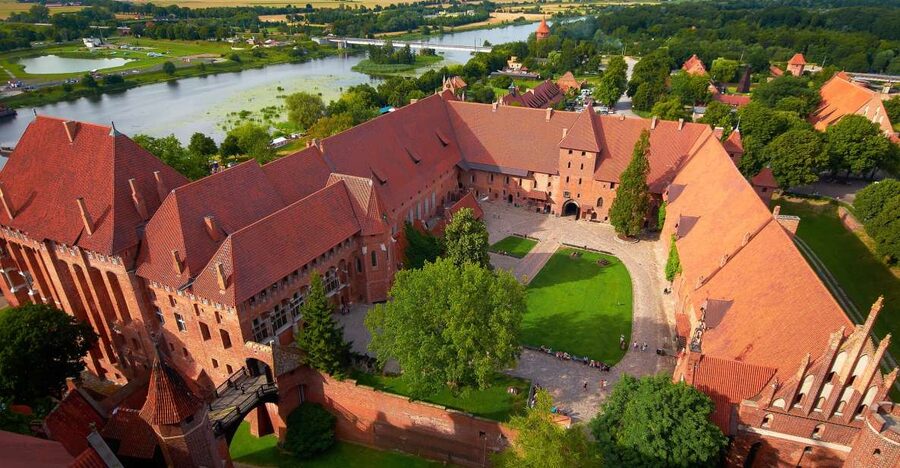
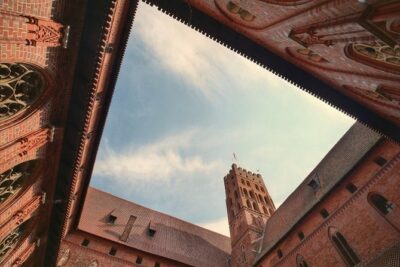
Malbork Castle is one of those places where the basic statistic is hard to believe until you see the walls yourself. More than 12 million bricks were used in its construction, with estimates reaching 15 million. The result is not one tidy palace but a huge fortified complex of courtyards, defensive walls, religious spaces, grand rooms, and museum galleries.
The castle was connected with the Teutonic Order, a powerful medieval religious and military organization. The Palace of the Grand Master gives you a sense of the authority held here, while St. Mary’s Church brings the religious side of the complex into view. A guide helps connect these spaces instead of leaving you with a series of impressive but unrelated rooms.
The castle is a UNESCO World Heritage Site and receives more than 500,000 visitors each year. That popularity is understandable, but it also means the visit works best when you arrive with a plan. The five-hour format handles the practical side for you, including the long drive from Gdansk and the entrance arrangements.
More trips out to Malbork Castle:
- From Gdansk: Half-Day Malbork Castle Tour with Audioguide
★ 4.7 · 174 reviews - Malbork Castle Tour from Gdansk
★ 4.5 · 52 reviews - From Gdansk: Malbork Castle Half-Day Private Tour
★ 4.8 · 29 reviews
The one-hour drive from Gdansk
Your day begins with hotel pickup in Gdansk, usually between 8:00 and 9:00 AM. The exact pickup time depends on the arrangements for the day, so you should be ready during that window rather than treating 8:00 AM as a fixed departure.
The drive to Malbork takes about an hour in an air-conditioned minibus. That is a useful trade-off for many people. You avoid arranging a separate train or rental car, and you do not need to study the castle map before arriving. The driver handles the road while you save your energy for the walking tour.
The transport receives especially strong praise for being comfortable, friendly, and well organized. Simon is one driver who has been singled out for helpful conversation and local information. On another winter trip, difficult snow made the road conditions more demanding, yet the driver kept the journey calm and safe. That matters in Pomerania, where weather can change the feel of a morning quickly.
Allow a little patience around pickup. Traffic in central Gdansk can slow the vehicle, especially during major events such as St. Dominic’s Fair. A short delay is possible, but the service includes hotel pickup and drop-off at any location in Gdansk, which remains a major convenience.
Entering the world’s largest brick castle
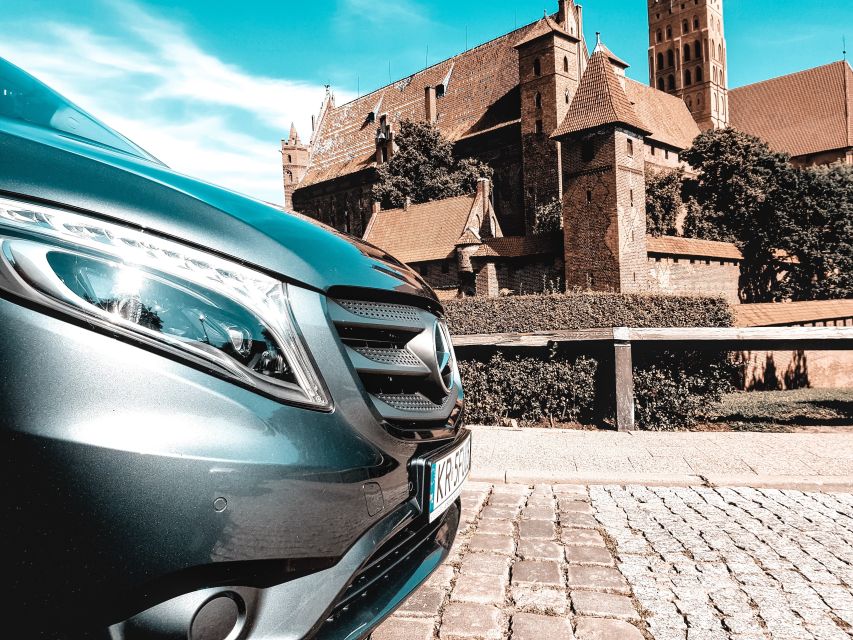
Malbork is often described as the largest castle in the world, and the description refers to its overall size and built area. It is also the largest castle built from brick. The comparison with Windsor Castle is useful because it gives you a sense of scale: this is not simply a large stone residence with a few towers.
Once inside, expect a walking tour through a large historic site rather than a single grand interior. You will move through courtyards, rooms, church spaces, and exhibition areas. Comfortable shoes are essential. The tour is not technically difficult in the information provided, but it is long enough that poor footwear will distract from the visit.
The guide gives the site a human shape. Instead of only hearing dates and construction details, you can learn how the different parts of the castle were used and why the Grand Master’s residence mattered. Guides such as Alicja and Alicia have years of experience at Malbork, and their approach combines facts with stories and room-by-room explanation.
The English is reported to be clear, and German is also available. If you enjoy asking questions, this is a good format because the guide can respond to your interests rather than delivering only a fixed audio script. Some guides use humor as well as historical detail, though the style can include the occasional slightly naughty joke.
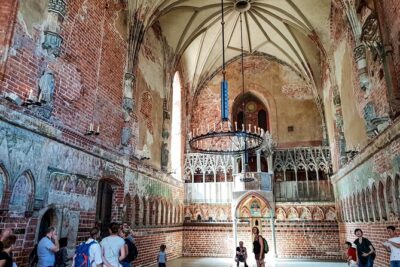
The Palace of the Grand Master
The 14th-century Palace of the Grand Master is the heart of the visit for many people. This was the residence of the leader of the Teutonic Order, so it offers more than architectural drama. It shows how the castle functioned as a center of administration, religion, defense, and power.
Look for the relationship between the formal rooms and the fortress around them. The palace was not an isolated royal home. It belonged to a much larger institution, and the surrounding walls and courtyards remind you that status and security were closely linked.
This is one of the places where a guide earns the cost of the tour. The room itself may impress you immediately, but the explanation helps answer the questions that naturally follow. Who used the space? Why was it designed this way? How did daily life fit inside such a powerful military complex?
You should expect to pause often for explanations. That is useful if you want context, but it can slow your own photography. One visitor felt the tour needed another half-hour for pictures, so bring your camera but do not plan on stopping at every angle.
A few more Gdansk half-days worth comparing
- Gdansk: City Cruise on Historical Polish Boat
★ 4.8 · 2,913 reviews - Gdańsk: Sunset Cruise on a Historic Polish Boat
★ 4.9 · 977 reviews - Gdańsk City Sights & History Guided Walking Tour in English
★ 4.8 · 876 reviews - Gdansk: Firearm Shooting Experience with Instructor
★ 4.8 · 866 reviews
St. Mary’s Church and the castle’s religious side
St. Mary’s Church adds another layer to Malbork. The Teutonic Order was a religious as well as military organization, and the church helps show how faith shaped life inside the fortress.
The church is part of the guided route, not an optional extra that you must find on your own. The guide explains its place in the wider castle complex and helps you see why it belongs beside the administrative and defensive buildings.
The scale of the site can make it easy to focus only on walls and towers. St. Mary’s Church offers a change of mood and reminds you that Malbork was also a religious community. For many visitors, this is where the castle becomes more than a military monument.
Museum rooms filled with armor, weapons, and amber
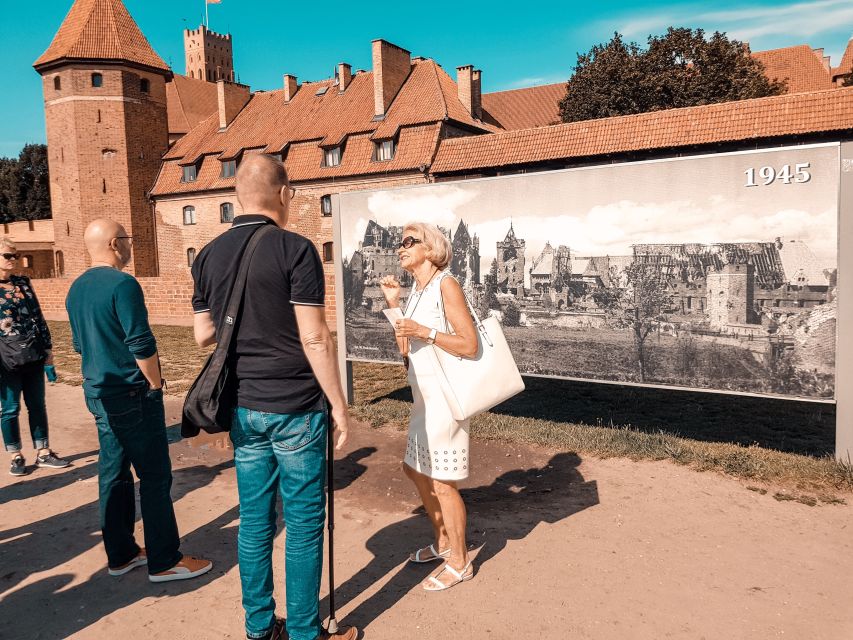
The castle museum contains about 40,000 items, so you will not see every object in one visit. The guided route focuses your attention on the main collections and the rooms that best explain the castle.
Expect displays of weapons, armor, flags, and military equipment. These objects are especially useful after seeing the walls and courtyards because they show the practical side of defense. You can connect the equipment in the cases with the fortress design around you.
The amber collection is another major feature. The Amber Museum is described as one of the largest and most impressive parts of the complex, with artistic amber pieces that are unusual on a European scale. Amber is strongly linked with the Baltic region, so this collection adds local meaning to the visit rather than feeling like a random museum stop.
You can also see medieval architectural elements and coins connected with historic mints in Malbork. These smaller collections reward close attention. The weapons may catch your eye first, but the architectural fragments and coins help explain how the castle was built, managed, and connected to the surrounding region.
Temporary exhibitions may also be open during your visit. Their content can change, so the permanent displays are the reliable part of the experience. If a particular museum collection matters most to you, tell the guide early so you have a better chance of seeing it without rushing.
How much time do you get inside?
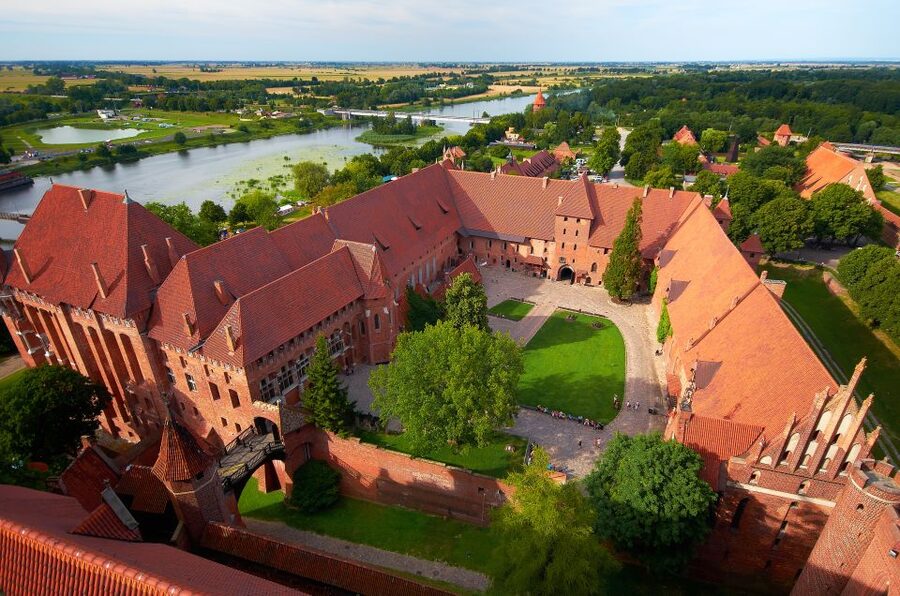
The published schedule allows about two hours for the guided castle visit, while some tours have spent closer to three hours inside. The exact duration can depend on the route, the group, and the guide’s pace.
Two hours is enough for a strong introduction to the main buildings and collections. It is not enough to study every display, linger over every courtyard, and take a relaxed break. The castle is simply too large for that kind of visit within a standard half-day outing.
If photography is important to you, keep that in mind. The group moves according to the guide’s plan, and stopping for every picture may mean missing part of the explanation. I would prioritize the Palace of the Grand Master, St. Mary’s Church, the main courtyards, and the Amber Museum before spending time on repeat shots.
There may not be much spare time for the gift shop or an unplanned snack stop. Food and drinks are not included, so bring something small if you know you will need it. The tour provider allows you to leave an umbrella, extra jumper, or backpack on the bus if you do not want to carry it around.
Weather, walking, and winter visits
Malbork looks different in every season, but the practical advice stays simple. Wear comfortable shoes and bring an extra jacket if the forecast is cloudy or chilly. Wind can make the open areas feel colder than expected.
Winter can be especially atmospheric, with fewer people and snow-covered walls, but the conditions may also make walking slower. Paths are cleared and gritted when necessary, yet snow and cold still call for sensible clothing. A warm layer and shoes with good grip are more useful than stylish footwear.
Rain can also affect the day. One visit took place in cold, wet weather, which made the outdoor parts less pleasant even though the castle remained impressive. A compact umbrella is sensible, and you can leave it on the bus when you no longer need it.
The tour is best for people who are comfortable walking for several hours and standing while listening. If you have mobility concerns, ask about the route before booking. One past group included two people with disabilities, and the guide made efforts to accommodate them, but the complex is large and the visit is not designed as a short, seated museum experience.
Is the $122 price good value?
At $122 per person, this is not the cheapest way to reach Malbork. The price includes hotel pickup and drop-off, the minibus, an English or German-speaking driver, a licensed guide, entrance fees, and insurance. It does not include food or drinks.
I see the value in the package if you are staying in Gdansk and want a simple half-day plan. A self-guided visit may cost less, but you would need to arrange transport, buy admission separately, and make sense of a very large complex without the same level of explanation.
The guided service also reduces wasted time. A good guide takes you to the major rooms and explains why they matter, rather than leaving you to wander through a huge site while trying to read every label. The consistently high rating of 4.8 from 110 reviews supports the view that the organization and guiding are strong.
The price makes less sense if you already have a car, prefer slow independent sightseeing, or want several hours for photography and museum study. In that case, the fixed half-day format may feel rushed. For most people who value convenience and historical context, the included transport and guide make the cost fair.
Who should book this Malbork tour?
I would choose this trip if you have at least one full day or more in Gdansk and want to see a major site outside the city without building the transport plan yourself. It suits first-time visitors, history fans, architecture lovers, and anyone who prefers explanations from a real guide.
It also works well for couples and small groups who want a comfortable ride and a focused morning. The driver and guide can answer questions, and the hotel pickup saves you from crossing Gdansk before the day has properly started.
You may prefer an independent visit if you need a long lunch, extended photography time, or several quiet hours in the museum. The main trade-off is clear: this tour gives you structure, transport, and context, but not unlimited time.
Should you book it?
Book this tour if Malbork Castle is high on your list and you want the easy version: hotel pickup, a comfortable one-hour drive, admission, and a guide who can explain the Palace of the Grand Master, St. Mary’s Church, military displays, and amber collection in one organized visit.
I would allow for a brisk pace and pack comfortable shoes, a warm layer, and a small snack. If you can accept limited free time for photos and shopping, the $122 price buys a very practical half-day from Gdansk. If you want to explore every gallery slowly, arrange more time on your own instead.
FAQ
How long does the Malbork Castle tour take?
The full experience lasts about five hours, including roughly one hour each way between Gdansk and Malbork. The castle visit is scheduled for about two hours, though some visits take closer to three hours.
What time is pickup from Gdansk?
Pickup takes place between 8:00 and 9:00 AM. You will be collected from your hotel or another location in Gdansk arranged with the provider.
What languages are available?
The tour is available with an English or German-speaking guide. The driver also speaks English.
Is hotel pickup and drop-off included?
Yes. The tour includes pickup anywhere in Gdansk and transportation back to your hotel after the castle visit.
What is included in the $122 price?
The price includes transportation, entrance fees, an English or German-speaking guide, an English-speaking driver, and insurance. Food and drinks are not included.
What should I bring?
Wear comfortable shoes for the walking tour. On cloudy, chilly, or windy days, bring an extra jacket. You can also carry an umbrella, extra jumper, or backpack and leave it on the bus if you do not need it.
Just added around Gdansk
- Gdansk and Malbork Castle Small Group Tour from Warsaw with Lunch★ 4.5 · 20 reviews
- Westerplatte private tour led by Expert-Guide (door to door)★ 5.0 · 5 reviews
- Whisky Tasting in Gdańsk★ 5.0 · 3 reviews
- Gdansk EVERYDAY Vodka Tasting Tour★ 5.0 · 6 reviews
- Westerplatte – 2h private trip by luxury car|★ 5.0 · 4 reviews
- Private WW2 Tour of Westerplatte,Gdansk and Stutthof Including Lunch★ 5.0 · 12 reviews
- Aiport Gdansk Transfer to Malbork Castle or Stutthof★ 5.0 · 3 reviews
- 5 hours Individual trip to the Stutthof Concentration Camp★ 5.0 · 5 reviews
Malbork Castle Tours, compared.

Malbork Castle and Westerplatte Tour with Lunch
Read our review →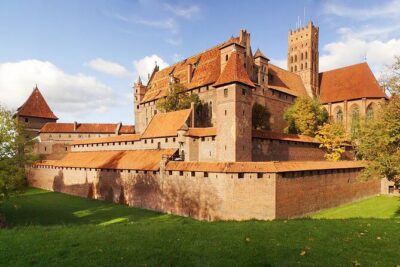
Gdansk and Malbork Castle Small Group Tour from Warsaw with Lunch
Read our review →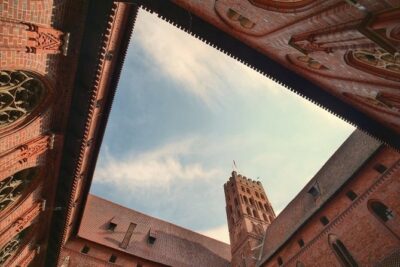
Browse the lists this tour appears in