
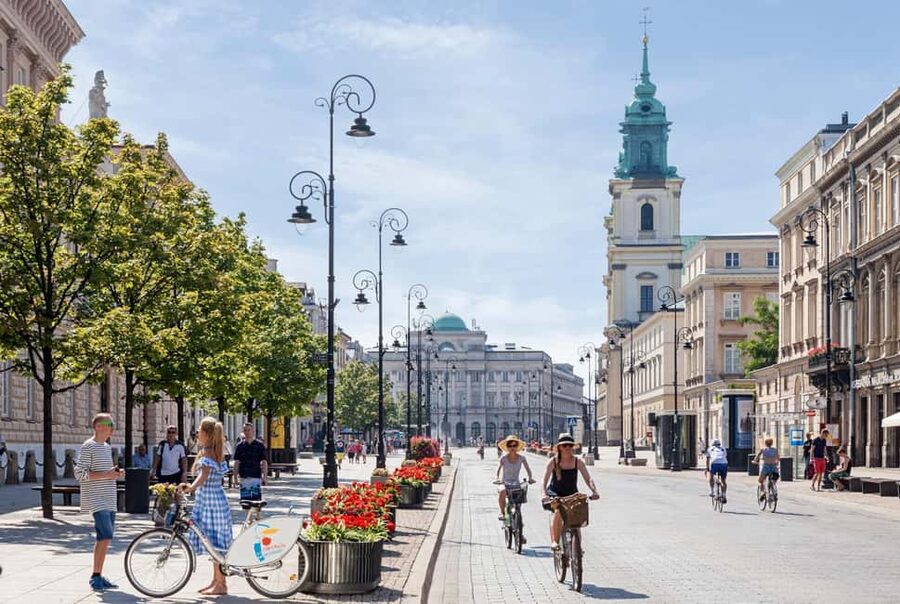
Reviewed · COMMUNIST HISTORY TOURS
ROYAL & COMMUNIST WARSAW walking tour in English
Warsaw’s story is easiest to grasp when you walk from its royal past into its communist present. This 2.5-hour route links Castle Square, grand churches, university buildings, and the Royal Route with the broad streets and imposing Palace of Culture and Science built to give postwar Warsaw a new political identity.
I like two things right away. First, the guides are local Varsovians, including Arek, Margaret, and Gaweł, so you get more than dates and names. Second, the tour gives you a fast, useful introduction to a city where important sights are spread out. The main consideration is pace: with many stops packed into 2.5 hours, you get orientation and context rather than long visits inside each place.
Key points at a glance

- Royal Warsaw in the first half: Follow the historic Royal Route through noble residences, baroque churches, university buildings, and places tied to Chopin and Marie Curie.
- Communist Warsaw in the second half: See how architects and planners reshaped the city center, ending with the Palace of Culture and Science.
- Local English-speaking guides: Guides such as Arek, Margaret, and Gaweł bring personal connections to life in communist Poland.
- A strong first-day choice: The route covers major themes quickly if you have only a short time in Warsaw.
- Excellent value at $5: You receive a professional guide and a city map for the price of a modest snack.
- Plan for steady walking: The tour includes many stops and lasts exactly 2.5 hours according to one detailed account, so comfortable shoes and weather-ready clothing matter.
Why this route works as a Warsaw introduction
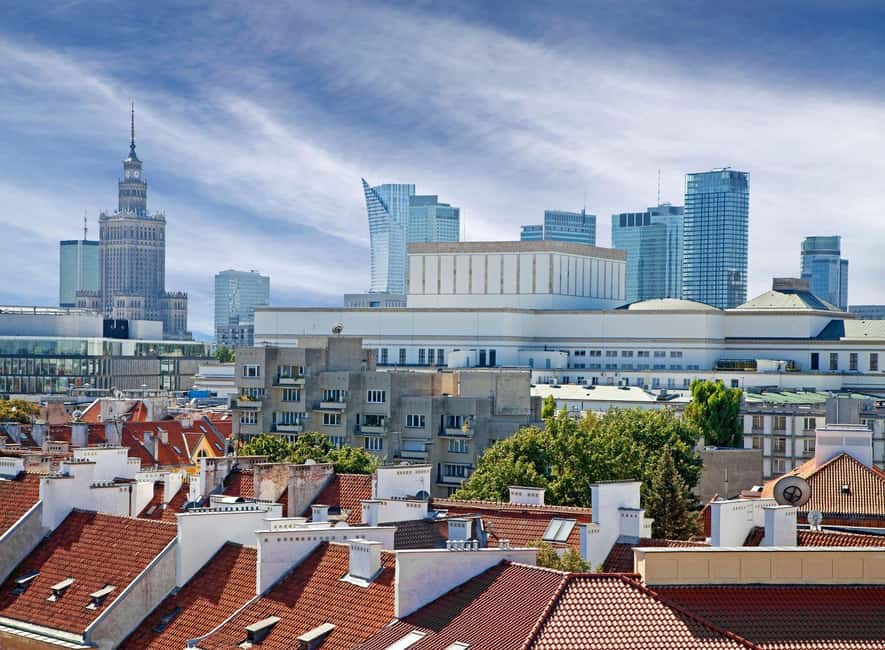
Warsaw can be confusing on a first visit. Its famous sights are not gathered in one compact old town, and the city’s past has several sharp breaks. Royal Poland, wartime destruction, postwar reconstruction, and communist urban planning all appear within a relatively short walk.
This tour gives you a simple way to sort those chapters. The first half follows the most elegant part of central Warsaw, where aristocrats, religious orders, artists, and scholars shaped the city. The second half turns toward the twentieth-century center, where wide streets and large public buildings express a very different idea of power.
I like that contrast. You do not just see attractive buildings and move on. You are encouraged to ask why one part of Warsaw feels ceremonial and historic while another feels planned, monumental, and political.
The tour is especially useful early in your stay. It can help you decide where to return for a slower visit, which churches deserve more time, and how the Royal Route connects with the modern center. If you already know Warsaw well, the pace may feel basic, but for a first visit it offers a lot for the price.
More Communist History Tours in Warsaw
- Private Tour: Warsaw’s Communist History by Retro Fiat
★ 5.0 · 115 reviews - Warsaw: Communism Tour in an Original Socialist Van
★ 4.9 · 75 reviews - Warsaw: Cold War Museum Entry Ticket
★ 4.6 · 55 reviews
Starting beneath Sigismund’s Column
Meet your guide beside Sigismund’s Column in Castle Square, at the edge of Warsaw’s Old Town. The column honors King Sigismund III Vasa, who moved Poland’s capital from Kraków to Warsaw in the late sixteenth century. The tour allocates about 20 minutes here, giving you a proper introduction rather than a quick photograph.
Castle Square is a fitting starting point because it puts royal Warsaw in front of you immediately. The column, the Royal Castle area, and the surrounding streets establish the city’s political importance before the route moves south along the Royal Route.
Do not expect a museum visit to be included. The advertised experience covers guided commentary and a city map, with no food, drinks, or entrance tickets listed. Treat this opening section as a street-level orientation.
St. Anne’s Church and the Royal Route
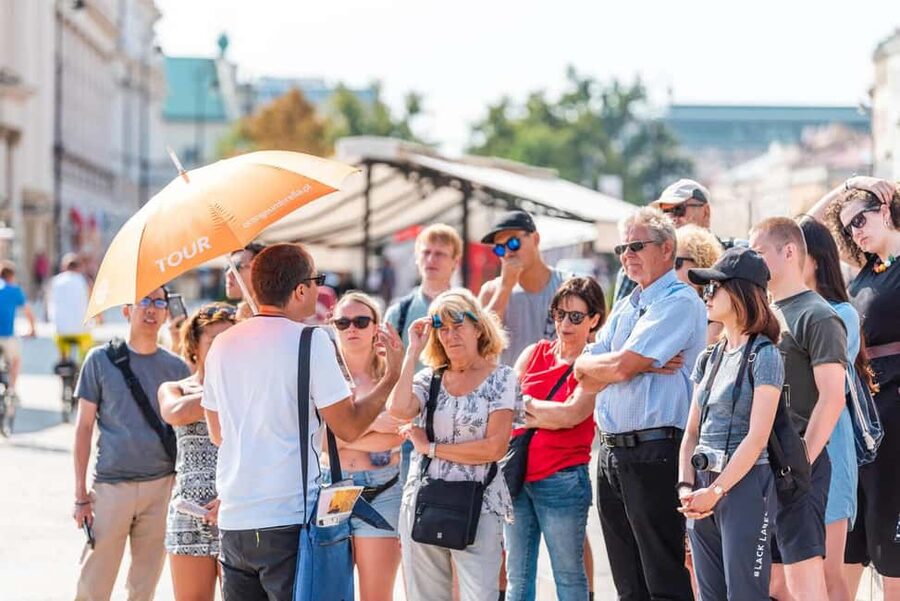
The next stop is St. Anne’s Church, another 20-minute guided visit. Its location near Castle Square makes it one of the clearest early examples of Warsaw’s religious and architectural past.
The Royal Route grew as an important path between the royal residence and other parts of the city. In the seventeenth and eighteenth centuries, wealthy noble families built residences here, while powerful religious orders added baroque churches. That mix helps explain why the route feels grand without being limited to royal buildings.
I appreciate the order of the tour here. You begin with the king’s column, then move into the religious and aristocratic world that supported the capital. The guide’s job is to connect those buildings, not simply point at them. The supplied information promises a balance of historical facts, anecdotes, and lighter details, which is useful when several churches and palaces appear in quick succession.
University, palace, and Warsaw’s cultural figures
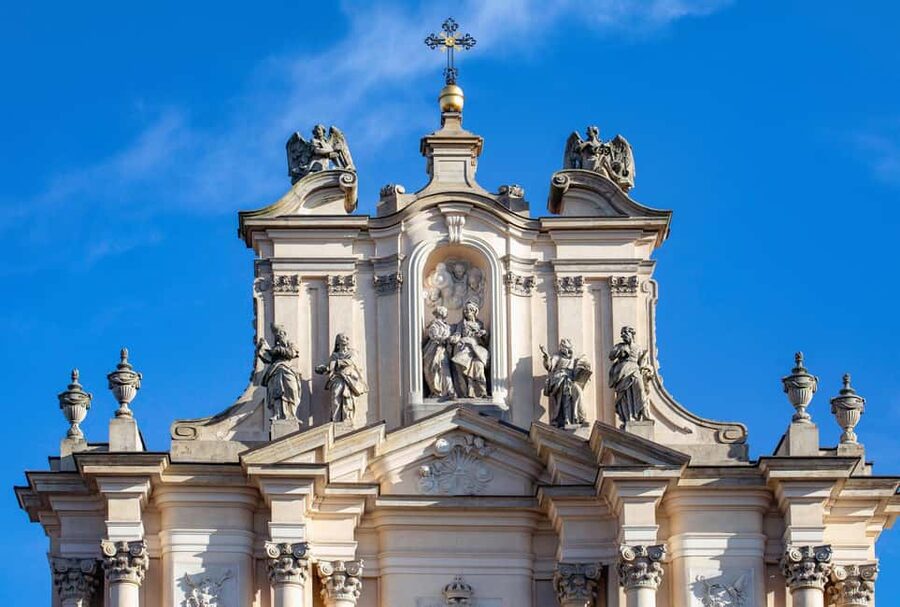
The route continues to the University of Warsaw, with about 10 minutes of guided commentary. The university adds a scholarly chapter to the Royal Route and helps explain why this part of Warsaw mattered beyond politics and religion.
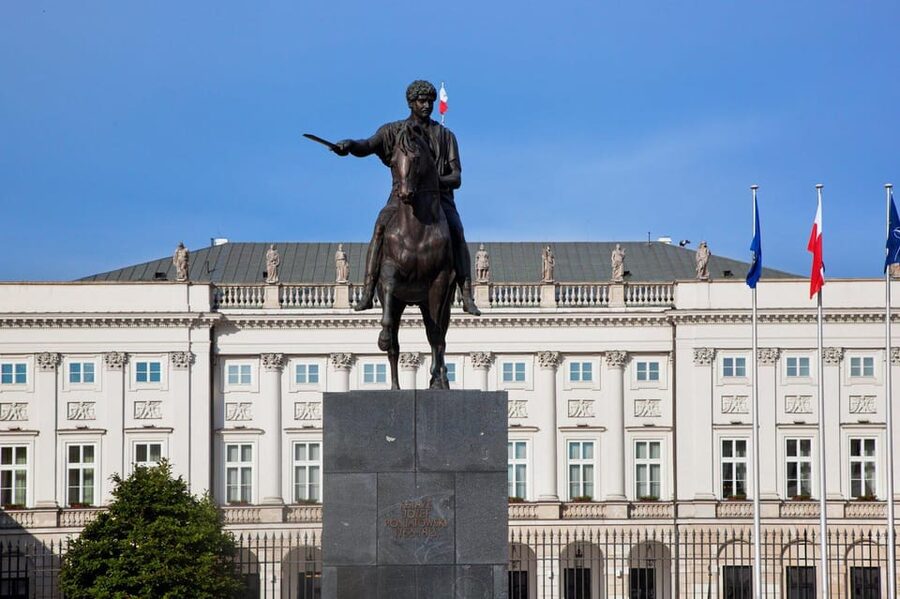
Next comes the Presidential Palace, where the tour allows another 10 minutes. This stop keeps the focus on Warsaw as a seat of power. The buildings along the route are not random attractions. Together they show how government, education, faith, and aristocratic wealth shared the same central corridor.
The tour also connects this setting with two famous Polish figures. Chopin lived in Warsaw, and Marie Curie studied there. You should not expect a dedicated Chopin or Marie Curie tour, but their connection gives the route a more personal side. Warsaw becomes a city of students, musicians, scientists, and public life, not only kings and political institutions.
More Walking Tours in Warsaw
- Warsaw: Old Town Highlights Walking Tour in English
★ 4.7 · 1,516 reviews - Warsaw: Old Town Guided Walking Tour
★ 4.9 · 599 reviews - Half-Day Polish Food Walking Tour with Guide and Dinner
★ 4.5 · 381 reviews - Warsaw: Warsaw Ghetto Private Walking Tour with Hotel Pickup
★ 4.9 · 369 reviews
The Prudential Building and the city’s changing skyline
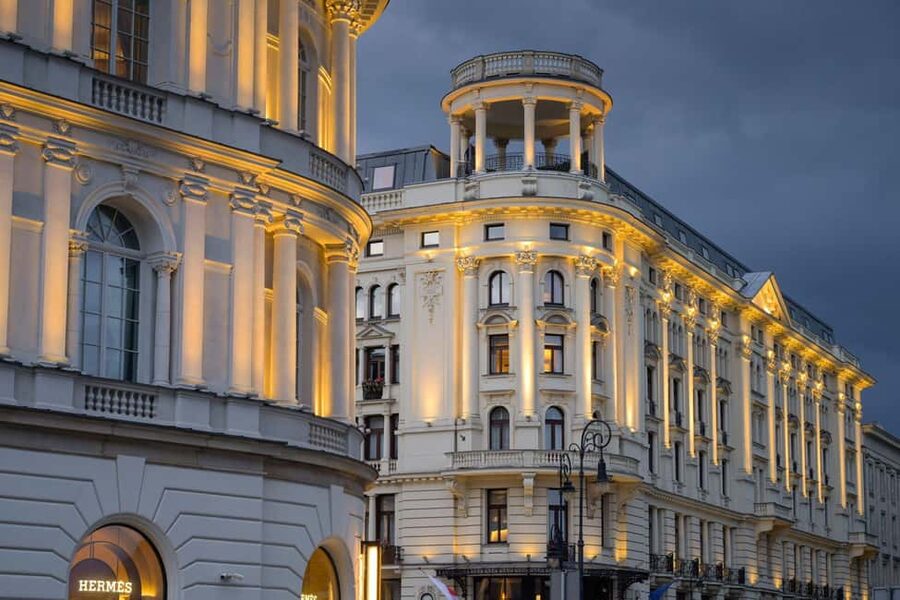
The Prudential Building, now associated with Hotel Warszawa, receives about 15 minutes. This is one of the route’s more useful transitions because it moves you from historic Warsaw toward the modern twentieth-century city.
The building appears again later in the listed sequence, so the walking order may include a return or a repeated point. The supplied details also say the activity ends back at the original meeting point, while the itinerary identifies the Palace of Culture and Science as the finish. Because those details do not perfectly match, I would confirm the exact end point when you book or meet the guide.
The Prudential stop is valuable because city skylines reveal political change. A historic capital does not simply become modern by accident. New buildings, new materials, and new planning ideas reflect the priorities of the period that produced them.
Holy Cross Church and Adam Mickiewicz
At Holy Cross Church, the tour spends about 15 minutes. The church adds another major religious landmark to the Royal Route and gives the guide room to explain how Warsaw’s churches fit into the city’s public life.
The next stop is the Monument of Adam Mickiewicz, also with 15 minutes of guided attention. Mickiewicz is one of Poland’s best-known poets, so this stop brings national culture and literature into the walk.
I like these two stops because they keep the route from becoming a parade of government buildings. Churches, poets, universities, musicians, and scientists all form part of Warsaw’s identity. The tour works best when you listen for those connections.
Again, the stop times are short. You may get a useful explanation and a chance to look closely, but you should not expect a long, quiet period at either location. If a particular church or monument interests you, note it and return later.
Kubusia Puchatka and the turn toward modern Warsaw
The stop at Kubusia Puchatka receives about 15 minutes. The name refers to the Polish form of Winnie-the-Pooh, adding a lighter and more everyday note to the route.
This is the kind of stop that can make a walking tour feel local rather than purely official. You are still in central Warsaw, but the subject shifts away from kings, churches, and national heroes. Small place names and popular references help you see how residents experience the city.
From here, the tour turns more clearly toward twentieth-century Warsaw. The route returns to the Prudential Building before continuing toward the Palace of Culture and Science. This change of mood is central to the experience. The tour is not presenting Warsaw as one unbroken historical town. It shows a city repeatedly reshaped by political decisions.
The Palace of Culture and Science
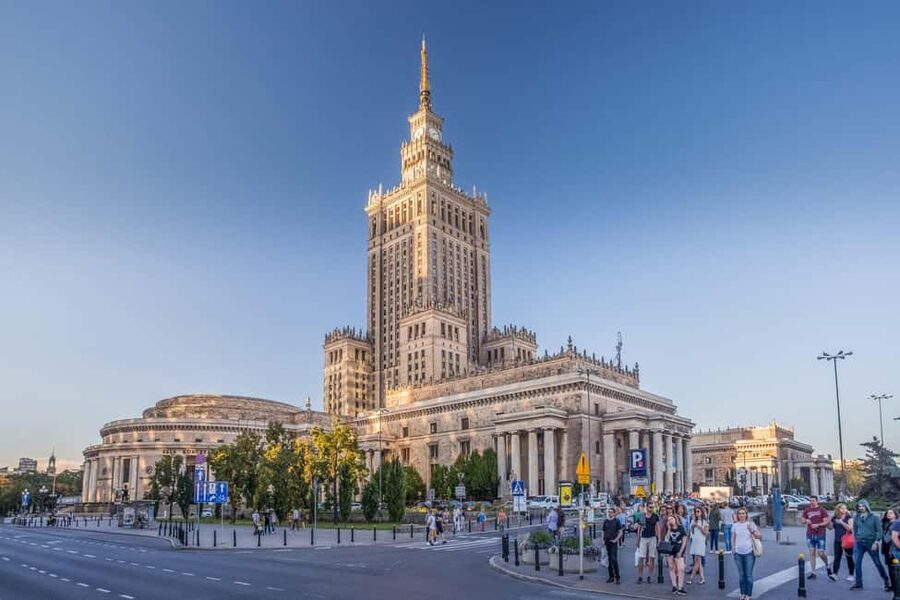
The Palace of Culture and Science is the tour’s main communist-era landmark. The guide allows about 15 minutes here, enough to explain why the building became such a powerful symbol.
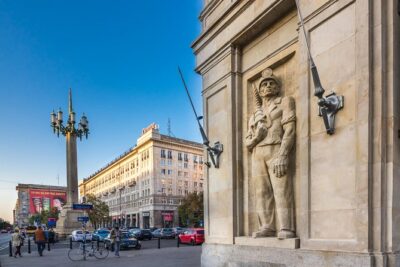
The palace was a gift from Stalin to the People’s Republic of Poland. It was intended to give Warsaw a new communist identity, and its size and position make that message hard to miss. After walking past royal residences, churches, and monuments tied to Polish culture, you arrive at a building designed to express the authority of a different political system.
The contrast is the point. The palace can look imposing, useful, controversial, or simply unavoidable depending on your view. You do not need to admire it to understand why it matters. The guide’s personal experience of growing up in communist Poland may add context that a standard architectural explanation cannot.
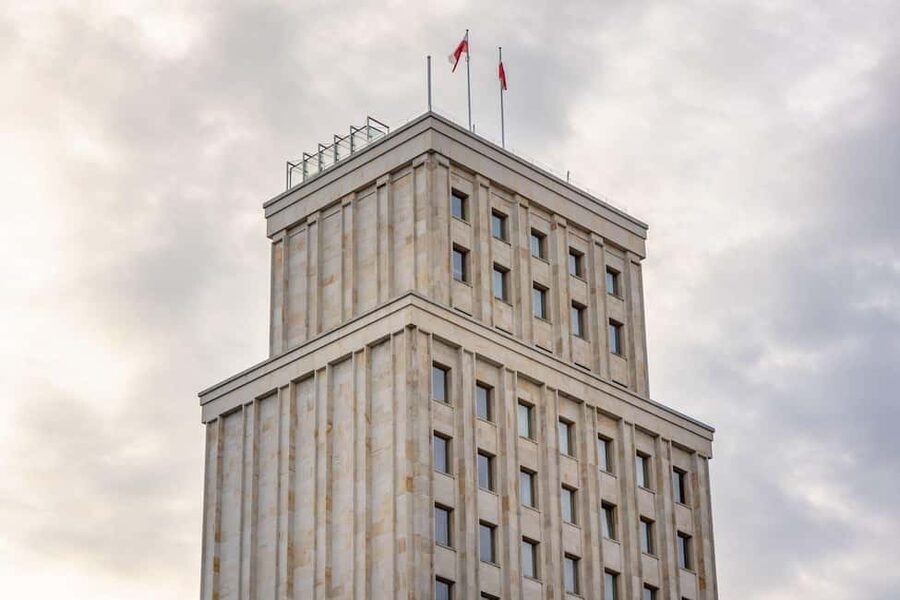
The final listed stop is Kazimierza Brokla, with about 15 minutes of guided commentary, followed by the Palace of Culture and Science. Since the meeting information says the tour ends back at the starting point, check the final walking arrangement on the day. Either way, the route finishes in the modern city center rather than returning you to a purely royal setting.
How much walking and detail should you expect?
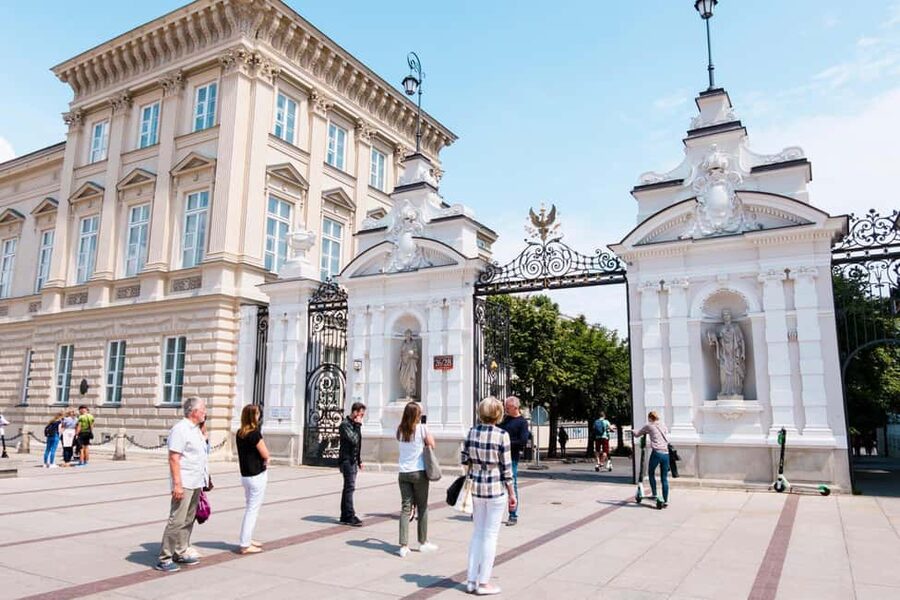
The experience lasts 2.5 hours and includes a long sequence of stops. Several stops receive 15 to 20 minutes, while others receive about 10 minutes. That format gives you a steady flow of information but leaves little room for extended breaks.
One detailed account says the tour lasted exactly 2.5 hours, which is useful if you have a train, dinner reservation, or another booked activity. Still, I would avoid scheduling something immediately afterward. Walking tours can run a few minutes over, and Warsaw’s weather may affect the pace.
The route is listed as wheelchair accessible. You should still confirm any specific mobility needs when booking, since the tour takes place across city streets and public spaces.
Bring shoes suited to sustained walking. Take a small bottle of water, and dress for the forecast. The guide can work in light rain, as Margaret did for one tour, but you will enjoy the churches and streets more if you are comfortable.
The guides make the difference
The tour is led in English by local Warsaw guides who were born and raised in the city. That matters most during the communist section, where the guide’s personal background can turn abstract history into something easier to understand.
Arek is identified as a helpful and clear guide. Margaret handled a drizzly day with care for the group. Gaweł is noted for using plenty of anecdotes and for keeping the tour at the promised 2.5-hour length.
You should expect different personalities from different guides, but the intended style is consistent: solid history, fun facts, and personal stories. That mix suits Warsaw well. The city’s story is heavy in places, and an anecdote can make a difficult period easier to absorb without making it trivial.
The public score is 4.6 from eight reviews. That is a small sample, so I would not treat it as a guarantee. Still, the repeated strengths are clear: informative explanations, helpful guides, memorable anecdotes, and strong value for money.
Is $5 a good deal?
At $5 per person, this is unusually inexpensive for a 2.5-hour guided walk. The price includes a professional English-speaking guide and a city map. Food, drinks, and attraction admissions are not included, but no paid entry is presented as part of the route.
The value comes from saving you planning time. You could walk through these areas alone, but you would need to research the Royal Route, identify the communist-era buildings, and understand why the Palace of Culture matters. The tour puts those pieces together for less than the cost of many short city activities.
The low price also means you should set realistic expectations. This is not a private tour with a flexible route, a long lunch, or extended interior visits. It is a group walking orientation with a lot of ground to cover.
Who should book this walk?
I would choose this tour if Warsaw is new to you, especially if you have only a day or two. It covers the city’s key contrast better than a tour focused only on the Old Town.
It also suits anyone interested in twentieth-century Europe. The communist section is not an optional add-on. It is half of the experience, and the Palace of Culture gives the guide a strong focal point.
Families may appreciate the short stops and the mix of grand buildings, national figures, and the Kubusia Puchatka reference. People who prefer slow photography, museum interiors, or long visits at each church should choose a more specialized tour instead.
The walk is also a sensible choice for a first morning in Warsaw. You can gather your bearings, learn the basic story, and then return to the Royal Route or Palace area on your own.
My verdict: book it for context and value
I recommend the Royal and Communist Warsaw walk if you want a clear first look at the city’s two strongest visual identities. The local guides, low price, and useful mix of royal, religious, cultural, and communist-era sights give it real practical value.
Book it with the right expectations. You will not explore every building at length, and the route moves at a steady pace. Confirm the final meeting point because the supplied information gives both the Palace of Culture and Science and the original meeting point as the end. If you want an efficient introduction, this is an easy choice. If you already know central Warsaw or prefer a narrow subject, spend your time on a more focused visit.
FAQ
How long does the Royal and Communist Warsaw tour last?
The tour lasts 2.5 hours.
How much does the tour cost?
The listed price is $5 per person.
What language is the tour in?
The tour is conducted in English by a live English-speaking guide.
Where does the tour start?
The guide waits by Sigismund’s Column in Castle Square in Warsaw’s Old Town.
Where does the tour end?
The activity information says it ends back at the meeting point, while the itinerary lists the Palace of Culture and Science as the final stop. Confirm the exact end point with the guide or provider.
What does the price include?
The price includes a professional English-speaking Warsaw guide and a city map.
Are food and drinks included?
No. Food and drinks are not included.
Can I cancel or pay later?
You can cancel up to 24 hours in advance for a full refund. You can also reserve now and pay later.
Just added around Warsaw
- Wolf’s Lair & Treblinka Tour in 1 day from Warsaw★ 5.0 · 37 reviews
- Wolfs Lair and Swieta Lipka Small Group Tour from Warsaw with Lunch★ 4.5 · 21 reviews
- Wolfs Lair “Hitler’s Headquarters” – Full Day Tour from Warsaw by private car★ 4.5 · 4 reviews
- Tour from Warsaw: Wolf’s Lair, Hitler’s HQ Zones I and II★ 5.0 · 32 reviews
- Wolf’s Lair Private Day Trip from Warsaw★ 5.0 · 50 reviews
- Warsaw Must-See Local City Tour with Antek and Tomek★ 5.0 · 51 reviews
- Off the Beaten Track in Warsaw: Private City Tour★ 4.5 · 9 reviews
- Warsaw’s Old Town A Self-Guided Audio Tour★ 4.5 · 10 reviews
Communist History Tours, compared.
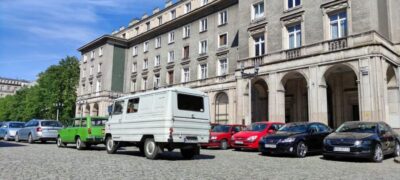
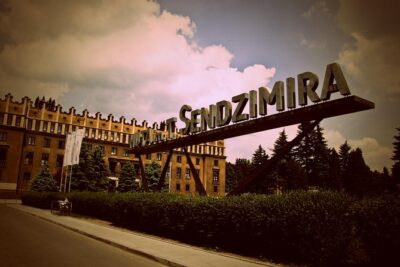
Legendary Private Nowa Huta Communism Tour with Crazy Guides
Read our review →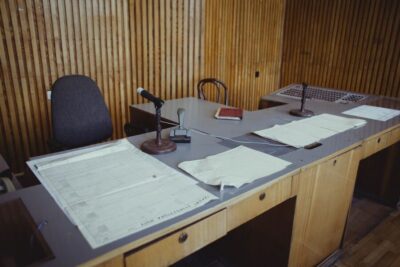
Nowa Huta: Steelworks Administration Buildings/Shelters Tour
Read our review →
Private Tour: Warsaw’s Communist History by Retro Fiat
Read our review →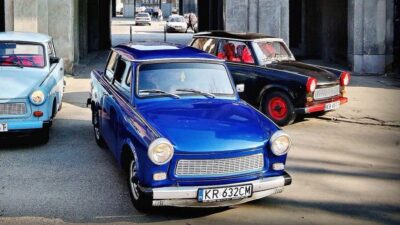
Private Nowa Huta Adventure Tour in Communist Cars
Read our review →
Browse the lists this tour appears in