
Reviewed · AUSCHWITZ TOURS
Kraków: Jewish Quarter, Auschwitz, And Salt Mine 3-Day Tour
Kraków’s past comes into sharp focus on this three-day route, moving from the cafés and galleries of Kazimierz to the painful evidence preserved at Auschwitz and the underground chambers of Wieliczka. You also visit Schindler’s Enamel Factory and the former Kraków Ghetto, so this is not a quick highlights walk. It is a concentrated look at the city and its wartime story.
I like the clear structure: one day for Kraków’s Jewish heritage, one for Auschwitz, and one for the salt mine. I also like the steady communication by WhatsApp and email, which helps when you are juggling several meeting times. The main drawback is the full, serious nature of the schedule. Auschwitz can be emotionally heavy, while the three days leave little room for an unplanned Kraków afternoon.
Key points at a glance
- Kazimierz on foot: Explore the historic Jewish quarter, with independent galleries, vintage shops, and streets shaped by Jewish heritage.
- Schindler’s Enamel Factory: Visit the museum linked to Oskar Schindler and Kraków during World War II.
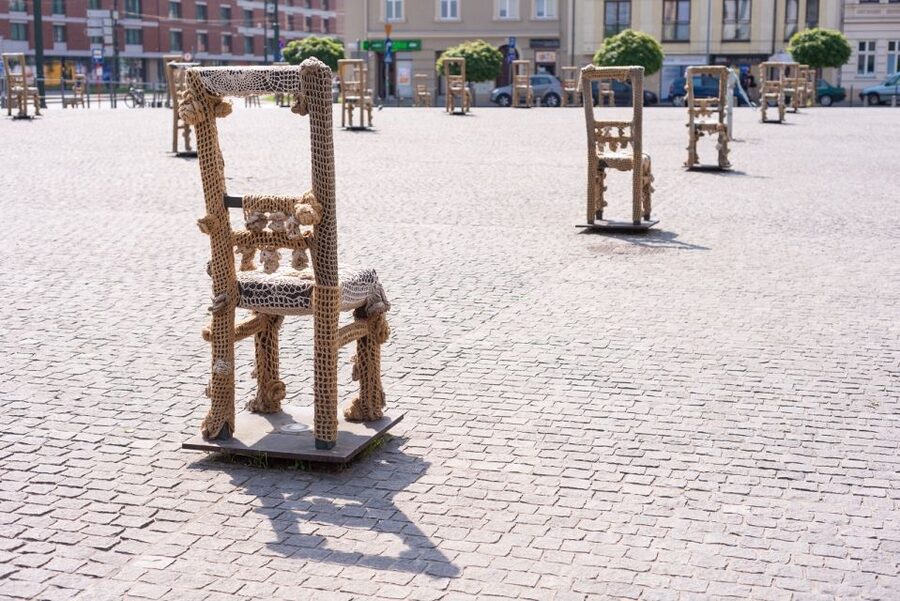
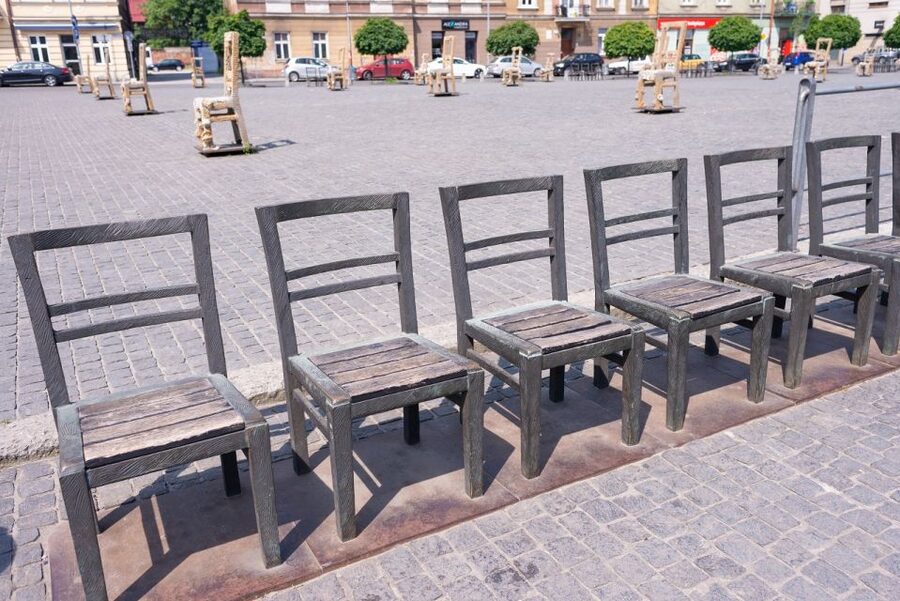
- Ghetto Heroes Square: See the cast-iron chairs that represent the belongings left behind after the ghetto was liquidated.
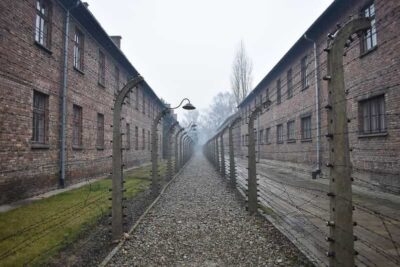
- Auschwitz-Birkenau: Walk through preserved camp buildings, ruins, the railway platform, crematoria, and gas chambers.
- Wieliczka underground: Follow corridors into one of the world’s oldest salt mines and see salt-carved chambers and sculptures.
- Useful trip support: The provider communicates through WhatsApp and email, with an English-speaking guide and included transfers on the out-of-town days.
Why this three-day plan works in Kraków
This tour connects places that are often booked separately. You get a walking introduction to Jewish Kraków, a museum visit focused on the city during the war, a full day at Auschwitz, and a visit to Wieliczka Salt Mine.
That combination gives you variety, but not a light holiday schedule. Two days focus on difficult or serious subjects, and the salt mine provides a striking change of mood without feeling unrelated to the region’s past.
The $237 price per person is best judged as a package of admissions, guiding, and transport. It includes entry to Schindler’s Enamel Factory, Auschwitz-Birkenau, and Wieliczka Salt Mine, plus transfers from Kraków to Auschwitz and Wieliczka and back again.
Food, drinks, and hotel pickup are not included. You also need to reach the Old Synagogue in Kazimierz for the starting point. If you would otherwise have to arrange transport and timed admission yourself, the price can offer useful value. If you prefer to move slowly, eat wherever you like, and arrange each day independently, a packaged three-day tour may feel restrictive.
More Salt Mine Tours in Auschwitz:
- Krakow: Auschwitz-Birkenau and Salt Mine Guided Tour
★ 4.7 · 9,020 reviews - Day Trip: Auschwitz-Birkenau and Wieliczka Salt Mine from Krakow
★ 4.5 · 4,282 reviews - Kraków: Auschwitz-Birkenau & Salt Mine Full-Day Guided Tour
★ 4.7 · 2,887 reviews
Day one in Kazimierz, Kraków’s Jewish quarter
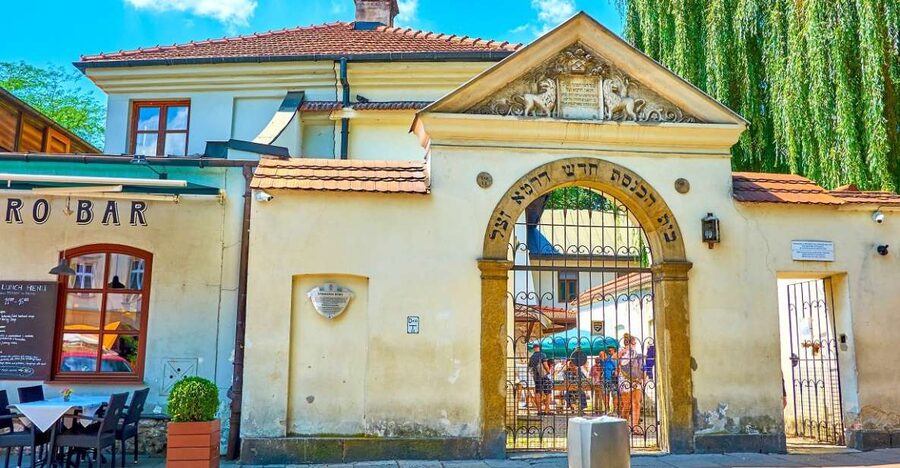
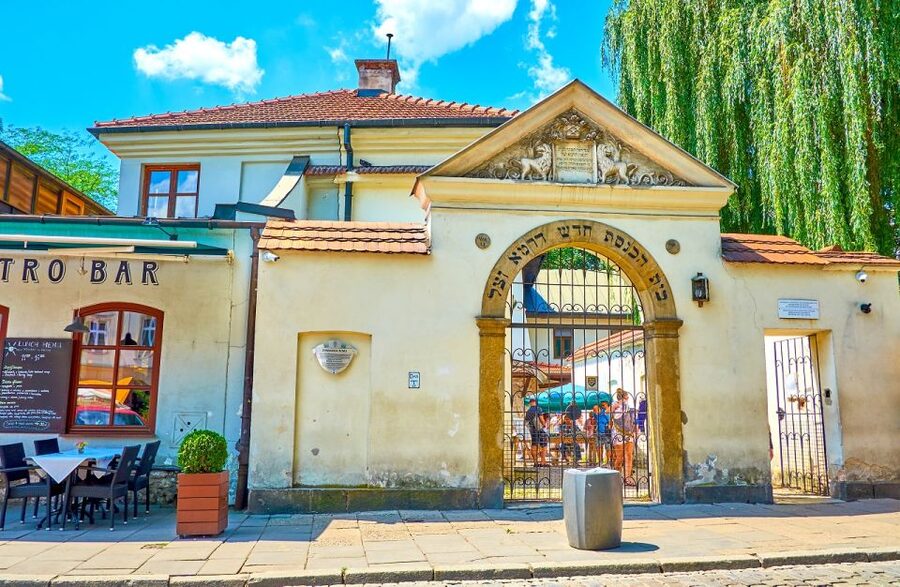
The first day begins on foot at the steps of the Old Synagogue. Look for the guide holding an excursions.city sign. This is a practical meeting point in Kazimierz, and it places you right in one of Kraków’s most important historic districts.
Kazimierz is more than a collection of old buildings. The tour uses its streets to explain Jewish heritage and the area’s changing identity. You pass independent galleries and vintage fashion boutiques, giving the district a present-day character alongside its painful past.
I like this first stop because it gives you a sense of place before the heavier museum visits. A guide can point out the meaning behind the quarter’s streets and buildings in a way that a self-guided walk may miss. At the same time, do not expect a carefree shopping stroll. The history is central, and the tone shifts as the day continues.
Comfortable shoes matter. The first day includes walking through the quarter and onward to the former ghetto, so this is not a day for footwear chosen only for photographs. Warm clothing, sunglasses, a sun hat, and rain gear are also sensible because the tour moves between indoor and outdoor sites.
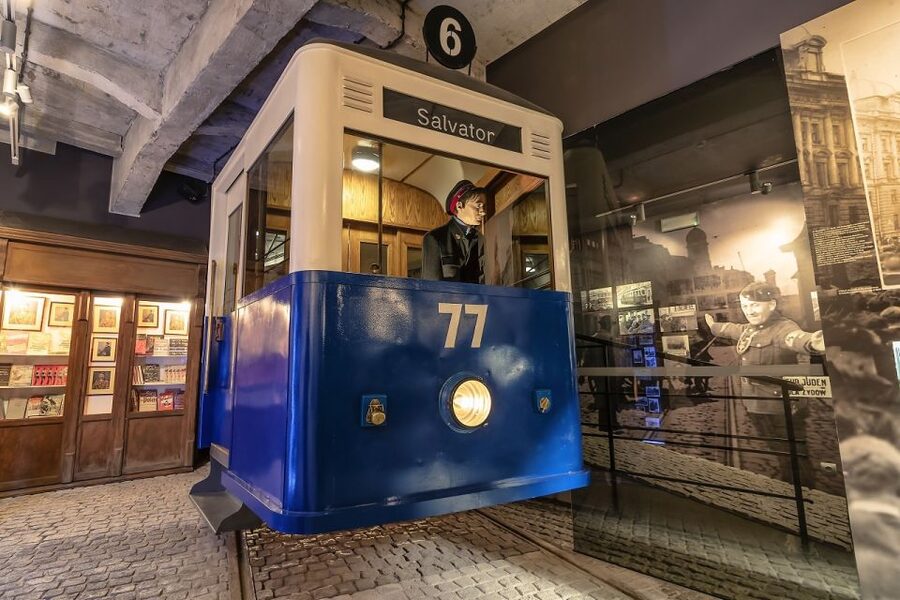
Schindler’s Enamel Factory and Kraków during World War II
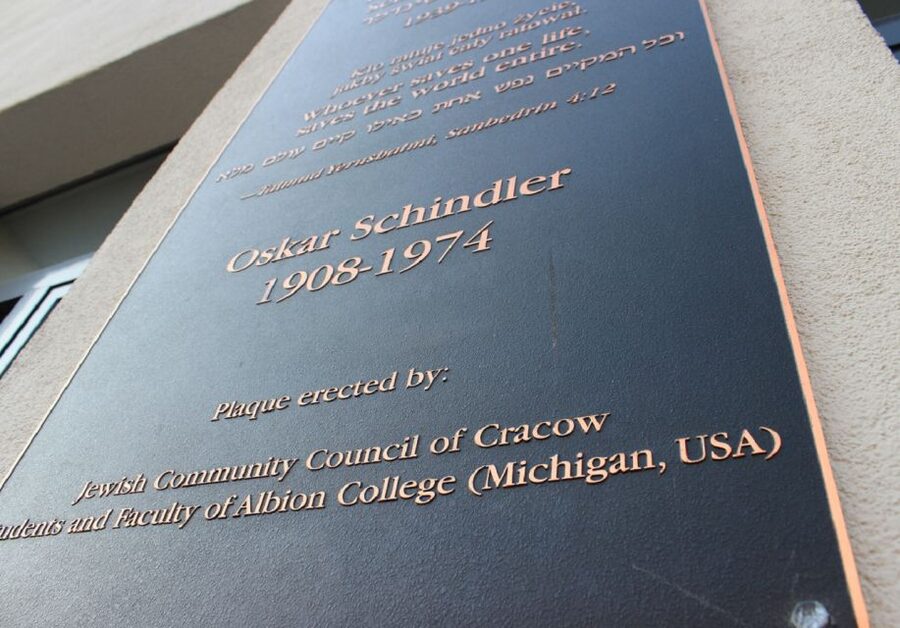
The next major visit is Oskar Schindler’s Enamel Factory, now home to the Museum of Contemporary Art and a branch of the Historical Museum of the City of Kraków. Your included admission is for the Schindler museum visit.
The important point is that this stop is not only about Oskar Schindler. It broadens the story to Kraków during World War II and places his life within the city’s wartime experience. You get a closer look at the people, events, and pressures that shaped Kraków during the occupation.
This is valuable after Kazimierz because the day moves from a historic neighborhood into a museum setting. The change helps organize the story. You are not simply collecting famous names or ticking off buildings. You are building a clearer picture of how Jewish Kraków and wartime Kraków fit together.
Keep your expectations focused. The tour description promises the Schindler museum and its World War II content, not a visit to every part of the factory complex or a separate tour of the contemporary art museum. The guide’s explanation is an important part of making the visit useful.
Ghetto Heroes Square and the cast-iron chairs
After the museum, you take a short guided walk around the former Kraków Ghetto. The key stop is Plac Bohaterów Getta, also called Ghetto Heroes Square.
The square’s most memorable feature is a group of cast-iron chairs placed individually around the open space. They symbolize the scattered belongings of the Jewish community after the liquidation of the ghetto in 1942 and 1943.
It is a simple public artwork, but it carries a hard message. Instead of filling the square with a long explanation, the chairs make absence visible. You can understand the idea quickly, then spend time considering it. This is one of the strongest details in the Kraków portion of the tour.
The stop also shows why a guide matters. The artwork alone may catch your eye, but the historical setting gives it meaning. The walk is short, yet the subject is not. I would plan a quiet evening after day one rather than stacking another demanding attraction immediately afterward.
More Jewish Heritage Tours in Auschwitz:
- Auschwitz-Birkenau Tour Guide and Jewish museum and synagogue
★ 4.5 · 72 reviews - Krakow: Schindler’s Factory & Ghetto Guided Tour
★ 4.7 · 1,694 reviews - Krakow: Jewish Quarter and Former Ghetto Tour
★ 4.9 · 1,441 reviews - Krakow: Bike Tour of Old Town, Jewish Quarter and the Ghetto
★ 4.9 · 1,155 reviews
Day two at Auschwitz-Birkenau
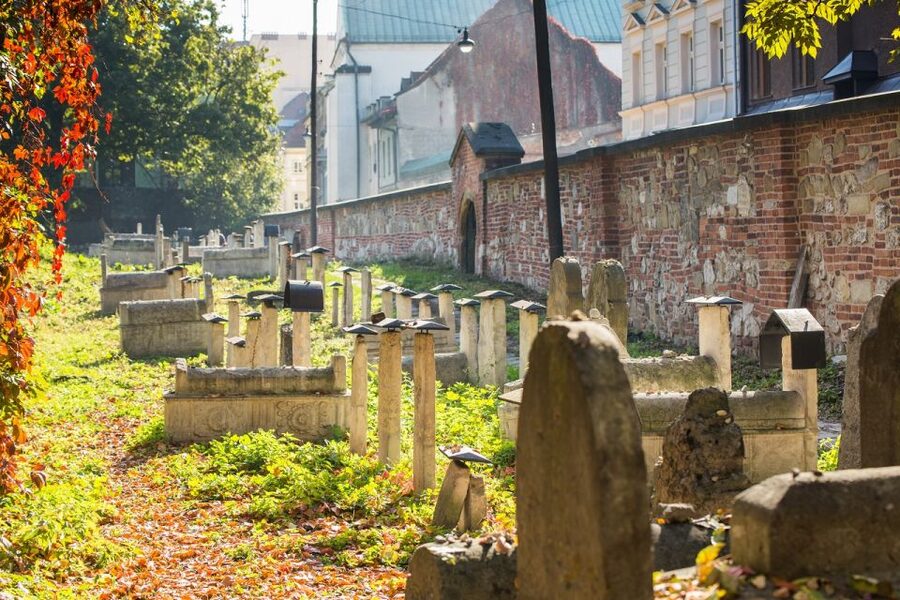
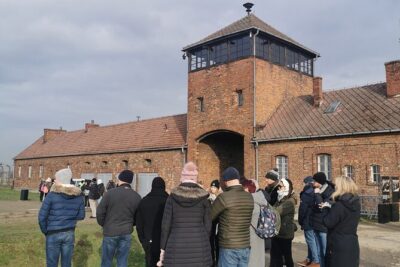
The second day is devoted to Auschwitz, a former Nazi concentration camp preserved as a memorial and museum. The included transfer takes you from Kraków to Oswiecim, the Polish name for the town, and back to Kraków.
This is the most emotionally demanding day. The museum includes the railway platform, ruins of crematoria and gas chambers, and other elements of the former camp. You see places preserved as evidence of crimes against humanity, not as ordinary historic attractions.
The value of a guided visit here is context. A guide can explain what you are seeing and help connect the buildings, platform, and ruins to the larger story of the Holocaust. The experience is not designed as entertainment, and you should approach it with patience and respect.
The tour description does not give a precise departure time or total hours, so check availability before booking. Starting times can affect your whole day, especially if you are fitting this around other Kraków plans. The activity lasts three days overall, but each day’s exact schedule should be confirmed at the time you reserve.
Auschwitz requires special registration. Every admission ticket is personal, so enter each participant’s first name and surname exactly as shown on the relevant passport or ID card. Bring that passport or ID card with you.
You should also wear comfortable shoes and suitable clothing. The visit includes outdoor areas as well as museum spaces, and the required packing list includes warm clothing, sun protection, and rain gear. The practical lesson is simple: prepare for changing weather and a serious day on your feet.
Day three below ground at Wieliczka Salt Mine
The final day takes you to Wieliczka Salt Mine, one of the oldest mines in the world. The included transfer runs from Kraków to Wieliczka and back, so you do not need to arrange the outbound and return journeys yourself.
The mine gives the tour a different rhythm. Instead of city streets and wartime museums, you move through chambers and corridors below ground. You see salt sculptures and large underground rooms shaped by centuries of mining.
The mine is known for secrets and legends, but the strongest reason to visit is its physical scale. Corridors lead to chambers that feel far removed from the streets above. Salt sculptures add a handmade quality to the visit, and the underground setting gives the day a clear sense of occasion.
The mine is not just a quick photo stop. You will be walking through countless corridors and chambers, so comfortable shoes are again important. If you dislike confined underground spaces, consider that before booking. The supplied information does not specify the exact route length or number of steps, so check current details if those points affect your decision.
Placing Wieliczka on day three is smart. After Auschwitz, the salt mine offers a change in subject and atmosphere. It still requires attention and walking, but its focus is craft, labor, geology, and local legend rather than mass murder.
Guides, communication, and meeting arrangements
The tour is conducted in English with live guides. The first day begins at the Old Synagogue, where you meet the guide on the steps. The guide carries a sign marked excursions.city.
The activity ends back at the meeting point. Hotel pickup and drop-off are not included, so you need to make your own way to the starting point in Kazimierz. The included transport applies to the Kraków to Auschwitz and Kraków to Wieliczka journeys, not to hotel transfers.
Communication is one of the practical strengths here. The provider keeps in touch through WhatsApp and email, and prompt answers can make a real difference when you have three connected days to coordinate. One particularly strong walking guide was singled out for making the Kraków portion memorable, though no guide names are provided in the tour details.
Because the experience involves several guides or guiding settings, the tone may vary from day to day. That is normal for a multi-part tour. The benefit is that each site gets focused attention rather than one guide trying to cover every subject.
Who will get the most from this tour
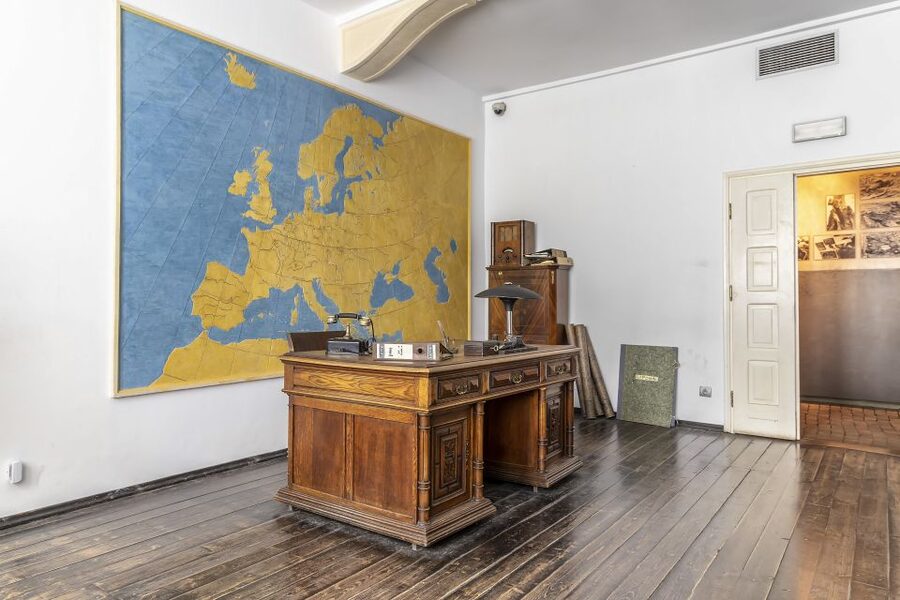
I would choose this tour if you are visiting Kraków for the first time and want the city’s major historic sites organized for you. It is especially useful if you want Auschwitz and Wieliczka included without arranging separate transport, museum entries, and meeting instructions.
It also suits you if you prefer learning on location. Kazimierz, the ghetto square, Schindler’s Factory, Auschwitz, and Wieliczka all become more meaningful when someone explains the setting and connects the details.
You may want a different plan if your priority is free time. The three-day format gives each subject its own day, but the route still occupies a large part of your Kraków stay. It is also not the best match if you want a light sightseeing break, since Auschwitz and the ghetto history demand emotional energy.
Families and groups should think about the age and temperament of everyone attending. The information provided does not set an age limit, but Auschwitz is a serious memorial site and may not suit every child. The salt mine and city walks add variety, yet the program remains history-focused.
Is $237 a fair price?
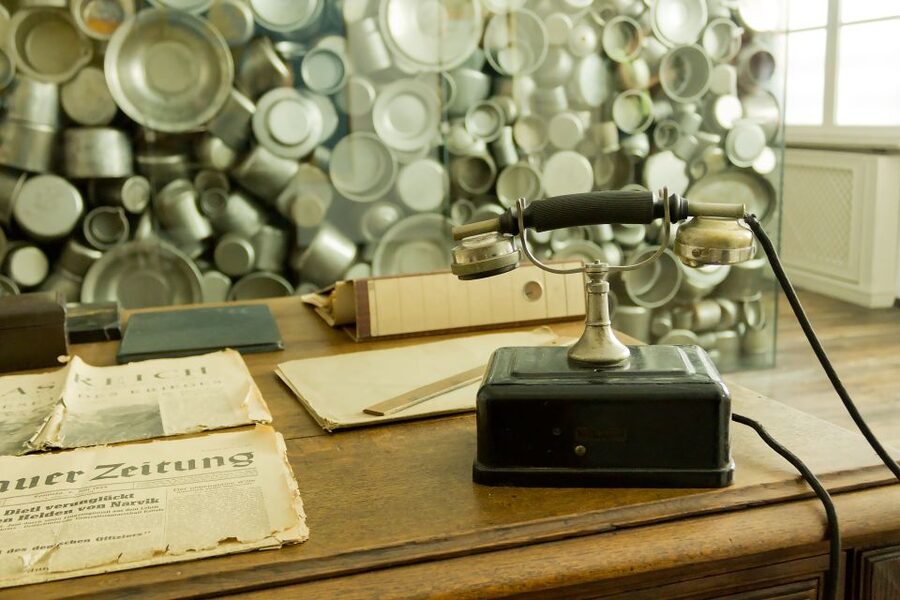
At $237 per person, the package is not the cheapest way to see Kraków. Its value comes from combining three separate days, expert guiding, three important admissions, and the two longer transfers.
The strongest value is convenience. You do not need to find your own way to Auschwitz or Wieliczka, and the major entry tickets are included. That matters most if you have limited time or do not want to compare transport options and admission rules.
The weaker value is flexibility. Food and drinks are extra, hotel transfers are extra to you because they are not included, and the exact starting times depend on availability. You are paying for structure, not an open-ended private itinerary.
Free cancellation up to 24 hours before the activity and the reserve-now-pay-later option reduce some booking risk. Still, read the date and participant details carefully, especially for Auschwitz registration.
Final verdict: should you book it?
Book this tour if you want a serious, well-organized introduction to Kraków’s Jewish quarter, wartime history, Auschwitz, and Wieliczka Salt Mine. The strongest reasons are the clear three-day layout, included admissions, out-of-town transport, and reliable WhatsApp and email communication.
Think twice if you want slow mornings, long restaurant stops, or the freedom to change plans each day. Also prepare yourself for Auschwitz before booking. This is a useful history tour, but it is not a gentle sightseeing package.
For a first visit with limited planning time, I would consider it a sensible choice. Bring your ID, wear comfortable shoes, check the available start times, and leave some quiet space in your schedule after the Auschwitz day.
FAQ
How long does the tour last?
The tour lasts three days. Starting times depend on availability when you book.
What language is the tour in?
The live tour guide service is in English.
Where does the tour begin?
You meet the guide on the steps of the Old Synagogue in Kraków. The guide holds a sign that says excursions.city.
Where does the activity end?
The activity ends back at the meeting point.
Is hotel pickup included?
No. Hotel pickup and drop-off are not included.
Are transfers to Auschwitz included?
Yes. Transfers from Kraków to Oswiecim and back to Kraków are included.
Are transfers to Wieliczka Salt Mine included?
Yes. Transfers from Kraków to Wieliczka and back to Kraków are included.
Are entrance tickets included?
Yes. Admission to Oskar Schindler’s Enamel Factory, Auschwitz-Birkenau Memorial and Museum, and Wieliczka Salt Mine is included.
What should I bring to Auschwitz?
Bring your passport or ID card. Auschwitz admission requires each participant’s name and surname to match the ID document used during registration.
Are food and drinks included?
No. Food and drinks are not included in the tour price.
Can I cancel the booking?
You can cancel up to 24 hours in advance for a full refund. You can also reserve now and pay later, keeping your plans flexible.
More 3-Day Experiences in Auschwitz
- Ultimate Krakow & More 3 Day Private Tour
★ 5.0 · 4 reviews - Krakow: Museum of Jan Matejko Entry Card (3-Day Krakow Card)
★ 4.5 · 4 reviews
Just added around Auschwitz
- Guided Private Tour to Auschwitz Birkenau & Krakow from Wroclaw★ 5.0 · 4 reviews
- Auschwitz-Birkenau Day Tour from Wroclaw★ 5.0 · 40 reviews
- Krakow & Auschwitz day tour from Warsaw by private car with Lunch★ 5.0 · 16 reviews
- One day tour to Auschwitz-Birkenau & Salt Mine from Warsaw with private driver★ 5.0 · 4 reviews
- One Day Tour to Auschwitz-Birkenau from Warsaw by Car★ 5.0 · 81 reviews
- Krakow and Auschwitz – Full Day Tour from Warsaw by private car★ 5.0 · 9 reviews
- From Warsaw: Auschwitz-Birkenau Tour with Premium Train Transportation★ 4.0 · 7 reviews
- Full-Day Tour From Warsaw to Auschwitz (guided) and Krakow by car★ 5.0 · 24 reviews
Auschwitz Tours, compared.
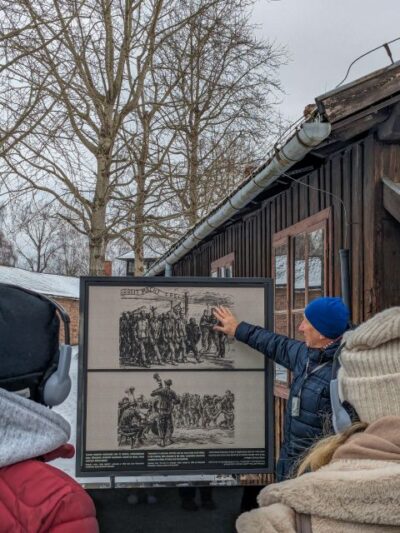
Auschwitz-Birkenau Guided Tour & Hotel Pickup
Read our review →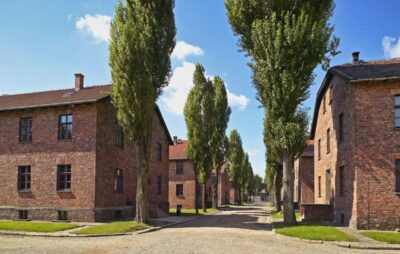
Auschwitz Guided Tour with Optional Hotel Pickup
Read our review →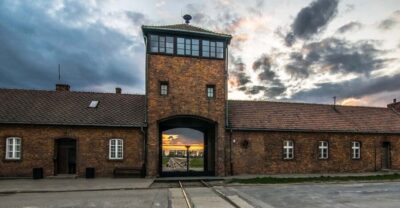
Auschwitz-Birkenau Guided Tour with Pickup & Lunch
Read our review →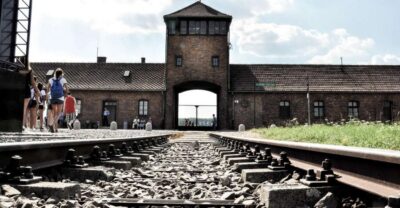
Auschwitz-Birkenau Guided Tour Pickup/Lunch Options
Read our review →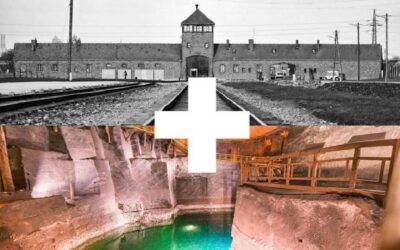
Krakow to Auschwitz Birkenau Guided Tour with Transfer and Ticket
Read our review →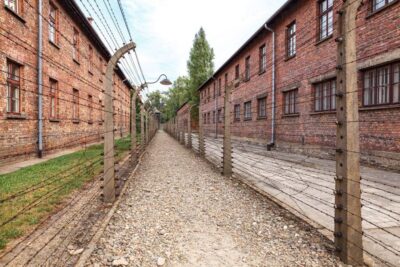
Browse the lists this tour appears in