
Reviewed · SCHINDLER FACTORY TOURS
Krakow: Oskar Schindler’s Factory Entry and Guided Tour
Oskar Schindler’s former enamel factory tells Krakow’s World War II story through photographs, films, personal accounts, and full-scale recreations. You’ll see Schindler’s preserved office, a tram carrying wartime images, a typical Jewish apartment, and artifacts from Plaszow camp. I like the way the museum puts daily life beside the larger machinery of occupation. I also like the 90-minute guided format, which gives you a clear route through a complex subject.
The main thing to consider is crowding. Some rooms and passageways are narrow, and a large group can make it hard to hear or see the guide. A guide leading a French-language visit had a friendly manner, but the group was so spread out that parts of the explanation were difficult to follow. You may want to check the group conditions and plan extra time to look at the displays after the tour.
Key points about the 90-minute visit
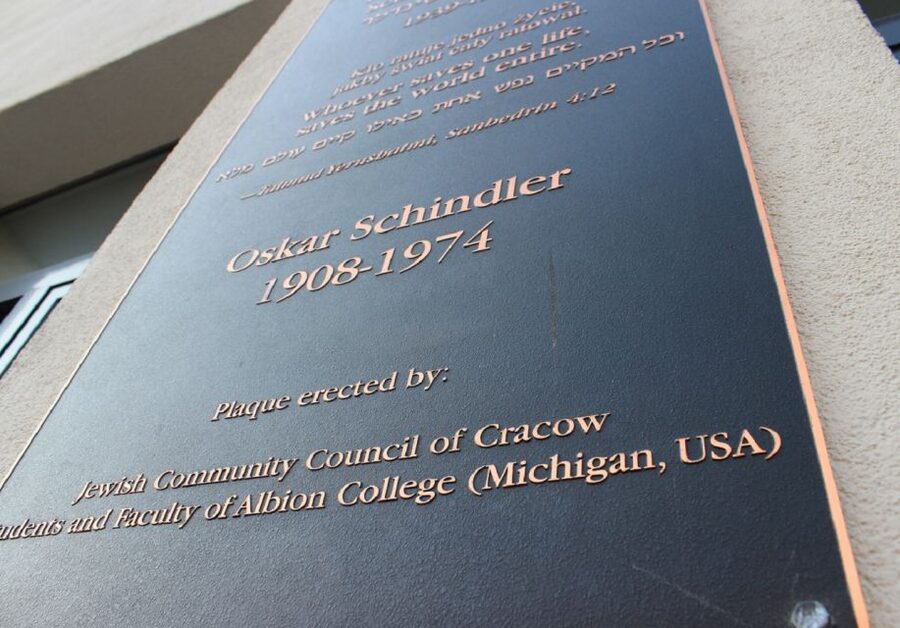
- Schindler’s preserved office: See the actual office inside the factory’s administrative building.
- Krakow under Nazi occupation: Follow the city’s story from 1939 to 1945, including the experiences of Polish residents, Jewish residents, and Nazi occupiers.
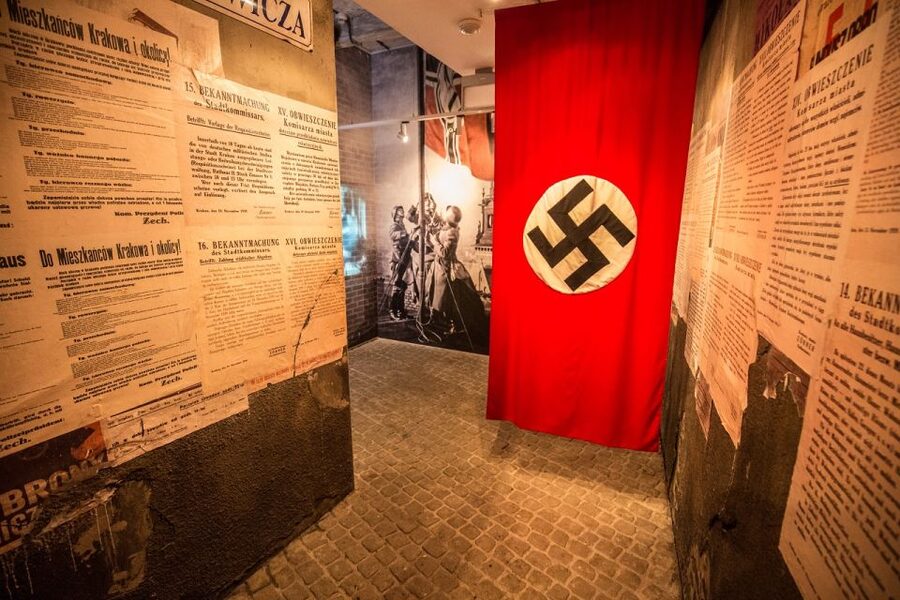
- A museum built as a city experience: Walk through recreated streets, board a tram, and enter a typical Jewish apartment.
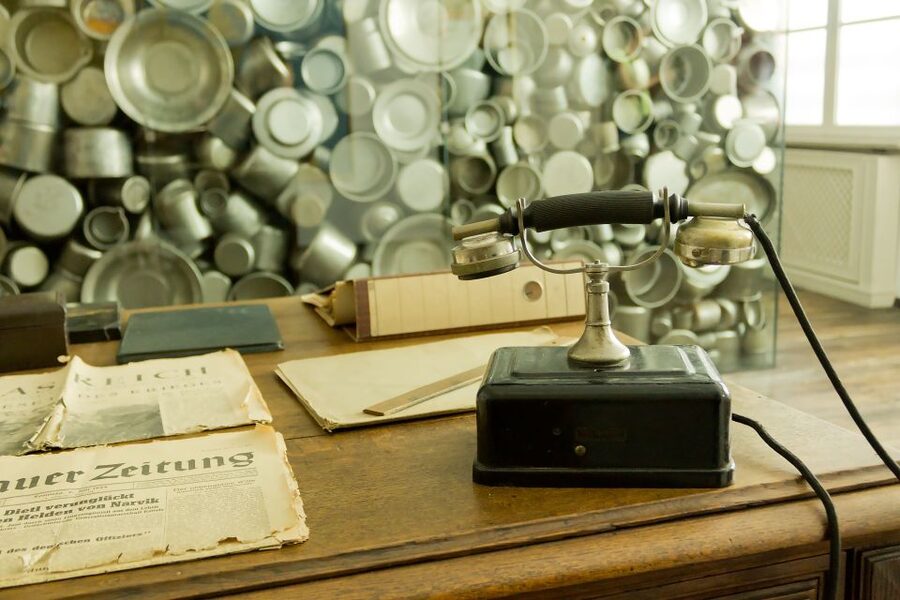
- The Survivor’s Ark: See a striking installation made from thousands of enamel pots, recalling the factory’s wartime production.
- A guided entry for $45: Entrance and a professional live guide are included, with skip-the-ticket-line access.
- Small details matter: Narrow aisles can make it hard to stay close to the guide, so listen carefully and allow time to explore on your own.
Why Schindler’s Factory matters in Krakow
This is not a museum devoted only to Oskar Schindler. His name draws many people because of Steven Spielberg’s Schindler’s List, but the permanent exhibition is wider in scope. It follows Krakow itself during the Nazi occupation, showing how the war changed homes, streets, workplaces, and relationships.
That broader focus is important. You learn about Polish and Jewish life, as well as the Nazi system that violently disrupted Krakow’s long Polish-Jewish past. The museum asks you to look at individual choices, not just dates and military events. That makes the visit more personal, but it can also make it emotionally demanding.
I find the setting especially effective because the museum occupies Schindler’s former enamel factory. You are not viewing the story in a modern gallery with no link to the subject. The administrative building, including Schindler’s office, gives the experience a direct physical connection to the factory’s history.
The factory is also a useful place to begin thinking about Krakow during the war. The exhibition brings together the lives of ordinary people, the actions of occupiers, and the difficult decisions faced by those trying to survive. You leave with a better sense of how the occupation affected the whole city, not only the famous people associated with it.
More ways to visit Schindler's Factory:
- Krakow: Oskar Schindler’s Factory Entry Ticket & Guided Tour
★ 4.2 · 3,793 reviews - Krakow: Schindler’s Factory Tour with Entrance Ticket
★ 4.5 · 3,182 reviews - Krakow: Schindler’s Factory Skip-the-Line Ticket
★ 4.4 · 3,105 reviews
Starting at Lipowa 4
The tour begins at Lipowa 4, at the front entrance of the museum. You are asked to wait there for the guide, who will be holding an excursions.city sign. The activity ends at the same meeting point, so you do not need to arrange transportation between the start and finish.
That simple meeting arrangement is useful in Krakow, where a busy sightseeing day can involve several museums and neighborhoods. I would arrive with enough time to identify the main entrance and find the guide before the scheduled start. The supplied details do not give a recommended arrival time, so you should check your booking information for the exact starting time.
The tour lasts about 1.5 hours. That is long enough for a guided introduction to the permanent exhibition, but it is not enough to study every photograph, document, and object at length. If you like to read every panel, plan to return to parts of the museum after the guided visit if the museum’s admission arrangements allow it.
Entering the former enamel factory
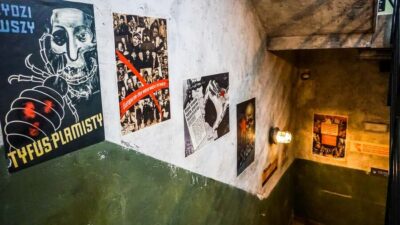
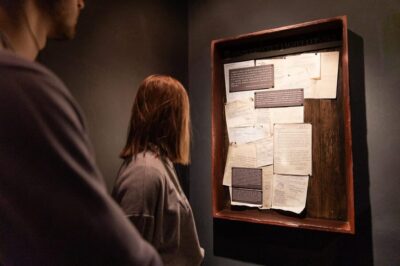
Once inside, you follow a guided route through the former factory and its exhibition spaces. The visit is not simply a line of glass cases. The displays use photographs, eyewitness accounts, documentary films, and multimedia presentations to show what life in Krakow looked like during the occupation.
I like this mix because the subject can otherwise feel distant. A photograph gives you a face or a street. An eyewitness account gives you a personal voice. Film and sound can show how daily routines changed under Nazi rule. Used together, these elements make the city easier to picture.
The experience also asks you to pay attention to ordinary details. The story is not limited to battles or government decisions. You see how the occupation affected homes, families, work, religion, and movement through the city. Those details help explain why the war was not something happening somewhere else. It shaped daily choices in Krakow.
Because the museum uses theatrical reconstructions, the visit has a strong visual quality. That will suit you if you learn best through spaces and objects rather than long written panels. If you prefer a quiet, self-paced museum, the guided route and busy displays may feel more structured than you would like.
Schindler’s office and the Survivor’s Ark
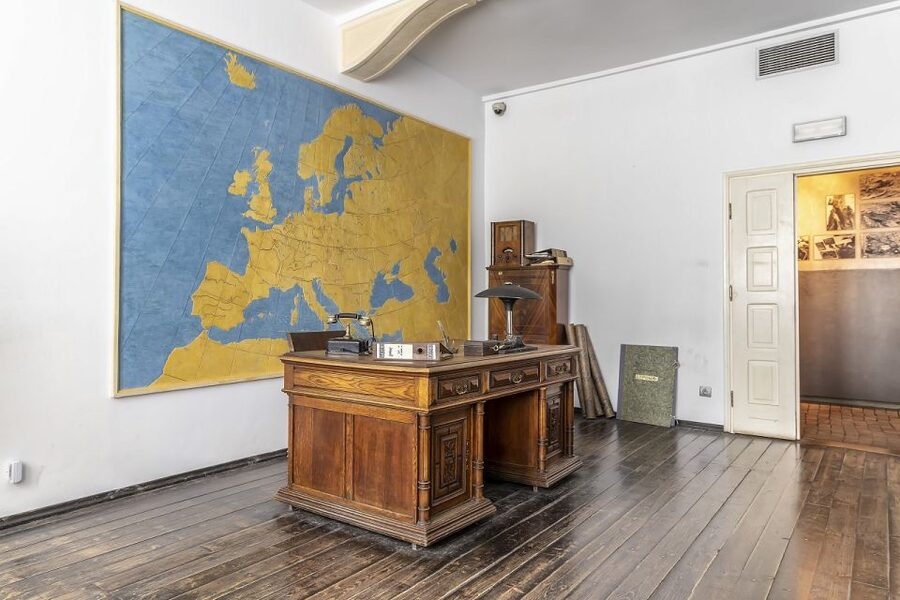
One of the key stops is Schindler’s preserved office in the administrative building. The room gives the famous name behind the museum a physical setting. It also helps separate the real historical figure from the simplified version many people know from the film.
Another memorable feature is the Survivor’s Ark, a sculptural work made from thousands of enamel pots. The pots recall the type of production associated with the factory. The installation is less about showing one small object and more about creating a strong visual symbol of people, work, survival, and memory.
These two stops work well together. Schindler’s office is an actual preserved space connected to the factory’s administration. The ark is a modern artistic response within the exhibition. One gives you a concrete place. The other asks you to pause and think about the wider human cost of the war.
Do not expect the entire visit to focus on Schindler. If you are booking because of the film, you will see the connection, but the museum’s main subject is Krakow between 1939 and 1945. That wider story is the reason I would recommend the experience even to someone who has not seen the movie.
A few more Krakow half-days worth comparing
- Kraków: Evening or Night River Cruise
★ 4.0 · 7,386 reviews - Krakow: City Sightseeing Tour by Electric Golf Cart
★ 4.5 · 3,264 reviews - Krakow: City Sightseeing Tour Eco Electric Buggy Golf Cart
★ 4.7 · 3,143 reviews - Krakow: Chopin Piano Recital at Chopin Concert Hall
★ 4.7 · 2,330 reviews
A tram ride through wartime Krakow
The museum includes a recreated historical city space, complete with a tram. You board the tram and watch a documentary about everyday life in Krakow. It is an unusual museum device, but it makes sense here because the city itself is the central subject.
The tram helps you picture movement through wartime Krakow. Instead of viewing the occupation only as a series of isolated rooms, you get a sense of a city functioning under pressure. The documentary adds a moving image element to the still photographs and written accounts elsewhere in the museum.
This part should appeal to families and to anyone who finds traditional museums tiring. The recreation gives the visit a change of pace. It also makes the history easier to follow for people who do not already know Krakow’s wartime story.
The drawback is that the same theatrical spaces can become crowded. Passageways and viewing areas may not give everyone a clear sight line to the guide or screen. Stay close enough to hear, and do not be afraid to ask the guide to repeat a point if the group has spread out.
The Jewish apartment and Plaszow artifacts
The typical Jewish apartment is one of the exhibition’s most useful sections. It moves the story away from public events and into the private world of the people living through the occupation. A recreated home can show you the cramped, ordinary setting in which families faced extraordinary conditions.
The artifacts from Plaszow camp add another layer. You are not only seeing the city as it looked in daily life. You are also being asked to consider the camp system and the violence imposed on the people of Krakow and the surrounding area.
These sections may be difficult, particularly because the exhibition places familiar domestic details beside evidence of persecution. That contrast is deliberate. It shows how quickly normal life could be disrupted, and how the occupation reached into homes, workplaces, and neighborhoods.
A guide is helpful here because the meaning of an object may not be obvious at first glance. The tour’s professional guide can connect the apartment, the photographs, and the camp artifacts to the larger timeline. The available languages are English, French, German, Italian, Spanish, and Polish.
The Hall of Choices
The Hall of Choices is a sculptural installation about the ethical decisions people faced during the war. It is not simply another display of objects. It presents the occupation as a series of human choices made under fear, pressure, and uncertainty.
This section gives the tour a thoughtful ending. You are encouraged to consider how people responded to the Nazi occupation, rather than sorting everyone into simple categories of hero and villain. The questions raised here are uncomfortable, which is part of the point.
I would give this section time instead of rushing to the exit. A 90-minute tour moves at a set pace, and a guide may need to keep the group together. If a particular installation interests you, make a note of it and return to it after the guided portion, if permitted.
What the $45 price includes
The cost is $45 per person. Entrance fees and a professional guide are included, and the tour provides skip-the-ticket-line access. The value depends on how you like to visit museums.
If you want context and a clear route, the price is reasonable for a focused 90-minute visit. You are paying not only to enter the factory, but also for a guide to explain the connection between Schindler, the city, Polish and Jewish life, and the Nazi occupation. You also save time by avoiding the ticket line.
If you prefer to read every panel and stop often, you may find a self-guided visit more flexible. The guided format keeps moving, and the exhibition contains more material than you can absorb in one pass. The best value comes from treating the tour as an introduction, then spending extra time with the sections that matter most to you.
The booking terms add some flexibility. You can reserve now and pay later, and you can cancel up to 24 hours in advance for a full refund. Starting times vary, so you need to check availability for the date you want.
Crowds, languages, and the guide’s role
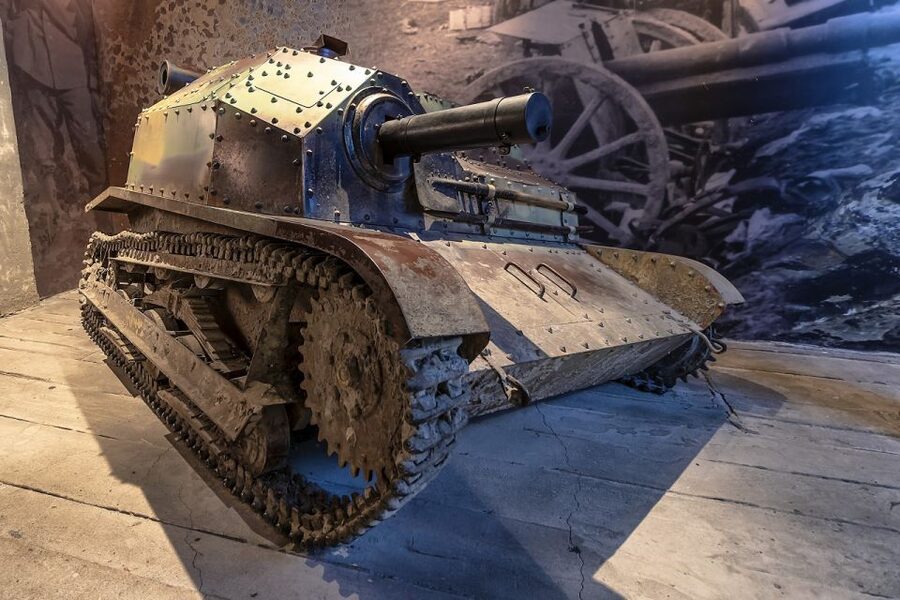
A live guide can make a major difference here. The subject covers several groups and a complicated period, so a good explanation helps you understand how the displays fit together. One guide was praised for being very good, but no guide names are provided, so you should not book expecting a particular person.
Group size is the main practical concern. One French-language visit had so many people that the narrow aisles made it hard for those at the back to hear or see the guide. That does not mean every departure will have the same problem, but it is worth keeping in mind.
You can improve your chances of following the tour by staying near the guide, especially in the recreated city spaces and narrow passages. If you are visiting with children or anyone who has trouble standing in a tight group, the crowding issue may matter more than the price.
The available tour languages are English, French, German, Italian, Spanish, and Polish. Make sure you select the language you want when booking. The information provided does not give exact group sizes, so you should not assume this is a private or small-group tour.
Who should book this experience
I would choose this tour if you want a focused introduction to Krakow during World War II and prefer a guide to connect the displays. It suits first-time visitors who may not know the city’s wartime story, as well as people familiar with Schindler’s List who want to see the real setting behind the film.
It is also a good choice for visitors who learn through reconstructed spaces. The tram, apartment, office, and Hall of Choices provide more than rows of objects. Families may appreciate the variety, though the subject matter is serious and some displays may be upsetting.
You may prefer a self-guided visit if you need a slow pace, dislike crowded groups, or want to spend long periods reading. In that case, skip-the-line entry still has value, but the guided commentary may feel restrictive.
Should you book the Schindler’s Factory tour?
Book it if you want the main story of wartime Krakow explained in one well-planned visit, with entrance, a professional guide, and skip-the-line access included. The preserved office, Survivor’s Ark, tram documentary, Jewish apartment, Plaszow artifacts, and Hall of Choices give the 90 minutes plenty of substance.
Think twice if you need a quiet, private museum experience. Narrow aisles and a large group can make it hard to hear the guide, and the tour may move faster than a careful reader prefers. For most visitors, I would book it, then allow extra time to look at the displays that catch your attention.
FAQ
Where does the tour begin?
The tour begins at Lipowa 4, at the front entrance of the museum.
How do I find the guide?
Wait at the main entrance. The guide will be holding an excursions.city sign.
Where does the activity end?
The activity ends back at the meeting point at Lipowa 4.
How long does the guided tour last?
The guided tour lasts 1.5 hours.
What is included in the price?
Entrance fees and a professional guide are included.
How much does the tour cost?
The price is $45 per person.
Which languages are available?
The live tour is available in English, French, German, Italian, Spanish, and Polish.
Can I skip the ticket line?
Yes. Skip-the-ticket-line access is included.
Can I reserve now and pay later?
Yes. You can reserve your place and pay later.
What is the cancellation policy?
You can cancel up to 24 hours in advance for a full refund.
Just added around Krakow
- stag dog chase Krakow prank★ 5.0 · 4 reviews
- Divine Mercy Sanctuary – Private Tour from Krakow★ 5.0 · 4 reviews
- ZALIPIE – painted village, unique small group tour from Krakow★ 5.0 · 7 reviews
- ZALIPIE – painted village, unique PRIVATE tour from Krakow★ 5.0 · 20 reviews
- Zalipie Private Tour from Krakow The Painted Village★ 5.0 · 4 reviews
- Wooden Churches Unesco List Private Tour from Krakow★ 5.0 · 14 reviews
- Guided tour to Salt Mine & Schindler Factory with Pick-Up Options★ 4.0 · 58 reviews
- Wawel Castle, Cathedral, & Rynek Underground Tour with Lunch★ 5.0 · 4 reviews
Schindler Factory Tours, compared.
Oskar Schindler’s Factory Entry Ticket & Guided Tour
Read our review →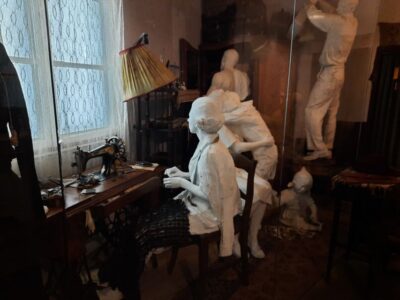
Schindler’s Factory Tour with Entrance Ticket
Read our review →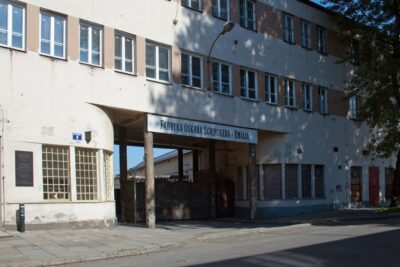
Schindler’s Factory Tour with Entrance Ticket
Read our review →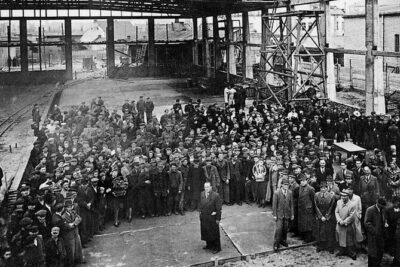
Schindler’s Factory in Krakow: Guided Tour & Skip the Line Ticket
Read our review →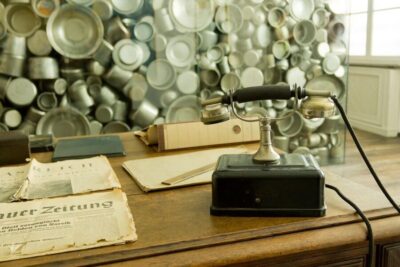
Schindler’s Factory Ticket with Guided Tour Option
Read our review →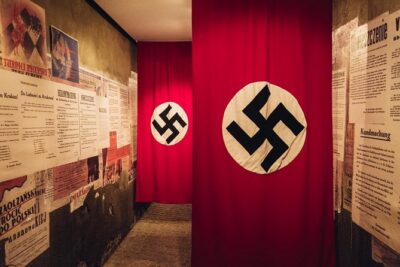
Krakow Schindler’s Factory Guided Tour with Admission Ticket
Read our review →Browse the lists this tour appears in