
Reviewed · SCHINDLER FACTORY TOURS
Krakow: Oskar Schindler’s Factory Skip-The-Line Ticket
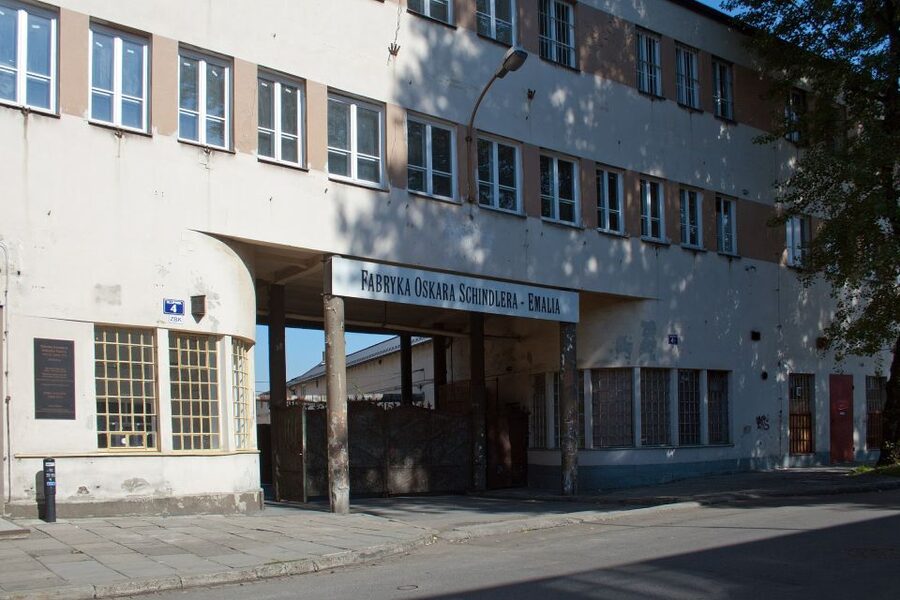
Oskar Schindler’s former enamel factory now holds one of Krakow’s most important museums. The central surprise is that this is not simply a museum about Schindler. It is a carefully staged account of Krakow during nearly six years of Nazi occupation, with Schindler’s story woven into the larger history.
I like the timed entry, especially when a long queue forms outside. I also like the personal scale of the exhibition: photographs, recordings, artefacts, and individual stories show how occupation affected ordinary people, not just military leaders and politicians.
The main thing to understand before booking is that Schindler is not the sole subject. If you want a detailed account of how he founded and operated the factory, you may find the museum broader than expected. It is closer to a World War II museum about Krakow than a traditional factory tour.
Key points to know before you book
- Skip the outdoor ticket queue: Walk past the line and enter at the time printed on your digital ticket.
- Expect a 90-minute visit: The route moves through a chronological exhibition about Krakow from the start of the war to its end.
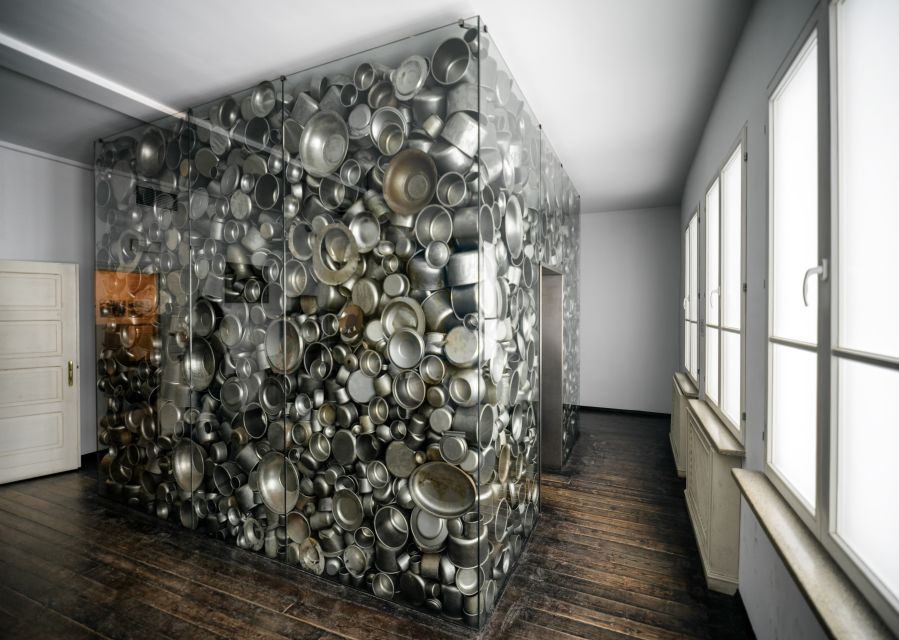
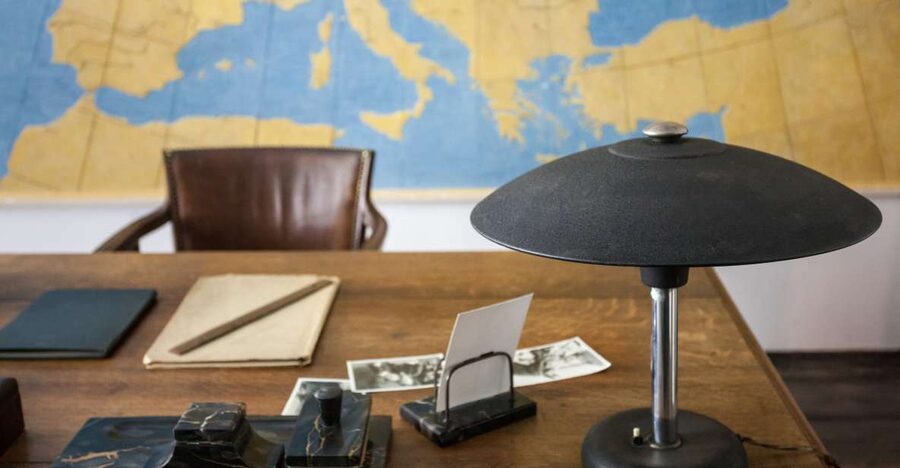
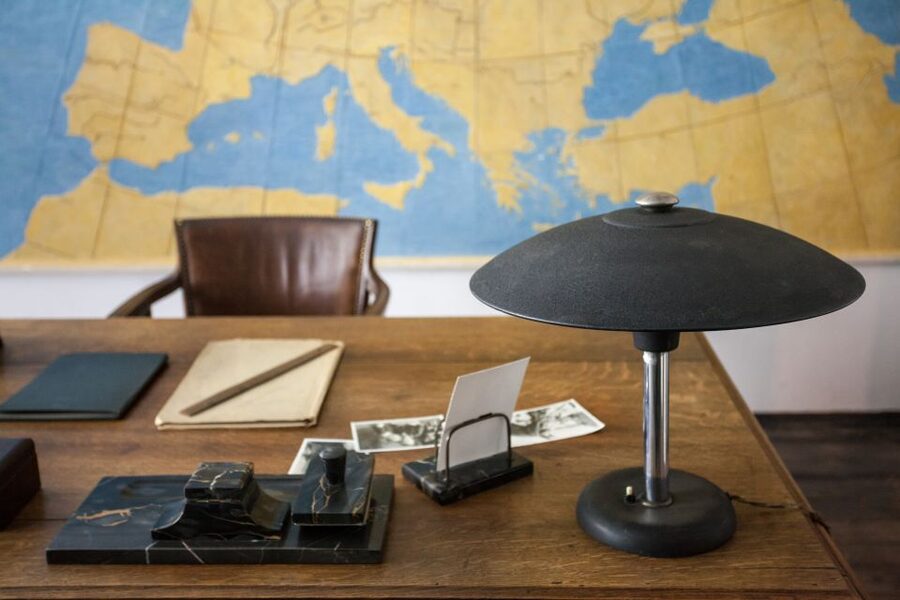
- Schindler’s office is part of the experience: You see his personal office and the symbolic Survivor’s Ark.
- The focus is wider than one man: Jewish life, Nazi occupation, local families, and wartime survival receive much of the attention.
- Tickets arrive separately: Krakowbooking sends the actual admission ticket by email or WhatsApp, usually the day before.
- Bring physical identification: Every participant must carry a passport or photo ID to enter.
Why this museum matters in Krakow

Krakow can feel remarkably intact, with its medieval center and grand squares still offering an easy introduction to Polish history. The museum gives you the harder context behind that beauty. It shows what happened to Krakow’s people when Nazi Germany invaded Poland on September 1, 1939, and German troops entered Krakow soon after.
The original factory, known as Oskar Schindler’s Deutsche Emailwarenfabrik, was established in 1937. Schindler was a Sudeten German, a member of the NSDAP, and an Abwehr agent who arrived in Krakow around the beginning of the occupation. His wartime role was complicated, and the museum places his later efforts to protect Jewish workers within that complicated setting.
That context matters. The exhibition does not present Schindler as a simple storybook hero detached from the political system around him. Instead, you see how his factory, the occupation, forced labor, Jewish persecution, and individual acts of survival intersected.
The museum also helps explain why Schindler’s name became so widely known. He saved more than 1,000 Jewish lives, and the exhibition brings you to his office, where the Survivor’s Ark provides a symbolic focal point. Still, the strongest parts of the museum often concern people whose names are less famous.
More Skip-the-Line Tickets in Krakow
- Krakow: Schindler’s Factory Skip-the-Line Ticket
★ 4.4 · 3,105 reviews - Schindler’s Factory in Krakow: Guided Tour & Skip the Line Ticket
★ 4.5 · 1,714 reviews - Skip-the-Line Wawel Castle Chambers Private Tour
★ 4.7 · 262 reviews
Entering with a timed digital ticket
This experience sells admission rather than a guided tour. You do not receive a guide, hotel pickup, transport, or a private escort through the building. The useful service is the prearranged entry time.
The actual ticket is sent by Krakowbooking, the local operator, rather than through the standard GetYourGuide voucher. You should receive it by email or WhatsApp one day before your visit. Check your spam or offers folder if it does not appear. Correct contact details are essential because those details are how the ticket reaches you.
At the entrance, show the digital ticket on your phone and carry a physical passport or photo ID for each person in your group. A booking confirmation alone may not be enough. One person arrived with a barcode from an app and had to wait while the local operator sent the proper ticket by WhatsApp, so save the actual admission document before leaving for the museum.
The time printed on the ticket is the important one. It may differ slightly from the time selected during booking, and the museum is strict about access. Plan to arrive no more than ten minutes early and no more than ten minutes late. You are allowed in only on the date and at the time shown on the ticket.
That precision is a small nuisance, but it is also what makes the ticket useful. On busy days, you can walk past a long outdoor queue and go directly to the entrance rather than gamble on remaining availability.
Following the occupation from 1939 onward
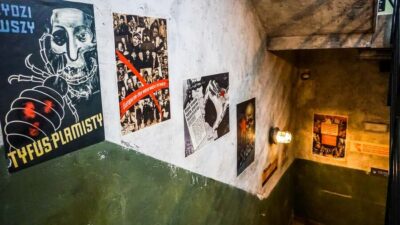
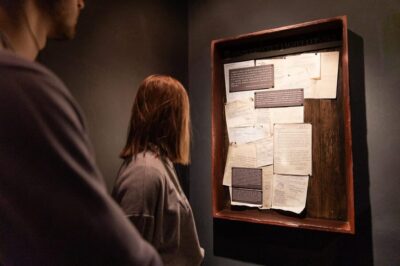
Once inside, you follow a chronological route through Krakow’s wartime experience. The exhibition uses written explanations in English, photographs, recordings, artefacts, and interactive sections. You can visit independently, reading at your own pace rather than staying with a guide.
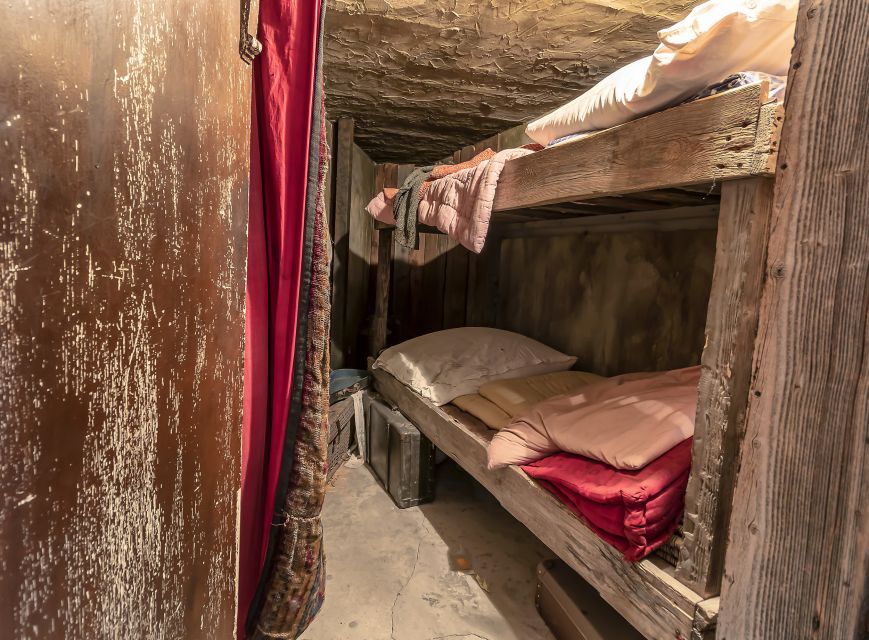
The early sections establish the shock of invasion and the changes imposed on daily life. The museum then builds a picture of occupation through personal stories. Instead of treating the war as a distant sequence of dates, it shows how rules, fear, propaganda, displacement, and persecution altered ordinary routines.
This is where the museum earns its place on a Krakow itinerary. You are not only looking at military events. You are seeing how a city and its communities were controlled, divided, and damaged. The focus on individual lives makes the wider history easier to grasp, though the subject matter is often painful.
Survivor interviews are particularly affecting. They add voices to the photographs and objects, and they make clear that survival was never a simple matter of courage alone. People depended on luck, quick decisions, help from others, and circumstances they could not control.
Give yourself time to listen. The museum can become crowded, especially when several organized groups are moving through the same rooms. You may need to wait for space at an audio station or move around a group before returning to a display. That is part of the tradeoff of visiting a popular museum with a compact layout.
Schindler’s office and the Survivor’s Ark
The exhibition eventually brings you to Schindler’s office. This is one of the places where the personal story comes back into focus after the broader account of occupation.
The symbolic Survivor’s Ark is an especially memorable feature. It links the factory and Schindler’s rescue efforts to the many people whose lives were preserved through his actions. The setting is not a preserved factory floor in the usual sense, so adjust your expectations. You are not touring working machinery or seeing a full industrial production line.
Instead, the former factory provides the setting for a museum about Krakow and its people during the war. The building gives the subject a strong physical connection to the city, while the exhibition supplies the wider political and social history.
If your main interest is Schindler himself, you may wish there were more detail about how he started the factory, managed production, and made decisions on behalf of his workers. The displays do address his importance, but his personal story shares space with the occupation of all Krakow.
More ways to visit Schindler's Factory:
- Krakow: Oskar Schindler’s Factory Entry Ticket & Guided Tour
★ 4.2 · 3,793 reviews - Krakow: Schindler’s Factory Tour with Entrance Ticket
★ 4.5 · 3,182 reviews - Krakow: Schindler’s Factory Tour with Entrance Ticket
★ 4.6 · 1,737 reviews - Krakow: Schindler’s Factory & Ghetto Guided Tour
★ 4.7 · 1,694 reviews
How long the visit really takes
The advertised duration is 90 minutes, and that is a sensible starting point for a focused visit. You can follow the route, read the English panels, look at the photographs, and come away with a clear understanding of the exhibition in that time.
You may need longer if you listen carefully to recorded testimonies or stop at every interactive feature. Several sections reward a slower pace. The museum can also feel less efficient when tour groups fill the rooms, because you may need to wait before approaching a display.
The route involves substantial walking and standing. One visitor advised that the overall visit could involve as much as 11 kilometres of walking, although that estimate may include more than the museum itself. The practical point is sound: wear comfortable shoes, allow time to move through the building, and do not treat this as a quick ten-minute stop.
A compact layout helps you keep your bearings, but it does not make the subject matter light. You may want a quiet period afterward rather than scheduling another major museum immediately.
Going without a guide
A guide is not included, and there is no guide or audio headset built into this ticket. English text appears beside the exhibits, so you can make your way through the museum independently. The written explanations are useful for readers who prefer to set their own pace.
A guided visit could add context, especially if you want more detail about Schindler’s factory, the Jewish community, or the decisions made during the occupation. On the other hand, a self-guided visit gives you more freedom to stop at survivor recordings and reread difficult sections.
There is one practical temptation to avoid. Some people have followed near the end of a guided group to hear extra commentary, but this can make the rooms more crowded and may irritate the guide. Treat the ticket as independent admission, and use the English displays as your main source of information.
The lack of a guide also explains why the experience may not match your expectations if you booked it as a tour. You are buying priority entry to a museum, not a guided walk led by a named historian. The provider is Unlimited Krakow, while Krakowbooking sends the ticket.
Crowds, comfort, and accessibility
Skip-the-line entry is the feature most likely to save you time. A long queue can form outside, and the ticket lets you avoid waiting to buy admission. That benefit is less important on a quiet day, but you cannot reliably predict how busy the museum will be.
Inside, organized groups may make the route feel crowded. Guides sometimes stop with their groups in front of displays, and moving between rooms can become awkward. If you have flexibility, use your full entry window and allow space to open rather than trying to rush through every room.
The museum is wheelchair accessible in the basic sense that lifts are available. However, some flooring is cobbled, which can be difficult for certain wheelchairs. Anyone with limited mobility should consider the surface as well as the lifts and allow extra time.
Large bags and luggage are not allowed. Pets, weapons, sharp objects, alcohol, drugs, flash photography, and video recording are also prohibited. Bring only what you need, along with your physical ID.
The experience is not suitable for children under 14. That restriction makes sense given the subject, the emotional survivor testimony, and the detailed treatment of Nazi persecution.
Is $24 a fair price?
At $24 per person, the ticket is good value if you would otherwise spend time waiting outside. The price is not paying for a guide or transport. You are paying for museum admission and the convenience of a reserved entry slot.
That distinction helps you compare it with other Krakow activities. If you want a personal explanation from a historian, this is not the right product. If you want to enter independently and spend your time with the exhibition rather than in a queue, the price is easier to justify.
The value also depends on your interest in 20th-century history. The museum is not a light sightseeing stop. It asks for attention and emotional energy, and it covers much more than Schindler’s biography. For a visitor who wants to understand Krakow during the Nazi occupation, 90 minutes and $24 provide a substantial amount of material.
The non-refundable policy means you should be certain of your date and time before booking. Check the final ticket carefully, especially if the operator sends a time that differs slightly from your original selection.
Who should book this experience
I would choose this ticket if you want an important Krakow museum without committing to a guide or a full-day excursion. It suits adults and older teenagers with a serious interest in World War II, Jewish history, occupation, and personal stories of survival.
It is also a practical choice for anyone visiting during a busy period. The queue-saving benefit is clear, and the booking process is straightforward once you understand that the real ticket arrives separately by email or WhatsApp.
I would pause before booking if your main goal is a detailed factory tour or a long biography of Schindler. You may leave wishing for more about the business itself and the mechanics of his rescue efforts. In that case, treat the museum as one part of a wider study of Schindler, rather than the complete story.
Should you book the Schindler Factory ticket?
Yes, if you want a thoughtful, moving account of Krakow under Nazi occupation and you value entering at a fixed time. The exhibition combines personal memories, photographs, objects, and interactive material in a way that keeps the history connected to real lives.
Book it with realistic expectations. This is a self-guided museum admission, not a guided tour, and Schindler shares the spotlight with the city, the Jewish community, and the full wartime timeline. Carry your passport, check the ticket time, arrive within the ten-minute window, and allow at least 90 minutes for the visit.
FAQ
Is a guide included with the ticket?
No. The ticket includes skip-the-line museum admission only. A guide, transportation, hotel pickup, and drop-off are not included.
How will I receive my admission ticket?
Krakowbooking sends the actual ticket by email or WhatsApp, usually one day before the visit. It is not the standard GetYourGuide voucher.
Do I need to bring identification?
Yes. Every participant must bring a physical passport or photo ID. Without it, you may not be allowed to enter.
Can I enter at any time on the day I book?
No. You may enter only on the date and at the time printed on your ticket. The museum generally allows arrival no more than ten minutes before or after that time.
Is the museum wheelchair accessible?
The building has lifts, but some areas have cobbled flooring that can be difficult for certain wheelchairs.
Are children allowed to join the experience?
The activity is not suitable for children under 14.
Just added around Krakow
- stag dog chase Krakow prank★ 5.0 · 4 reviews
- Divine Mercy Sanctuary – Private Tour from Krakow★ 5.0 · 4 reviews
- ZALIPIE – painted village, unique small group tour from Krakow★ 5.0 · 7 reviews
- ZALIPIE – painted village, unique PRIVATE tour from Krakow★ 5.0 · 20 reviews
- Zalipie Private Tour from Krakow The Painted Village★ 5.0 · 4 reviews
- Wooden Churches Unesco List Private Tour from Krakow★ 5.0 · 14 reviews
- Guided tour to Salt Mine & Schindler Factory with Pick-Up Options★ 4.0 · 58 reviews
- Wawel Castle, Cathedral, & Rynek Underground Tour with Lunch★ 5.0 · 4 reviews
Schindler Factory Tours, compared.
Oskar Schindler’s Factory Entry Ticket & Guided Tour
Read our review →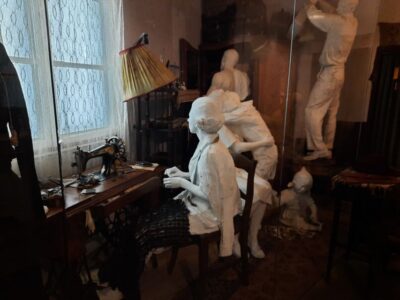
Schindler’s Factory Tour with Entrance Ticket
Read our review →
Schindler’s Factory Tour with Entrance Ticket
Read our review →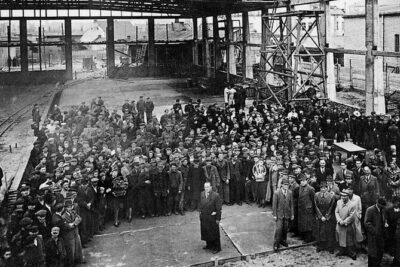
Schindler’s Factory in Krakow: Guided Tour & Skip the Line Ticket
Read our review →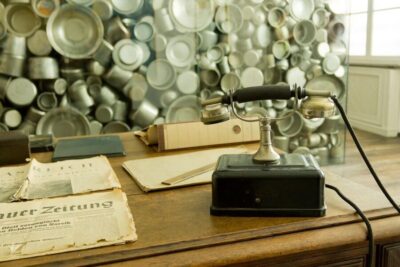
Schindler’s Factory Ticket with Guided Tour Option
Read our review →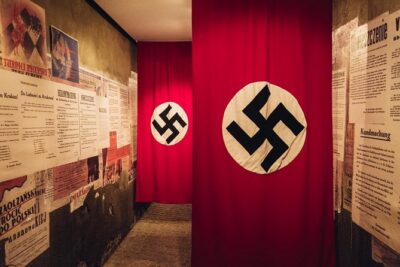
Krakow Schindler’s Factory Guided Tour with Admission Ticket
Read our review →Browse the lists this tour appears in