
Reviewed · SCHINDLER FACTORY TOURS
Krakow: Schindler’s Factory Guided Tour with Ticket
Schindler’s Factory is not simply a museum about one German industrialist. It is a carefully arranged account of Krakow under Nazi occupation, with Oskar Schindler’s story woven into the larger tragedy. You’ll move through scenes of prewar Krakow, invasion, persecution, resistance, and survival before reaching the parts most closely tied to Schindler.
I like the way the guide gives you the missing context behind the displays, and I like that the tour includes Schindler’s original office and accounts from Jewish people he helped. The main consideration is simple: if you expect a full 90 minutes focused on Schindler himself, you may be surprised. Much of the museum concerns the occupation of Krakow as a whole.
Key points to know before you book
- Schindler’s story is only one part: The museum spends more time on occupied Krakow, the Jewish community, Nazi rule, and Polish life during the war.
- The original office is included: You’ll see the room connected directly with Schindler and hear about the people he saved.
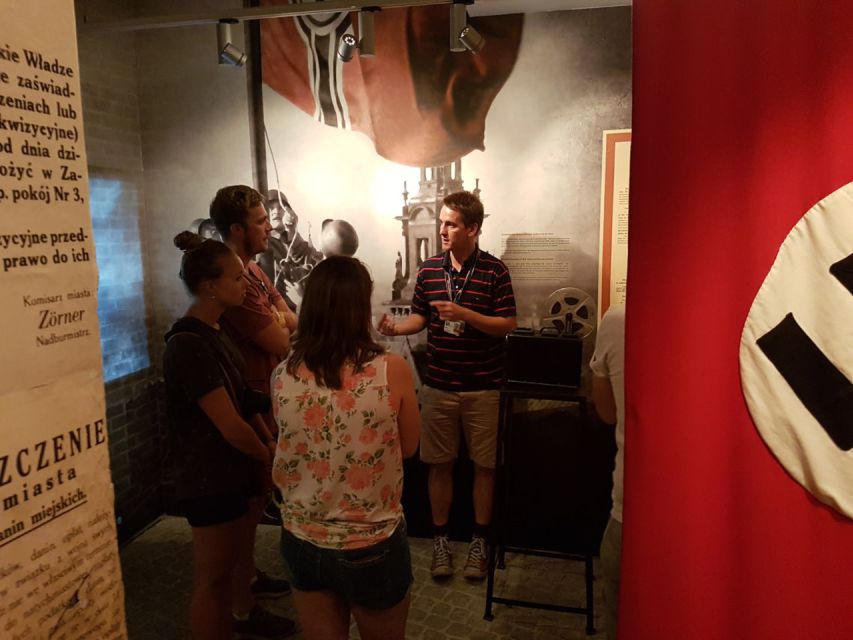
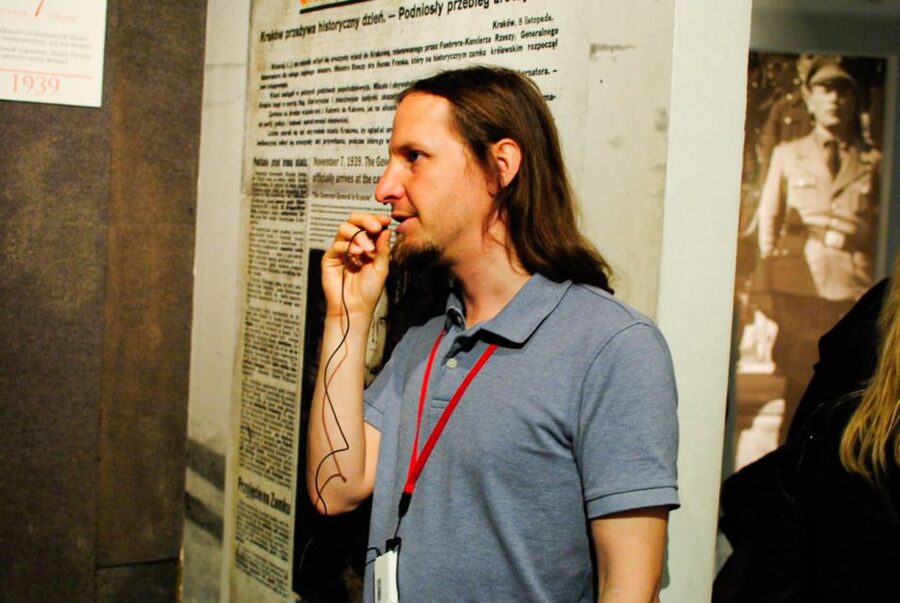
- Guides make the museum easier to follow: Guides including Victoria, Max, Lucy, Ana, and Jacob have been praised for clear explanations and vivid storytelling.
- The tour lasts 90 minutes: That pace helps you see the main rooms without getting bogged down in every display.
- The subject is emotionally heavy: Expect material about executions, persecution, propaganda, and forced displacement.
- Your ticket is included: The price is $46 per person, with English and Spanish tours, free cancellation up to 24 hours ahead, and wheelchair access.
What Schindler’s Factory really tells you
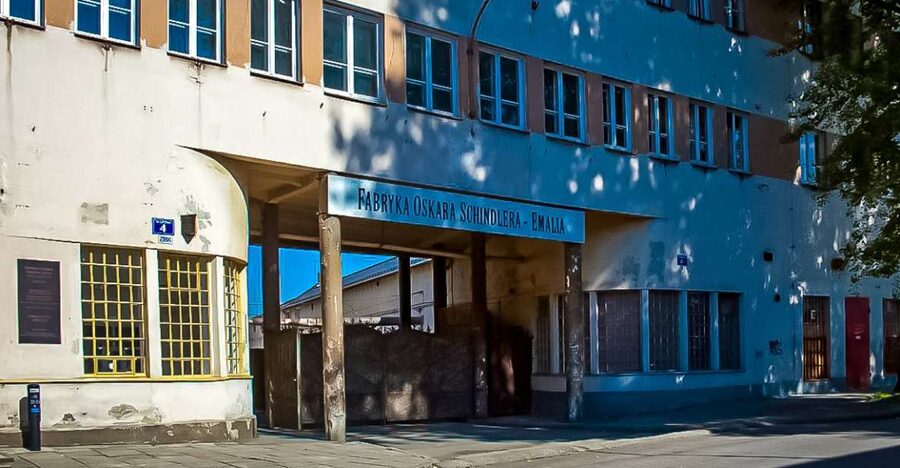
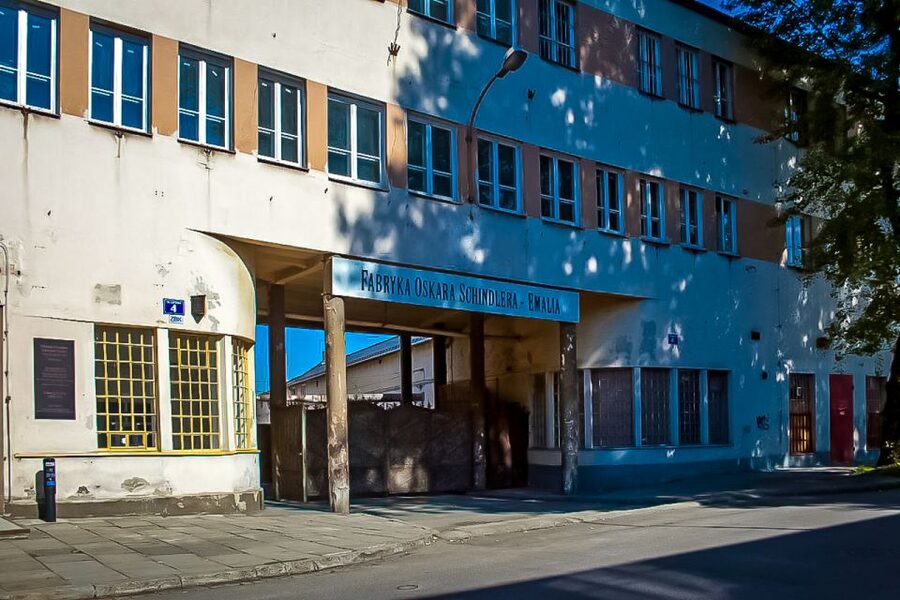
The first thing to understand is that this is a museum of Krakow during World War II, housed in the former enamelware factory associated with Oskar Schindler. It is not a working factory tour, and it is not a film set built around Schindler’s List.
That distinction matters. The museum places Schindler inside a much larger story. You’ll learn about the city before the war, the German invasion, Nazi administration, Jewish persecution, Polish resistance, collaboration, and the complicated choices made by people living under occupation.
Schindler appears as a complicated figure rather than a simple hero. You’ll hear about his prewar business life, his wartime activities, and what happened to him after the war. The tour also leaves room for difficult questions about motive, opportunism, courage, and change.
That wider approach is one of the experience’s strengths. If you already know the film, you’ll gain a fuller picture. If you know little about Krakow’s wartime past, the museum gives you a strong foundation before visiting places such as Auschwitz and Birkenau.
More ways to visit Schindler's Factory:
- Krakow: Oskar Schindler’s Factory Entry Ticket & Guided Tour
★ 4.2 · 3,793 reviews - Krakow: Schindler’s Factory Tour with Entrance Ticket
★ 4.5 · 3,182 reviews - Krakow: Schindler’s Factory Skip-the-Line Ticket
★ 4.4 · 3,105 reviews
Meeting the guide outside the museum
Your guide will be holding a yellow umbrella or a Walkative sign. That makes the meeting point easier to spot, especially around a busy museum entrance.
The experience lasts about 90 minutes. That is long enough for a guided walk through the main parts of the museum, but not long enough to study every photograph, poster, and written panel at your own pace.
I see the time limit as both a benefit and a drawback. A guide keeps the visit moving and helps you focus on the main story. Several guides have been praised for choosing a good pace, answering questions, and avoiding long stops in one room.
On the other hand, the museum contains a great deal of written information. If you want to read every panel carefully, you may need extra time before or after the guided portion, if the museum permits it on the day of your visit. The supplied details confirm the guided visit lasts 90 minutes, but they do not promise additional independent viewing time.
The tour is available in English and Spanish. English-language guides have included Victoria, Max, Lucy, Ana, Jacob, Matthew, Damian, Maciek, and others. The strongest descriptions consistently focus on guides who speak clearly, explain difficult material with care, and make space for questions.
Krakow before the German invasion
The museum begins by helping you picture Krakow before the occupation. This is important because wartime persecution did not happen in an empty setting. Krakow was a living city with Jewish and Polish communities, workplaces, streets, businesses, families, and ordinary routines.
You’ll see how the museum uses photographs, objects, signs, and reconstructions to establish that earlier world. That contrast makes the later rooms more painful. The changes brought by German rule become easier to grasp when you first see what daily life looked like before it was torn apart.
The guide also explains the basic political and military setting. You’ll follow the movement from the 1939 invasion to German control of Krakow and the wider structures imposed on the city.
This opening section may feel less directly connected to Schindler, but it gives the rest of the visit its shape. Without it, Schindler can appear as an isolated savior. With it, you see the system he operated within and the dangers faced by the people around him.
The occupation through reconstructed streets and rooms
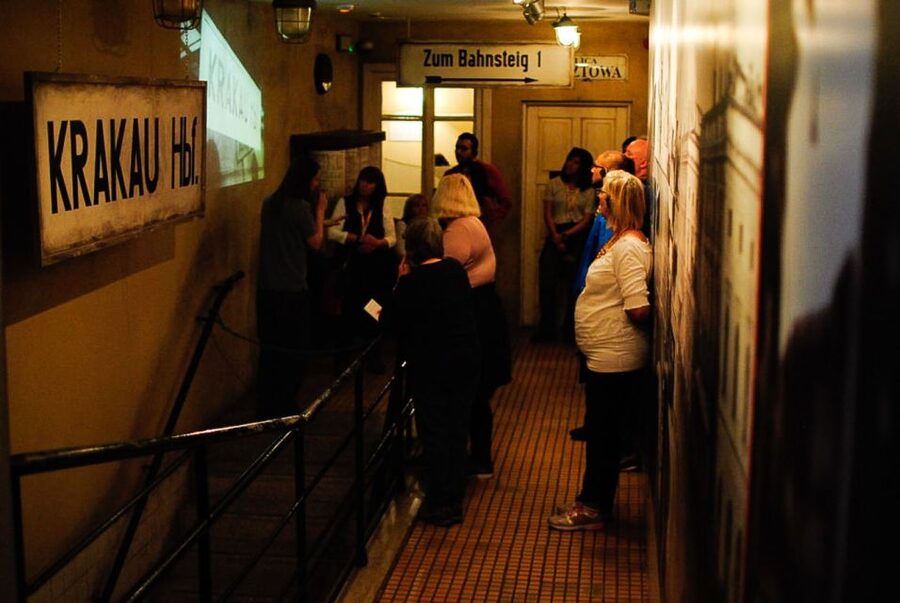
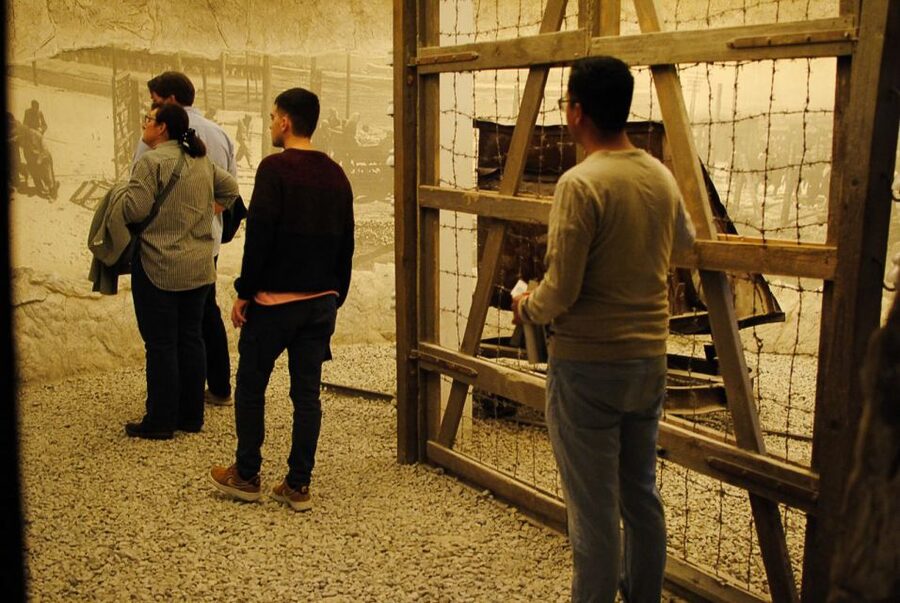
The museum’s reconstructions are designed to place you inside the city’s wartime reality. You may walk through displays representing a 1939 battlefield, Krakow streets, a railway station, public execution sites, and sections of the Jewish ghetto wall.
These scenes are not there simply to decorate the museum. They show how quickly normal public space became controlled space. A street, station, or wall could mark a boundary between safety and danger. A public square could become a place of punishment.
The railway station section is particularly useful for understanding movement under Nazi rule. The museum uses these settings to connect official orders with the physical experience of leaving home, being confined, or being transported.
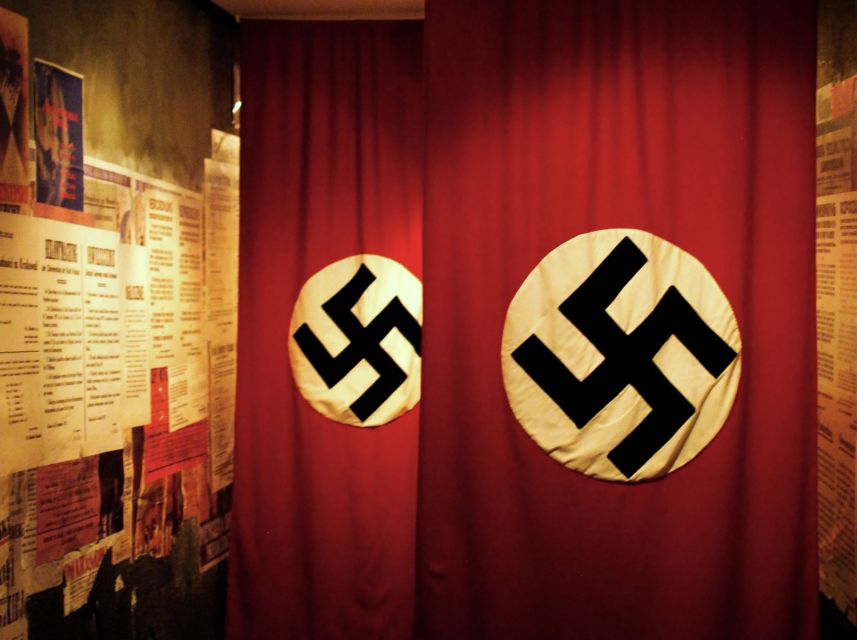
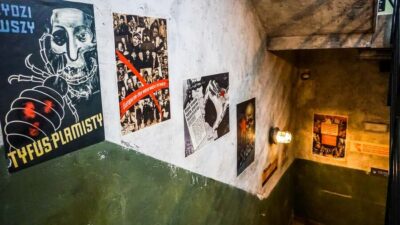
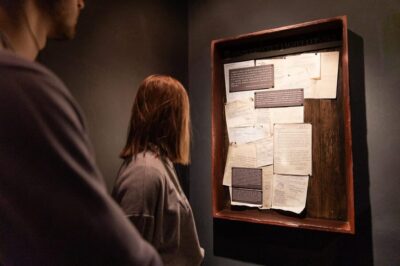
You’ll also encounter Nazi propaganda. One guide described in the tour material took time to explain the meaning behind posters that would otherwise be difficult to understand in translation. This is exactly where a guide earns the fee. You can read a caption on your own, but you may miss the language, symbols, and intent behind the material.
A few more Krakow half-days worth comparing
- Kraków: Evening or Night River Cruise
★ 4.0 · 7,386 reviews - Krakow: City Sightseeing Tour by Electric Golf Cart
★ 4.5 · 3,264 reviews - Krakow: City Sightseeing Tour Eco Electric Buggy Golf Cart
★ 4.7 · 3,143 reviews - Krakow: Chopin Piano Recital at Chopin Concert Hall
★ 4.7 · 2,330 reviews
Jewish life, persecution, and the ghetto wall
A major part of the visit concerns the Jewish population of Krakow. The museum shows how Jewish residents were stripped of rights, pushed out of ordinary life, and confined under Nazi policy.
The Jewish ghetto wall is one of the most direct physical images in the museum. A wall can look like a simple architectural object, but here it represents forced separation, overcrowding, fear, and the destruction of a community’s freedom.
The museum also deals with the wider effects on Polish people. It does not reduce the occupation to one group’s experience alone. The result is a broader account of how Nazi control affected Krakow, while still giving serious attention to the particular persecution of Jews.
You’ll hear about Jewish survivors and the people Schindler helped. These accounts give human weight to the historical structure. They also prevent the visit from becoming only a sequence of dates and political names.
The subject matter is hard. Expect references to executions, forced displacement, collaboration, underground fighters, and the destruction of Jewish life. The guides are expected to handle the material professionally, but this is not a light sightseeing stop. Plan a quiet break afterward rather than scheduling it between a quick lunch and a noisy evening activity.
Oskar Schindler’s office and the man behind the story
Schindler’s original office is one of the most anticipated stops. It gives you a direct link to the factory and to the man whose wartime actions later became widely known.
The tour looks at Schindler before the war, during the occupation, and after 1945. That timeline helps you avoid a polished, one-note portrait. His character is presented as complicated, shaped by ambition, personal risk, relationships, and decisions that helped save Jewish workers.
You’ll hear about the accounts of the people he saved, which shifts the focus away from Schindler alone. The people protected by his actions remain central to the story.
This is also where expectations need managing. Several visitors have found that only a smaller part of the museum focuses specifically on Schindler. If your main goal is to see his office and understand his role, the visit should satisfy you. If you want a museum devoted almost entirely to his personal life, this may feel too broad.
I consider the broader approach worthwhile because it places his actions in context. A heroic story without the surrounding machinery of Nazi rule can become too neat. Here, you see the danger, the choices, and the many other people involved.
Hans Frank, Amon Goeth, resistance, and collaboration
The museum introduces several important figures beyond Schindler. These include Hans Frank, Amon Goeth, underground fighters, collaborators, and people recognized as Righteous Among the Nations.
That range matters. The occupation was not shaped only by famous individuals. It depended on officials, soldiers, informers, resisters, bystanders, and people trying to survive from day to day.
A guide can help you keep these figures straight. The names and roles can blur when you move through a museum quickly, especially when the material is emotionally intense. A good guide connects each person to a clear part of the story instead of making you memorize a list.
The museum also refers to Pope John Paul II in the context of Krakow and its history. This helps connect the wartime story to the city’s later memory and identity, though the visit remains focused on the occupation rather than becoming a general biography of the pope.
Why the guide is worth the extra cost
At $46 per person, this is not the cheapest way to see the museum. The ticket is included, but you are paying a premium for access to a live guide and for a reserved place on a particular time slot.
For me, the value comes from three things: context, pace, and translation.
Context means the guide explains how one room connects to the next. Pace means you do not spend too long on a minor display and then rush through the main sections. Translation means the guide can explain posters, signs, names, and political ideas that may not be immediately clear.
Many guides have been praised for answering questions and adapting to small groups. One group had only four people, while another tour had just two participants. Group size can vary, so you should not assume a private-style visit, but a smaller group is possible.
The guide is not essential if you enjoy reading museums slowly and already know the history. One visitor noted that the museum’s own text tells the story well. Still, if you want to understand the displays in one visit, I think the guide is a sensible use of money.
The price also includes the museum ticket, which removes the need to arrange admission separately. The booking information says the pre-booked ticket is bought directly from the museum on the spot. The company warns that museum delays or other museum-related problems are outside its control, so keep that in mind if your day is tightly scheduled.
How the 90-minute pace feels
Ninety minutes sounds generous until you enter a museum filled with photographs, documents, objects, and written explanations. The guide-led format is designed to show you the key rooms without trying to cover every line of text.
You can expect a fairly steady walk through the exhibits. A strong guide will stop long enough to explain the main point, allow questions, and keep the group moving. Damian was praised for maintaining a suitable pace, while Lucy was noted for allowing time to look closely at objects and take photographs.
That balance is important. A rushed tour can make a difficult subject even harder to follow. A slow tour may leave you feeling that you missed half the museum. The best accounts describe guides who handle this balance well.
The museum can be emotional, and the guide’s tone matters. Several guides have been praised for compassion, empathy, and calm handling of the material. You should expect serious discussion rather than theatrical storytelling.
Practical details that affect your visit
The tour is wheelchair accessible according to the booking information. Hotel pickup and drop-off are not included, so you need to make your own way to the meeting point.
Free cancellation is available up to 24 hours before the activity for a full refund. You can also reserve now and pay later, which is useful if your Krakow plans are still shifting.
Wear comfortable shoes. This is an indoor museum visit, but you will be standing and walking for much of the 90 minutes. Bring your reading glasses if you use them, since the exhibits contain substantial written material.
I would not place this visit immediately after another intense World War II site. It works well as a first introduction to Krakow’s wartime story, especially before Auschwitz and Birkenau. One visitor specifically found it useful preparation for that later trip.
Who should book this guided visit
I would choose this tour if you want a structured introduction to Krakow during the Nazi occupation and prefer hearing the story explained rather than reading every display alone.
It suits first-time visitors, people interested in World War II, and anyone planning to visit Auschwitz and Birkenau. It is also a good choice if museum tickets are difficult to find for your preferred date.
Families with older children may find the visit useful, but the subject is serious and includes persecution and executions. Younger children may not be ready for the material, and the supplied information does not give a recommended minimum age.
History-minded visitors who prefer complete control over their pace may want to visit independently instead. You will have more time to examine each panel, though you will lose the guide’s explanations and the help of someone who can point out details you might otherwise miss.
Should you book Schindler’s Factory with a guide?
Book it if you want the larger story of Krakow under Nazi rule, not just a shrine to Oskar Schindler. The original office, survivor accounts, occupation scenes, and clear historical explanations make the visit worthwhile.
The main warning is the same one worth repeating: Schindler is not the sole subject. Most of the museum concerns the Nazi invasion, Jewish persecution, Polish life, resistance, propaganda, and the machinery of occupation.
At $46, the tour makes the most sense when you value a well-paced explanation and want a ticket included. If you already know the period well and prefer reading alone, you may find the guide less necessary. For most first-time visitors, I would choose the guided option, then allow yourself time afterward to reflect on what you have seen.
FAQ
How long does the Schindler’s Factory guided tour last?
The guided visit lasts 90 minutes.
What does the $46 price include?
The price includes a professional guide and a ticket to Schindler’s Factory Museum.
Is the tour mainly about Oskar Schindler?
No. Schindler’s life and office are included, but much of the museum covers Krakow during Nazi occupation, Jewish persecution, Polish life, resistance, propaganda, and other important figures.
Which languages are available?
The tour is available with a live guide in English or Spanish.
Is the experience wheelchair accessible?
Yes. The activity information lists it as wheelchair accessible.
Where do I meet the guide?
Look for a guide holding a yellow umbrella or a Walkative sign. Hotel pickup and drop-off are not included.
Just added around Krakow
- stag dog chase Krakow prank★ 5.0 · 4 reviews
- Divine Mercy Sanctuary – Private Tour from Krakow★ 5.0 · 4 reviews
- ZALIPIE – painted village, unique small group tour from Krakow★ 5.0 · 7 reviews
- ZALIPIE – painted village, unique PRIVATE tour from Krakow★ 5.0 · 20 reviews
- Zalipie Private Tour from Krakow The Painted Village★ 5.0 · 4 reviews
- Wooden Churches Unesco List Private Tour from Krakow★ 5.0 · 14 reviews
- Guided tour to Salt Mine & Schindler Factory with Pick-Up Options★ 4.0 · 58 reviews
- Wawel Castle, Cathedral, & Rynek Underground Tour with Lunch★ 5.0 · 4 reviews
Schindler Factory Tours, compared.
Oskar Schindler’s Factory Entry Ticket & Guided Tour
Read our review →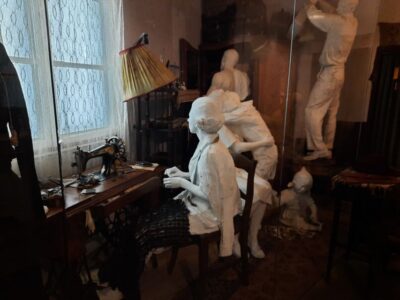
Schindler’s Factory Tour with Entrance Ticket
Read our review →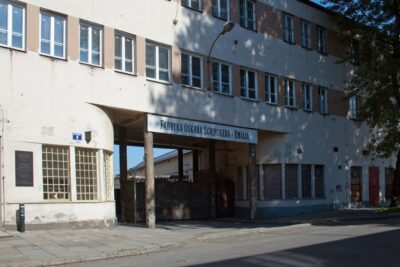
Schindler’s Factory Tour with Entrance Ticket
Read our review →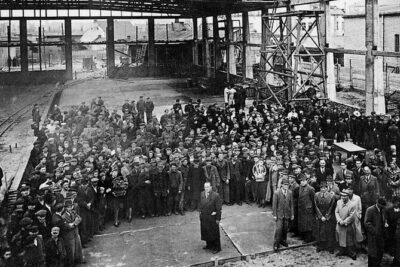
Schindler’s Factory in Krakow: Guided Tour & Skip the Line Ticket
Read our review →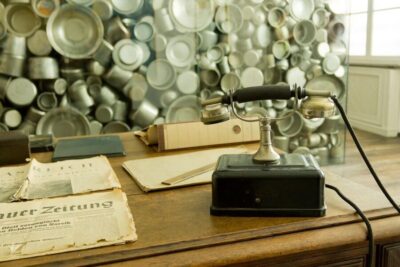
Schindler’s Factory Ticket with Guided Tour Option
Read our review →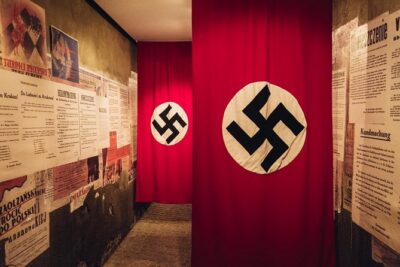
Krakow Schindler’s Factory Guided Tour with Admission Ticket
Read our review →Browse the lists this tour appears in