
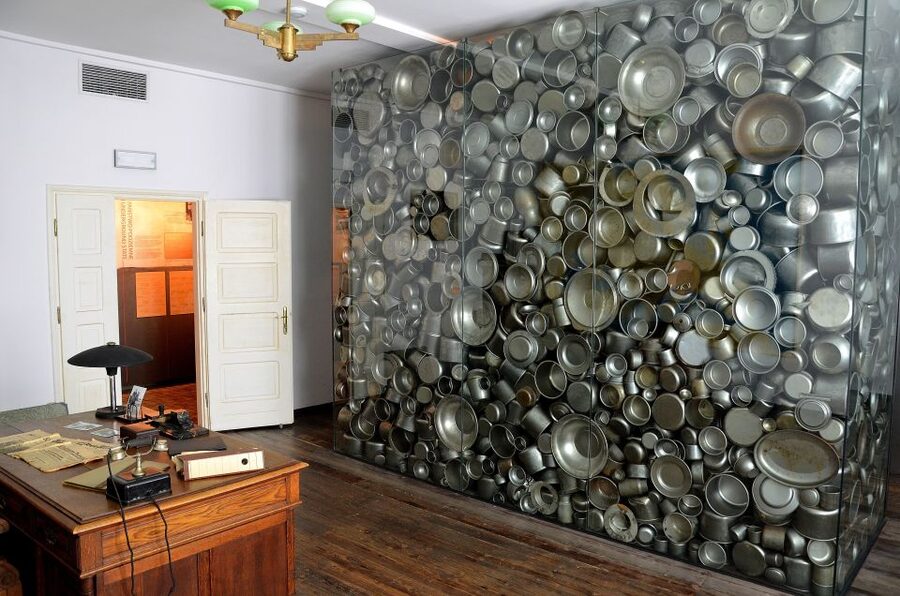
Reviewed · SCHINDLER FACTORY TOURS
Krakow: Schindler’s Factory Museum Guided Tour
Oskar Schindler’s former enamel factory tells a much bigger story than the film that made his name famous. Inside the museum, you’ll learn about Schindler’s effort to save more than 1,000 Jews, but you’ll also see how Krakow changed under Nazi rule and what daily life became for its Jewish population. I like the interactive displays and the way a local guide gives the objects a clear human context. I also like the included skip-the-line entry, since it keeps a short visit moving.
The main drawback is pace. Ninety minutes gives you a useful overview, but the museum is packed into tight rooms with plenty to see. A group of around 15 can make it hard to view every exhibit, and background sounds from some displays may compete with the guide’s headset.
Key points
- The original factory at Lipowa 4: Visit the actual enamel factory connected with Oskar Schindler in Krakow’s Zablocie district.
- More than Schindler’s story: Learn about the wartime city, Jewish residents, Nazi officials, and the people Schindler helped protect.
- A fast, focused 90-minute visit: The guide supplies the broad story, but you will not study every display in detail.
- Interactive museum rooms: Photographs, objects, and hands-on exhibits create a close-up picture of wartime Krakow.
- Headsets included: You can hear the English-speaking guide, though narrow rooms and exhibit sound can still make listening difficult.
- Easy tram access: The nearest stops are Zablocie and Plac Bohaterów Ghetta, with no dedicated museum car park.
Why Schindler’s Factory Matters Beyond the Film
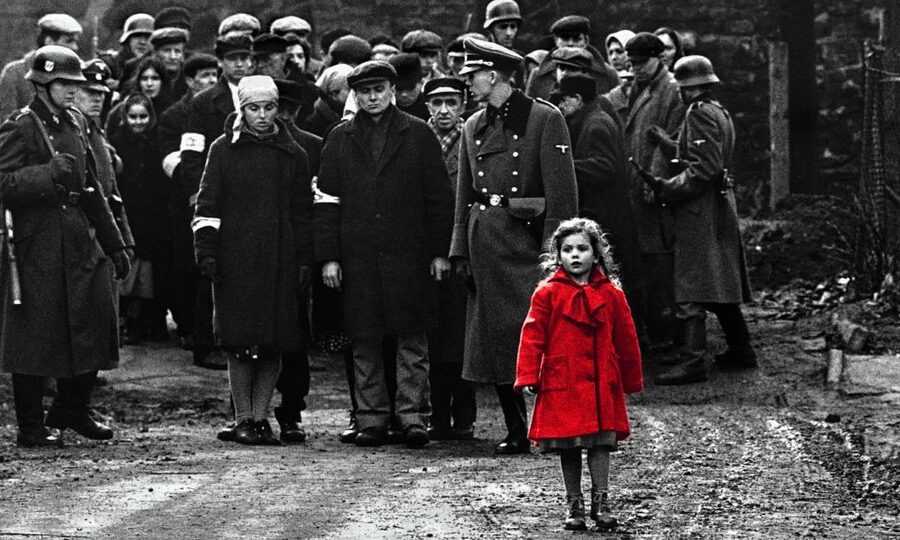
If you know the 1993 film Schindler’s List, you may arrive expecting a museum mainly about Oskar Schindler. His story is here, and it matters, but the museum’s subject is broader. You’ll also follow Krakow through the Second World War, including the treatment of Jewish residents, Nazi administration, and the pressure placed on ordinary people.
That wider focus is one of the best reasons to book a guided visit. A film gives you a dramatic central character. The museum gives you a city, a population, and a set of decisions made under terrible conditions. Your guide helps connect the photographs and objects to that larger picture instead of leaving you to guess what each display means.
Schindler’s factory became a place where Jewish workers were employed, and his actions helped save more than 1,000 people. The museum pays tribute to that effort without reducing the whole period to one heroic biography. You’ll hear about saved Jews as well as Nazi officers and the machinery of occupation.
I would choose this visit even if you have not seen the film. The movie connection may draw you in, but the museum still works as an introduction to Krakow during wartime.
More Museum Tours in Krakow
- Krakow: Rynek Underground Museum Guided Tour
★ 4.6 · 1,122 reviews - Krakow Schindler’s Factory Museum Guided Tour in English
★ 4.5 · 650 reviews - Museum of illusions Entry Ticket
★ 4.5 · 521 reviews
Meeting at Lipowa 4 in Zablocie

The tour begins outside the factory at Lipowa 4, in the Zablocie district. This is useful to know because Schindler’s Factory is not in Krakow’s central Old Town, and you should allow time to reach the meeting point.
The nearest tram stops are Zablocie and Plac Bohaterów Ghetta. If you arrive by car, there is no dedicated museum car park, although you can look for parking on surrounding streets. Public transport is likely the simpler choice if you are already staying in central Krakow.
At the entrance, you meet your English-speaking local guide. Entrance fees, skip-the-line access, and headsets are included, so you do not need to sort out a separate museum ticket before joining the group.
The skip-the-line feature is practical rather than glamorous. Your visit lasts only 90 minutes, so avoiding a ticket queue protects time inside the museum. Still, follow the meeting instructions carefully. One reported problem with this type of visit was a last-minute time change and confusion about where the guide would be waiting. Check the confirmed start time before setting out.
Inside the Original Enamel Factory
The building itself gives the visit its strongest sense of place. You are not simply entering a new gallery built around a wartime subject. You are visiting the former enamel factory associated with Schindler, where Jewish workers were employed during the war.
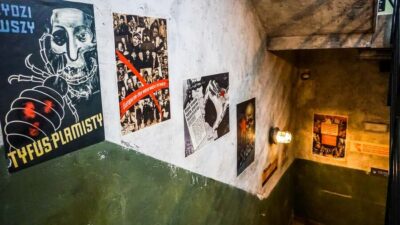
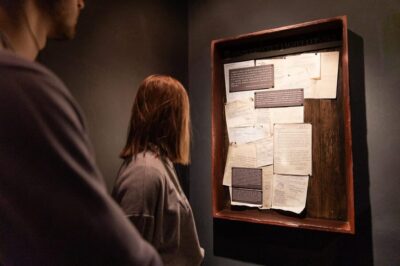
The museum uses the building to recreate the atmosphere of wartime Krakow. Expect photographs, historical objects, and interactive displays rather than a quiet room of framed labels. Some exhibits use sound and other hands-on elements, which can make the period feel immediate.
That approach has a clear benefit: you get a sense of how political decisions reached into streets, workplaces, homes, and families. The possible cost is noise. Background sounds from certain displays can make it harder to catch every sentence from the guide, especially when several people are gathered in one room.
The exhibition halls are wheelchair accessible, and most displays are interactive. If you use a wheelchair, the museum itself is designed to accommodate you, though the tight layout may still require patience when groups gather near an exhibit.
The 90-Minute Route Through Wartime Krakow
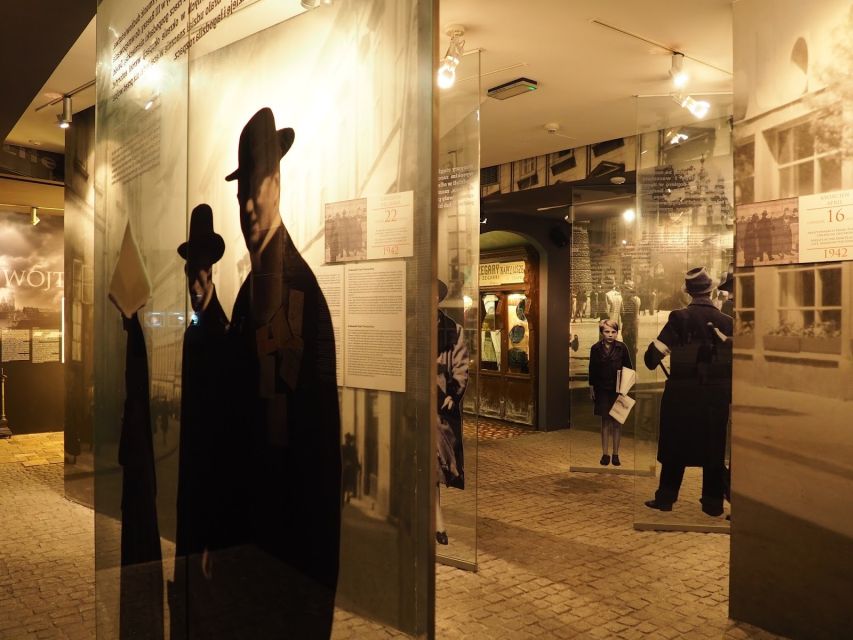
Your guide introduces Oskar Schindler and sets out the wartime story of Krakow. This opening matters because Schindler’s actions make more sense when you understand the political and social conditions around him.
You then move through the museum’s presentation of the city during the war. Photographs and objects help show how Krakow’s Jewish community was affected. The story also includes Nazi officers and the systems they used, so you are not given only a personal tale of rescue. You are shown the wider forces that made rescue so difficult.
The interactive rooms are worth your attention, but the tour’s timing means you need to keep moving. A guide can point you toward the most important material, explain unfamiliar references, and prevent you from losing the thread. The tradeoff is that you may have only a short moment with an individual photograph or object before the group continues.
I like this format for a first visit. If you tried to read every label alone, you could spend much longer working out the basic sequence of events. The guide gives you a framework first, then lets you see where you would like to spend more time.
More ways to visit Schindler's Factory:
- Krakow: Oskar Schindler’s Factory Entry Ticket & Guided Tour
★ 4.2 · 3,793 reviews - Krakow: Schindler’s Factory Tour with Entrance Ticket
★ 4.5 · 3,182 reviews - Krakow: Schindler’s Factory Skip-the-Line Ticket
★ 4.4 · 3,105 reviews - Krakow: Schindler’s Factory Tour with Entrance Ticket
★ 4.6 · 1,737 reviews
What You Learn About Oskar Schindler
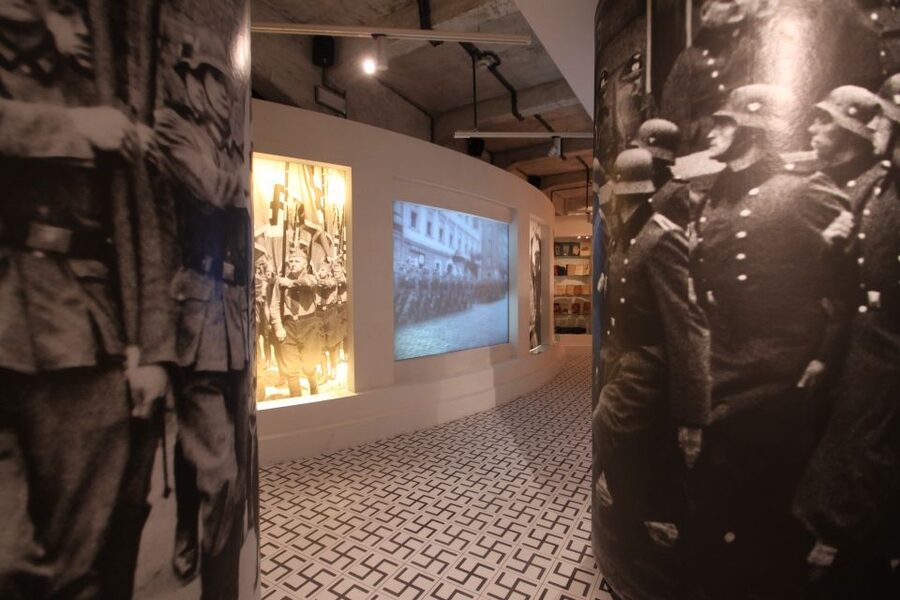
Schindler is the emotional center of the visit, but not the whole subject. You’ll hear how his factory became connected with the survival of more than 1,000 Jewish people. That part of the story is the reason many people first seek out the museum.
You should adjust your expectations if you are looking for a room-by-room biography of Schindler. The museum gives you important background, but the visit is not solely devoted to his private life or to scenes from the film. One useful way to think of it is this: Schindler provides the entry point, while wartime Krakow provides the full subject.
That balance is historically useful. It prevents the period from becoming only a story about one man’s choices. You also see the people he helped, the Jewish community affected by Nazi policy, and the officers and institutions that shaped daily life.
If Schindler is your only reason for coming, you may find that his personal story occupies less space than expected. If you want to understand the city in which his factory operated, the broader focus is a strength.
Why the Guide Makes a Difference
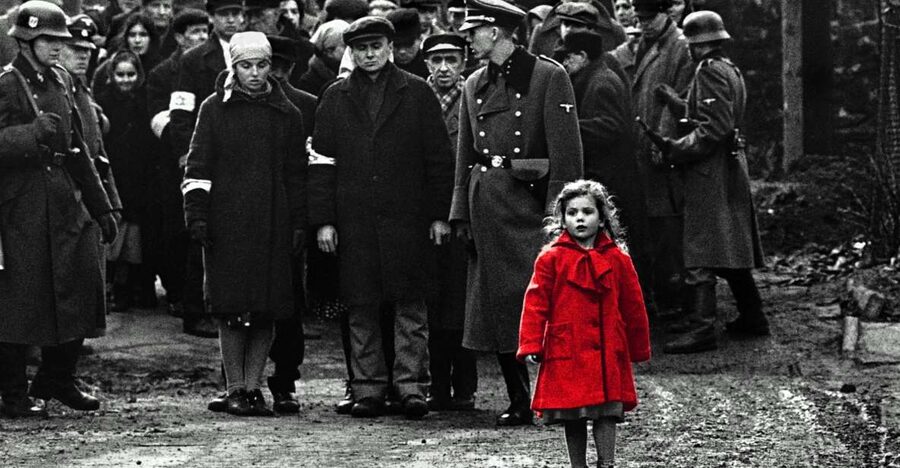
The guide’s main job is interpretation. Historical photographs can show you what happened, but they cannot always explain who the people were, how the city changed, or why a particular object matters.
A good guide also keeps the group moving through narrow rooms. One guide received particular praise for staying connected with the group and explaining the material clearly despite the tight spaces. That is not a small skill here. The museum’s internal layout can make it difficult for everyone to stand directly beside the object under discussion.
The headset helps, especially when you are not standing right next to the guide. Still, you may not hear perfectly at every point. A headset covering both ears would help in rooms with loud exhibit sounds, but you should also position yourself where you can see the display the guide is describing.
The tour can feel fast. That is partly a limitation of the 90-minute format, not necessarily a flaw in the guide. One guide was praised for explaining a great deal in a short time, but the same pace left little time to explore every interactive feature.
My practical advice is simple: listen first, photograph or inspect second. If you stop at every display while the group moves on, you may miss the explanation that ties the room together.
Tight Rooms, Large Groups, and Listening Comfort
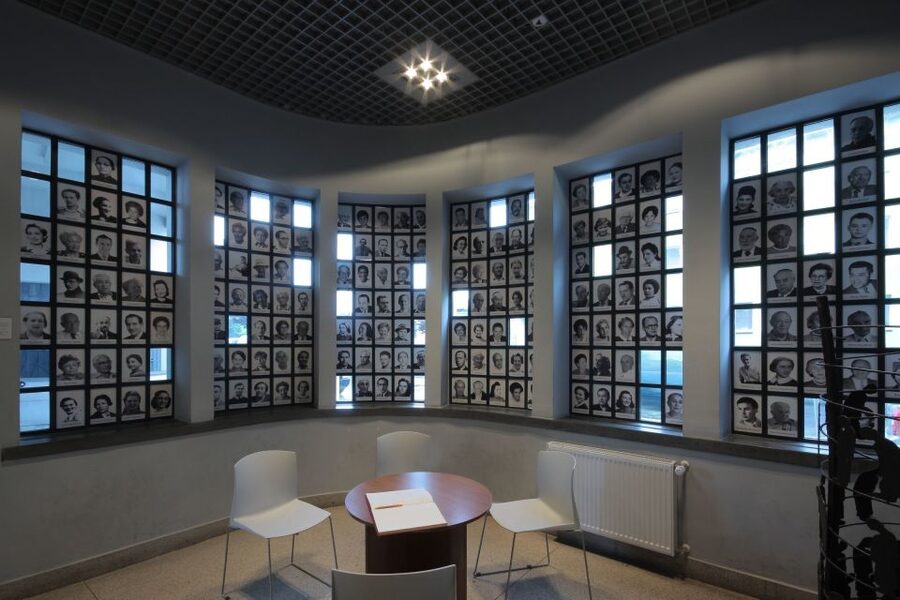
The museum’s compact layout affects the visit more than the headline description suggests. Narrow spaces can become crowded when a group stops, and individual visitors may pass through while your guide is speaking.
This matters most if you want an unhurried museum visit. A group of 15 can make it difficult for everyone to see the same exhibit at once. Headsets help you hear the guide, but they cannot give you a clear view if you are standing behind several people.
Try to stay near the guide without blocking other people. If you have trouble hearing, move closer at the next natural pause rather than trying to follow from the back of the group.
The tight rooms are also part of what makes the visit feel immediate. You are moving through a working factory converted into a museum, not a huge modern hall with wide empty aisles. That physical limitation is worth accepting if you value the building and the subject, but it is a reason to avoid booking this as your only museum visit in Krakow.
Is $45 a Fair Price?
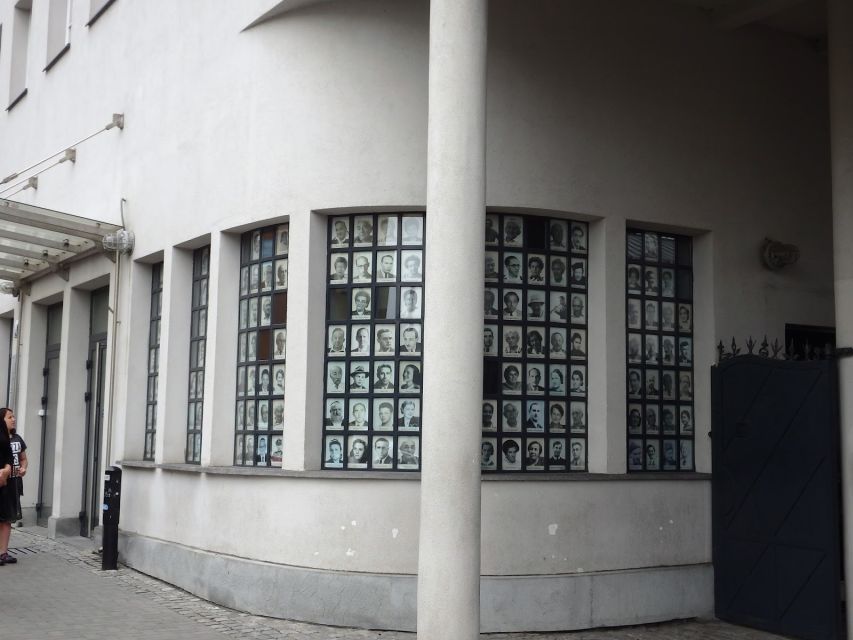
At $45 per person, this is not the cheapest way to see a Krakow museum. The value depends on what you want from the visit.
You are paying for the entrance fee, an English-speaking professional guide, skip-the-line access, and a headset. If you prefer to arrive, read at your own pace, and spend as long as you like with each display, a self-guided visit may suit you better if that option is available for your date.
The guided price makes more sense if you have limited time or want help with the historical sequence. The museum covers a difficult period with many names, groups, and political changes. A guide can give you the structure in 90 minutes, which may be worth the extra cost for a first visit.
I would call it fair value for a focused introduction, not a complete study of the museum. You will see a selection of material and gain the main story. You will not have time to absorb every interactive display, read every label, or pause at every photograph.
For a couple or family building a busy Krakow schedule, the short format is convenient. For history students or visitors who like slow museum visits, the time limit may feel restrictive.
Who Should Book This Visit?
I would recommend this tour if you want:
- A guided introduction to Krakow during the Second World War
- The historical setting behind Oskar Schindler’s story
- An English-language visit with a local guide
- A short museum stop that fits into a full day
- Help understanding photographs, objects, and interactive displays
- Skip-the-line access and a confirmed entrance arrangement
You may want a different format if you dislike groups, need a very quiet museum, or prefer to study each exhibit at your own speed. The museum can be crowded in its narrow rooms, and 90 minutes is not enough for every detail.
The visit is also suitable for wheelchair users because the exhibition halls are accessible. Pets are not allowed.
Practical Tips for a Better Visit
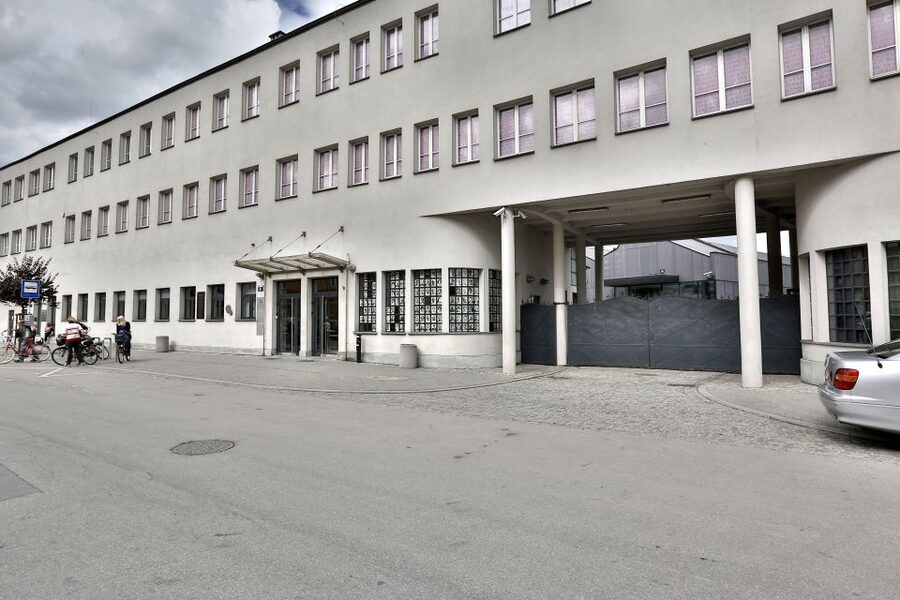
Check the starting time before leaving your hotel, especially if the tour schedule changes. Meet at the factory entrance at Lipowa 4, rather than assuming the guide will find you elsewhere in the district.
Use the tram stops at Zablocie or Plac Bohaterów Ghetta as your main navigation points. If you drive, look for street parking around the museum, since there is no dedicated car park.
Keep your headset on and stay close enough to see the exhibits being discussed. If sound from an interactive display makes listening difficult, tell the guide or shift position when the group stops.
Do not expect to inspect every room in detail. Treat this as a guided first look. If the subject grips you, a slower individual visit may be useful later, provided separate admission is available.
Book this tour if you want the museum’s main story explained clearly and efficiently, and if Schindler’s connection to Krakow interests you. At $45, you are paying for context and time saved, not for a leisurely, label-by-label museum visit.
If you mainly want a detailed biography of Oskar Schindler, adjust your expectations. His story is important here, but the museum also examines the wider wartime experience of Krakow. For most first-time visitors, that broader focus is exactly what makes the 90-minute guided visit worthwhile.
FAQ
Where does the tour begin?
The tour begins at the entrance to Schindler’s Factory at Lipowa 4 in Krakow’s Zablocie district.
How long does the tour last?
The guided visit lasts 1.5 hours, or 90 minutes.
What language is the tour conducted in?
The live tour guide speaks English.
What does the $45 price include?
The price includes entrance fees, a professional local guide, skip-the-line access, and headsets to hear the guide clearly.
Is food or drink included?
No. Food and drinks are not included.
Is hotel pickup included?
No. Hotel pickup and drop-off are not included.
Is the museum wheelchair accessible?
Yes. The exhibition halls at Schindler’s Factory are wheelchair accessible.
How can I reach the museum by public transport?
The nearest tram stops are Zablocie and Plac Bohaterów Ghetta.
Is parking available at the museum?
There is no dedicated museum car park, but you can park on surrounding streets.
Can I cancel the booking?
Yes. You can cancel up to 24 hours in advance for a full refund. You can also reserve now and pay later.
Just added around Krakow
- stag dog chase Krakow prank★ 5.0 · 4 reviews
- Divine Mercy Sanctuary – Private Tour from Krakow★ 5.0 · 4 reviews
- ZALIPIE – painted village, unique small group tour from Krakow★ 5.0 · 7 reviews
- ZALIPIE – painted village, unique PRIVATE tour from Krakow★ 5.0 · 20 reviews
- Zalipie Private Tour from Krakow The Painted Village★ 5.0 · 4 reviews
- Wooden Churches Unesco List Private Tour from Krakow★ 5.0 · 14 reviews
- Guided tour to Salt Mine & Schindler Factory with Pick-Up Options★ 4.0 · 58 reviews
- Wawel Castle, Cathedral, & Rynek Underground Tour with Lunch★ 5.0 · 4 reviews
Schindler Factory Tours, compared.
Oskar Schindler’s Factory Entry Ticket & Guided Tour
Read our review →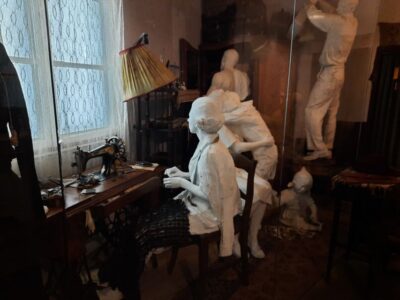
Schindler’s Factory Tour with Entrance Ticket
Read our review →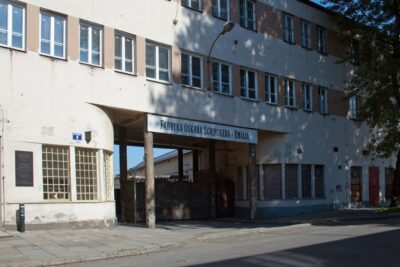
Schindler’s Factory Tour with Entrance Ticket
Read our review →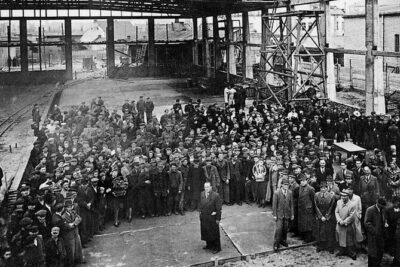
Schindler’s Factory in Krakow: Guided Tour & Skip the Line Ticket
Read our review →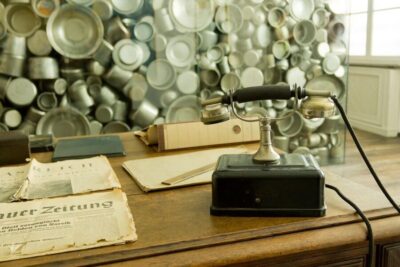
Schindler’s Factory Ticket with Guided Tour Option
Read our review →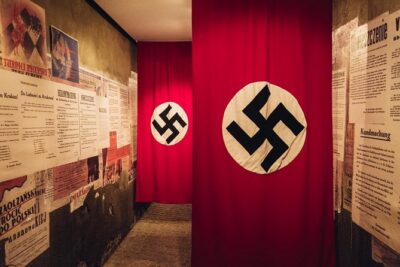
Krakow Schindler’s Factory Guided Tour with Admission Ticket
Read our review →Browse the lists this tour appears in