
Reviewed · SCHINDLER FACTORY TOURS
Schindler’s Factory Museum Guided Tour – Krakow
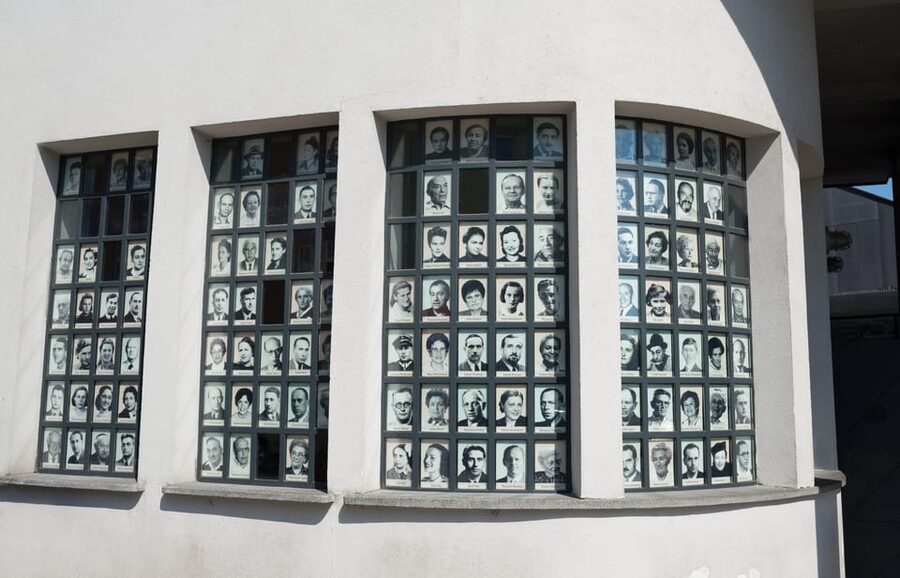
The most powerful part of this 90-minute visit is that it tells Krakow’s World War II story through ordinary lives. You move past photographs, newspapers, documents, household objects, and staged rooms before reaching the former office of Oskar Schindler, whose factory saved more than 1,000 Krakow Jews. I like the city-wide view of the war and the way the museum gives space to Polish, Jewish, and German experiences. I also like the live guide, who adds the facts and links between displays that you could easily miss alone.
The main drawback is time. This is a group tour, and 90 minutes is not enough to study every room at a thoughtful pace. You will gain a strong guided introduction, but visitors who read every panel or want a quiet museum visit should plan to return independently if possible.
Key points to know before you book
- The museum covers Krakow from 1939 to 1945, not just Oskar Schindler and his factory.
- The route uses objects, film, photographs, documents, and recreated spaces to show daily life under occupation.
- Schindler’s preserved office is a major stop, including a symbolic ark made from thousands of pots.
- The ghetto and Płaszów sections are emotionally heavy, with a focus on people caught in the city’s wartime system.
- The 90-minute group format gives you context quickly, but leaves little time for close reading.
- Your ticket includes museum admission, and guides speak English, French, German, Italian, or Spanish.
Why this museum tells more than Schindler’s personal story
Many people arrive expecting a museum mainly about the German factory owner portrayed in the 1993 film Schindler’s List. Oskar Schindler is here, but the museum’s subject is much larger: the fate of Krakow and its inhabitants during World War II.
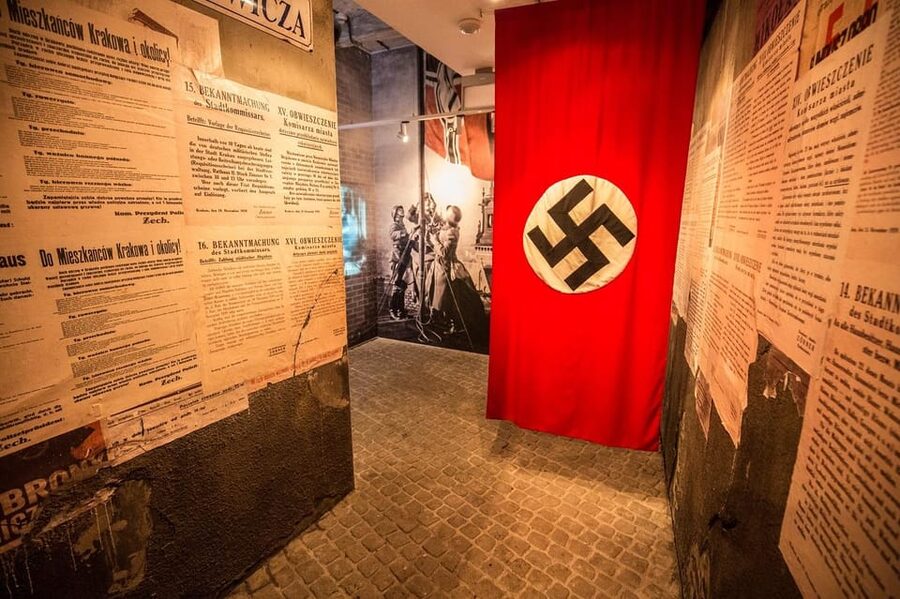
That wider focus is important. Schindler’s actions were extraordinary, yet they make sense only when you understand the city around him. The exhibition follows occupied Krakow through official rules, fear, forced separation, work, hunger, displacement, and murder. It also shows how the war changed daily routines for people who had once shared the same streets.
I like this approach because it avoids turning the whole visit into a simple hero story. Schindler’s office and factory are central, but they appear as one part of a complicated period. You learn about the man who saved more than 1,000 Krakow Jews while also seeing the people who had to survive the occupation, ghetto, and camp system.
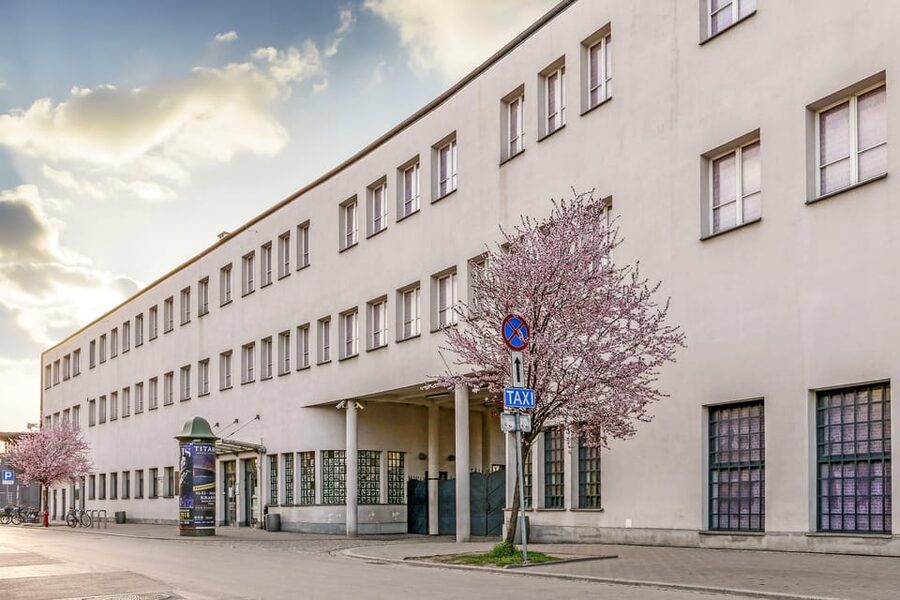
The former enamel factory gives the subject a strong setting. You are not in a detached gallery built only for modern display. You are visiting the administrative building where Schindler worked, and that link between place and subject gives the museum extra force.
More Museum Tours in Krakow
- Krakow: Rynek Underground Museum Guided Tour
★ 4.6 · 1,122 reviews - Krakow Schindler’s Factory Museum Guided Tour in English
★ 4.5 · 650 reviews - Museum of illusions Entry Ticket
★ 4.5 · 521 reviews
Beginning with occupied Krakow and its ordinary objects
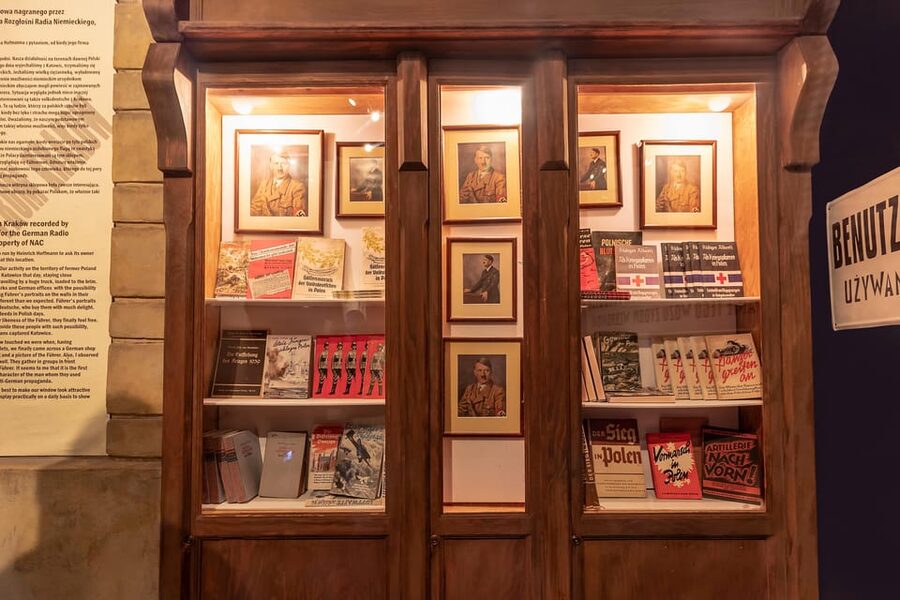
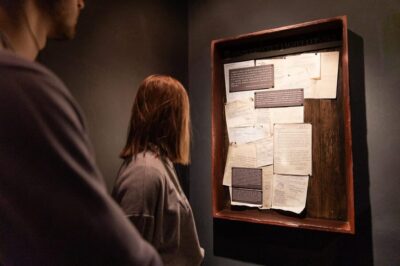
The exhibition uses familiar things to explain an unfamiliar world. Photographs, newspapers, personal papers, official documents, and household objects show how war entered daily life.
This is one of the best reasons to take the guided tour. A display of an object may tell you what it is, but a guide can explain who used it, what rules surrounded it, and how it fits into the changing city. Several people have found the guide’s explanation of Krakow from 1939 to 1945 especially useful. That broad chronology helps you understand the rooms instead of treating them as separate dramatic scenes.
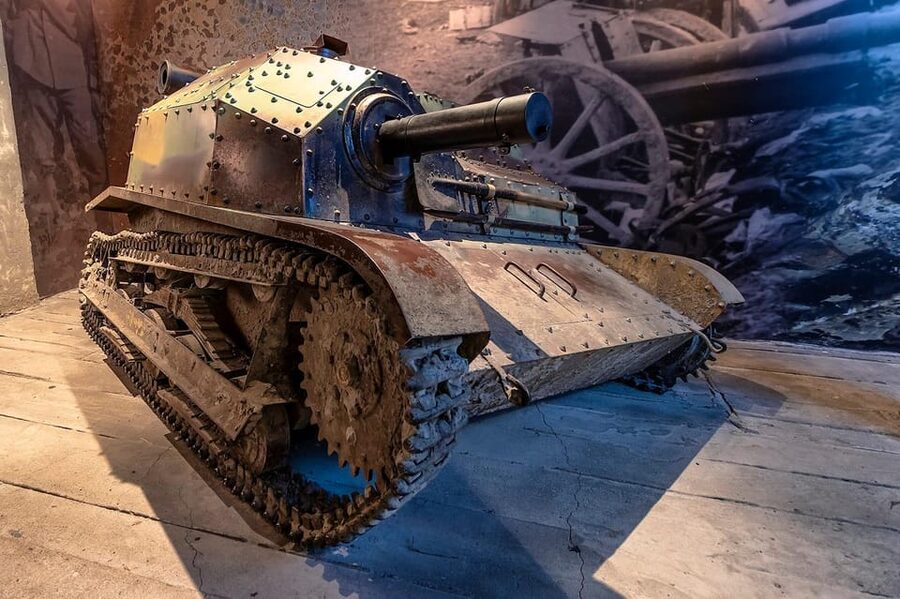
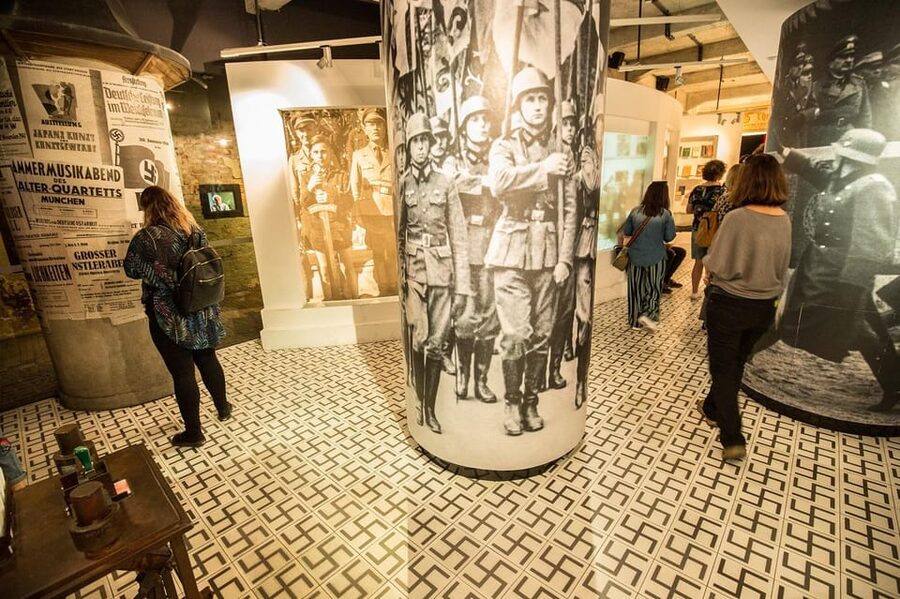
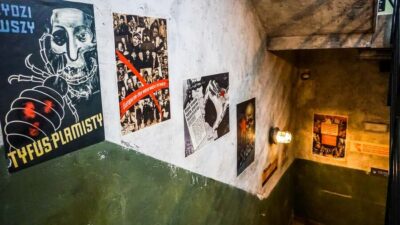
You can expect the route to move from the city before and during occupation into more specific spaces connected with Jewish life and persecution. The museum uses multimedia treatments and preserved artifacts to create an atmosphere of the period. You might see a photograph, hear part of the city’s story through film, or enter a room designed to suggest the pressure of life under occupation.
The exhibition is not only about major political decisions. It asks you to think about how war affected work, movement, identity, family life, and access to basic needs. That makes the museum valuable for anyone who wants more than a short biography of Schindler.
A tram ride through Krakow’s wartime story
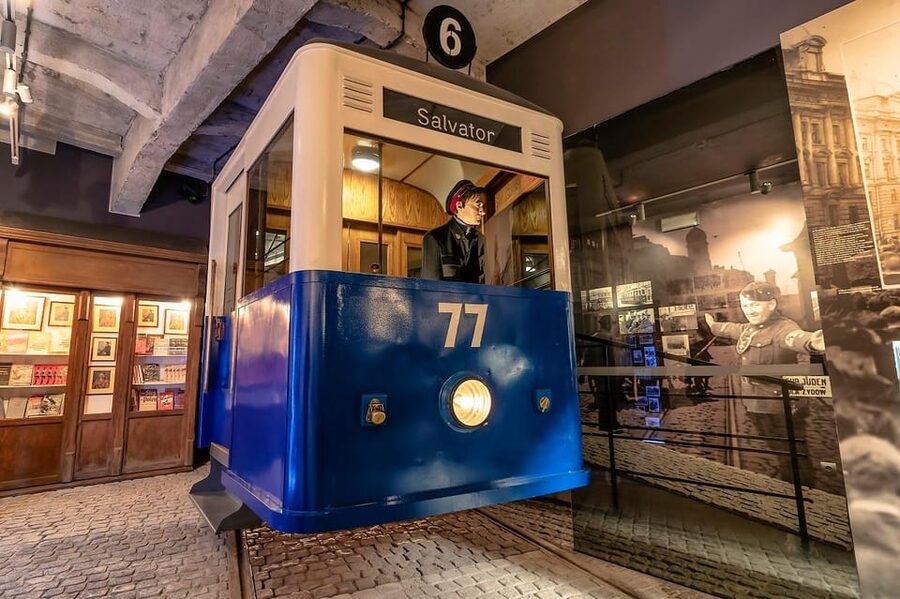
One of the more unusual parts of the route is a tram installation. Through the tram windows, you watch film showing the city’s life.
It is a smart museum choice. Krakow’s wartime story is tied to streets, neighborhoods, and movement through the city. A tram gives you the feeling of seeing Krakow from inside public transport, while the film connects the urban setting to the people who lived there.
You should not expect a long ride or a separate transport excursion. This is part of the exhibition, not a trip across Krakow. Its value is visual and emotional: it helps turn a historical timeline into a city you can picture.
The tram also adds a change of pace. After rooms filled with documents and objects, the moving images give you a sense of streets and public life. Your guide can help explain what you are seeing and why the city itself matters to the story.
Entering the ghetto through a tight and unsettling route
The ghetto section is among the most difficult parts of the museum. The route takes you through a tight labyrinth and into a Jewish apartment located within the display.
This setting is designed to make the loss of space clear. The ghetto was not only a legal category or a place marked on a map. It affected where people could live, how they moved, who they saw, and how much privacy they had. A cramped apartment makes that pressure easier to grasp than a paragraph of text.
You will also find that the ghetto section asks you to focus on individuals rather than only numbers. Personal documents and ordinary belongings help show that the people described here had homes, jobs, families, and routines before persecution narrowed their lives.
The cramped layout may be uncomfortable, particularly in a group. You may need to keep moving as the guide manages the tour, and there may not be much time to stand quietly with each item. Still, the close route serves a clear purpose. It makes the physical limits of ghetto life part of the experience.
More ways to visit Schindler's Factory:
- Krakow: Oskar Schindler’s Factory Entry Ticket & Guided Tour
★ 4.2 · 3,793 reviews - Krakow: Schindler’s Factory Tour with Entrance Ticket
★ 4.5 · 3,182 reviews - Krakow: Schindler’s Factory Skip-the-Line Ticket
★ 4.4 · 3,105 reviews - Krakow: Schindler’s Factory Tour with Entrance Ticket
★ 4.6 · 1,737 reviews
From the ghetto to Płaszów camp
The route then carries the story toward Płaszów, the camp linked to the next stage of persecution. The change from apartment and neighborhood life to camp life is deliberately stark.
This section is emotionally serious, and you should not treat the museum as a light sightseeing stop. The exhibition presents the camp as part of a system that had already stripped people of homes, rights, and safety. The guide’s role matters here because the displays need careful context. Without explanation, it can be hard to see how the different stages connect.
The museum does not place all its weight on shock. It also shows the gradual way in which occupation shaped the city. That is why the earlier rooms matter. By the time you reach Płaszów, you have seen how rules, separation, and forced work changed the lives of Krakow’s inhabitants.
If you have limited time in Krakow, this section gives you a compact introduction to a major part of the city’s wartime past. If you already know the subject well, you may want extra time afterward to think through what you have seen.
Oskar Schindler’s office and the ark of survivors
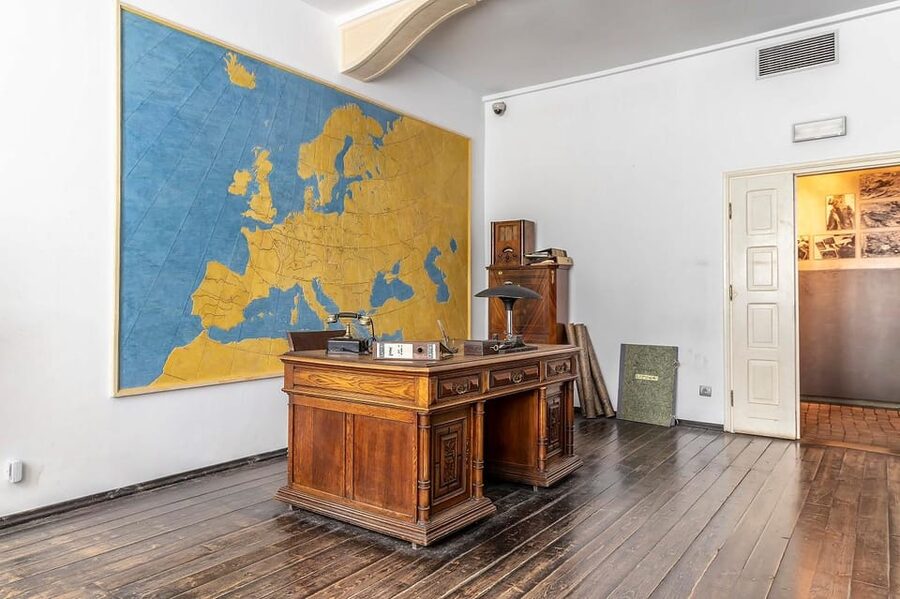
Schindler’s office is the museum’s most direct link to the factory owner known around the world. The room was preserved in the factory’s administrative building, and it gives the visit a tangible connection to his wartime work.
The office is not presented as proof that one person explains the whole period. Instead, it recalls Schindler’s actions within the larger story of Krakow. He was a complicated figure, and the museum’s strength is that it does not turn every part of the tour into a simple tribute.
A striking feature is the symbolic ark of survivors, made from thousands of pots resembling those produced by the factory’s workers during the war. The pots refer to industrial work, but the ark also points toward the people whose lives were protected through Schindler’s efforts.
This is likely to be the point you recognize most readily if you have seen the film. Even so, the real office and factory setting offer something the film cannot: a physical link to the place itself. The experience is strongest when you treat the office as a stopping point in the city’s story, rather than the final answer to it.
What the guide adds in 90 minutes
The guide is the main reason to choose this option over entering alone. A good guide can keep the chronology clear, explain unfamiliar documents, and point out how the rooms fit together.
The strongest comments about this tour focus on the guide’s ability to explain Krakow between 1939 and 1945. That is the exact service you need here. The museum contains a lot of material, and the story moves across several groups and locations. Without help, you could spend too long on one display and miss the larger sequence.
The tour is offered in English, French, German, Italian, and Spanish. The specific guide’s name is not provided when booking, so you should choose based on the language you need rather than expecting a particular person.
Keep your expectations realistic. This is a group tour, not a private museum lesson. One guide has to keep several people together, and that means the pace can feel quick when the content is dense. You may receive useful context that you would not find on your own, but you will not have time to read every panel in detail.
I would use the guided visit as an introduction. If a particular room or subject catches your attention, note it and return to that area later, if the museum schedule allows.
Is $50 a fair price?
At $50 per person, this is not the cheapest museum entry in Krakow. The price includes both admission and a professional live guide, so you are paying for interpretation as well as access.
The value depends on your habits. If you enjoy reading every caption slowly and already know the history, buying an admission ticket and exploring independently may suit you better. If you want the main story explained in a clear order, the guide can make the extra cost worthwhile.
The 90-minute length also affects the value. You are not paying for a full-day experience, transport around the city, or a private tour. You are paying for a focused museum visit that helps you understand a difficult subject in a short window.
I consider the price reasonable for first-time visitors who want context and have limited time in Krakow. It is less appealing for anyone who dislikes group pacing or wants to spend several hours with the exhibition. The best way to get your money’s worth is to arrive ready to listen, then revisit the displays that matter most to you.
Meeting point, timing, and access
You meet in front of the entrance to Oskar Schindler’s Enamel Factory. Look for the person holding an excursions.city sign.
The tour lasts 90 minutes, but the starting time should be checked when you book. From January 1, 2026, the preferred time may not be the exact confirmed time because the museum controls scheduling for its personalized tickets. This matters if you are building a tight day around other Krakow plans.
The activity is wheelchair accessible. It also includes skip-the-ticket-line access, which can save time at a popular museum. You still need to arrive at the stated meeting point rather than going directly into the exhibition on your own.
From January 1, 2026, every participant’s full name must be supplied during booking. Each person must also bring a passport or ID for entry, and admission may be refused without these documents. This is an easy detail to overlook, so check the names carefully when reserving.
Cancellation is flexible up to 24 hours in advance for a full refund, and you can reserve now and pay later. Those terms are useful if your Krakow schedule is still changing, but they do not remove the need to check the final museum time.
Who should book this Krakow museum tour?
I would recommend it to first-time visitors who want a clear account of Krakow during World War II. It is also a good fit if you have seen Schindler’s List and want to understand the real city, factory, and wartime setting behind the film.
History-minded families with older children may find the guided format easier than an independent visit, though the ghetto and camp sections are serious and may not suit young children. Adults who prefer personal stories and original objects over a room full of dates should also find plenty to think about.
You may want to skip the group tour if you dislike a set pace, need long periods of quiet reading, or already know the museum in detail. The guide gives you more explanation, but the group format means you cannot control every stop.
Should you book Schindler’s Factory Museum Guided Tour?
Book this tour if you want the museum’s main story explained by a live guide and you have about 90 minutes. The best parts are the wider focus on Krakow, the tram and ghetto displays, the difficult transition to Płaszów, and Schindler’s preserved office with its symbolic ark of pots.
Do not book it expecting a full biography of Oskar Schindler or several hours to examine every artifact. The visit moves quickly, and some material deserves more time than a group schedule can give.
For most first-time visitors, I think the guided option offers solid value at $50 because it turns a complex museum into a clear, human story. Bring your ID, arrive at the entrance with the excursions.city sign, and treat the tour as your framework for understanding Krakow’s wartime past.
FAQ
How long does the Schindler’s Factory Museum tour last?
The guided visit lasts 90 minutes.
What does the $50 price include?
The price includes a professional guide and the entrance ticket to Schindler’s Factory Museum.
Which languages are available?
Live tours are available in English, French, German, Italian, and Spanish.
Where is the meeting point?
Meet in front of the entrance to Oskar Schindler’s Enamel Factory. Look for the person holding an excursions.city sign.
Do I need identification to enter?
From January 1, 2026, you must bring a passport or ID for entry and provide the full names of all participants when booking. Without identification, entry may be denied.
Can I cancel the booking?
You can cancel up to 24 hours in advance for a full refund. You can also reserve the tour and pay later.
Just added around Krakow
- stag dog chase Krakow prank★ 5.0 · 4 reviews
- Divine Mercy Sanctuary – Private Tour from Krakow★ 5.0 · 4 reviews
- ZALIPIE – painted village, unique small group tour from Krakow★ 5.0 · 7 reviews
- ZALIPIE – painted village, unique PRIVATE tour from Krakow★ 5.0 · 20 reviews
- Zalipie Private Tour from Krakow The Painted Village★ 5.0 · 4 reviews
- Wooden Churches Unesco List Private Tour from Krakow★ 5.0 · 14 reviews
- Guided tour to Salt Mine & Schindler Factory with Pick-Up Options★ 4.0 · 58 reviews
- Wawel Castle, Cathedral, & Rynek Underground Tour with Lunch★ 5.0 · 4 reviews
Schindler Factory Tours, compared.
Oskar Schindler’s Factory Entry Ticket & Guided Tour
Read our review →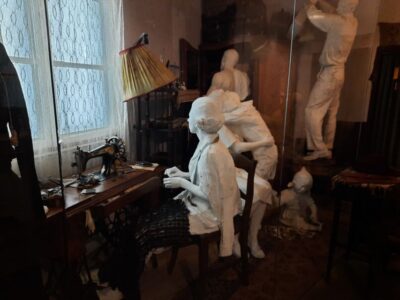
Schindler’s Factory Tour with Entrance Ticket
Read our review →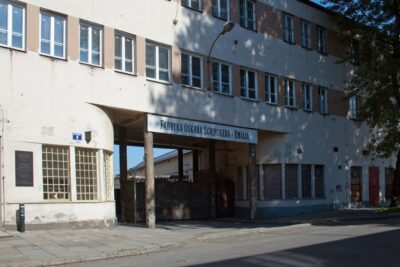
Schindler’s Factory Tour with Entrance Ticket
Read our review →
Schindler’s Factory in Krakow: Guided Tour & Skip the Line Ticket
Read our review →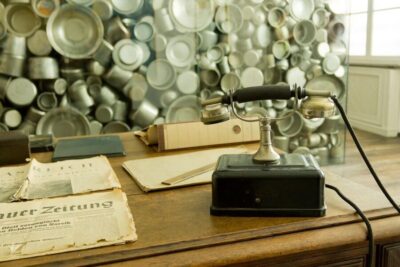
Schindler’s Factory Ticket with Guided Tour Option
Read our review →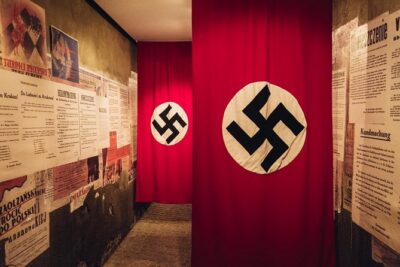
Krakow Schindler’s Factory Guided Tour with Admission Ticket
Read our review →Browse the lists this tour appears in