
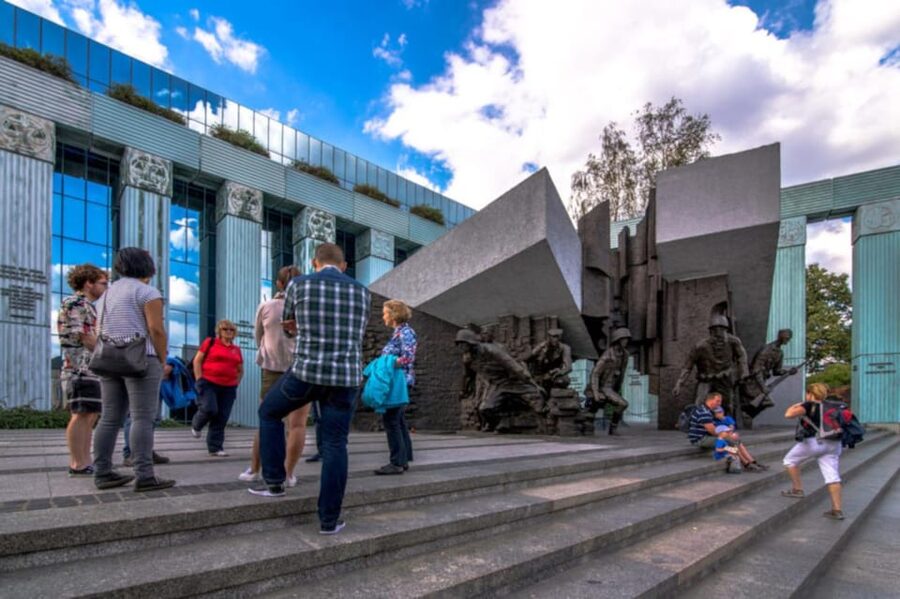
Reviewed · WWII TOURS
World War 2 in Warsaw walking tour in English
Warsaw’s World War II story is written into streets that look modern today. On this 150-minute walking tour, you connect the former Nazi German District, the Jewish Ghetto area, execution sites, Resistance strongholds, and places tied to the 1943 Jewish Ghetto Uprising and the 1944 Warsaw Uprising. Guides such as Magda, Gosia, Andrew, Albert, and Piotr explain the events with old photographs and family memories.
I like the local perspective. The guides were born and raised in Warsaw, so the history is not delivered as a cold list of dates. I also like the use of photographs, maps, and personal stories, which help you picture a city largely destroyed by war. The main drawback is the weather and walking pace: winter tours have taken place in temperatures near minus 20 Celsius, while one older participant found the guide’s pace too quick.
Key points to know
- Warsaw’s two uprisings take center stage: Learn about both the 1943 Jewish Ghetto Uprising and the 1944 Warsaw Uprising.
- Old photographs make vanished places visible: Guides show what Warsaw looked like before, during, and after the war.
- Local family stories add a human scale: Personal memories help explain how civilians lived under German occupation.
- The route covers several central wartime sites: Expect former Nazi headquarters areas, Adolf Hitler Square, execution sites, and Resistance positions.
- Small groups help with questions: You join other tourists, but the tour is designed around a live guide rather than an audio recording.
- Dress for the season: The walk is wheelchair accessible, but cold, wind, and a brisk pace can affect comfort.
Why this walk helps you read modern Warsaw
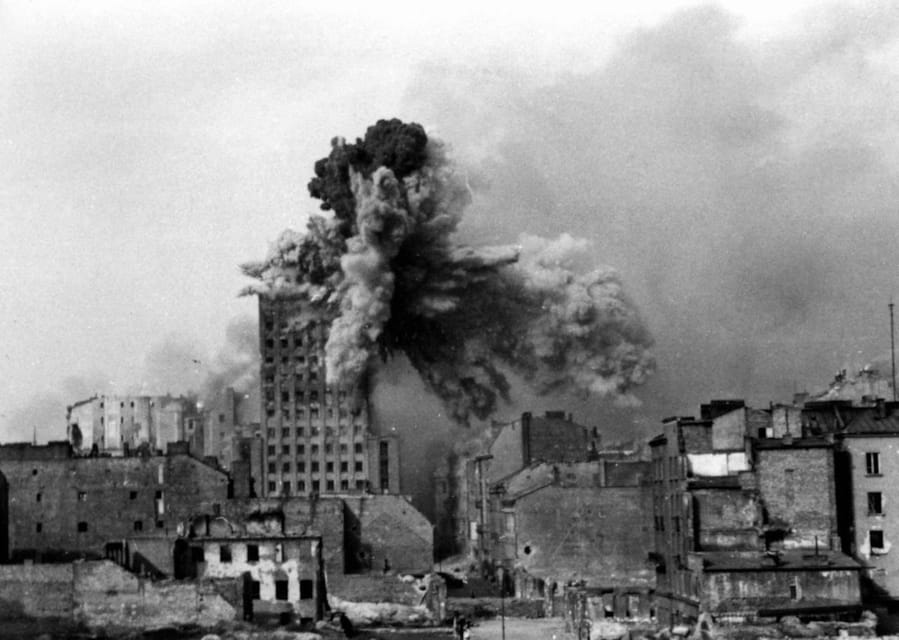
Warsaw can be confusing at first glance. It has grand rebuilt avenues, carefully restored historic streets, postwar apartment districts, and modern buildings where wartime ruins once stood. Without context, it is easy to miss how much of the city vanished between 1939 and 1945.
This tour gives you that context on foot. You are not simply looking at memorials. You are learning how the occupation changed daily life, how the German authorities controlled the city, how Jewish residents were confined and persecuted, and how Polish resistance developed under extreme danger.
The route also makes an important distinction between different wartime experiences. The Jewish Ghetto Uprising in 1943 was a desperate revolt by Jewish fighters facing deportation and destruction. The Warsaw Uprising in 1944 was a larger Polish resistance operation against German occupation. The two events happened in the same ruined city, but they had different aims, forces, and outcomes.
That distinction matters. A good Warsaw tour should not flatten the war into one general story of suffering. This walk aims to explain the city’s different communities, political pressures, military actions, and civilian experiences. The guides are also willing to discuss difficult questions, which is useful if you want more than a simple sightseeing circuit.
More Walking Tours in Warsaw
- Warsaw: Old Town Highlights Walking Tour in English
★ 4.7 · 1,516 reviews - Warsaw: Old Town Guided Walking Tour
★ 4.9 · 599 reviews - Half-Day Polish Food Walking Tour with Guide and Dinner
★ 4.5 · 381 reviews
Meeting under the orange umbrella

The meeting point is easy to identify once you know what to look for. Find the guide holding an orange umbrella, close to the 20-meter-high column with a statue on top of it.
That instruction is more useful than a vague square or street address, especially in a busy central area. One past participant specifically clarified that the umbrella is orange, not yellow. Keep your eyes open for the color rather than only searching for a person in a particular uniform.
The tour is conducted in English, and the guides have been praised for clear speech and a relaxed ability to answer questions. The named guides include Magda, Gosia, Iga, Piotr, Andrew, Albert, Peter, Arek, and Martin. The exact guide depends on the day, but the experience is built around a local person speaking directly to the group.
You join a group of other tourists rather than taking a private tour. That keeps the price down, but it also means you should stay close enough to hear. Traffic can make some stops noisy, and one participant suggested that a megaphone would help in those moments. If hearing every word matters to you, stand near the guide and avoid drifting to the back.
The former German District and occupied Warsaw
The first part of the walk sets up the political and military situation that shaped Warsaw during the war. You learn about the German occupation, the presence of the SS, and the way ordinary life was controlled through fear, restrictions, arrests, and violence.
The former Nazi German District is important because it shows that occupation was not an abstract force somewhere beyond the city. It had offices, command structures, rules, and people enforcing them. A guide can help you understand how those systems affected food, movement, work, education, and family life.
This is where the old photographs are especially useful. Warsaw’s prewar appearance and wartime destruction are difficult to grasp from present-day streets alone. Seeing an image of a building or avenue before the war, then comparing it with what occupies the site now, gives you a sharper sense of the city’s loss.
The guides also connect large events to family experience. Personal stories do not replace the wider history, but they make it easier to imagine what it meant to live under constant danger. Several guides have shared stories about how the war affected their own families, giving the tour a personal link to Warsaw rather than treating the city as a museum display.
You should expect serious subject matter here. The tour deals with execution, persecution, destruction, and civilian suffering. At the same time, guides such as Piotr and Albert have been praised for using gentle humor and conversation without making light of the events. That balance matters during a long walk.
Adolf Hitler Square and the machinery of occupation
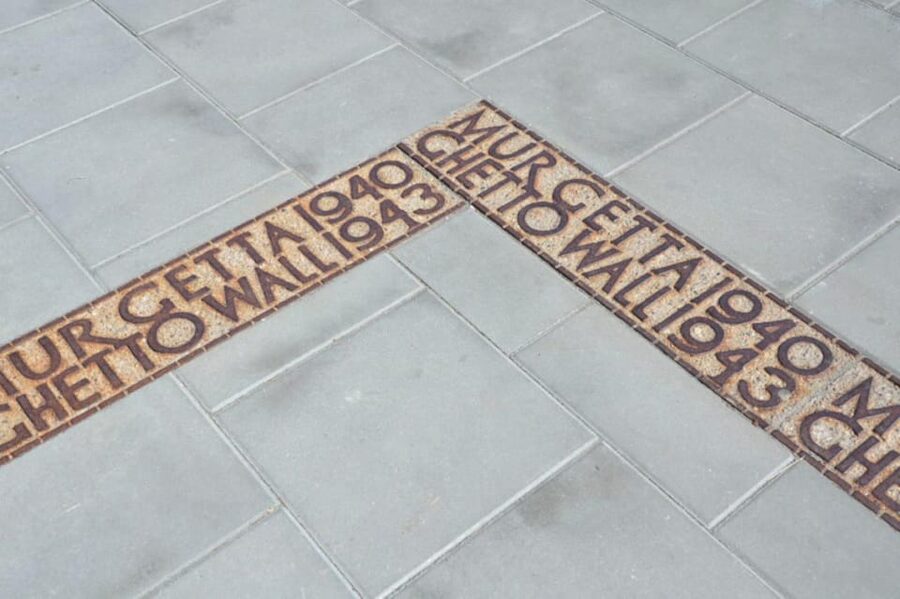
The stop connected with the former Adolf Hitler Square gives the tour a clear political focus. The name itself reflects the occupation’s attempt to reshape public space and impose German power on Warsaw.
Your guide explains what the place represented during the war and how the city’s public spaces were used by the occupying authorities. This is not just a photo stop. It helps you see how names, monuments, ceremonies, and official buildings could be used to signal control.
The setting also supports one of the tour’s strongest habits: placing the past against the present. Modern Warsaw may look orderly and rebuilt, but the guide keeps showing you what stood here before, what happened here during the war, and how the city changed afterward.
That comparison is one reason the tour works well for people who do not consider themselves history specialists. You do not need a long reading list before arriving. The story unfolds in place, with the guide using photographs and maps to make the sequence easier to follow.
Still, the amount of information can be demanding. The tour covers the lead-up to the war, occupation, the Jewish Ghetto, the two uprisings, execution sites, resistance, and destruction. If you want every military detail or political development, you may need a museum visit or a book afterward. In 150 minutes, the guide has to keep the story moving.
More WWII Tours in Warsaw
- Warsaw for WWII Buffs – private tour with hotel pickup
★ 5.0 · 166 reviews - From Warsaw: Tour of the Wolf’s Lair, Hitler’s HQ by Car
★ 4.7 · 116 reviews - From Warsaw: Guided Tour of Treblinka Camp
★ 4.7 · 85 reviews - Treblinka Death Camp 6 Hour Private Tour from Warsaw
★ 5.0 · 74 reviews
The former Jewish Ghetto and the 1943 uprising
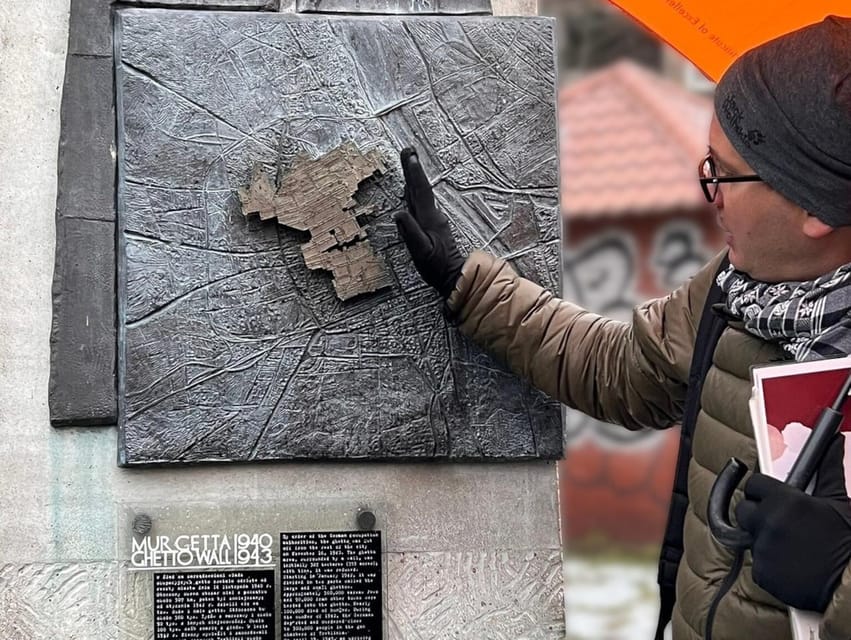
The former Jewish Ghetto is one of the most emotionally difficult parts of the route. Here, your guide explains how Jewish residents were confined, how daily life was shaped by hunger and persecution, and why armed resistance developed in 1943.
The value of seeing the area on foot is that you can appreciate the gap between the present street plan and the wartime reality. Much of the physical ghetto is gone or changed. Without photographs and clear explanation, you might walk through the area without realizing what happened beneath the modern city.
The 1943 Jewish Ghetto Uprising deserves careful treatment. It was not a conventional battle with equal forces. Jewish fighters resisted a German operation intended to clear the ghetto, despite having very limited weapons and little prospect of survival.
A good guide also gives civilians their place in the story. The uprising was not the only experience of the ghetto. People faced starvation, forced labor, deportation, disease, terror, and impossible choices. The guide’s use of personal stories helps keep the focus on human lives rather than only commanders and dates.
This part may be especially powerful for families with older children. One group included a 10-year-old who was able to think seriously about what happened. The subject is hard, so parents should decide in advance whether their children are ready for a direct account of wartime cruelty.
Execution sites and the cost paid by civilians
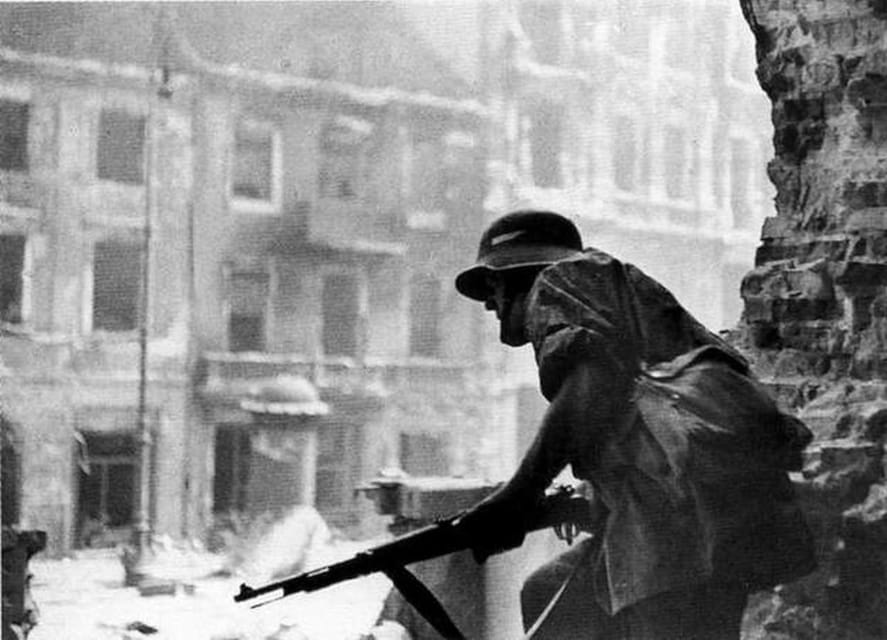
The route includes execution sites connected with German repression. These places can be easy to overlook in a normal city walk, especially when there is little physical evidence left. The guide explains what happened and why the sites matter.
Here, the walking format has both strengths and limits. Standing in an actual location gives the history weight. You are not only hearing about a policy of terror; you are seeing the place where that policy reached individual people.
But you should not expect every site to look dramatic. Some are ordinary-looking corners of the modern city. That can make the experience more unsettling, not less. The absence of ruins does not mean the absence of history.
The guides handle this section with care. Their tone is serious, but they continue to answer questions and explain the wider political situation. That helps prevent the tour from becoming a sequence of shocking facts with no context.
If you prefer a lighter introduction to Warsaw, this is not the right first choice. The subject is direct and often painful. If you want to understand what civilians endured under occupation, the stop is essential.
Resistance strongholds and the 1944 Warsaw Uprising
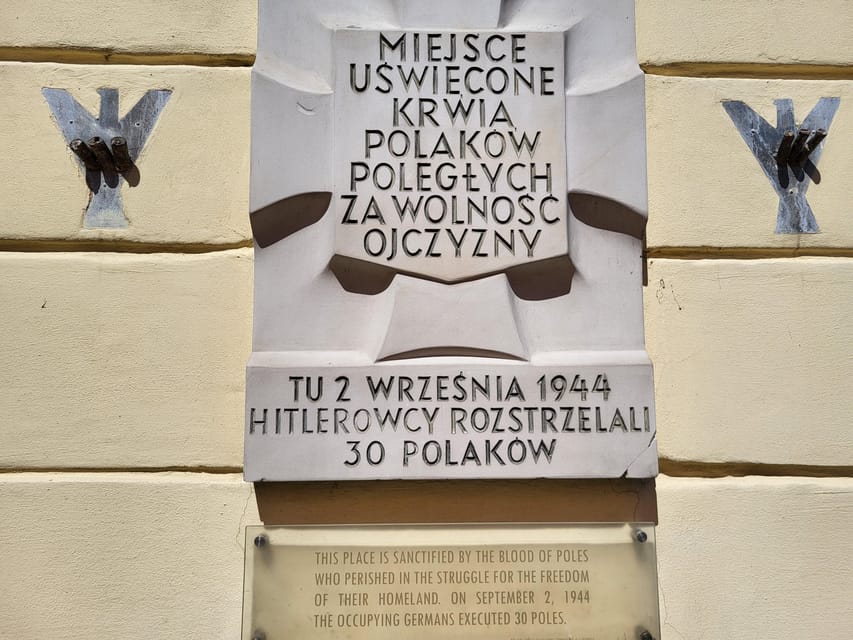
The walk then turns toward the Polish Resistance and the 1944 Warsaw Uprising. This was a major attempt by the Polish underground to challenge German control while the war was nearing its final phase.
Your guide explains where Resistance activity took place and how the uprising affected the city. The emphasis is not only on fighters. Civilians, couriers, families, medical workers, and people trying to survive all formed part of the story.
The tour’s use of maps is helpful here. Warsaw’s streets can make the uprising hard to follow because the city has been rebuilt and many wartime landmarks have disappeared. A map gives you a sense of movement and helps you connect separate stops.
The personal and local approach is also valuable. You hear how Polish families experienced the war and why the uprising remains such an important part of Warsaw’s identity. The story includes courage, but it also includes defeat, destruction, and the terrible price paid by the city.
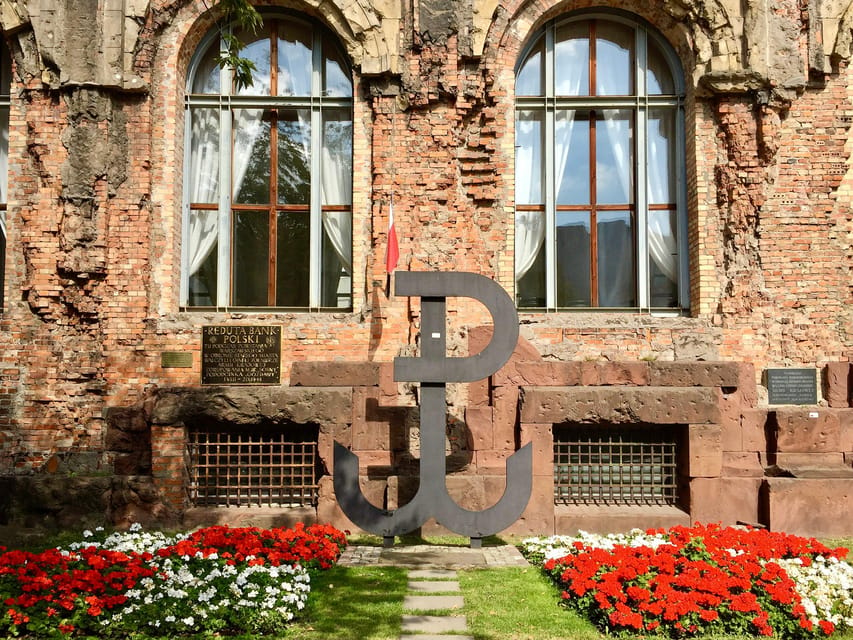
One guide’s explanation of the Central Bank and its wartime workers was singled out as especially memorable. Details like this give the tour a human texture. They show that Resistance history was not limited to famous commanders. It also involved workers, clerks, and people whose names may never appear in a standard guidebook.
The Tomb of the Unknown Soldier and a moving pause
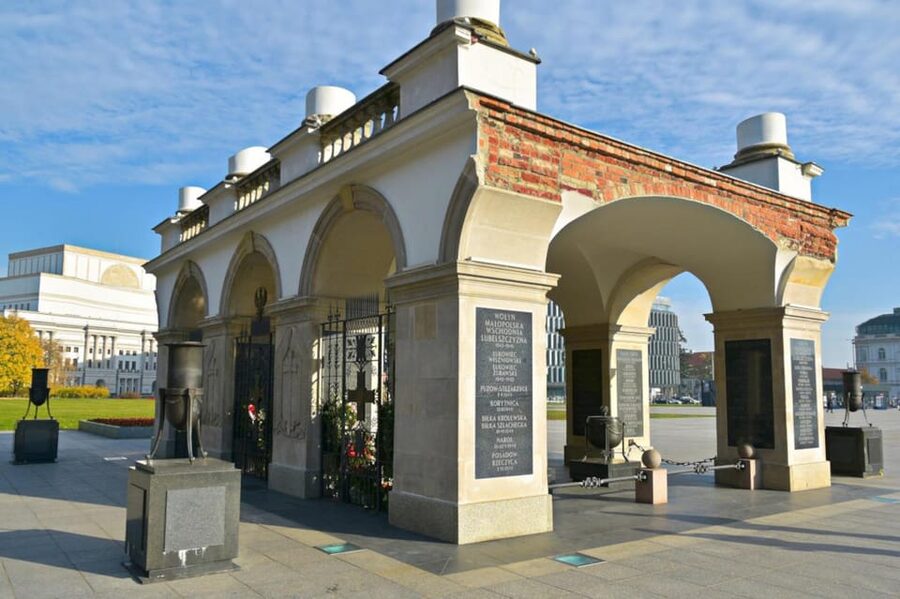
Depending on the precise route and timing, the walk may include the Tomb of the Unknown Soldier and the changing of the guard. This was described as a highlight by one participant, and it offers a quieter moment after the heavier sections of the tour.
The tomb connects Warsaw’s wartime story with Poland’s wider military history. The ceremony adds a formal, present-day reminder that these events still matter to the country.
Do not treat this as a separate show or guaranteed performance at a fixed time. The tour description lists the wartime locations, while the changing of the guard appeared as part of one route experience. If this ceremony is especially important to you, ask the guide at the start whether it is included that day.
Either way, the area provides a useful pause. You can take in the city around you and consider the difference between official remembrance and the personal stories heard earlier.
Photographs, maps, and family memories
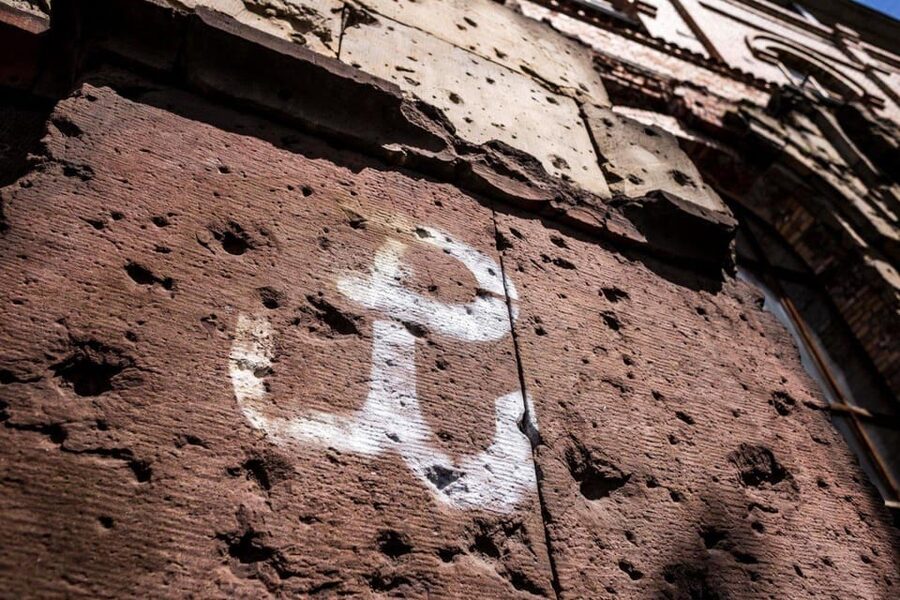
The best feature of this tour is not simply the list of sites. It is the way the guides connect those sites with visual evidence and personal accounts.
A photograph of Warsaw before the war can show you what was lost. A wartime image can explain the scale of destruction. A postwar image can show how residents began rebuilding. When these images are held up beside the modern street, the city becomes easier to read.
The family stories add another layer. A guide born and raised in Warsaw can explain why an event still feels close to home, even generations later. That does not make the tour private or purely personal. It gives the larger history a voice.
Several guides have also been praised for explaining complex events in plain English. That matters because Warsaw’s wartime story includes changing borders, German occupation, Polish resistance, Jewish persecution, Soviet politics, and postwar consequences. The guide’s job is to make those links clear without burying you in jargon.
You can ask questions, including difficult ones. I would encourage you to do so. The guides have shown they can discuss sensitive subjects directly while keeping the group moving.
Pace, weather, and physical comfort
The tour lasts two and a half hours, so comfortable shoes are important. You do not need to expect rough ground or difficult steps based on the route description and past experience, and the activity is listed as wheelchair accessible.
Still, wheelchair accessible does not mean effortless in every condition. Crowds, street crossings, weather, and the pace of a walking group can affect the experience. If you have limited mobility, tell the guide at the beginning so the group can be aware of your needs.
The biggest practical issue is weather. Winter in Warsaw can be severe. Tours have continued in temperatures around minus 17 to minus 20 Celsius, and one group managed only 45 minutes because of the cold. Another participant completed the walk despite bitter weather, but only because the guide remained attentive and engaging.
Summer is easier physically, but you still spend a long time outside. Bring water and dress for the forecast. The subject is serious enough without adding numb hands or soaked shoes.
The pace may also matter. Most comments describe a well-paced walk, but one older participant found the guide too quick. If you prefer a slow stroll, say so early. The group format means the guide must balance different ages and fitness levels.
Is $20 good value?
At $20 per person, this is a strong-value introduction to Warsaw’s World War II story. You receive 150 minutes with a live English-speaking guide, access to local interpretation, and a route linking several important parts of the city.
The price is especially fair if you are comparing it with a private guide. You share the experience with other tourists, but that is the tradeoff that keeps the cost low. You also get something an audio guide cannot easily provide: the chance to ask questions and hear family stories from someone connected to Warsaw.
The operator notes that commissions, agency costs, and taxes take a large share of the booking price. If you feel the guide did a good job, a tip is welcome. That is optional, not part of the advertised cost.
The tour does not include museum admission, transport, food, or anything beyond the professional guide. That is not a problem if you see it as a focused outdoor history walk. You may want to pair it with a museum visit later, but you do not need to pay for extra stops during this activity.
Free cancellation up to 24 hours before the tour and reserve-now, pay-later booking also reduce the risk of committing too early. Check the available starting times when you book.
Who should book this Warsaw walk?
I would choose this tour if you want to understand how World War II changed Warsaw rather than simply collect photographs of monuments. It suits first-time visitors, history fans, families with older children, and anyone who wants a strong introduction before visiting museums.
You do not need to be a specialist. Guides have successfully explained the subject to people who knew little about Warsaw’s wartime past. Clear English and visual material make the story approachable.
It is also a good choice if you value local voices. The guides are Warsaw-born and Warsaw-raised, and the family stories give the walk a connection to the city that a standard historical summary may lack.
I would think twice if you dislike long outdoor walks, struggle in severe weather, or want a private itinerary at your own pace. The group format can involve traffic noise, a brisk guide, and a lot of information in a short time.
Should you book it?
Yes, if you have 150 minutes in Warsaw and want a serious, well-explained introduction to the city’s wartime past. The strongest reasons to book are the local guides, old photographs, family stories, and the careful attention to both the Jewish Ghetto Uprising and the 1944 Warsaw Uprising.
Book with sensible expectations. This is not a light city stroll, and some stops are emotionally painful. Dress for the weather, stay close enough to hear, and tell the guide if the pace is too quick.
At $20, the walk offers unusually good value for a live historical experience. I would take it early in a Warsaw visit, then use what you learn to make later museum visits and independent walks far more meaningful.
FAQ
How long does the World War II in Warsaw walking tour last?
The tour lasts 150 minutes, or two and a half hours.
What language is the tour conducted in?
The tour is conducted in English with a live English-speaking guide.
How much does the tour cost?
The advertised price is $20 per person.
Where is the meeting point?
Meet near the 20-meter-high column with a statue on top. Look for the guide holding an orange umbrella.
What places does the tour visit?
The route includes the former Nazi German District, the former Adolf Hitler Square, the former Jewish Ghetto, execution sites, and Polish Resistance strongholds connected with the 1944 Warsaw Uprising.
Does the tour discuss both Warsaw uprisings?
Yes. It covers the 1943 Jewish Ghetto Uprising and the 1944 Warsaw Uprising.
Is the walk wheelchair accessible?
Yes, the activity is listed as wheelchair accessible.
Is this a private tour?
No. You join a group of other tourists, led by a professional local guide.
Can I cancel for a full refund?
Yes. You can cancel up to 24 hours in advance for a full refund.
Can I reserve now and pay later?
Yes. The booking option allows you to reserve your place and pay nothing at the time of booking.
Just added around Warsaw
- Wolfs Lair and Swieta Lipka Small Group Tour from Warsaw with Lunch★ 4.5 · 21 reviews
- Wolf’s Lair & Treblinka Tour in 1 day from Warsaw★ 5.0 · 37 reviews
- Wolfs Lair “Hitler’s Headquarters” – Full Day Tour from Warsaw by private car★ 4.5 · 4 reviews
- Tour from Warsaw: Wolf’s Lair, Hitler’s HQ Zones I and II★ 5.0 · 32 reviews
- Wolf’s Lair Private Day Trip from Warsaw★ 5.0 · 50 reviews
- Warsaw’s Old Town A Self-Guided Audio Tour★ 4.5 · 10 reviews
- Warsaw Must-See Local City Tour with Antek and Tomek★ 5.0 · 51 reviews
- Off the Beaten Track in Warsaw: Private City Tour★ 4.5 · 9 reviews
WWII Tours, compared.

Warsaw for WWII Buffs – private tour with hotel pickup
Read our review →
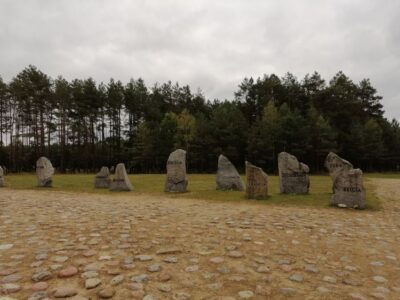
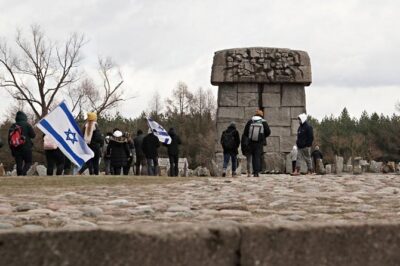
Treblinka Death Camp 6 Hour Private Tour from Warsaw
Read our review →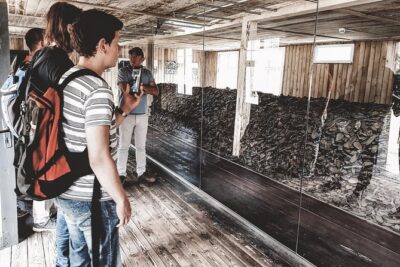
Stutthof Concentration Camp English Tour with Gdansk Hotel pickup
Read our review →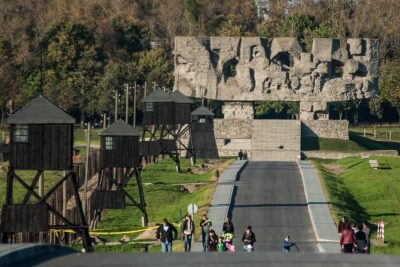
Majdanek Concentration Camp & Lublin Full Day Private Tour from Warsaw
Read our review →Browse the lists this tour appears in