
Reviewed · SCHINDLER FACTORY TOURS
Krakow: Schindler’s Factory & Ghetto Guided Tour
Schindler’s Factory is less about machines and more about what happened to Kraków under Nazi rule. The museum’s narrow rooms, old photographs, personal objects, and carefully built scenes show how occupation changed ordinary life for Jewish and non-Jewish residents. I especially like the way the tour places Oskar Schindler’s rescue efforts inside the larger story, and I like that the walking section takes you to the actual Ghetto Walls and the moving chair memorial at Ghetto Heroes Square.
The best guides turn a crowded, information-heavy museum into a story you can follow. Guides such as Phil, Alexandra, Joanna, Alicja, and Eva have been praised for clear explanations and warm, serious delivery. The main drawback is pace: a group of around 20 can feel large in the museum’s small rooms, and you may not have enough time to read every panel or study each display.
Key points to know before you book
- The museum is about wartime Kraków, not factory machinery: The building once housed Schindler’s enamel factory, but no original production machinery forms the focus of the visit.
- You get two connected experiences: Plan on roughly two hours inside the museum, followed by a walking tour of the former Jewish ghetto.
- The Ghetto Heroes Square chairs are the emotional center: Each empty chair recalls people who were forced from their homes and deported.
- A guide adds real value: The exhibition contains a great deal of material, and a strong guide helps you understand what matters without getting lost in every label.
- This is a sober tour: The subject includes persecution, deportation, and the destruction of Kraków’s Jewish community.
- Arrive early and dress for the walk: You must be at the main entrance 10 minutes before departure, and the outdoor section runs in rain or shine.
Why Schindler’s Factory is more than an Oskar Schindler story
Many visitors arrive expecting a museum centered on the film Schindler’s List. That is only part of what you get. Schindler’s Factory presents Kraków under Nazi occupation from 1939 to 1945, with attention to the people who lived through the period and the systems that controlled them.
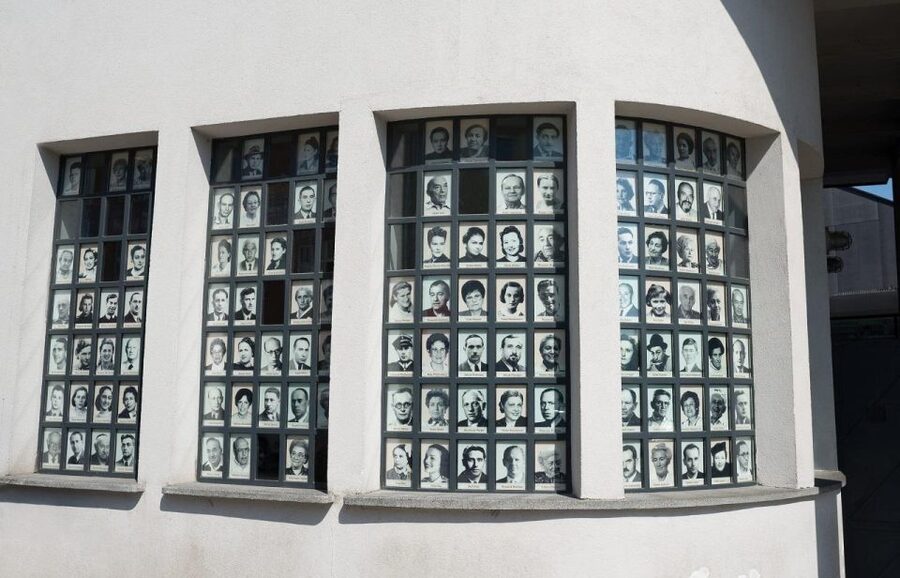
That broader focus is important. Oskar Schindler’s factory became a place of protection for more than a thousand Jewish workers, but his story makes sense only when set beside the forced confinement, deportations, and destruction taking place around him. The tour does not turn one man into the whole story. Instead, it shows how individual courage existed within a much larger crime.
I like this approach because it gives you context before asking you to judge anyone’s actions. You learn about the pressure placed on Jewish residents, the control imposed on Polish residents, and the daily uncertainty created by the occupation. Several guides have also drawn attention to the suffering and restrictions imposed on non-Jewish Polish people, a useful reminder that wartime Kraków was not divided into only two simple groups.
The museum occupies the former factory building, but you should adjust your expectations before you enter. You will not see a working factory floor filled with original enamel machinery. The building is now a museum, and the main attraction is the exhibition itself.
More Jewish Heritage Tours in Krakow
- Krakow: Jewish Quarter and Former Ghetto Tour
★ 4.9 · 1,441 reviews - Krakow: Bike Tour of Old Town, Jewish Quarter and the Ghetto
★ 4.9 · 1,155 reviews - Krakow: Kazimierz Jewish Quarter Walking Tour
★ 4.8 · 571 reviews
Inside the museum: narrow rooms and a city under occupation
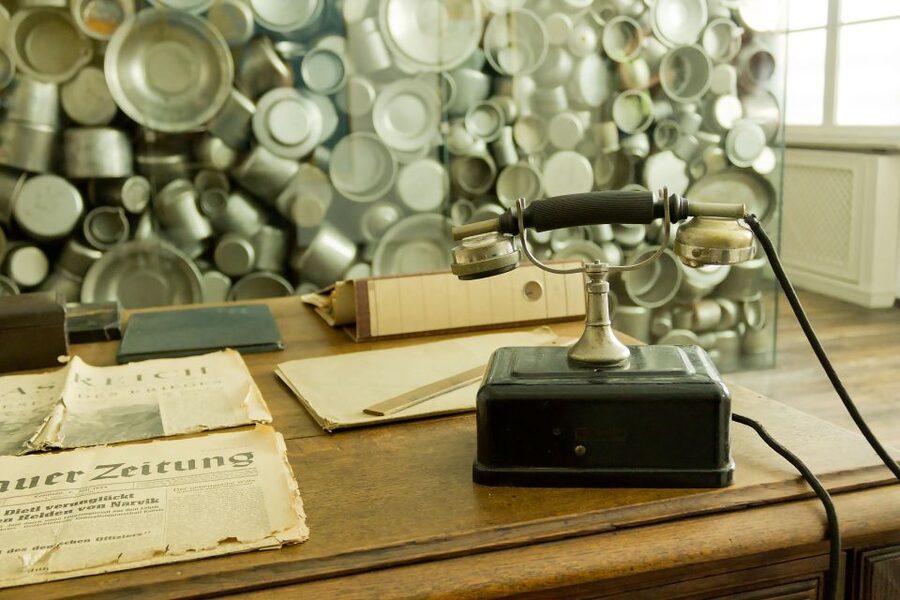
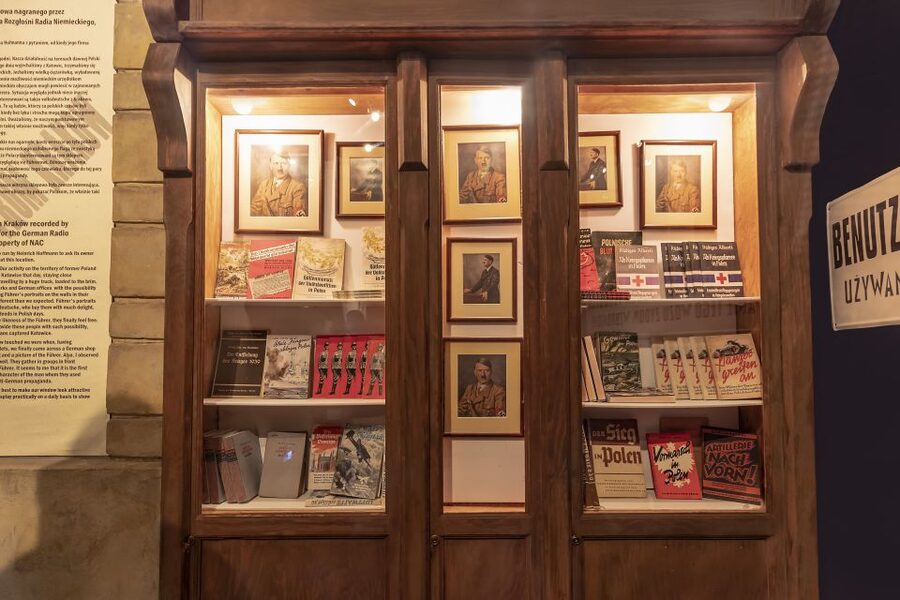
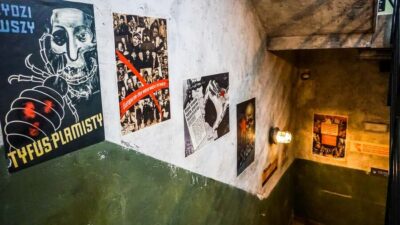
The museum uses a series of rooms that can feel tight and dim. The design is deliberate. Instead of presenting the past as a neat line of dates, it places you in spaces that suggest confinement and pressure.
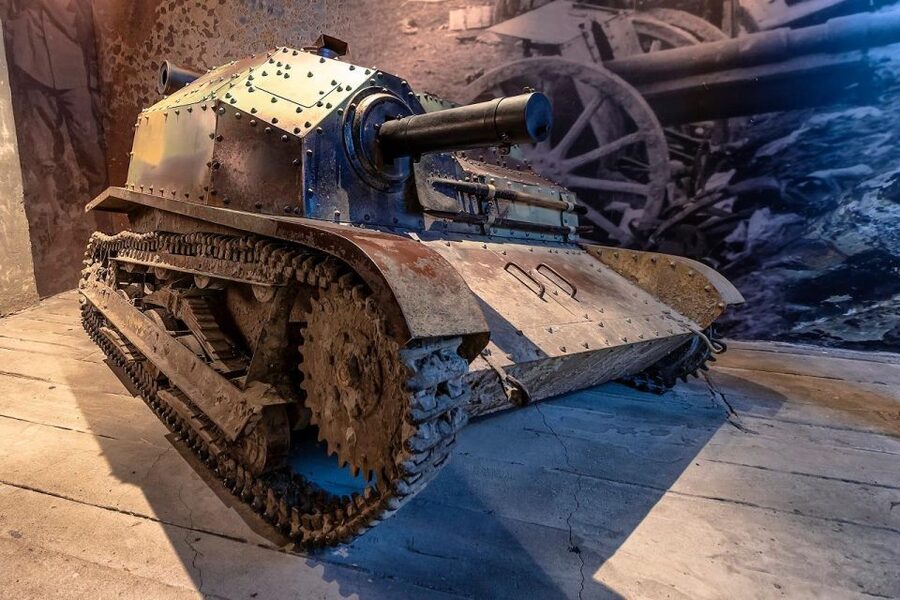
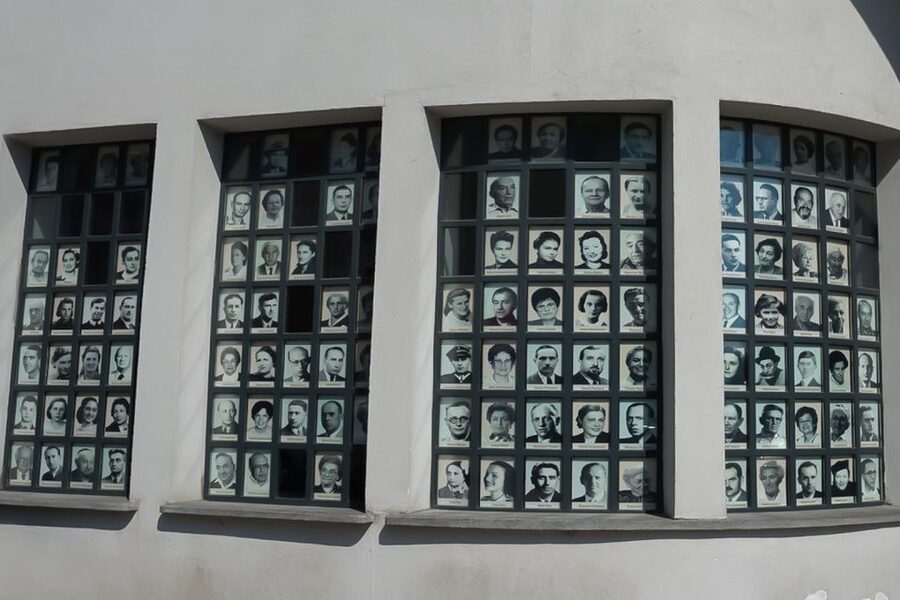
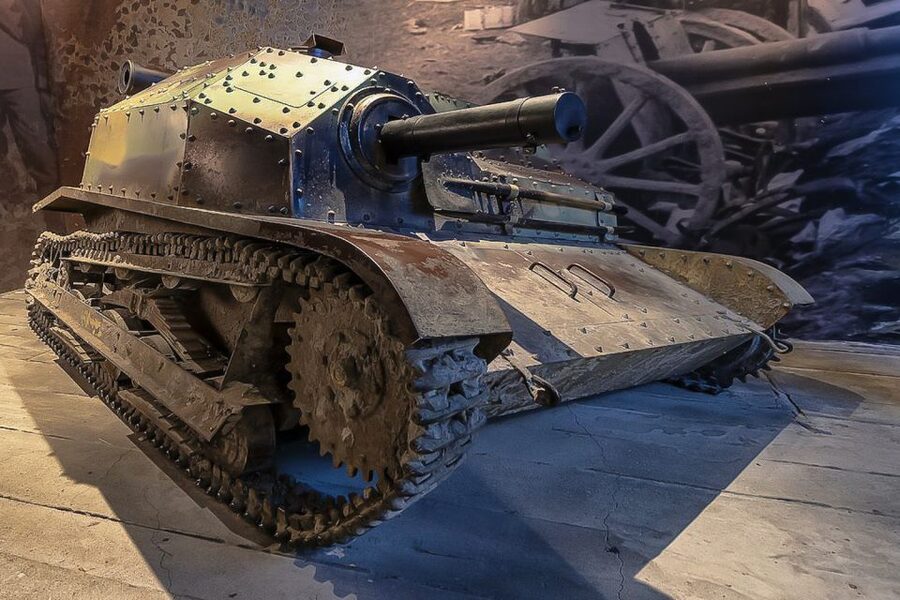
You move through displays containing photographs, documents, uniforms, weapons, toys, flags, and other objects connected with wartime Kraków. Some sections recreate streets, offices, and domestic settings. These details help explain how occupation entered daily life, not just how armies moved across a map.
The setting can be powerful, but it also affects the pace of the tour. Small rooms do not leave much space for a large group to gather around one display. If your group has close to 20 people, you may find yourself listening from the edge of a room or waiting for space to open.
A guide with a microphone or closed-loop headset system can make a major difference. One recent experience used headsets throughout the visit, allowing the guide to speak without shouting and letting the group hear explanations even when it was spread through a room. Ask for your equipment at the start if it is provided, and keep it close during transitions.
The amount of information is both the museum’s strength and its challenge. A guide such as Alice or Phil can reduce a large volume of material to a manageable story, but you will not have unlimited time to read every caption. If you like to examine every object and photograph at your own speed, you may want to return to the museum separately after the tour.
That is not a criticism of the guided format. It is simply the tradeoff. You gain a clear narrative and the chance to ask questions, but you give up some freedom to linger.
Oskar Schindler in the wider wartime story
The Schindler section is meaningful because it avoids presenting rescue as an isolated film plot. You learn how his factory gave more than a thousand Jewish workers a measure of protection, while also hearing about the violence and deportations surrounding them.
The guide’s job here is to connect personal decisions with the larger machinery of Nazi persecution. A strong explanation can help you understand why a factory job mattered, why workers were vulnerable, and why Schindler’s actions became so significant.
At the same time, the tour does not make the factory the only place worth seeing. The exhibition gives substantial attention to Kraków’s Jewish residents, their homes, work, restrictions, and eventual displacement. You also hear about the city’s wider wartime experience, which gives the visit more value than a simple biography.
Some visitors have wanted slightly more time focused specifically on Schindler himself. If that is your main interest, keep in mind that the museum is really about Kraków under Nazi Occupation 1939 to 1945. Schindler is an important thread, not the entire fabric of the exhibition.
From the museum to the former Kraków Ghetto
After the museum, the tour moves outdoors into Podgórze, the area where Kraków’s Jewish ghetto was established. This shift matters. Inside, you see objects and reconstructions. Outside, you encounter the places connected with confinement and deportation.
The first major stop is the surviving section of the Ghetto Walls. It is a simple structure, but its meaning is hard to miss. The wall was not just a boundary on a map. It separated people from the rest of the city and helped enforce a system of control.
Your guide adds the human scale here. Rather than treating the wall as an old architectural fragment, the tour explains what it meant for residents who lived behind it. This is one reason the walking portion works best after the museum. You already have the background needed to understand why a remaining piece of wall carries such weight.
The outdoor route also gives you a break after the concentrated museum visit. There is usually a short pause between the two sections, useful for a drink, a restroom stop, or simply a moment to absorb what you have seen. In cold months, use that pause to add a layer. The walk continues in all weather.
More ways to visit Schindler's Factory:
- Krakow: Oskar Schindler’s Factory Entry Ticket & Guided Tour
★ 4.2 · 3,793 reviews - Krakow: Schindler’s Factory Tour with Entrance Ticket
★ 4.5 · 3,182 reviews - Krakow: Schindler’s Factory Skip-the-Line Ticket
★ 4.4 · 3,105 reviews - Krakow: Schindler’s Factory Tour with Entrance Ticket
★ 4.6 · 1,737 reviews
Ghetto Heroes Square and the chair memorial
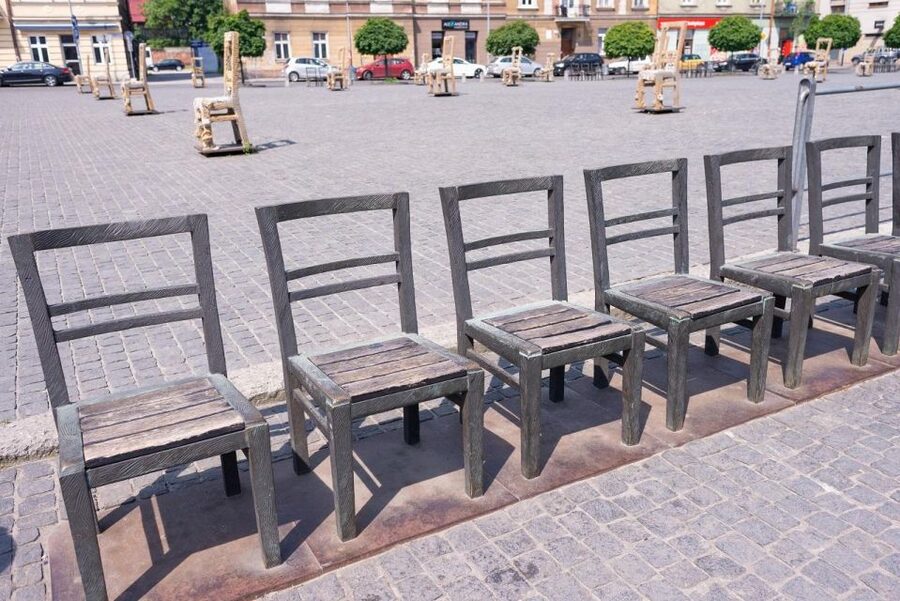
The tour ends at Ghetto Heroes Square, one of the most affecting places in Kraków. During the occupation, deportations to extermination camps took place here. Today, the square contains rows of empty chairs.
The chairs are a restrained memorial. They suggest absence without turning the site into a crowded monument. Each chair represents lives lost, and the repeated image makes the scale of removal easier to grasp. You are not just hearing that families were forced out. You are looking at a public space marked by the people who are no longer there.
This is often the point where the museum’s information becomes personal. The square is open and public, yet its meaning is heavy. Your guide may pause here to explain the deportations and the purpose of the memorial. Give yourself a little quiet time at the end rather than rushing straight into your next activity.
The square can look different depending on the hour and season. An evening tour may feel especially solemn, but darkness also makes it harder to see the surrounding buildings. If you want to study the streets and architecture as you walk, a daytime or afternoon start is the better choice.
Under the Eagle Pharmacy and the people who helped
Across from the square is the former Under the Eagle Pharmacy. It is tied to Tadeusz Pankiewicz and his staff, who helped people inside the ghetto by providing medicine and preserving a small measure of hope.
This stop gives the tour another useful angle. The story is not only about the authorities who created the ghetto or the victims who suffered there. It also includes people who chose to help under dangerous conditions.
The pharmacy’s location beside the square makes the setting especially direct. You can connect the place where people were gathered for deportation with the nearby site where practical aid was offered. Medicine may seem modest beside the scale of the atrocities, but in a sealed and fearful community, medicine, information, and human contact mattered greatly.
Your guide can help you read the area as more than a collection of buildings. Several buildings on the route had wartime uses, and the walking section points out those connections. This is one of the strongest reasons to choose the combined tour instead of visiting the museum alone.
How much the guide changes the experience
I would choose the guided visit because the museum contains more material than most people can absorb in one pass. A good guide gives you the order of events, explains why particular objects matter, and prevents the story from becoming a blur of dates and tragic images.
The strongest guides described for this experience include Phil, Alexandra, Joanna, Alicja, Eva, Helena, and Magdalena. You are not guaranteed a particular person, but the tour is offered with live guides in English, Italian, French, Spanish, and German. Select one language when booking, since groups are conducted in a single language.
The best guide style here is calm, precise, and human. This subject does not need theatrical performance. It needs clear facts, respectful storytelling, and room for questions. Some guides have been praised for engaging with the group during breaks and making the experience feel personal without making light of the subject.
Headsets can help, especially if the group is spread through narrow rooms or if other groups are nearby. One visitor particularly appreciated a closed-loop system that removed the need to strain to hear. Still, audio equipment cannot solve every crowd issue. You may need to move closer or wait briefly before seeing a display.
Timing, group size, and the three-hour reality
The advertised duration is three hours. In practice, expect most of the first part to take place inside the museum, followed by the ghetto walk and a short break.
Three hours is enough to build a strong understanding of the area, but not enough to read every museum panel at leisure. The tour is best for you if you prefer structure and explanation. It is less ideal if you want to spend several minutes at every photograph or object.
Group size can also shape the day. A group of around 20 is workable, but the museum’s narrow rooms may make it feel tight. A smaller group would give everyone more room to see the displays and might allow a slower pace. Several visitors have wished for more time inside, especially when another group was close behind.
You should also allow a little emotional and physical space after the tour. The subject is sobering, and the outdoor section adds walking after a concentrated museum visit. One practical approach is to schedule this experience when you do not have another major attraction immediately afterward.
Is $57 good value for this Kraków tour?
At $57 per person, the price is reasonable if you want the museum and ghetto area explained in one organized visit. The fee includes the live guide, skip-the-line admission to Schindler’s Factory, and the walking tour of the former ghetto.
The value comes mainly from the guide. The museum’s content is substantial, and a well-prepared guide can save you from spending your entire visit trying to work out the timeline. You also get the outdoor context, including the wall, Heroes Square, the chairs, and Under the Eagle Pharmacy, without having to plan the route yourself.
It is less good value if your only goal is to see the factory building or original machinery. There is no machinery-focused factory tour, and the building now functions as a museum. Likewise, if you dislike group pacing, you may prefer to visit independently and take as long as you want with the displays.
Food, drinks, and hotel pickup are not included. You meet in front of the museum’s main entrance, on the right-hand side, where the guide holds an excursions.city sign. Arrive 10 minutes early. Once the group has left, latecomers cannot join and the ticket cannot be refunded.
Free cancellation is available up to 24 hours before the tour, and you can reserve now and pay later. From January 1, 2026, exact start times may shift because of museum scheduling, and the names of all participants must be supplied for personalized museum tickets.
Who should book this experience?
I would recommend it to anyone visiting Kraków who wants more than a quick look at Schindler’s name. It suits first-time visitors, people with a serious interest in World War II, and anyone who wants the city’s Jewish wartime story explained with care.
It is also a good choice if you have limited time. The museum and ghetto are connected in one three-hour plan, and you do not need to work out the route between them.
You should think twice if you need a slow, self-directed museum visit. The narrow rooms, group size, and fixed pace may frustrate you. Bring comfortable footwear, layers in cold weather, and rain protection when the forecast calls for it. The walk goes ahead in all weather.
Should you book the Schindler’s Factory and Ghetto tour?
Book it if you want a clear, serious introduction to wartime Kraków and value a guide who can connect the museum with the real streets of the former ghetto. The most moving parts are not limited to Schindler’s story. They include the remaining wall, the empty chairs at Heroes Square, and the account of help offered at Under the Eagle Pharmacy.
Skip it if you expect a working enamel factory, original machinery, or plenty of quiet time with every exhibit. For most visitors, though, the combination is worth the $57, especially because the guide turns a dense museum into a story you can follow. Arrive early, wear suitable shoes, and treat the experience as a serious half-day of remembrance rather than a quick sightseeing stop.
FAQ
How long does the Schindler’s Factory and Ghetto tour last?
The tour lasts three hours. It includes time inside Schindler’s Factory, a short break, and a walking tour of the former Kraków Ghetto.
What does the tour price include?
The $57 price includes a live guide, skip-the-line admission to Schindler’s Factory, and the walking tour of Kraków Ghetto.
Is hotel pickup included?
No. Hotel pickup and drop-off are not included. You meet your guide at the main entrance to Schindler’s Factory.
Where is the meeting point?
Meet in front of the main entrance to Schindler’s Factory, on the right-hand side. Your guide will hold an excursions.city sign.
How early should I arrive?
Arrive 10 minutes before the scheduled start. Latecomers cannot join after the group has left, and their tickets cannot be refunded.
What languages are available?
Tours are available in Italian, English, French, Spanish, and German. Each group tour is conducted in one selected language.
Will I see original factory machinery?
No. The former factory building is now a museum, and the experience focuses on the exhibition about Kraków under Nazi occupation rather than original production machinery.
What places are included in the ghetto walking tour?
The route includes the remains of the Ghetto Walls, Ghetto Heroes Square with its Chair Memorial, and the Under the Eagle Pharmacy.
Does the tour run in bad weather?
Yes. The tour goes ahead in rain or shine. Suitable clothing and footwear are recommended because part of the experience takes place outdoors.
Can I cancel the booking?
You can cancel up to 24 hours in advance for a full refund. You can also reserve now and pay later.
Just added around Krakow
- stag dog chase Krakow prank★ 5.0 · 4 reviews
- Divine Mercy Sanctuary – Private Tour from Krakow★ 5.0 · 4 reviews
- ZALIPIE – painted village, unique PRIVATE tour from Krakow★ 5.0 · 20 reviews
- ZALIPIE – painted village, unique small group tour from Krakow★ 5.0 · 7 reviews
- Zalipie Private Tour from Krakow The Painted Village★ 5.0 · 4 reviews
- Wooden Churches Unesco List Private Tour from Krakow★ 5.0 · 14 reviews
- Guided tour to Salt Mine & Schindler Factory with Pick-Up Options★ 4.0 · 58 reviews
- Wawel Castle, Cathedral, & Rynek Underground Tour with Lunch★ 5.0 · 4 reviews
Schindler Factory Tours, compared.
Oskar Schindler’s Factory Entry Ticket & Guided Tour
Read our review →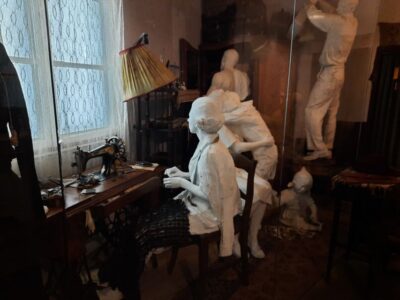
Schindler’s Factory Tour with Entrance Ticket
Read our review →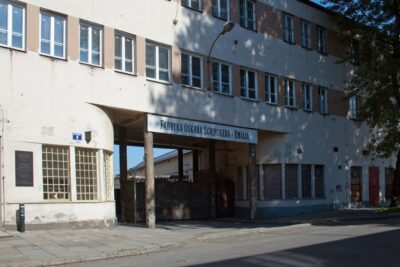
Schindler’s Factory Tour with Entrance Ticket
Read our review →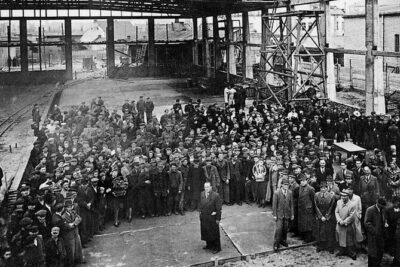
Schindler’s Factory in Krakow: Guided Tour & Skip the Line Ticket
Read our review →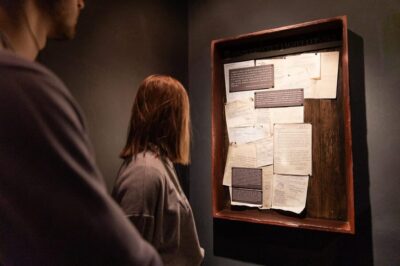
Schindler’s Factory Ticket with Guided Tour Option
Read our review →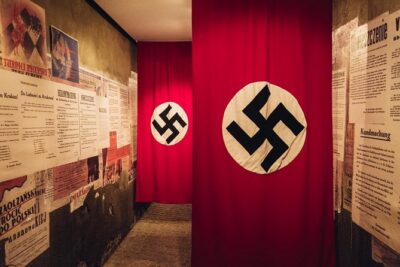
Krakow Schindler’s Factory Guided Tour with Admission Ticket
Read our review →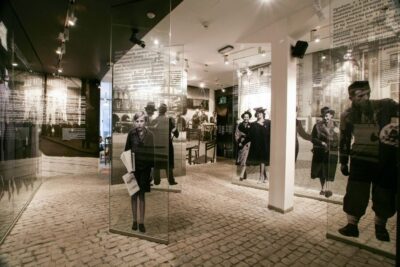
Schindler’s Factory Guided Tour with Entry Ticket
Read our review →Browse the lists this tour appears in