
Reviewed · SCHINDLER FACTORY TOURS
Krakow: Schindler’s Factory & Ghetto Guided Tour
Schindler’s Factory is more than a museum about one German businessman. Its exhibition, Krakow Under Nazi Occupation, uses the factory setting to show how war changed ordinary life in Krakow, then the tour carries that story into Podgórze, the former Jewish ghetto. I especially like the pairing of indoor exhibits with streets, walls, homes, and memorials you can see for yourself.
I also like the focused three-hour format and the help of a live guide. Guide Eva, who has led this tour, is praised for her passion and for giving full answers to questions. The main drawback is the strict schedule: late arrivals are not admitted, and the museum does not offer a refund for missed entry.
Key points to know before booking
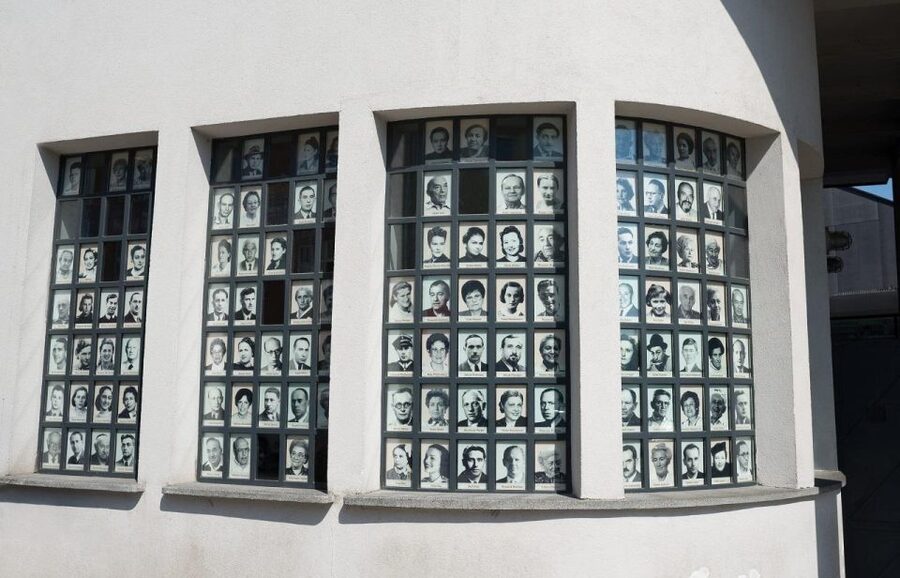
- Schindler’s Factory Museum: Visit the exhibition Krakow Under Nazi Occupation with a professional guide and included admission.
- Podgórze on foot: See part of the surviving ghetto wall, former residential buildings, Pod Orłem Pharmacy, and Heroes’ Square.
- The 68 empty chairs: Learn how this stark memorial represents the people forced from the ghetto.
- Three hours, no meal break: Food and drinks are not included, so plan around the walking tour.
- A punctual group experience: Meet at the museum entrance and arrive early, since late entry is not allowed.
- Four guide languages: Tours are available in English, French, German, and Italian.
Schindler’s Factory puts wartime Krakow first
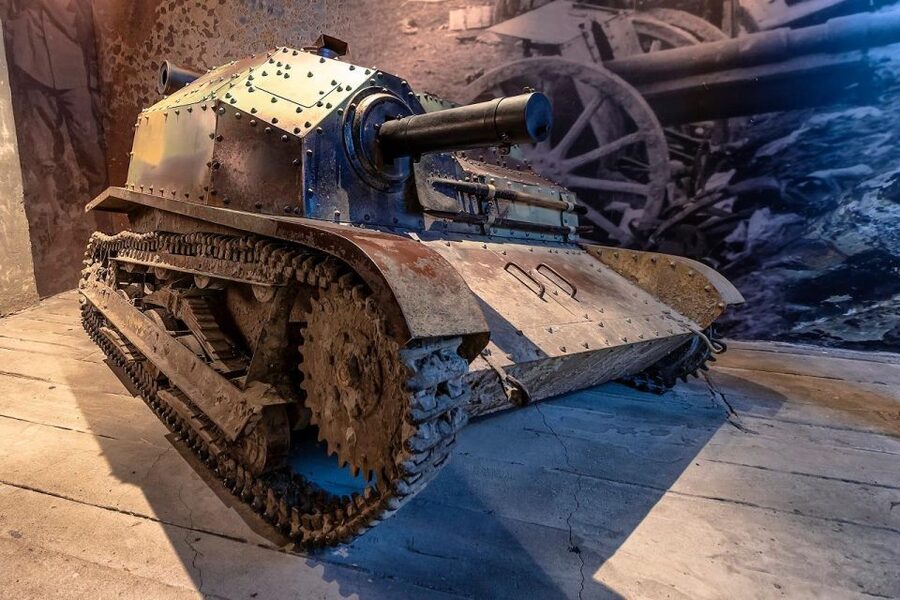
The tour begins at the main entrance to Schindler’s Factory Museum in Lesser Poland. Look for a guide carrying the inscription excursions.city. Your museum ticket and walking tour are included, so you are not left to work out the route or meaning of the exhibits alone.
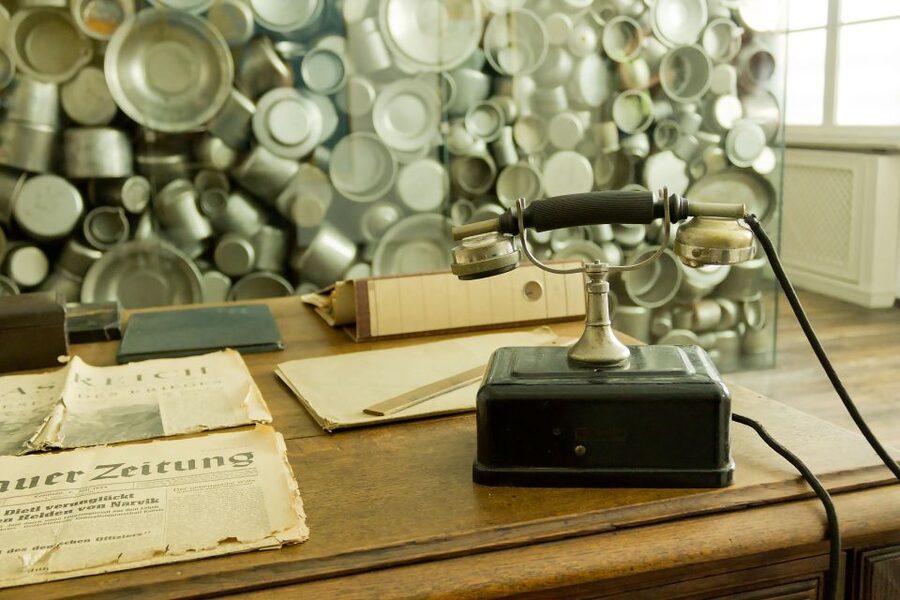
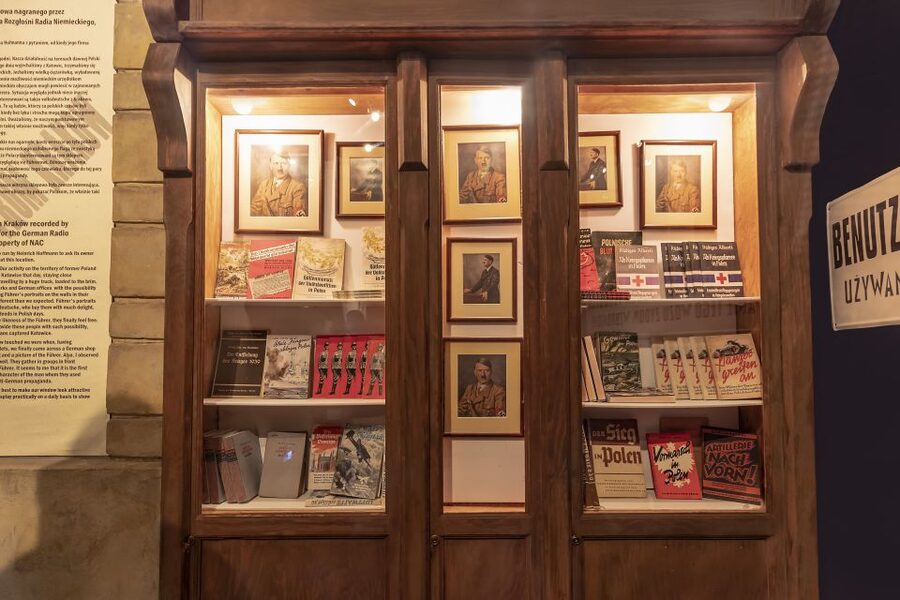
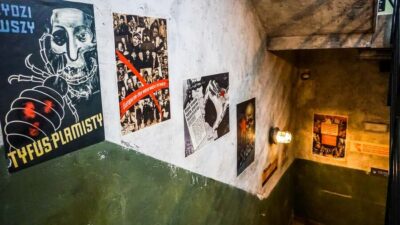
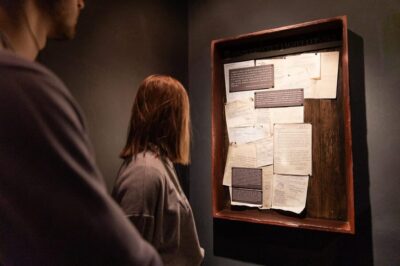
The main museum exhibition is called Krakow Under Nazi Occupation. It explains the story of Oskar Schindler, a German entrepreneur who helped many Jewish people during the war, while also placing his actions within the wider experience of occupied Krakow.
That wider view matters. A visit focused only on Schindler can reduce a huge and painful subject to one famous person. This exhibition instead helps you see how Nazi occupation affected daily life, work, housing, identity, and survival. The guide can connect the museum displays to the streets you will walk later, giving the tour a clear thread from beginning to end.
I find that format more useful than visiting the museum alone, especially if you want context rather than a quick look around. You can ask questions as the displays raise them, and the guide can explain why certain places in Podgórze matter.
The tour has received a high overall rating of 4.7 from 10 ratings. That is a small sample, so I would not treat the number as a guarantee, but the strongest praise centers on the guide’s preparation, energy, and willingness to answer questions. Eva is one guide associated with the experience, and her detailed, engaged style is a good match for a subject that deserves time and care.
More Jewish Heritage Tours in Krakow
- Krakow: Schindler’s Factory & Ghetto Guided Tour
★ 4.7 · 1,694 reviews - Krakow: Jewish Quarter and Former Ghetto Tour
★ 4.9 · 1,441 reviews - Krakow: Bike Tour of Old Town, Jewish Quarter and the Ghetto
★ 4.9 · 1,155 reviews
From the museum into Podgórze
After the museum, the group walks through Podgórze, the district that contained Krakow’s Jewish ghetto during the Second World War. This change from gallery rooms to public streets is one of the tour’s most valuable features.
Inside the museum, you receive organized information. Outside, you see the physical setting in which people were displaced and confined. The streets are not simply a backdrop. They help you grasp the scale of the area and the fact that thousands of displaced Jewish people lived in houses around this district.
The walking portion also gives you a chance to ask about details that can be hard to understand from an exhibit alone. A live guide can point out the surviving evidence, explain what happened in specific places, and keep the group focused on the human story rather than treating the area as a list of photo stops.
You should expect a serious walk rather than a casual city stroll. The tour lasts three hours in total, including the museum and outdoor section. The supplied information does not give a precise walking distance or say how many people are in each group, so wear comfortable shoes and allow enough time for a measured pace.
Seeing part of the surviving ghetto wall
One stop is a remaining section of the wall that once surrounded the ghetto. It is a modest physical remnant, but that is exactly why it can affect you. A fragment can make the boundaries feel less abstract than a map or museum panel.
The guide explains its place in the wartime story, while you see the material remains at street level. This is a useful contrast with the museum, where objects and photographs organize the past. Here, the wall connects those facts to an actual section of Krakow.
Do not expect a large monument or a lengthy standalone visit. The value is in seeing what remains and understanding what the wall represented. If you prefer tours with grand buildings and polished attractions, this stop may feel understated. If you want the city’s wartime story tied to real locations, it is an important part of the route.
The homes of displaced Jewish families
The tour also points out houses where thousands of displaced Jews once lived. These buildings help shift your attention from major names and official events to the crowded, difficult conditions of daily life.
This is where a guide’s explanation earns its keep. A house can look ordinary if you pass it on your own. In the context of the ghetto, it becomes evidence of forced movement and the loss of normal home life. You are asked to imagine the pressure placed on families in a district that had become a place of confinement.
The information provided does not promise access inside private buildings, so expect to view these locations from the street. That is still worthwhile, but it helps to set the right expectation. The power of this stop comes from the link between ordinary architecture and extraordinary suffering.
More ways to visit Schindler's Factory:
- Krakow: Oskar Schindler’s Factory Entry Ticket & Guided Tour
★ 4.2 · 3,793 reviews - Krakow: Schindler’s Factory Tour with Entrance Ticket
★ 4.5 · 3,182 reviews - Krakow: Schindler’s Factory Skip-the-Line Ticket
★ 4.4 · 3,105 reviews - Krakow: Schindler’s Factory Tour with Entrance Ticket
★ 4.6 · 1,737 reviews
Pod Orłem Pharmacy and the story of aid
Another stop is the Pod Orłem Pharmacy. It is included because of its connection to the wartime ghetto and the people affected by Nazi occupation.
The pharmacy adds another human-scale location to the route. Instead of seeing only walls and memorials, you visit a place associated with everyday needs and the difficult choices people faced during the war. Your guide provides the context that turns the building into part of the larger story.
The tour does not present the pharmacy as an isolated attraction. It works alongside the museum and the other Podgórze stops. You begin with the occupation of Krakow, move through the ghetto’s streets, and encounter places linked to the people who lived through that period.
Heroes’ Square and the 68 empty chairs
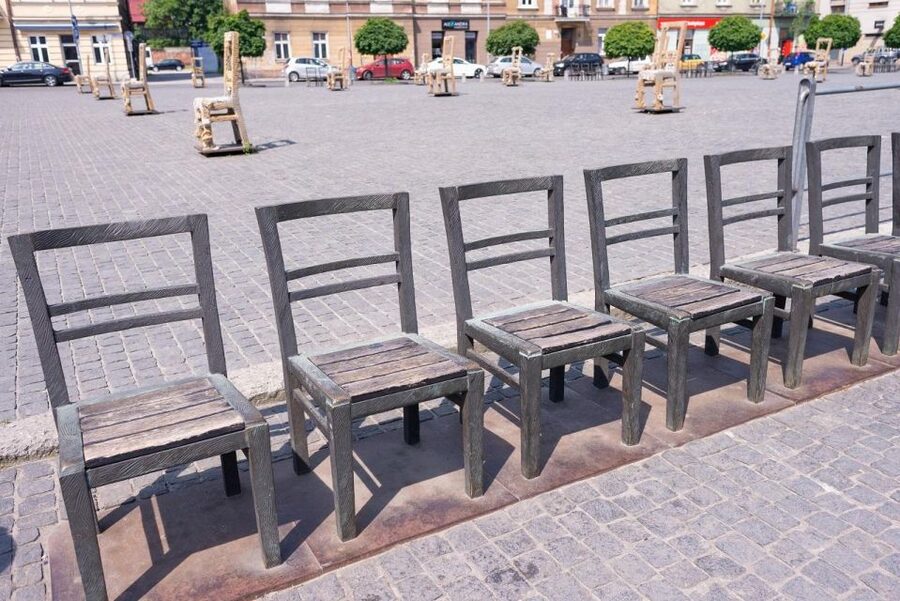
The tour ends, or includes a major stop, at the Empty Chair Monument in Heroes’ Square. Its 68 chairs are the most visually striking memorial on the route.
The chairs symbolize the people removed from the ghetto. Their empty seats create a simple image of absence. You do not need a large explanation to understand the basic message, but the guide helps place the memorial within the events you have already studied.
This is a strong final point because it gathers the tour’s themes in one public space. The museum showed how occupation reshaped Krakow. The walk showed the ghetto’s boundaries, homes, and places of daily life. The chairs leave you with a symbol of the people who were no longer there.
Give yourself a little time to take in the square. The tour follows a set schedule, so you may not have unlimited time at every stop. Still, the guide-led format keeps the memorial from becoming just another quick photograph.
Why the three-hour format works
Three hours is long enough to connect the museum and the district without turning the experience into an all-day commitment. I like this balance for a first visit to Krakow, especially if you also plan to see other museums or historic areas.
The schedule is fixed, and that has two sides. A set entry time protects the museum visit and keeps the group moving. It also means you cannot casually arrive late or spend extra time at lunch before the meeting point.
This is not a tour for people who want to wander without a clock. It suits you best if you value a clear route and a guide who can organize a difficult subject. The group enters the museum punctually, and late people will not be admitted or refunded.
Plan to arrive early at the main entrance. The meeting point is not a general city landmark. You need to find the museum entrance and identify the guide with the excursions.city sign. Keep the instructions handy on your phone, and do not cut your arrival close.
What the $58 price gets you
At $58 per person, the cost is reasonable if you want both museum admission and a guided walk through Podgórze. You are paying for a professional guide, the Schindler’s Factory ticket, and the organization needed to connect several locations in a single three-hour visit.
The value depends on how you like to tour. If you are comfortable reading museum panels and researching the ghetto sites yourself, you could spend less by visiting independently. You would then need to arrange museum admission, understand the timed entry system, and build your own route between the sites.
For you, the tour is a better buy if you want the difficult background explained clearly and prefer not to piece together the story alone. The strongest praise for this experience focuses on the guide’s passion and detailed answers, which are especially useful here. This is a subject where a good explanation can change what you notice.
Food and drinks are not included. Since the tour lasts three hours, eat beforehand or plan a meal afterward. Do not expect a food stop to break up the schedule.
Language choices and guide style
You can book the tour with a live guide in English, French, German, or Italian. That range is useful in an international city, but confirm your chosen language when checking availability.
A guide such as Eva can make the experience more personal by answering questions in detail rather than rushing through prepared facts. The available praise describes a guide who was eager to engage and gave thorough answers. That is the kind of approach I would want for this tour, since the subject raises questions about people, choices, and daily life rather than just dates.
The exact guide is not guaranteed in the information provided, so book for the route and format first, not for a promise that Eva will lead your group. If you have a specific language need, check it before paying.
Practical rules that matter
The tour includes skip-the-ticket-line access, but that does not mean you can arrive whenever you like. The museum uses a scheduled group entry, and the schedule is strict.
From January 1, 2026, the museum’s personalized tickets require the full names of all participants at booking. You must also bring a passport or ID for entry. Without the required identification, admission may be refused.
The timing from that date is approximate and may change because of the museum’s schedule. You can select a preferred time, but the exact entry time is not guaranteed. This is important if you are arranging another timed attraction on the same day.
The activity allows free cancellation up to 24 hours in advance for a full refund. You can also reserve now and pay later, which gives you some flexibility while your Krakow plans are still taking shape.
Who should book this Krakow tour?
I would choose this tour if you want a guided introduction to Krakow’s wartime story and prefer places connected to real events over a general sightseeing loop. It is particularly suited to first-time visitors who want help understanding the relationship between Schindler’s Factory, Podgórze, the ghetto, and the memorials.
It also suits you if you appreciate time for questions. The strongest guide praise points to detailed answers and real enthusiasm, not simply a fast recitation. That can make a major difference with a serious subject.
You may prefer an independent visit if you need a loose schedule, want to spend as long as you like in the museum, or dislike group walking tours. The fixed entry and no-late-arrival rule are firm. Families and groups should also be ready to provide every participant’s full name and identification requirements from 2026 onward.
Should you book it?
Book this experience if you want the museum and the former ghetto explained as one connected story. The surviving wall, former homes, Pod Orłem Pharmacy, and 68 empty chairs give the outdoor portion real purpose, while the museum provides the broader setting.
Skip it if your schedule is too tight for a punctual three-hour commitment or if you want to explore entirely at your own pace. For $58, the combination of admission, a professional guide, and a focused walk offers solid value, especially if a thoughtful guide helps you make sense of what you are seeing.
FAQ
Where does the Schindler’s Factory and Ghetto tour meet?
Meet your guide in front of the main entrance to Schindler’s Factory Museum. Look for a guide with the inscription excursions.city.
How long does the experience last?
The tour lasts three hours. Starting times vary, so check availability when booking.
What is included in the price?
The price includes admission to Schindler’s Factory Museum, a professional tour guide, and the walking tour through Podgórze.
Are food and drinks included?
No. Food and drinks are not included.
Which languages are available?
Live guided tours are available in English, French, German, and Italian.
Can I arrive late to the museum entrance?
No. The museum requires punctual group entry, and late arrivals will not be admitted. The missed visit is not refundable, so arrive early.
What identification is required from January 1, 2026?
You must provide the full names of all participants when booking and bring a passport or ID for museum entry. Without these, admission may be denied.
Just added around Krakow
- stag dog chase Krakow prank★ 5.0 · 4 reviews
- Divine Mercy Sanctuary – Private Tour from Krakow★ 5.0 · 4 reviews
- ZALIPIE – painted village, unique PRIVATE tour from Krakow★ 5.0 · 20 reviews
- ZALIPIE – painted village, unique small group tour from Krakow★ 5.0 · 7 reviews
- Zalipie Private Tour from Krakow The Painted Village★ 5.0 · 4 reviews
- Wooden Churches Unesco List Private Tour from Krakow★ 5.0 · 14 reviews
- Guided tour to Salt Mine & Schindler Factory with Pick-Up Options★ 4.0 · 58 reviews
- Wawel Castle, Cathedral, & Rynek Underground Tour with Lunch★ 5.0 · 4 reviews
Schindler Factory Tours, compared.
Oskar Schindler’s Factory Entry Ticket & Guided Tour
Read our review →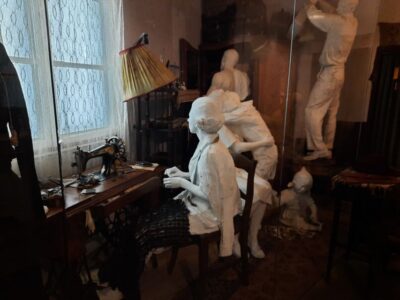
Schindler’s Factory Tour with Entrance Ticket
Read our review →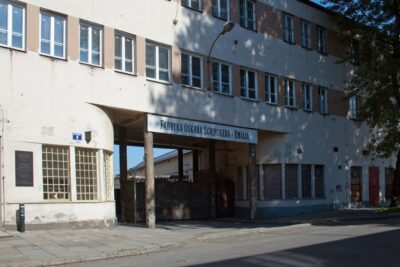
Schindler’s Factory Tour with Entrance Ticket
Read our review →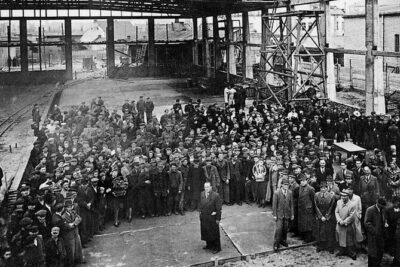
Schindler’s Factory in Krakow: Guided Tour & Skip the Line Ticket
Read our review →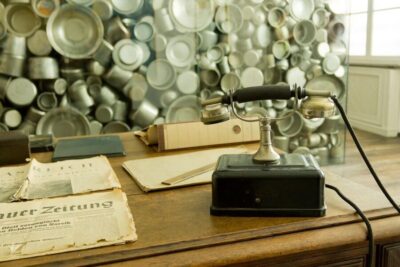
Schindler’s Factory Ticket with Guided Tour Option
Read our review →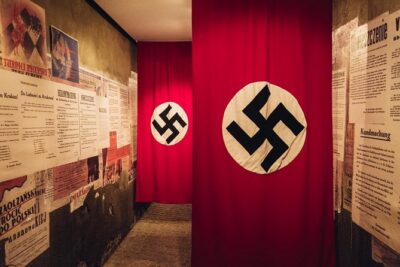
Krakow Schindler’s Factory Guided Tour with Admission Ticket
Read our review →Browse the lists this tour appears in