
Reviewed · SCHINDLER FACTORY TOURS
Krakow: Schindler’s Factory & Ghetto Guided Tour
The most powerful part of this three-hour tour is the link between the museum and the streets outside it. You first follow Krakow under Nazi occupation through Schindler’s Factory, then walk through Podgórze, where the former ghetto’s walls, pharmacy, homes, and empty chairs make the story concrete. I especially like the chronological museum display and the way the walking route adds physical context.
I also like the live guiding, particularly when the guide uses personal stories and a headphone system so everyone can hear clearly. Guides have included Hannah, Helen, Helena, and Frau Weßling, and the praise has been especially strong for their clear, passionate explanations. The main consideration is emotional weight: this is serious history, not a light sightseeing stroll, and three hours can feel demanding if you want time to absorb each stop quietly.
Key points to know before booking
- The museum and neighborhood work together: Schindler’s Factory explains the wider wartime story, while Podgórze shows where it unfolded.
- The route includes the surviving ghetto wall: This is one of the clearest physical reminders of the forced Jewish district.
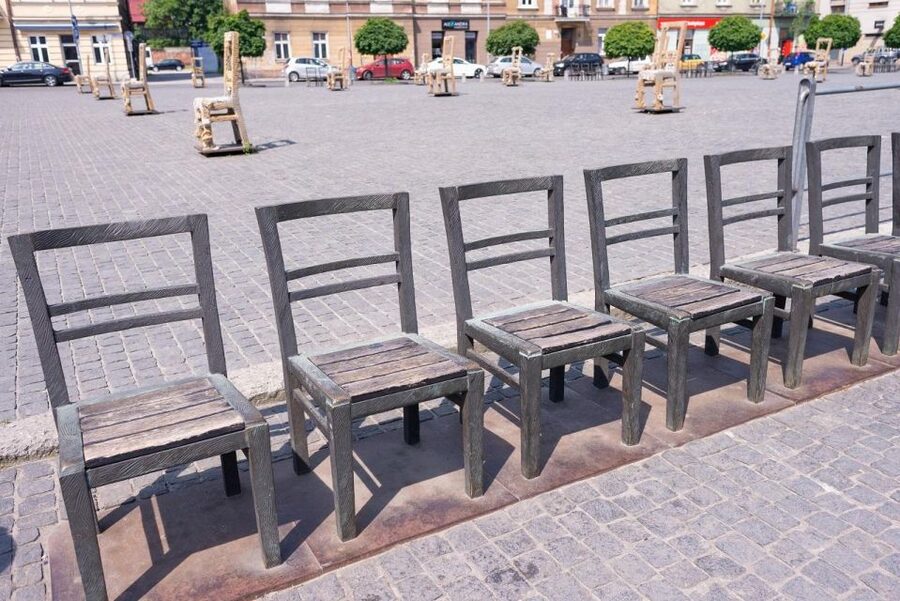
- Heroes’ Square has 68 empty chairs: The monument gives the final walking portion a stark, memorable focus.
- The guides receive unusually strong praise: Hannah, Helen, Helena, and Frau Weßling are among the guides named in feedback.
- Headphones help in busy outdoor areas: You can follow the commentary without crowding around the guide.
- Bring identification: From January 1, 2026, the museum requires full participant names at booking and a passport or ID at entry.
Why this Krakow tour matters
Krakow has many museums, but this one asks you to connect indoor evidence with the streets of Podgórze. That matters because wartime history can become abstract when it is told only through dates, names, and display cases. Here, you move from a carefully arranged exhibition to the places where people were confined, displaced, and killed.
The tour focuses on the period of Nazi occupation and the experience of Krakow’s Jewish population. It also tells the story of Oskar Schindler, the German entrepreneur who helped save numerous Jews during the war. Schindler is the name most people recognize, but the tour is not only about one man. The wider story includes occupation, forced relocation, daily survival, and the destruction of a community.
I appreciate that balance. A visit built only around Schindler can become a simple heroic tale. The combined museum and walking route gives you a wider frame, showing the system around him and the people affected by it.
This is a guided experience rather than a quick museum entry. Your guide supplies the links between the objects, buildings, and locations. That is useful here because the meaning of a wall fragment or pharmacy building is not always obvious if you are walking alone.
More Jewish Heritage Tours in Krakow
- Krakow: Schindler’s Factory & Ghetto Guided Tour
★ 4.7 · 1,694 reviews - Krakow: Jewish Quarter and Former Ghetto Tour
★ 4.9 · 1,441 reviews - Krakow: Bike Tour of Old Town, Jewish Quarter and the Ghetto
★ 4.9 · 1,155 reviews
Inside Schindler’s Factory museum
You meet your guide in front of the main entrance to Schindler’s Factory Museum, near the sign for excursions.city. The admission ticket is included, and the tour is designed to let you skip the ticket line. That saves time, especially when you have a full day planned in Krakow.
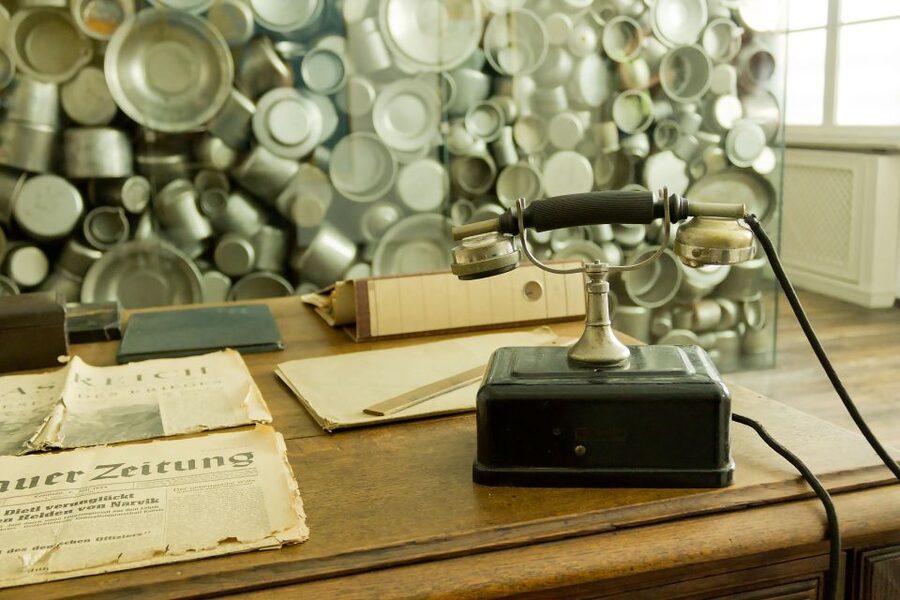
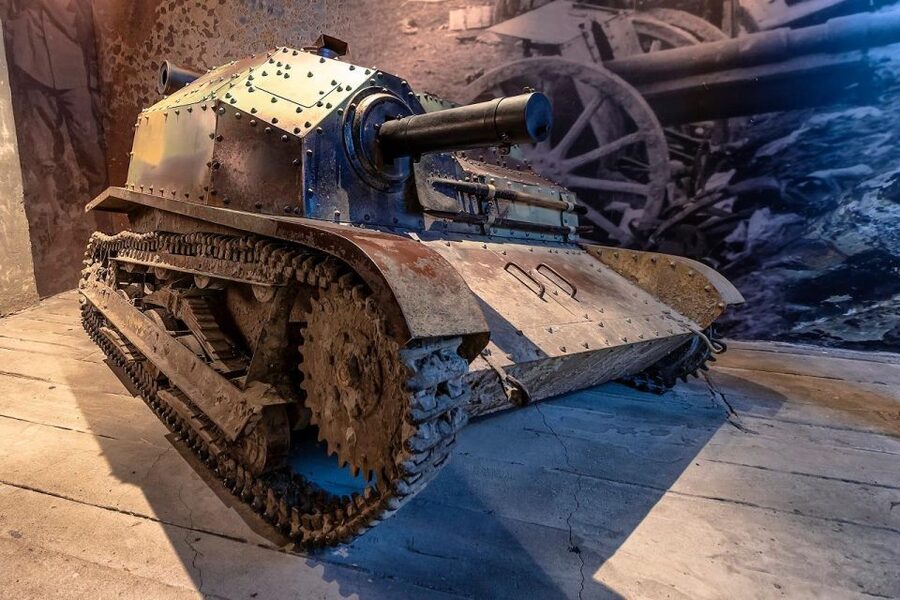
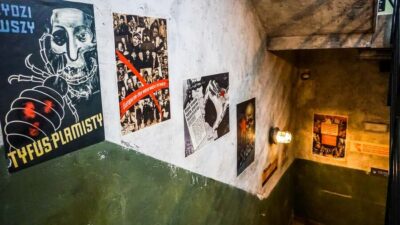
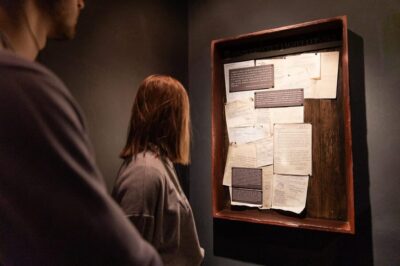
The central exhibition is called Krakow Under Nazi Occupation. Its chronological approach is one of its strongest features. Instead of presenting disconnected rooms, it helps you follow the chain of events that led from occupation to the atrocities of the war.
That order is important. You can see how policies and decisions affected ordinary life over time, rather than treating the war as one single, shapeless tragedy. The exhibition also places Schindler’s actions within the wider events of occupied Krakow.
I would allow yourself to listen closely here. The museum portion is not simply a photo stop before the outdoor walk. It provides the background you need for the later locations in Podgórze, and a good guide can explain why each place matters.
The guides named in feedback include Hannah, Helen, Helena, and Frau Weßling. The descriptions of their work repeatedly point to clear explanations, personal anecdotes, strong engagement, and a serious sense of purpose. Those qualities matter in a museum where dates and political terms can quickly become hard to follow.
A headphone system has also been used on the tour. I see that as a practical advantage. In a group, you can keep a little distance from the guide and still hear the commentary, rather than trying to stand shoulder to shoulder around one person.
The museum is the indoor part of the experience, so it gives you a break from the weather. The full tour then moves outdoors, making suitable shoes and a coat or rain layer sensible choices. The supplied information does not give a detailed accessibility description, so check directly if you need specific arrangements.
Walking through Podgórze’s former ghetto
After the museum, the route continues through Podgórze. This is where the tour changes from exhibition viewing to place-based history. You are no longer looking at a display about the ghetto. You are walking through the district where thousands of displaced Jews once lived.
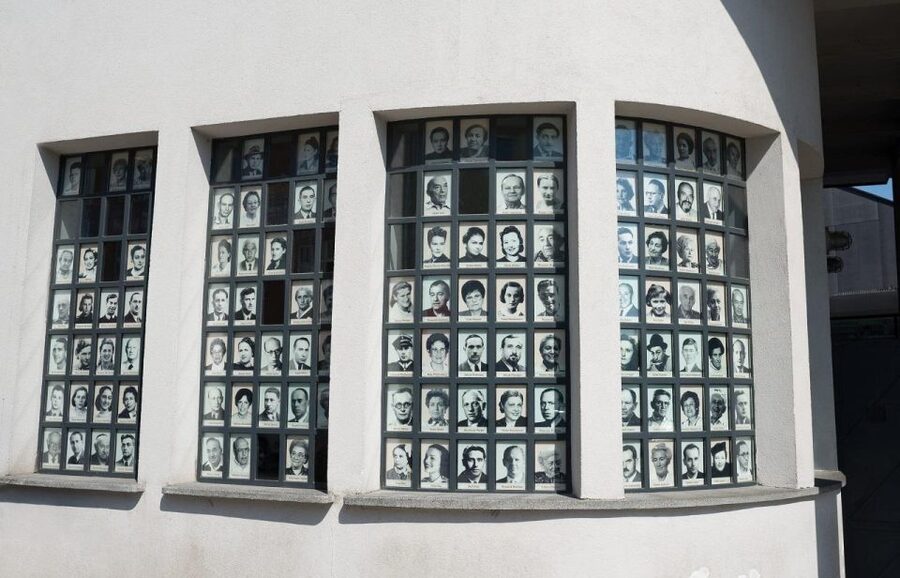
The route includes surviving sections of the ghetto wall. Even a partial wall can be difficult to process because it makes the forced separation visible. Your guide can connect that physical remnant to the conditions imposed on the people inside the district.
The walk also passes homes where thousands of displaced Jews once resided. These buildings are not presented as isolated sights. Their value comes from understanding their former role in a neighborhood reshaped by occupation and forced movement.
This part requires attention. Podgórze is a real urban district, not a preserved film set. You will encounter ordinary streets alongside memorials and wartime remnants. That contrast can make the experience more unsettling, but it also helps explain how historical events remain part of a living city.
The walking section is included in the three-hour duration, so expect a steady progression rather than a long period at every location. If you prefer to pause alone at each memorial, a private visit afterward could give you more quiet time. The advantage of the guided route is that you receive context as you move.
Pod Orłem Pharmacy and the story of survival
The historic Pod Orłem Pharmacy is another important stop. Its significance comes from its connection to Jewish life during the occupation and the former ghetto. The pharmacy helps move the story beyond major political events and toward everyday needs, choices, and acts of assistance.
This is one reason I prefer the combined route to a museum visit alone. You encounter places tied to daily life, not just the most famous names. A pharmacy may sound modest compared with a factory museum, but that is precisely why it can be effective. It points toward the practical realities of illness, medicine, communication, and survival during a brutal period.
The exact balance between museum time and outdoor stops can depend on the guide and the museum schedule. The experience is listed at three hours, and the museum start time may shift according to museum scheduling. You can choose a preferred time when booking, but from January 1, 2026, the exact time is not guaranteed.
That is worth noting if you are arranging train travel, another tour, or a tightly timed dinner. Leave some room around the appointment rather than planning a connection immediately afterward.
More ways to visit Schindler's Factory:
- Krakow: Oskar Schindler’s Factory Entry Ticket & Guided Tour
★ 4.2 · 3,793 reviews - Krakow: Schindler’s Factory Tour with Entrance Ticket
★ 4.5 · 3,182 reviews - Krakow: Schindler’s Factory Skip-the-Line Ticket
★ 4.4 · 3,105 reviews - Krakow: Schindler’s Factory Tour with Entrance Ticket
★ 4.6 · 1,737 reviews
The 68 chairs at Heroes’ Square
The walk reaches the Empty Chair Monument at Heroes’ Square. Its 68 chairs represent the Jewish residents of Krakow who were displaced and killed during the war. The design is simple, but that simplicity gives the memorial its force.
The chairs suggest absence without needing a long inscription. They are ordinary objects placed in a public square, yet the repeated empty seats make the scale of loss hard to ignore. Your guide can explain the memorial and tie it back to the people and homes discussed earlier on the route.
For me, this is a fitting final stop because it gathers the tour’s themes in one place. You have seen the museum’s timeline, the wall, the former residences, and the pharmacy. The chairs then shift the focus from buildings and events to the people who are no longer there.
This is not a finish designed for a cheerful group photo. Give yourself a moment to take it in. The tour may continue according to the guide’s schedule, but you can choose to remain reflective rather than rushing straight to your next attraction.
The guides make a major difference
The strongest praise for this experience concerns the guides. Hannah was described as very well informed, with a headphone system that made the commentary easy to follow. Helen was praised for her knowledge and personal anecdotes, while Helena was described as engaging and passionate. Frau Weßling has also been singled out for her command of the subject and clear German delivery.
Those comments point to the most important variable in a history tour: explanation. The buildings and memorials are valuable, but a guide determines whether you see isolated sights or understand how they connect.
The available languages are English, German, Italian, French, and Spanish. Make sure you select the language you need when checking availability. The information provided does not promise that every language operates at every start time, so availability is the useful thing to confirm before payment.
The headphone system is particularly helpful outdoors. Podgórze streets can make group listening awkward, and the equipment lets you hear the guide while looking at the site rather than at the guide’s mouth.
A live guide also allows some adjustment. If the group needs a clearer explanation of a term or event, you can ask. That is different from an audio guide, which gives the same material in the same order without room for questions.
Is $58 a fair price?
At $58 per person, this is not the cheapest way to see Schindler’s Factory. The price includes museum admission, the walking tour, and a professional guide, so you are paying for interpretation as well as entry.
I think the value is reasonable if you want the museum and the Podgórze route on the same day. Booking the museum separately and walking around alone may cost less, but you would need to build your own historical framework. You would also miss the advantage of hearing the story in sequence from someone who knows how the locations relate.
The price makes less sense if you only want a quick look inside the factory or prefer reading displays at your own pace. The tour spends three hours on a serious subject, and the guided structure leaves less freedom to wander.
Food and drinks are not included, and hotel pickup and drop-off are not included. You need to make your own way to the museum entrance, so factor that into your schedule. The meeting point is clear, but do not assume transportation from your hotel is part of the booking.
The flexible booking terms add practical value. You can cancel up to 24 hours before the activity for a full refund, and the reserve-now, pay-later option lets you hold a place without paying immediately. These terms are useful when you are still arranging a Krakow itinerary, though the museum’s changing times from January 1, 2026 require extra care.
Who should book this experience?
I would recommend it to you if you want historical context rather than a quick list of sights. It suits first-time visitors who want a structured introduction to Krakow’s wartime story, as well as people who have already seen the Old Town and want to understand another side of the city.
It is also a good fit if you value a live guide. The named guides have been praised for clear delivery, personal anecdotes, and passionate presentation. You should especially appreciate the headphone system if you find group tours hard to hear.
The tour may be less suitable if you need a light afternoon activity. The subject is painful, and the Empty Chair Monument and former ghetto locations can leave you with a lot to process. It may also feel too structured if you prefer to explore museums independently.
Families should judge the subject and length for themselves. The supplied information does not give an age recommendation, so consider whether the children in your group are ready for an honest account of Nazi occupation, displacement, and mass death.
Practical details before you go
Meet the guide outside the main entrance to Schindler’s Factory Museum. Look for the excursions.city sign, and arrive with enough time to identify the group before the museum portion begins.
The activity lasts three hours, but the museum schedule can affect the exact starting time. From January 1, 2026, all participant names must be provided at booking because the museum uses personalized tickets.
You must also bring a passport or ID for museum entry from that date. Without the required identification, entry may be refused. This is an easy detail to overlook, so check everyone’s name and documents before leaving your accommodation.
Wear shoes suitable for walking through city streets. Food and drinks are not supplied, so plan a snack or meal before or after the tour rather than expecting a refreshment stop during it.
Should you book this Krakow tour?
Book it if you want Schindler’s Factory to be more than a standalone museum visit. The combination of the chronological exhibition, Podgórze’s former ghetto sites, the Pod Orłem Pharmacy, and the 68 empty chairs gives you a clear path through a difficult part of Krakow’s past.
The strongest reason to choose it is the guide. Hannah, Helen, Helena, and Frau Weßling have been praised for making complex events understandable and personal, while the headphone system helps you hear every explanation.
Skip it if you want a casual outing, dislike fixed schedules, or need long stretches of private museum time. For most people seeking a serious, well-organized account of Nazi-occupied Krakow, though, the $58 fee is a fair exchange for three hours of guiding, admission, and place-based context.
FAQ
Where does the tour meet?
The guide meets you in front of the main entrance to Schindler’s Factory Museum. Look for the excursions.city sign.
How long does the experience last?
The tour lasts three hours.
What does the ticket include?
The price includes admission to Schindler’s Factory Museum, a walking tour through Podgórze, and a professional tour guide.
Is hotel pickup included?
No. Hotel pickup and drop-off are not included.
Which languages are available?
Guides are available in English, German, Italian, French, and Spanish.
What places will I see on the walking portion?
The route includes streets in Podgórze, surviving sections of the ghetto wall, former homes where displaced Jews lived, the historic Pod Orłem Pharmacy, and the Empty Chair Monument at Heroes’ Square.
Do I need identification for the museum?
From January 1, 2026, you must bring a passport or ID for entry. You must also provide the full names of all participants when reserving.
Can I cancel the booking?
Yes. You can cancel up to 24 hours in advance for a full refund. You can also reserve now and pay later.
Just added around Krakow
- stag dog chase Krakow prank★ 5.0 · 4 reviews
- Divine Mercy Sanctuary – Private Tour from Krakow★ 5.0 · 4 reviews
- ZALIPIE – painted village, unique PRIVATE tour from Krakow★ 5.0 · 20 reviews
- ZALIPIE – painted village, unique small group tour from Krakow★ 5.0 · 7 reviews
- Zalipie Private Tour from Krakow The Painted Village★ 5.0 · 4 reviews
- Wooden Churches Unesco List Private Tour from Krakow★ 5.0 · 14 reviews
- Guided tour to Salt Mine & Schindler Factory with Pick-Up Options★ 4.0 · 58 reviews
- Wawel Castle, Cathedral, & Rynek Underground Tour with Lunch★ 5.0 · 4 reviews
Schindler Factory Tours, compared.
Oskar Schindler’s Factory Entry Ticket & Guided Tour
Read our review →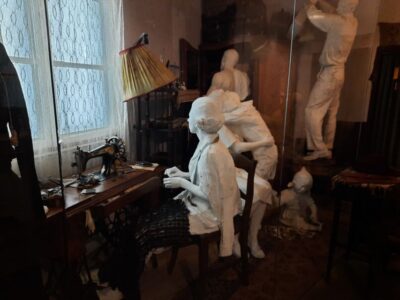
Schindler’s Factory Tour with Entrance Ticket
Read our review →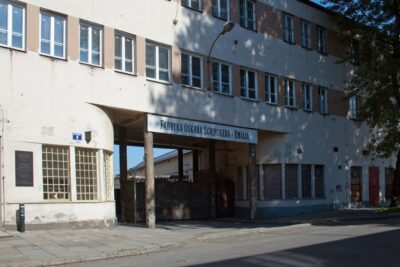
Schindler’s Factory Tour with Entrance Ticket
Read our review →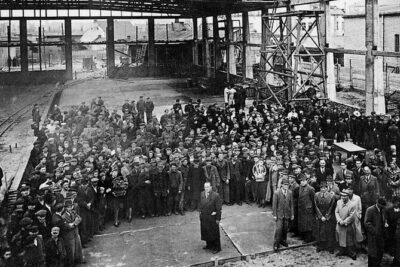
Schindler’s Factory in Krakow: Guided Tour & Skip the Line Ticket
Read our review →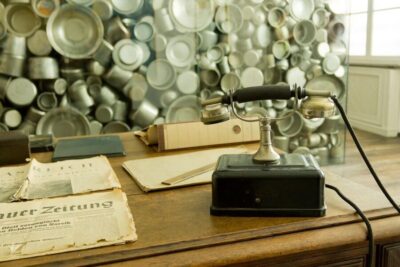
Schindler’s Factory Ticket with Guided Tour Option
Read our review →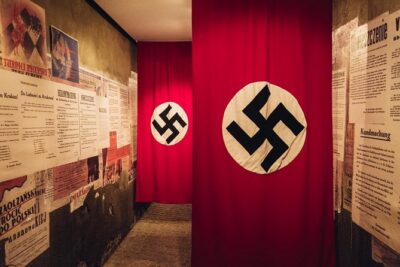
Krakow Schindler’s Factory Guided Tour with Admission Ticket
Read our review →Browse the lists this tour appears in