
Reviewed · SALT MINE TOURS
Krakow: Schindler’s Factory, Jewish Ghetto & Salt Mine Tour
The most striking part of this tour is the sharp change in mood: one moment you are facing Krakow’s wartime past at Schindler’s Factory and the former Jewish Ghetto, and later you are far below the ground among salt-carved chapels. I like the pairing because it gives you two very different sides of Lesser Poland in one day. I also like the Empty Chair Monument, where 68 empty chairs mark the people forced from the ghetto.
The main drawback is the fixed schedule. You must arrive on time at Schindler’s Factory, and late arrivals are not admitted or refunded. The $136 price is not cheap, but it covers both major admissions, round-trip transport, and a small group limited to 15 people.
Key points at a glance
- Schindler’s Factory begins with a strict entry time: Arrive early at the museum entrance with plenty of time to find the meeting point.
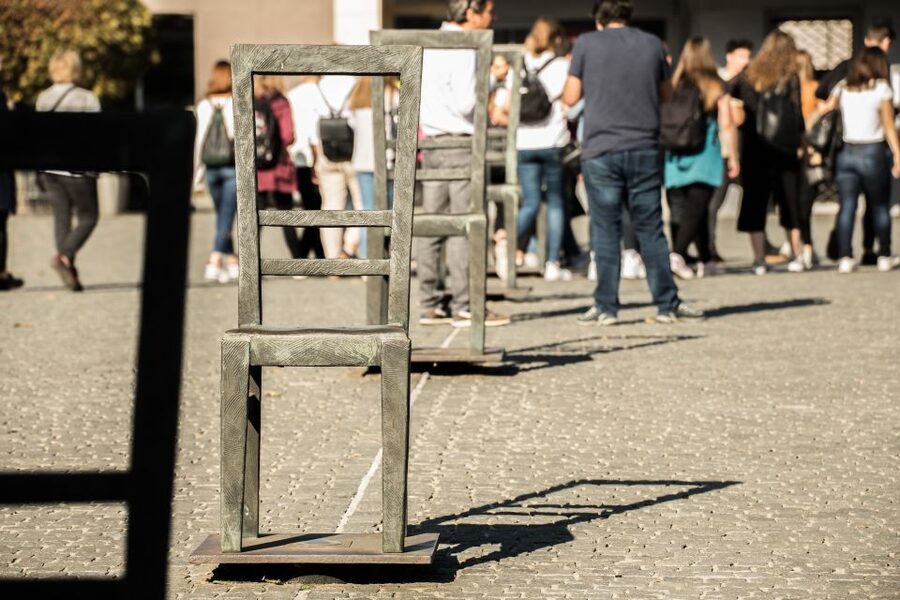
- The Podgórze walk adds real context: See part of the former ghetto wall, the pharmacy Under the Eagle, displaced Jewish homes, and the 68-chair monument.
- Wieliczka covers 3 kilometers underground: Expect 20 halls, salt sculptures, chandeliers, and St. Kinga’s Church.
- The group is limited to 15 people: That is a useful size for a museum visit and a guided historical walk.
- Transport connects the two sites: You do not need to arrange your own trip from Krakow to Wieliczka.
- The day is serious and full: The first half deals with wartime persecution, while the second brings a long underground walking route.
Why this Krakow combination works
Krakow has enough important sights to fill several days, yet some visitors have only a short stay. This tour links two places outside the usual Old Town circuit: Schindler’s Factory in Podgórze and the Wieliczka Salt Mine, about 10 kilometers from Krakow.
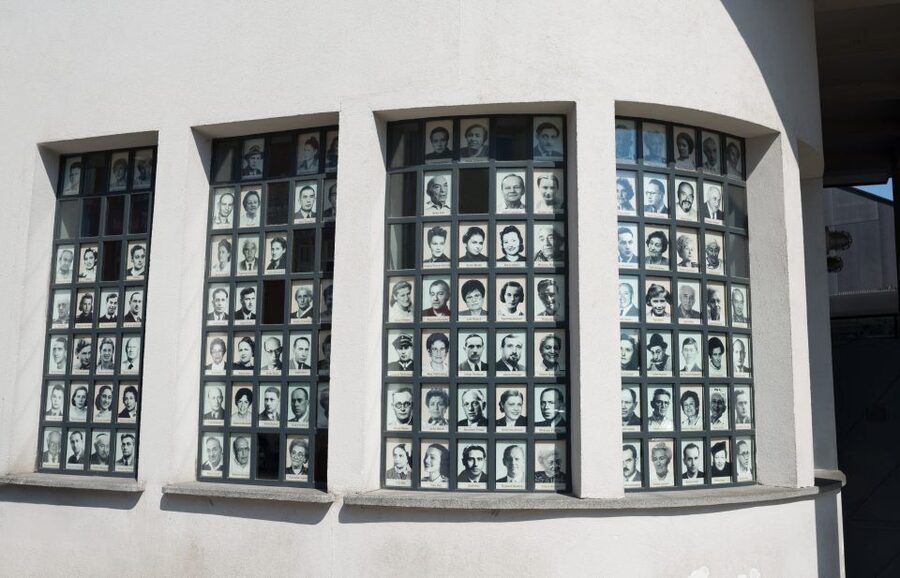
I like the structure because the sites do not blur together. Schindler’s Factory and the Jewish Ghetto focus on the Second World War, Nazi occupation, and the fate of Krakow’s Jewish population. Wieliczka takes you into a much older world of mining, salt sculpture, underground worship, and health treatment.
The seven-hour schedule makes this a full day, though not an exhausting citywide tour with many scattered stops. You spend the first part at the museum and in Podgórze, then travel to Wieliczka for a route of more than 3 kilometers underground. You will need comfortable shoes and enough energy for stairs and walking, although the exact number of stairs is not specified.
The group size matters here. With no more than 15 participants, you are not being moved around as part of a huge crowd. The English-speaking guide can explain the museum and the ghetto area without the sound and confusion that often come with large sightseeing groups.
More Jewish Heritage Tours in Krakow
- Krakow: Schindler’s Factory & Ghetto Guided Tour
★ 4.7 · 1,694 reviews - Krakow: Jewish Quarter and Former Ghetto Tour
★ 4.9 · 1,441 reviews - Krakow: Bike Tour of Old Town, Jewish Quarter and the Ghetto
★ 4.9 · 1,155 reviews
Inside Schindler’s Factory Museum
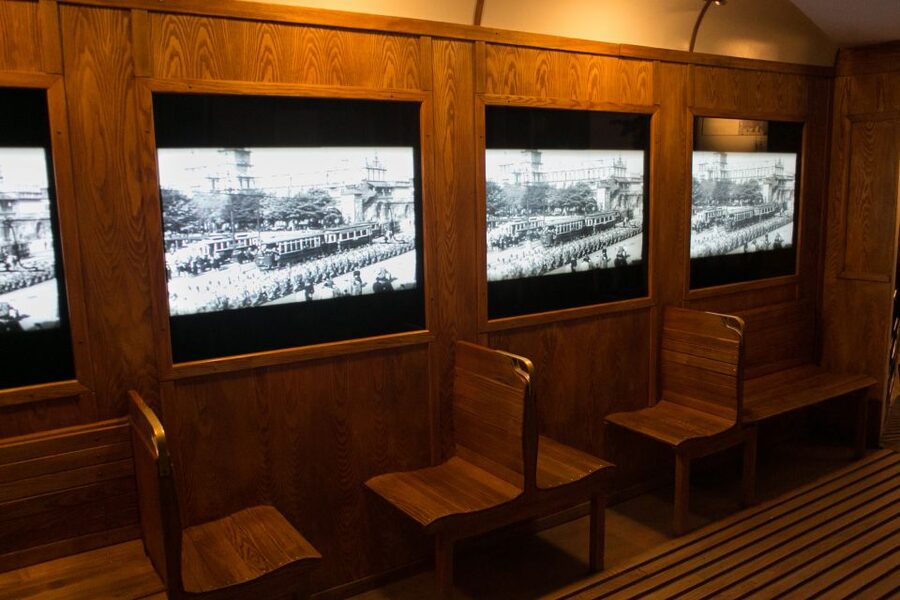
The tour starts in front of the Oskar Schindler Enamel Factory Museum. Your guide waits with an excursions.city sign, so you can identify the meeting point without much trouble. The important part is timing: museum groups enter punctually, and the museum does not accept late arrivals.
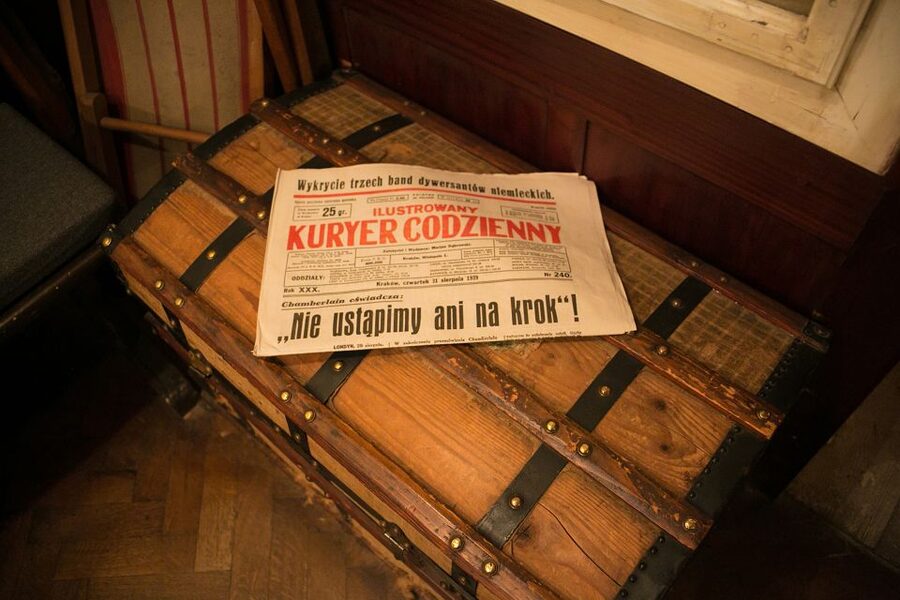
The factory is closely linked with Oskar Schindler, the German entrepreneur made famous by Steven Spielberg’s Oscar-winning film Schindler’s List. Schindler helped many Jewish workers during the war, and the museum uses his story as a way into the larger history of Krakow under Nazi occupation.
Do not expect a simple celebration of one man. The value of the museum is its wider view of wartime Krakow. You learn about the occupation, the city’s Jewish population, and the terrible choices people faced. Schindler’s role matters, but the museum also helps you understand the much larger system around him.
A museum guide leads this section. That is useful because the subject is serious and the displays can carry more meaning when someone explains the setting and connects the details. You are not just looking at factory rooms or historical objects. You are being shown how an industrial site fits into the story of a city at war.
I would give this portion your full attention. It is not a quick photo stop, and the subject is not light. The visit asks you to think about persecution, displacement, and rescue rather than simply collect another Krakow sight.
Since the tour has a fixed entry time, plan to reach the meeting point before the stated start. The description does not give a precise recommended arrival time, so I would allow enough time to reach the museum entrance, locate the guide, and avoid relying on a last-minute arrival.
Walking through Podgórze and the former Jewish Ghetto
After the museum, the tour continues through Podgórze, the district where the former Jewish Ghetto was located. This is where the history becomes tied to streets, walls, buildings, and public spaces rather than only museum displays.
You see part of the undestroyed wall that once surrounded the ghetto. You also pass houses where thousands of displaced Jews were forced to live. These details can be hard to absorb, but they make the scale of the events more concrete. A wall fragment or an old building may look modest at first. With the guide’s explanation, it becomes part of a much larger story of forced movement and confinement.
The pharmacy Under the Eagle is another important stop. It is connected with the ghetto and offers a reminder that ordinary city buildings could become places of help and witness during the war. The tour does not treat the district as a collection of isolated monuments. It links the sites as you walk, showing how the area functioned during one of Krakow’s darkest periods.
The most memorable point for many visitors is likely the Empty Chair Monument in Heroes’ Square. Its 68 chairs represent the people who were removed from the ghetto. The image is spare and direct. There is no complicated symbol to decode: the empty seats point to absent lives.
I like this walking section because it keeps the visit grounded. You are not only inside a museum learning dates and names. You are standing in the streets and seeing the remaining physical evidence. At the same time, keep your expectations measured. This is a historical walk through an urban district, not a long scenic stroll. The value comes from the explanation and the places themselves.
The first half of the tour is emotionally heavy. You may want a little quiet time afterward, but the schedule moves on to Wieliczka. That change can feel abrupt, yet it also gives the day a clear second chapter.
Traveling from Krakow to Wieliczka
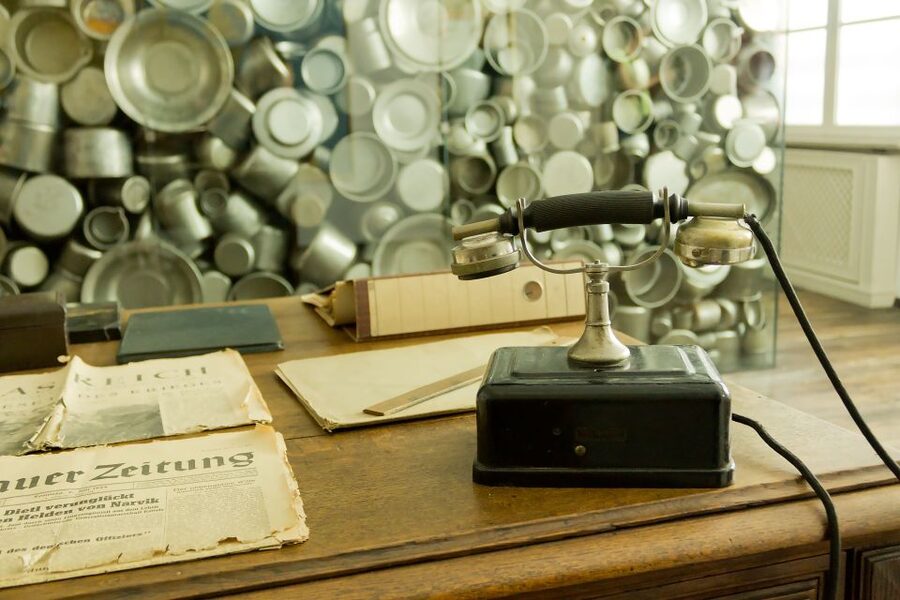
The tour provides round-trip transportation between Krakow and Wieliczka, a small town around 10 kilometers from Krakow. That transfer is one of the practical reasons to consider the package. You avoid arranging separate transport after the museum and ghetto visit.
The vehicle also keeps the day together. After the walking portion, you can sit back rather than work out directions, fares, or train connections. A group tour cannot offer the same freedom as a private plan, but it removes a logistical task on a busy sightseeing day.
The timing is still fixed, so this is not the right choice if you want to linger in Podgórze for an unscheduled lunch or change the order of your day. Food and drinks are not included, and the supplied details do not specify a meal stop. Bring what you need for the seven-hour outing, keeping in mind that the mine route itself is a long walk.
One useful detail from the tour is that the person handling transport may be willing to drop you somewhere in central Krakow afterward. Treat that as a possible convenience rather than a guaranteed stop, since the official end point is back at the original meeting point.
More Salt Mine Tours in Krakow
- Salt Mine Guided Tour from Krakow (hotel pick up)
★ 4.5 · 495 reviews - Krakow: UNESCO Bochnia Salt Mine Tour & Boat Expedition
★ 5.0 · 284 reviews - Krakow: UNESCO Underground Boat Expedition & Salt Mine Tour
★ 4.7 · 197 reviews - From Krakow: Half-Day Salt Mine and Schindler’s Factory Tour
★ 4.5 · 184 reviews
Going underground at Wieliczka Salt Mine
Wieliczka is the physical contrast to the first half. The mine is about 700 years old, reaches a depth of 340 meters, and has more than 245 kilometers of corridors and tunnels in total. You will not see all of that vast network. The sightseeing route covers more than 3 kilometers and 20 halls.
That is still a substantial walk. The route gives you a sense of the mine’s scale without requiring you to explore every passage. You will move through underground chambers and see how miners shaped the salt into useful spaces, religious art, sculptures, and architectural details.
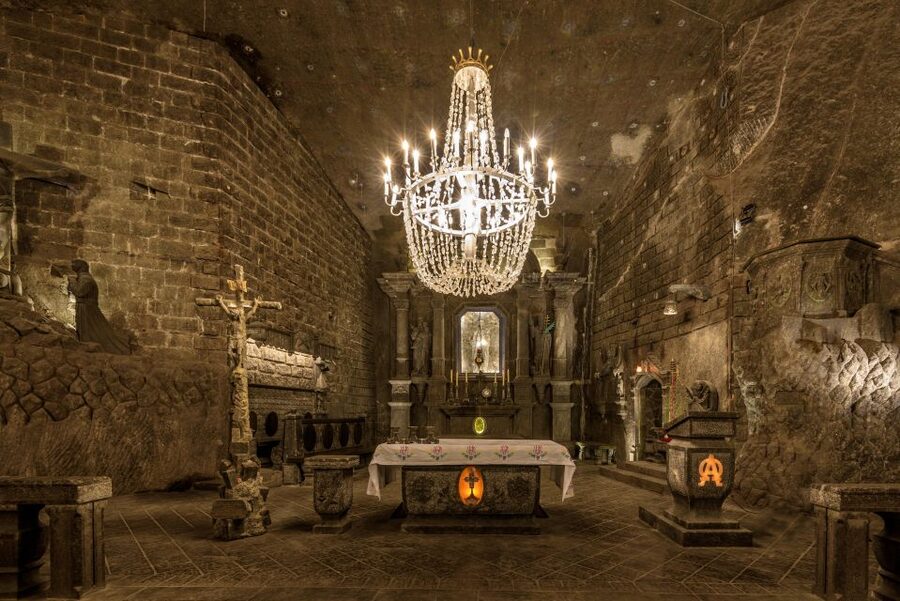
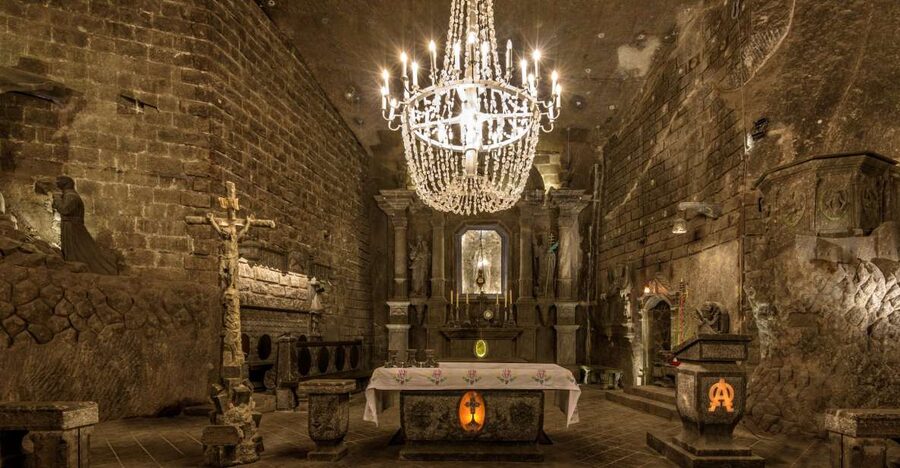
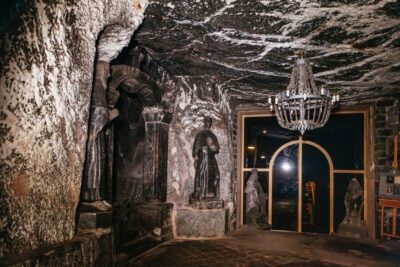
The highlight is St. Kinga’s Church, the largest hall named in the tour description. It is dedicated to the patroness of miners and decorated with chandeliers and sculptures of saints carved from salt. The church is the kind of place that makes Wieliczka more than an industrial site. It shows how mining, faith, labor, and local tradition became linked underground.
Look closely at the materials. Salt is not just part of the mine’s story. It appears in the interior decoration, including the sculptures and chandeliers. The underground setting also changes the feel of the visit. You are not walking through a standard museum gallery with a predictable ceiling and daylight. You are moving through chambers made within the mine itself.
The description says you explore the salt mine at your own pace without a guide. That gives you more room to look around, take in the halls, and avoid feeling rushed at every display. It also means you may want to pay attention to the route and the instructions provided on site. Admission is included, and the tour description also lists a Wieliczka museum guide among the inclusions, so the exact level of guidance may depend on how the mine visit is organized that day. The clearest expectation is that this portion is less continuously guided than the Schindler’s Factory visit.
The mine has a special microclimate, and a sanatorium is located 135 meters below ground. The tour mentions this as part of the mine’s modern use and atmosphere. It is an interesting detail, but do not book the trip as a health treatment. The main reason to visit is the underground route, historic mining spaces, and salt-carved art.
Is $136 a fair price?
At $136 per person, this is a mid-to-high priced day tour for Krakow. The cost makes more sense when you add up what is included: admission to Schindler’s Factory Museum, admission to Wieliczka Salt Mine, transport between Krakow and Wieliczka, and museum guidance. You are also paying for a tightly organized day that joins two sites often visited separately.
I would not call it the cheapest way to see these places. If you are comfortable planning transport, buying tickets yourself, and fitting the sites into separate days, you may spend less. The supplied details do not provide individual ticket prices, so I would not claim a precise saving or premium.
The value is strongest for you if time matters. You can see the museum, former ghetto area, and mine in seven hours without building the connections yourself. The small group limit of 15 also gives the price more weight than a basic large-bus outing.
The value is weaker if you want long, flexible visits. This is a group tour with a defined route and schedule. You cannot arrive late at Schindler’s Factory, and there is no promise of free time for an unplanned meal or extra sightseeing.
Two customer comments are especially useful in judging the price. One visitor found the guide very informative and also appreciated the transport help, including a possible central Krakow drop-off, but felt the tour might be a little expensive. Another praised the guide and recommended the experience strongly. That strikes me as a fair reading: the tour earns its cost through convenience, guidance, and the two admissions, but budget-minded visitors should compare it with independent planning.
Who should book this tour?
I would recommend it to a first-time Krakow visitor who wants the main facts and sites arranged in one day. It suits you particularly well if you have limited time, prefer an English-speaking guide, and do not want to coordinate transport to Wieliczka.
It is also a good match if you want historical context rather than only photographs. The museum guide and Podgórze walk help explain what happened, while the mine adds a completely different kind of Krakow-area sight.
Families with older children may appreciate the variety, but the wartime material is serious and the day is long. The route includes more than 3 kilometers on foot at the salt mine, so anyone in your group who dislikes extended walking should think carefully before booking.
Independent planners may prefer to separate the visits. You could spend more time at Schindler’s Factory and Podgórze, then visit Wieliczka on another day. This tour trades that flexibility for a straightforward plan.
The small group is another reason to choose it. A maximum of 15 people is not private touring, but it is intimate enough to make questions and guide interaction practical. The guide quality matters greatly here, and the available feedback gives particular weight to clear, informative guiding.
Practical advice before you go
Arrive early at the museum meeting point. The strictest rule on the whole tour is the Schindler’s Factory entry time. A late arrival means you may be refused entry with no refund.
Wear shoes suitable for the mine route and the Podgórze walk. The itinerary includes streets, museum rooms, and more than 3 kilometers underground, so comfort matters more than fashion.
Plan for a serious morning and a full afternoon. The first half deals with the Holocaust and wartime persecution. The second half is visually striking but physically demanding. Food and drinks are not included, and no meal is specified, so plan accordingly.
The activity is offered in English, with a live guide and a small group of up to 15 participants. You can cancel up to 24 hours before the start for a full refund, and the reserve-now, pay-later option gives you some flexibility when your Krakow plans are not final.
Should you book it?
Book this tour if you want Krakow’s wartime story and Wieliczka Salt Mine handled in one organized day. I especially like the combination of Schindler’s Factory, the Empty Chair Monument, and the underground halls because each stop adds a different kind of understanding.
Skip it if you need a slow pace, dislike fixed schedules, or want to spend a full day on only one subject. At $136, it is a convenience purchase rather than a bargain.
For many short-stay visitors, the convenience is the point. You receive both admissions, transport, an English-speaking guide, and a group capped at 15 people. Just arrive on time, bring comfortable shoes, and be ready for a day that begins with difficult history and ends among salt-carved chapels.
FAQ
How long does the tour last?
The tour lasts seven hours. Starting times vary, so check availability when booking.
Where does the tour begin?
It begins in front of the entrance to the Oskar Schindler’s Enamel Factory Museum. The guide waits with an excursions.city sign.
Where does the tour end?
The activity ends back at the original meeting point.
Is transportation to Wieliczka included?
Yes. Round-trip transportation between Krakow and Wieliczka is included.
Is the tour offered in English?
Yes. The tour has a live English-speaking guide.
How large is the group?
The group is limited to 15 participants.
What happens if I arrive late at Schindler’s Factory?
The museum does not admit late arrivals. If you miss the appointed entry time, you cannot join the tour later and the payment is not refunded.
More Schindler Factory Tours
- Krakow: Oskar Schindler’s Factory Entry Ticket & Guided Tour
★ 4.2 · 3,793 reviews - Krakow: Schindler’s Factory Tour with Entrance Ticket
★ 4.5 · 3,182 reviews - Krakow: Schindler’s Factory Skip-the-Line Ticket
★ 4.4 · 3,105 reviews - Krakow: Schindler’s Factory Tour with Entrance Ticket
★ 4.6 · 1,737 reviews
Just added around Krakow
- stag dog chase Krakow prank★ 5.0 · 4 reviews
- Divine Mercy Sanctuary – Private Tour from Krakow★ 5.0 · 4 reviews
- ZALIPIE – painted village, unique small group tour from Krakow★ 5.0 · 7 reviews
- ZALIPIE – painted village, unique PRIVATE tour from Krakow★ 5.0 · 20 reviews
- Zalipie Private Tour from Krakow The Painted Village★ 5.0 · 4 reviews
- Wooden Churches Unesco List Private Tour from Krakow★ 5.0 · 14 reviews
- Guided tour to Salt Mine & Schindler Factory with Pick-Up Options★ 4.0 · 58 reviews
- Wawel Castle, Cathedral, & Rynek Underground Tour with Lunch★ 5.0 · 4 reviews
Salt Mine Tours, compared.
Wieliczka Salt Mine Guided Tour with Transport
Read our review →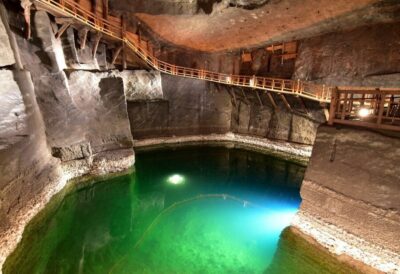
Wieliczka Salt Mine Fast-Track Ticket & Guided Tour
Read our review →
Day Trip: Auschwitz-Birkenau and Wieliczka Salt Mine from Krakow
Read our review →
Wieliczka Salt Mine Tour & Skip the Line Ticket
Read our review →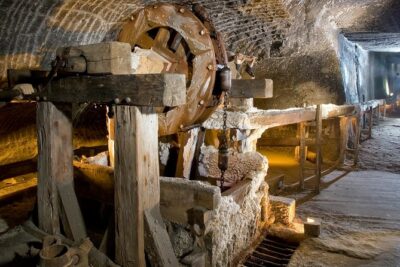
Krakow to Wieliczka: Salt Mine Guided Tour with Ticket & Transfer
Read our review →
Auschwitz-Birkenau & Salt Mine Full-Day Guided Tour
Read our review →Browse the lists this tour appears in