
Reviewed · JEWISH HERITAGE TOURS
Cracow – Guided Tour of the Jewish Ghetto
Krakow’s former Jewish Ghetto is not a museum behind glass. It is a neighborhood of streets, apartments, a square, and a surviving wall fragment. This one-hour walk puts those places into the story of the people forced to live there, then ends at the Under the Eagle pharmacy, one of the area’s most moving sites.
I like the tour’s small price of $15, especially if you want a short, guided introduction before visiting Schindler’s Factory or other wartime sites. I also like the clear focus: Ghetto Heroes’ Square and the remaining wall give the hour a strong visual shape. The main drawback is time. One hour is enough for an outline, but not enough for a long conversation or a full exploration of Podgórze.
Key points at a glance
- Ghetto Heroes’ Square: See the place where Krakow’s Jewish residents were identified and sent away to concentration camps.
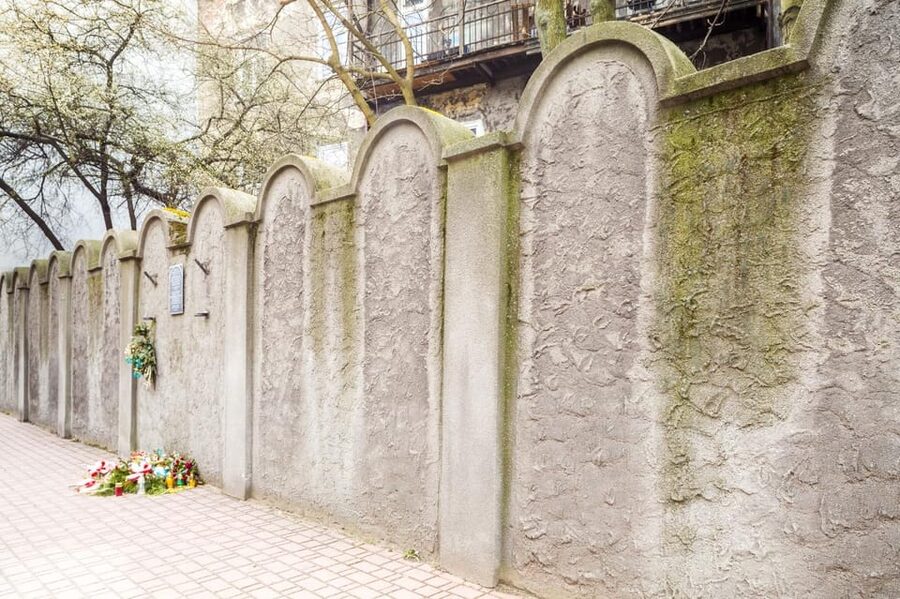
- A surviving wall fragment: Visit part of the original barrier that enclosed the Jewish Ghetto.
- Former ghetto buildings: Walk past the buildings where thousands of displaced Jews lived in cramped conditions.
- Under the Eagle pharmacy: Finish at the historic pharmacy, linked with survival and resistance during the war.
- Five guide languages: Choose from English, German, French, Spanish, or Italian.
- One-hour format: A useful introduction, but a brisk visit for anyone wanting detailed history.
Why this one-hour walk matters
Podgórze can look like an ordinary Krakow district if you do not know what happened there. That is exactly why a guide helps. The streets do not explain themselves, and the most important details are often easy to miss: a section of wall, an open square, or a row of buildings that once held far more people than they were built to house.
During World War II, the German occupation authorities forced Krakow’s Jewish population into a ghetto in Podgórze. The area became a place of confinement, identification, and deportation. This tour helps you connect those events to the physical streets beneath your feet.
I find the format useful for travelers who want context without giving up half a day. You get a guided walk through the central sites, then you can continue independently. The subject is painful, so the short length may also suit you if you prefer to absorb the history in stages rather than spend hours at one memorial after another.
Still, you should arrive ready for a serious experience. This is not a cheerful sightseeing stroll, and the guide’s job is to explain persecution and displacement with care. Wear comfortable shoes, but the bigger preparation is mental: give the places your attention.
More Jewish Heritage Tours in Krakow
- Krakow: Schindler’s Factory & Ghetto Guided Tour
★ 4.7 · 1,694 reviews - Krakow: Jewish Quarter and Former Ghetto Tour
★ 4.9 · 1,441 reviews - Krakow: Bike Tour of Old Town, Jewish Quarter and the Ghetto
★ 4.9 · 1,155 reviews
Meeting at Schindler Factory Museum
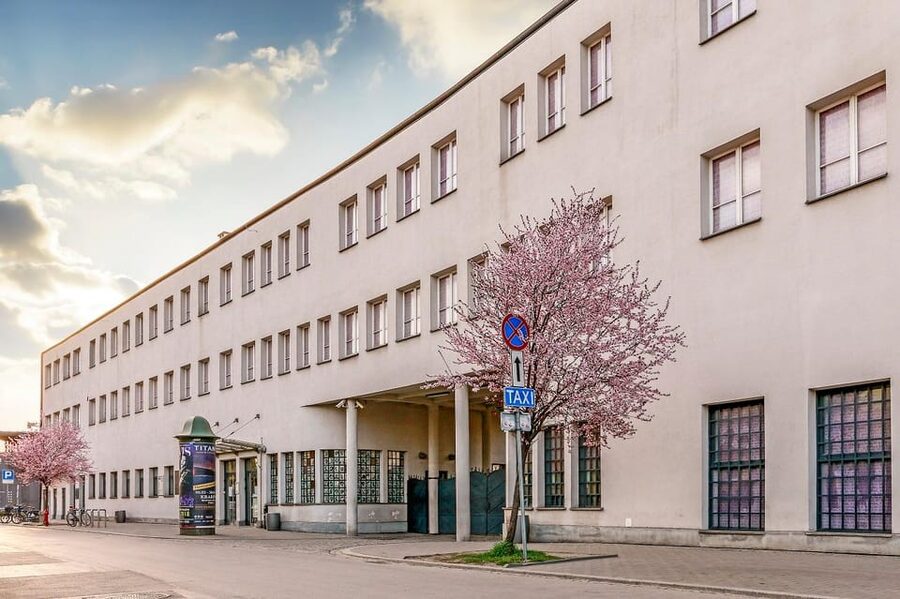
The meeting point is at the entrance to the Schindler Factory Museum. Look for a guide holding an excursions.city sign. This is a useful starting point because the museum is closely connected with Krakow’s World War II story, even though the one-hour walking tour focuses on the nearby former ghetto rather than presenting a full museum visit.
You should allow a little extra time to find the entrance and your guide. The meeting instructions are simple, but the experience depends on joining the correct group at the right place. The museum itself is not listed as included in the walk, so do not assume that your tour ticket covers entry there.
Starting here also makes it easy to plan the rest of your day. You can take the guided walk first, visit the museum separately, or use the tour as a short introduction before exploring more of Podgórze on your own.
Ghetto Heroes’ Square and the deportations
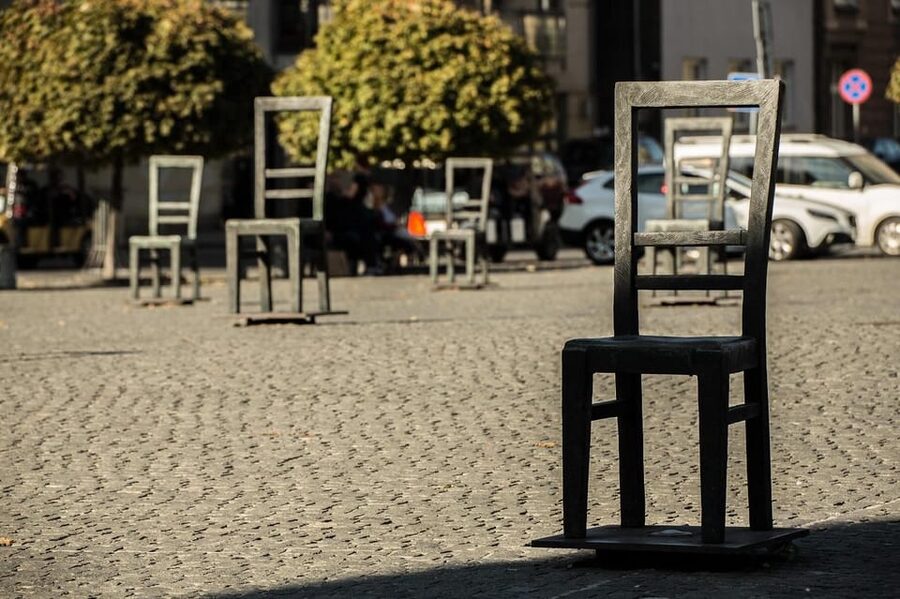
One of the central stops is Plac Bohaterów Getta, known in English as Ghetto Heroes’ Square. This is where Jewish residents of Krakow were identified and deported to concentration camps. The square carries a heavy meaning, and the guide’s explanation is important because the open space alone cannot tell you what took place there.
I appreciate this kind of stop because it gives the history a fixed point. Instead of hearing only dates and general facts, you are shown the place where people were gathered and processed by the occupying authorities. That connection between event and location can make the past easier to understand, even when the subject is difficult.
The square also helps set the tone for the rest of the walk. You are not simply touring old buildings. You are following the route of a community that was forced from its homes and subjected to brutal control.
The amount of explanation may depend on the guide and the group. Some guides clearly offer a full account, while a short tour can leave only a few minutes at each location. If you want every detail of the square’s story, use the hour as a starting point and plan time afterward for further reading or another site.
The wall that enclosed the Jewish Ghetto
The tour includes a surviving fragment of the original ghetto wall. This is one of the most powerful physical reminders in Podgórze because it shows how confinement was built into the neighborhood itself.
A wall fragment may sound modest beside Krakow’s larger monuments, but its value is direct and physical. You can see the barrier that separated the ghetto from the rest of the city. The guide can explain what the wall meant for the people forced behind it, turning a small remnant into an important part of the story.
The wall has also become a place of remembrance for Jewish visitors from around the world. That detail gives the stop a present-day meaning as well as a wartime one. It is not simply an old structure left behind. It is a memorial connected to people who come to Krakow to honor relatives, communities, and those who were killed.
Expect a brief stop rather than a long museum presentation. The tour’s value comes from seeing the wall in its actual setting, but the one-hour schedule limits how much time the guide can spend on architecture, memorial practices, and the wider history of Krakow’s Jewish community.
Same city, a completely different kind of day:
- Kraków: Evening or Night River Cruise
★ 4.0 · 7,386 reviews - Krakow: Oskar Schindler’s Factory Entry Ticket & Guided Tour
★ 4.2 · 3,793 reviews - Krakow: City Sightseeing Tour by Electric Golf Cart
★ 4.5 · 3,264 reviews - Krakow: Schindler’s Factory Tour with Entrance Ticket
★ 4.5 · 3,182 reviews
The buildings where thousands were confined
As you walk through Podgórze, you pass buildings where thousands of displaced Jews lived during the ghetto period. These are not presented as a collection of grand historic sights. Their importance comes from what happened inside them.
The cramped living conditions are central to understanding the ghetto. People were forced into a restricted area and made to live with far less space and security than they had before. Seeing the buildings helps you picture the scale of the overcrowding, even though the façades cannot show every part of daily life.
I like this part of the walk because it moves the story away from a single memorial. You see a neighborhood where ordinary homes became part of a system of persecution. The route makes clear that the ghetto was not an isolated camp in an empty place. It was imposed on an existing urban district.
At the same time, do not expect to enter every building or see preserved interiors. The supplied details describe a street walk past these locations, so the experience is mainly visual and guided. Listen closely to the explanations, since the meaning lies in the connection between the buildings and the people who were made to live there.
Finishing at the Under the Eagle pharmacy
The tour concludes at the historic Under the Eagle pharmacy. This pharmacy is one of the best-known places connected with the ghetto and is described as a symbol of resilience and survival during the war.
Ending here gives the walk a more personal focus. The square and wall show the machinery of confinement. The pharmacy brings attention to human action within that system. Its role helps you think about the people who tried to help others under frightening conditions.
Because the tour ends at the pharmacy, you may want to check how much of the site you can visit after the walk. The information provided confirms that the route concludes there, but it does not specify a separate admission ticket or whether an interior visit is part of the guided hour. Do not build your schedule around a full museum visit unless you confirm that detail when booking.
This final stop is also convenient if you want to continue exploring the district. You will already have seen the main sites in a connected sequence rather than visiting each one without context.
Guide quality and language choices
A live guide leads the walk, with tours offered in English, German, French, Spanish, and Italian. That matters here because the subject depends on clear explanation, not just directions between landmarks.
The strongest part of the experience can be the guide’s ability to speak with compassion and give more than dates. One recent Italian-language tour was praised for clear Italian, while another participant found a guide highly informative and considerate. Those details suggest that language choice can make a real difference, especially on a tour dealing with persecution and loss.
You should also keep expectations realistic. The format does not promise a named historian or a private guide, and guides can vary in how much detail they provide. One particularly poor experience involved a guide who offered very little explanation at the buildings and square. That criticism points to the chief risk of a short group tour: if the commentary is thin, the hour can feel like a walk between locations rather than a meaningful history lesson.
The safest approach is to treat this as a focused introduction. Ask questions when the guide pauses, and pay attention at the square, wall, and pharmacy. A strong guide can make the hour feel full. A quiet guide may leave you wishing for more.
Is $15 good value?
At $15 per person, the tour is reasonably priced for a guided walk lasting one hour. You are paying for a professional guide and a planned route through several important sites, not for food, drinks, museum admission, or transportation.
The value is strongest if you want orientation. A guide can show you where to look, explain why the places matter, and help you avoid treating Podgórze as just another historic neighborhood. For a modest cost, you gain a framework that can improve a later visit to the Schindler Factory Museum or other wartime sites.
The value is weaker if you want an extensive lecture or a slow, reflective visit. One hour moves quickly, and the guide must cover several locations. If you already know Krakow’s Jewish and wartime history well, you may prefer to explore independently.
The option to reserve now and pay later adds flexibility, and cancellation is free up to 24 hours before the tour for a full refund. Those terms are useful if your Krakow plans are still changing, but they do not change the basic question: book this for structure and explanation, not for a full day of historical study.
Who should book this walk?
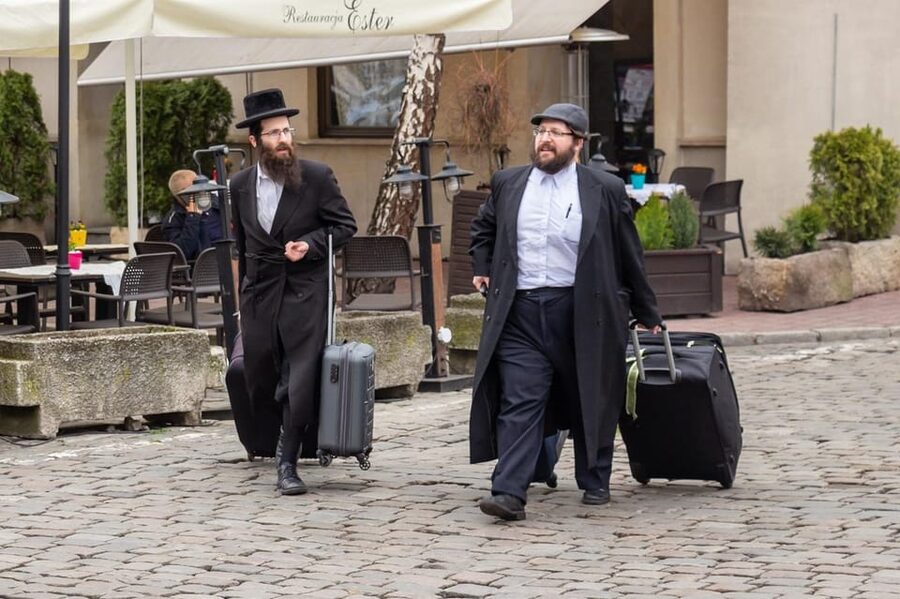
I would suggest it to first-time visitors who want to understand Podgórze before exploring alone. It also suits anyone with only a short amount of time, anyone interested in World War II history, and anyone who prefers a guide speaking their own language.
It may work well as a companion to a visit at the Schindler Factory Museum, but remember that the museum entry is not listed as included. You should plan those as separate parts of the day unless your booking details say otherwise.
The tour is less suitable if you dislike emotionally difficult subjects or need a very slow pace. It is also not the best choice for someone seeking detailed architectural history, extensive personal stories, or long time inside a museum. The walk has a clear purpose, and that purpose is to introduce the former ghetto and its most important reminders.
Should you book the Cracow Jewish Ghetto tour?
Book it if you want a low-cost, one-hour introduction to Podgórze with a live guide and a clear route through Ghetto Heroes’ Square, the wall, the former ghetto buildings, and Under the Eagle pharmacy.
Skip it if you expect a lengthy lecture or a deeply detailed tour. The short format is both its strength and its limit. For $15, it offers useful context and several important locations, but you should leave room in your Krakow schedule to continue learning on your own.
FAQ
Where does the guided tour meet?
Meet your guide at the entrance to the Schindler Factory Museum. Look for a guide holding an excursions.city sign.
How long does the tour last?
The tour lasts one hour.
How much does the tour cost?
The listed price is $15 per person.
What languages are available?
The live tour guide is available in English, German, French, Spanish, and Italian.
Is a professional guide included?
Yes. A professional guide is included.
Are food and drinks included?
No. Food and drinks are not included.
Does the tour visit Ghetto Heroes’ Square?
Yes. The route includes Plac Bohaterów Getta, also called Ghetto Heroes’ Square.
Will I see part of the original ghetto wall?
Yes. The tour includes a remaining fragment of the wall that surrounded the Jewish Ghetto.
Can I cancel for a full refund?
Yes. You can cancel up to 24 hours in advance for a full refund. You can also reserve now and pay later.
Just added around Krakow
- stag dog chase Krakow prank★ 5.0 · 4 reviews
- Divine Mercy Sanctuary – Private Tour from Krakow★ 5.0 · 4 reviews
- ZALIPIE – painted village, unique small group tour from Krakow★ 5.0 · 7 reviews
- ZALIPIE – painted village, unique PRIVATE tour from Krakow★ 5.0 · 20 reviews
- Zalipie Private Tour from Krakow The Painted Village★ 5.0 · 4 reviews
- Wooden Churches Unesco List Private Tour from Krakow★ 5.0 · 14 reviews
- Guided tour to Salt Mine & Schindler Factory with Pick-Up Options★ 4.0 · 58 reviews
- Wawel Castle, Cathedral, & Rynek Underground Tour with Lunch★ 5.0 · 4 reviews
Jewish Heritage Tours, compared.
Bike Tour of Old Town, Jewish Quarter and the Ghetto
Read our review →
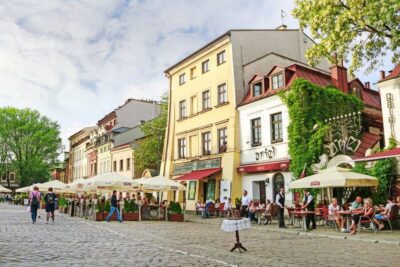
Kazimierz, Schindler’s Factory & Ghetto Guided Tour
Read our review →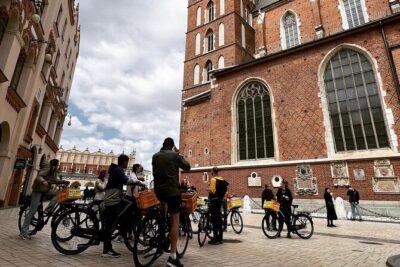
Full Bike Tour – the Old Town, Jewish Qtr & the Ghetto NEW BIKES
Read our review →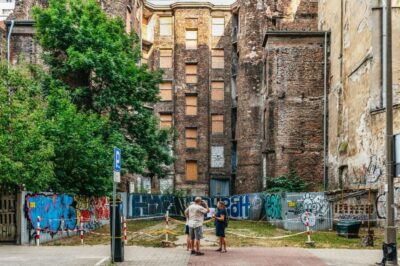
Warsaw Ghetto Private Walking Tour with Hotel Pickup
Read our review →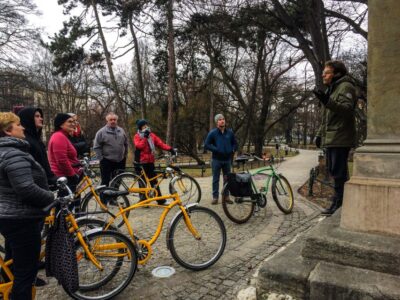
Bike Tour of the Old Town, Kazimierz, and the Ghetto
Read our review →Browse the lists this tour appears in