
Reviewed · SCHINDLER FACTORY TOURS
Cracow: Guided Tour of Schindler’s Factory & Jewish Ghetto
Krakow’s wartime story becomes far more personal when you leave the museum and walk through Podgórze, the district where the Jewish Ghetto once operated. This tour joins the museum’s powerful exhibition with streets, buildings, and memorials that still mark what happened there.
I like the pairing of Schindler’s Factory and the Jewish Ghetto, since you get both the wider wartime story and the physical places tied to it. I also like the stop at Under the Eagle pharmacy and the Empty Chair Monument, which turn a difficult subject into something you can see and consider. The main drawback is pace: three hours may become about three and a half, and some visitors may find the amount of information a little dense.
Key points to know before booking
- The museum visit begins at Schindler’s Factory, with admission included and a live guide leading the way.
- The walking portion takes you through Podgórze, including part of the preserved ghetto wall and former residential streets.
- Under the Eagle pharmacy gives the tour a personal focus, showing one place connected with help for Jews during the occupation.
- The Empty Chair Monument uses 68 chairs, a stark memorial in Heroes’ Square.
- The tour costs $58 per person and lasts about three hours, though the timing can run longer.
- Guiding is offered in five languages, English, Italian, French, Spanish, and German.
Starting at Schindler’s Factory
You meet your guide in front of the main entrance to Oskar Schindler’s Factory Museum. Look for the guide carrying an excursions.city sign. This matters because the museum is the fixed starting point, and there is no hotel pickup included.
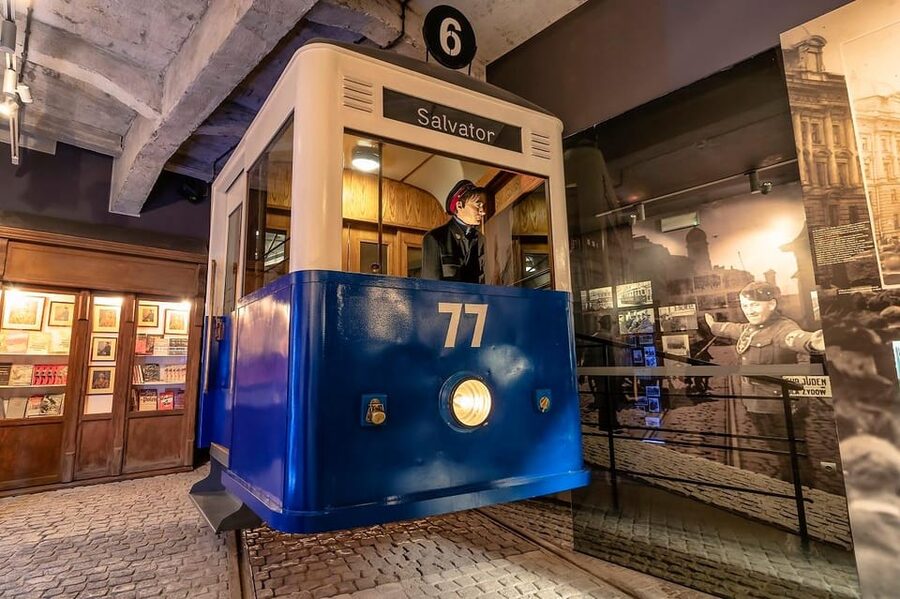
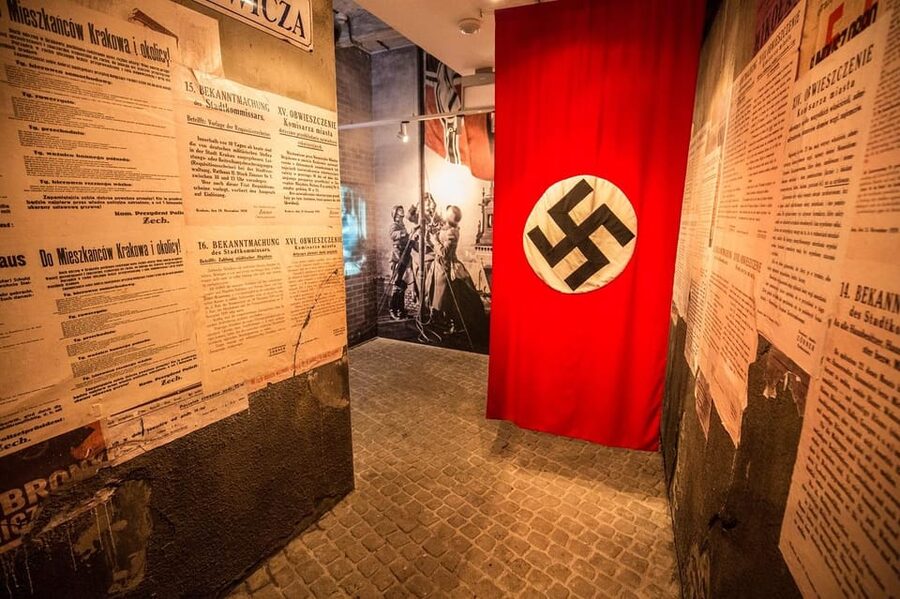
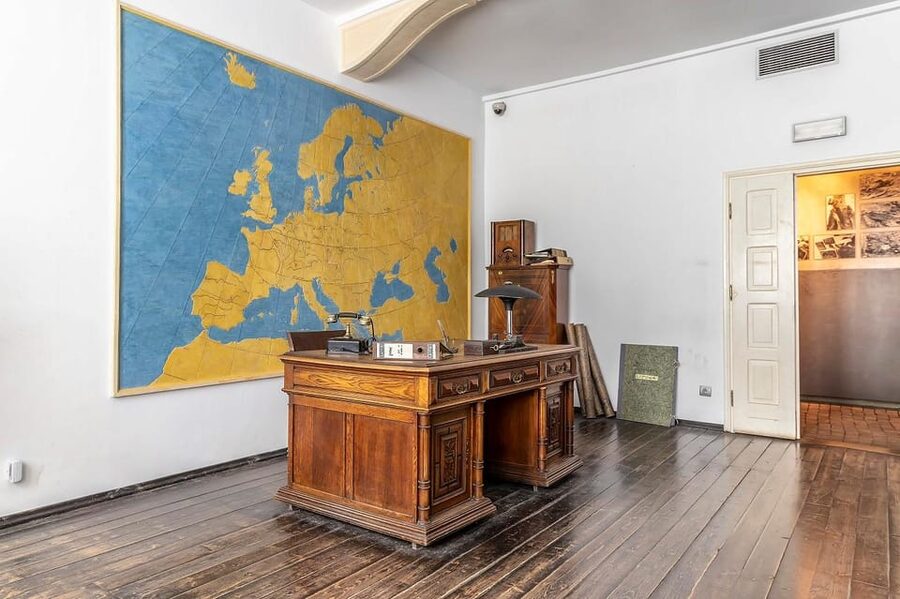
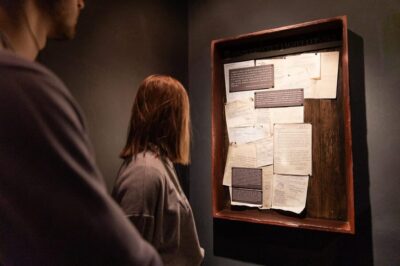
The tour begins inside the museum with Krakow Under Nazi Occupation, the exhibition that explains daily life in Krakow during the Second World War. It also covers Oskar Schindler, the German entrepreneur who helped numerous Jews during the war. The guide’s role is important here. A museum filled with wartime material can feel crowded with dates, names, and events, but a live explanation helps you see how the individual stories connect.
The museum is not simply a Schindler biography. The exhibition places his actions within the wider experience of Krakow under Nazi rule. You can expect attention to the lives of people who were displaced, the pressure of occupation, and the conditions faced by Jewish residents.
This is one reason I think the tour works better than visiting the museum alone. You receive context as you move through the exhibition, then carry that context into the streets outside. The museum provides the wider picture, while Podgórze gives you physical points of reference.
Admission to Schindler’s Factory is included, and the tour is designed to skip the ticket line. That saves you the trouble of arranging a separate museum ticket, though you still need to arrive at the correct entrance and be ready when your guide arrives.
More Jewish Heritage Tours in Krakow
- Krakow: Schindler’s Factory & Ghetto Guided Tour
★ 4.7 · 1,694 reviews - Krakow: Jewish Quarter and Former Ghetto Tour
★ 4.9 · 1,441 reviews - Krakow: Bike Tour of Old Town, Jewish Quarter and the Ghetto
★ 4.9 · 1,155 reviews
What makes the exhibition worth your time
Schindler’s name is familiar because of the wartime story associated with him and the film based on it. The museum goes beyond that single figure. Its exhibition is about Krakow during Nazi occupation, so you can expect a broader account of the city and its residents.
That wider focus is valuable. If you only know Schindler as a heroic industrialist, the museum helps place his efforts inside a much larger and harsher setting. You learn about a city under occupation and about the daily reality faced by people forced from their homes.
The subject is serious, and the guide’s style can shape the experience. The available languages are English, Italian, French, Spanish, and German. Several guides have received especially strong marks for being well-prepared and engaging. Margherita is described as involving, kind, and well prepared, while Phill is remembered for his energy and the amount of information he shared. Italian-language guiding has also earned particular praise from Lorenzo and other Italian-speaking participants.
That does not mean every tour will feel identical. The guide assigned to your departure may be different, and the tone can vary. Still, the repeated strength of the guide service is useful to know. This is an experience where clear explanation matters as much as the places themselves.
Walking through Podgórze after the museum
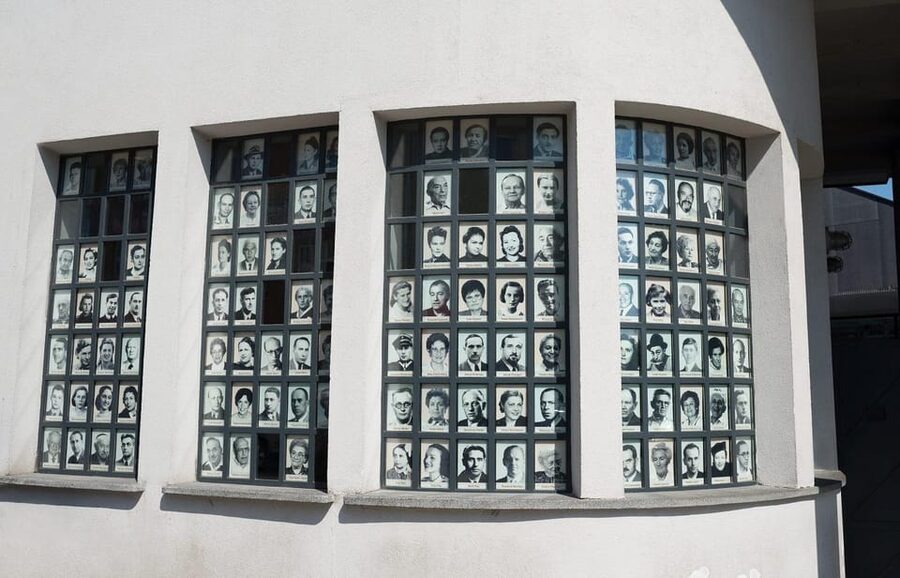
After the museum, the tour continues on foot through Podgórze. This shift is the heart of the experience. You are no longer looking only at an exhibition. You are moving through the district connected with the events you have just been learning about.
The walking route includes streets where thousands of displaced Jews once lived. The buildings may look ordinary at first, which is part of the emotional force. A residential street does not announce everything that happened there. Your guide helps you read the area as a historical place rather than just another part of modern Krakow.
You also see a section of the preserved ghetto wall. This is a direct, physical reminder of separation and confinement. A museum can explain the policy, but standing beside a surviving piece of the wall gives that information weight. It also helps you understand the scale of the district and the limits placed on the people living inside it.
Expect the outdoor portion to add movement and pauses to the museum visit. You will be walking through city streets, not following a quiet indoor gallery. Comfortable shoes are a sensible choice, and you should allow enough time to stay with the group rather than treating this as a quick photo stop.
The information can be heavy. One participant found the total tour a little long at around three and a half hours, even while praising the guide’s expertise. If you prefer short museum visits and a loose schedule, you may find the pace demanding. If you want the subject explained properly, the extra time can be worthwhile.
Under the Eagle pharmacy and the human scale of the story
The visit to the famous Under the Eagle pharmacy gives the walking tour a more focused stop. The pharmacy is known in Polish as Pod Orłem, and it is one of the important places connected with the Jewish Ghetto.
You will hear about the pharmacy’s role and its connection to people living through the occupation. This stop helps bring the story down to a human scale. Instead of thinking only about official orders and large events, you are asked to consider a place where people sought medicine, assistance, and some form of support during a brutal period.
The appeal of this stop is its specificity. A pharmacy is an everyday place. That makes it easier to picture how war entered ordinary life, affecting homes, shops, families, and basic needs. The guide’s explanation is essential because the building alone cannot tell you the full story.
You should also keep in mind that this is a historical tour, not a light sightseeing walk. The pharmacy stop is not included as a casual curiosity. It forms part of the account of Jewish life and survival in occupied Krakow.
More ways to visit Schindler's Factory:
- Krakow: Oskar Schindler’s Factory Entry Ticket & Guided Tour
★ 4.2 · 3,793 reviews - Krakow: Schindler’s Factory Tour with Entrance Ticket
★ 4.5 · 3,182 reviews - Krakow: Schindler’s Factory Skip-the-Line Ticket
★ 4.4 · 3,105 reviews - Krakow: Schindler’s Factory Tour with Entrance Ticket
★ 4.6 · 1,737 reviews
Heroes’ Square and the 68 empty chairs
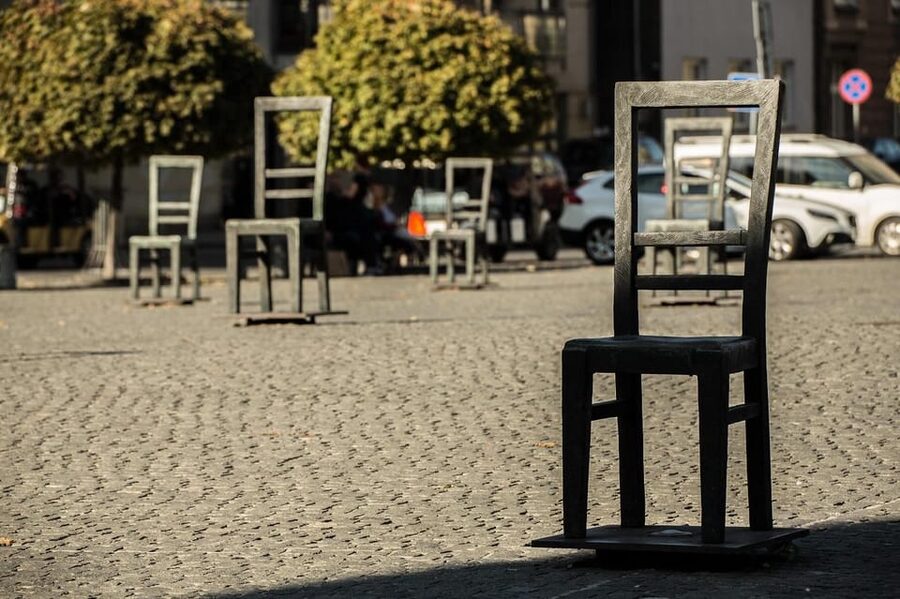
The route also visits Heroes’ Square and its Empty Chair Monument. The memorial uses 68 chairs, creating a striking image of absence. The chairs represent the people who were forced from their homes and the lives that were disrupted or lost.
I find this kind of memorial effective because it uses a simple object rather than a long written explanation. A chair belongs in a home or around a table. When many chairs are left empty in a public square, the message is immediate. Your guide can explain the meaning, but the arrangement itself does much of the work.
This is likely to be one of the tour’s most memorable outdoor moments. It connects the large numbers associated with wartime history to the idea of individual people and households. You are not just hearing about thousands of displaced Jews. You are seeing a memorial built around the absence of people from their everyday places.
The square also provides a pause after the museum and the ghetto wall. The tour moves between indoor displays, streets, a memorial site, and a pharmacy, giving the subject several different forms. That variety keeps the three-hour program from becoming one long museum lecture.
How much value do you get for $58?
At $58 per person, this is not the cheapest way to spend three hours in Krakow. The price needs to be judged against what is included: museum admission, a professional live guide, the walking route, and the convenience of combining several important sites in one outing.
The strongest value comes from the guide. You are paying for interpretation, not just entry. Schindler’s Factory can be visited independently, but you would then need to arrange the ticket and make sense of the exhibition yourself. You would also need to plan a separate route through Podgórze and identify the ghetto wall, Under the Eagle pharmacy, and the Empty Chair Monument.
For someone with limited time in Krakow, the combined format makes sense. You receive the museum and the surrounding district in one organized visit. The route also gives you a useful introduction to Podgórze, which you can explore again later if you want more time.
The value is less convincing if you already have museum admission, prefer exploring alone, or want to spend only an hour or two on wartime history. The tour is information-led and serious. You should book it because you want guidance and context, not because you are looking for a quick photo outing.
Timing, languages, and practical details
The advertised duration is three hours, but you should keep some flexibility. One recorded experience lasted about three and a half hours, and museum scheduling can affect the exact start time. From January 1, 2026, the selected time is a preferred time rather than a guarantee, since Schindler’s Factory controls its scheduling.
You should arrive at the main museum entrance and look for the excursions.city sign. Hotel pickup and drop-off are not included, and food and drinks are also excluded. The tour is primarily a combination of museum time and walking, so plan accordingly.
Guiding is available in:
- English
- Italian
- French
- Spanish
- German
The experience has a rating of 4.7 from eight ratings, with especially strong praise for the guides. Italian-speaking participants have singled out guides for excellent preparation, while the Finnish-language feedback praised the guide’s expertise but noted that the overall visit could be shorter.
When reserving from January 1, 2026, you must provide the full names of everyone in your party. Each person also needs to bring a passport or identity card for museum entry. Personalized museum tickets mean that missing identification could lead to refused entry, so this is not a detail to leave until the last minute.
You can cancel up to 24 hours before the tour for a full refund. The reserve now and pay later option can help if your Krakow plans are still changing.
Who will appreciate this Krakow tour?
I would recommend this tour to you if you want the main wartime sites explained in a connected story. It suits first-time visitors who want structure, people who prefer a live guide inside a museum, and anyone interested in seeing the physical remains of the former ghetto after the exhibition.
It is also a good fit if you speak English, Italian, French, Spanish, or German and want the tour conducted in one of those languages. The guide’s ability to explain the subject clearly matters here, and the strongest feedback centers on preparation, warmth, and enthusiasm.
You may want to think twice if you dislike fixed schedules or find emotionally serious museum visits tiring. The tour does not rush through the subject. The museum and outdoor stops build on one another, and the amount of information can make the experience longer than the advertised three hours.
Families should also consider the mood and subject before booking. The supplied information does not specify a child age range or family program, so you would need to decide based on your own group and its comfort with difficult wartime history.
Should you book Schindler’s Factory and the Jewish Ghetto tour?
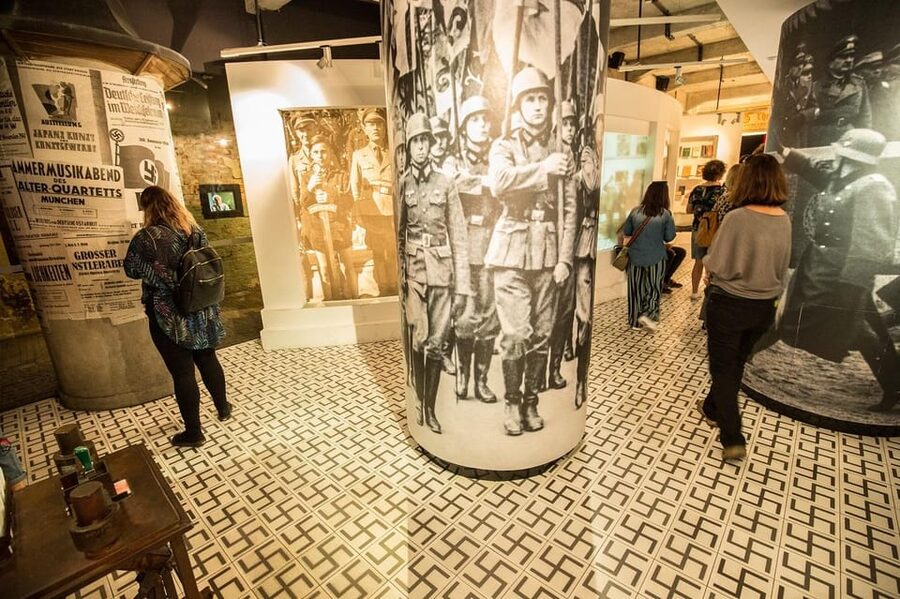
Book it if you want more than a museum ticket. The combination of Krakow Under Nazi Occupation, the preserved ghetto wall, Under the Eagle pharmacy, and the 68 empty chairs creates a clear route through one of Krakow’s most difficult chapters.
At $58, the tour earns its price mainly through the professional guide and the way it connects indoor displays with real places in Podgórze. I would choose it over a solo visit if your time is limited or if you want help understanding what you are seeing.
Skip it if you prefer to set your own pace, already know the subject well, or want a short and easy sightseeing activity. This is a serious three-hour commitment, and it may run longer. For the right visitor, though, it offers a thoughtful and well-organized way to understand both Schindler’s story and the wider experience of Jewish life in occupied Krakow.
FAQ
How long does the tour last?
The stated duration is three hours. The timing can run longer, with one recorded visit lasting about three and a half hours.
What is included in the price?
The $58 price includes admission to Schindler’s Factory Museum, a professional tour guide, and the walking tour through Podgórze.
Is hotel pickup included?
No. Hotel pickup and drop-off are not included. You meet the guide at the main entrance to Schindler’s Factory Museum.
Where is the meeting point?
The guide meets you in front of the main entrance to Schindler’s Factory Museum. Look for the excursions.city sign.
Which languages are available?
The live tour guide is available in English, Italian, French, Spanish, and German.
Does the tour include food or drinks?
No. Food and drinks are not included.
What places will the walking portion visit?
The walking route includes streets in Podgórze, part of the preserved ghetto wall, the former Jewish residential area, Under the Eagle pharmacy, and the Empty Chair Monument in Heroes’ Square.
Do I need identification for the museum?
From January 1, 2026, all participants must bring a passport or identity card and provide their full names when reserving. Without identification, museum entry may be denied.
Can I cancel the booking?
Yes. You can cancel up to 24 hours in advance for a full refund. A reserve now and pay later option is also available.
Just added around Krakow
- stag dog chase Krakow prank★ 5.0 · 4 reviews
- Divine Mercy Sanctuary – Private Tour from Krakow★ 5.0 · 4 reviews
- ZALIPIE – painted village, unique small group tour from Krakow★ 5.0 · 7 reviews
- ZALIPIE – painted village, unique PRIVATE tour from Krakow★ 5.0 · 20 reviews
- Zalipie Private Tour from Krakow The Painted Village★ 5.0 · 4 reviews
- Wooden Churches Unesco List Private Tour from Krakow★ 5.0 · 14 reviews
- Guided tour to Salt Mine & Schindler Factory with Pick-Up Options★ 4.0 · 58 reviews
- White Water Rafting Krakow★ 5.0 · 3 reviews
Schindler Factory Tours, compared.
Oskar Schindler’s Factory Entry Ticket & Guided Tour
Read our review →
Schindler’s Factory Tour with Entrance Ticket
Read our review →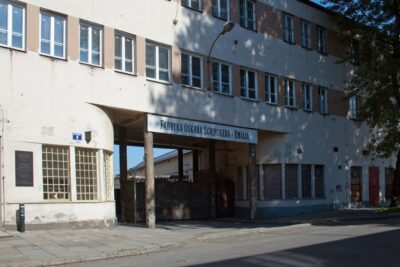
Schindler’s Factory Tour with Entrance Ticket
Read our review →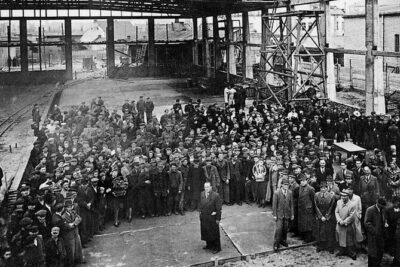
Schindler’s Factory in Krakow: Guided Tour & Skip the Line Ticket
Read our review →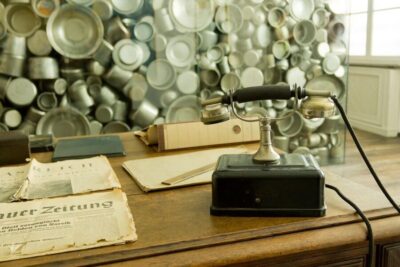
Schindler’s Factory Ticket with Guided Tour Option
Read our review →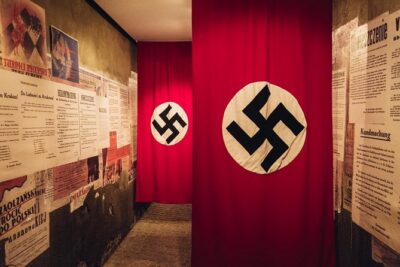
Krakow Schindler’s Factory Guided Tour with Admission Ticket
Read our review →Browse the lists this tour appears in