
Reviewed · WWII TOURS
Stutthof Concentration Camp:Guided Tour with Transportation
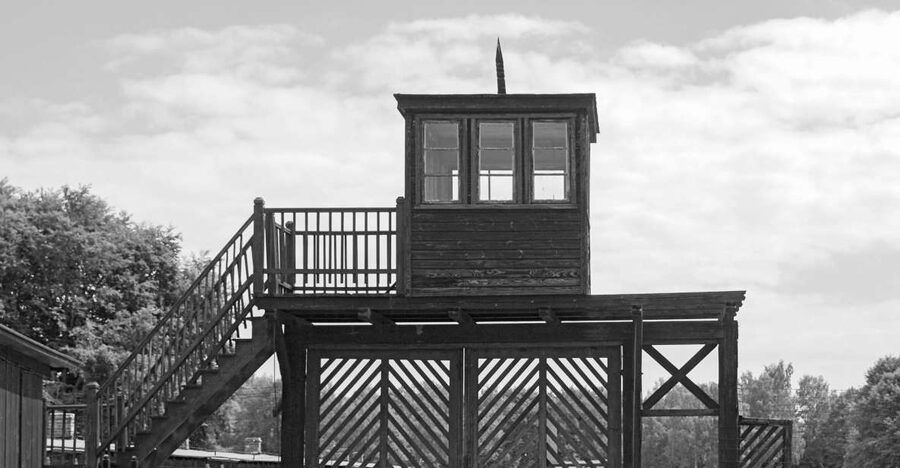
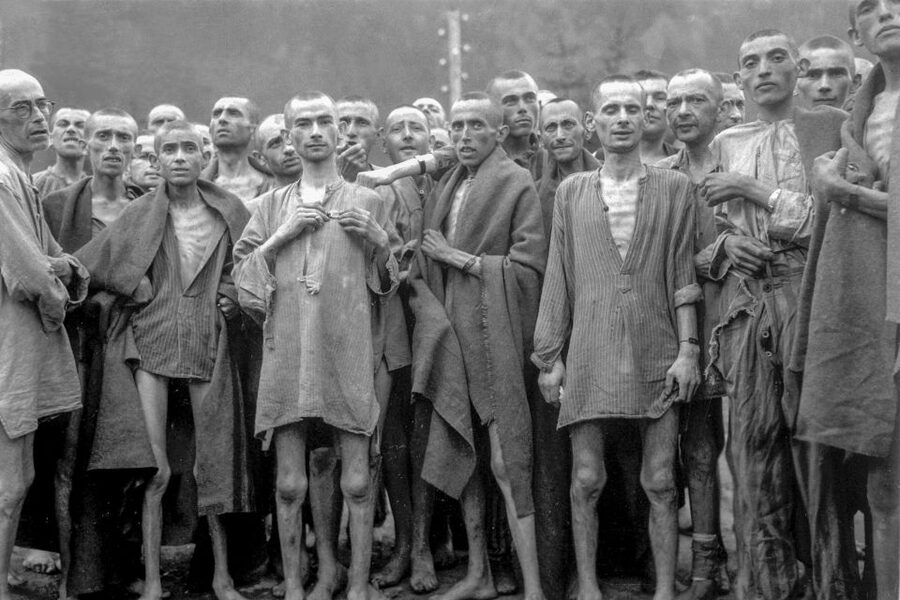
Stutthof is not an easy sightseeing stop, and that is precisely why it matters. As the first concentration camp the Nazis built in Poland, it presents the machinery of persecution in a direct, physical way: prisoner barracks, gas chambers, exhibitions, and the grounds where more than 110,000 people were imprisoned, forced to work, tortured, or killed. This is serious history, not a casual day trip.
I like two things here. First, you get a licensed guide and at least two guaranteed hours at the museum, even if traffic slows the drive. Second, pickup and drop-off at your hotel or cruise port make a difficult visit much simpler to arrange. The main consideration is emotional: children under 13 are not permitted, and even adults should expect a heavy, quiet experience rather than a cheerful outing.
Key points to know before you go
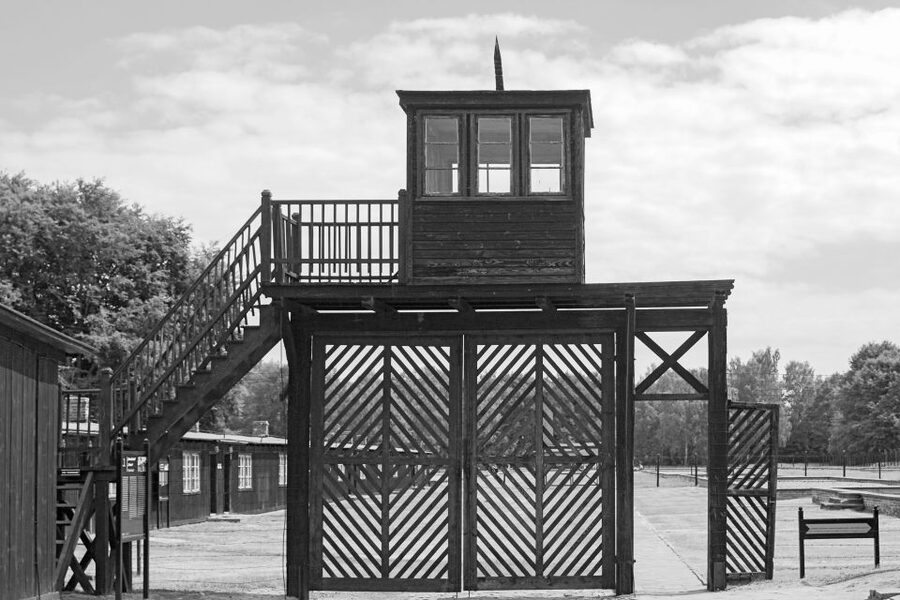
- Stutthof was the first Nazi concentration camp built in Poland, and the visit focuses on the camp’s role during the occupation.
- Your guided museum time is protected, with a minimum of two hours at Stutthof regardless of traffic delays.
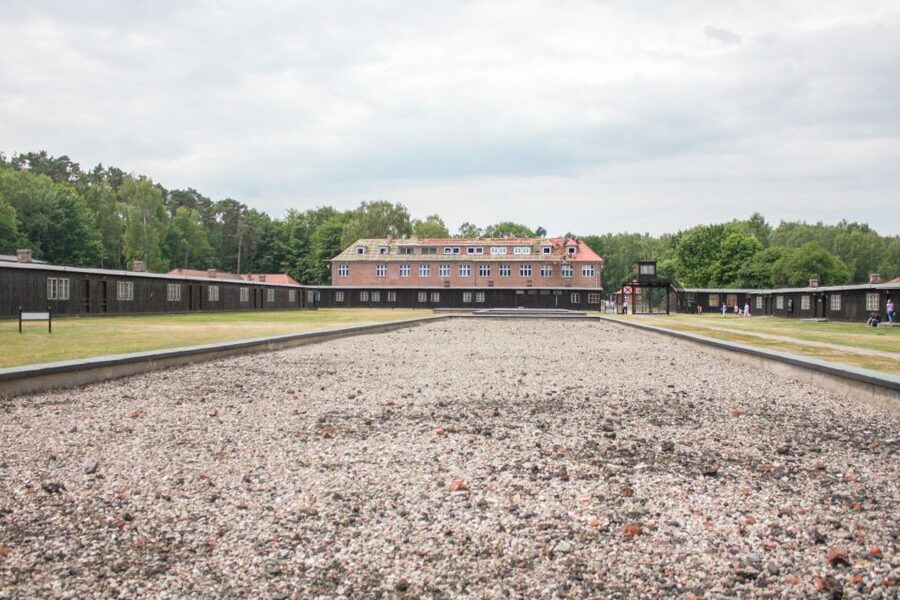
- The original barracks, gas chambers, exhibitions, and museum cinema give the visit a strong sense of place.
- Named guides include Marek, Robert, and Adam, with the exact guide depending on your departure.
- You can add Westerplatte, the Museum of the Second World War, or Gdansk Old Town to create a seven-hour day.
- Pickup is available in Gdansk, Sopot, or Gdynia, including cruise-port collection and return.
Why Stutthof deserves a full morning
Stutthof was created by Nazi Germany during the occupation of Poland and operated for five years. Prisoners came from 28 countries. The scale is difficult to grasp from numbers alone, but the preserved buildings help put those numbers into human terms.
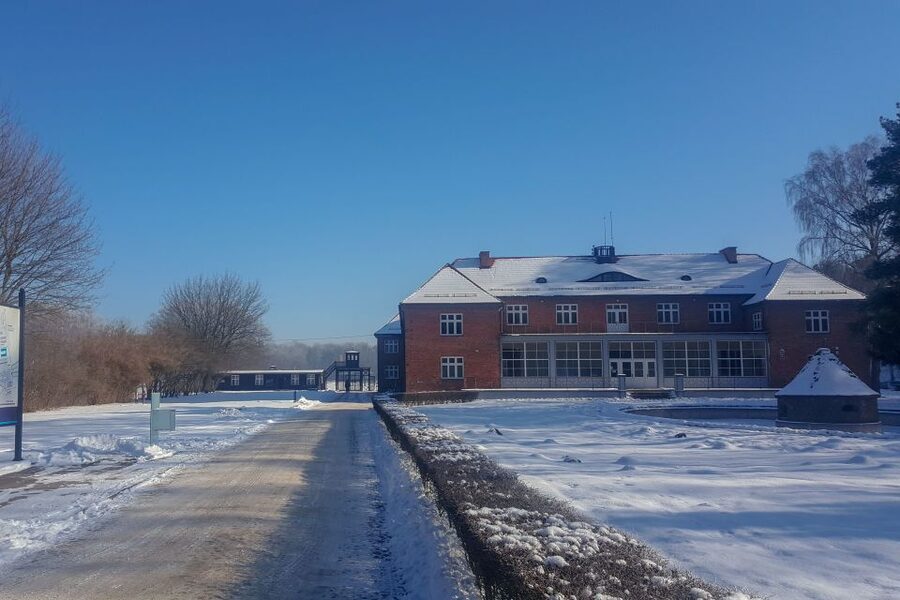
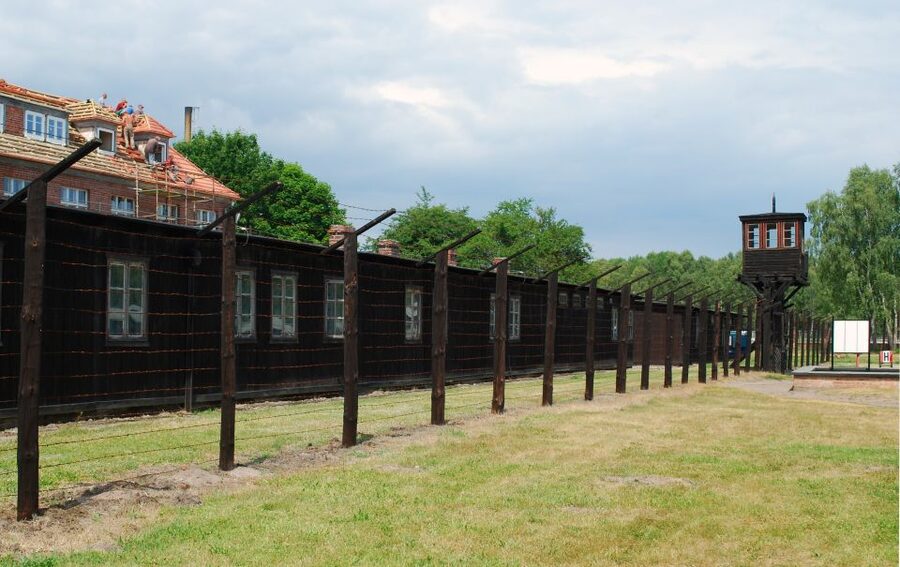
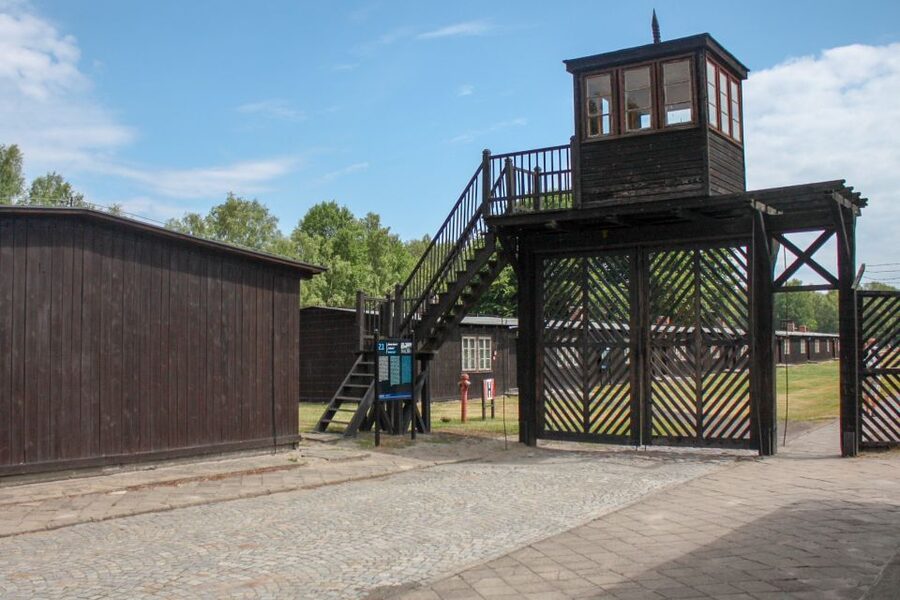
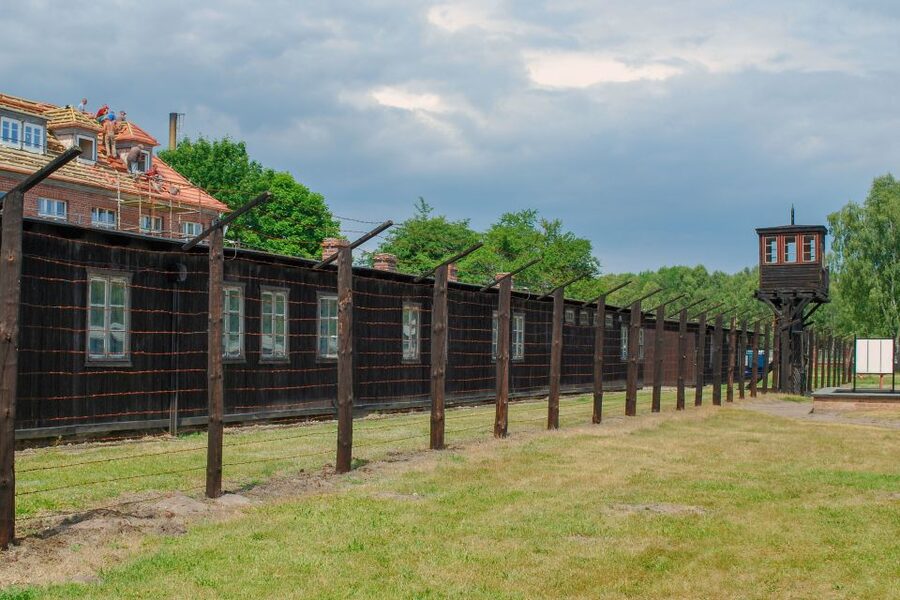
You walk through authentic prisoner barracks and see the gas chambers. You also encounter exhibitions that explain how the camp functioned, how prisoners were forced to work, and how the surrounding population was affected. The setting is not presented as an abstract history lesson. You are looking at the actual site where the system operated.
That physical connection is the reason I would choose a guided visit over going alone. A guide can explain what each building was used for and connect the site to the wider history of Poland during the Second World War. The guides associated with this experience include Marek, Robert, and Adam. Marek is noted for explaining the museum displays carefully, while Adam is known for adding smaller stories about people connected with the camp. Robert has also been praised for adding useful context during the drive and helping fit extra Gdansk sightseeing into the day.
The exact guide is not promised, so book this for the structure and access rather than for one particular person. Still, the names give you a sense of the guide-led approach: expect spoken explanation, not simply a driver dropping you at the entrance.
More WWII Tours in Gdansk
- Gdansk: Guided Round-Trip Cruise to Westerplatte
★ 4.3 · 865 reviews - Gdansk: Stutthof Concentration Camp Regular Tour
★ 4.7 · 361 reviews - Stutthof Concentration Camp English Tour with Gdansk Hotel pickup
★ 4.5 · 73 reviews
The drive from Gdansk, Sopot, or Gdynia
The tour begins with collection at your accommodation or cruise port in Gdansk, Sopot, or Gdynia. You travel in an air-conditioned car with an English-speaking driver, and the total outing lasts five to seven hours depending on the option you choose.
This arrangement is especially useful if you are visiting by cruise ship. You do not need to work out a regional connection to a museum outside central Gdansk, and you have a planned return to the ship or accommodation. The operator also protects at least two hours of guided sightseeing at Stutthof, even if traffic causes trouble on the road.
That guarantee matters. The stated trip length is five hours, but road conditions can affect how relaxed the day feels. You should still check the pickup details sent by email the day before and allow a sensible buffer around any onward travel. The tour promises a minimum of two hours at the camp, not a fixed total travel time under every condition.
The car format may also suit you better than a large coach. A private group option is available, although the standard booking details do not promise that every departure is private. If a quiet, personal visit is important to you, select the private option when available rather than assuming it comes as standard.
Inside the Stutthof Museum
The central part of the day is the guided visit to the Stutthof Museum. Admission is included, and the tour also includes entry to the museum cinema.
You can expect to see:
- Prisoner barracks
- The gas chambers
- Museum exhibitions
- The camp grounds
- A film shown in the museum cinema
The buildings and grounds do much of the speaking. You can see how confined the prisoners were and how the camp was organized. The gas chambers are particularly difficult, and your guide’s explanation helps keep the visit grounded in fact rather than shock value.
At least two hours gives you enough time for a guided walk and a closer look at the displays. It is not an unlimited museum day, so you should not expect to read every item at length. The value is in having a clear route through the site and enough explanation to understand what you are seeing.
The museum also provides access to a documentary about Stutthof survivors. The full documentary can be emailed to you after the tour on request. That is useful because you may not have the time or emotional space to absorb everything on the day itself. Ask for it if you want material to revisit later.
A practical point: this is not suitable for children under 13. That age restriction fits the subject matter. Adults should also prepare for an experience that can leave them quiet afterward. Plan a little breathing room rather than scheduling an immediate celebratory meal or packed activity.
Adding a Baltic Sea walk
The return route includes a relaxing walk toward the beach, with white sand and views of the Baltic Sea. This is a striking contrast to the museum visit, but it should not be mistaken for the main attraction.
The beach stop gives you a chance to process what you have seen and spend a short time outdoors. You get a different side of the Pomerania region, one that is open, calm, and coastal. The supplied information does not specify the exact beach, walking distance, or time allowed, so you should treat this as a brief scenic pause rather than a full beach excursion.
I like the balance, provided you understand its purpose. The walk does not erase the weight of Stutthof. It simply gives you space to collect yourself before the return drive.
More visits to the Stutthof memorial:
- Stutthof Concentration Camp tour including transfer from Gdansk
★ 5.0 · 34 reviews - Stutthof Concentration Camp Half-Day Private Tour
★ 4.8 · 29 reviews - Private transportation to the Stutthof Concentration Camp 4h
★ 4.7 · 28 reviews - Stutthof Concentration Camp: Private Guided Tour with Transport
★ 4.5 · 26 reviews
The seven-hour options: choose one extra stop
The extended version takes about seven hours and lets you add one of three Gdansk-area experiences. Your choice should depend on how much military history you want and how much energy you have left after Stutthof.
Westerplatte and the beginning of the war
Westerplatte was a military base used by different armies and is closely linked with the beginning of the Second World War. The stop includes a small military cemetery and the large Monument to the Defenders of the Polish Coast.
Choose Westerplatte if you want to connect Stutthof with the opening chapter of the war in Poland. It is an outdoor stop, so it changes the pace after the museum. You will be walking and viewing monuments rather than spending more time inside exhibitions.
The drawback is that Westerplatte adds another military site to an already serious day. If you prefer a broader historical picture, one of the museum options may suit you better.
Museum of the Second World War
The Museum of the Second World War is the strongest choice if you want wider context after Stutthof. The visit includes a ticket and guided sightseeing, with attention to different points of view about the war.
This option helps you place the camp within the larger story of Poland and Europe. Stutthof shows you one site of persecution. The Second World War Museum can help connect that site to the conflict, occupation, and wider political forces around it.
The risk is information overload. After two hours at Stutthof, another major museum may feel demanding. Choose this option if you enjoy exhibits and want a fuller historical day. It is less suitable if you know you will need open air and quiet after the camp.
Gdansk Old Town
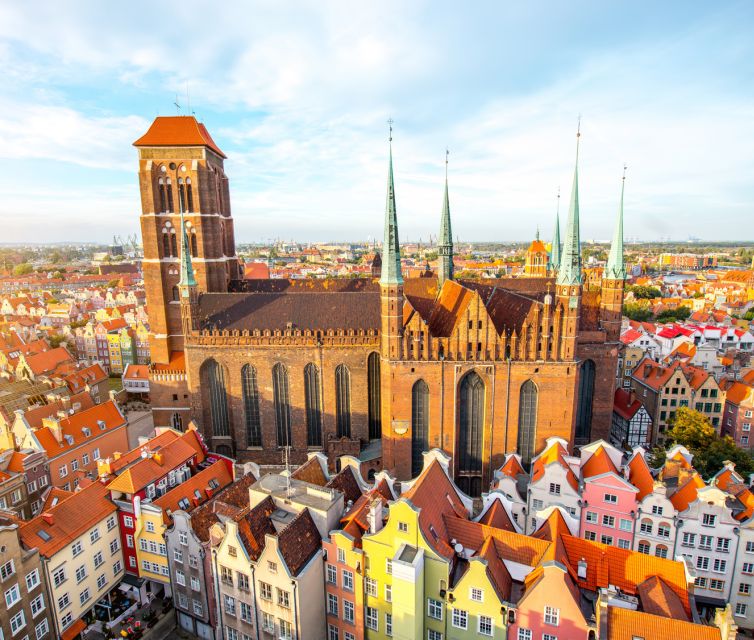
The Old Town option provides a walking tour of major sights in Gdansk. You see St. Mary’s Church, described as the largest brick church in the world, along with Arthur’s Court, the Golden Gate, Cranz, and other central landmarks.
This is the most varied option. After a difficult morning, the architecture and streets of Gdansk give you a change of subject without abandoning local history. It is also useful if you have limited time in the city and want an introduction to its main sights.
The drawback is that Old Town is not a continuation of the Stutthof story. Choose it for contrast and city orientation, not for added concentration camp or military history.
Is $269 a fair price?
At $269 per person, this is not a budget excursion. Its value depends on how much you would otherwise pay for transport, museum entry, guiding, and the convenience of a return pickup.
The price includes air-conditioned transport, collection and drop-off in Gdansk, Sopot, or Gdynia, Stutthof admission, the guided visit, the museum cinema, and at least two hours at the site. The longer option also includes sightseeing at Westerplatte, entry to the Museum of the Second World War, or an Old Town tour, depending on your selection.
For a cruise passenger, the convenience has real value. You avoid arranging transport to a distant museum and have a planned return to the port. For a small private group, the price may also compare more favorably with arranging separate cars and guides.
If you are staying in Gdansk and are comfortable arranging your own transport, the cost may feel high. In that case, the strongest reason to book is the guide and the protected museum time, not just the ride. I would also compare the private-group price with the number of people in your party before paying.
Free cancellation is available up to 24 hours before the tour, and you can reserve now and pay later. Those terms help if your schedule is uncertain, but you should still read the final pickup instructions sent by email the day before.
Languages, group size, and comfort
Guiding is available in English, German, Polish, Norwegian, Swedish, Spanish, French, Italian, and Russian. Check the language at booking rather than assuming every departure offers every option.
The air-conditioned car is a practical touch, particularly on a long day that combines driving, walking, and museum time. The tour also includes pickup from accommodations and cruise ports in three nearby cities, which makes it suitable for different bases around the Gulf of Gdansk.
A private group is available. This matters at Stutthof because the subject is personal and the pace can be subdued. A private format may let you ask more questions and move at a pace that fits your group, though the supplied details do not specify the maximum group size or the exact private-group surcharge.
The tour is not suitable for children under 13. It is best for adults and older teenagers who can engage with the subject seriously.
Who should book this Stutthof tour?
I would recommend it if you want a guided, organized visit to Stutthof and are staying in Gdansk, Sopot, or Gdynia. It is particularly practical for cruise passengers, people who prefer door-to-door transport, and visitors who want historical explanation rather than a quick look around.
It also suits you if you want to combine Stutthof with another major stop. The Museum of the Second World War is the best choice for broader context. Westerplatte works for a second military site. Old Town is the better pick if you want your day to include architecture and central Gdansk.
I would not choose it for a light sightseeing day or a family outing with young children. The gas chambers and camp buildings make this a difficult visit, and the five-hour version is already a full half-day. Give the subject the attention it deserves.
Final decision
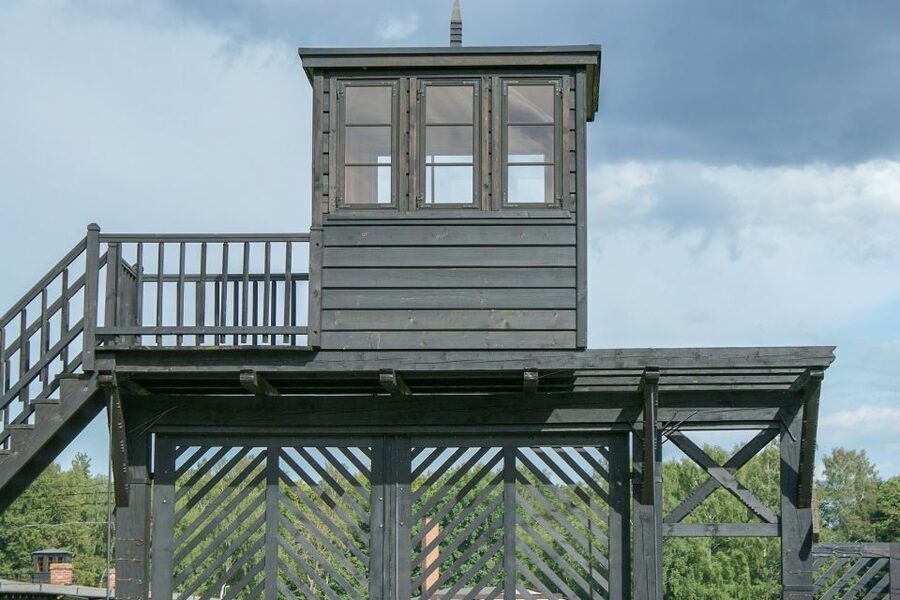
Book this tour if clear guidance, reliable transport, and a guaranteed two hours at Stutthof matter more to you than finding the lowest possible price. The original barracks, gas chambers, exhibitions, survivor film, and guide commentary make the visit more meaningful than a self-guided stop with limited context.
Choose the five-hour version if Stutthof is your main purpose and you want time afterward to rest. Choose the seven-hour version if you have the energy for one more carefully selected stop. For most people, the Old Town option gives the greatest contrast, while the WWII Museum offers the strongest historical follow-up.
This is a sobering excursion, but it is an important one. Go prepared, listen carefully, and leave room in your day for the experience to settle.
FAQ
How long does the Stutthof tour last?
The standard tour lasts about five hours. Extended options last about seven hours and add Westerplatte, the Museum of the Second World War, or Gdansk Old Town.
Where does pickup take place?
Pickup and drop-off are available at accommodations or cruise ports in Gdansk, Sopot, and Gdynia.
How much time is guaranteed at Stutthof?
The tour guarantees at least two hours of guided sightseeing at Stutthof, even if traffic causes delays.
Which languages are available?
Guiding is available in English, German, Polish, Norwegian, Swedish, Spanish, French, Italian, and Russian.
Is the museum entrance included?
Yes. The price includes admission to the Stutthof Museum and a ticket for the film in the Stutthof Museum cinema.
Can children join the tour?
Children under 13 are not permitted on this experience.
Just added around Gdansk
- Gdansk and Malbork Castle Small Group Tour from Warsaw with Lunch★ 4.5 · 20 reviews
- Westerplatte private tour led by Expert-Guide (door to door)★ 5.0 · 5 reviews
- Whisky Tasting in Gdańsk★ 5.0 · 3 reviews
- Gdansk EVERYDAY Vodka Tasting Tour★ 5.0 · 6 reviews
- Westerplatte – 2h private trip by luxury car|★ 5.0 · 4 reviews
- Private WW2 Tour of Westerplatte,Gdansk and Stutthof Including Lunch★ 5.0 · 12 reviews
- Aiport Gdansk Transfer to Malbork Castle or Stutthof★ 5.0 · 3 reviews
- 5 hours Individual trip to the Stutthof Concentration Camp★ 5.0 · 5 reviews
WWII Tours, compared.

Warsaw for WWII Buffs – private tour with hotel pickup
Read our review →
Treblinka Death Camp 6 Hour Private Tour from Warsaw
Read our review →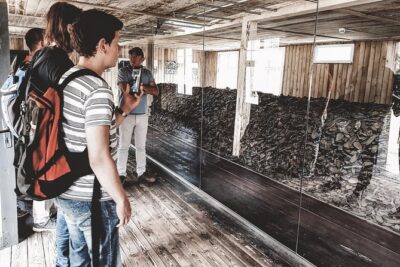
Stutthof Concentration Camp English Tour with Gdansk Hotel pickup
Read our review →Browse the lists this tour appears in