
Reviewed · JEWISH HERITAGE TOURS
Krakow: Jewish Quarter Guided Walking Tour
Kazimierz is where Krakow’s Jewish past feels most present: on Szeroka Street, beside old synagogues, and along cobblestone lanes lined with coffee shops. This tour connects those places to the lives of Jewish and Polish residents, then shows you why Spielberg used the district for Schindler’s List. I especially like the mix of film locations and serious history, plus the chance to hear local stories from guides such as Jack, Magda, Bart, and Max. You should be ready for about 4 to 6 kilometers of walking, and entry fees for buildings are extra.
- Szeroka Street and Kazimierz’s old lanes: See the district’s most recognizable streets and old tenement houses.
- Three notable synagogues: Learn about the Old Synagogue, Tempel Synagogue, and Izaak Jakubowicz Synagogue.
- Jewish Cemetery: Add an important place of memory to the street-level history.
- Schindler’s List locations: Match real streets and buildings with scenes from Spielberg’s film.
- Small-group format: Ask questions and keep pace with the guide more easily than on a large coach tour.
- Three-hour walking route: A useful first look at Kazimierz, but not a light stroll for anyone with walking problems.
Kazimierz gives Krakow a second story
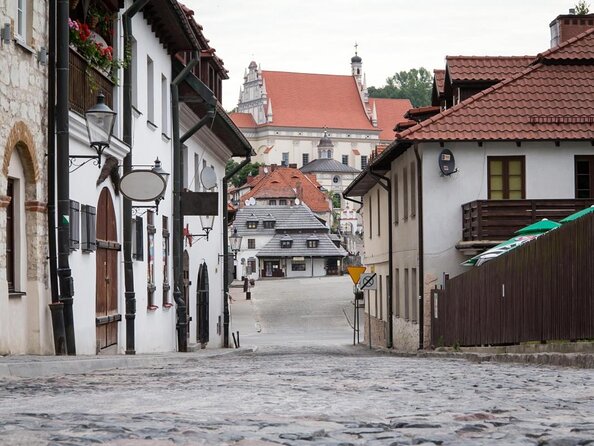
Many first-time visitors know Krakow for the Main Market Square, Wawel Castle, and grand churches. Kazimierz tells a different story. Once a separate town beside Krakow, it became the center of Jewish life in the city for centuries. This walk helps you read the district as more than a photogenic collection of old walls and cafés.
I like that the tour treats Kazimierz as a lived-in neighborhood, not just a film set. You hear about ordinary daily life, religious practice, Polish and Jewish relationships, wartime persecution, and the people who tried to help others during the occupation. The guide’s job here is not simply to point at a synagogue and give you a date. It is to explain how the buildings fit together.
The tone is serious, but the route also includes cafés, artistic spaces, and the everyday feel of the district. Guides have been praised for keeping the subject approachable, informal, and clear. That balance matters. Too much detail can become hard to follow on a walking tour, while too little leaves you with attractive streets and no understanding of what happened there.
Starting at Grodzka Street
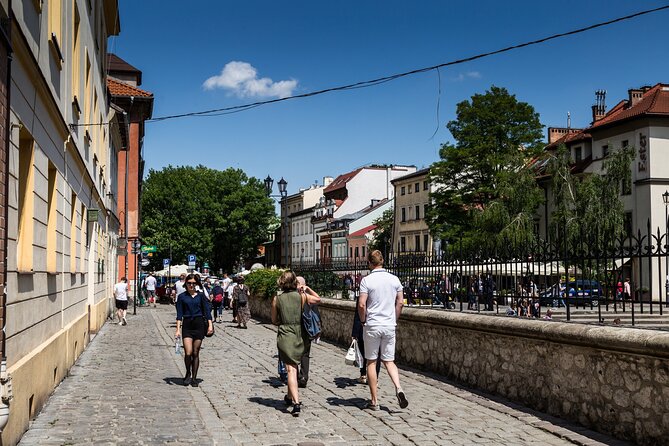
The tour begins at the KrakowTIP tourist information point at ul. Grodzka 18. This is in the central part of Krakow, so you do not start in Kazimierz itself. The opening walk provides a transition from the historic center toward the former Jewish district.
Listen closely at the start. The guide sets up the basic story of Krakow and Kazimierz, then places the Jewish district within the city’s wider past. This early context makes the later stops easier to understand, especially when the route reaches wartime sites and film locations.
Because the meeting point is on Grodzka Street, allow enough time to find the tourist information point. Starting times vary, so check the schedule when booking. The tour finishes back at the stated meeting point, making it easier to plan the rest of your day without arranging a separate ride.
More Jewish Heritage Tours in Krakow
- Krakow: Schindler’s Factory & Ghetto Guided Tour
★ 4.7 · 1,694 reviews - Krakow: Jewish Quarter and Former Ghetto Tour
★ 4.9 · 1,441 reviews - Krakow: Bike Tour of Old Town, Jewish Quarter and the Ghetto
★ 4.9 · 1,155 reviews
Szeroka Street and the old heart of Jewish Kazimierz
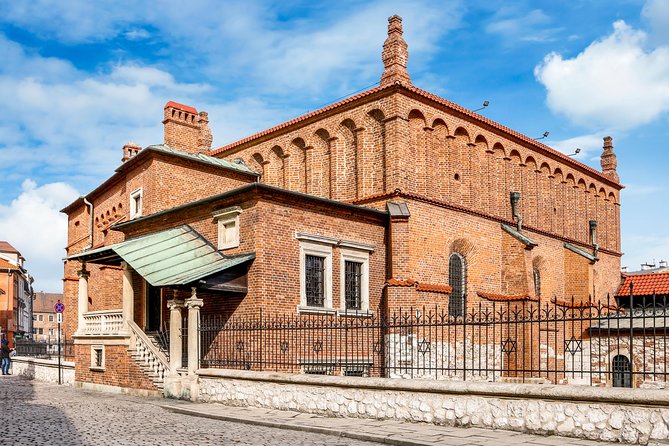
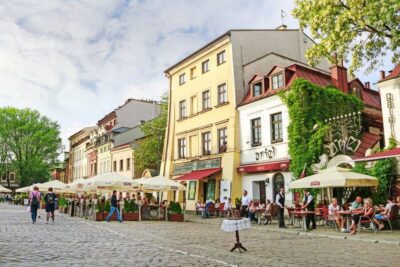
Szeroka Street is one of the tour’s central moments. Despite its name, it feels more like a broad historic square than a conventional city street. It gathers several important Jewish buildings and offers a clear sense of how public and religious life once met in one place.
Here, the guide can explain why Kazimierz became known as a city within a city. The phrase is useful, but it should not make you think the district was cut off from the rest of Krakow in every way. The walk explores the connections and tensions between Jewish residents, Polish residents, local institutions, and the changing city around them.
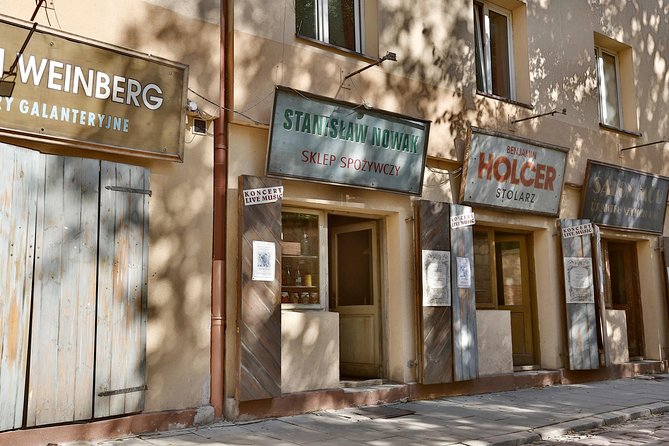
The surrounding narrow streets and old tenement houses are part of the experience. Look above the shopfronts and cafés. Architectural details, worn walls, and uneven street surfaces often tell you more about the age of the neighborhood than a polished monument can.
This is also where the tour’s film angle begins to make sense. Spielberg chose Kazimierz because the district retained the visual character needed for Schindler’s List. The guide helps you separate the movie’s constructed scenes from the real places and events behind them.
Three synagogues, three different points of view
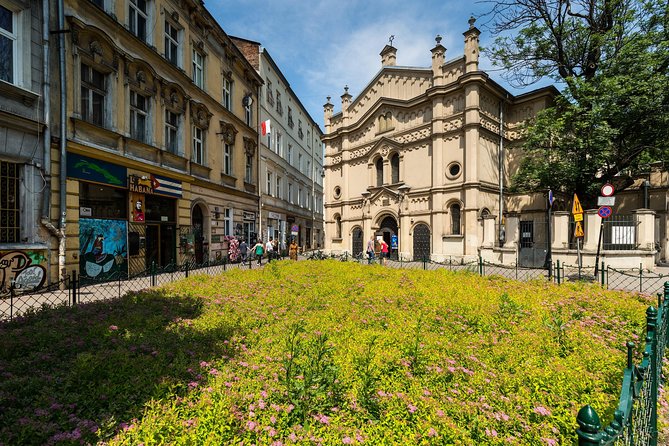
The route includes the Old Synagogue, Tempel Synagogue, and Izaak Jakubowicz Synagogue. Even if you only view some buildings from outside, the stops provide a useful way to compare religious styles, community roles, and periods of construction.
The Old Synagogue is especially important to the story of Jewish Kazimierz. Its name can sound modest, but its role was anything but minor. The guide uses it to explain religious life and the long presence of Jewish communities in Krakow.
Tempel Synagogue adds another layer. Its architecture and history help show that Jewish life was not one single, unchanging tradition. Different groups held different practices and ideas about worship, identity, and the place of religion in modern city life.
Izaak Jakubowicz Synagogue gives the route another physical anchor. Moving between these buildings helps you understand Kazimierz through geography. This is not a history lesson delivered in one room. You walk from place to place and see how close these institutions were to homes, streets, businesses, and public spaces.
Entry tickets are not included. That keeps the basic tour price lower, but you should not assume every interior is part of the guided walk. Ask the guide what can be entered on your date and what requires a separate ticket. The tour remains worthwhile from the street, but an interior visit can add detail if you have the time and budget.
The Jewish Cemetery and places of memory
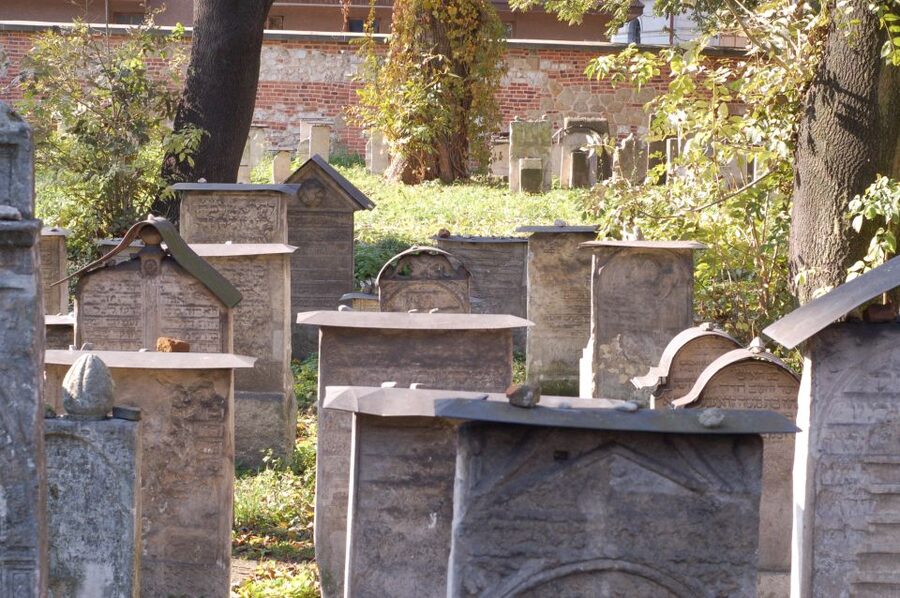
The Jewish Cemetery changes the pace of the walk. After the cafés, façades, and film references, this stop brings the focus back to remembrance and loss.
A cemetery is not simply another sightseeing stop. You need to give the place your attention and respect. The guide explains its importance within the story of Krakow’s Jewish community and helps you understand why memory is such a strong part of Kazimierz today.
The walking route links the cemetery with the synagogues and streets you have already seen. That connection is valuable. You are not looking at isolated historic sites. You are following the outline of a community through its houses of worship, burial ground, public streets, and surviving buildings.
The subject matter includes the Holocaust and the occupation of Poland. This part can be emotionally heavy, especially when the guide connects broad events with local people and specific places. Guides such as Jack and Max have been praised for handling the material with care, strong storytelling, and obvious feeling for Krakow. The tour is better suited to people willing to give these subjects their full attention than to anyone seeking a light entertainment walk.
More Walking Tours in Krakow
- Old Town Krakow & Wawel Castle Walking Tour
★ 5.0 · 1,508 reviews - Creepy Krakow: 2-Hour City Walking Tour
★ 4.7 · 1,131 reviews - Krakow: The Old Town Walking Tour
★ 4.8 · 794 reviews - Krakow: Kazimierz Jewish Quarter Walking Tour
★ 4.8 · 571 reviews
Walking through Spielberg’s Krakow
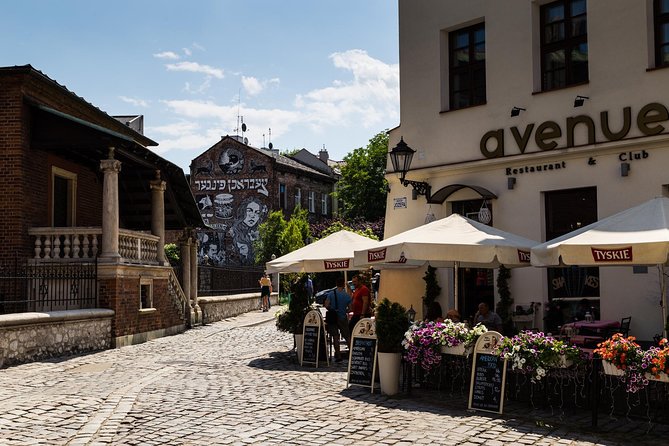
The Schindler’s List connection is a major reason many people choose this tour. You visit places in Kazimierz used in the film and learn why Spielberg selected the district as a setting.
This works best if you have seen the movie recently. You will recognize the visual character of the streets more easily, and the guide can point out where film scenes were made or connected to the real district. If you have not watched it, the film references still add interest, but they should not be the main reason to book.
The movie is a doorway into the subject, not the whole subject. The tour’s strongest moments come when it moves beyond cinema and explains the people who lived in Kazimierz, the destruction of Jewish life during the Holocaust, and the choices made by individuals during the occupation.
One useful tip is to plan any visit to Schindler’s Factory with care. One account of the walk found the route useful alongside a factory visit, but the official end point is back at the Grodzka Street meeting point. Do not assume that an admission ticket or direct museum visit is included. Check your schedule before pairing the two activities.
Guides who make the history easier to follow
The guide can shape this tour more than any individual street. Names associated with the experience include Magda, Bart, Jack, Max, Michael, Severin, and Jacques. You may not receive a particular guide, but the range of names gives you an idea of the tour’s personal, story-led approach.
Magda has been praised for explaining things clearly and keeping a good pace. Bart has been described as entertaining, well informed, and attentive to the interests of the group. Jack has been singled out for careful treatment of Polish history, the occupation, and the Holocaust.
Max’s strength is storytelling and keeping attention during a serious subject. Michael has been noted for his friendly manner and passion for the stories of both Jewish and Polish people. Severin brings enthusiasm for Jewish culture, while Jacques has been appreciated for his local connection to Krakow and personal feeling for the city.
These details matter because a three-hour walk needs more than facts. You want a guide who can explain difficult history without losing the group, answer questions without wandering off topic, and adjust the level for adults and teenagers. A family with three teenagers found the balance useful, and another group particularly enjoyed the way the guide connected the film with the real events.
The small-group setup should help. You have a better chance of hearing the guide, asking questions, and staying involved than you would on a large city tour. A private group is also available if you want a more personal pace or have a particular interest in Jewish history, architecture, or the film.
Three hours on foot, rain or shine
This is a proper walking tour, not a quick loop around a few famous buildings. Allow roughly three hours and expect several kilometers on foot. The route includes cobblestones and city streets, so comfortable shoes matter more than stylish ones.
One person found the amount of walking manageable, while another gave the more useful warning that anyone with difficulty walking should think twice. The distance is generally described as about 4 to 6 kilometers. That is not extreme, but the total becomes more tiring in cold weather, rain, or if you have already spent the morning walking around Krakow.
The tour runs rain or shine. Check the forecast and dress for the conditions. In wet weather, cobblestones can be slippery, and in cold weather the open streets and cemetery may feel demanding. A short food or coffee break is not listed as part of the tour, so plan to eat before or after rather than counting on a scheduled stop.
The pace has been described as comfortable rather than rushed. Still, you should not book this as a casual coffee walk. The guide needs to cover a large amount of ground and history within the three-hour window.
Is $32 a fair price?
At $32 per person, the tour offers a sensible way to get oriented in Kazimierz. You are paying for three hours with an English-speaking professional guide, not for admission to a string of museums. The value comes from the explanations, route planning, and links between sites.
I think the price works best for a first visit. On your own, you can walk Szeroka Street and photograph the synagogues, but it is harder to understand the relationship between those places, the cemetery, the wartime story, and the film. A good guide turns separate sights into one clear account.
The cost is less attractive if you only want interiors. Optional entry tickets are extra, so add them to your budget if you hope to enter buildings along the route. You may prefer a self-guided walk if you already know Kazimierz well or have limited interest in the historical background.
Free cancellation up to 24 hours before the start gives you some planning room, and you can reserve now and pay later. Those policies are useful, but the more important value question is simple: do you want context, or only a walk through old streets? If context is your priority, $32 is reasonable.
Who should book this Kazimierz walk?
This tour suits first-time visitors who want a clear introduction to Krakow’s Jewish district. It also works well for families with older children or teenagers, especially if they have seen Schindler’s List and want to connect the movie with real places.
It is a good choice for anyone interested in Jewish and Polish history, wartime Krakow, local architecture, or the way cinema uses real neighborhoods. The guides’ storytelling is a major part of the experience, so people who prefer a human explanation to reading plaques will get the most from it.
You may want another option if you have difficulty walking, dislike serious historical subjects, or want a tour focused mainly on food and nightlife. Kazimierz has cafés and a lively daily atmosphere, but this experience is built around history and memory first.
Should you book it?
Book this tour if you want Kazimierz explained rather than simply photographed. The combination of Szeroka Street, three synagogues, the Jewish Cemetery, wartime history, and Schindler’s List locations gives you a fuller picture than a short sightseeing loop.
Go prepared for 4 to 6 kilometers, uneven streets, serious subject matter, and extra fees for optional interiors. If that sounds right for you, the small group, strong storytelling, and practical three-hour route make this one of the better-value introductions to Krakow’s former Jewish district.
FAQ
Where does the Jewish Quarter walking tour start?
Meet your English-speaking guide at the KrakowTIP tourist information point at ul. Grodzka 18 in Krakow.
Where does the tour end?
The activity is scheduled to finish back at the meeting point on Grodzka Street.
How long does the tour last?
The walking tour lasts three hours. Starting times vary, so check availability for the date you want.
What language is the tour conducted in?
The listed tour language is English.
Does the tour include synagogue entry tickets?
No. Optional entry tickets to sites along the route are not included in the tour price.
Which synagogues are included in the route?
The route includes the Old Synagogue, Tempel Synagogue, and Izaak Jakubowicz Synagogue.
Is the tour suitable for someone who cannot walk far?
The route covers about 4 to 6 kilometers and takes place on foot. If you have difficulty walking, this tour may not be suitable.
What happens if it rains?
The tour takes place rain or shine. Dress for the weather and wear comfortable shoes.
Just added around Krakow
- stag dog chase Krakow prank★ 5.0 · 4 reviews
- Divine Mercy Sanctuary – Private Tour from Krakow★ 5.0 · 4 reviews
- ZALIPIE – painted village, unique small group tour from Krakow★ 5.0 · 7 reviews
- ZALIPIE – painted village, unique PRIVATE tour from Krakow★ 5.0 · 20 reviews
- Zalipie Private Tour from Krakow The Painted Village★ 5.0 · 4 reviews
- Wooden Churches Unesco List Private Tour from Krakow★ 5.0 · 14 reviews
- Guided tour to Salt Mine & Schindler Factory with Pick-Up Options★ 4.0 · 58 reviews
- Wawel Castle, Cathedral, & Rynek Underground Tour with Lunch★ 5.0 · 4 reviews
Jewish Heritage Tours, compared.
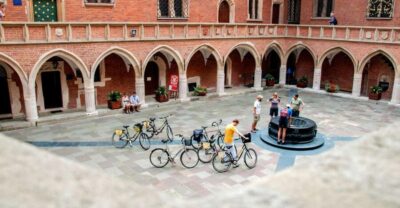
Bike Tour of Old Town, Jewish Quarter and the Ghetto
Read our review →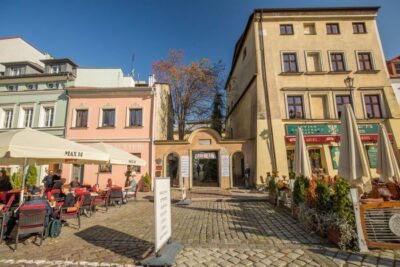
Kazimierz, Schindler’s Factory & Ghetto Guided Tour
Read our review →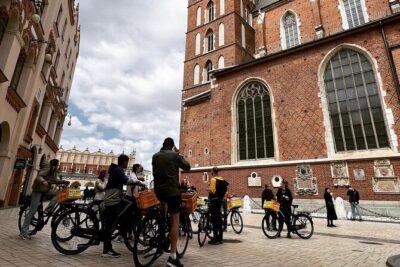
Full Bike Tour – the Old Town, Jewish Qtr & the Ghetto NEW BIKES
Read our review →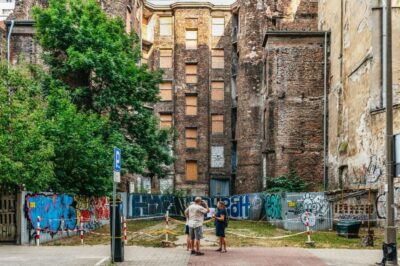
Warsaw Ghetto Private Walking Tour with Hotel Pickup
Read our review →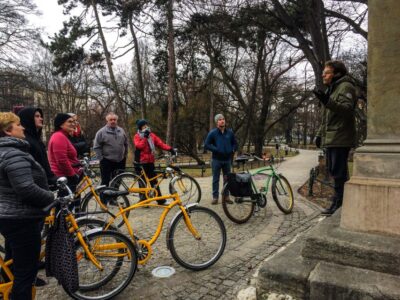
Bike Tour of the Old Town, Kazimierz, and the Ghetto
Read our review →Browse the lists this tour appears in